Africa’s 11,730,000 Square Miles
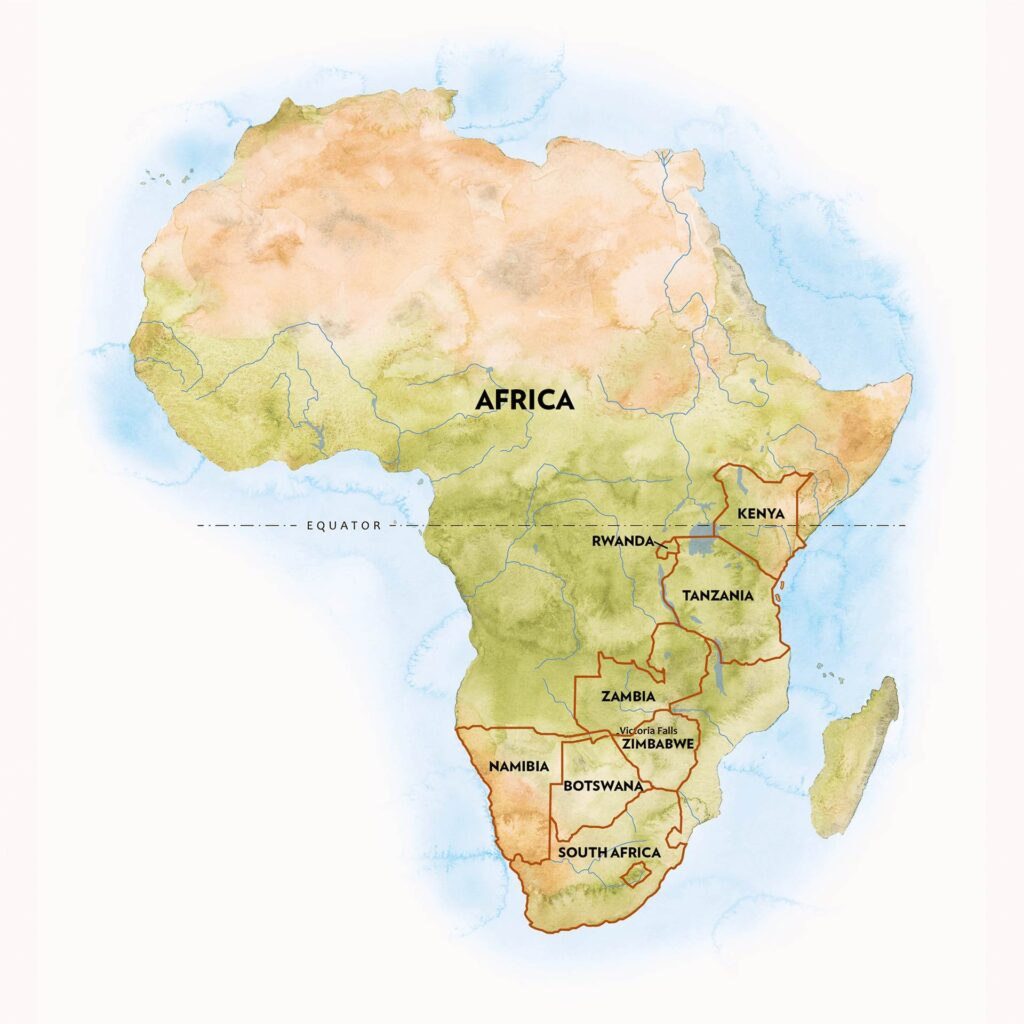
Africa is a continent of breathtaking scale and diversity. Immense in size, it spans a wide range of landscapes across its 54 countries—the highest number of nations on any continent. From some of the world’s largest countries to small island nations, Africa offers an incredible variety of natural environments. Its geography stretches from the powerful Sahara Desert to the icy summits of East Africa, where mountains such as Kilimanjaro, Mount Kenya, and the Rwenzori ranges still feature glaciers. With nearly every climate zone represented, Africa’s landscapes are as diverse as they are dramatic.
Beyond its scenery, Africa is unmatched in wildlife richness, home to more animal species and unique ecosystems than anywhere else on Earth. For travelers who enjoy exploring maps and discovering new regions, each country reveals its own story, culture, and natural wonders. Browse the highlighted safari destinations on the map to learn more about the countries we operate in and discover what makes each one truly special.
Kenya
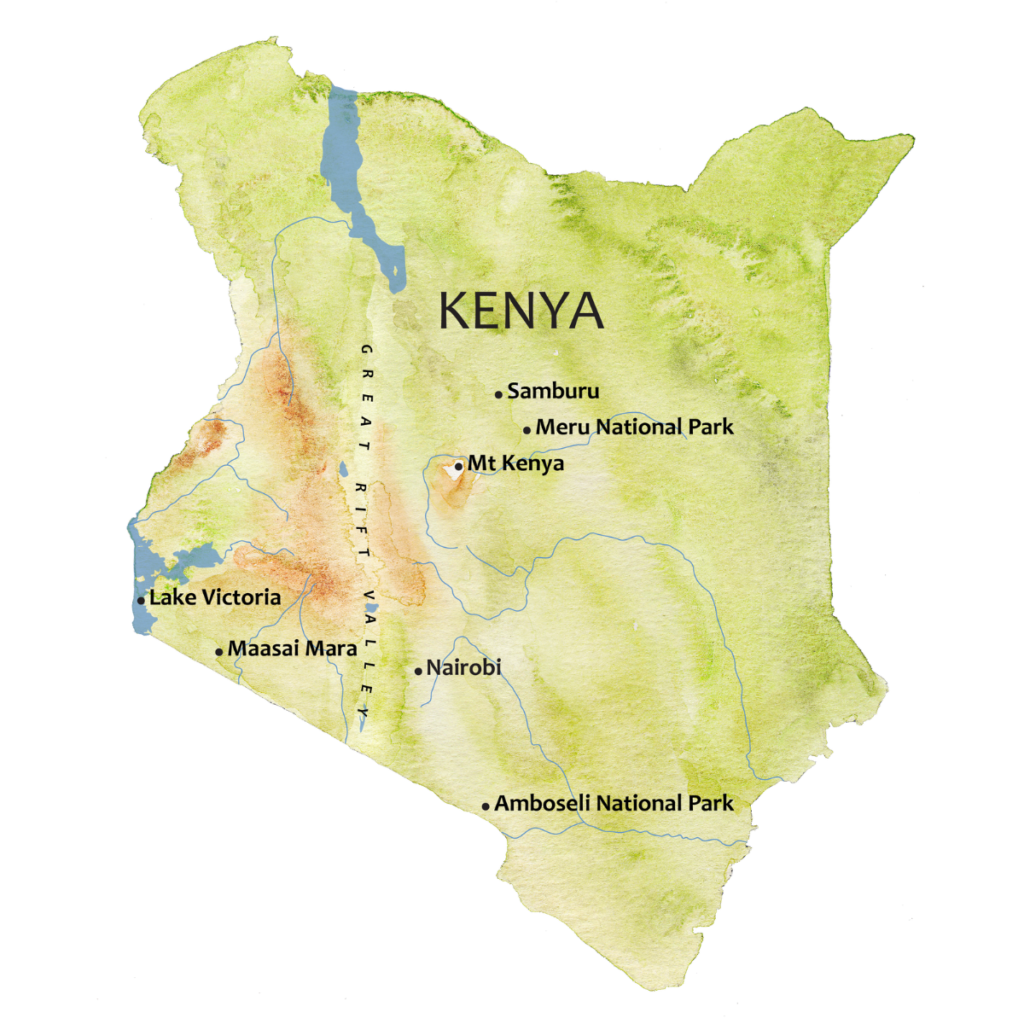
Kenya holds a special place in the history of African safaris. Set against the scenic Ngong Hills and fertile highlands, this region has long inspired explorers, storytellers, and nature lovers. The country’s rich cultural heritage and breathtaking landscapes helped shape the early spirit of safari travel, blending wildlife conservation with unforgettable journeys through the wild.
Named after its iconic mountain, Kenya is widely regarded as the cradle of modern safaris. With an extensive network of national parks and private reserves, the country protects an extraordinary range of wildlife. From vast savannas to forested highlands, Kenya is home to thousands of species, including hundreds of mammals, making it one of the world’s most rewarding safari destinations. Well-managed lodges and camps play a vital role in preserving these habitats while offering travelers close, respectful encounters with free-roaming wildlife.
Tanzania
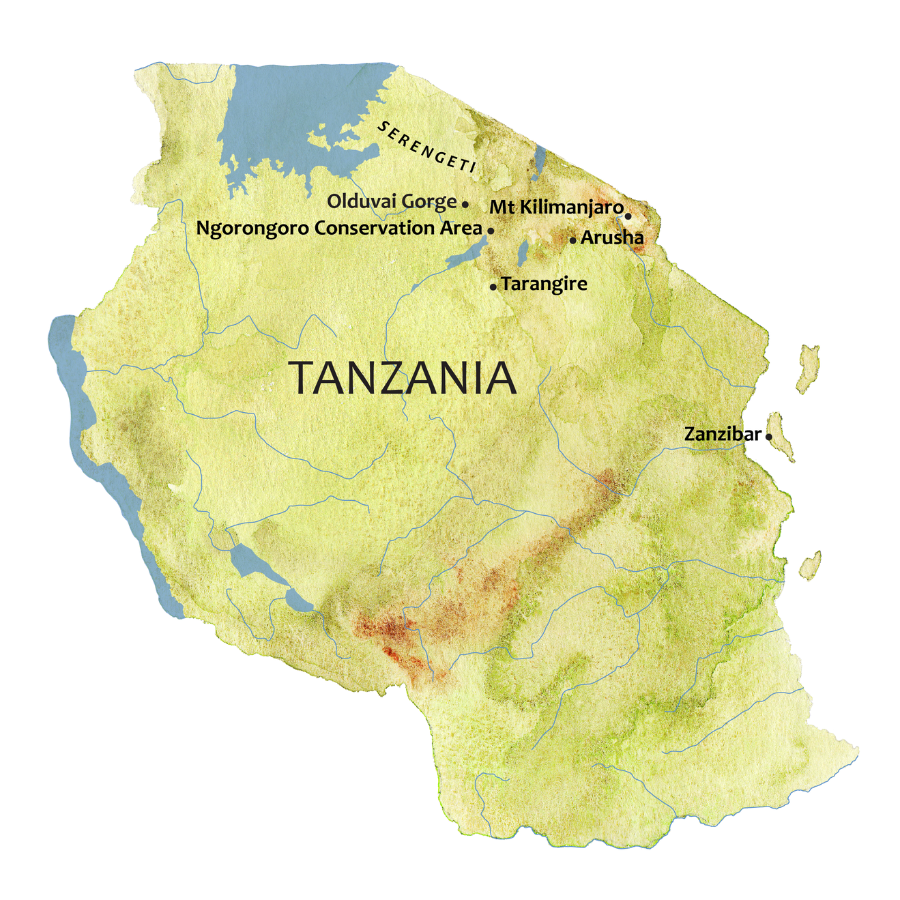
Tanzania dedicates a remarkable portion of its land to protected national parks and conservation areas, making it one of Africa’s premier wildlife destinations. The country is defined by striking contrasts, ranging from the icy heights of Mount Kilimanjaro to the endless plains of the Serengeti and the tranquil white-sand beaches of Zanzibar. This diversity creates an unmatched blend of adventure, wildlife, and coastal beauty.
Tanzania is best known for the Great Migration, one of the most extraordinary natural events on the planet. Each year, millions of wildebeest, zebras, and gazelles move across the Serengeti ecosystem in search of fresh grazing, followed closely by powerful predators. This epic journey, shared with neighboring Kenya, offers a dramatic and unforgettable wildlife spectacle found nowhere else on Earth.
Botswana
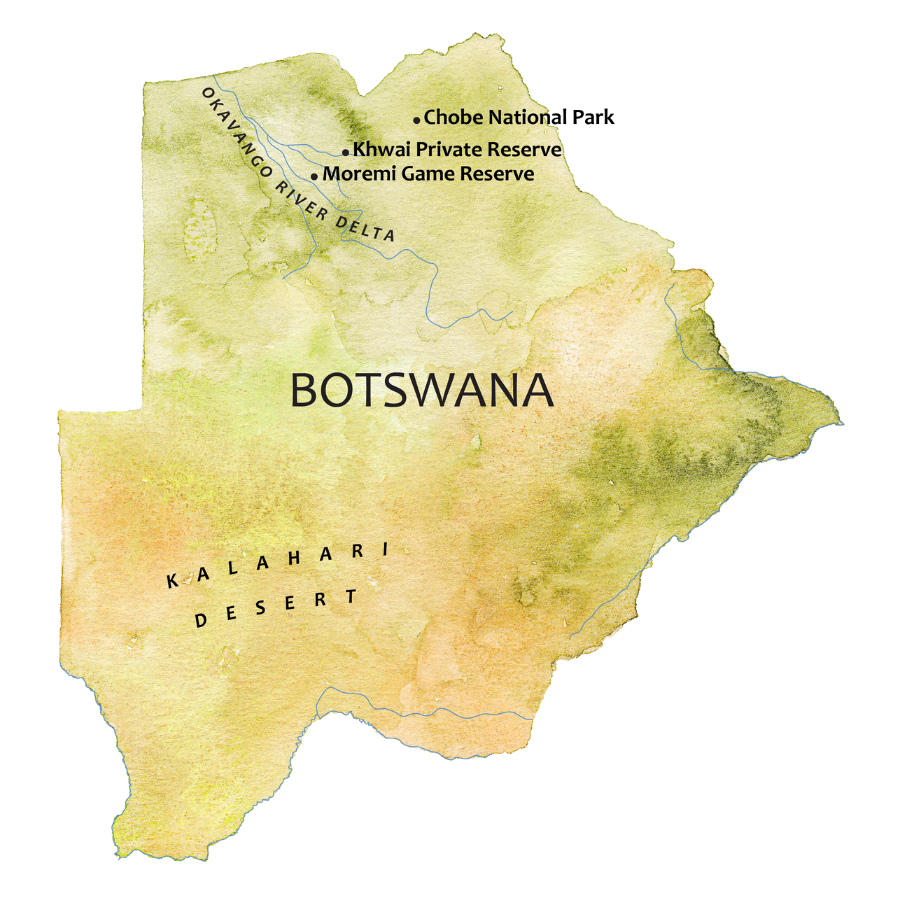
Botswana is widely admired for its stable governance and thoughtful management of natural resources, which have contributed to strong economic growth and a high quality of life. With a low population density and a strong commitment to conservation, the country offers vast, unspoiled wilderness areas and some of Africa’s most exclusive safari experiences.
Much of Botswana’s landscape is shaped by the Kalahari Desert, a dramatic and ancient ecosystem covering a large part of the country. In striking contrast lies the Okavango Delta, a unique inland water system where seasonal floods transform dry land into a thriving wildlife sanctuary. This remarkable delta supports an abundance of animals and birdlife, creating one of the most extraordinary and unexpected safari destinations in the world.

Rwanda
Rwanda is a small yet remarkable country, celebrated for its lush green landscapes and striking natural beauty. Rolling hills, clear lakes, and mist-covered volcanoes define the scenery, while the capital city, Kigali, is known for its cleanliness, safety, and vibrant cultural life. Despite its size, Rwanda stands out globally for its progressive outlook and strong sense of community.
Rwanda is especially renowned for its mountain gorilla conservation efforts. The country is home to Volcanoes National Park, one of Africa’s most important protected areas, where visitors can experience responsibly guided encounters with rare mountain gorillas in their natural habitat. Supported by well-managed lodges and conservation programs, Rwanda offers a deeply moving wildlife experience that combines nature, protection, and sustainability.
Zimbabwe
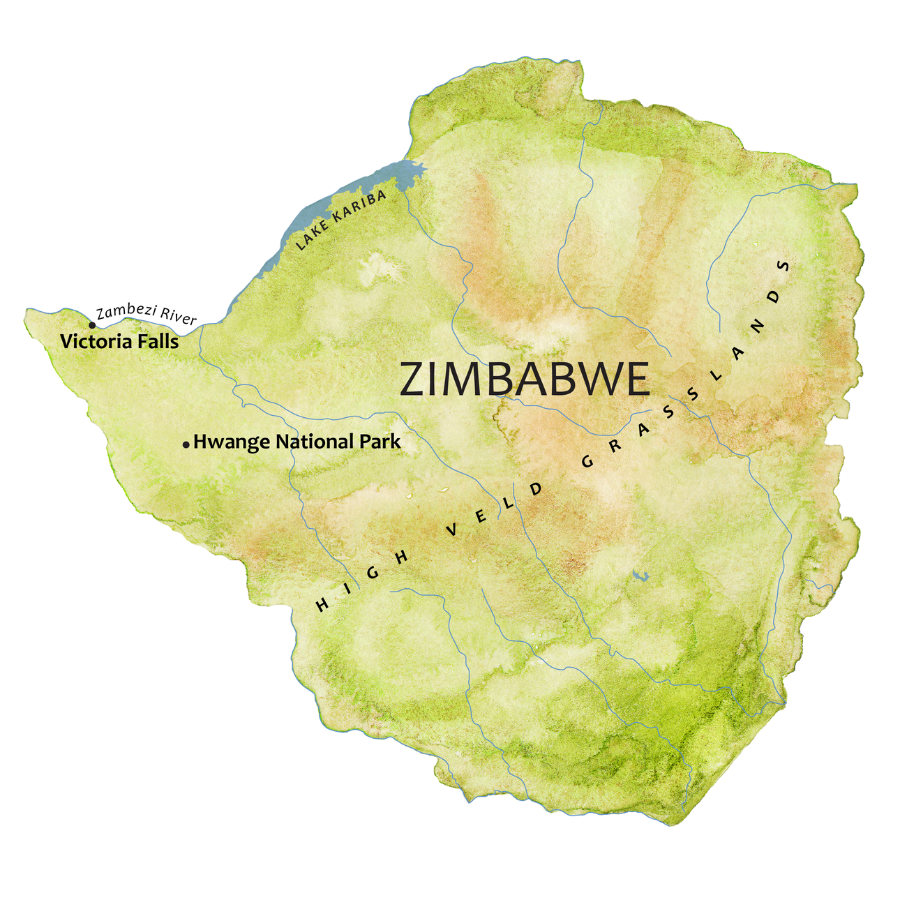
Zimbabwe has re-emerged as one of Africa’s most rewarding safari destinations, offering rich wildlife experiences and dramatic natural scenery. Its protected areas showcase classic African bush landscapes, where large elephant herds roam freely alongside powerful predators, ancient rhinoceros species, and a wide variety of grazing animals.
One of Zimbabwe’s greatest treasures lies in the west of the country—Victoria Falls. Renowned as one of the largest and most spectacular waterfalls in the world, this natural wonder delivers an unforgettable display of power and beauty. Combined with exceptional wildlife viewing in nearby parks, Zimbabwe offers a safari experience that blends adventure, scenery, and iconic African landmarks.
South Africa
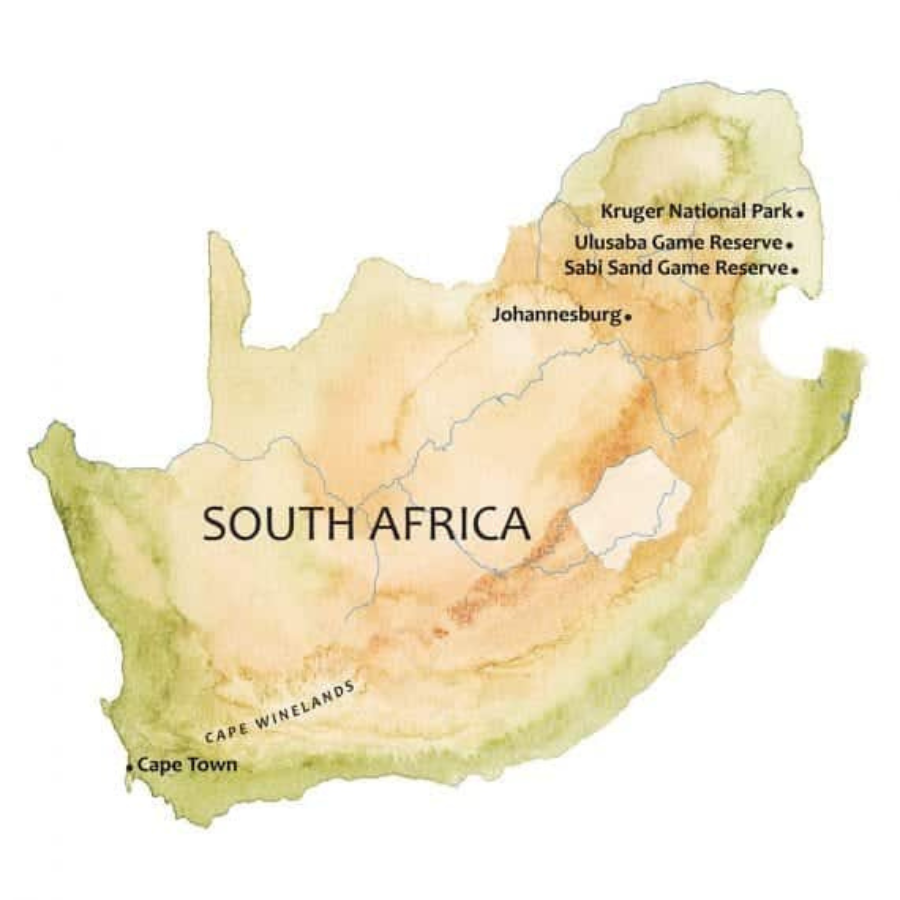
South Africa is often described as a country of many worlds, and its diversity truly sets it apart. Vast in size and rich in variety, it features a long coastline stretching along two oceans, expansive savannas, dramatic mountain ranges, and some of the continent’s most celebrated national parks. Among them, Kruger National Park stands out as one of Africa’s premier wildlife reserves, offering exceptional Big Five safari experiences.
Beyond its wild spaces, South Africa’s southern landscapes are especially captivating. The Cape Peninsula presents a stunning fusion of land and sea, while the nearby Cape Winelands are known for their scenic beauty and refined atmosphere. At the heart of it all lies Cape Town, a vibrant and cosmopolitan city set beneath the iconic Table Mountain, renowned for its extraordinary natural richness and breathtaking views.
Namibia
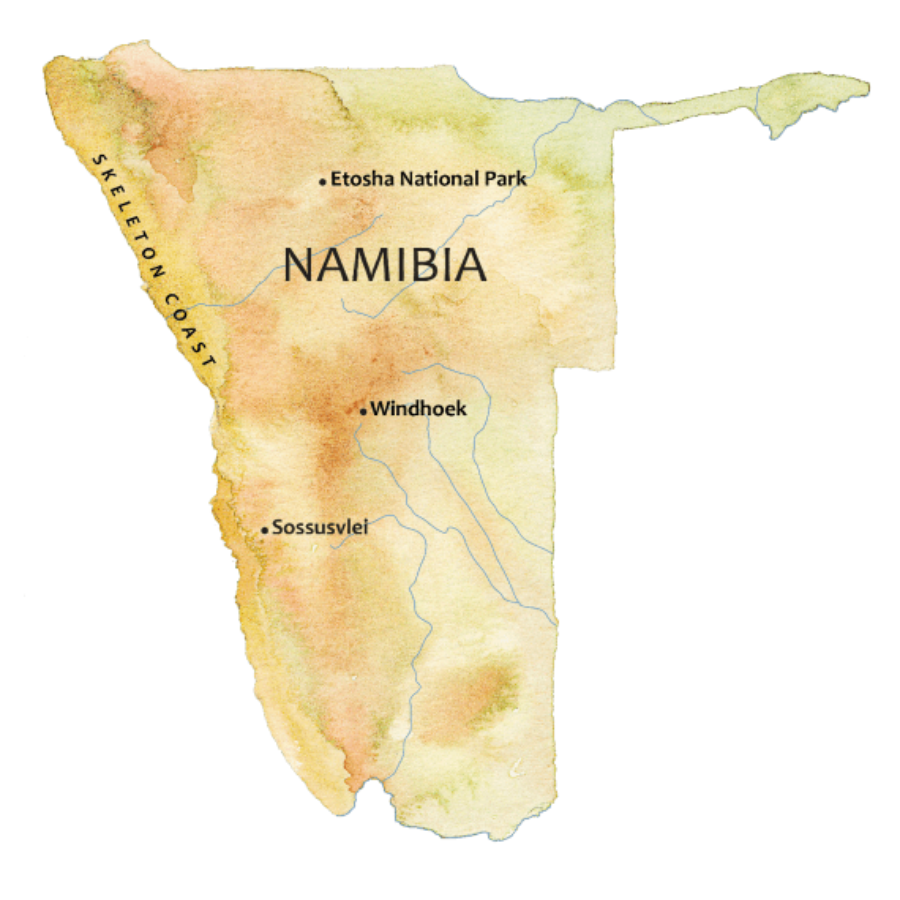
Namibia is a land of dramatic beauty, defined by vast open spaces and some of the most striking desert landscapes on Earth. Towering sand dunes, sweeping escarpments, and deep canyons create an atmosphere of raw, untouched wilderness. Despite its arid environment, Namibia supports an impressive range of wildlife, including desert-adapted elephants, lions, leopards, and other resilient species that thrive in this unique setting.
Along the Atlantic edge, the Skeleton Coast offers a powerful contrast where ocean meets desert, creating one of Africa’s most haunting and unforgettable coastlines. Namibia’s immense scale and quiet landscapes invite reflection and awe, offering travelers a rare sense of freedom, stillness, and connection with nature unlike anywhere else in the world.
Zambia
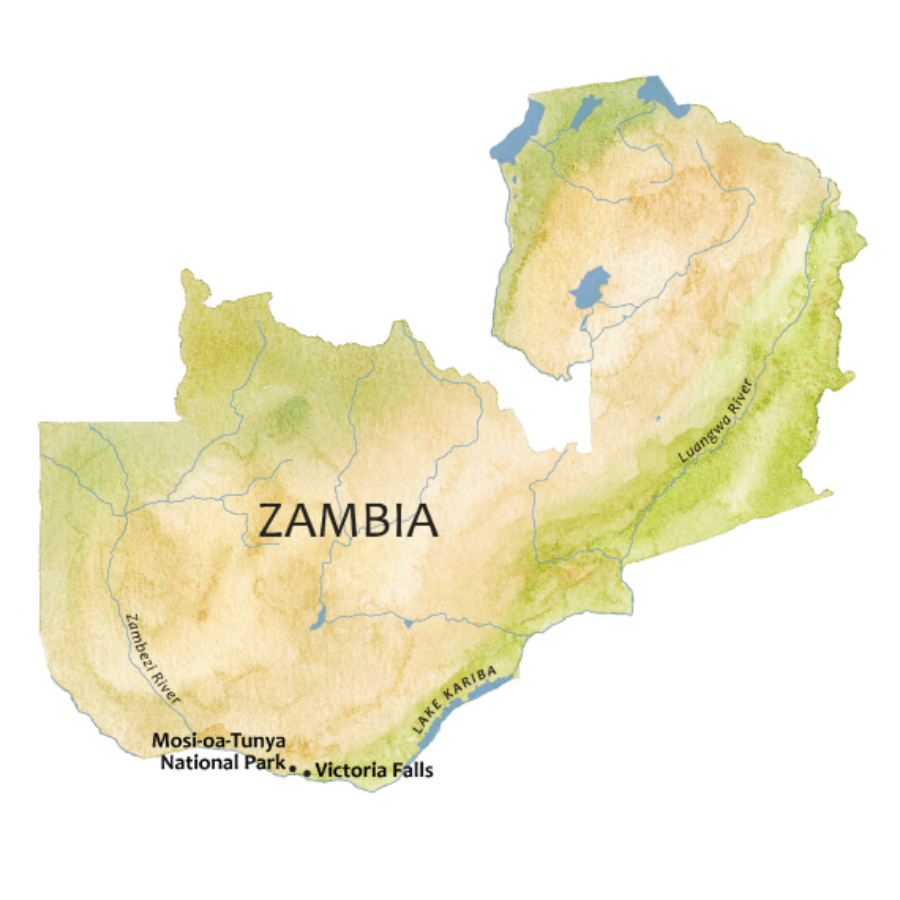
Zambia is a vast, landlocked country at the heart of southern Africa, bordered by multiple neighboring nations and known for its unspoiled natural beauty. Its landscapes are shaped by mighty rivers and expansive waterways, creating a peaceful and scenic environment ideal for wildlife and exploration.
One of Zambia’s most notable features is Lake Kariba, one of the largest man-made lakes in the world, offering calm waters and rich biodiversity. Not far away, the Zambezi River reaches its most dramatic moment at Victoria Falls, where thundering cascades create one of the planet’s most powerful and awe-inspiring natural spectacles. Together, these landmarks make Zambia a destination of remarkable scale and beauty.