African Wildlife Safari: Ultimate Guide to Destinations & Travel Tips
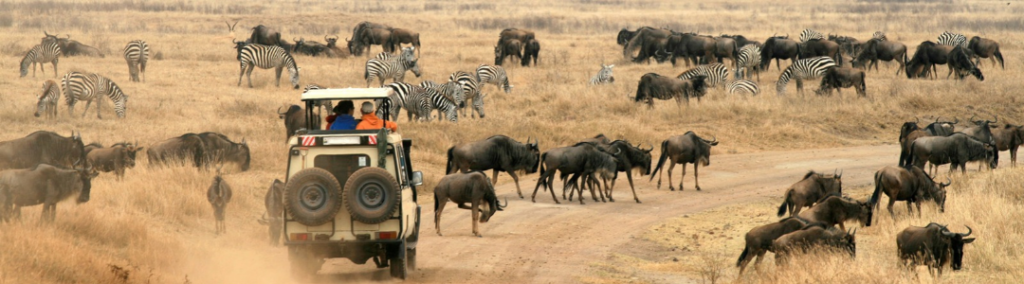
The best African wildlife safaris are found across the spectacular landscapes of East and Southern Africa, particularly in Kenya, Tanzania, Botswana, Rwanda, and South Africa. For many destinations, June through October is the ideal safari season, as the dry weather reduces vegetation and draws wildlife toward reliable water sources, creating exceptional opportunities for game viewing.
Home to more than 1,100 mammal species and around 2,600 bird species across 54 countries, Africa offers an extraordinary diversity of wildlife and ecosystems. However, some of the continent’s most remarkable safari experiences are concentrated in a select number of protected areas, where abundant wildlife, vast wilderness, expert guides, and well-established safari infrastructure come together.
Whether you want to witness the Great Migration, track gorillas through misty forests, see elephants in their natural habitat, or experience a luxury safari in the heart of the wilderness, choosing the right destination and season makes all the difference.
This complete guide will help you discover where to go, when to visit, what wildlife to expect, and which type of safari best suits your travel goals.
Top 5 African Wildlife Safari Destinations
Use This Table As Your Starting Point
| COUNTRY | KEY AREA | SIGNATURE WILDLIFE | BEST TIME TO VISIT |
|---|---|---|---|
| Kenya | Masai Mara Reserve | Great Migration + Big 5 | Jul - Oct |
| Tanzania | Serengeti + Ngorongoro | 1.5 Million Wildebeest + Big 5. All Year Round | Jun - Oct |
| Rwanda / Uganda | Volcanoes NP + Bwindi | Mountain Gorillas | Jun - Sep , Dec - Feb |
| Botswana | Okavango Delta + Chobe | Elephants Herds, Wild dogs, Hippos | May - Oct |
| South Africa | Kruger + Private Reserves | Big 5. Over 500 Bird Species | May - Sep |
Tailor-Made Wildlife Safaris Across Africa
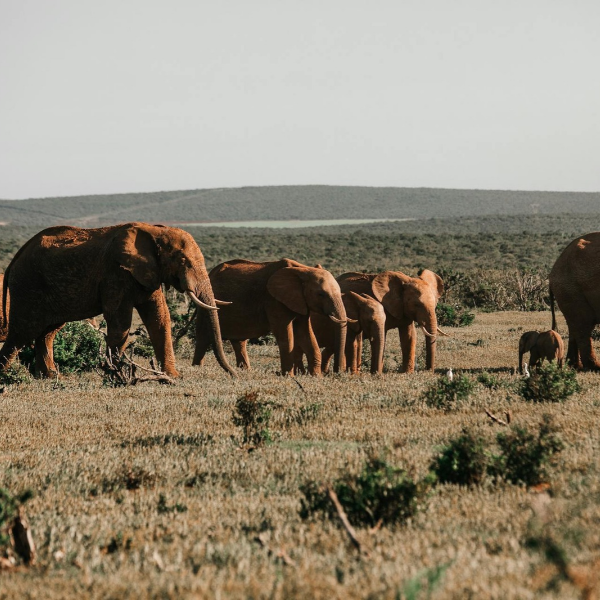
3-Day Masai Mara Open-Side Jeep Safari
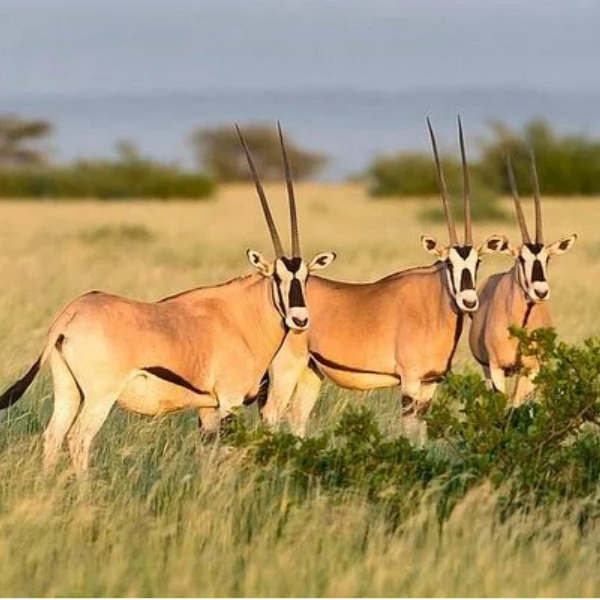
7-Day Masai Mara & Serengeti Safari

9-Day Victoria Falls & Botswana Safari
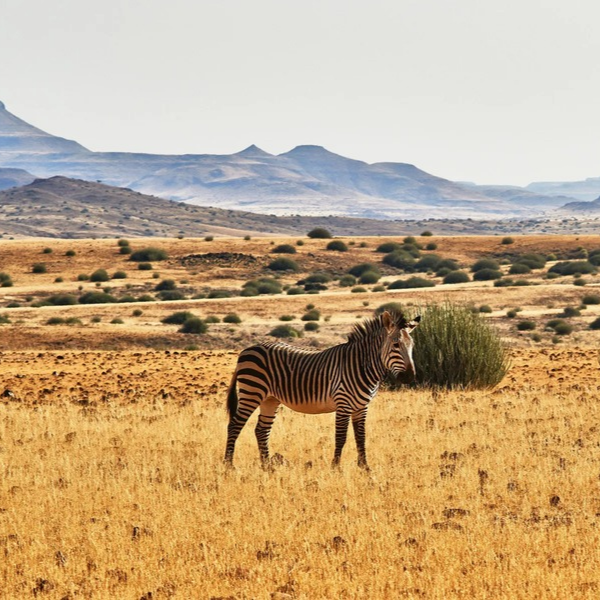
10 Days Masai Mara, Serengeti & Ngorongoro Safari
Safari Destination Profiles
Kenya — Masai Mara National Reserve
The Masai Mara (1,510 km²) forms the northern extension of the Serengeti-Mara ecosystem and shares an unfenced border with Tanzania’s Serengeti. Between July and October, more than 1.5 million wildebeest and 300,000 zebra cross the Mara River — the most-filmed wildlife spectacle on Earth. Year-round predator density is among the highest in Africa: lion prides average 25+ individuals in the Mara Triangle. The reserve also sits within 45 minutes’ flying time of Nairobi’s Wilson Airport, making it the most accessible major safari destination in East Africa.
Best for: First-time visitors, couples, honeymoon safaris, hot-air balloon experiences (operational year-round).
Tanzania — Serengeti National Park & Ngorongoro Crater
The Serengeti (14,763 km²) is UNESCO-listed and hosts the longest continuous wildlife migration on Earth, cycling between the Southern Plains (calving season: January–March), Western Corridor (river crossings: June–July), and Northern Serengeti (Mara crossings: August–October). Ngorongoro Crater, 20 km from rim to rim and 600 m deep, shelters a self-contained population of approximately 25,000 large mammals — including one of East Africa’s densest concentrations of black rhino (~30 individuals).
Best for: First safaris, photography, combining Great Migration with crater wildlife viewing.
Botswana — Okavango Delta & Chobe National Park
The Okavango Delta (15,000 km² in flood season) is the world’s largest inland delta and a UNESCO World Heritage Site. It sustains over 1,000 plant species, 530 bird species, and 122 mammal species. Game viewing uses a combination of traditional mokoro canoes, motorboats, game drives, and walking safaris — no other destination in Africa offers this variety of safari formats in a single area. Chobe National Park (11,700 km²) hosts the world’s largest concentration of African elephant, with populations exceeding 120,000.
Best for: Luxury safari travellers, photographers, exclusive camps, honeymoon itineraries.
Rwanda & Uganda — Mountain Gorilla Trekking
Only 880 mountain gorillas (Gorilla beringei beringei) exist on Earth, all in the Virunga Massif and Bwindi Impenetrable Forest shared between Rwanda, Uganda, and the DRC. Rwanda’s Volcanoes National Park and Uganda’s Bwindi Impenetrable Forest each offer daily trekking permits allowing one hour with a habituated gorilla family. Rwanda charges USD 1,500 per permit; Uganda charges USD 700. Both countries operate year-round, with drier trekking conditions June–September and December–February.
Best for: Bucket-list experiences, small groups, combining with Kenyan or Tanzanian game safaris.
South Africa — Kruger National Park & Private Reserves
Kruger National Park (19,485 km² — comparable in size to Wales) is Africa’s most developed safari destination, offering self-drive options alongside guided safaris. It records over 147 mammal species and 517 bird species. Adjacent private reserves — Sabi Sands, Timbavati, Thornybush — share unfenced borders with Kruger, allowing game to move freely while offering exclusive game drives and the highest leopard-sighting rates on the continent. Malaria-free Big Five reserves (Madikwe, Pilanesberg) provide family-safe options within easy reach of Johannesburg.