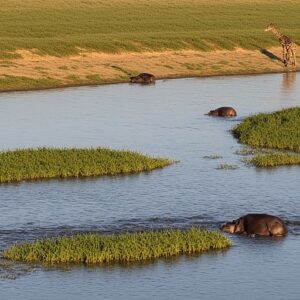

Meru National Park remains one of Kenya’s most unspoiled landscapes. Spanning rivers, doum palms, and tall grasslands, it’s where the famous lioness Elsa from *Born Free* was released into the wild. Today, Meru embodies that spirit of untouched Africa—vast, quiet, and surprisingly rich in wildlife.

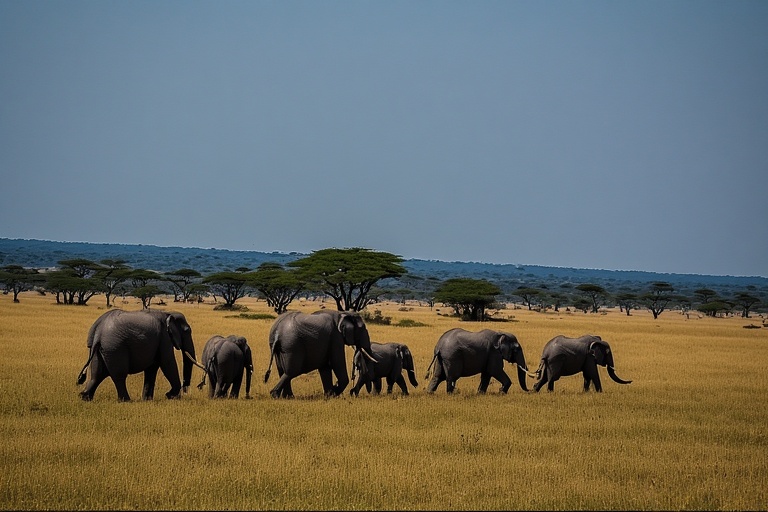
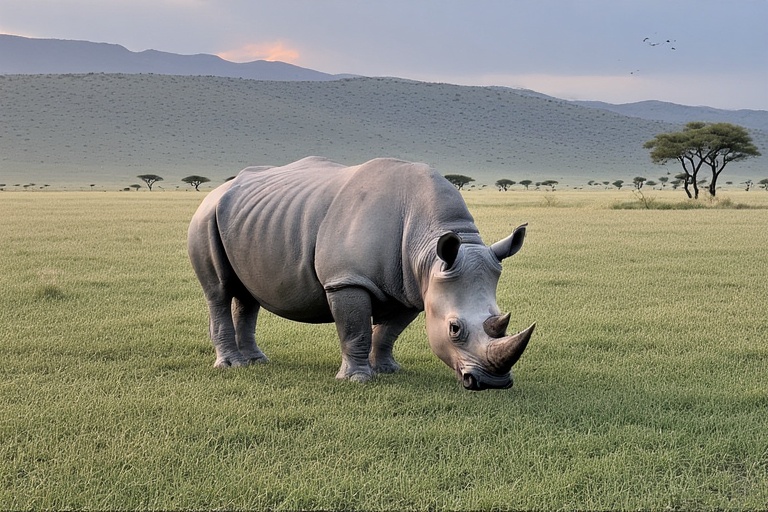
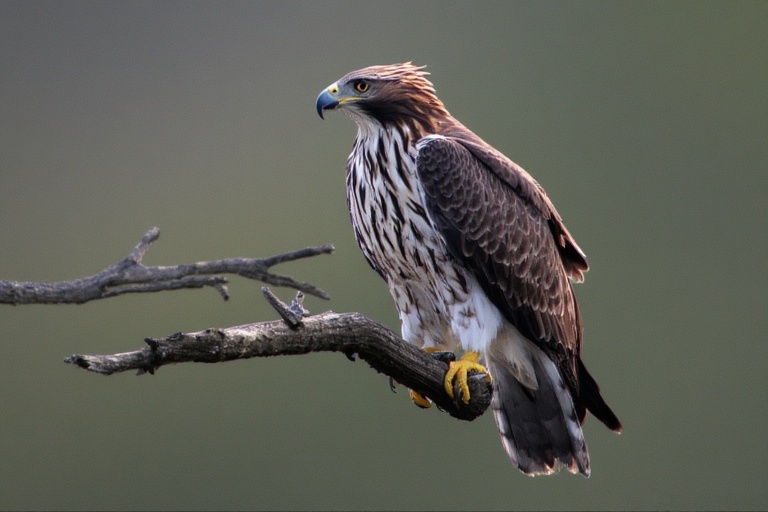
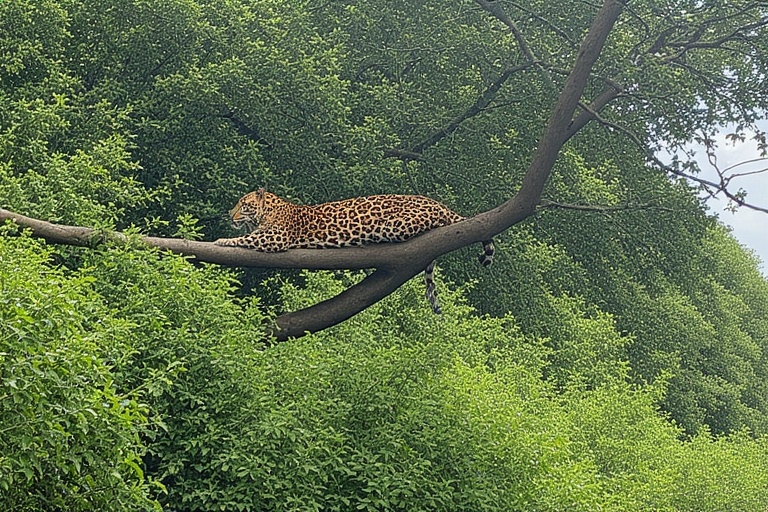
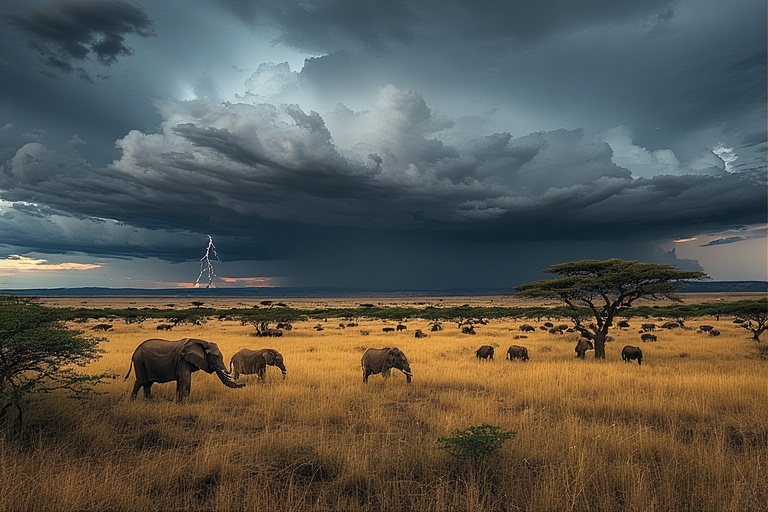
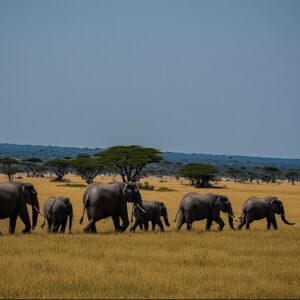
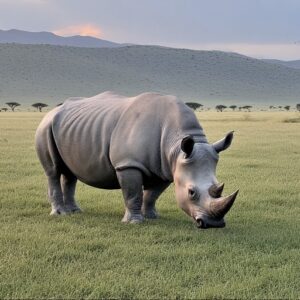
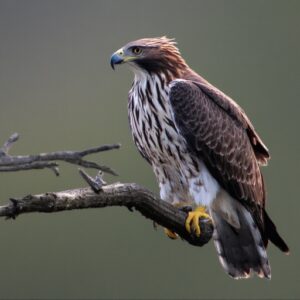
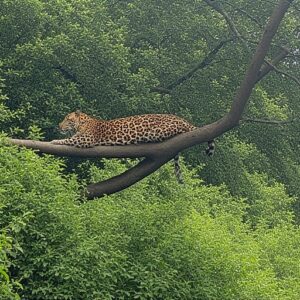
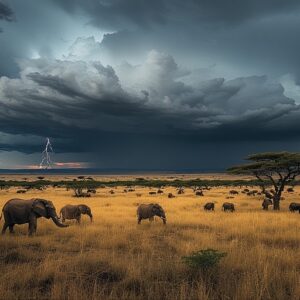
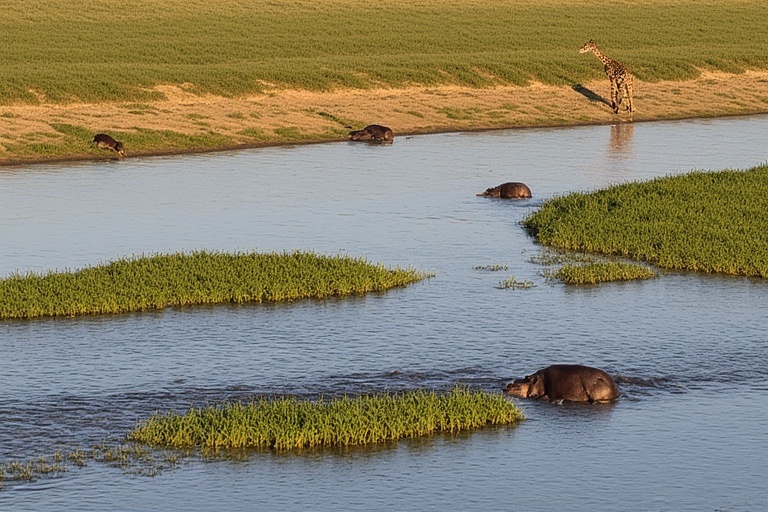
The park protects rhinos in a large fenced sanctuary while its open plains teem with elephants, lions, and herds of oryx, hartebeest, and buffalo. Twelve rivers cut across the park, sustaining lush vegetation and countless bird species, including rare Pel’s fishing owl.

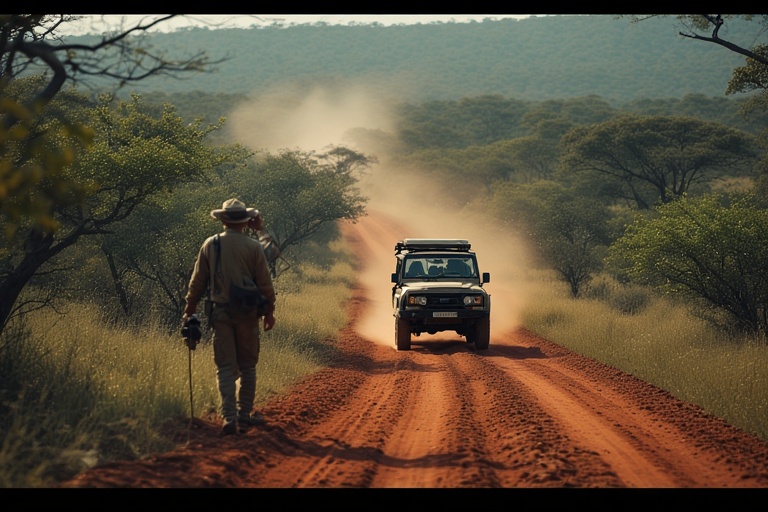
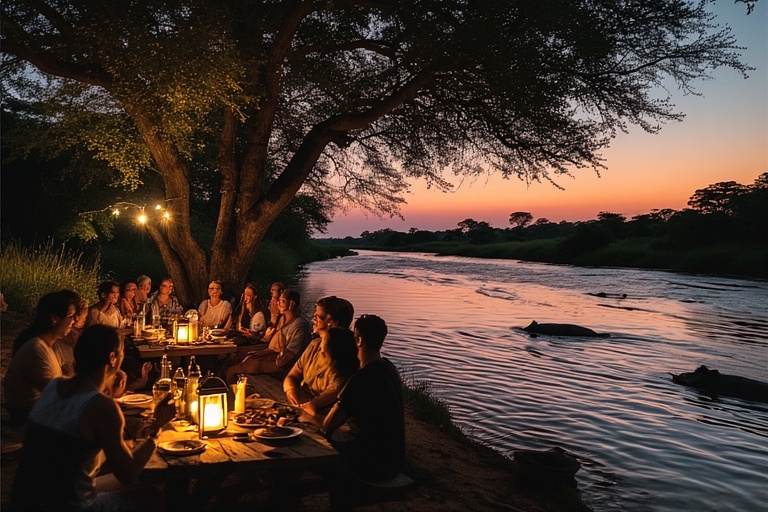
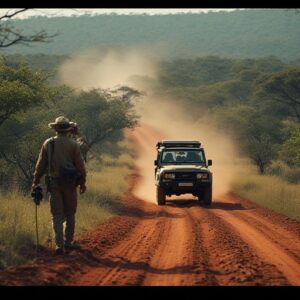
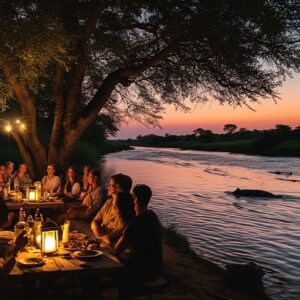
Unlike busier parks, Meru offers solitude and connection to nature’s raw rhythms. Its remoteness is its charm—ideal for travelers seeking authenticity and story-rich safaris far from crowds.

*Best time to visit: June – September and January – February for dry, clear conditions.*
  • Best Time to Visit: June – October and January – February.
  • Entry Fees: Non-residents USD 60 adults / USD 35 children.
  • Country: Eastern

Why Go to Meru

Meru delivers classic wilderness with deep historical roots. It’s both a conservation comeback story and an immersive, off-the-beaten-path safari.

The park’s landscapes feel wild yet welcoming, appealing to travelers who crave adventure and serenity in equal measure.

Where to Go in Meru

The park’s vastness hides multiple ecosystems, from arid plains to riverine forests.

Exploring different zones reveals Meru’s contrasts and unexpected beauty.

When to Visit Meru

Meru is open year-round but experiences heavy rains from March to May.

Dry months reveal the park at its most accessible, while the green season paints dramatic skies and landscapes.

Plan Your Journey to Meru National Park

Ready to explore? Our travel specialists are here to help craft your dream itinerary.

Chat on WhatsApp
Created by icon tripfrom the Noun Project Created by Amethyst Studiofrom the Noun Project Created by Amethyst Studiofrom the Noun Project Created by Amethyst Studiofrom the Noun Project