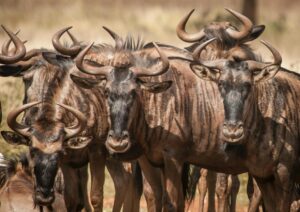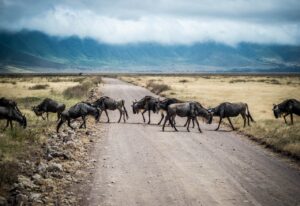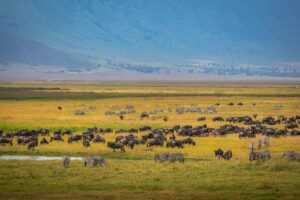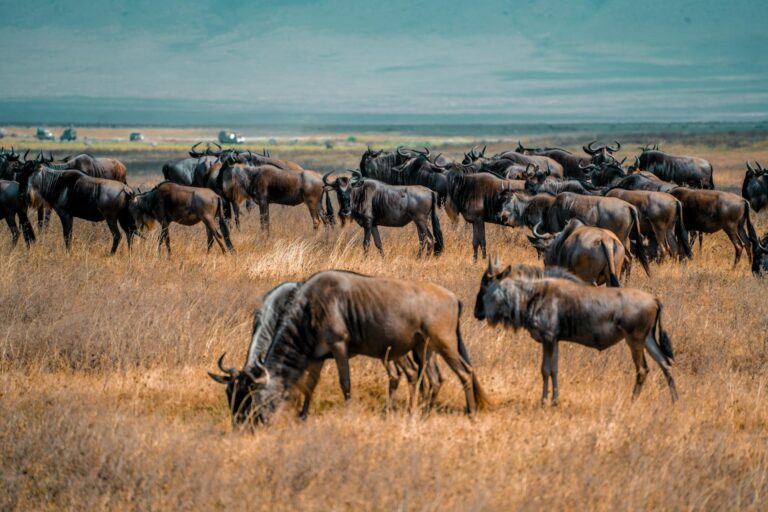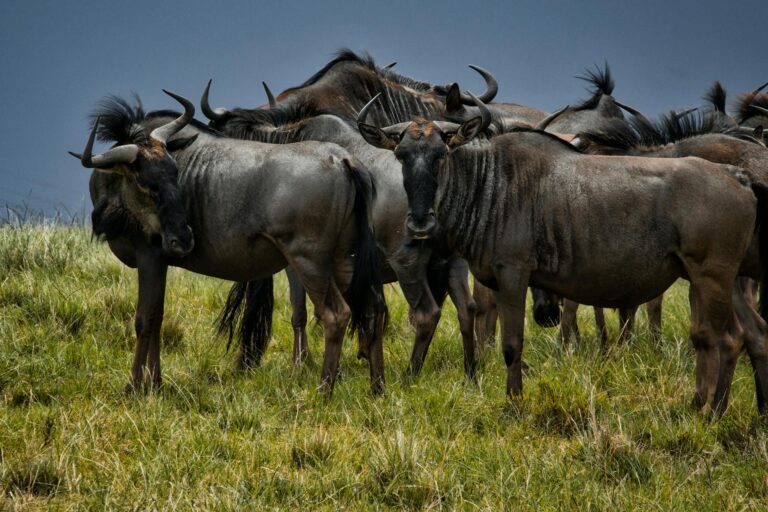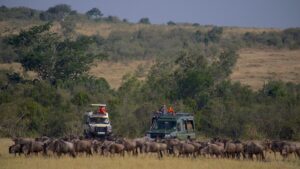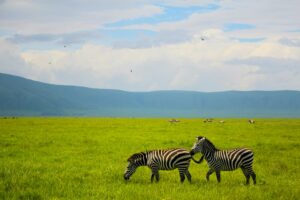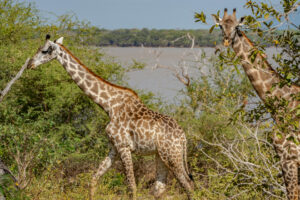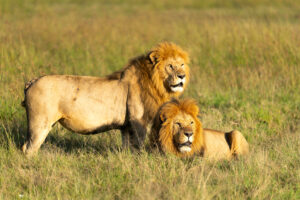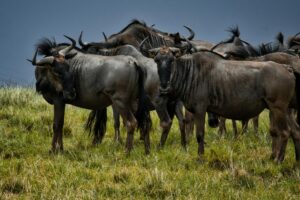
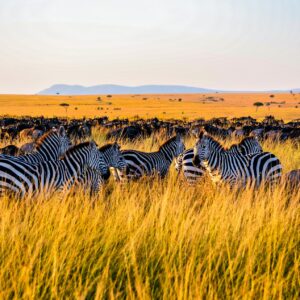
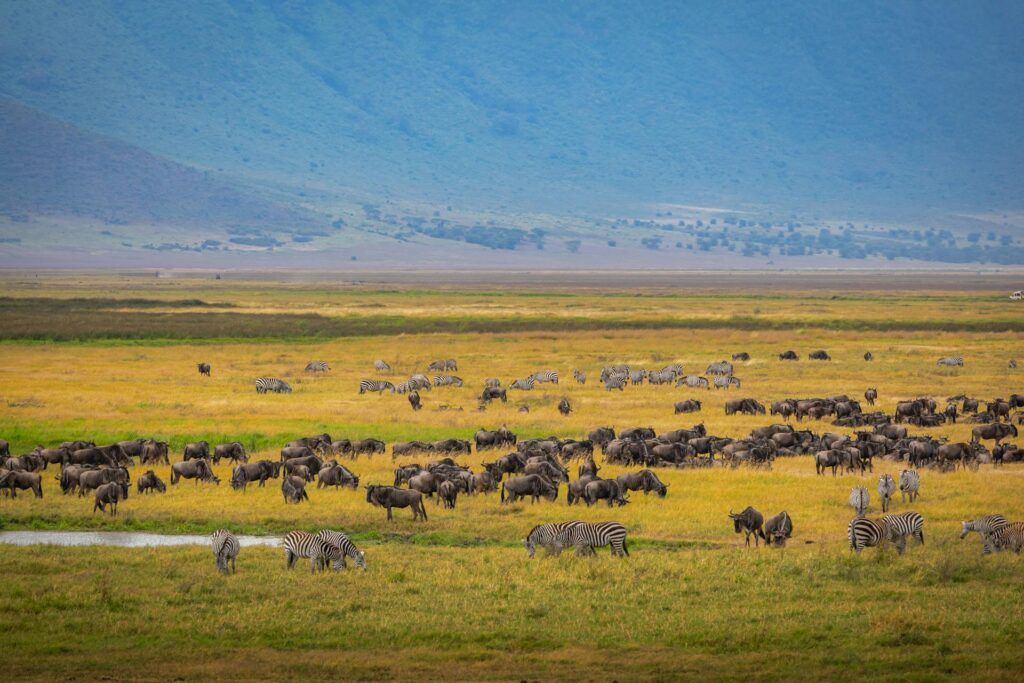
Serengeti Wildebeest

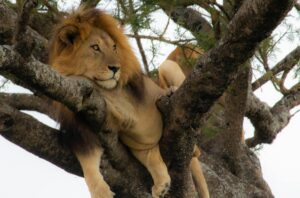
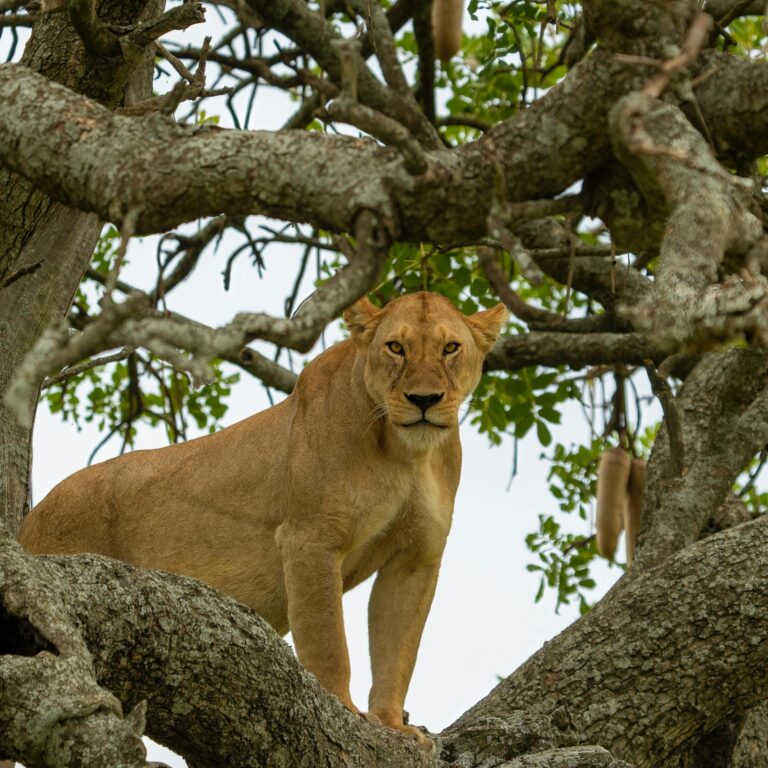
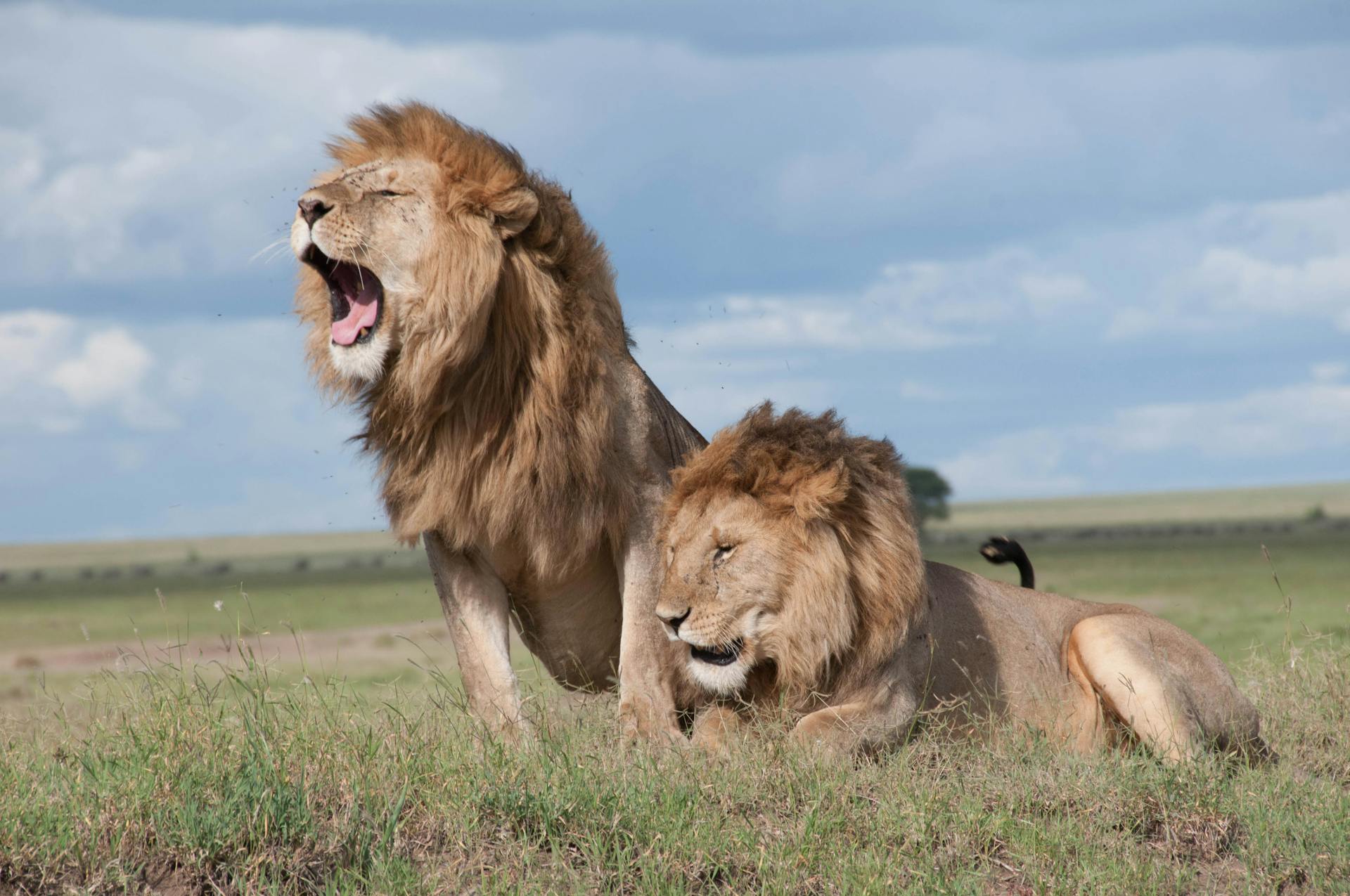
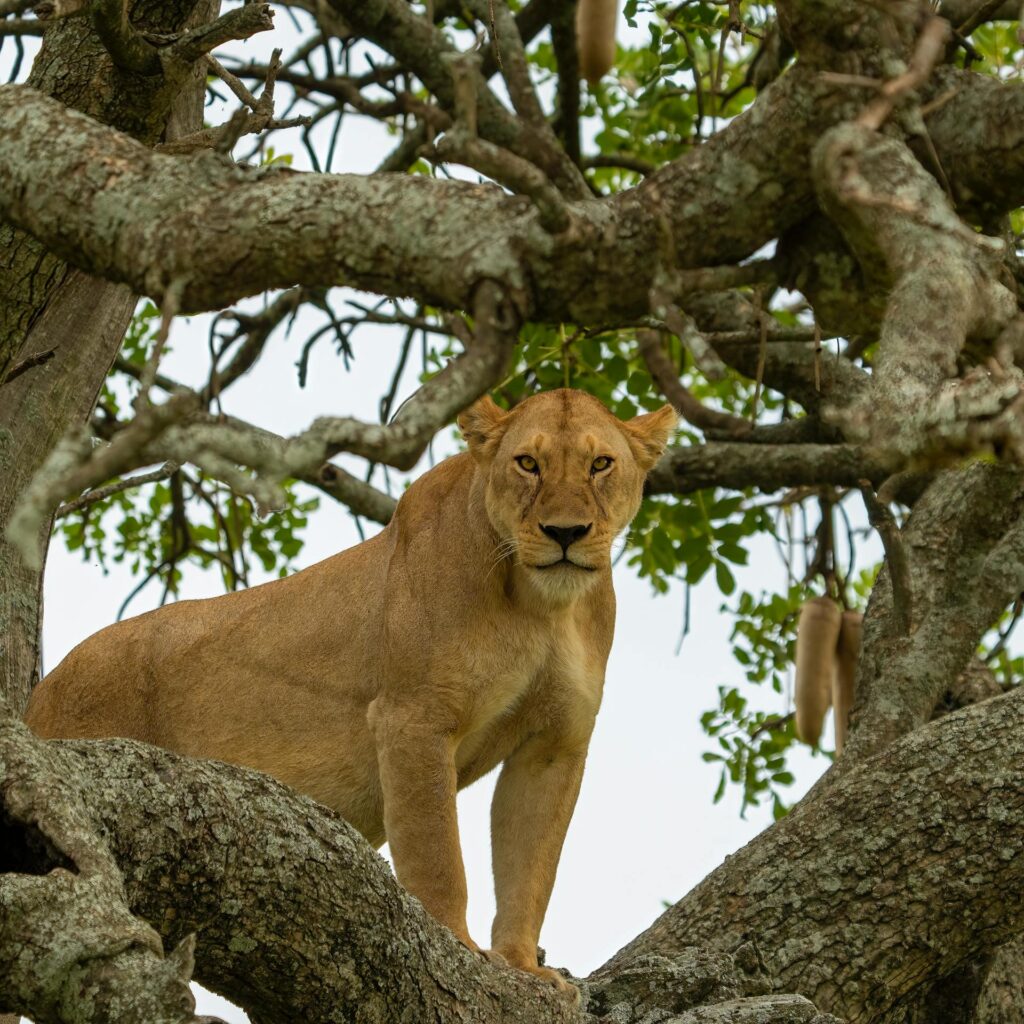
Serengeti Lions

Seven Reasons why You Should Consider Visiting Tanzania

Tanzania offers one of Africa’s most complete and uncompromised safari experiences. From vast, intact ecosystems to some of the continent’s most defining wildlife events, it is a destination shaped by scale, diversity, and continuity. Tanzania rewards travelers who value immersion over convenience—those willing to slow down, travel deeper, and experience nature on its own terms. It is a country where landscapes, wildlife, and time itself feel expansively aligned.

1. Home to Africa’s Greatest Wildlife Ecosystems

Tanzania contains some of the largest and most ecologically intact protected areas in Africa. The Serengeti, Ngorongoro Conservation Area, Ruaha, Nyerere (Selous), and Katavi together form a network of wilderness on a scale few countries can match. These vast spaces allow wildlife to move naturally, resulting in authentic, behavior-rich safari encounters rather than managed or compressed experiences.

2. The Great Migration in Its Fullest Expression

While several countries share the Great Migration story, Tanzania holds its longest and most formative chapters. From the calving season on the southern Serengeti plains to long overland movements across central regions, much of the migration’s life cycle unfolds here. This allows travelers to experience migration events beyond river crossings—birth, abundance, and predator pressure at their most elemental.

3. Remarkable Diversity of Landscapes

Tanzania’s scenery shifts dramatically across regions. Open savannahs, volcanic craters, ancient baobab valleys, miombo woodlands, lakes, rivers, and alpine zones coexist within a single country. From the floor of the Ngorongoro Crater to the slopes of Mount Kilimanjaro, each landscape shapes a distinct safari atmosphere and wildlife profile.

4. Exceptional Predator Density and Behavior

Tanzania supports some of Africa’s highest concentrations of predators, particularly lions and cheetahs. In regions like the Serengeti and Ruaha, predator–prey interactions unfold at scale and over time, allowing deep observation of hunting strategies, social dynamics, and territory use. Sightings often feel unhurried and unmediated.

5. Space, Remoteness, and Fewer Crowds

Compared to more compact safari destinations, Tanzania absorbs visitors without losing its sense of wildness. Many parks are vast enough to offer genuine solitude, even during peak seasons. Remote southern and western parks deliver especially quiet experiences, appealing to travelers who prioritize space and stillness over convenience.

6. A Strong Sense of Safari Tradition

Tanzania remains closely associated with classic safari travel—fly-in camps, canvas lodges, walking safaris, and journeys shaped by natural rhythms rather than tight schedules. This heritage attracts travelers seeking depth, narrative, and continuity rather than quick highlights.

7. Seamless Safari and Beach Combinations

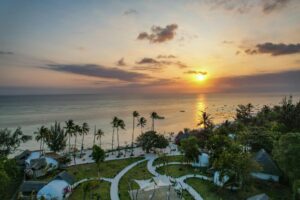
Beyond wildlife, Tanzania offers natural extensions to the coast and islands. Zanzibar and the mainland shoreline provide a gentle contrast to inland safaris, allowing journeys to balance intensity with rest. This makes Tanzania well suited to longer, more layered travel experiences.

Explore Tanzania safari journeys built around scale, season, and solitude—each revealing a different dimension of one of Africa’s most enduring wilderness destinations.
Why Tanzania Is East Africa's Most Spectacular Safari Destination

Tanzania is the heart of wild Africa. It contains the Serengeti—the stage for the greatest wildlife spectacle on earth, the annual wildebeest migration. It is home to Kilimanjaro, Africa’s highest peak, whose snow-capped summit rises above the equatorial plains. Its offshore islands—Zanzibar, Pemba, Mafia—offer some of the Indian Ocean’s most beautiful beaches and richest coral reefs. Its southern parks—Selous, Ruaha, Katavi—are among the continent’s most remote and wild places.

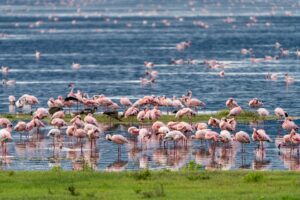
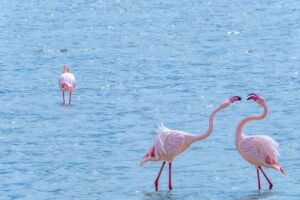
But Tanzania is more than its icons. It’s a land of extraordinary diversity: the Ngorongoro Crater, a volcanic caldera teeming with wildlife; the soda lakes of Manyara and Natron, pink with flamingos; the chimpanzee forests of Gombe and Mahale; the vast, unexplored depths of Lake Tanganyika. It’s a country where you can climb a glacier in the morning, watch lions hunt on the savannah by afternoon, and fall asleep to the sound of the Indian Ocean at night.

Here is why Tanzania deserves a place on every Africa traveler’s bucket list.

The Great Migration: Earth's Greatest Wildlife Spectacle

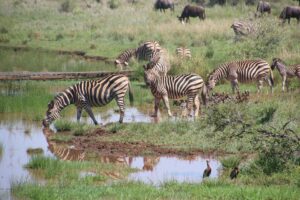
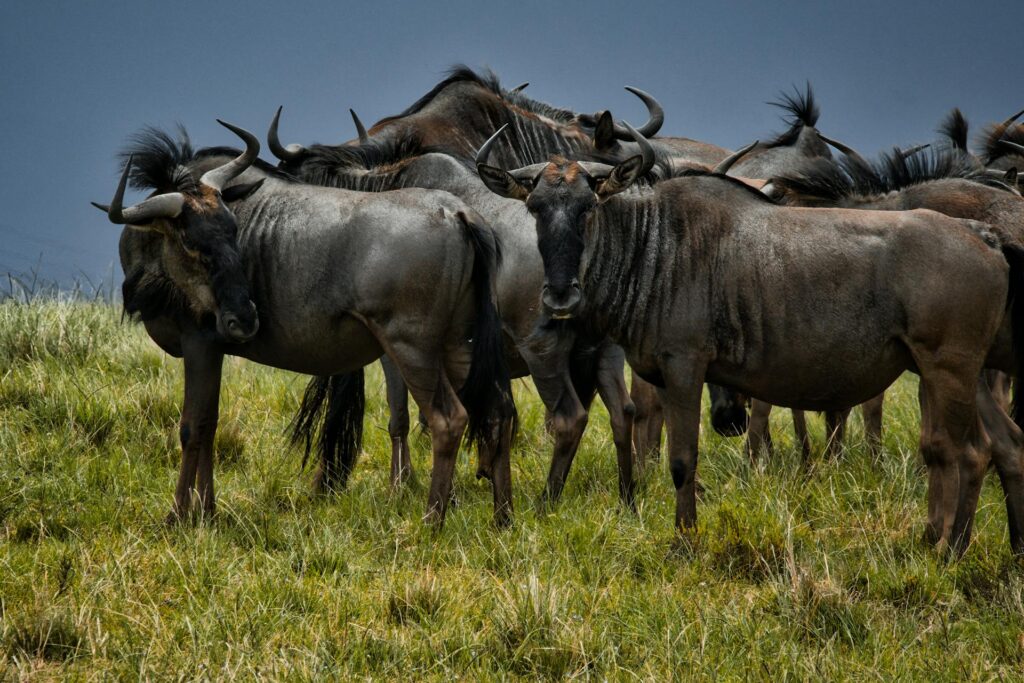
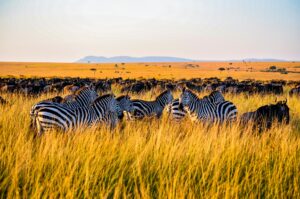
Wildebeest & zebra migration

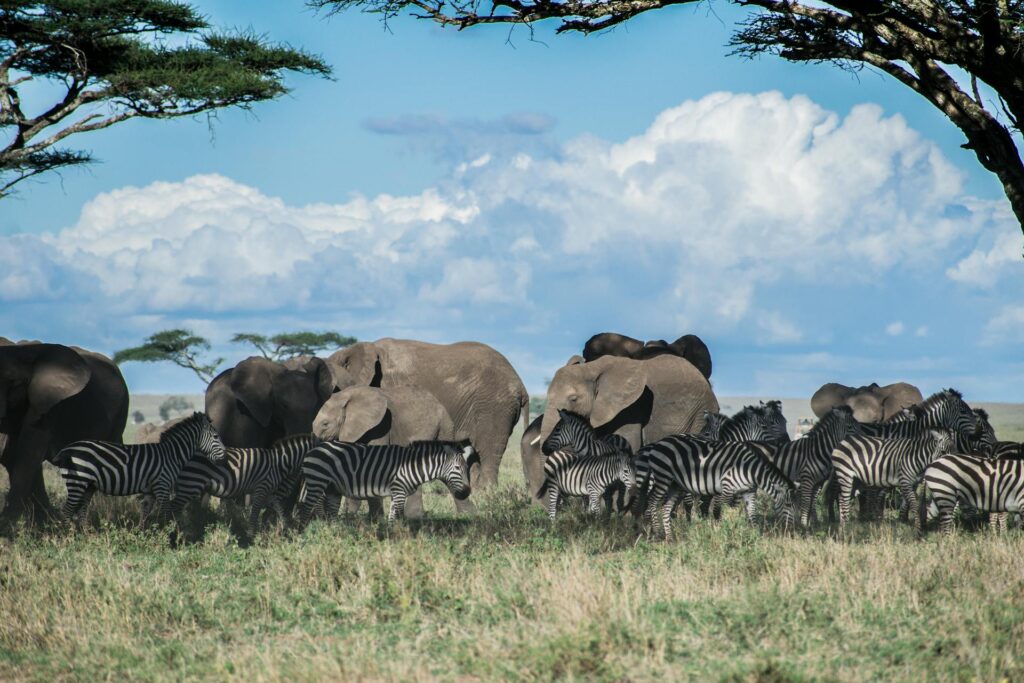
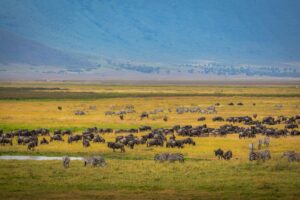
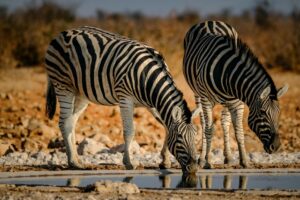
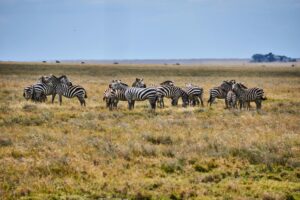
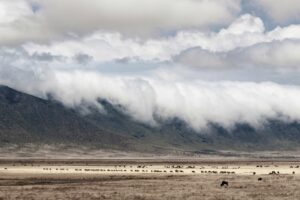
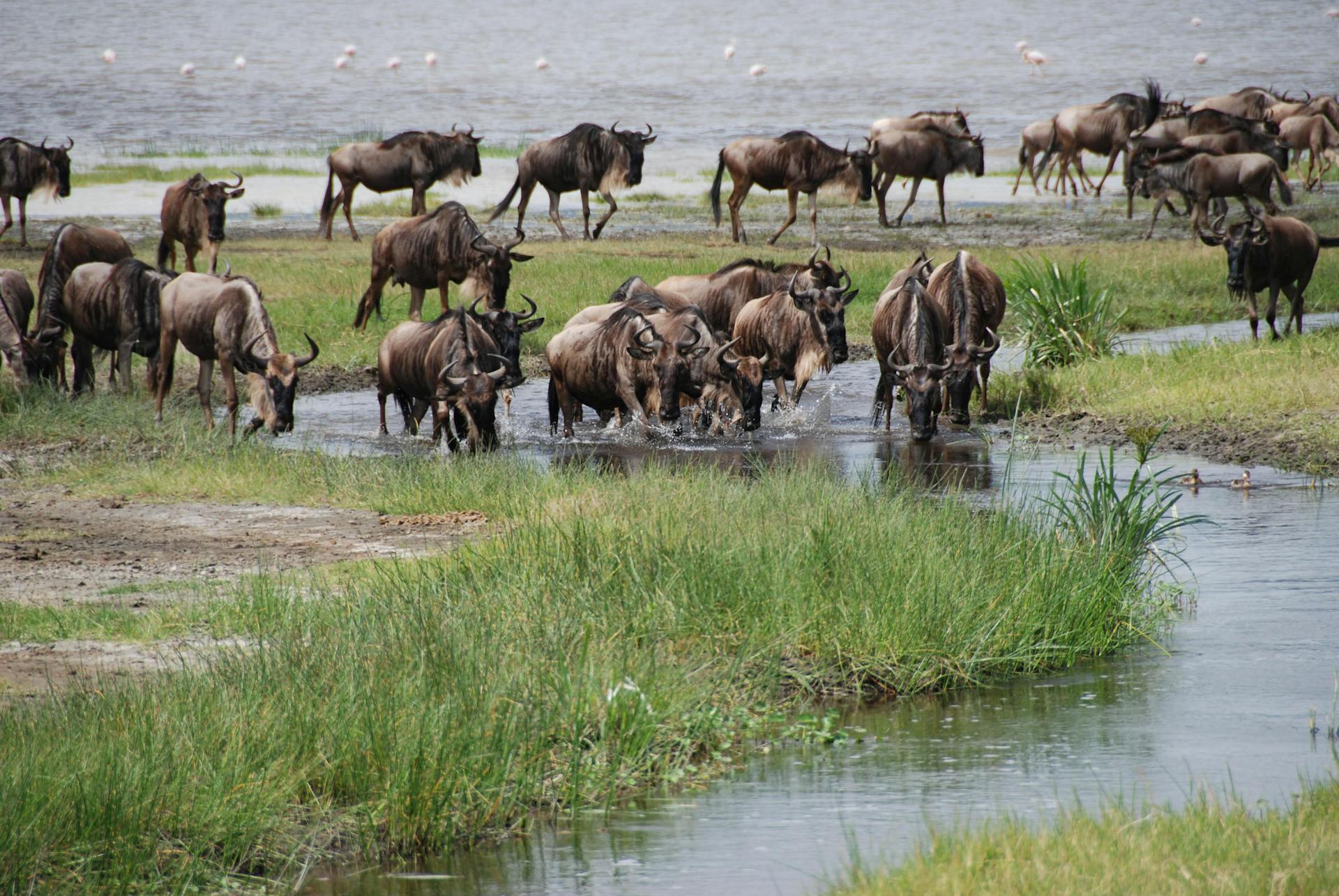
The Serengeti wildebeest migration is the planet’s most extraordinary wildlife event. Over 1.5 million wildebeest, accompanied by 200,000 zebras and gazelles, move in a continuous cycle across the Serengeti-Mara ecosystem, driven by ancient instincts and the search for fresh grazing.

The migration is not a single event but a year-round drama. From January to March, the herds gather on the southern Serengeti’s short-grass plains for the calving season—500,000 calves born within weeks, attracting predators in unprecedented concentrations. From April to June, the herds move west and north, facing their first major obstacle: the crocodile-infested Grumeti River. July through October bring the most iconic stage—the Mara River crossings, where herds plunge into raging waters, battling currents and crocodiles. From November to December, the herds return south, completing their ancient circuit.

Witnessing the migration is more than a safari—it’s front-row seats to the greatest show on earth.

Ngorongoro Crater: Africa's Eden

Ngorongoro Crater

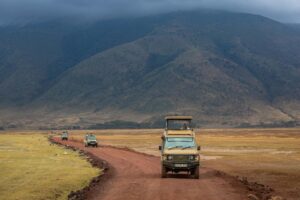
The Ngorongoro Crater is often called Africa’s Eden—and for good reason. This massive volcanic caldera, formed when a giant volcano exploded and collapsed on itself two to three million years ago, creates a natural enclosure of over 260 square kilometers, with walls rising 600 meters from the floor. Within this self-contained world lives a permanent population of over 25,000 large animals, including virtually every species of East African wildlife.

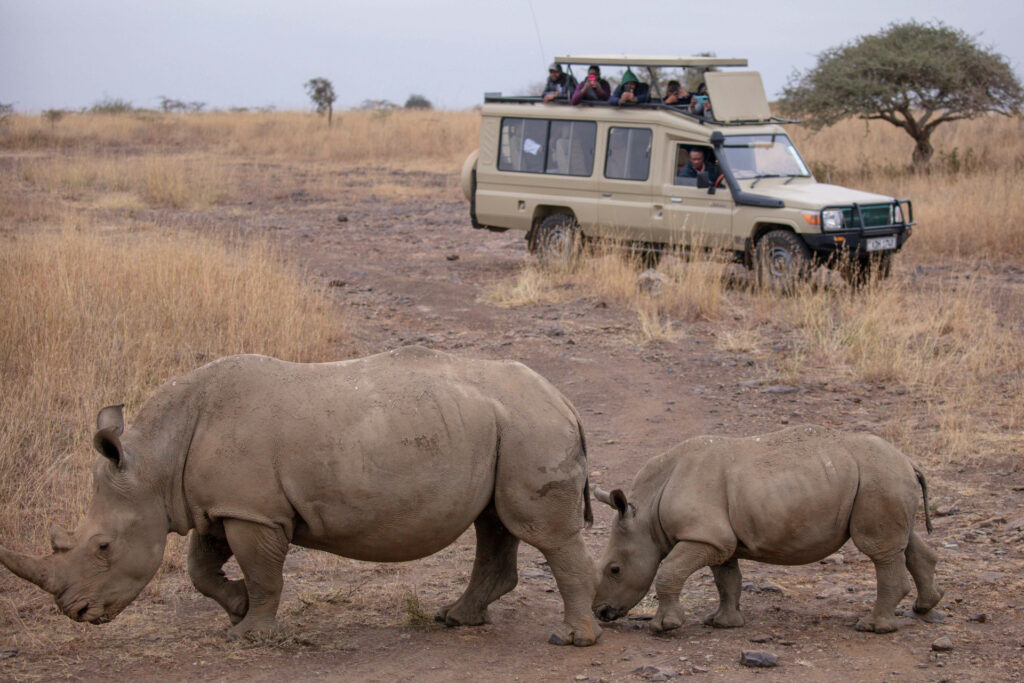
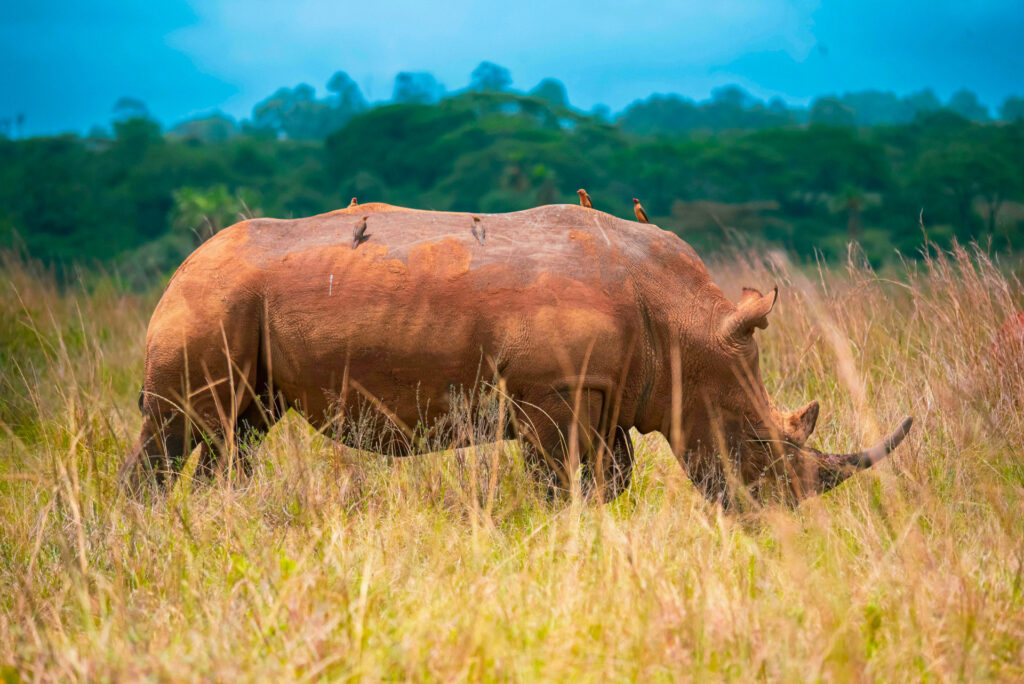
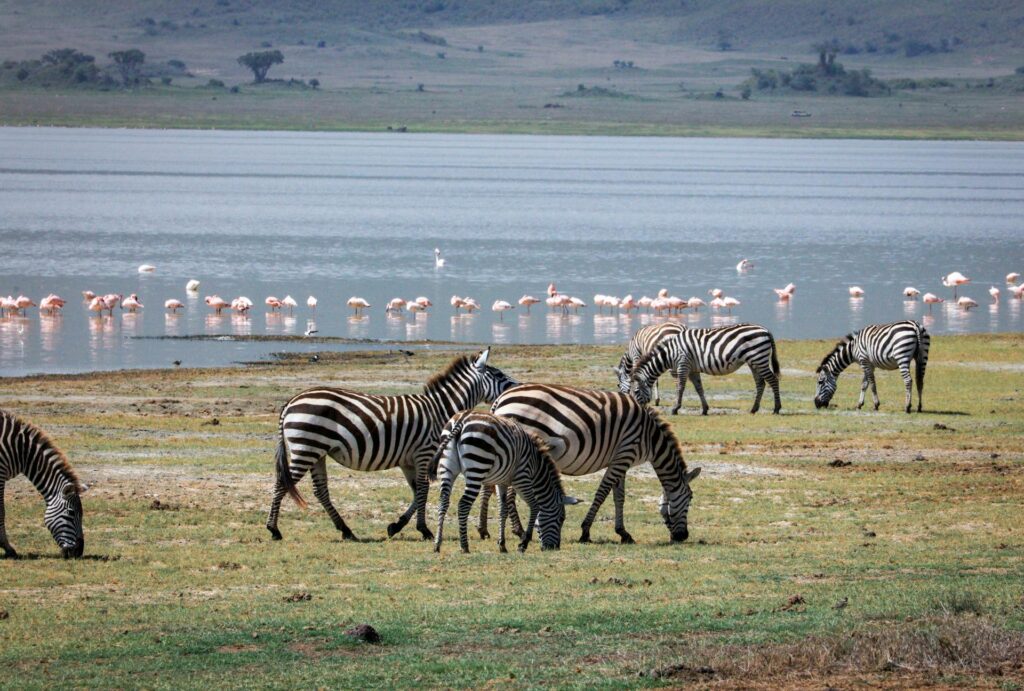
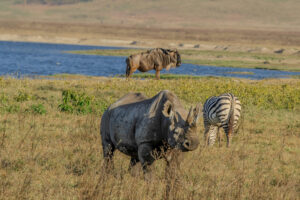
The crater floor is a mosaic of grassland, swamps, forests, and a soda lake that attracts thousands of flamingos. It offers the highest density of predators in Africa—lions, leopards, hyenas, cheetahs, jackals—all supported by abundant prey. The crater is also one of the best places in Africa to see black rhinos, which are protected by armed rangers.

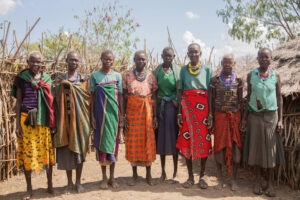
The Maasai people live in the crater highlands, grazing their cattle alongside wildlife in one of Africa’s most successful examples of coexistence.

Mount Kilimanjaro: Africa's Rooftop

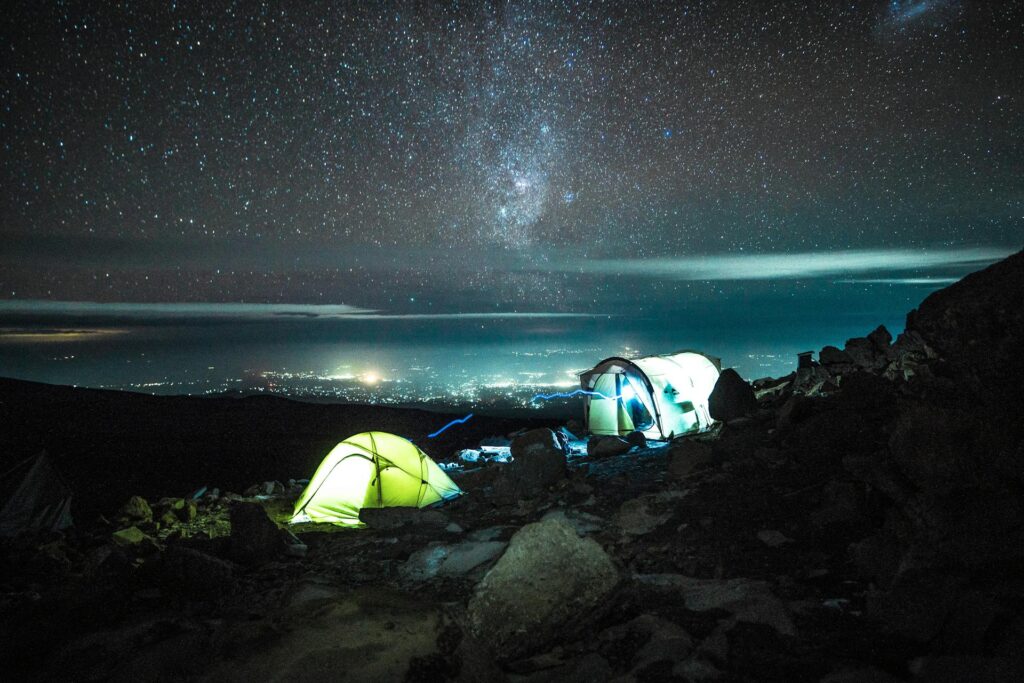
Kilimanjaro climbing

At 5,895 meters, Mount Kilimanjaro is the highest mountain in Africa and the tallest free-standing mountain in the world. Its snow-capped peak rises dramatically above the equatorial plains, visible for hundreds of kilometers. For climbers, it offers one of the world’s great challenges—and one of its most accessible high-altitude adventures.

Kilimanjaro is not a technical climb. The seven main routes—Marangu, Machame, Lemosho, Rongai, Umbwe, Shira, and Northern Circuit—all allow trekkers with good fitness and proper acclimatization to reach the summit without ropes or technical climbing. The reward is standing on the roof of Africa, watching the sunrise over a continent from above the clouds.

The mountain’s slopes encompass five distinct ecological zones—cultivated foothills, rainforest, heath, moorland, and alpine desert—each with its own unique flora and fauna. The glaciers, though retreating, remain a dramatic feature of the summit.

Zanzibar Archipelago: Spice Islands & Turquoise Seas

Zanzibar beach

Zanzibar is the name that conjures exotic dreams—a spice island where the air is thick with cloves, cinnamon, and nutmeg, where Stone Town’s labyrinthine streets whisper stories of sultans and slave traders, where the Indian Ocean lazes against beaches of powdered sugar.

The archipelago comprises two main islands—Unguja (usually called Zanzibar) and Pemba—along with numerous smaller islets. Zanzibar’s east coast offers endless white-sand beaches, turquoise lagoons, and world-class snorkeling and diving. Stone Town, a UNESCO World Heritage Site, is a living museum of Swahili culture, its coral-stone buildings, carved doors, and bustling bazaars unchanged for centuries.

Pemba, the ‘Green Island,’ is more remote and less developed, with spectacular diving and a laid-back atmosphere. Mafia Island, south of Zanzibar, is a marine park famous for whale shark encounters.

Southern Tanzania: Africa's Last Frontier

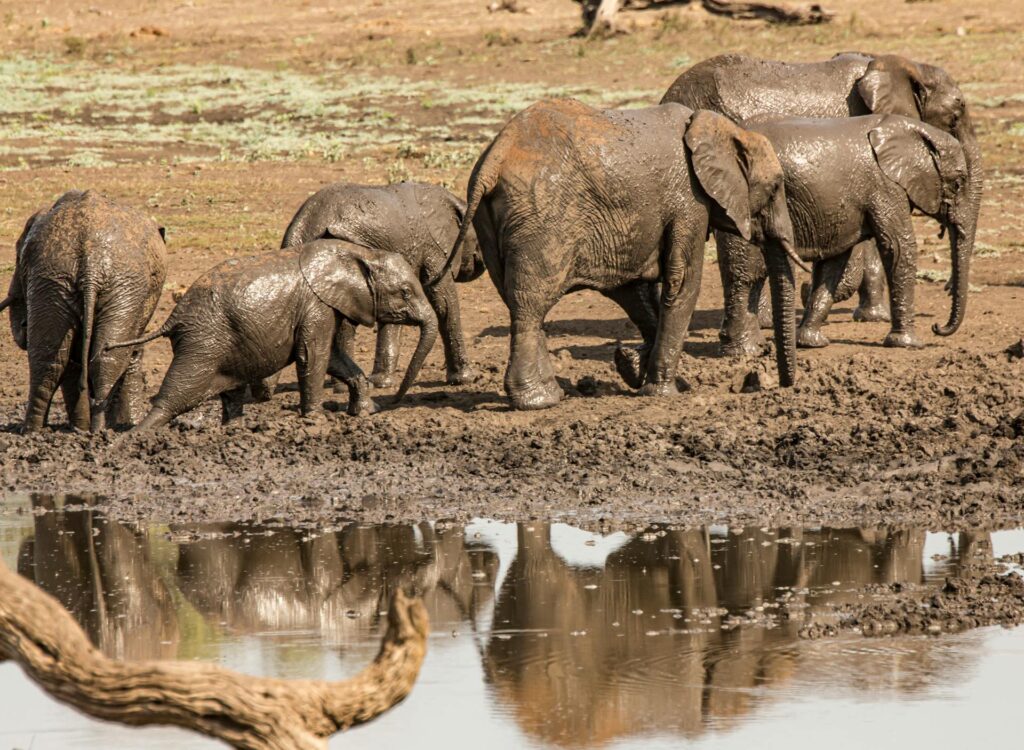
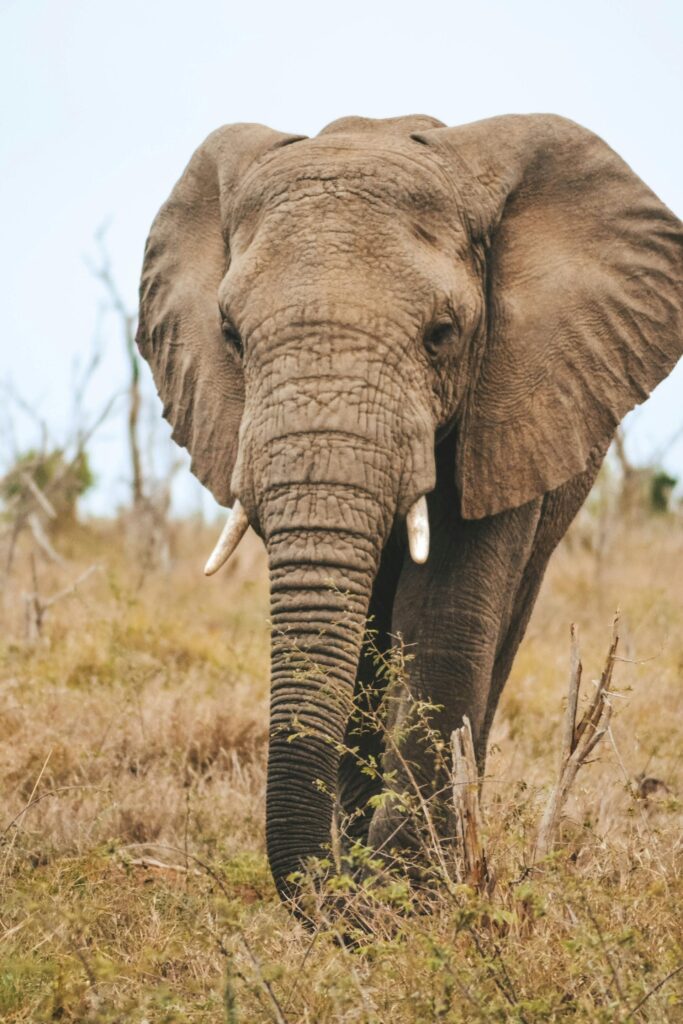
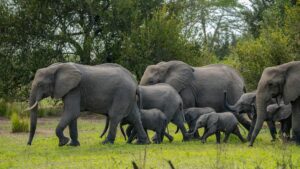
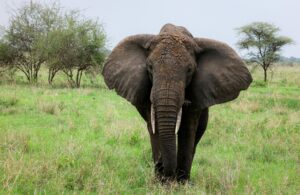
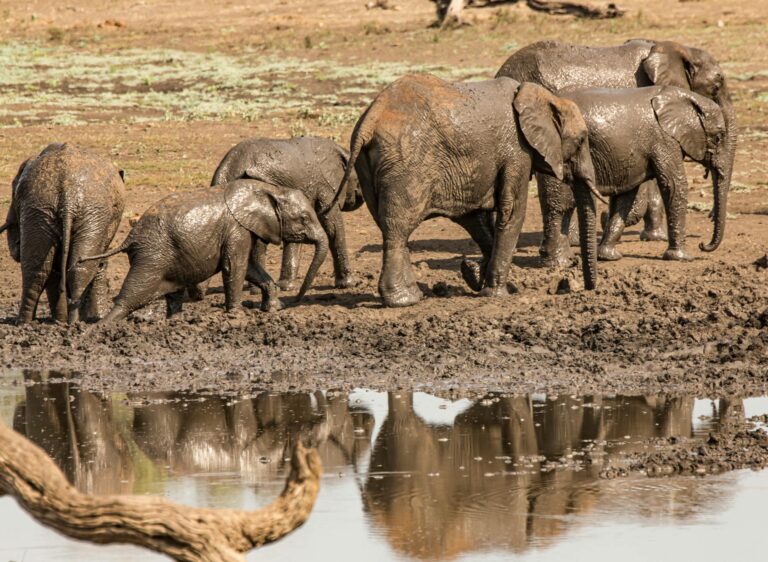
Selous elephants

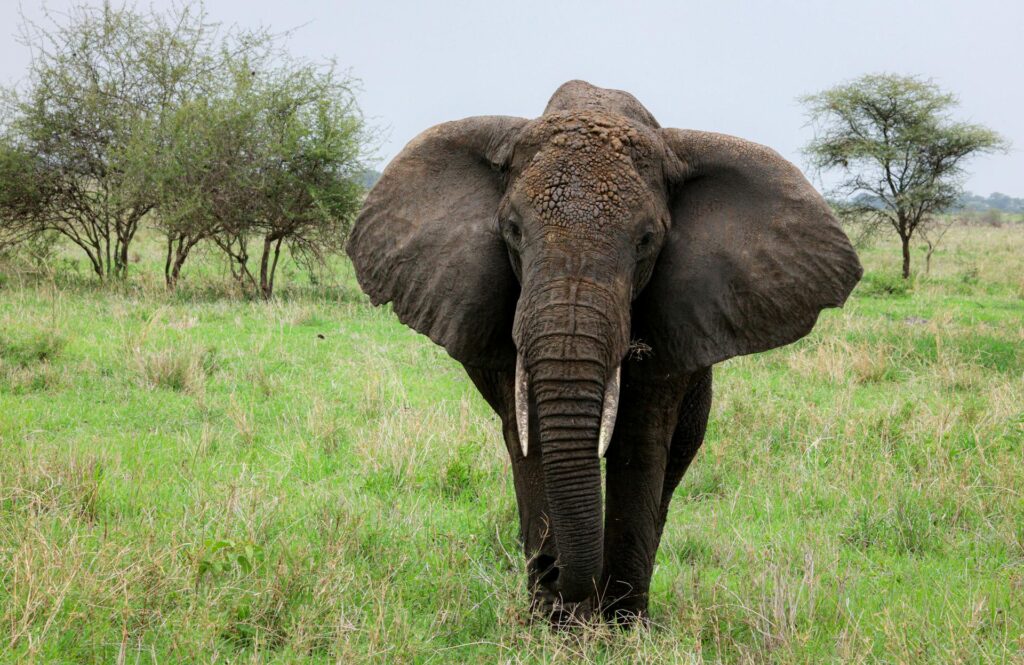
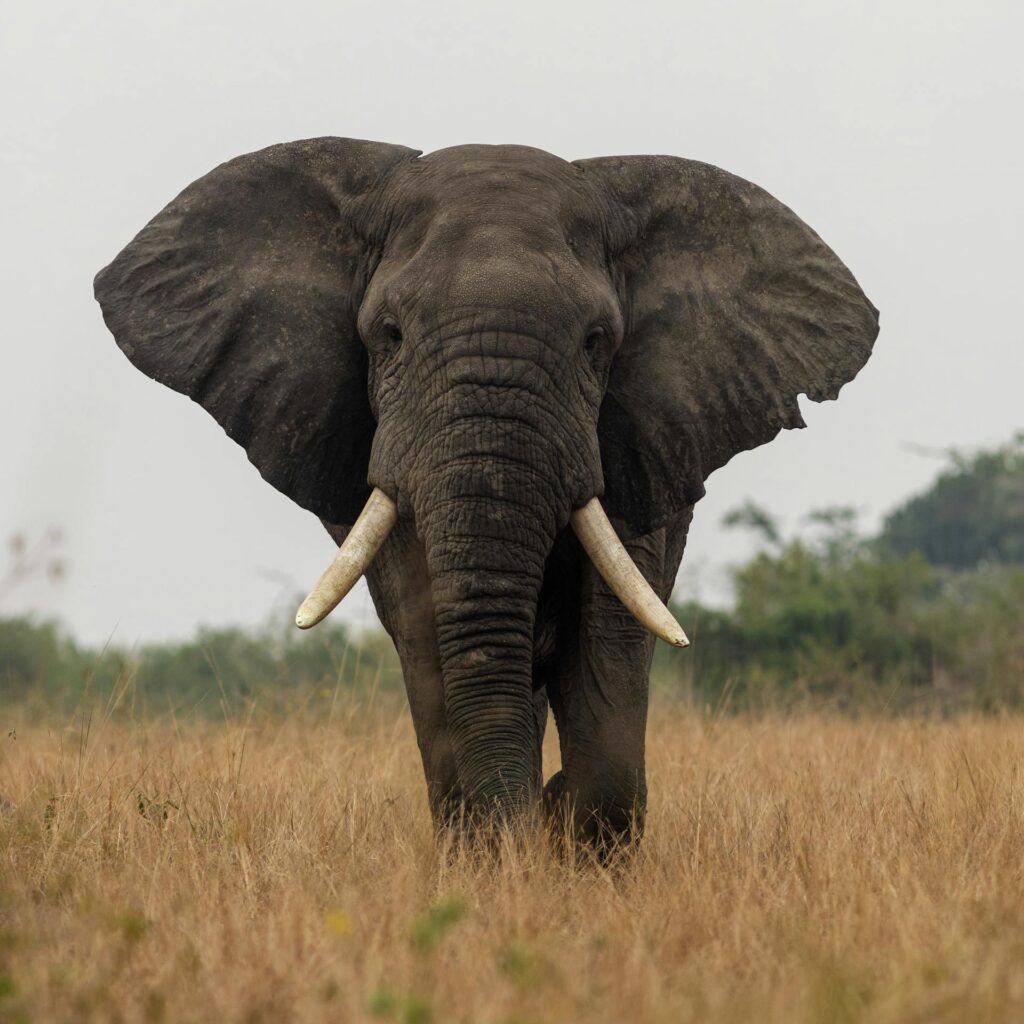
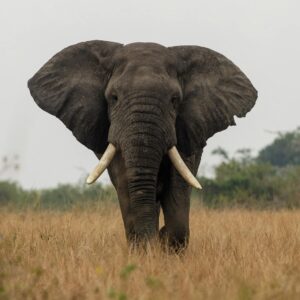
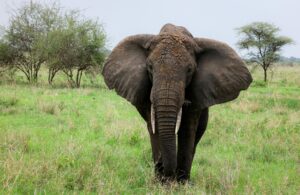
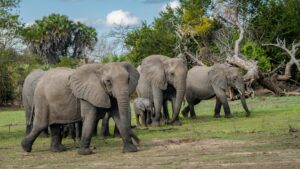
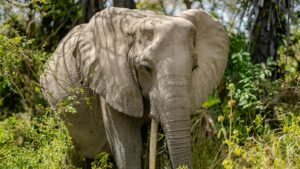
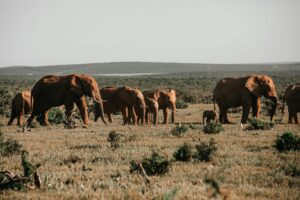
While northern Tanzania’s parks draw the crowds, the south offers something increasingly rare in Africa: true wilderness. The Selous Game Reserve, Africa’s largest protected area (over 50,000 square kilometers), hosts vast elephant herds, wild dogs, and the Rufiji River, lifeline of an ecosystem of extraordinary beauty.

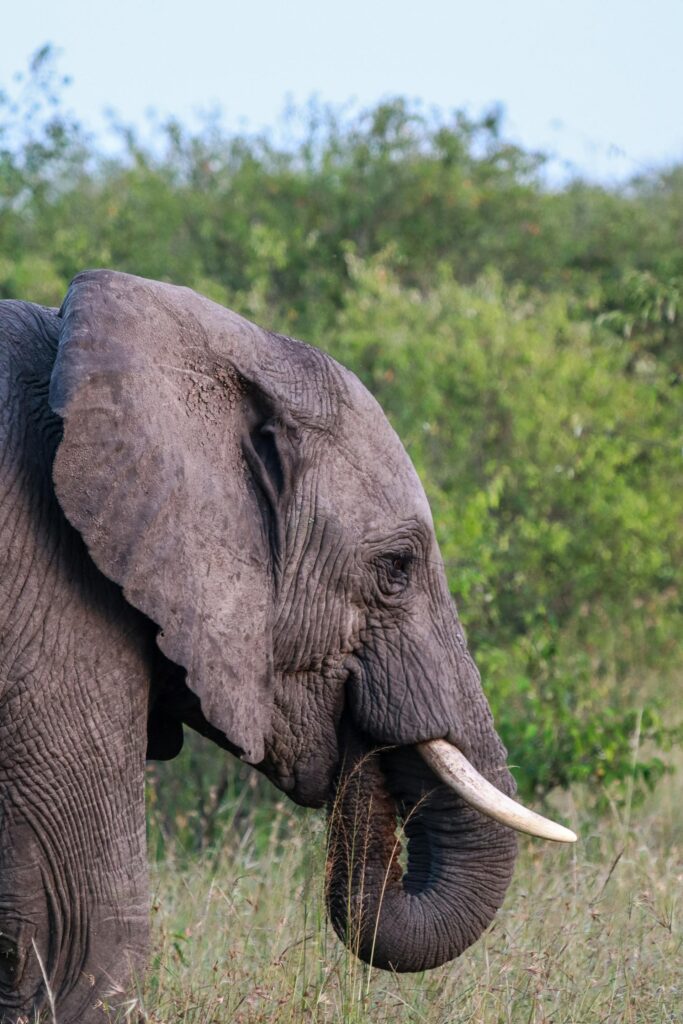
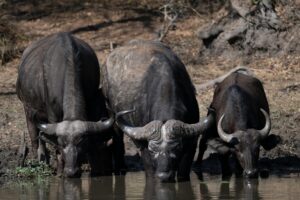
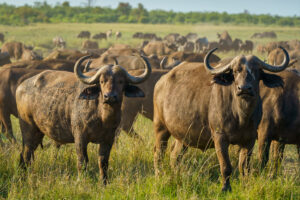
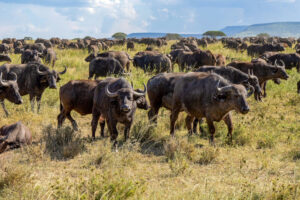
Ruaha National Park, Tanzania’s second-largest park, protects a dramatic landscape of baobab-studded hills and the Great Ruaha River, a magnet for wildlife. It has one of Africa’s highest elephant populations and excellent predator sightings. Katavi, in the far west, is Tanzania’s most remote park—a place of floodplains, buffalo herds numbering thousands, and the feeling of being truly alone in the bush.

These southern parks are for experienced safari-goers seeking solitude and wilderness. The dry season (June-October) offers the best game viewing.

Chimpanzee Trekking: Gombe & Mahale

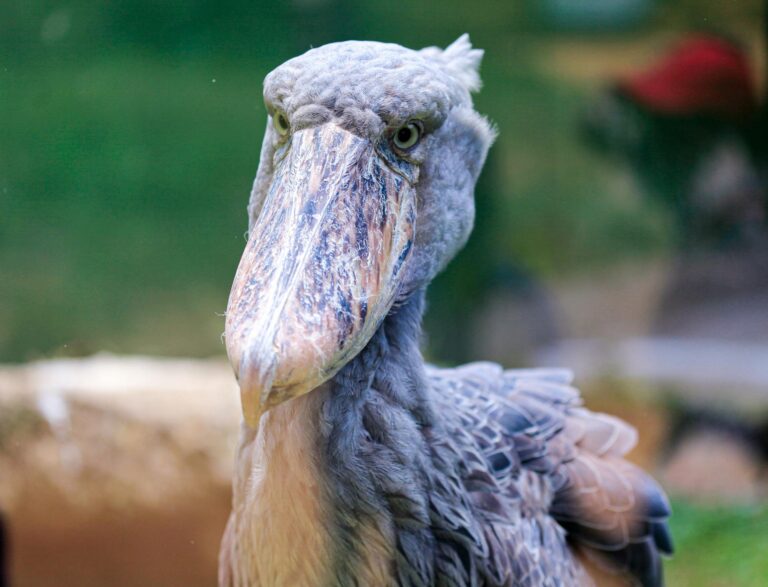
Shoebill Kibale

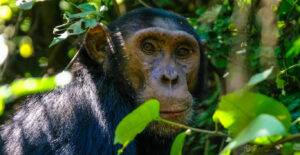
Western Tanzania’s two national parks offer one of Africa’s most profound wildlife experiences: chimpanzee trekking. Gombe Stream National Park, where Jane Goodall began her groundbreaking research in 1960, is a tiny park of forested valleys where habituated chimpanzee communities allow intimate encounters.

Mahale Mountains National Park, further south, is even more spectacular—a dramatic range of forested mountains rising from the shores of Lake Tanganyika, Africa’s deepest lake. Its chimpanzee population, habituated over decades, offers trekking experiences through pristine forest with the lake as a backdrop.

Both parks require effort to reach—flights to remote airstrips and boat transfers—but the reward is hours spent watching our closest relatives in their natural habitat, a humbling and unforgettable experience.

When to Go to Tanzania: A Month-by-Month Safari Calendar

Travel in Tanzania is shaped less by a single “best time” and more by rhythm—rainfall, migration cycles, and shifting landscapes that redefine the experience month by month. From the green abundance of calving season to the dry clarity of peak safari months, each period offers a distinct way of seeing the country. This guide explores Tanzania across the calendar, focusing on how conditions affect wildlife, movement, and the overall feel of travel.

January – Calving Season Begins

January opens with green plains and abundant life, especially in the southern Serengeti. Wildebeest begin calving, attracting high predator activity. Birdlife is excellent, landscapes are fresh, and crowds are relatively light. This is a rewarding month for travelers interested in dramatic wildlife behavior rather than classic dry-season imagery.

February – Birth, Predators, and Open Plains

Feb in Masai Mara

February is one of Tanzania’s most dynamic months. Thousands of calves are born daily on the Serengeti plains, drawing lions, cheetahs, and hyenas into near-constant action. Weather is generally warm and stable, making this a standout period for photography and behavior-focused safaris.

March – A Quiet Shift

March marks the transition toward the long rains. Early March can still offer strong safari conditions, while later weeks bring increasing humidity and scattered showers. Visitor numbers begin to thin, and the landscape deepens in colour. It suits travelers seeking space and flexibility.

April – Long Rains and Deep Greens

April is typically the wettest month. Heavy rains transform the country into lush, dramatic scenery, though travel can be challenging in some areas. Many camps close temporarily, and those that remain open offer a sense of solitude and immersion. Wildlife remains present but is more dispersed.

May – The Green Season Lingers

Rains ease through May, leaving behind vibrant landscapes and quiet parks. Wildlife begins to regroup as conditions stabilize. This is an excellent time for experienced travelers who value atmosphere, birdlife, and fewer vehicles over peak concentrations.

June – Dry Season Awakens

June signals the start of the dry season. Skies clear, roads improve, and wildlife becomes more visible as grasses thin. Migration herds move northward through the Serengeti’s central regions. It’s a balanced month offering strong conditions without the intensity of peak season.

July – Classic Safari Conditions

July delivers cooler temperatures, dry weather, and increasingly concentrated wildlife. Migration herds gather in the western and northern Serengeti, and predator sightings are frequent. This marks the beginning of peak safari season and is ideal for travelers seeking reliability.

August – Peak Season and Migration Drama

August is one of Tanzania’s most popular safari months. Wildlife viewing is consistently excellent, and river crossings may occur in northern Serengeti regions. Conditions are dry and clear, though visitor numbers are at their highest. Planning well in advance is essential.

September – Dry, Clear, and Predictable

September continues strong dry-season conditions with slightly reduced crowds. Wildlife remains concentrated around water sources, and migration activity may persist. This is a dependable month for travelers wanting classic safari experiences with a touch more breathing room.

October – Heat and Anticipation

October is warm and dry, with wildlife at its most visible as water becomes scarce. Predators are active, and game viewing remains excellent. Toward the end of the month, the landscape begins to anticipate the return of rain.

November – Short Rains Refresh the Land

Short rains arrive in November, usually brief and localized. The landscape greens quickly, dust settles, and visitor numbers drop. Travel remains very possible, and the atmosphere becomes lighter and more relaxed, especially outside the main northern circuit.

December – Renewal and Festive Travel

December blends fresh greenery with rising holiday demand. Early December is often quieter, while the festive period sees increased travel. Wildlife disperses slightly, but the country feels alive and renewed—an appealing contrast to the intensity of peak dry-season months.

Choose your Tanzania journey by season, story, or mood—each month offering a different way to experience one of Africa’s most expansive and enduring safari destinations.
Tanzania Month-by-Month: Serengeti Migration, Kilimanjaro & When to Go

Tanzania is East Africa’s largest country, a land of extraordinary geographic and climatic diversity. From the snow-capped peak of Kilimanjaro to the sun-baked shores of Zanzibar, from the endless plains of the Serengeti to the depths of Lake Tanganyika, Tanzania offers an unparalleled range of experiences. Its calendar is defined by two rainfall patterns—the bimodal north (Serengeti, Kilimanjaro, Arusha) with long rains (March-May) and short rains (November-December), and the unimodal south (Selous, Ruaha, Mahale) with a single wet season (December-April) .

The Serengeti wildebeest migration dictates the rhythm of safari tourism, with the herds calving in the south (January-March), moving through the central Serengeti (April-May), crossing the Grumeti River (June-July), and reaching the Mara River in the north (August-October) before returning south .

All temperatures are daytime highs and nighttime lows. Rainfall and seasons vary significantly by region—this calendar provides a national overview with regional highlights.

Month
Rain
Min
Max
Season

Tanzania Tours & Safaris

9 Days

9 Days Serengeti & Zanzibar Honeymoon Escape

From US$ 1,575 PPS
Highlights

Romance and Wilderness in Perfect Balance

Destinations Visited
4 Days

4-Day Selous Wilderness Safari

From US$ 1,455 PPS
Highlights

Untamed Africa Awaits in the Selous

Destinations Visited
6 Days

6 Days Serengeti and Ngorongoro Migration Safari

From US$ 1,875 PPS
Highlights

Follow the Great Migration Across Endless Plains

Destinations Visited
5 Days

5 Days Tarangire, Lake Manyara & Ngorongoro

From US$ 1,675 PPS
Highlights

Big Game & Big Views in Northern Tanzania

Destinations Visited

Tours & Safaris

Stages of the Annual Mara-Serengeti Wildebeest Migration

The Great Wildebeest Migration is one of the most extraordinary wildlife events on Earth, involving over a million wildebeest, accompanied by zebras and gazelles, moving in a continuous cycle across the Serengeti–Mara ecosystem. Driven by rainfall and the search for fresh grazing, this journey unfolds in distinct stages throughout the year, each offering very different landscapes, wildlife behavior, and safari experiences. Understanding these stages is essential for planning the right trip at the right time—whether you dream of dramatic river crossings, vast calving grounds, or predator-rich plains teeming with life.

Southern Serengeti Calving Season (January – March)

Calving Happens in thesouthern Serengeti and Ndutu region

The migration cycle begins in the short-grass plains of the southern Serengeti and Ndutu region, where nutrient-rich soils provide ideal conditions for calving. During this period, hundreds of thousands of wildebeest give birth within a few short weeks, creating one of the highest concentrations of newborn wildlife anywhere in Africa. This abundance of vulnerable calves attracts a dramatic surge in predators, making it a prime time for witnessing intense wildlife interactions. For visitors, this stage offers exceptional game viewing, open landscapes, and a sense of raw natural productivity that underpins the entire migration.

Central Serengeti Transition (April – May)

Paced migration in the Central Serengeti - April - May

As the southern plains begin to dry, the herds slowly move northwest through the central Serengeti, following fresh grazing created by seasonal rains. This transitional stage is less about spectacle and more about scale, as vast columns of animals stretch across the savannah, accompanied by increasing predator activity. The landscape becomes more varied, with rolling hills, river systems, and woodlands supporting resident wildlife year-round. For travelers, this period delivers fewer crowds, dramatic skies, and a deeper appreciation of the migration as a continuous journey rather than a single event.

Western Corridor and Grumeti Crossings (June – July)

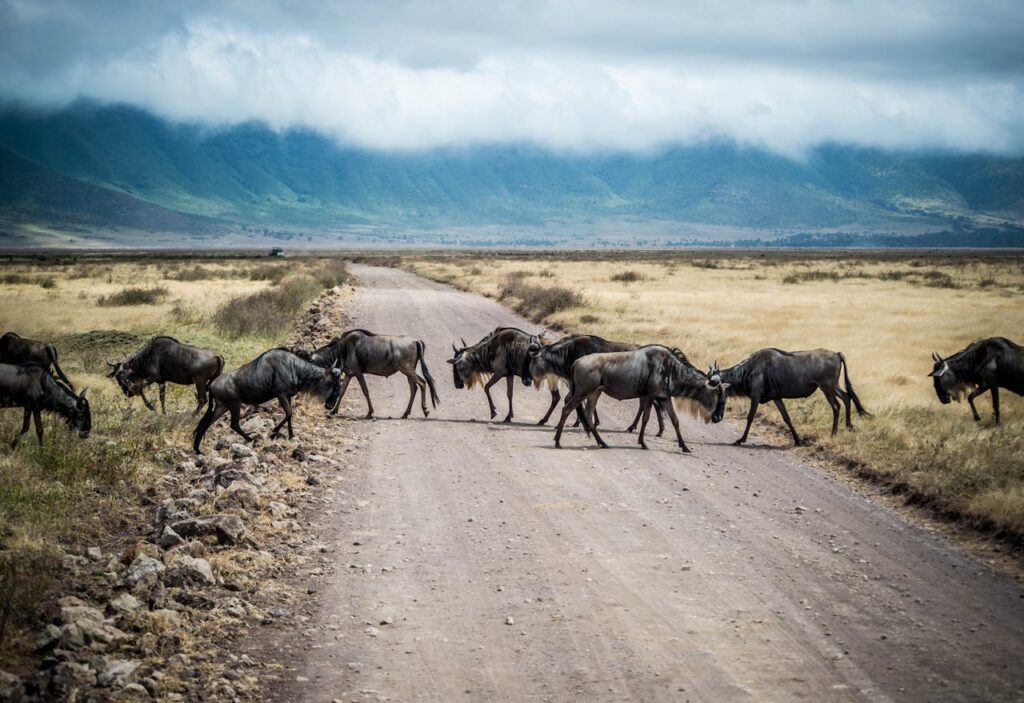
Wildebeest on the move

By early dry season, the herds push toward the Western Corridor of the Serengeti, where they face their first major obstacle—the crocodile-infested Grumeti River. While crossings here are less predictable and often less dramatic than those farther north, they mark a critical turning point in the migration. The region’s riverine forests and permanent water sources concentrate wildlife, offering excellent predator sightings and classic safari scenery. This stage rewards patient observers with powerful moments of tension, endurance, and survival as the herds prepare for even greater challenges ahead.

Northern Serengeti & Mara River Crossings (August – October)

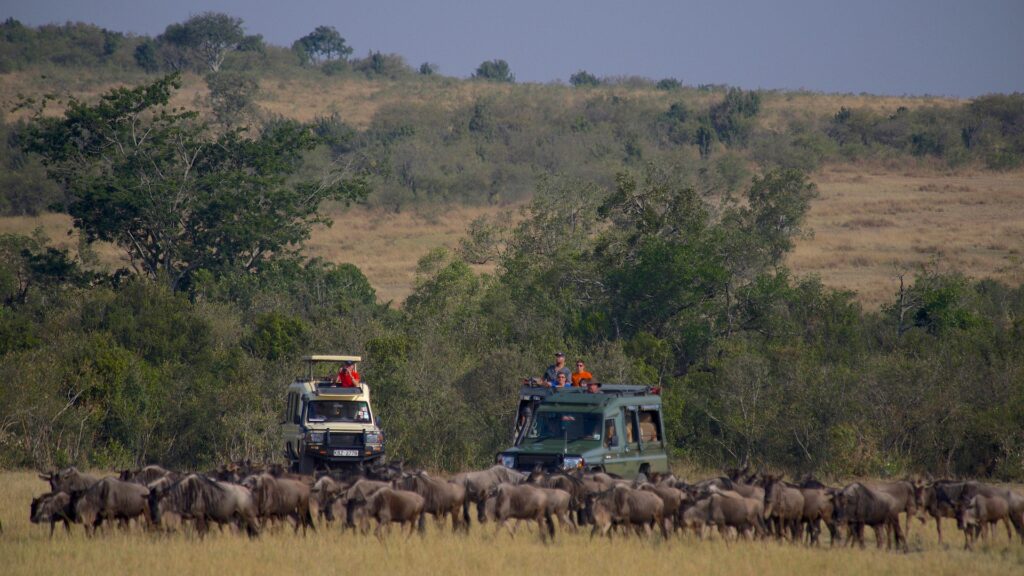
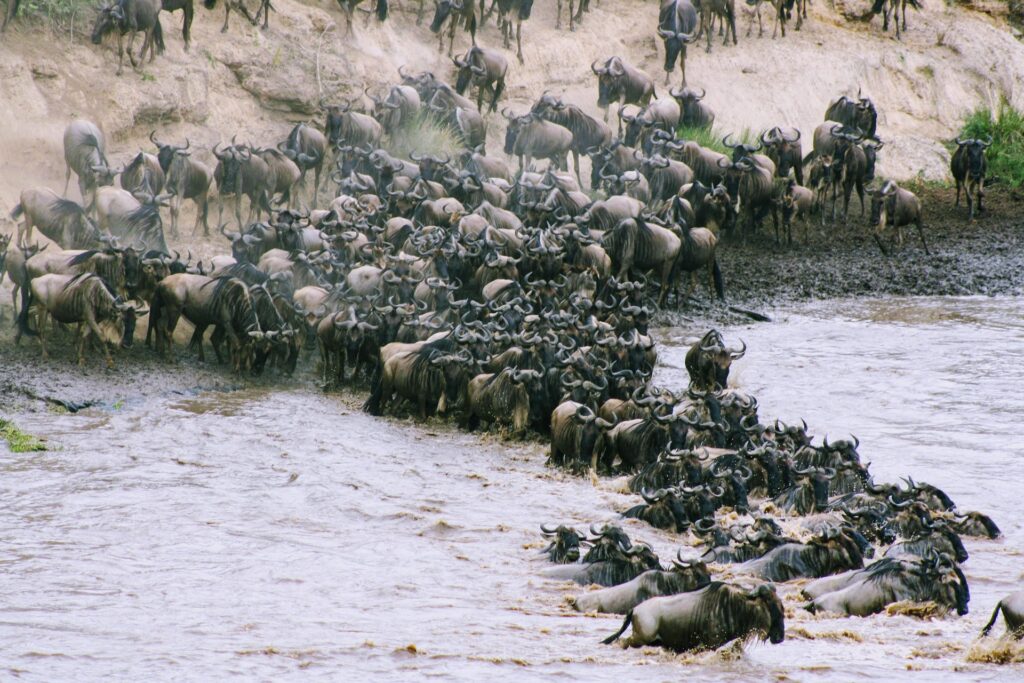
Wildebeest build up at the Mara River

The most iconic stage of the Great Migration unfolds along the northern Serengeti and into Kenya’s Maasai Mara, where the herds must cross the formidable Mara River. These crossings are unpredictable, often chaotic, and emotionally charged, as animals leap into fast-flowing waters filled with strong currents and lurking crocodiles. The reward for their peril is lush grazing on the Mara’s open plains. For visitors, this is the peak spectacle of the migration—raw, dramatic, and unforgettable—representing the relentless drive of life in the wild.

Return South Through the Eastern Serengeti (November – December)

Around November and December the migrating herd returns South using the Eastern route

As short rains return to the southern Serengeti, the herds begin their journey back east and south, closing the annual loop of the migration. This stage is characterized by movement across wide, open landscapes as animals regain strength after months of travel and danger. Predators remain active, and the plains slowly green once again in preparation for the next calving season. For travelers, this period offers a quieter, more reflective safari experience—one that highlights the migration’s cyclical nature and the enduring rhythms of the African wilderness.

Exploring Tanzania: From the Northern Circuit to the Southern Wilds

The Northern Circuit: Tanzania's Safari Heartland

The Northern Circuit is where most Tanzania safaris begin—and for good reason. This region contains an extraordinary concentration of world-class parks, each with its own character, connected by good roads and airstrips.

Serengeti National Park is the crown jewel—14,763 square kilometers of savannah that host the great wildebeest migration. Its endless plains, river systems, and woodlands support Africa’s highest concentration of predators and prey.

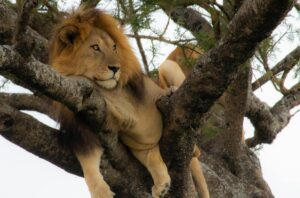
Ngorongoro Crater is a natural wonder—a vast caldera where 25,000 animals live year-round, offering the most reliable big game viewing in Africa. Lake Manyara is famous for its tree-climbing lions and flamingo-fringed shores. Tarangire National Park boasts the largest elephant herds in northern Tanzania, especially during the dry season when animals concentrate along the Tarangire River.

Kilimanjaro, Africa’s highest peak, dominates the region’s eastern edge. The Northern Circuit is easily combined, allowing visitors to experience multiple parks in a single itinerary.

Serengeti National Park: The Endless Plains

The Serengeti is not just a park—it’s an idea. Its name comes from the Maasai word ‘siringet,’ meaning ‘the place where the land runs on forever.’ And indeed, the Serengeti’s rolling grasslands seem endless, stretching to the horizon under an impossibly vast sky.

The park is divided into several distinct regions. The southern Serengeti (Ndutu area) is short-grass plains where the wildebeest calve from January to March. The western corridor follows the Grumeti River, site of dramatic crocodile encounters from June to July. The northern Serengeti (Lamai Wedge and Kogatende) is where the herds cross the Mara River from August to October. The central Serengeti (Seronera area) offers excellent year-round game viewing.

The Serengeti’s predator densities are unmatched—lions, leopards, cheetahs, hyenas, jackals—all visible on a good day. The park also hosts over 500 bird species.

Ngorongoro Conservation Area: The Crater & Highlands

The Ngorongoro Conservation Area is a UNESCO World Heritage Site that protects the famous Ngorongoro Crater along with the surrounding highlands. The crater itself is the main attraction—a 260-square-kilometer caldera with walls rising 600 meters, creating a natural enclosure where wildlife thrives year-round.

The crater floor offers the most reliable game viewing in Africa. The resident population includes all the Big Five, with excellent chances of seeing black rhino, lion, leopard, elephant, and buffalo. The soda lake attracts thousands of flamingos. Hippos wallow in the pools. Hyena clans are large and active.

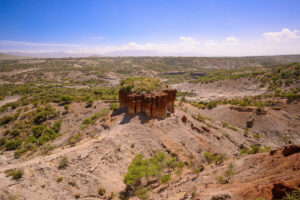
The surrounding highlands are home to Maasai pastoralists, who graze their cattle alongside wildlife in a unique and ancient coexistence. Olduvai Gorge, on the edge of the conservation area, is one of the most important paleoanthropological sites in the world, where the Leakeys discovered hominid fossils dating back millions of years.

Southern Circuit: Selous, Ruaha & Mikumi

Southern Tanzania’s parks offer a completely different experience from the north—remoter, wilder, with far fewer visitors. These are parks for experienced safari-goers seeking solitude and vast wilderness.

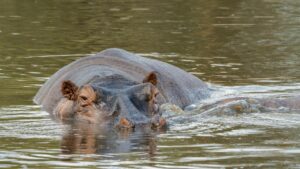
Selous Game Reserve (now part of Nyerere National Park) is Africa’s largest protected area, covering over 50,000 square kilometers. Its centerpiece is the Rufiji River, a vast waterway lined with palms and forest, home to one of Africa’s densest hippo and crocodile populations. Boat safaris on the Rufiji are a highlight.
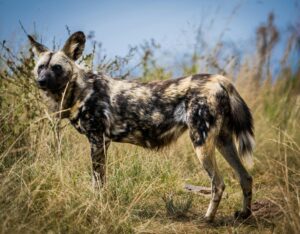
Ruaha National Park is Tanzania’s second-largest park, a landscape of baobab-studded hills, the Great Ruaha River, and exceptional predator viewing. It has one of Africa’s highest elephant populations and offers excellent wild dog sightings.

Mikumi National Park, closest to Dar es Salaam, offers accessible game viewing with a feel reminiscent of the Serengeti’s short-grass plains.
Western Circuit: Chimpanzees & Remote Wilderness

Western Tanzania is the country’s wild frontier—a region of remote parks, vast lakes, and some of Africa’s most profound wildlife experiences. Getting here requires effort, but the rewards are extraordinary.

Katavi National Park is Tanzania’s most remote park, accessible only by charter flight. Its floodplains host buffalo herds numbering in the thousands, huge crocodile populations, and an authentic wilderness experience few visitors ever know.

Mahale Mountains National Park rises dramatically from the shores of Lake Tanganyika, Africa’s deepest lake. Its forested slopes are home to one of the largest populations of habituated chimpanzees in the world. Trekking through the forest to find them, with the lake glittering below, is unforgettable.

Gombe Stream National Park, smaller and more accessible, is where Jane Goodall began her chimpanzee research in 1960. The habituated chimps allow intimate encounters in a beautiful forest setting.

Zanzibar Archipelago: Spice Island Escape

The Zanzibar Archipelago is the perfect complement to a Tanzania safari—a place to recover from dusty game drives on white-sand beaches, explore ancient Stone Town, dive pristine coral reefs, and immerse yourself in Swahili culture.

Stone Town, a UNESCO World Heritage Site, is the archipelago’s cultural heart. Its labyrinthine streets wind past coral-stone buildings with carved doors, through bustling bazaars, to the waterfront where dhows still sail at sunset. The House of Wonders, the Old Fort, and the former slave market are essential visits.

Zanzibar’s east coast offers endless beaches—Nungwi and Kendwa in the north are lively; Paje, Jambiani, and Bwejuu in the east are more relaxed, with world-class kitesurfing. Pemba Island, to the north, is less developed, with spectacular diving and a laid-back atmosphere. Mafia Island, to the south, is a marine park famous for whale shark encounters.

Top Destinations

Placess to visit in Tanzania

Gombe Stream National Park

Top Reasons to Visit
Bird Watchers' Paradise Guided Chimpanzee Tracking

Mahale Mountains National Park

Top Reasons to Visit
Guided Chimpanzee Tracking True Wilderness Experience

Katavi National Park

Top Reasons to Visit
Bird Watchers' Paradise Big 5 Wildlife

Zanzibar Archipelago

Top Reasons to Visit
Tropical Honeymoon Paradise Warm Tropical Beach

Selous Game Reserve

Top Reasons to Visit
Big 5 Wildlife Family Friendly

Mount Kilimanjaro National Park

Top Reasons to Visit
Africa's Highest Peak Alpine Climate Bands

Ruaha National Park

Top Reasons to Visit
Bird Watchers' Paradise Big 5 Wildlife

Mikumi National Park

Top Reasons to Visit
Bird Watchers' Paradise Escorted Bush Walks Big 5 Wildlife

Serengeti National Park

Top Reasons to Visit
Big 5 Wildlife Year-Round Safari Family Friendly

Ngorongoro Conservation Area

Top Reasons to Visit
Big 5 Wildlife Year-Round Safari

Tarangire National Park

Top Reasons to Visit
Big 5 Wildlife Year-Round Safari Family Friendly

Plan Your Journey to Tanzania

Ready to explore? Our travel specialists are here to help craft your dream itinerary.

Chat on WhatsApp
Created by icon tripfrom the Noun Project Created by Amethyst Studiofrom the Noun Project Created by Amethyst Studiofrom the Noun Project Created by Amethyst Studiofrom the Noun Project