Why Kruger Is Africa's Most Accessible Big Five Wilderness
Kruger National Park is not merely South Africa’s flagship reserve—it is one of the most extraordinary wildlife sanctuaries on earth. At nearly 20,000 square kilometers, it is larger than Israel, larger than Wales, and larger than every other game reserve in Africa except for a handful of UNESCO World Heritage sites.
But size alone doesn’t explain Kruger’s dominance. This is a park where first-time safari travelers can self-drive past lion kills, where families on budget holidays wake to elephants drinking from camp waterholes, and where veteran wildlife photographers return decade after decade, still chasing the perfect leopard portrait.
Kruger is not exclusive. It is not private. It is not expensive in the way that Botswana’s Okavango or Tanzania’s Selous are expensive. What Kruger offers is something rarer: democratic access to world-class wildlife viewing, supported by infrastructure that has been refined over a century of conservation.
Here is why Kruger remains the heartbeat of South African safaris.
The Big Five, Guaranteed
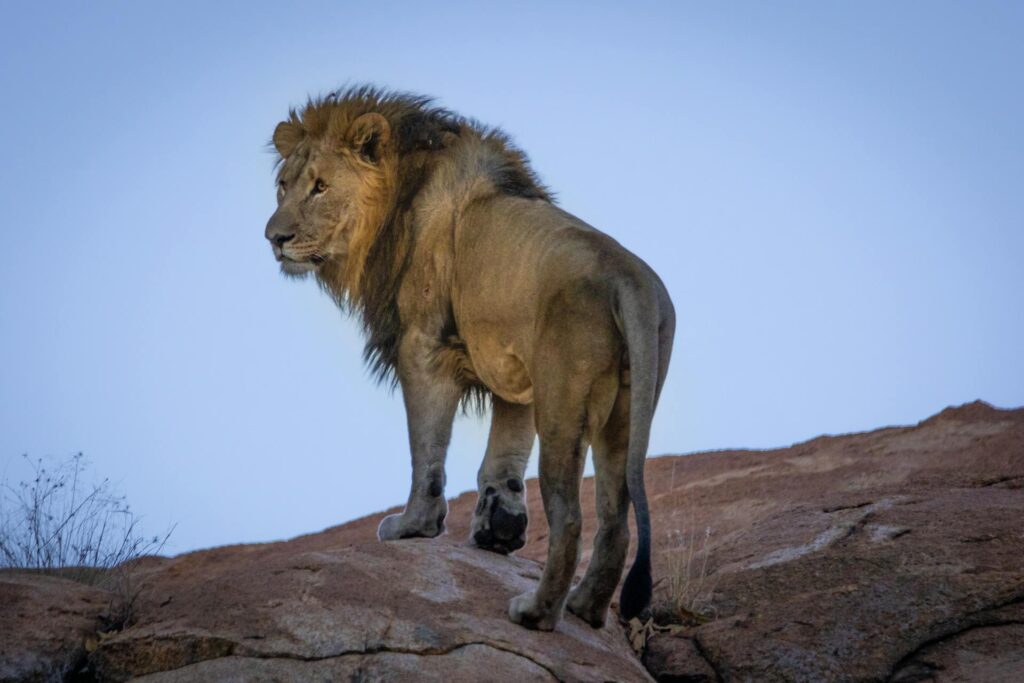
Kruger is one of the few places on earth where you can reliably see lion, leopard, elephant, rhino, and Cape buffalo—often in a single day.
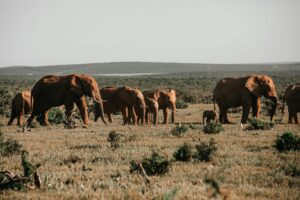
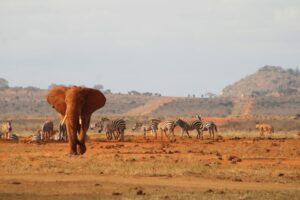
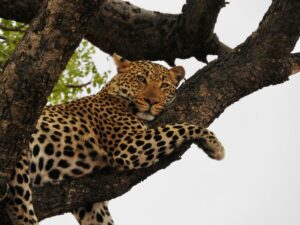
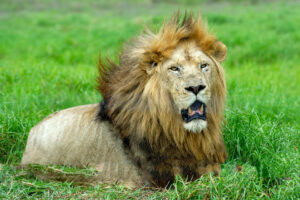
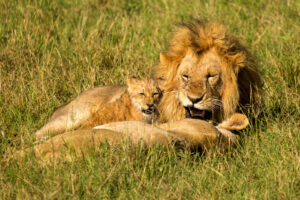
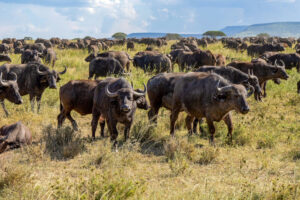
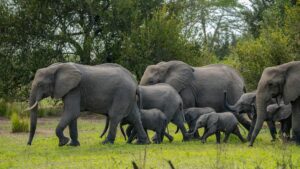
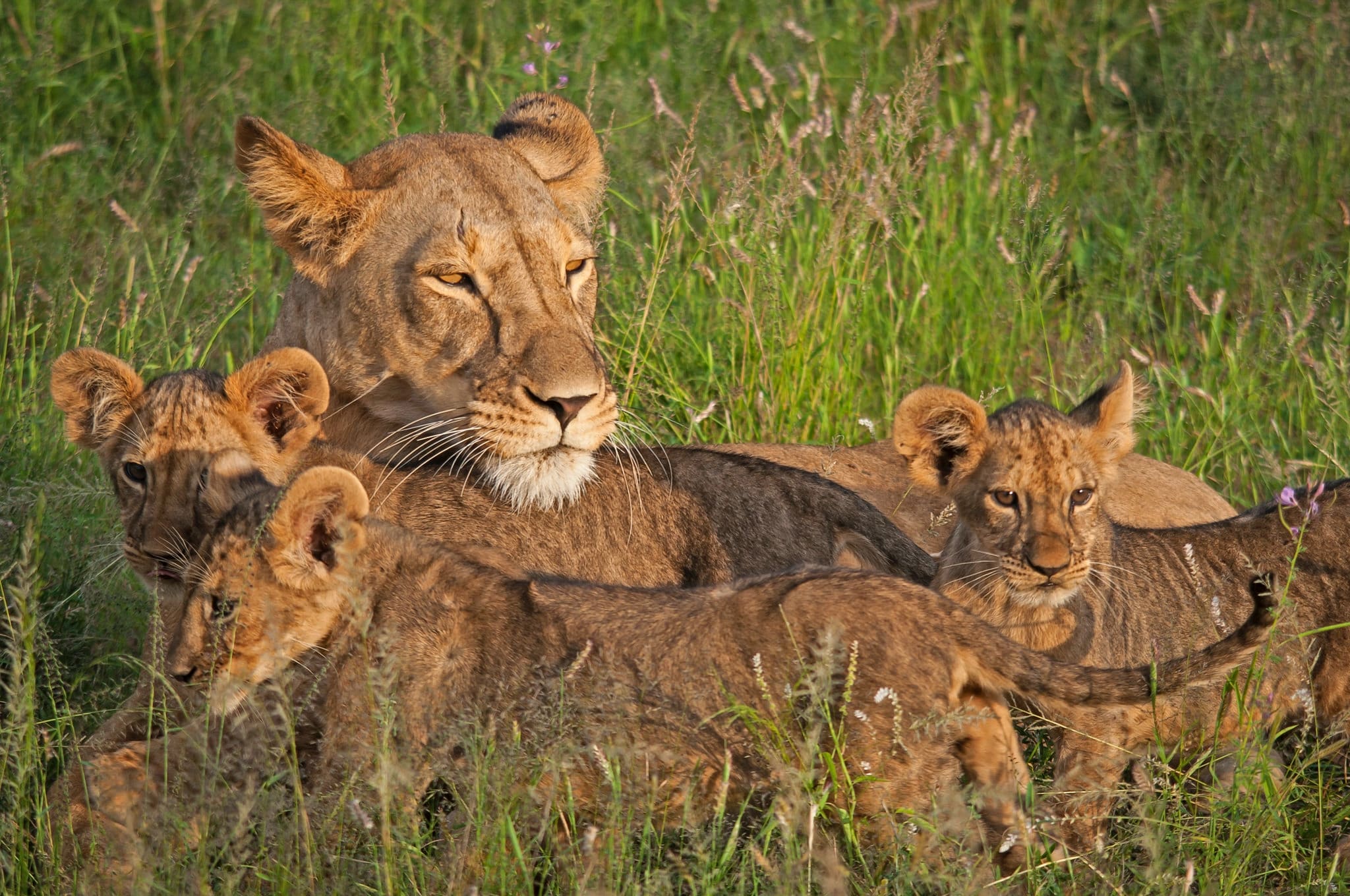
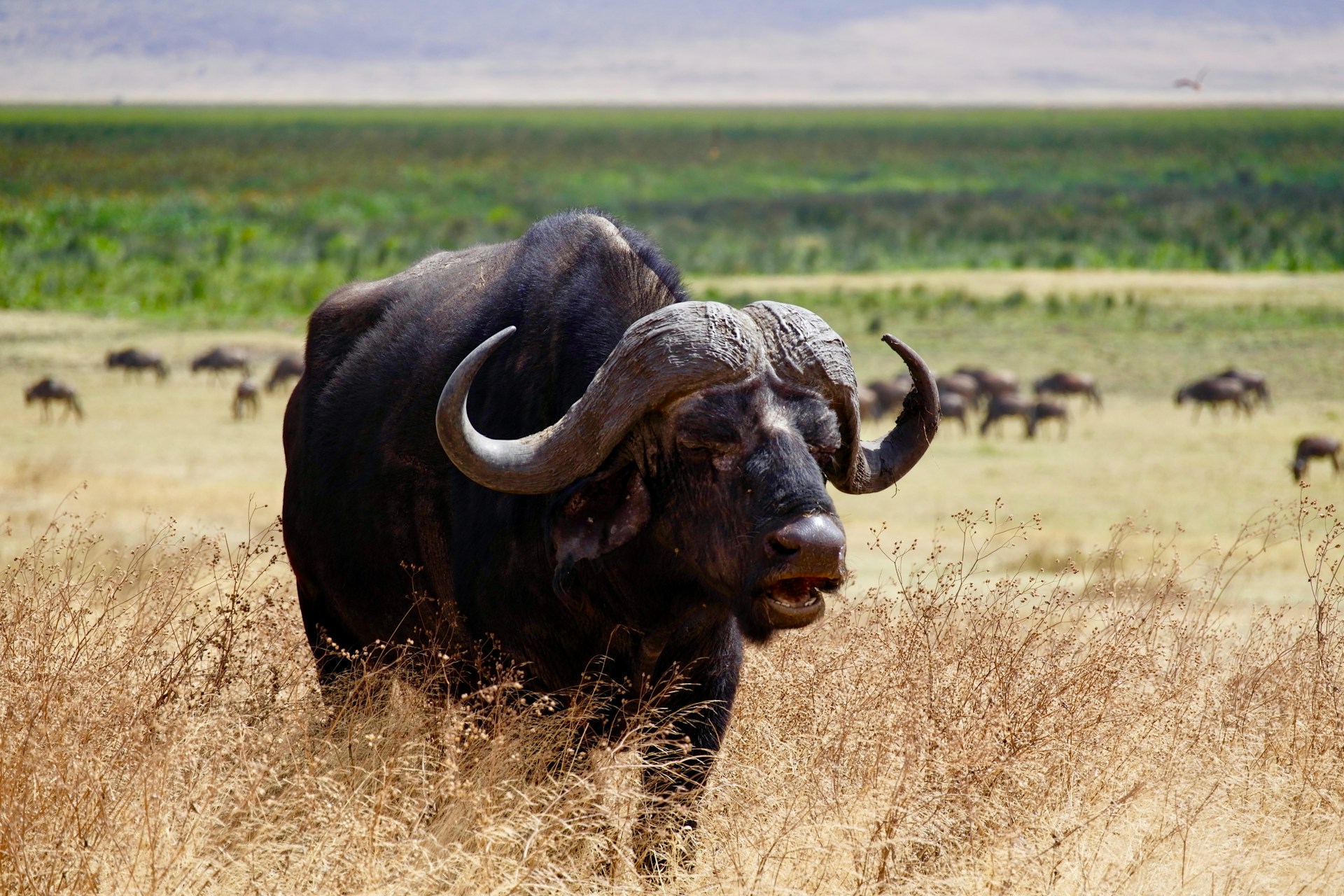
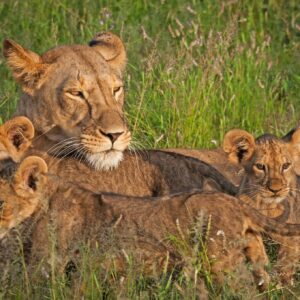
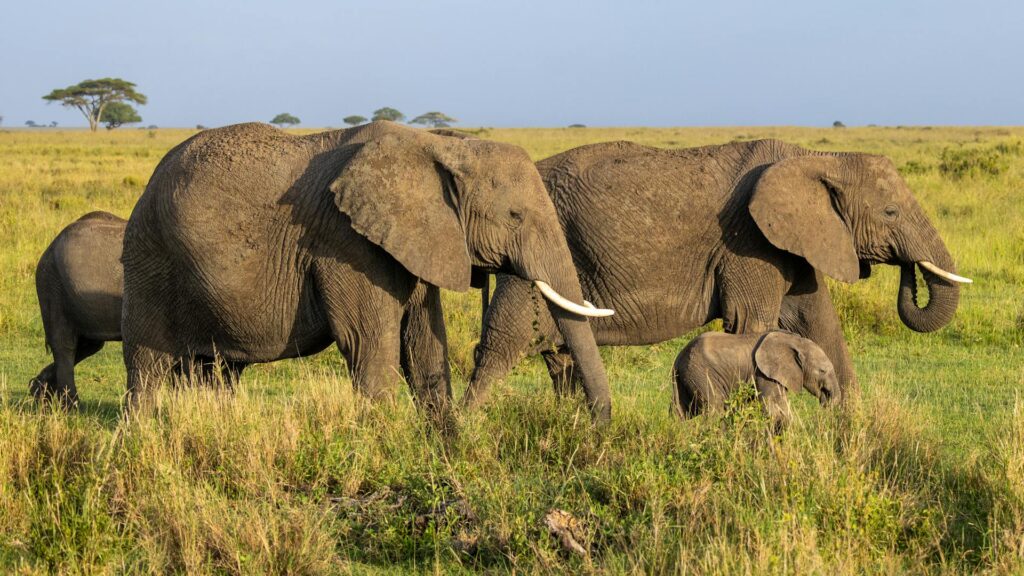
Lion populations exceed 1,600 individuals, distributed throughout the park. The Sabi Sands private reserve, sharing an unfenced border with Kruger, offers the continent’s most reliable leopard sightings. Elephant herds number in the thousands; you’ll struggle to spend an hour in the southern half of the park without encountering them. White rhino are concentrated in the south, black rhino in the far north. Buffalo herds of several hundred move through the central grasslands.
This is not the lottery-based game viewing of more remote reserves. In Kruger, the Big Five are not a possibility. They are a probability.
Unmatched Accessibility
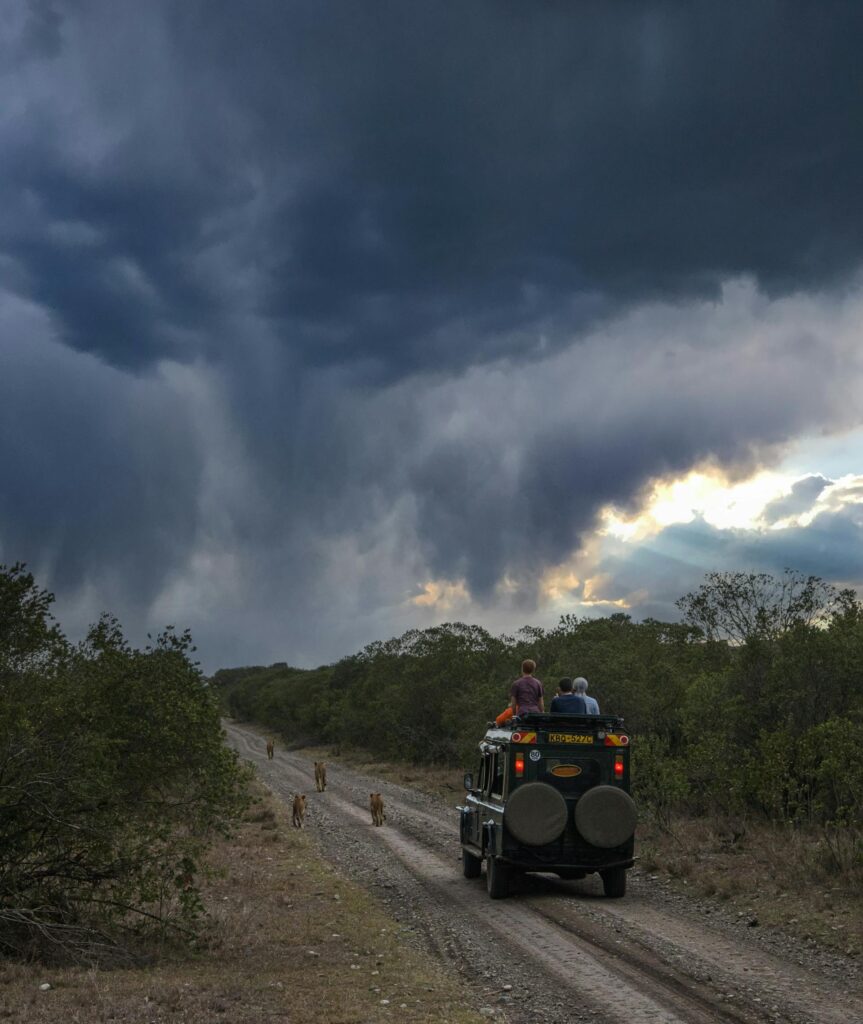
Kruger is the only major African reserve where you can self-drive with complete confidence.
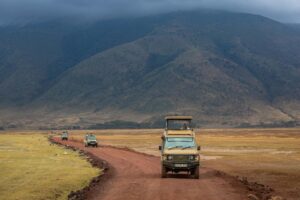
The park contains over 850 kilometers of paved roads and more than 1,500 kilometers of gravel loops, all clearly marked and regularly maintained. Entrance gates are staffed year-round. Petrol stations, rest camps, picnic sites, and emergency services are distributed strategically throughout the reserve. You do not need a guide. You do not need a 4×4. You do not need to book through a tour operator.
This accessibility transforms what a safari can be. Families with young children set their own pace. Photographers return to favourite sighting locations at optimal light. Budget travelers self-cater in rest camp bungalows for less than the cost of a single night in a private concession.
Kruger democratized the African safari. It remains the continent’s most accessible wilderness.
Private Reserves: Safari Without Compromise
Adjacent to Kruger’s unfenced western boundary, a collection of private reserves offers an entirely different safari experience.
Sabi Sands is the most famous. Here, vehicles leave the road, tracking leopards through riverine forest and positioning for photographs that seem almost impossible. Night drives are standard. Walking safaris operate daily. Guides are among Africa’s best—many have spent decades studying individual prides and leopard lineages.
Timbavati, Thornybush, Klaserie, Balule, Manyaleti—each reserve has its own character, its own lodge collection, its own conservation philosophy. What they share is exclusivity. Vehicle densities are strictly limited. Off-road driving reveals animals that would vanish into thicket from tar roads. And the leopard sightings are so consistent that individual animals are known by name, their territories mapped across generations.
For travelers who have already self-driven Kruger, or who seek photography without vehicles competing for angle, the private reserves justify their premium.
Unrivaled Biodiversity
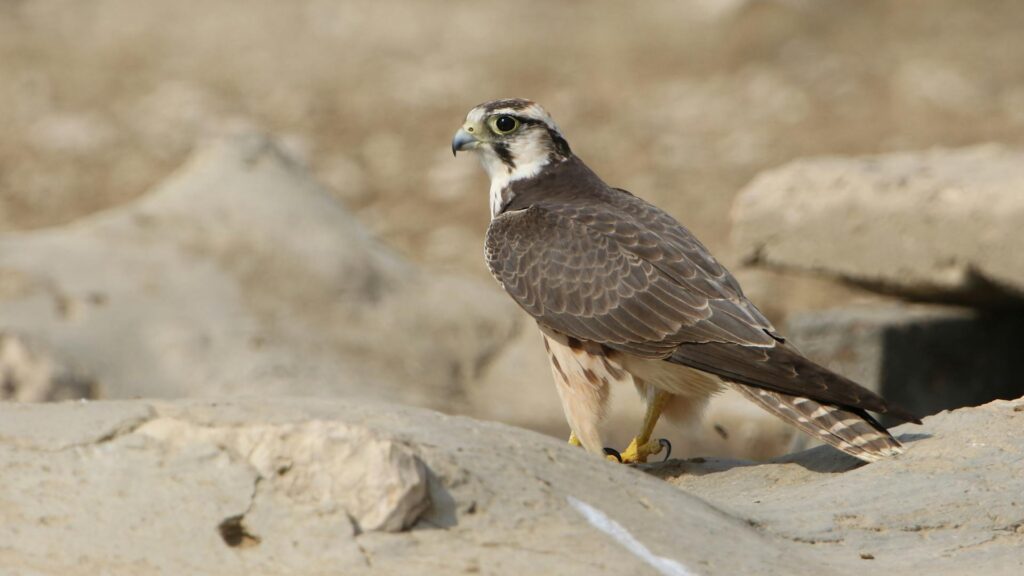
Kruger is not merely a Big Five reserve. It is one of the most biodiverse protected areas on the continent.
Mammals: 147 species, from the 1,600-kilogram elephant to the 5-gram pygmy shrew. Wild dog—Africa’s most endangered carnivore—den throughout the park. Cheetah hunt on the eastern grasslands. Sable and roan antelope persist in the remote north.
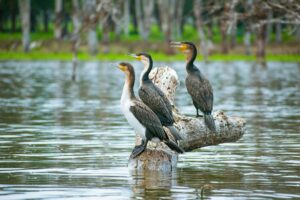
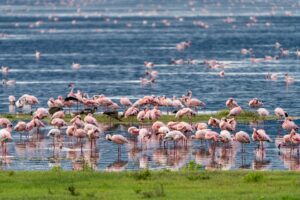
Birds: Over 500 species—more than the entire United Kingdom, more than all of North America north of Mexico. Southern ground hornbills stride through the bush like dinosaurs. Pel’s fishing-owl haunts riverine forest. Martial eagles patrol thermals above the N’waswitshaka.
Reptiles, amphibians, trees, insects: Kruger is a complete ecosystem, not a curated collection of charismatic megafauna. The more time you spend here, the more you realize how little you initially saw.
Accommodation for Every Budget
Kruger’s accommodation range is unmatched in African conservation.
Rest camps: SANParks operates 12 main camps, 5 bushveld camps, and 4 satellite camps. Skukuza has a bank, post office, and swimming pool. Lower Sabie overlooks a permanent dam where elephants bathe at all hours. Olifants perches on a cliff with views that rival any private lodge. Basic huts cost less than $50 per night. Self-catering cottages accommodate families. Camping pitches welcome caravans and roof tents.
Private concessions: Inside Kruger’s boundaries, exclusive concessions offer lodge-based safari experiences. Singita, Londolozi, and Royal Malewane operate at the apex of global luxury hospitality. Their rates exceed $2,000 per person per night. Their game viewing, service, and conservation impact justify every cent.
Private reserves: Adjacent to Kruger, properties like Singita Sabi Sand and MalaMala offer the off-road, night-driving advantages of the concession model while drawing from the same wildlife population.
Whether you travel on a backpacker’s budget or seek the continent’s finest lodge experience, Kruger delivers.
Malaria-Free Options
Kruger is located in a malaria-risk area, but safe, accessible alternatives exist for travelers who prefer to avoid prophylaxis.
Southern Kruger: The region south of the Sabie River has lower malaria incidence. Many travelers, particularly those on short visits, choose to take basic precautions without chemoprophylaxis.
Private reserves: Madikwe Game Reserve, a four-hour drive from Johannesburg, offers Big Five viewing in a certified malaria-free zone. While not adjacent to Kruger, it provides an excellent alternative for families with young children, pregnant travelers, or anyone with medical contraindications.
Eastern Cape reserves: Addo Elephant National Park, Shamwari, and Amakhala deliver Big Five safaris without malaria risk. These are easily combined with Garden Route itineraries.
Kruger itself requires vigilance during summer months. But with repellent, long clothing at dawn and dusk, and accommodation that provides mosquito netting, hundreds of thousands of travelers visit safely each year.
Year-Round Destination
Kruger rewards visitors in every season.
Dry winter (May–October): Prime game viewing. Vegetation thins dramatically. Animals concentrate at remaining water sources. Mornings are cool, even cold—perfect for all-day drives. Skies are cloudless. Visibility exceeds 100 meters into the bush. This is peak season for good reason.
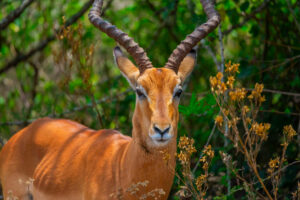
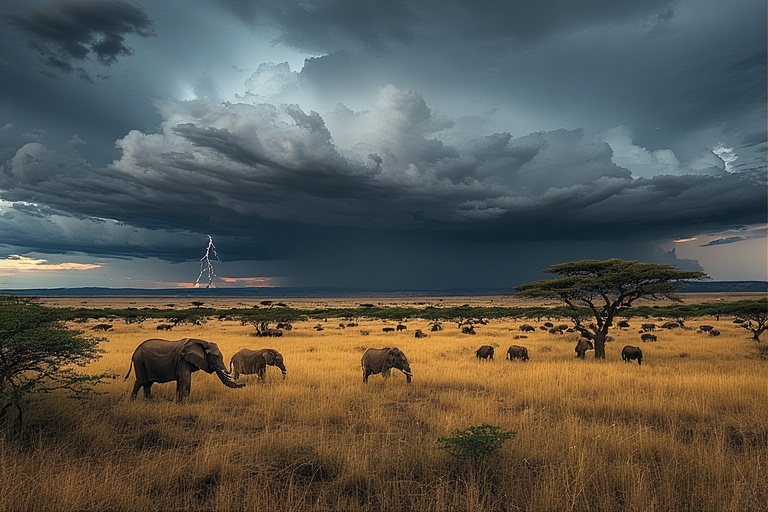
Green summer (November–April): The landscape transforms. Dust settles. Thunderstorms roll across the Lebombo Mountains. Migratory birds arrive from Europe and Asia. Impala drop their young in November and December, attracting predators. Photographers chase dramatic light. Crowds thin after the December holidays. Rates drop significantly.
There is no bad time to visit Kruger. There is only the Kruger you will find, and the Kruger you will return to find again.
Beyond Game Drives
Kruger offers more than vehicle-based wildlife viewing.
Wilderness trails: SANParks operates seven walking trails, each offering three nights of guided backpacking in exclusive-use sections of the park. You carry only your daypack. You sleep in rudimentary huts or permanent tents. You walk with a ranger who reads the bush like a library, showing you the tracks, scat, and subtle signs that game-drive visitors never notice.
Night drives: Bookable from any main camp, night drives reveal Kruger’s crepuscular majority. Civet, genet, springhare, aardwolf, and occasionally pangolin emerge after dark. Spotted hyena patrol the roads. Lions hunt with renewed urgency.
Bird hides: Lake Panic, Sunset Dam, and numerous camp hides offer contemplative wildlife viewing without a vehicle.
Archaeology: Masorini and Thulamela preserve evidence of human occupation stretching back centuries—iron smelting, trade with the Swahili coast, complex societies that thrived alongside the wildlife we now travel to see.
Kruger is not a drive-through zoo. It is a living landscape with a human history as rich as its natural heritage.