Lake Nakuru National Park

Lake Nakuru National Park

Lake Nakuru National Park

  • Best Time to Visit: June – October and January – February.
  • Entry Fees: Non-residents USD 60 adults / USD 35 children.
  • Country: Kenya

Why Lake Nakuru Is Kenya's Most Colorful Wildlife Sanctuary

Lake Nakuru is one of Kenya’s most iconic images—a soda lake in the Great Rift Valley whose shores, at their best, turn pink with thousands of flamingos. But the park is so much more than its famous birds. It’s a rhino sanctuary protecting both black and white rhinos. It’s home to Rothschild’s giraffe, introduced here to safeguard the species. It has healthy populations of lion, leopard, and buffalo. And it’s set against a backdrop of dramatic cliffs and acacia woodlands that make it one of the most scenic parks in Kenya.

Located just 160 kilometers from Nairobi, Lake Nakuru is easily accessible for day trips or short safaris. Its compact size—just 188 square kilometers—means game viewing is concentrated and productive. And its diversity of habitats—lake shore, woodland, grassland, cliff—supports an extraordinary range of wildlife.

Here is why Lake Nakuru deserves a place on every Kenya itinerary.

The Flamingos: Nature's Pink Phenomenon
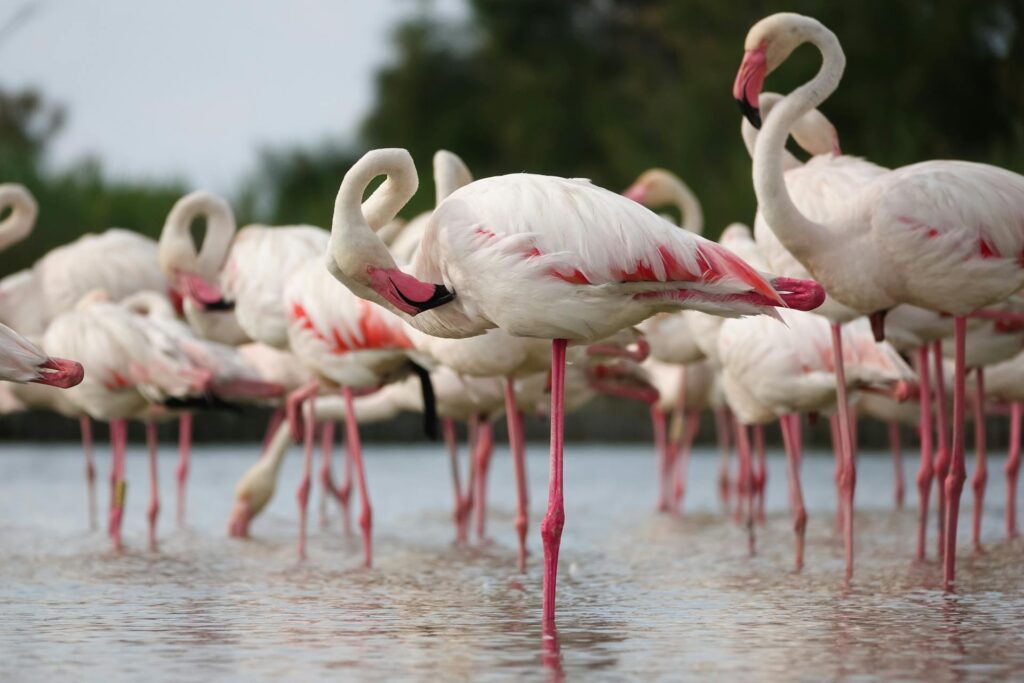
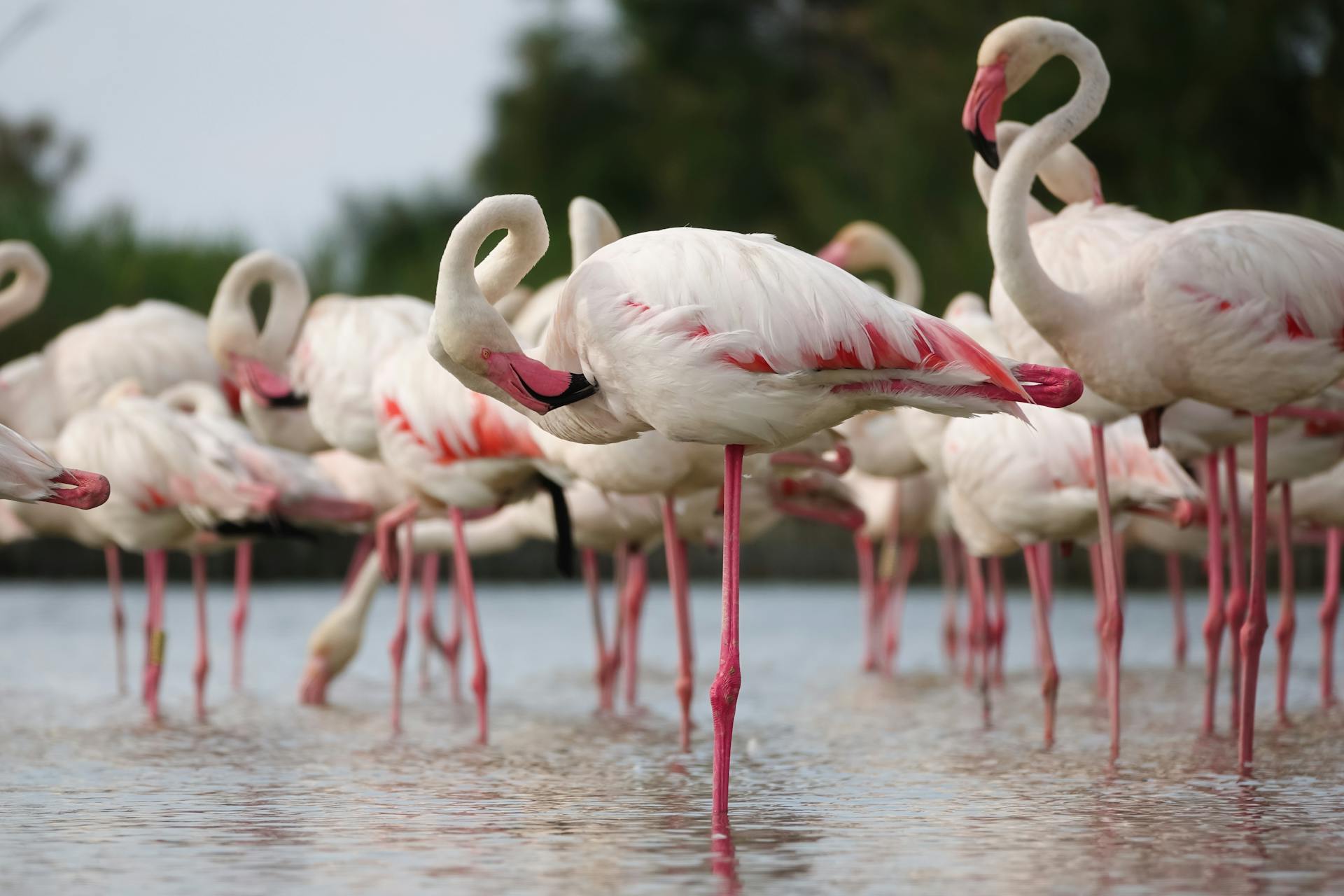
Flamingos at Lake Nakuru

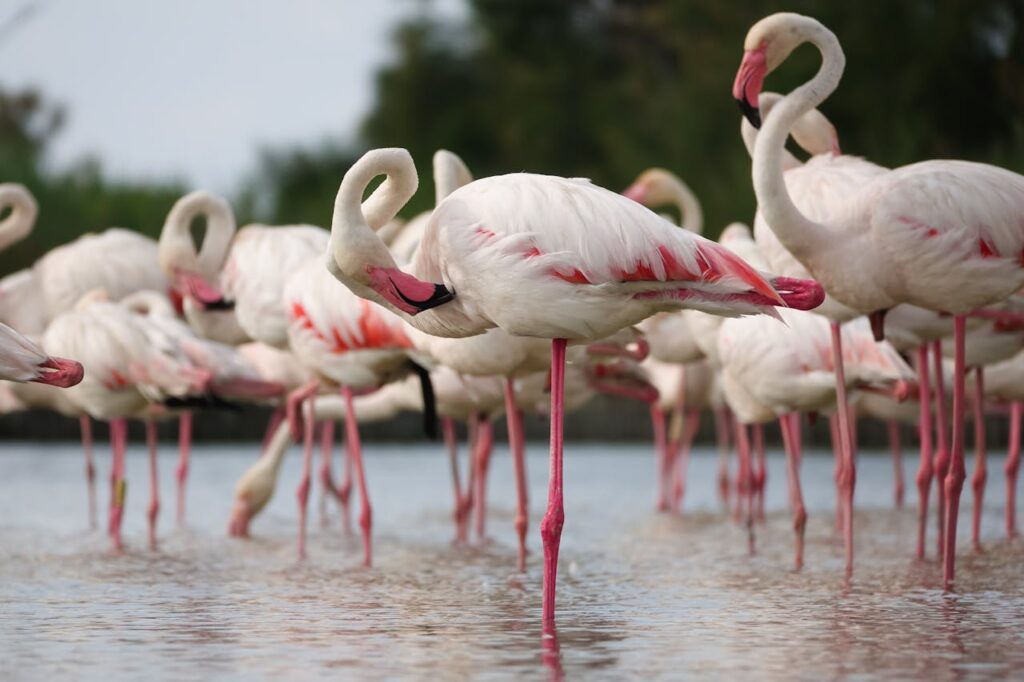
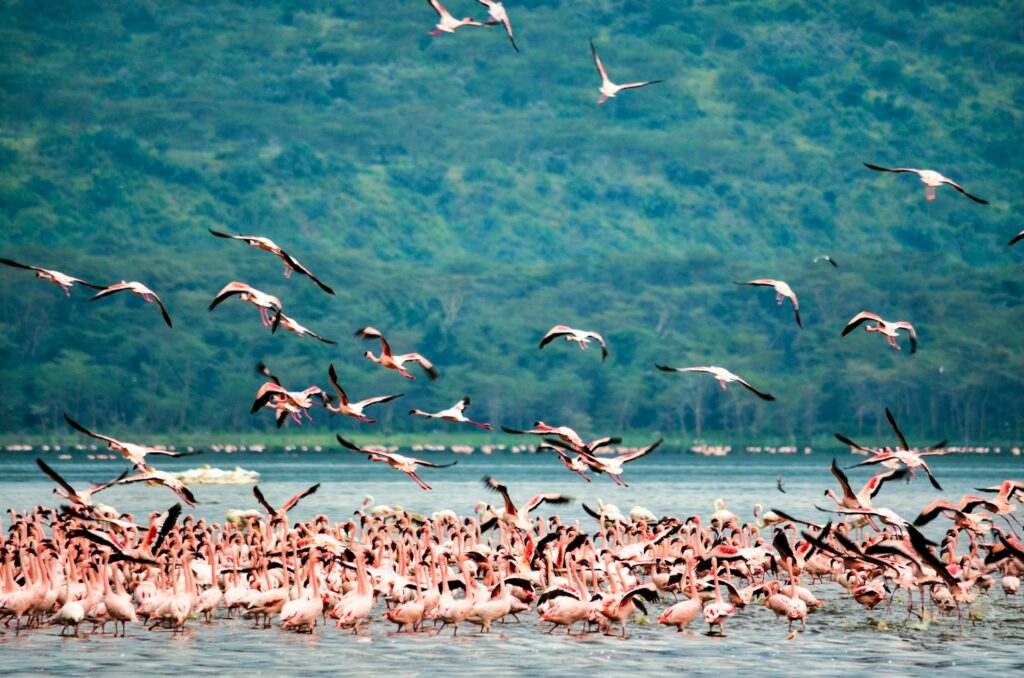
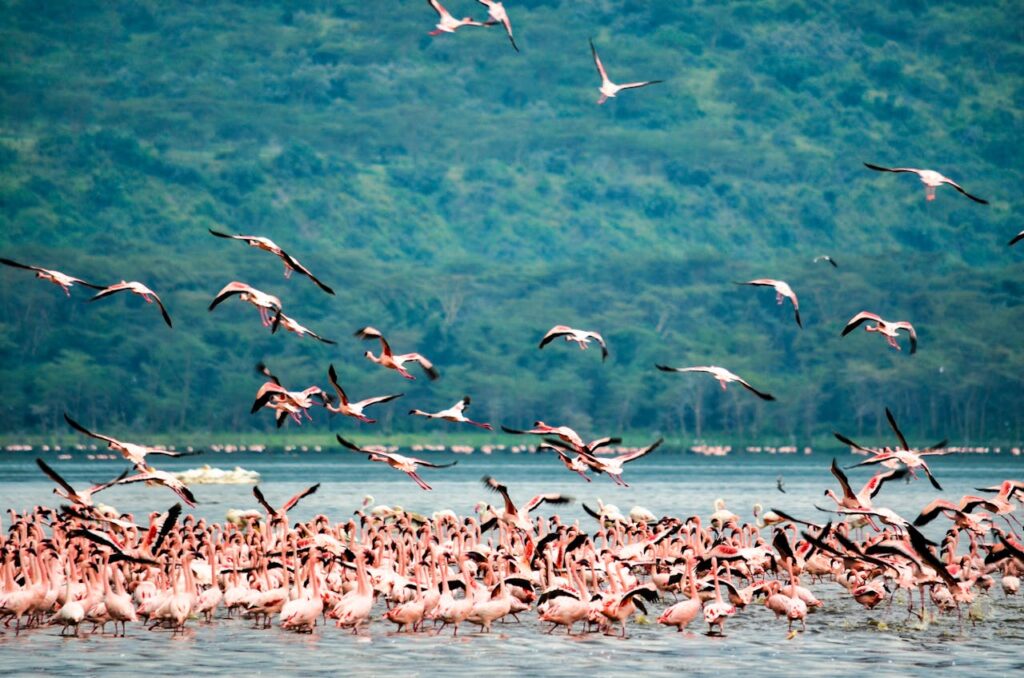
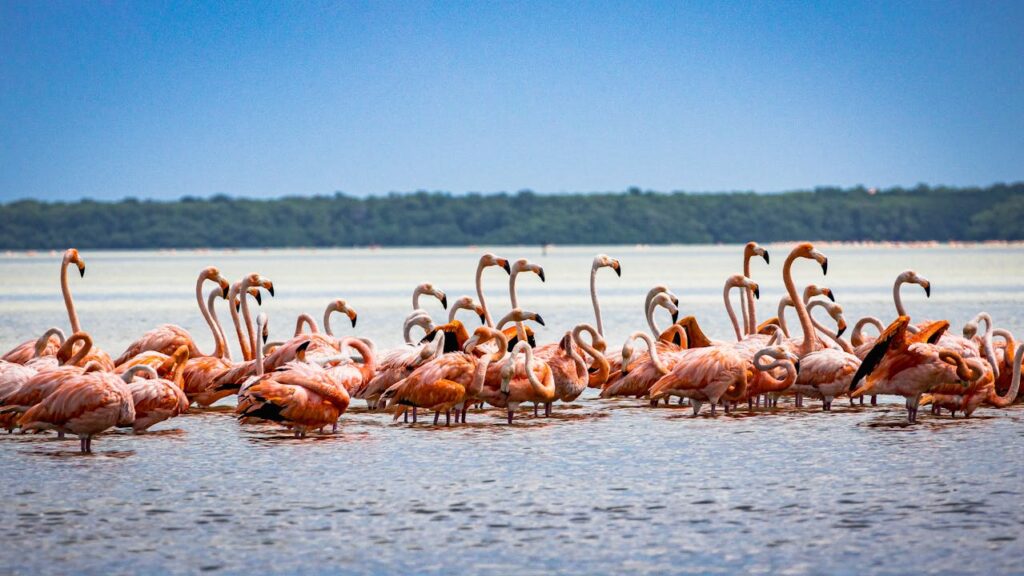
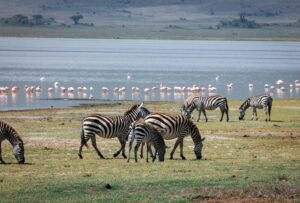
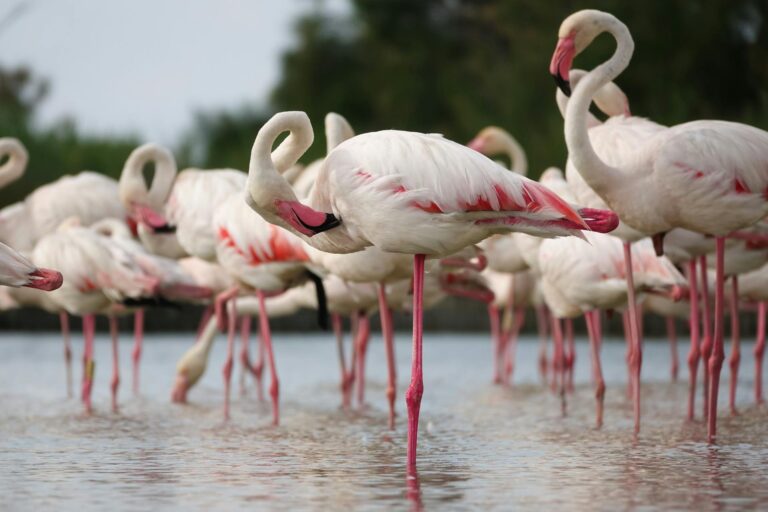
Lake Nakuru’s flamingos are one of Africa’s great wildlife spectacles. At their peak, millions of lesser flamingos crowd the lake’s shallow waters, feeding on the blue-green algae that thrives in the soda lake’s alkaline conditions. The sight of the shoreline turned pink, the sound of their constant murmuring, the smell of the soda—it’s an experience that stays with you forever.

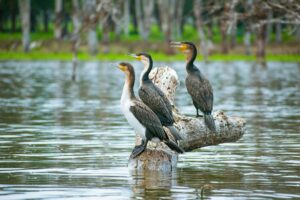
Flamingo numbers fluctuate with lake conditions. When water levels are right and algae is abundant, the flocks can number over a million. When conditions change, the birds move to other Rift Valley lakes. But even when the flamingos are fewer, the lake is never empty—pelicans, cormorants, stilts, and avocets are always present.

The best viewing is from the lake’s edge, where the birds feed in the shallows. Baboon Cliff offers panoramic views of the entire lake—a perfect spot for photography.

Rhino Sanctuary: Protecting Kenya's Giants
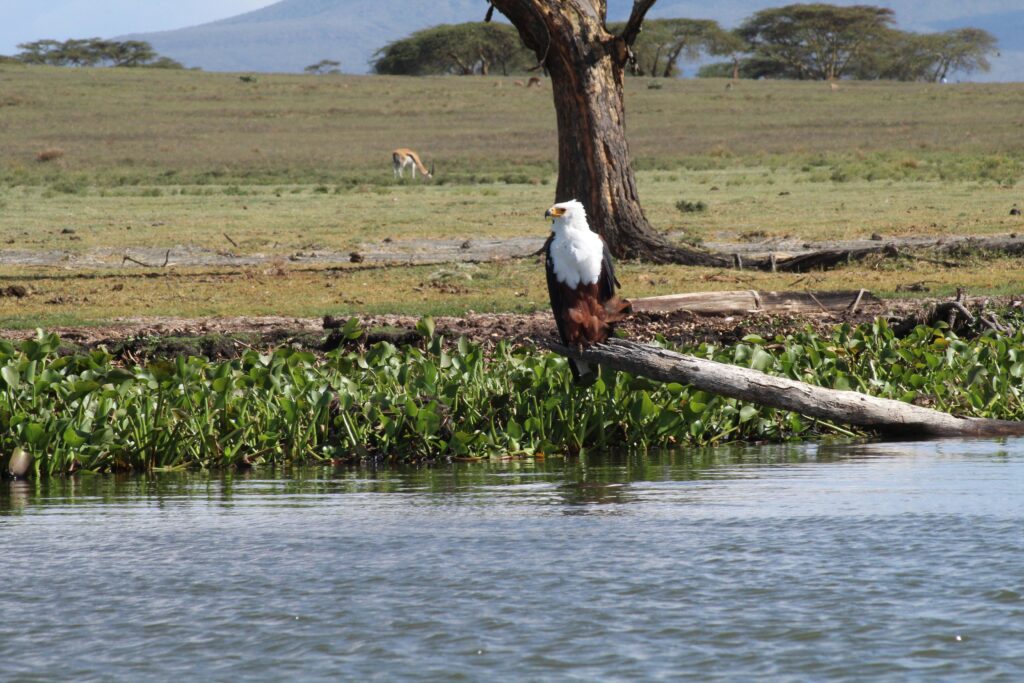
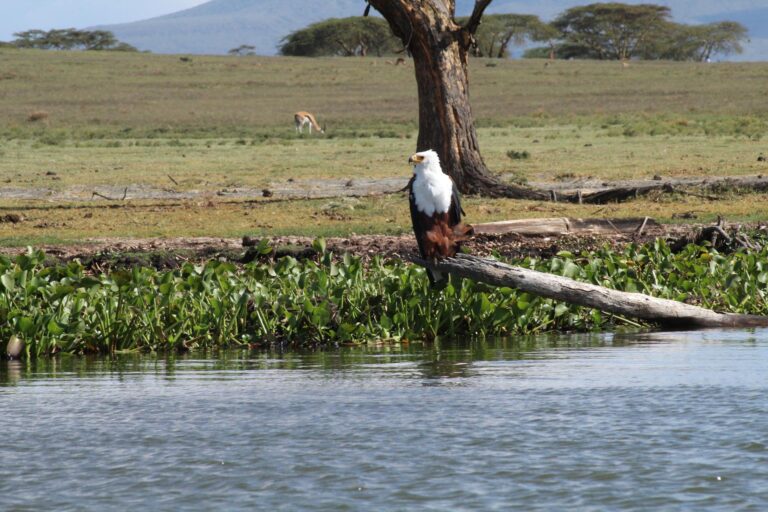
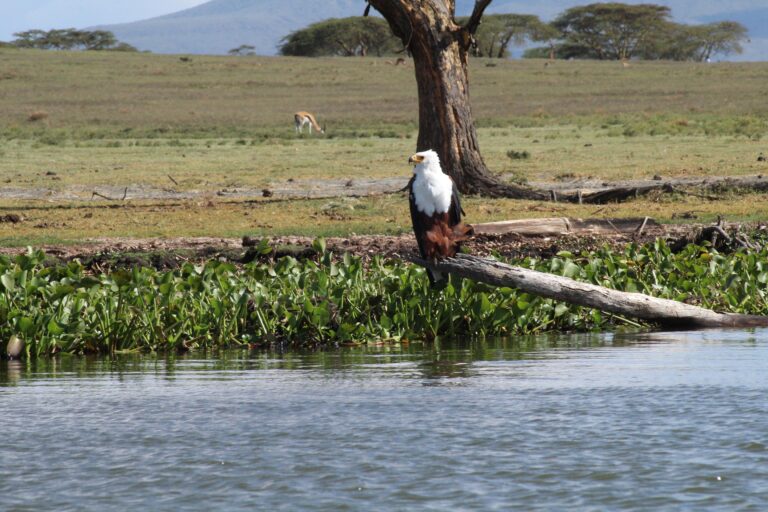
African fish eagle

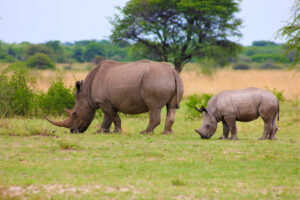
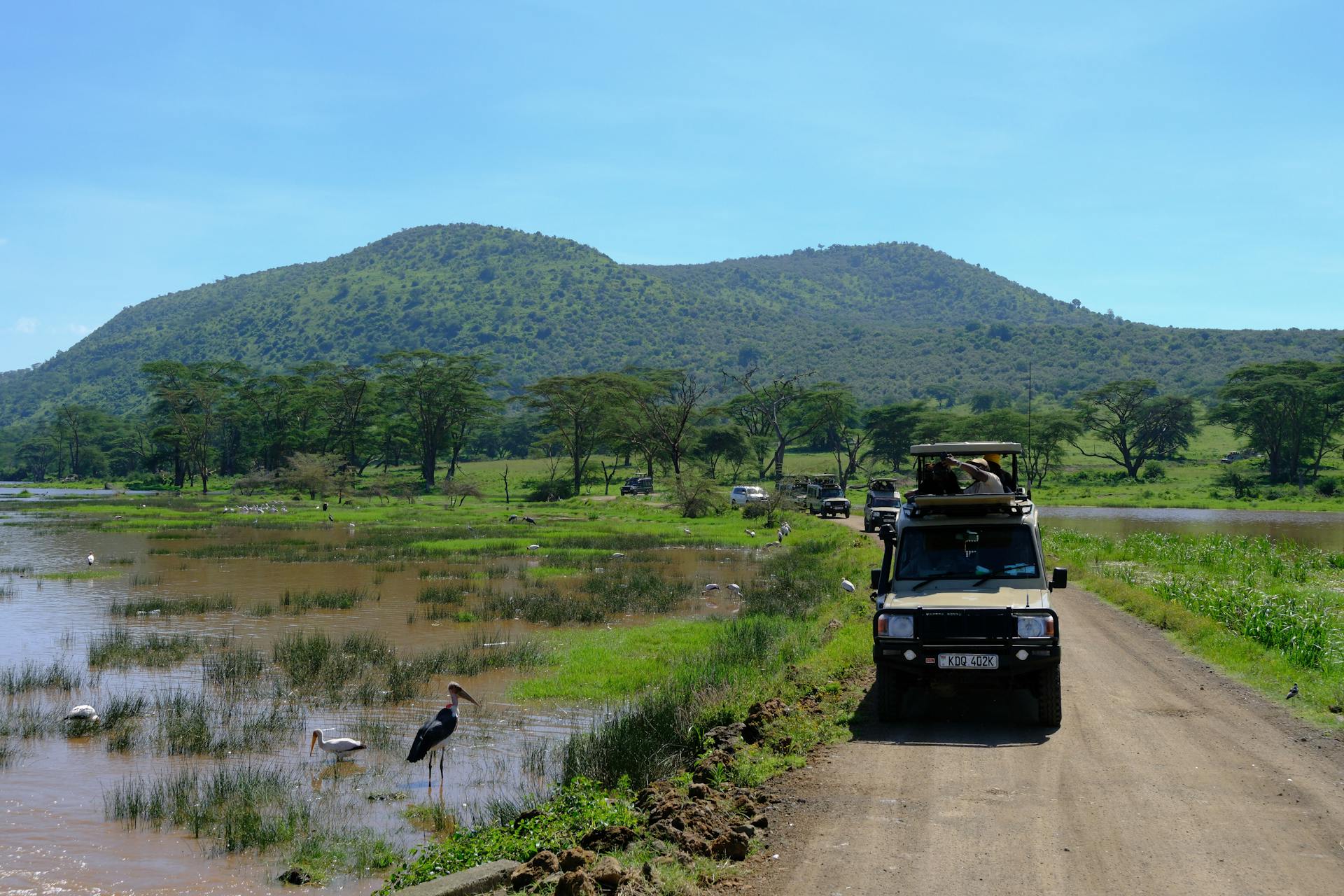
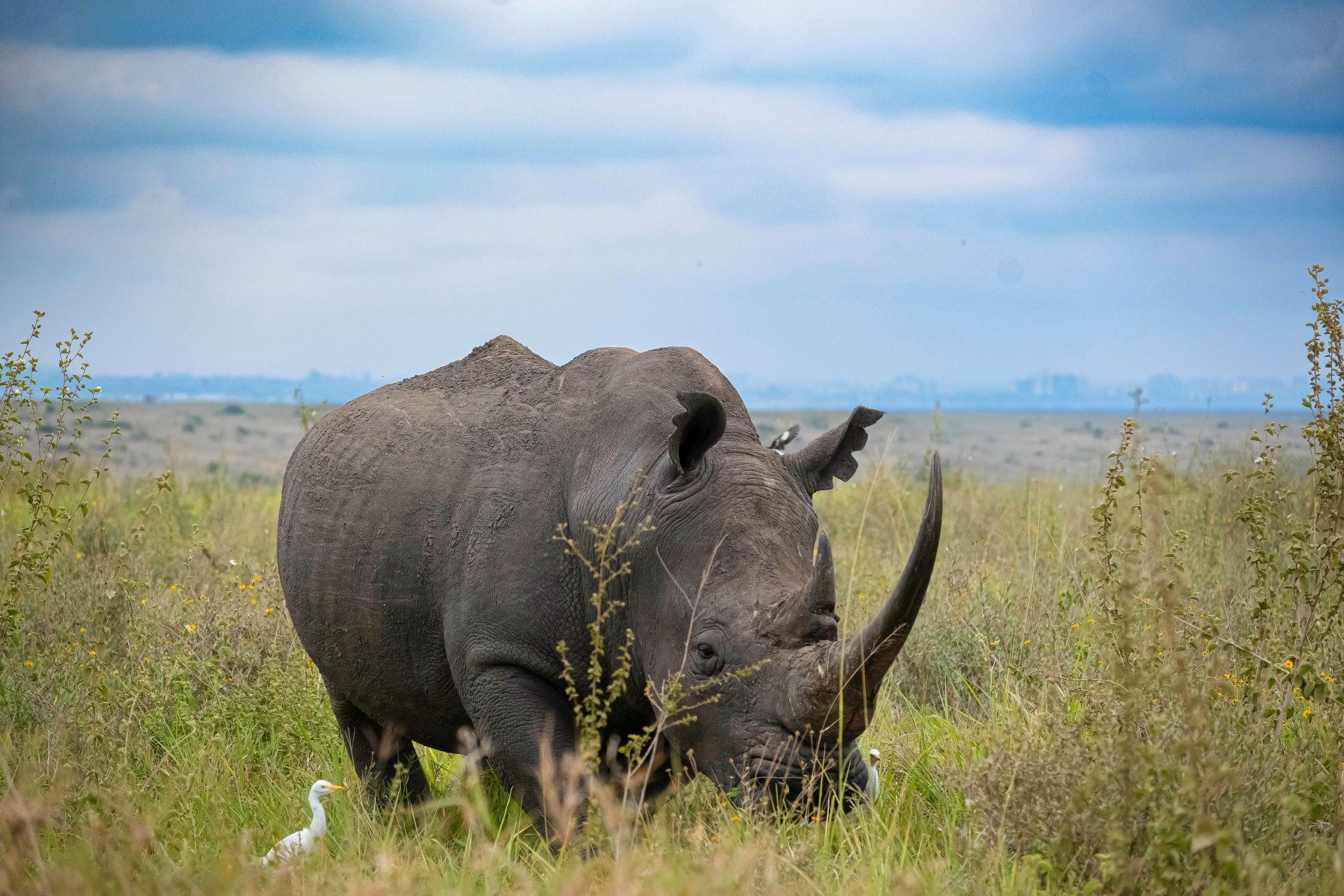
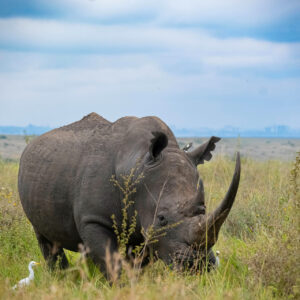
Lake Nakuru was established as a rhino sanctuary in the 1980s, when poaching had devastated Kenya’s rhino populations. Today, it’s one of the best places in East Africa to see both black and white rhinos. The park’s electric fence and dedicated rhino patrols provide protection, and the population has grown steadily.

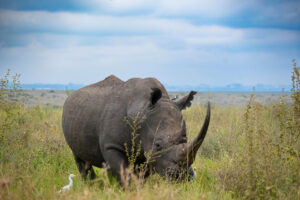
Black rhinos are more elusive—browsers that stick to the bushes and woodlands. White rhinos are easier to spot—grazers that favor open grasslands, often seen in groups. Seeing these prehistoric giants in the wild, knowing the effort that’s gone into protecting them, is deeply moving.

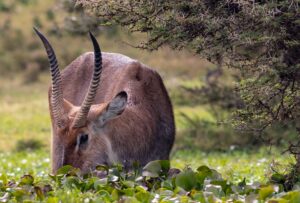
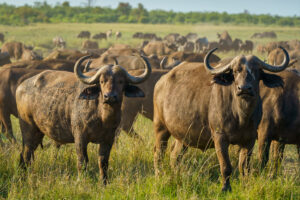
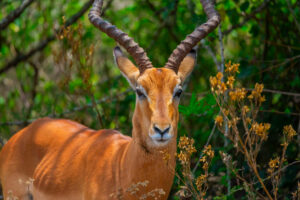
The park also protects buffalo, Rothschild’s giraffe, waterbuck, and impala—a complete ecosystem within its fenced boundaries.

Rothschild's Giraffe: A Conservation Comeback
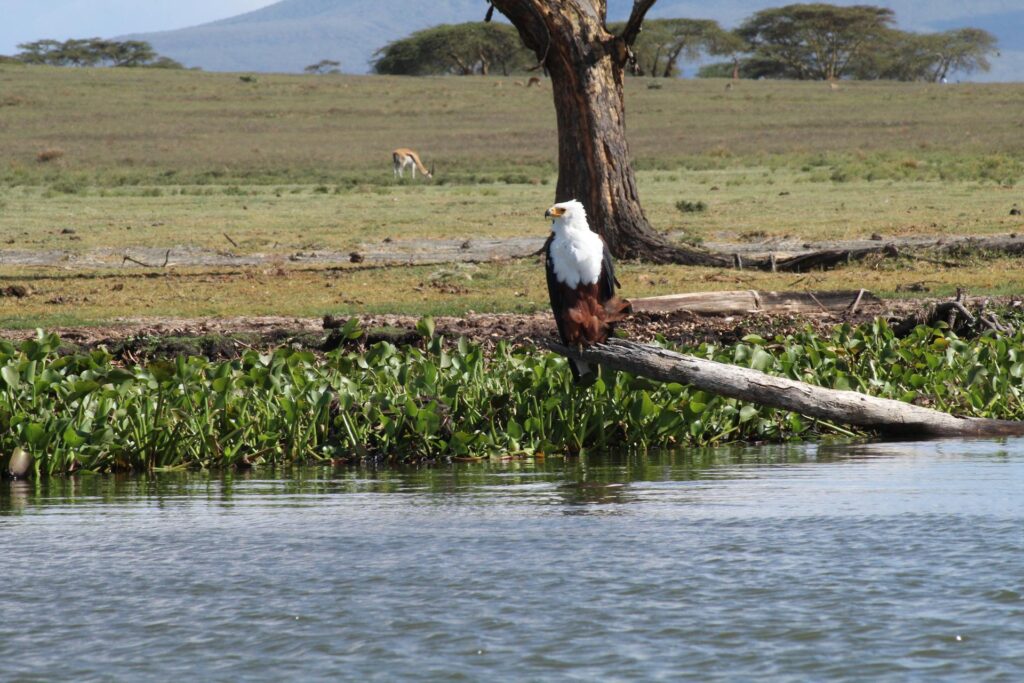
African fish eagle

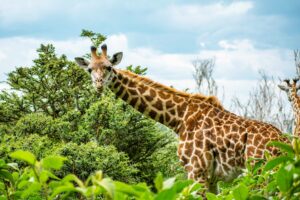
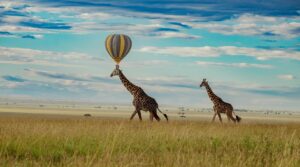
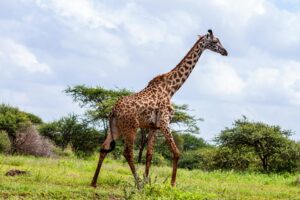
Lake Nakuru played a crucial role in saving the Rothschild’s giraffe from extinction. In the 1970s, when the subspecies was critically endangered, a small population was translocated to the park for protection. Today, Lake Nakuru has one of Kenya’s largest populations of these distinctive giraffes, distinguished by their five horns (two species have five, but Rothschild’s are unique) and lack of markings on their lower legs.

They’re easily seen in the park’s acacia woodlands and open grasslands, often in mixed herds with other giraffe species. Watching these elegant giants move through the golden grass, with the lake in the background, is classic Nakuru.

The success of the Rothschild’s reintroduction is one of Lake Nakuru’s proudest conservation achievements.

Predators: Lions, Leopards & More
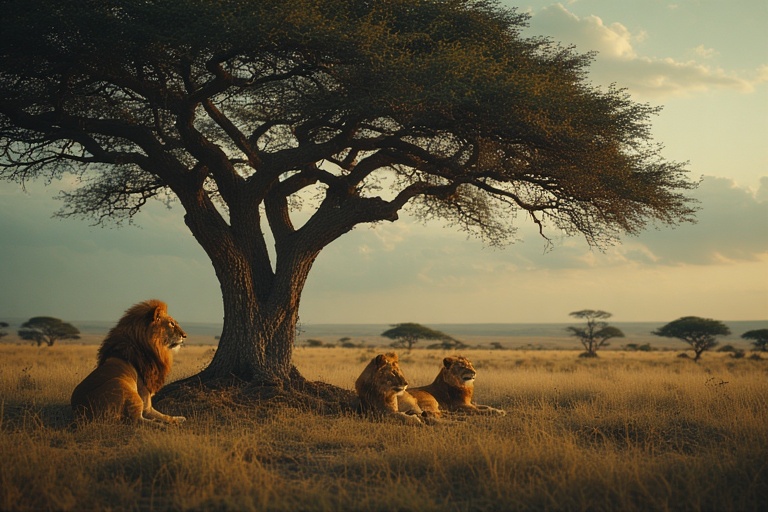
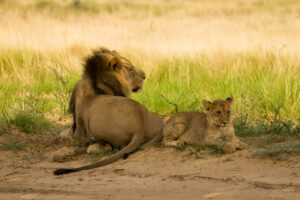
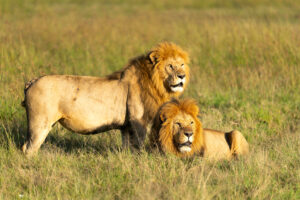
Maasai Mara lions

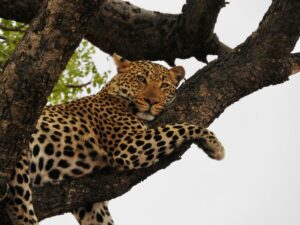
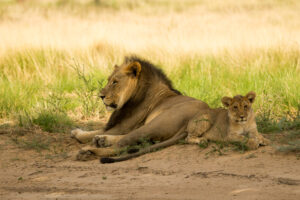
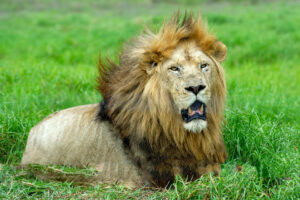
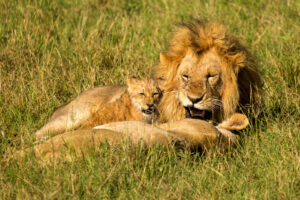
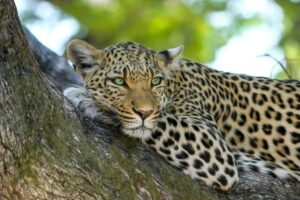
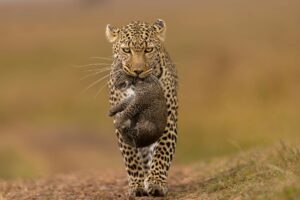
Lake Nakuru has healthy predator populations. Lions are regularly seen, often resting in the open or hunting buffalo and zebra. Leopards are more elusive but present, especially in the woodlands and along the cliffs. Spotted hyenas are common, their whoops echoing across the lake at dusk.

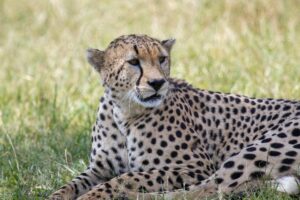
The park also has cheetah, though sightings are less frequent. Jackals, servals, and bat-eared foxes add to the predator diversity. The abundance of prey—waterbuck, impala, zebra, and buffalo—supports these predators year-round.

Morning game drives offer the best chance of predator sightings, when lions are still active from the night’s hunting.

Baboon Cliff: The Park's Best View
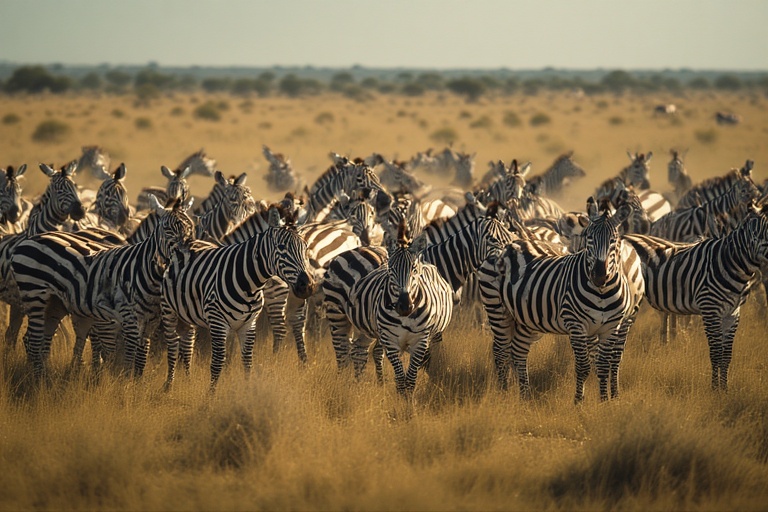
Maasai Mara lions

Baboon Cliff is Lake Nakuru’s iconic viewpoint—a rocky outcrop overlooking the entire lake. From here, you can see the lake spread out below, its shores pink with flamingos, the surrounding acacia woodlands, and the cliffs of the Rift Valley escarpment rising in the distance. It’s the classic Nakuru photo.

The cliff is named for the baboons that gather here, and you’re likely to see troops of them on the rocks. The viewpoint is also excellent for scanning the lake for flamingos and other birds. Early morning and late afternoon offer the best light.

There’s a picnic site at the top—a perfect spot for breakfast or sundowners while taking in one of Kenya’s finest views.

Birding Paradise: Over 450 Species
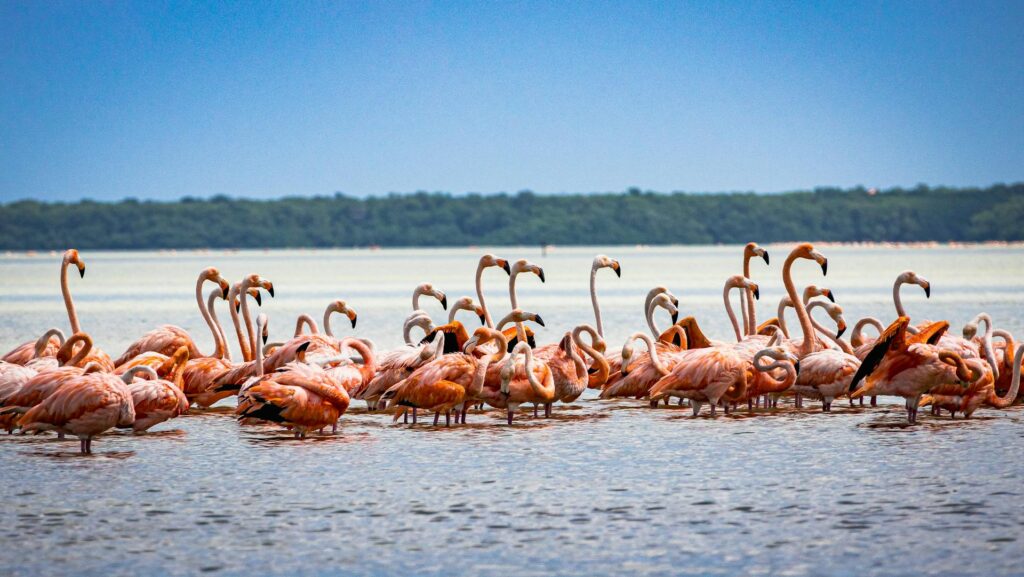
Flamingos at Lake Nakuru

Beyond the flamingos, Lake Nakuru is one of Kenya’s premier birding destinations. Over 450 bird species have been recorded here, drawn by the diversity of habitats—the lake itself, the surrounding woodlands, the cliffs, and the grasslands.

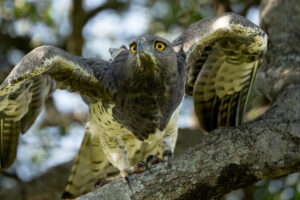
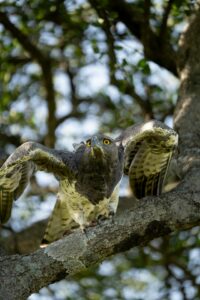
The lake attracts huge numbers of waterbirds: pelicans, cormorants, storks, herons, egrets, and avocets. The woodlands hold hornbills, turacos, barbets, and woodpeckers. The cliffs are home to Verreaux’s eagles and Augur buzzards. Over 50 species of birds of prey have been recorded.

The park is also excellent for migrant birds, with European species present from November to April. Even if you’re not a dedicated birder, Lake Nakuru’s birdlife will impress.
Exploring Lake Nakuru: From Lakeshore to Cliffs

The Lakeshore: Flamingo Territory

The lake shore is where the action is. When flamingos are present, they gather here in vast numbers, painting the shoreline pink. The shallow, alkaline water provides perfect feeding conditions for the lesser flamingos that sieve algae through their specialized beaks.
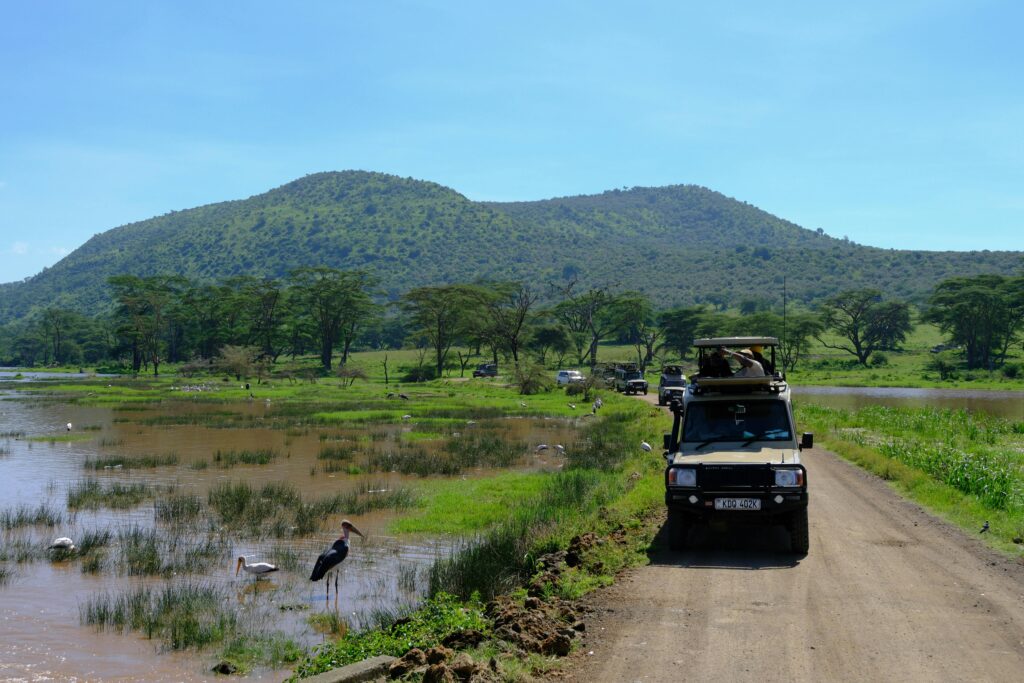
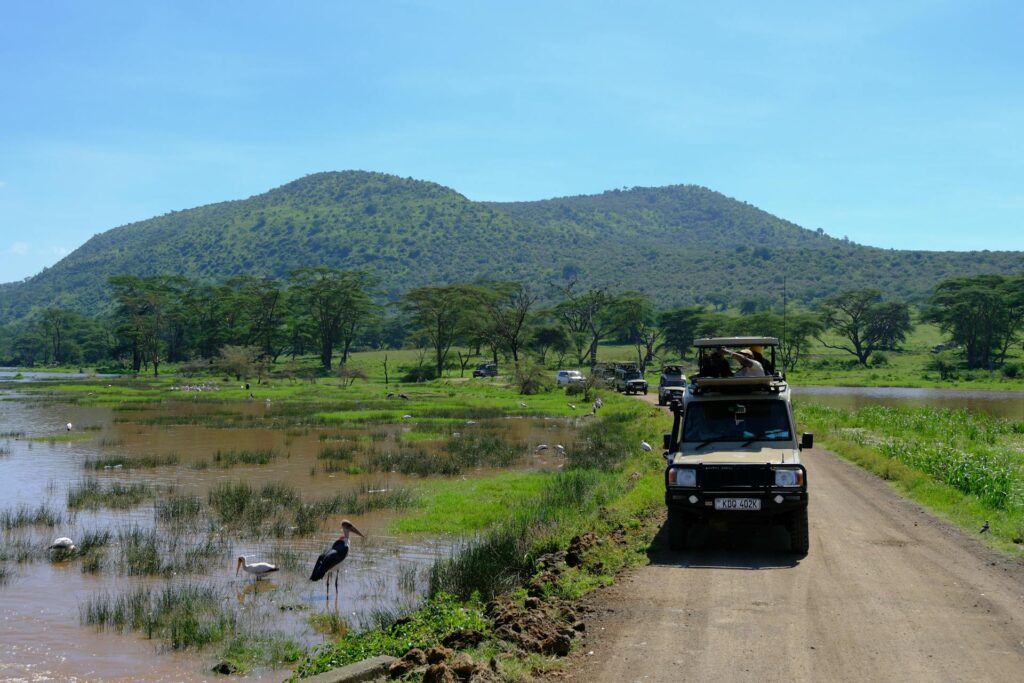
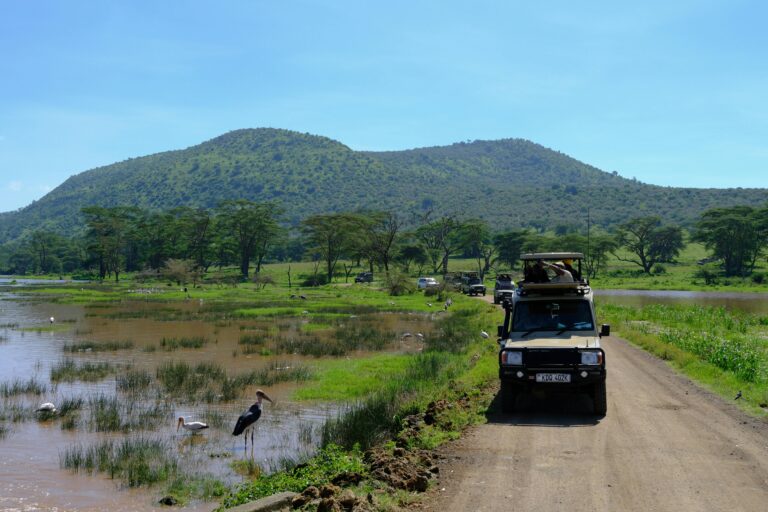
The shore is also excellent for other waterbirds: great white pelicans, pink-backed pelicans, yellow-billed storks, sacred ibis, and avocets are all common. Hippos are present in the lake, though they usually stay in deeper water during the day, coming ashore at night to graze.

Several points along the southern and eastern shores offer good viewing. The lake level fluctuates dramatically between seasons, affecting where birds concentrate. Your guide will know the best spots.

Baboon Cliff: The Iconic Viewpoint

Baboon Cliff is Lake Nakuru’s must-visit location—a rocky promontory on the eastern side of the lake that offers breathtaking panoramic views. From here, you can see the entire lake spread out below, the flamingos (if present), the acacia woodlands, and the cliffs of the Rift Valley escarpment rising in the distance.

The cliff is named for the baboons that gather here, and you’re likely to see troops of them on the rocks, offering entertainment as they groom and play. The viewpoint is also excellent for scanning the lake for flamingos and other birds.

There’s a picnic site at the top—a perfect spot for breakfast or sundowners. Early morning offers the best light for photography, with the sun behind you illuminating the lake.

Makalia Falls: Waterfall in the Rift Valley

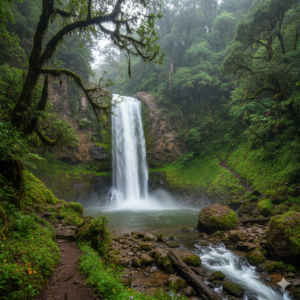
In the southern part of the park, Makalia Falls is a beautiful waterfall that flows during and after the rains. The falls cascade over volcanic rocks into a pool below, creating an oasis in the dry landscape. During the dry season, the flow may be reduced, but the setting remains beautiful.

The area around the falls is excellent for wildlife—waterbuck, impala, and buffalo are often seen here, attracted by the water. The fig trees along the stream provide shade and bird habitat. It’s a lovely spot for a picnic.

Access to Makalia Falls depends on road conditions, which can be muddy after rains. Check with your guide or lodge.

The Woodlands: Rhino & Giraffe Country

The acacia woodlands that surround the lake are prime habitat for Lake Nakuru’s iconic species. This is where you’ll find both black and white rhinos, Rothschild’s giraffe, buffalo, and a variety of antelope including waterbuck, impala, and Thomson’s gazelle.

The woodlands are beautiful—yellow-barked acacias, euphorbias, and dense thickets that provide cover for wildlife. Game drives through this area are always productive. Black rhinos, being browsers, prefer the thicker vegetation, while white rhinos graze in more open areas. Rothschild’s giraffe are often seen moving between trees.

The southern and eastern woodlands are particularly good for wildlife viewing, especially in the early morning and late afternoon.

Outlook Point: Western Escarpment Views

On the western side of the park, Outlook Point offers a different perspective—looking east across the lake toward Baboon Cliff and the distant escarpment. The view is spectacular, especially in the late afternoon when the sun lights up the cliffs and the lake glows golden.

This area is also good for wildlife, particularly for species that favor the rocky terrain—klipspringer, rock hyrax, and Verreaux’s eagles. The access road winds through beautiful scenery before reaching the viewpoint.

Outlook Point is less visited than Baboon Cliff, offering a quieter experience. It’s a wonderful spot for sunset, watching the colors change over the lake.

Lion Hill: Predator Territory

Lion Hill, in the northeastern part of the park, is named for the predators that frequent this area. The hill offers good views over the surrounding plains and woodlands, and it’s a reliable area for spotting lion, especially in the early morning.

The area around the hill is also good for leopard, though they’re more elusive. Buffalo and waterbuck are common. The landscape is varied—open grasslands, scattered acacias, and rocky outcrops—providing excellent habitat for a range of species.

A game drive circuit around Lion Hill and the adjacent plains is often productive. The nearby Lion Hill Lodge offers accommodation with spectacular views.

Lake Nakuru Month-by-Month: Flamingos, Wildlife & When to Visit

Lake Nakuru National Park is one of Kenya’s most iconic wildlife destinations—a soda lake in the Great Rift Valley famous for its flocks of flamingos that paint the shores pink. The park is also a rhino sanctuary, protecting both black and white rhinos, and offers excellent game viewing with lion, leopard, buffalo, and Rothschild’s giraffe.

The park follows Kenya’s rainfall patterns, with dry seasons (June-October and January-February) offering the best wildlife viewing as animals concentrate around the lake and remaining water sources. The wet seasons (March-May and November-December) bring green landscapes and spectacular birding, though flamingo numbers may fluctuate with lake levels.

All temperatures are daytime highs and nighttime lows. Rainfall is average monthly precipitation in millimeters.

Month
Rain
Min
Max
Season

Featured Destinations

Selected Complementary Destinations

Aberdare National Park

Top Reasons to Visit
Big 5 Wildlife Family Friendly

Amboseli National Park

Top Reasons to Visit
Big 5 Wildlife Year-Round Safari

Lake Naivasha

Top Reasons to Visit
Year-Round Safari Family Friendly

Lewa Wildlife Conservancy

Top Reasons to Visit
Big 5 Wildlife Year-Round Safari Family Friendly

Masai Mara National Reserve

Top Reasons to Visit
Big 5 Wildlife Year-Round Safari

Nairobi National Park

Top Reasons to Visit
Nairobi Animal Orphanage Big 5 Wildlife Year-Round Safari Family Friendly

Samburu National Reserve

Top Reasons to Visit
Bird Watchers' Paradise Big 5 Wildlife Family Friendly

Tsavo East National Park

Top Reasons to Visit
Bird Watchers' Paradise Big 5 Wildlife Year-Round Safari

Tsavo West National Park

Top Reasons to Visit
Bird Watchers' Paradise Big 5 Wildlife Family Friendly

Plan Your Journey to Lake Nakuru National Park

Ready to explore? Our travel specialists are here to help craft your dream itinerary.

Chat on WhatsApp
Created by icon tripfrom the Noun Project Created by Amethyst Studiofrom the Noun Project Created by Amethyst Studiofrom the Noun Project Created by Amethyst Studiofrom the Noun Project