Tour Travel Africa

Madagascar

Madagascar

Madagascar - Country of Nature

Madagascar is a large island nation located off the southeastern coast of Africa in the Indian Ocean. It is the fourth-largest island in the world and is famous for its unique biodiversity. Due to its long isolation from other landmasses, many species found in Madagascar exist nowhere else on Earth. For example, the island is home to the iconic lemur, as well as hundreds of rare plants and animals.

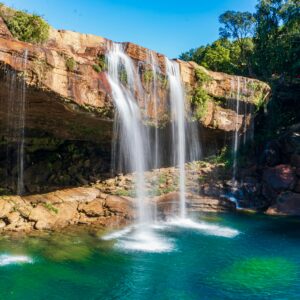
The capital city, Antananarivo, serves as the political and economic center of the country. Madagascar’s culture is a rich blend of African and Asian influences, reflected in its language, traditions, and cuisine. The primary languages spoken are Malagasy and French. The economy of Madagascar relies heavily on agriculture, including the production of vanilla, cloves, and coffee. Despite its natural wealth, the country faces challenges such as poverty, deforestation, and climate change. Nonetheless, Madagascar remains a place of remarkable natural beauty, featuring rainforests, beaches, and unique landscapes like the Avenue of the Baobabs.
Madagascar – Where to Go

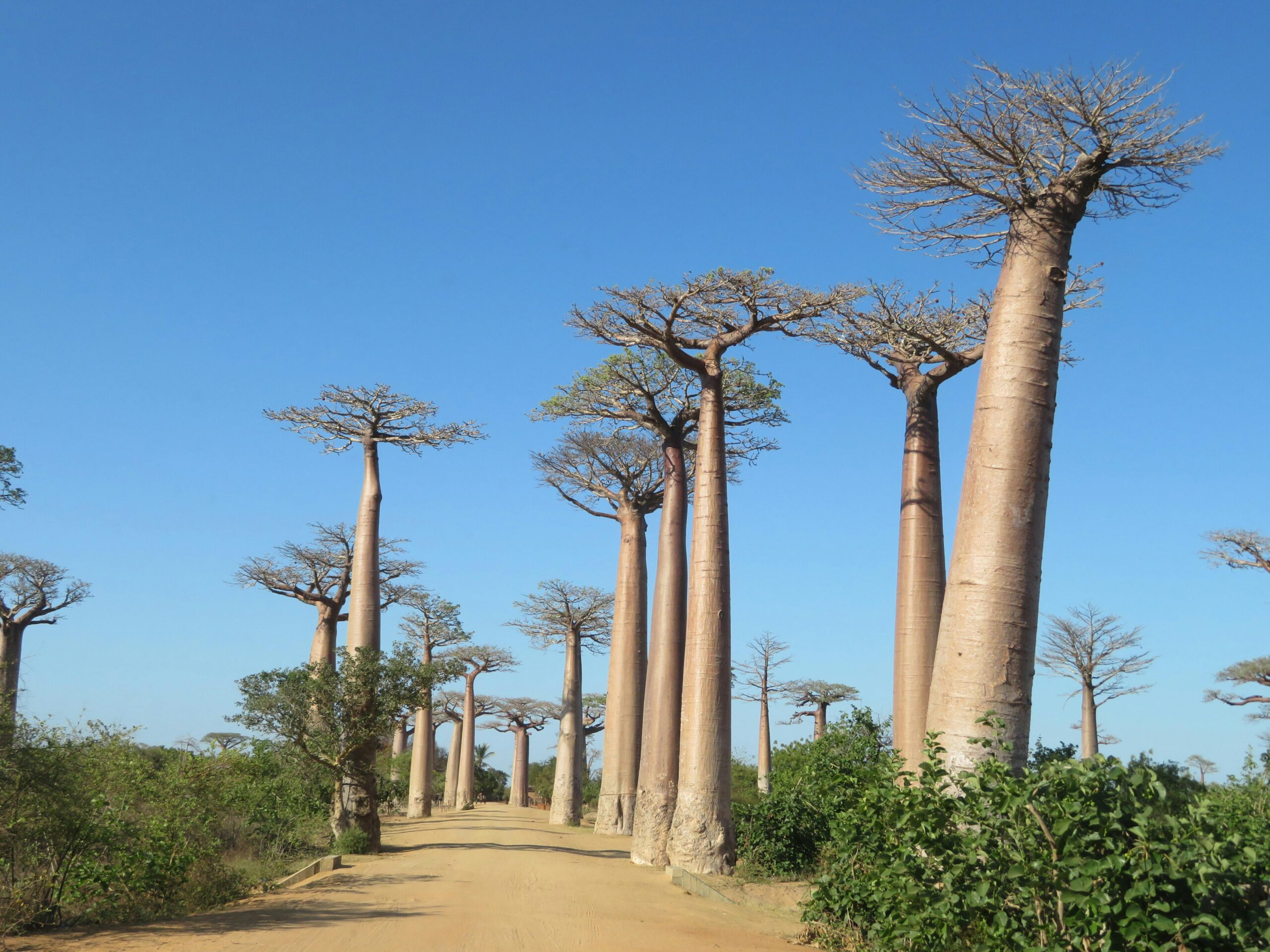
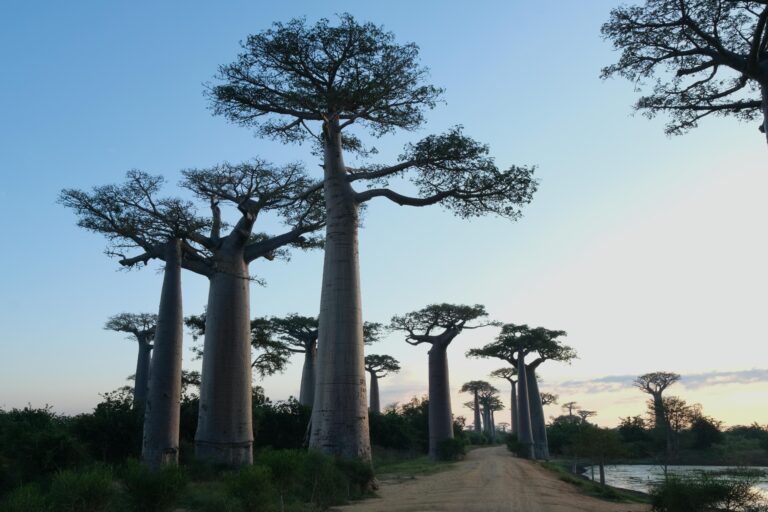
Avenue of the Baobabs

The Avenue of the Baobabs is a striking natural landmark in western Madagascar, near the town of Morondava. The unpaved road lined with towering baobab trees has become one of the country’s most famous and photographed sites, symbolizing Madagascar’s unique biodiversity and ecological heritage. The avenue runs about 260 meters (850 feet) along a dirt road connecting Morondava and Belon’i Tsiribihina. Dozens of baobabs, some reaching 30 meters (98 feet) in height and 11 meters (36 feet) in circumference, stand spaced apart in an open, flat landscape. These ancient trees are remnants of a once-dense tropical forest that was cleared over centuries for agriculture.

Andasibe-Mantadia National Park

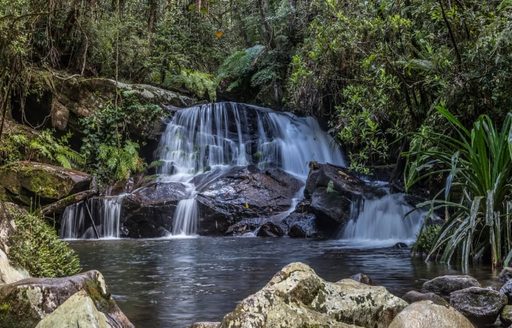
Andasibe-Mantadia National Park is a protected rainforest area in eastern Madagascar, about 150 km east of Antananarivo. Established in 1989, it combines the Analamazaotra (Perinet) Special Reserve and Mantadia National Park into a single 155 km² sanctuary renowned for exceptional biodiversity especially its iconic population of indri lemurs, Madagascar’s largest primates. The park lies within Madagascar’s eastern rainforest corridor, a humid zone receiving more than 1 700 mm of rain annually. Evergreen forest cloaks rolling hills cut by the Sahatandra and Vohitra rivers, sustaining orchids, ferns, bamboo, and tree ferns. Mantadia’s northern section preserves largely untouched primary forest, while Analamazaotra near Andasibe village offers easier access and maintained trails.

Madagascar Month-by-Month: Beach Weather, Monsoons & When to Visit

Madagascar has a tropical climate with noticeable regional differences. The island experiences two main seasons: a hot, rainy season from November to April, and a cooler, dry season from May to October. During the rainy season, the east coast receives heavy rainfall and is often affected by tropical cyclones. In contrast, the dry season brings pleasant weather, making it the best time for travel.

The climate varies across regions. The eastern part is humid and lush, while the western side is warmer and drier. The central highlands, including Antananarivo, have a milder climate due to higher elevation, with cooler temperatures, especially at night. The southern region is semi-arid and receives very little rainfall.

Temperatures in Madagascar generally range between 20°C and 30°C, though the highlands can be cooler. Overall, Madagascar’s climate is warm, with seasonal rains and diverse weather patterns across the island.

Month
Rain
Min
Max
Season

Plan Your Journey to Madagascar

Ready to explore? Our travel specialists are here to help craft your dream itinerary.

Chat on WhatsApp
Created by icon tripfrom the Noun Project Created by Amethyst Studiofrom the Noun Project Created by Amethyst Studiofrom the Noun Project Created by Amethyst Studiofrom the Noun Project