South Africa

South Africa

Eight Reasons South Africa Is Africa's Most Complete Safari & Travel Destination

South Africa is one of the few destinations in the world where you can combine Big Five safaris, dramatic coastlines, world-class wine estates, vibrant cities, and ancient cultural landscapes — all within a single itinerary.

From the wildlife-rich plains of Kruger National Park, to the rugged cliffs of the Garden Route, to cosmopolitan Cape Town, South Africa offers extraordinary diversity without requiring complex regional flights or long transfers.

Whether you’re planning a first African safari, a honeymoon, a family trip, or a luxury multi-stop journey, South Africa delivers accessibility, infrastructure, and depth that few destinations can match.

Below are the defining reasons travelers choose South Africa again and again.

Big Five Safari Without Compromise
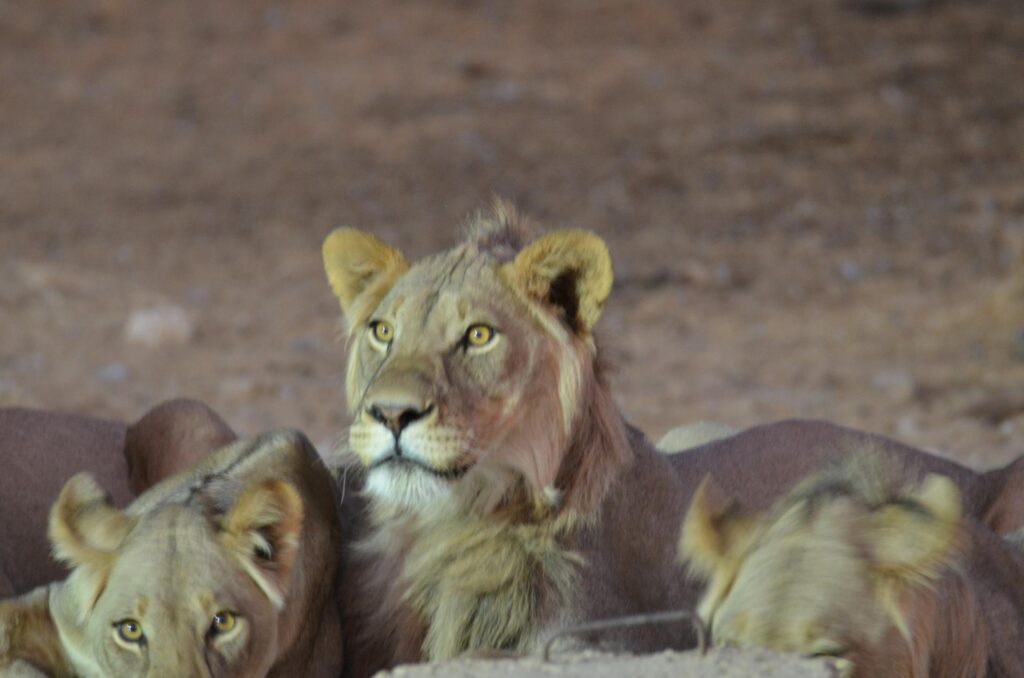
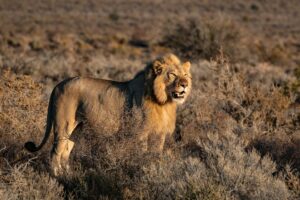
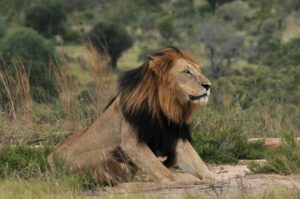
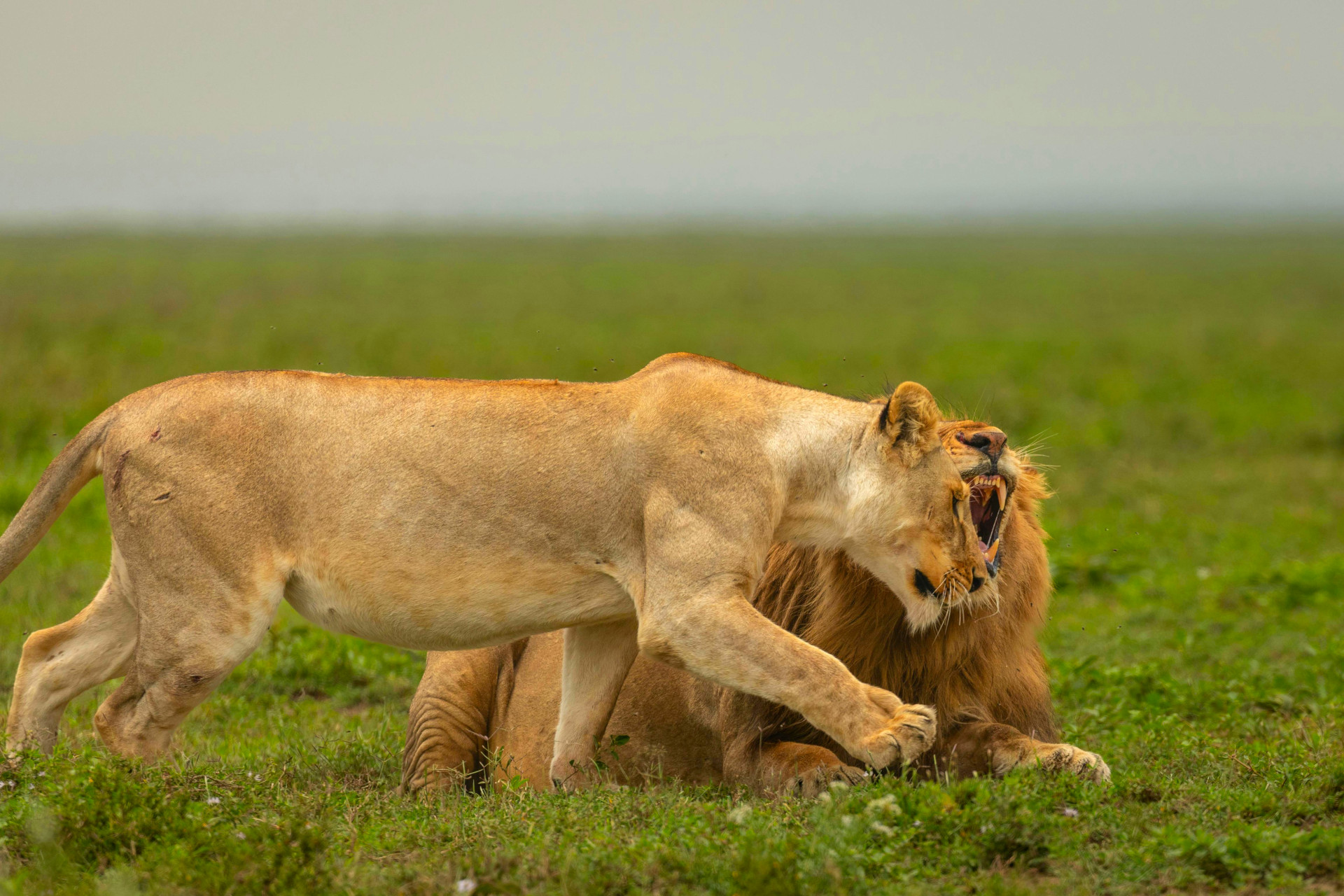
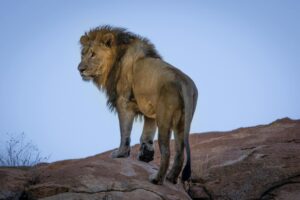
Lion in Sabi Sands Private Reserve

South Africa is one of the best places in Africa to see the Big Five — lion, leopard, elephant, rhino, and buffalo — with excellent road networks and well-managed reserves.

The infrastructure makes it ideal for first-time safari travelers and families alike.

Diverse Landscapes in One Country
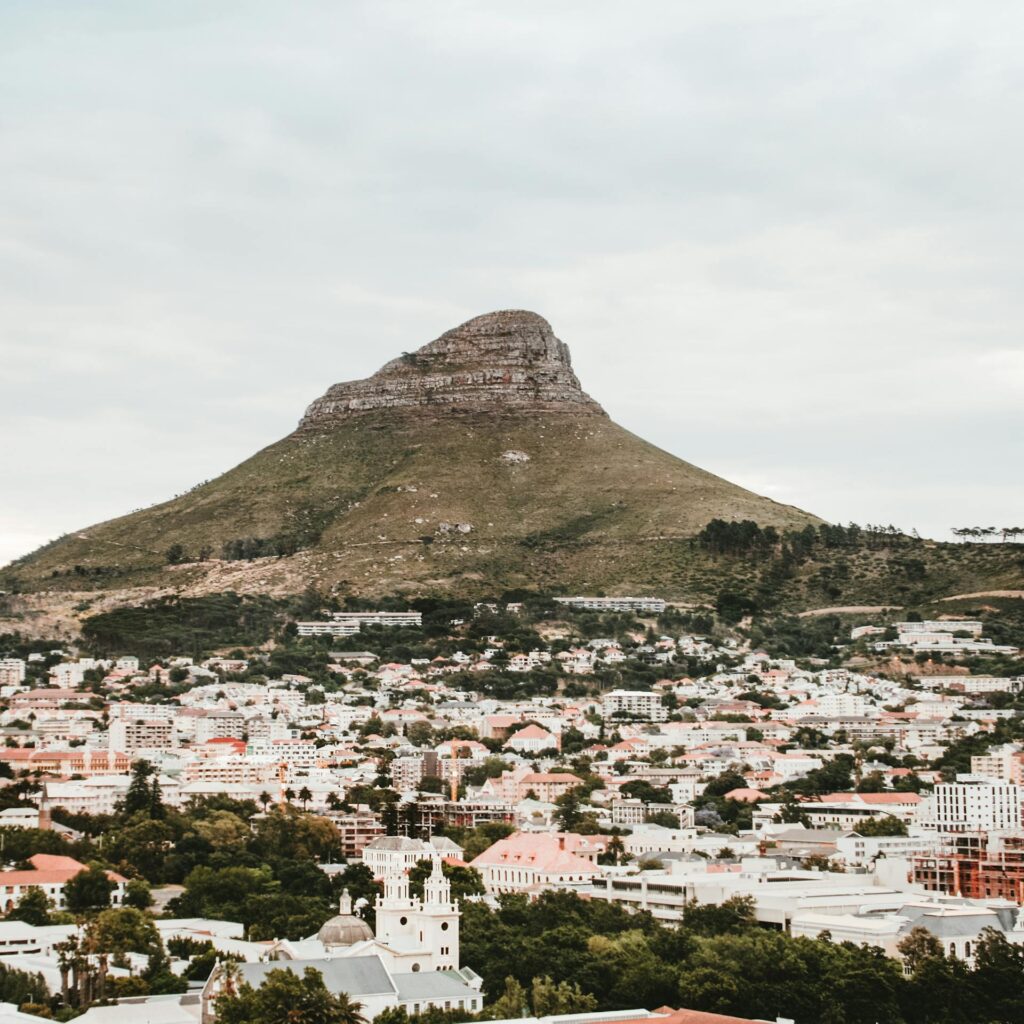
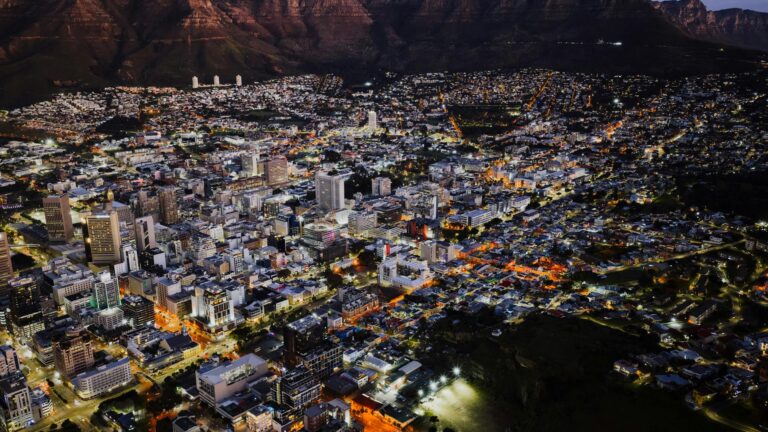
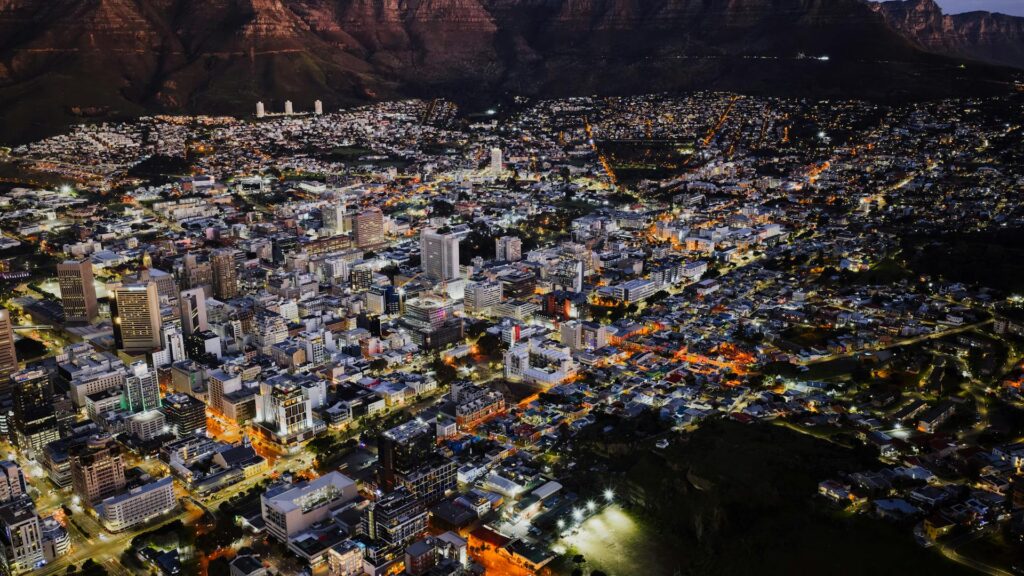
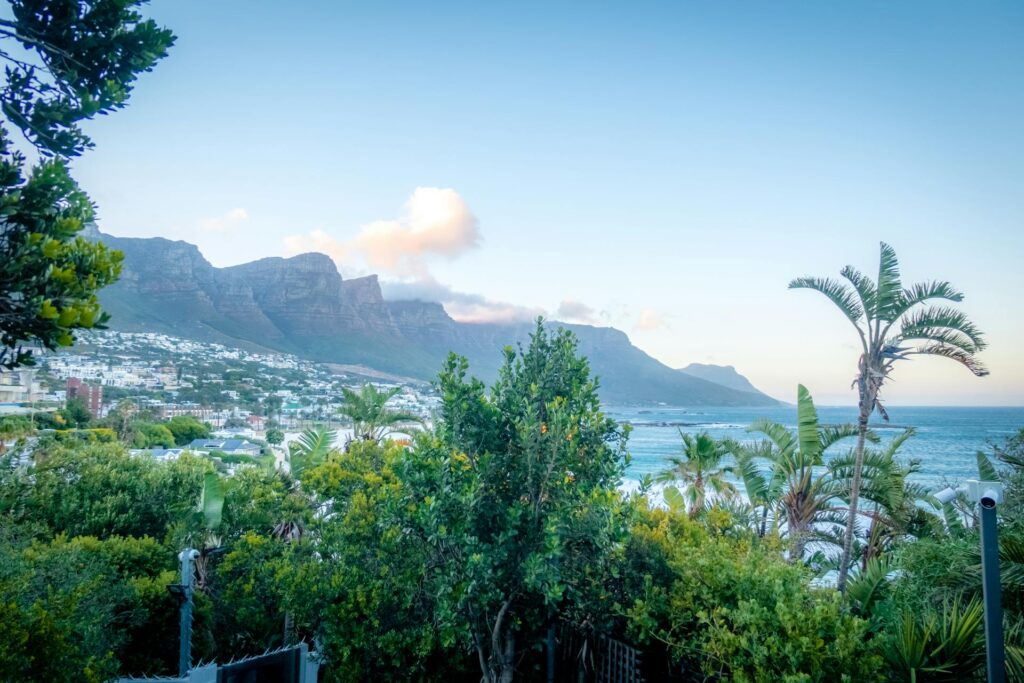
Lions Head in the Background of Cape Town, South Africa

Few African countries offer such geographical variation:

  • Table Mountain rising above Cape Town
  • The semi-arid beauty of the Karoo
  • The lush forests of the Garden Route
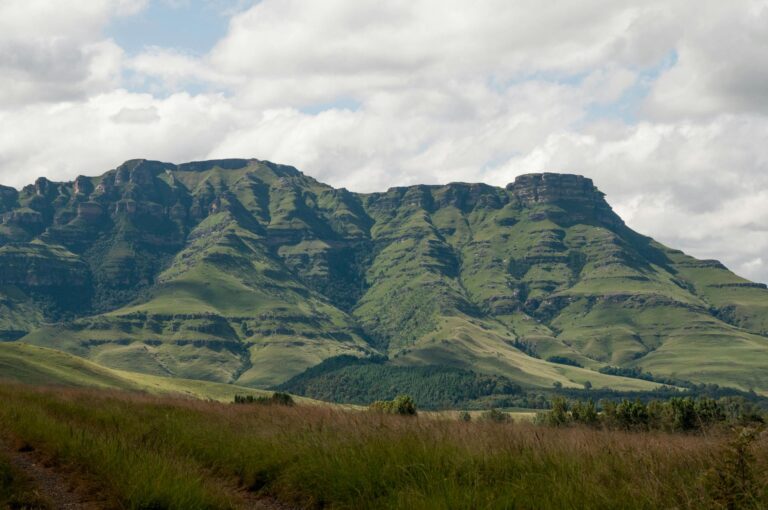
  • The Drakensberg mountain range
  • Wild beaches along the Eastern Cape

This diversity allows for multi-experience trips without crossing borders.

Cape Town — One of the World's Most Scenic Cities
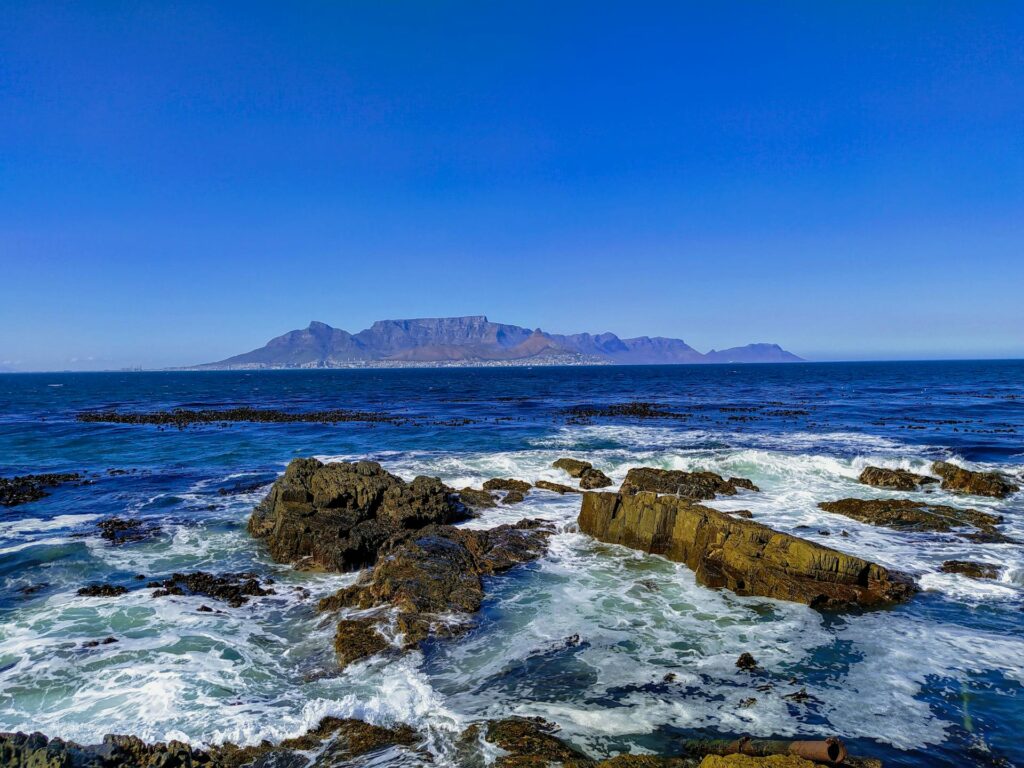
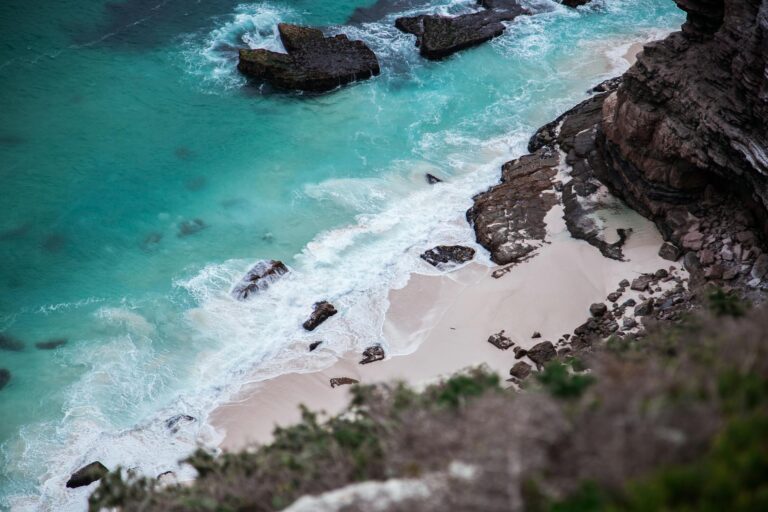
Brown Rock Formation on Sea at Cape Town

Cape Town blends nature and culture seamlessly.

  • Cable car up Table Mountain
  • Visit to Robben Island
  • Explore the Cape Winelands
  • Drive along Chapman’s Peak
  • Penguin colonies at Boulders Beach

It works equally well as a safari add-on or standalone destination.

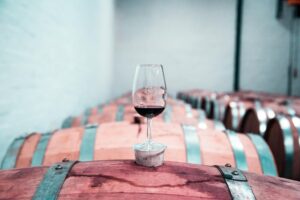
Exceptional Wine & Culinary Scene
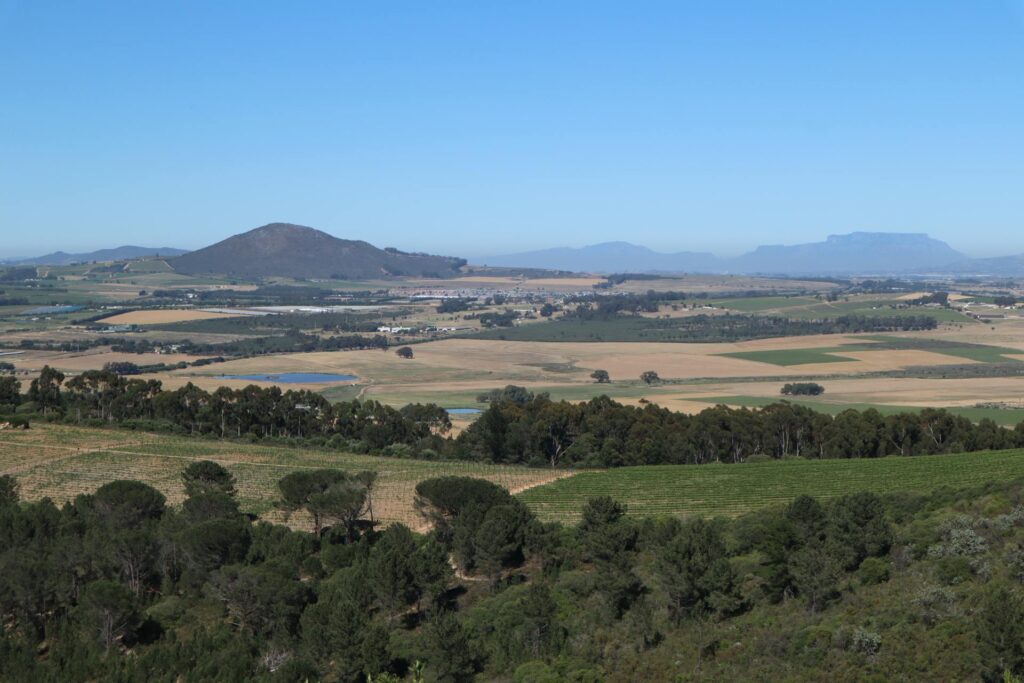
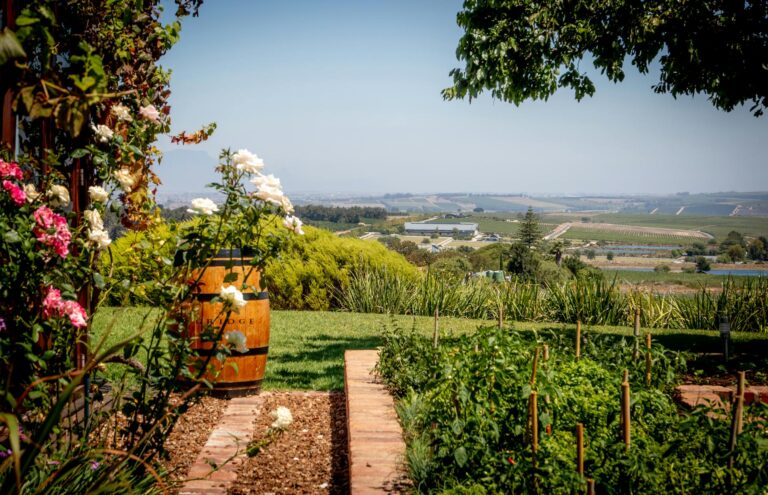
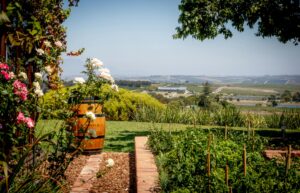
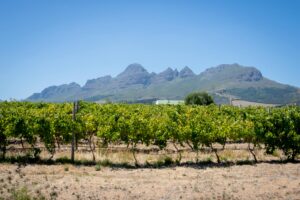
Vineyards in Stellenbosch with mountains beyond

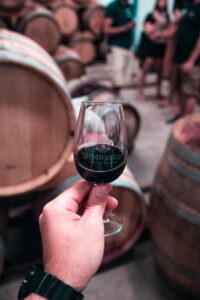
The Cape Winelands (Stellenbosch & Franschhoek) rival European wine regions, offering:

  • Historic estates
  • Fine dining
  • Mountain backdrops
  • Wine tram experiences

South Africa also has one of Africa’s most developed restaurant cultures, particularly in Cape Town.

Malaria-Free Safari Options
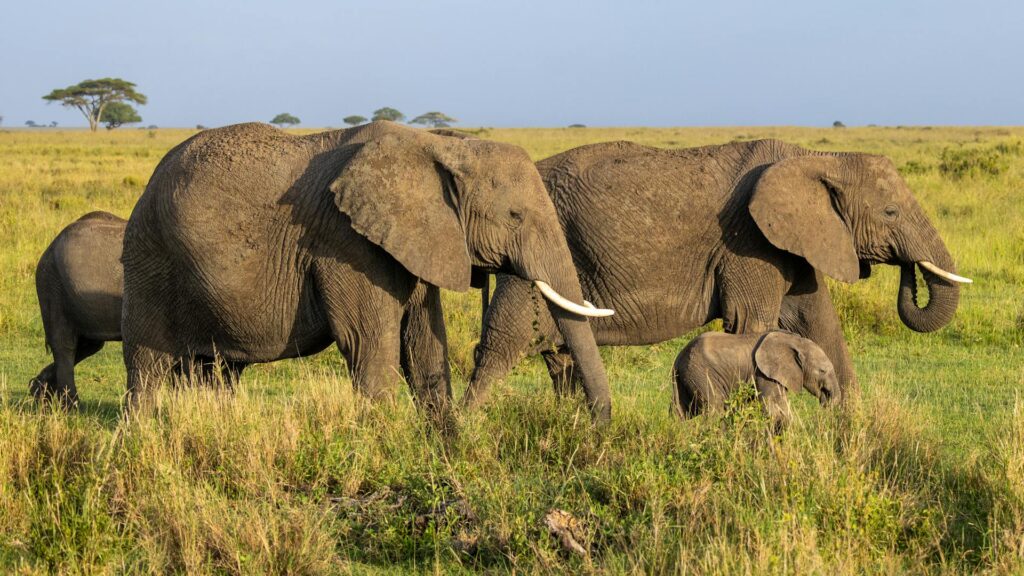
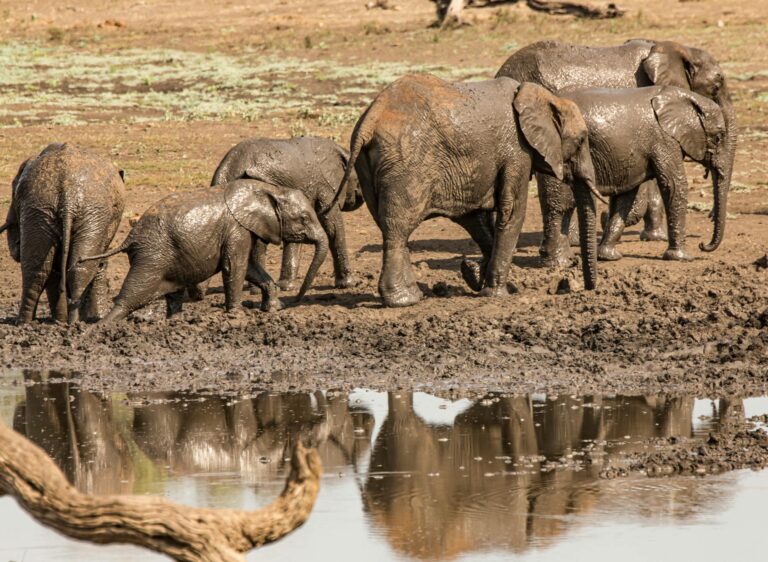
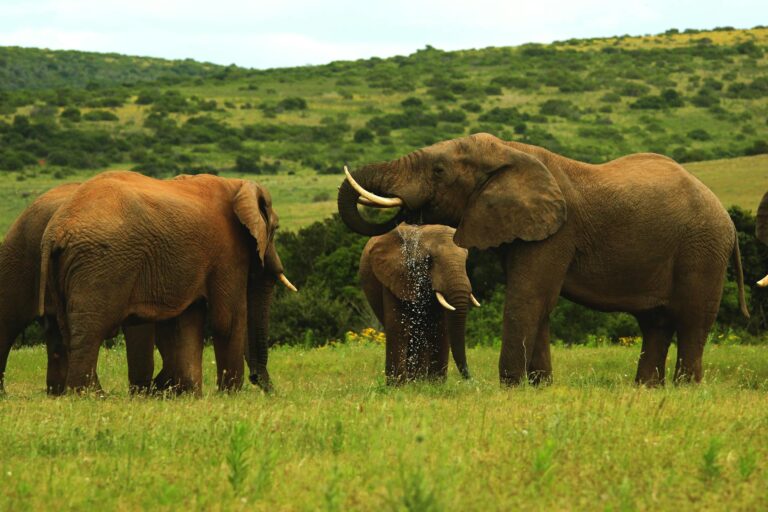
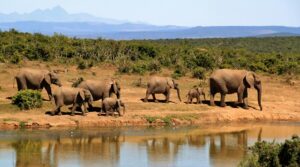
Elephant family in Madikwe Game Reserve

For families or travelers concerned about malaria, South Africa offers several excellent alternatives:

  • Madikwe Game Reserve
  • Eastern Cape reserves
  • Certain parts of the Western Cape

This accessibility expands safari eligibility to younger children and sensitive travelers.

Self-Drive Friendly & Well Developed
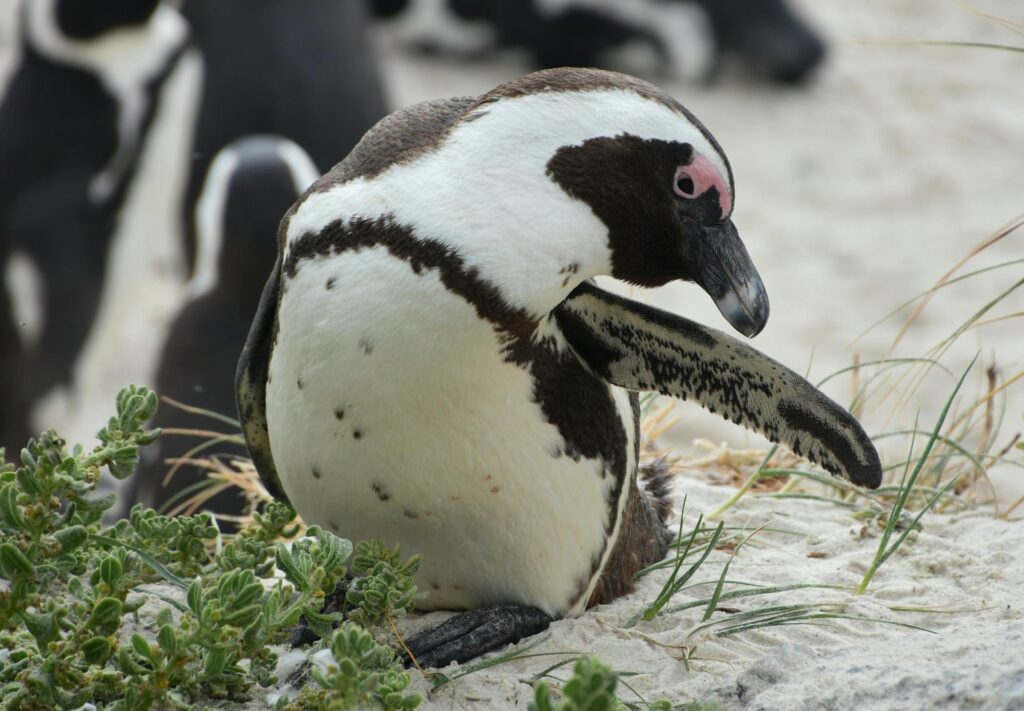
Close up of an African Penguin Cape Town Western Cape South Africa

South Africa is one of the easiest African countries for independent travel.

  • Excellent road infrastructure
  • Clear signage
  • Reliable rental services
  • Wide accommodation range

Travelers can self-drive along the Garden Route or through Kruger with confidence.

Marine & Coastal Experiences

South Africa is not only about safari.

  • Whale watching in Hermanus
  • Shark cage diving in Gansbaai
  • Coastal hiking in Tsitsikamma
  • Beach relaxation in Camps Bay

Few destinations offer Big Five safari and marine wildlife in one trip.

Value for Luxury

Compared to East Africa, South Africa often provides:

  • Stronger infrastructure
  • Competitive luxury pricing
  • More accessible private lodges
  • Wide mid-range options

This makes it attractive for longer stays and high-end travelers alike.
10 Destinations That Define South Africa's Unrivaled Diversity

Kruger National Park & Sabi Sands

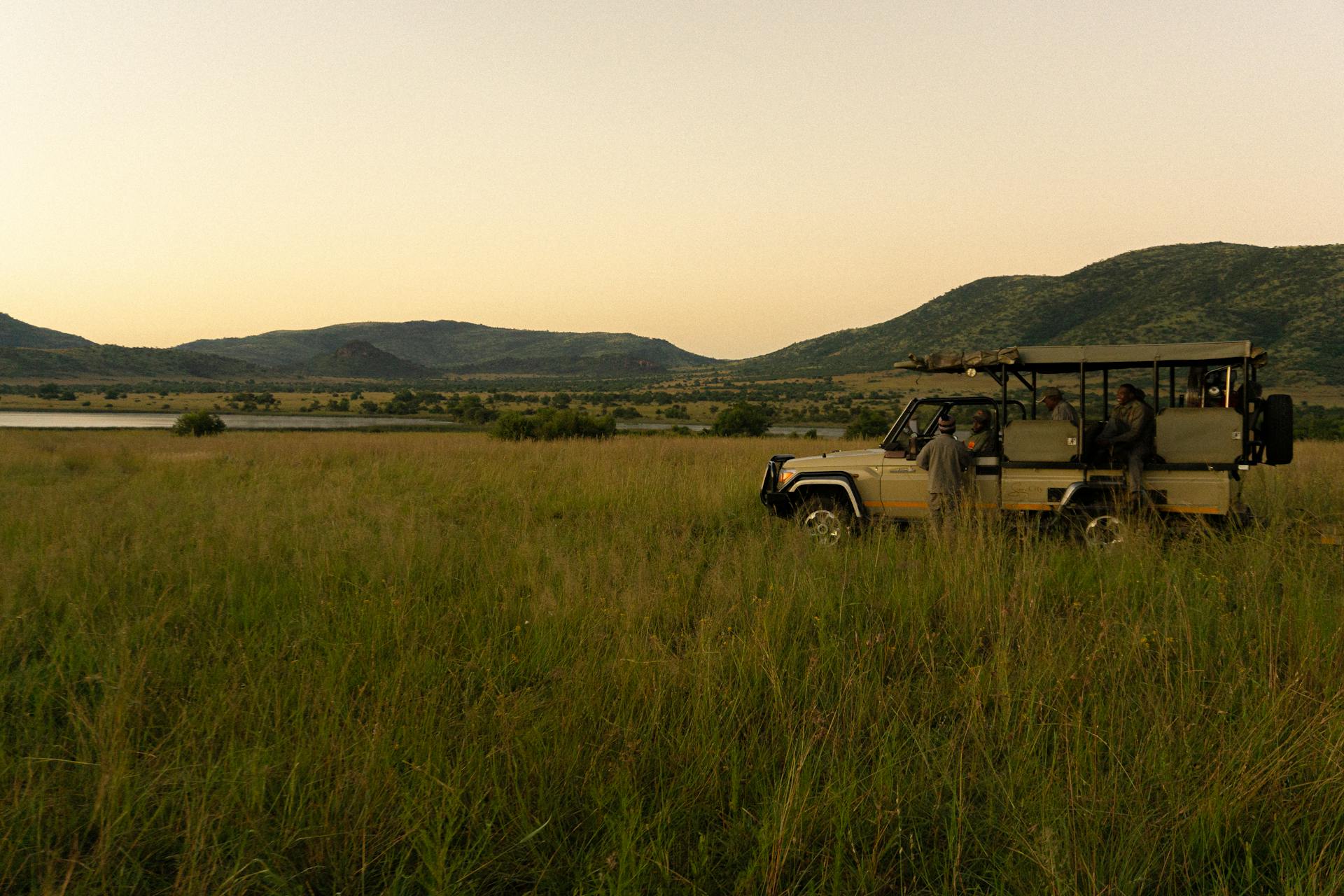
Kruger National Park is the cornerstone of South African safaris—a protected area the size of Israel that harbors 147 mammal species, over 500 bird species, and the highest density of large predators on the continent.

The public section of Kruger offers self-drive adventures, affordable rest camps, and the thrill of discovering wildlife on your own terms. But the Sabi Sands Private Game Reserve, sharing an unfenced border with Kruger, is where the safari experience transcends.

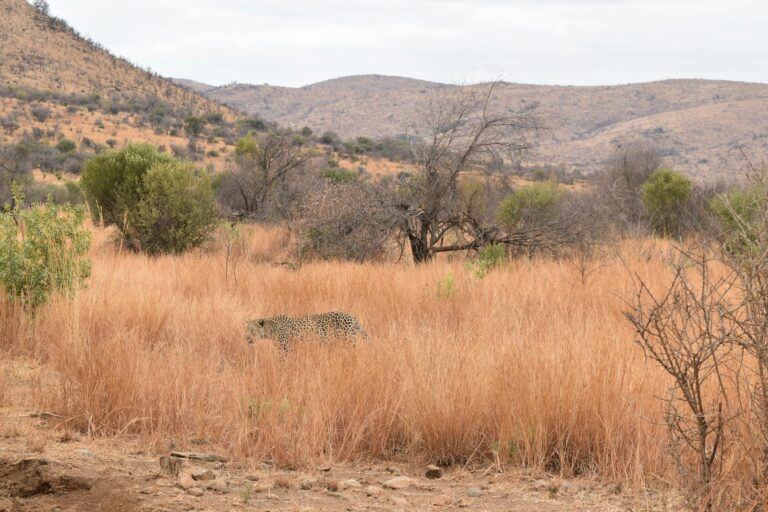
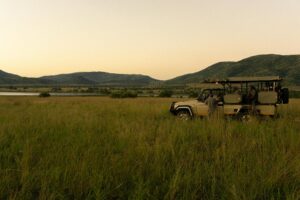
Here, vehicles can leave the road, tracking leopards through riverine forest and positioning for photographs that seem almost impossible. The guides are among Africa’s best. The lodges—Singita, Londolozi, MalaMala—are legendary. And the leopard sightings are so consistent that individual animals are known by name, their territories mapped across generations.

This is where first-time safari travelers become lifetime safari travelers.

Cape Town & The Cape Peninsula

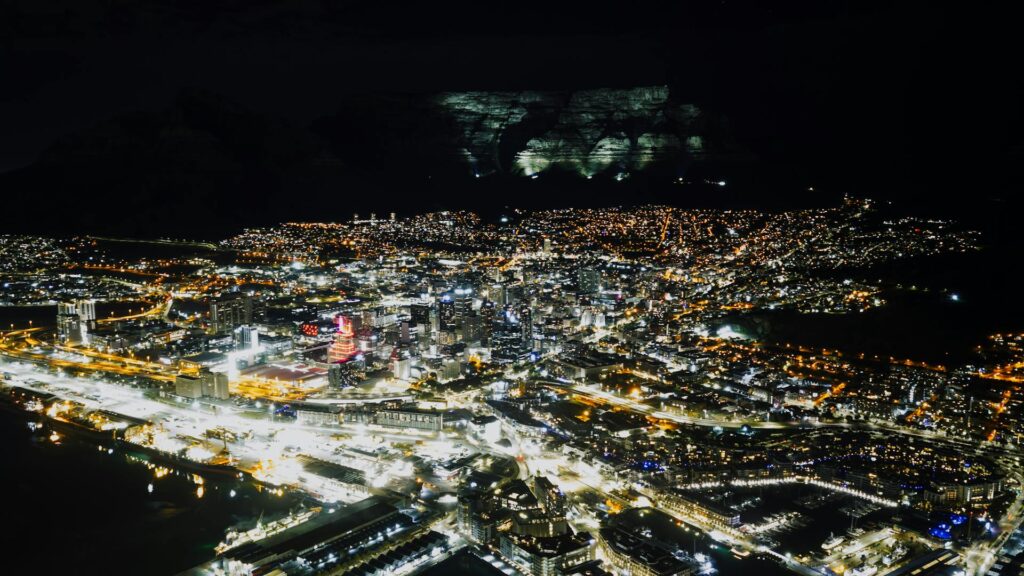
Cape Town is the city every other African city dreams of becoming. Table Mountain rises 1,000 meters directly from the city center, its flat summit a gathering place for hikers, paragliders, and the elusive rock hyrax. Below, white-washed neighborhoods cascade toward beaches where penguins share the sand with sunbathers.

Take the cable car up Table Mountain at golden hour. Drive Chapman’s Peak at sunset. Visit Robben Island, where Nelson Mandela spent eighteen of his twenty-seven imprisoned years. Eat grilled snoek at the Old Biscuit Mill. Order pinotage at a Constantia wine farm established in 1685.

But Cape Town is also a gateway. The Cape Peninsula unfurls south toward Cape Point, where the Atlantic and Indian Oceans meet in a collision of currents. Whales breach in Hermanus between June and November. Great white sharks patrol the waters near Gansbaai. And the Cape Winelands—Stellenbosch, Franschhoek, Paarl—offer vineyards that rival Bordeaux, restaurants that challenge Copenhagen, and mountain backdrops that humble both.

Cape Town isn’t just a safari add-on. It’s a destination you’d cross oceans for, even if the bush didn’t exist.

Cape Town

The Garden Route

The Garden Route is 300 kilometers of continuous astonishment. Forest meets ocean. Mountains fall directly into surf. Lakes reflect the sky in shades of silver and jade.

This is South Africa’s road-trip heartland, and for good reason. In Knysna, you’ll eat oysters pulled from the lagoon that morning. In Plettenberg Bay, you’ll watch southern right whales breach from beachfront cafés. In Tsitsikamma, you’ll walk suspension bridges over river gorges where the water runs so clear you can see the ocean floor.

But the Garden Route is also a sanctuary. Botlierskop and Gondwana offer Big Five game viewing without the long-haul drive to Kruger. Addo Elephant National Park, just a short detour east, protects over 600 elephants alongside Cape buffalo, black rhino, and the densest population of great white sharks in any national park on earth.

Self-drive or guided, three days or ten—the Garden Route accommodates every pace. The only mistake is rushing.

Madikwe Game Reserve

Madikwe is proof that malaria-free doesn’t mean compromise. This 75,000-hectare reserve, located near the Botswana border, was restocked with over 8,000 animals in the 1990s—Operation Phoenix, one of Africa’s largest wildlife relocations. Today, it hosts the Big Five, including a thriving wild dog population and some of the continent’s most habituated elephant herds.

For families, Madikwe is transformative. Children can stay in lodges that welcome them, learn tracking skills from expert guides, and experience night drives that reveal the secret world of aardvark, pangolin, and genet. For travelers concerned about anti-malarials, it’s liberating.

The lodges here—Jaci’s, Morukuru, Tuningi—offer private vehicles, exclusive-use villas, and the kind of personalized service that makes first-time safari travelers immediately begin planning their return.

Madikwe Game Reserve

The Cape Winelands

Stellenbosch and Franschhoek are not merely wine regions. They are living museums of Cape Dutch heritage, where gabled white-washed farms have produced wine for over three centuries. The mountains that frame every vineyard—Jonkershoek, Simonsberg, Groot Drakenstein—create a sense of place so distinct that oenologists speak of the region’s terroir in reverent tones.

But this isn’t only for wine connoisseurs. The Franschhoek Wine Tram connects farms via vintage tram and tractor-drawn carriages, allowing you to taste, eat, and move at your own pace. Restaurants here—La Colombe, The Tasting Room, Jordan—rank among the world’s best. And the accommodation, from historic manor houses to contemporary glass-walled suites, rivals anything in the Cape Town metro.

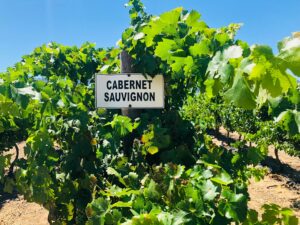
Spend three days minimum. Drink Chenin Blanc, the region’s signature grape. Eat lamb from the Karoo, cheese from the Hemel-en-Aarde valley, chocolate from a bean-to-bar producer in Paarl. Then repeat.

Addo Elephant National Park

Addo began as a sanctuary for eleven elephants in 1931. Today, it protects over 600, alongside Cape buffalo, black rhino, and the densest population of great white sharks in any national park—a quirk of geography that includes the Bird and St Croix Island groups.

This is the only park on earth where you can track elephant in the morning and dive with great whites in the afternoon. The main game viewing area is malaria-free, self-drive friendly, and accessible from Port Elizabeth in under an hour. The Nyathi and Kabouga sections offer wilderness trails for hikers and mountain bikers. And the marine protected area, accessible from the park’s Algoa Bay islands, supports breeding colonies of African penguin, Cape gannet, and crowned cormorant.

Addo is the rare destination that delivers Big Five safari, marine wildlife, and conservation history—all without requiring a single malaria tablet.

Hluhluwe–iMfolozi Park

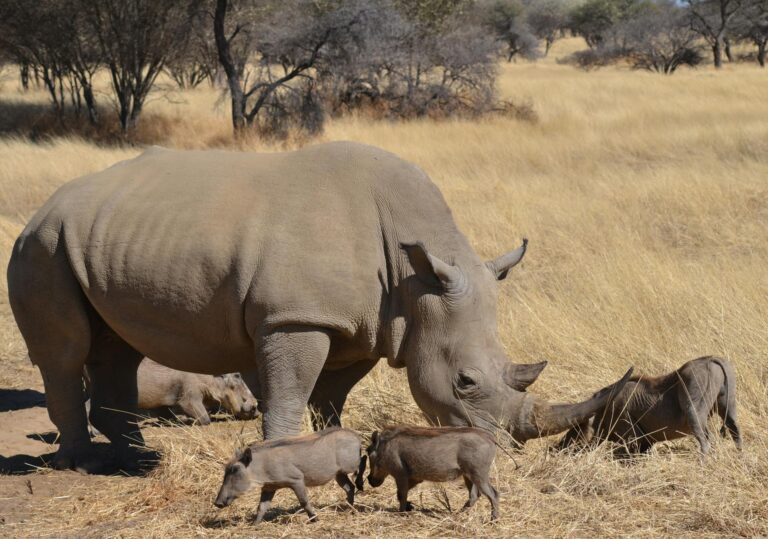
Hluhluwe–iMfolozi is where the white rhino was saved. In the 1960s, when poaching had reduced the global population to fewer than 100 individuals, this Zululand reserve pioneered Operation Rhino—a translocation program that would eventually restore rhino populations across Africa. Today, the park protects one of the continent’s densest white rhino concentrations, alongside black rhino, lion, leopard, and wild dog.

But this is not merely a conservation success story. iMfolozi is also the birthplace of wilderness trails. In the 1950s, the park’s first walking safaris allowed visitors to track rhino on foot, guided by game scouts who read the bush like a library. Those trails continue today, offering three-night, fully catered expeditions into one of Africa’s oldest protected areas.

Combine Hluhluwe–iMfolozi with the KwaZulu-Natal coast, Phinda Private Game Reserve, or the battlefields of Isandlwana and Rorke’s Drift. This is South Africa’s deep history—both human and wild.

Drakensberg Mountains

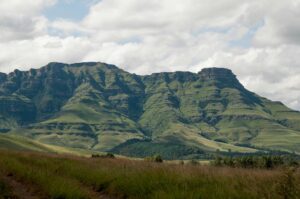
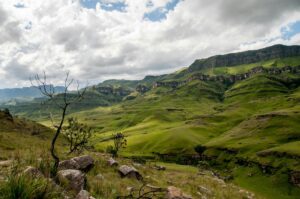
The Drakensberg—’Dragon’s Mountains’ in Afrikaans—is Africa’s southernmost mountain range, rising to 3,482 meters at Thabana Ntlenyana. Basalt cliffs stretch for hundreds of kilometers. Tumbling streams feed rivers that carve deep valleys. And hidden within countless caves and overhangs, the San people left behind one of the largest collections of rock art on earth.

The Central Drakensberg offers the most accessible hiking, with day trails leading to chain ladders that scale sheer rock faces. The Northern Drakensberg, accessed via the Amphitheatre, delivers South Africa’s most dramatic mountain vista. And the Southern Drakensberg, quieter and less developed, rewards those who linger with solitude, endemic bird species, and night skies undiluted by light pollution.

Hike, ride horseback, or simply sit on a lodge veranda and watch the light change across the escarpment. The Drakensberg doesn’t demand activity. It demands presence.

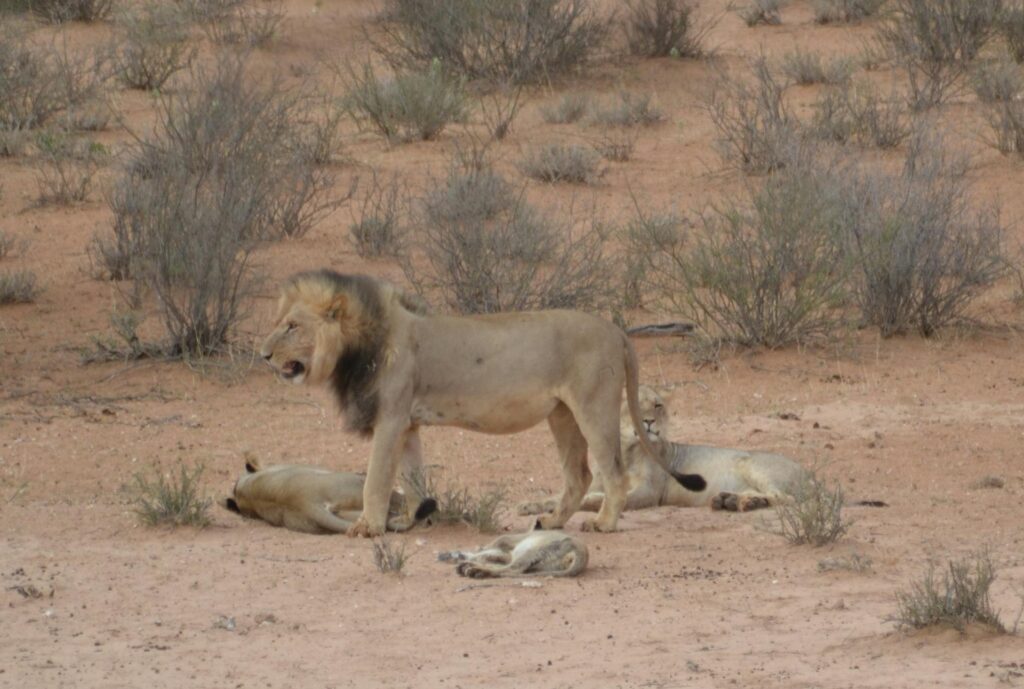
Kgalagadi Transfrontier Park

Kgalagadi is not green. It is not gentle. It is not crowded.

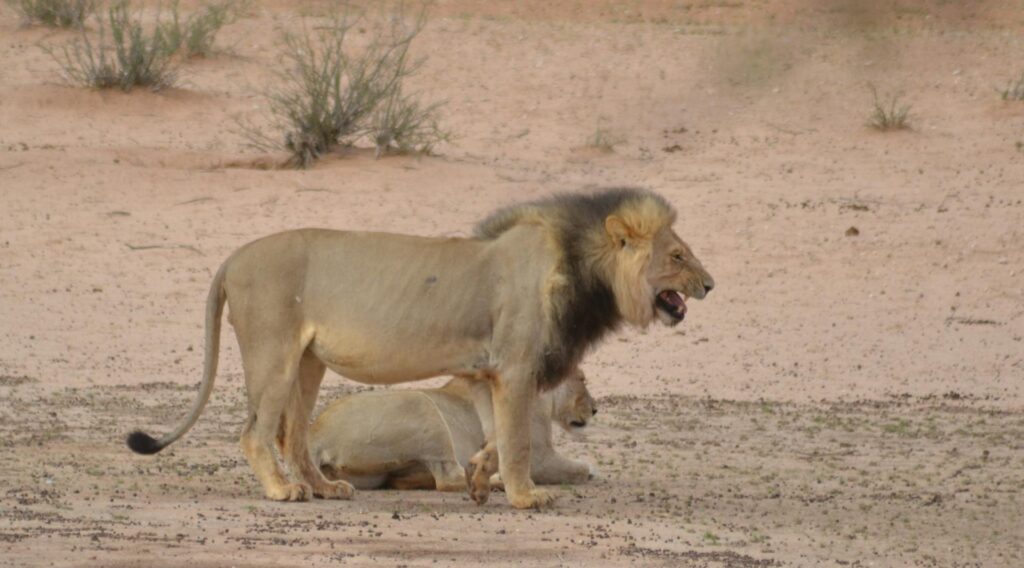
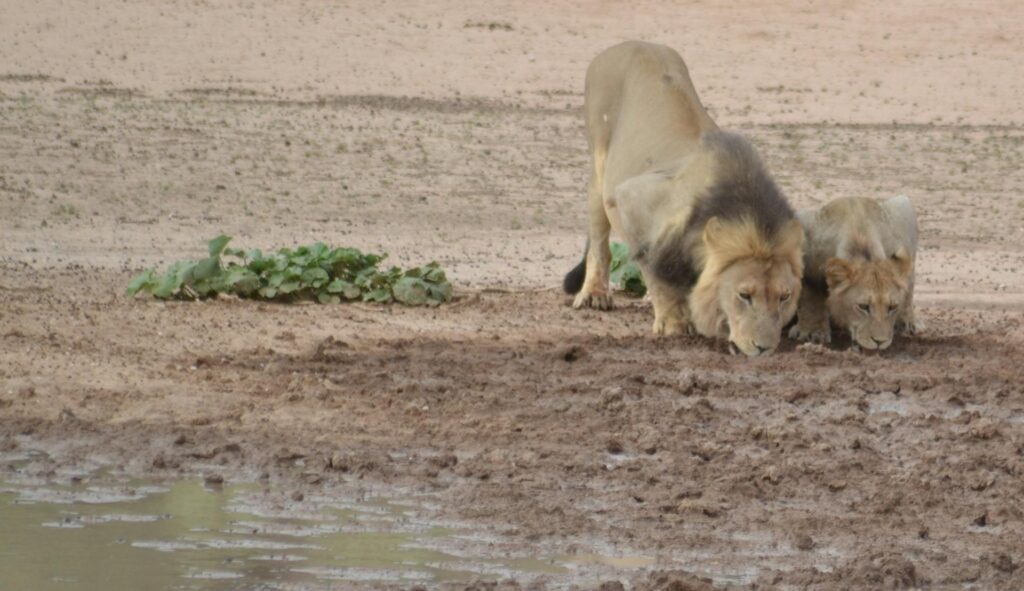
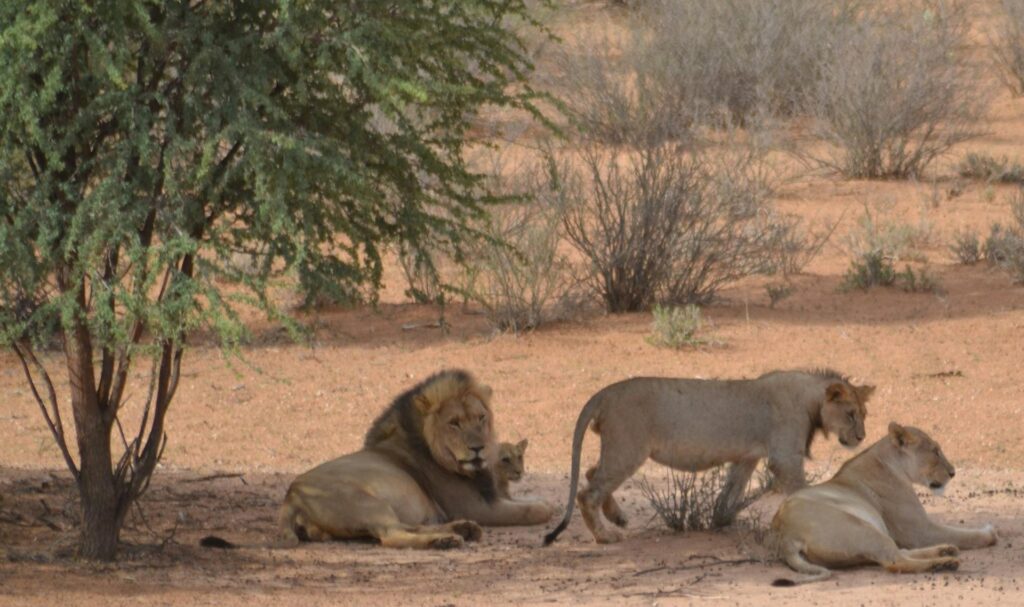
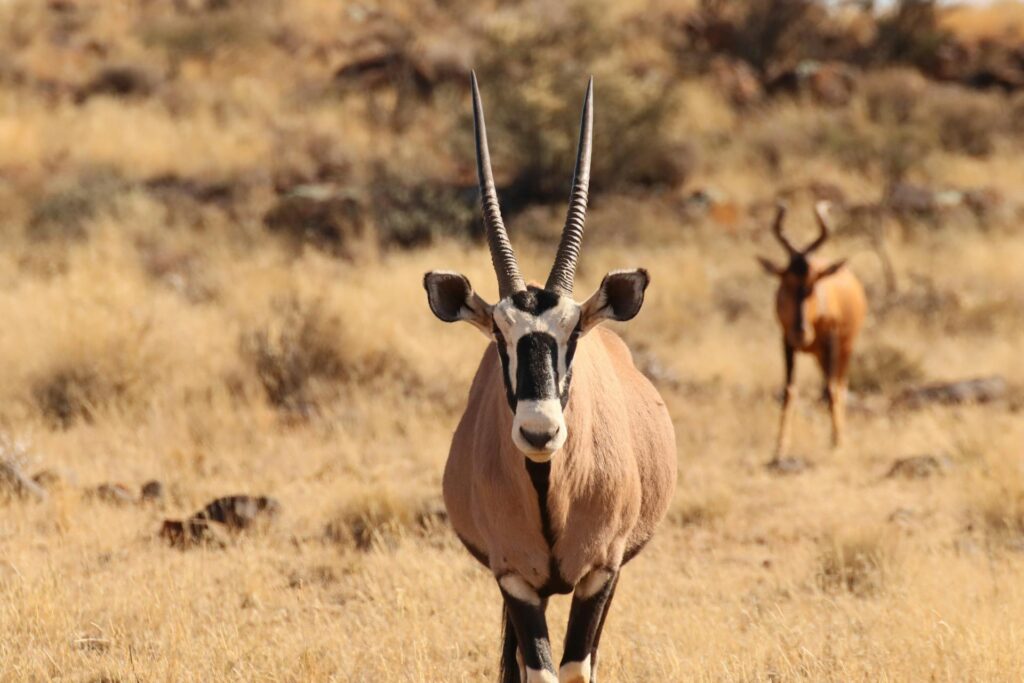
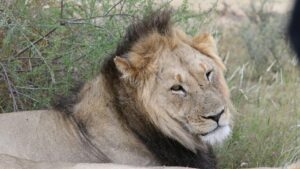
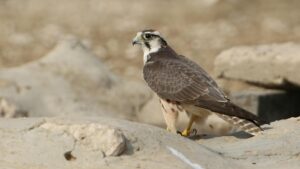
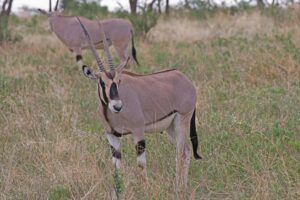
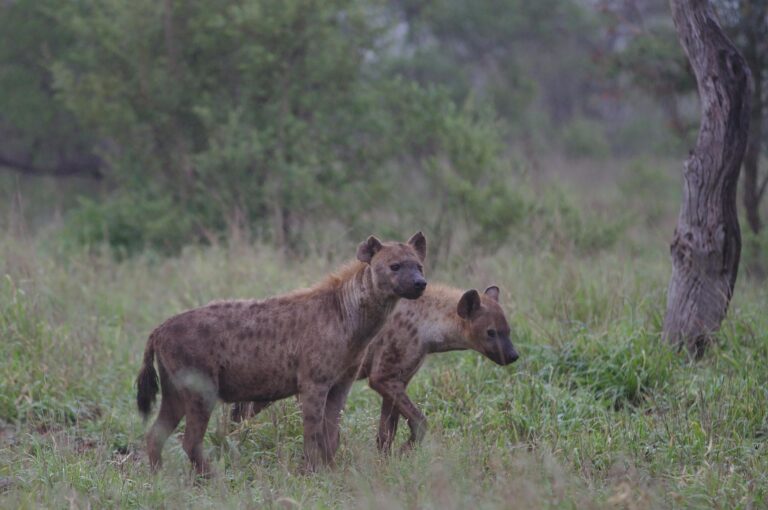
This 3.8-million-hectare park spans South Africa and Botswana, protecting the red dunes of the Kalahari and the dry riverbeds of the Nossob and Auob. Here, lions are darker-maned, adapted to desert extremes. Gemsbok spear the horizon with horns nearly a meter long. And the raptors—martial eagles, pygmy falcons, lanner falcons—patrol thermals in densities unmatched anywhere on the continent.

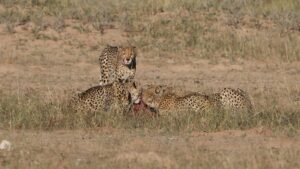
Kgalagadi rewards those who slow down. Self-drive visitors spend hours at waterholes, watching cheetah brothers hunt springbok, or waiting for a leopard to descend from its camelthorn perch. The park’s unfenced camps—Twee Rivieren, Mata Mata, Nossob—offer basic accommodation and the profound privilege of falling asleep to the whoop of spotted hyena.

This is not a destination for first-time safari travelers. It is a destination for travelers who have already seen the Big Five, already stayed in five-star lodges, and now seek something older, quieter, and more authentic.

Kgalagadi Transfrontier Park

Johannesburg & Soweto

Johannesburg is not beautiful in the conventional sense. It is beautiful in the way cities are when they’ve fought for their existence.

This is the city of gold, built on a reef that produced 40% of all gold ever mined. It is also the city of struggle, where Soweto became the crucible of resistance against apartheid. Vilakazi Street, the only street in the world to host two Nobel laureates—Nelson Mandela and Desmond Tutu—is both pilgrimage site and living neighborhood.

Today, Johannesburg pulses with creative energy. Maboneng Precinct transforms industrial warehouses into galleries and restaurants. The Apartheid Museum offers the continent’s most powerful historical exhibition. And Soweto’s guided bicycle tours, shebeens (pubs), and guesthouses provide an authentic, unvarnished introduction to urban South Africa.

Most safari travelers bypass Johannesburg. This is a mistake. Spend two days. Eat bunny chow. Listen to kwaito music. Walk the Mandela house. You’ll leave with a deeper understanding of what South Africa is—and what it cost to become.
South Africa Month-by-Month: When to Go Where

South Africa is a land of climatic extremes and contrasts. The Western Cape follows a Mediterranean rhythm—cool, wet winters and warm, dry summers. The interior and east coast experience summer rainfall with dramatic thunderstorms. The Drakensberg gets snow in winter. The Garden Route receives year-round precipitation. This diversity means there’s never a bad time to visit South Africa—only different places to be in different seasons.

Use this calendar to plan your journey across the country’s varied regions. Match your travel dates with the experiences that matter most—whether that’s whale watching in Hermanus, wild dog pups in Madikwe, snow in the Drakensberg, or the Great Migration in Kruger’s dry season.

All temperatures are daytime highs and nighttime lows. Rainfall is average monthly precipitation in millimeters. Regional variations apply—this calendar represents a national overview.

Month
Rain
Min
Max
Season

Top Destinations

Placess to visit in South Africa

Sanbona Wildlife Reserve

Top Reasons to Visit
Malaria-Free Safaris Big 5 Wildlife Year-Round Safari

Kgalagadi Transfrontier Park

Top Reasons to Visit
Big 5 Wildlife Family Friendly

Madikwe Game Reserve

Top Reasons to Visit
Big 5 Wildlife Family Friendly

Drakensberg Mountains

Top Reasons to Visit
Small Intimate Park Year-Round Safari

Tsitsikamma

Top Reasons to Visit
Bird Watchers' Paradise Big 5 Wildlife Year-Round Safari

Stellenbosch

Top Reasons to Visit
Jazz City University Town

Pilanesberg National Park

Top Reasons to Visit
Bird Watchers' Paradise Big 5 Wildlife Family Friendly

Plan Your Journey to South Africa

Ready to explore? Our travel specialists are here to help craft your dream itinerary.

Chat on WhatsApp
Created by icon tripfrom the Noun Project Created by Amethyst Studiofrom the Noun Project Created by Amethyst Studiofrom the Noun Project Created by Amethyst Studiofrom the Noun Project