Why Ngorongoro Is Africa's Most Spectacular Natural Wonder
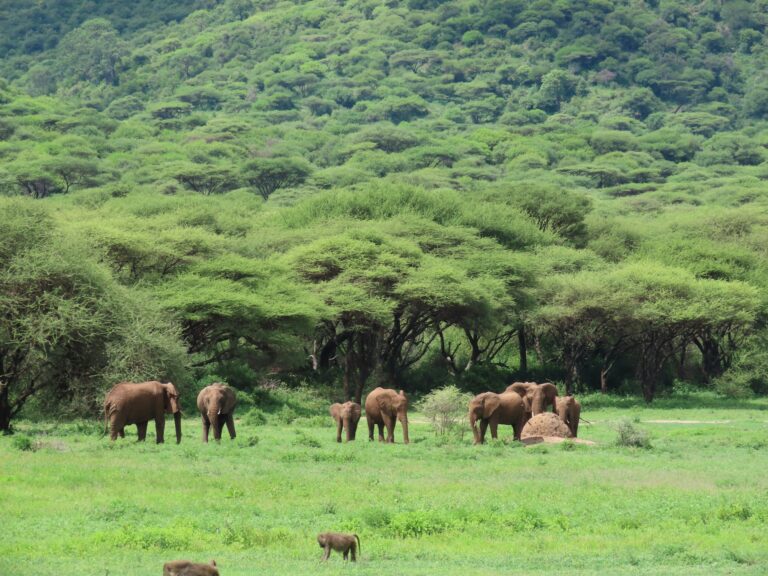
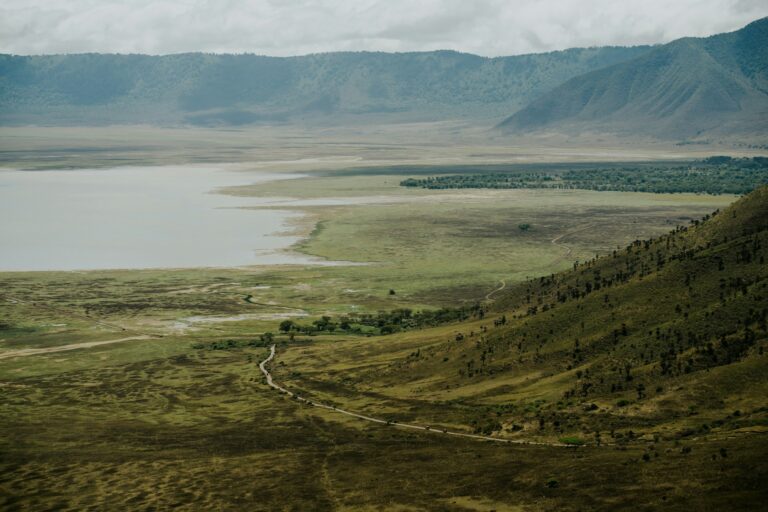
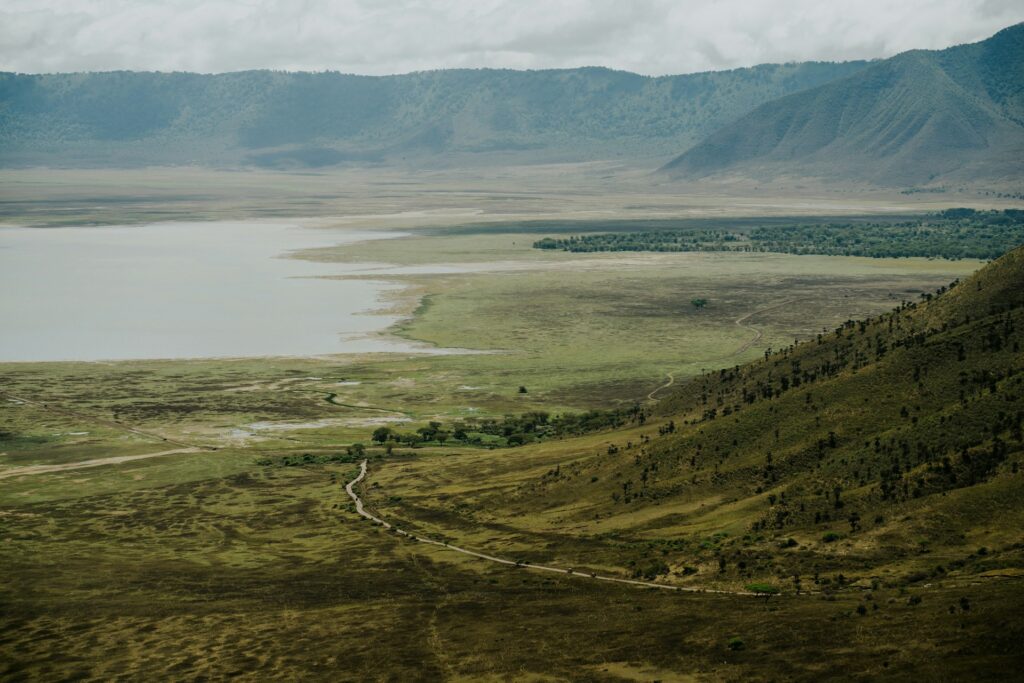
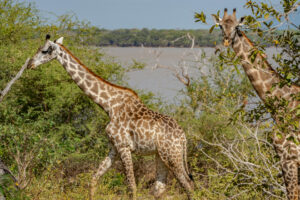
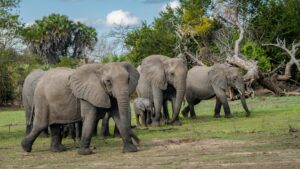
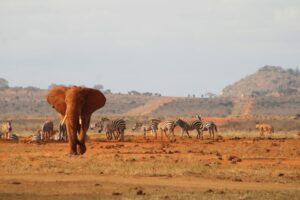
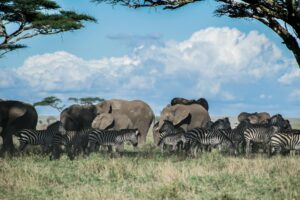
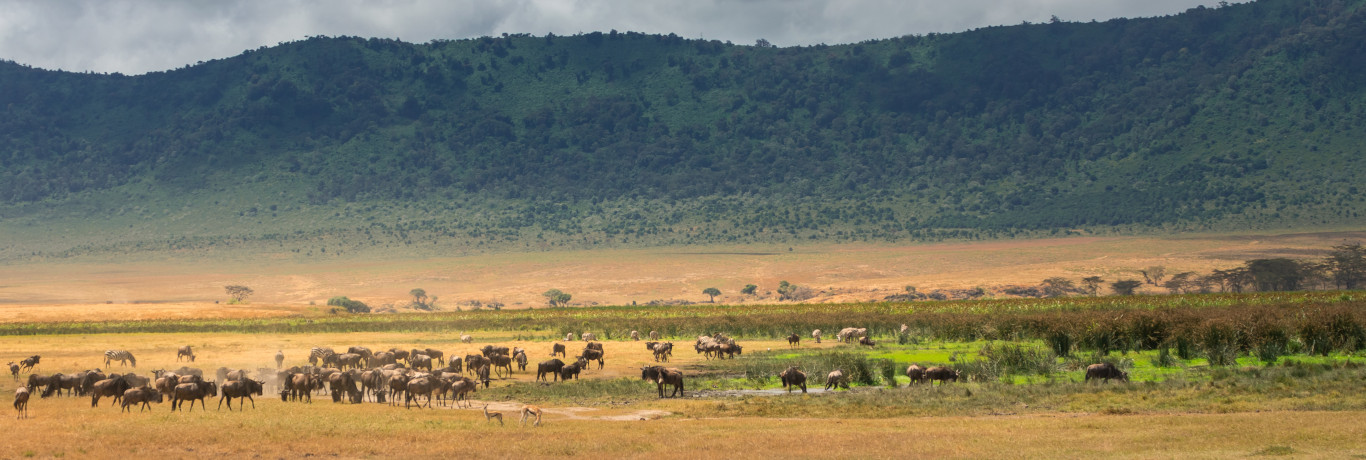
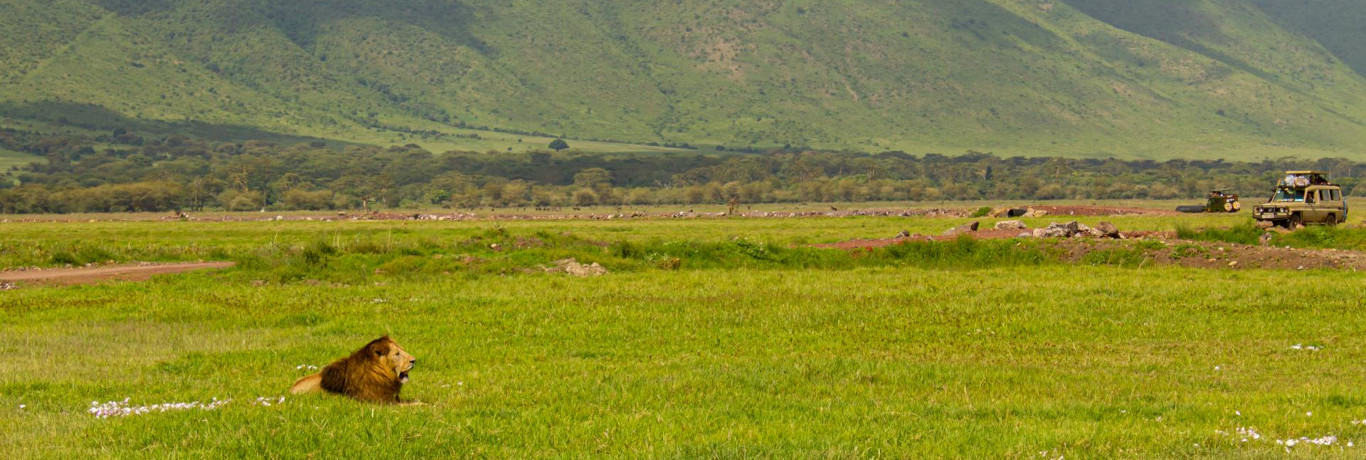
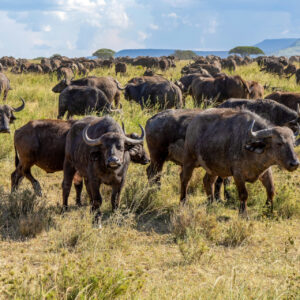
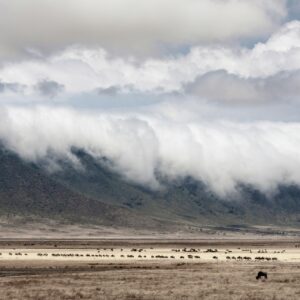
The Ngorongoro Crater is often called Africa’s Eden—and for good reason. This massive volcanic caldera, formed when a giant volcano exploded and collapsed on itself two to three million years ago, creates a natural enclosure of over 260 square kilometers, with walls rising 600 meters from the floor . Within this self-contained world lives a permanent population of over 25,000 large animals, including virtually every species of East African wildlife .
But the Ngorongoro Conservation Area is more than just the crater. It encompasses the surrounding highlands, the Empakaai Crater, the shifting dunes of Oldonyo Lengai, and the archaeological treasures of Olduvai Gorge, where the Leakeys discovered hominid fossils dating back millions of years . It’s also home to the Maasai people, who live alongside wildlife in a unique and ancient coexistence .
Here is why the Ngorongoro Conservation Area deserves a place on every Africa traveler’s bucket list.
The Ngorongoro Crater: Africa's Eden
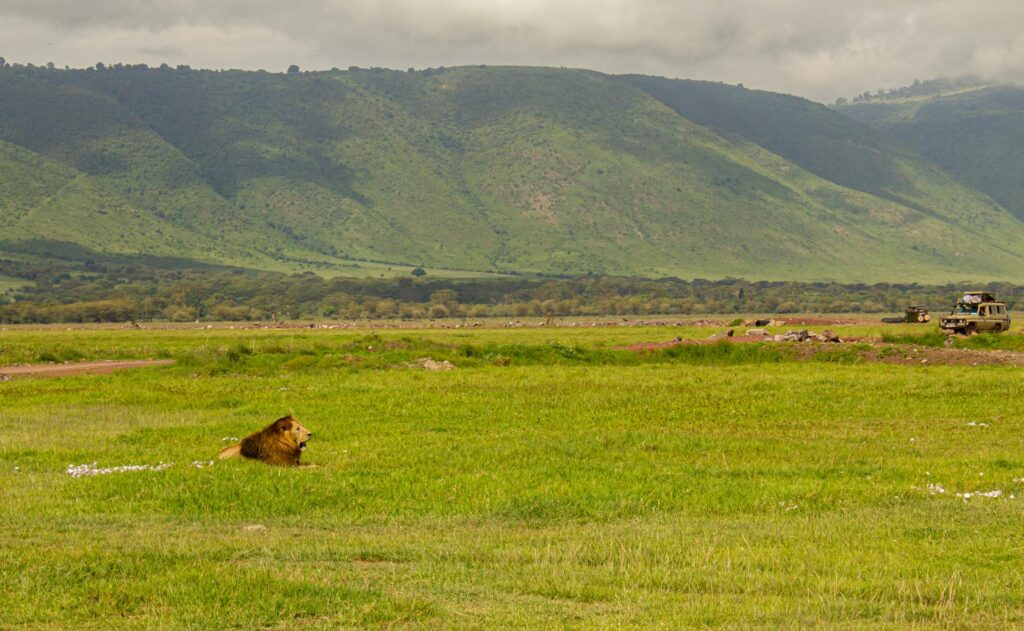
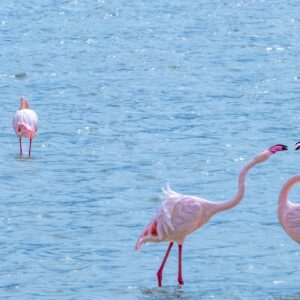
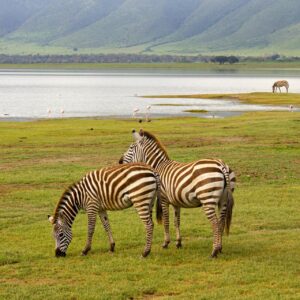
The Ngorongoro Crater is the world’s largest inactive, intact, and unfilled volcanic caldera . Formed two to three million years ago when a giant volcano exploded and collapsed, it creates a natural amphitheater of breathtaking beauty. The crater floor, covering 260 square kilometers, is a mosaic of grassland, swamps, forests, and a soda lake that attracts thousands of flamingos .
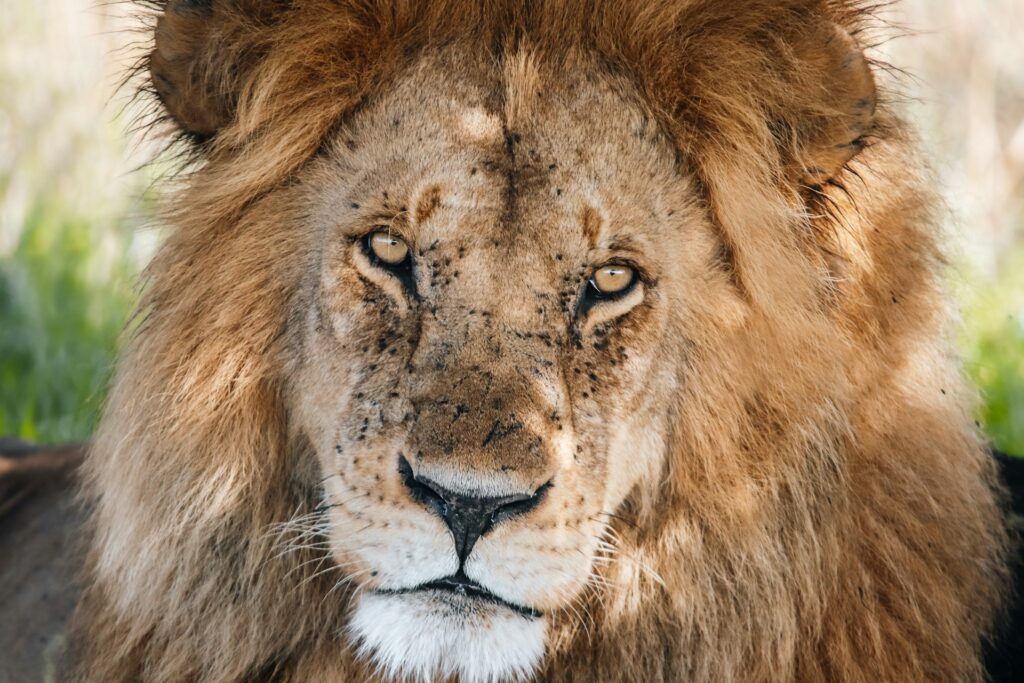
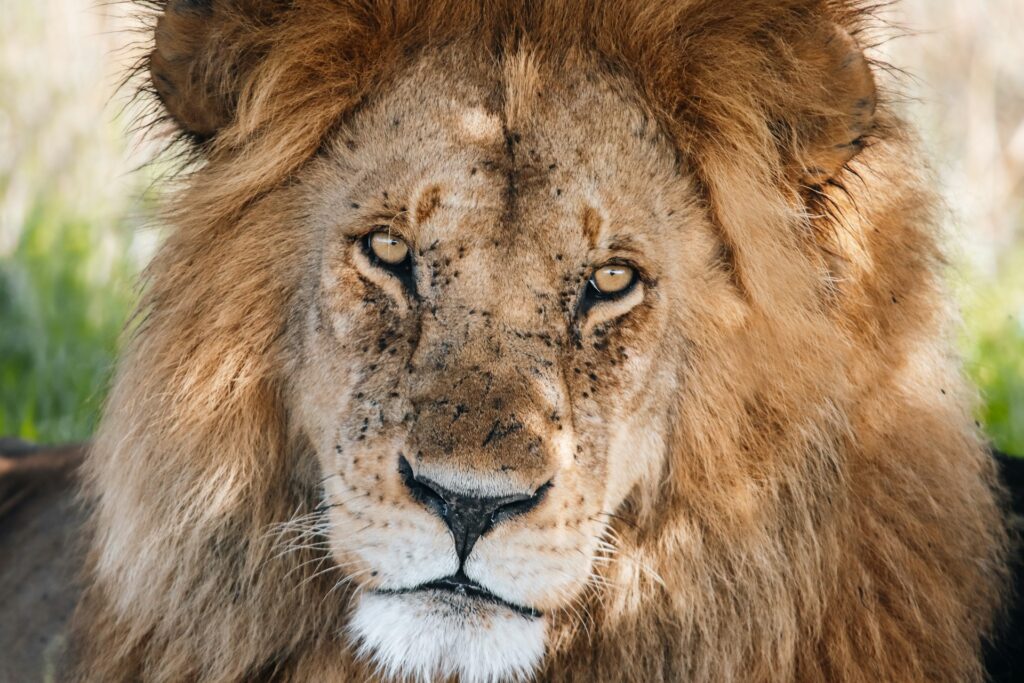
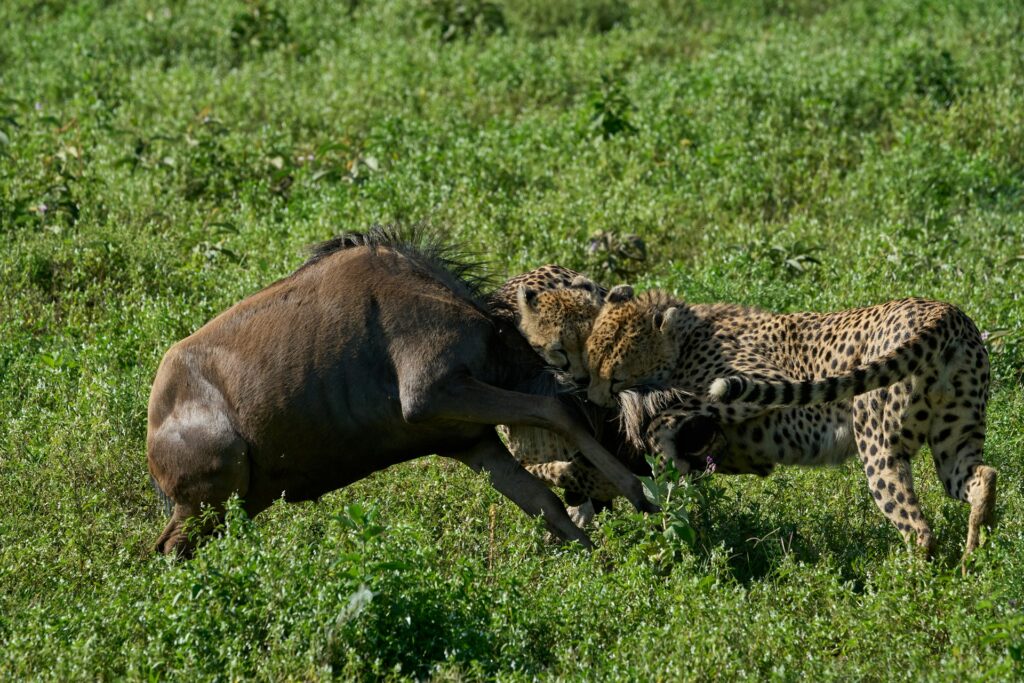
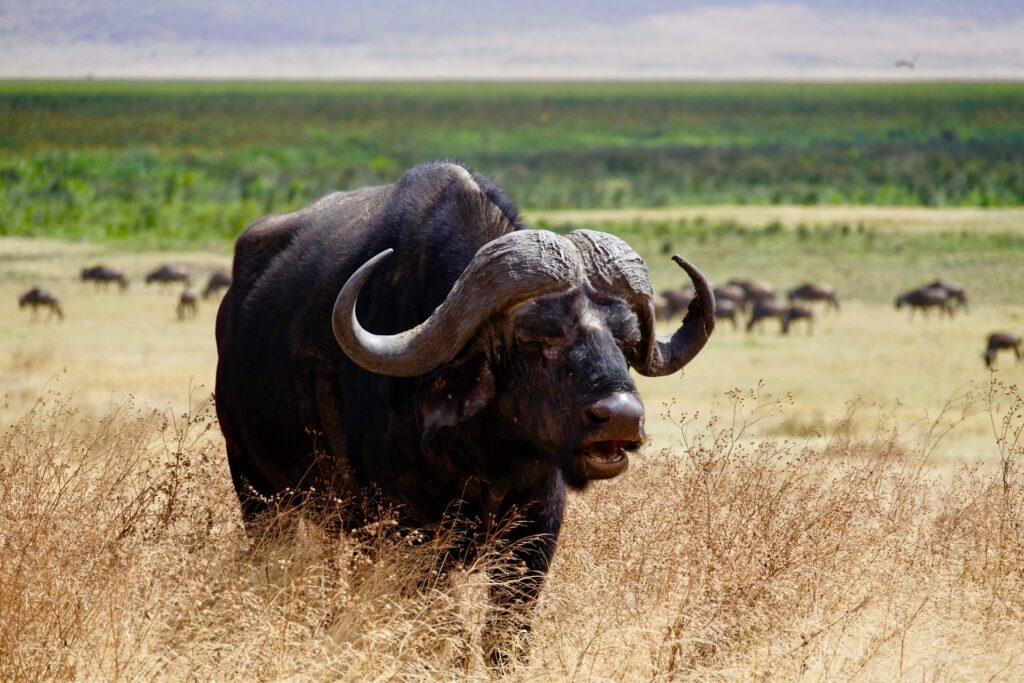
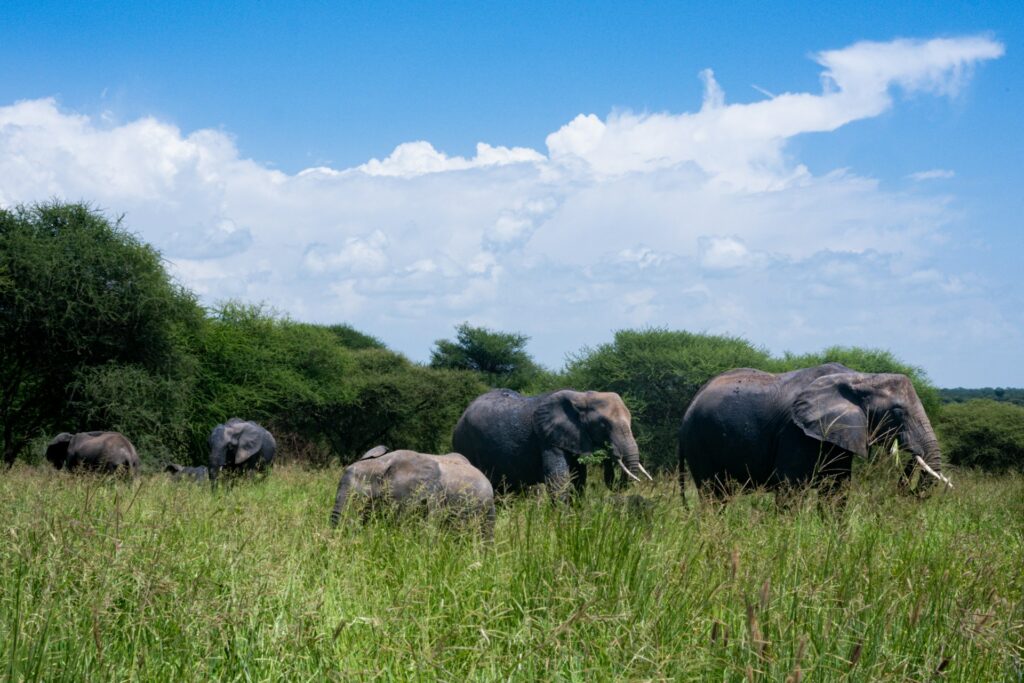
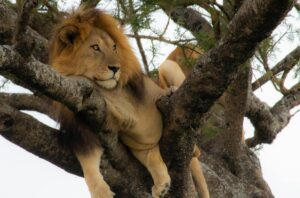
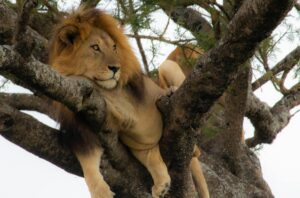
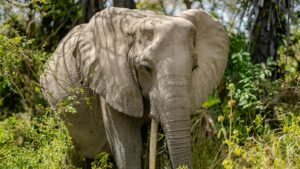
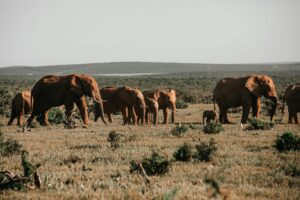
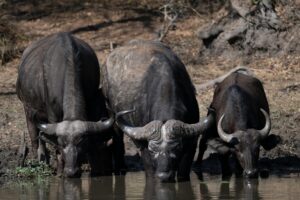
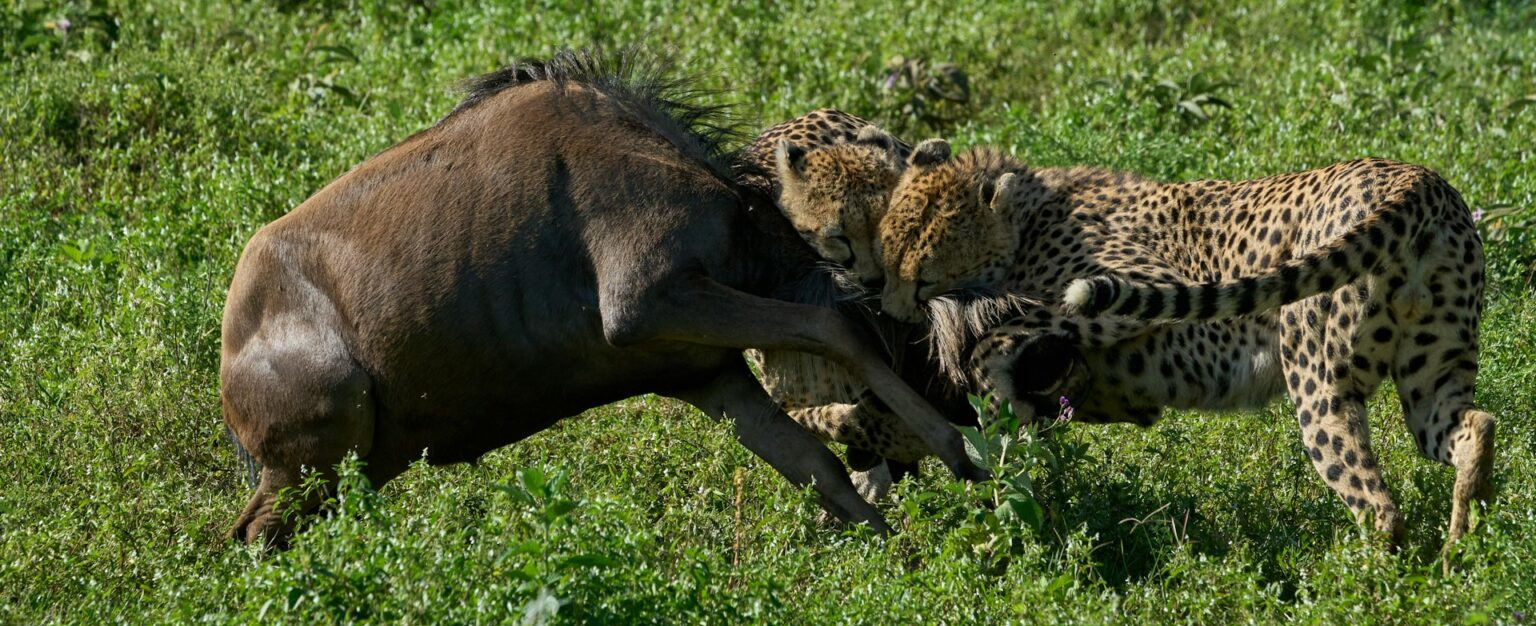
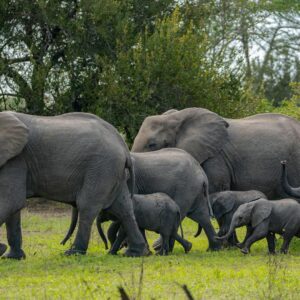
Within this natural enclosure lives a permanent population of over 25,000 large animals . It’s one of the few places in Africa where you can reliably see all of the Big Five in a single day—lion, leopard, elephant, buffalo, and black rhino . The crater offers the highest density of predators in Africa, with healthy populations of lions, hyenas, jackals, and cheetahs .
Descending into the crater at dawn, when mist swirls over the grasslands and wildlife emerges from the shadows, is one of Africa’s most unforgettable experiences.
Black Rhino Sanctuary: Conservation Success
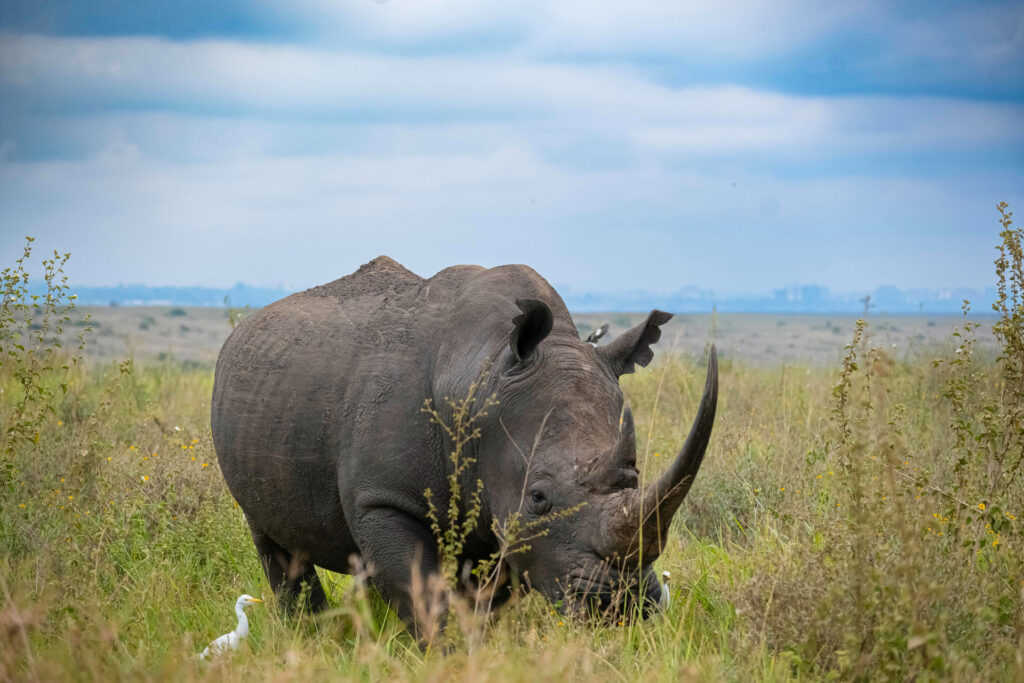
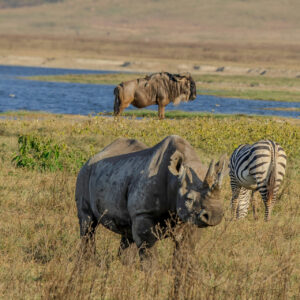
The Ngorongoro Crater is one of the best places in Africa to see black rhinos in the wild. Unlike the more numerous white rhinos, black rhinos are solitary, elusive, and critically endangered. The crater’s enclosed environment provides a protected sanctuary where a healthy population thrives .
The crater floor’s mix of open grassland and dense thickets provides ideal black rhino habitat. Armed rangers monitor them closely, and sightings are surprisingly reliable—often one of the highlights of any crater visit. Seeing these prehistoric animals, knowing how rare they are, is deeply moving .
The crater’s black rhino population is carefully managed, with individuals known to the rangers. Their survival here is a testament to Tanzania’s conservation efforts.
Lake Magadi: Flamingo Haven
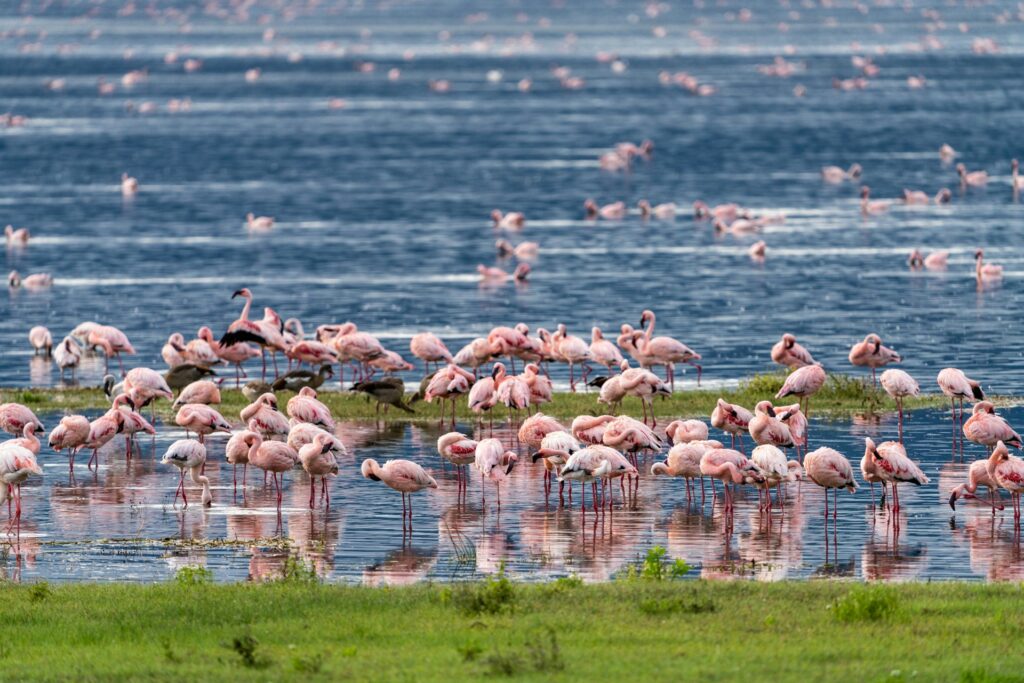
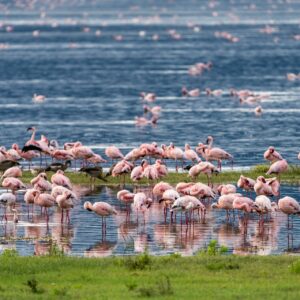
Lake Magadi is a shallow soda lake on the crater floor that attracts thousands of flamingos, along with a variety of other waterbirds . Depending on water levels, the lake can be tinged pink with flamingos—a spectacular sight against the crater’s green walls .
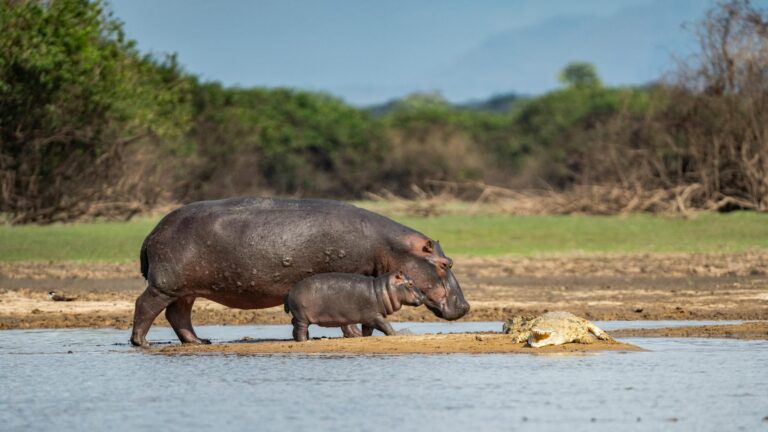
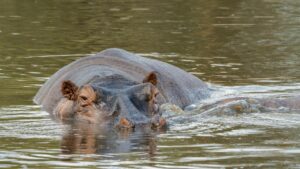
The lake is also home to hippos, which wallow in its waters during the day. Hippo pools along the lake’s edges offer excellent viewing opportunities. The combination of flamingos, hippos, and the dramatic crater backdrop creates some of the park’s most photogenic scenes .
Birdlife around the lake is abundant—pelicans, storks, herons, and various waders are all common. The lake is particularly rewarding during the wet season when water levels are higher and bird numbers peak .
The Crater Highlands: Maasai & Scenic Beauty
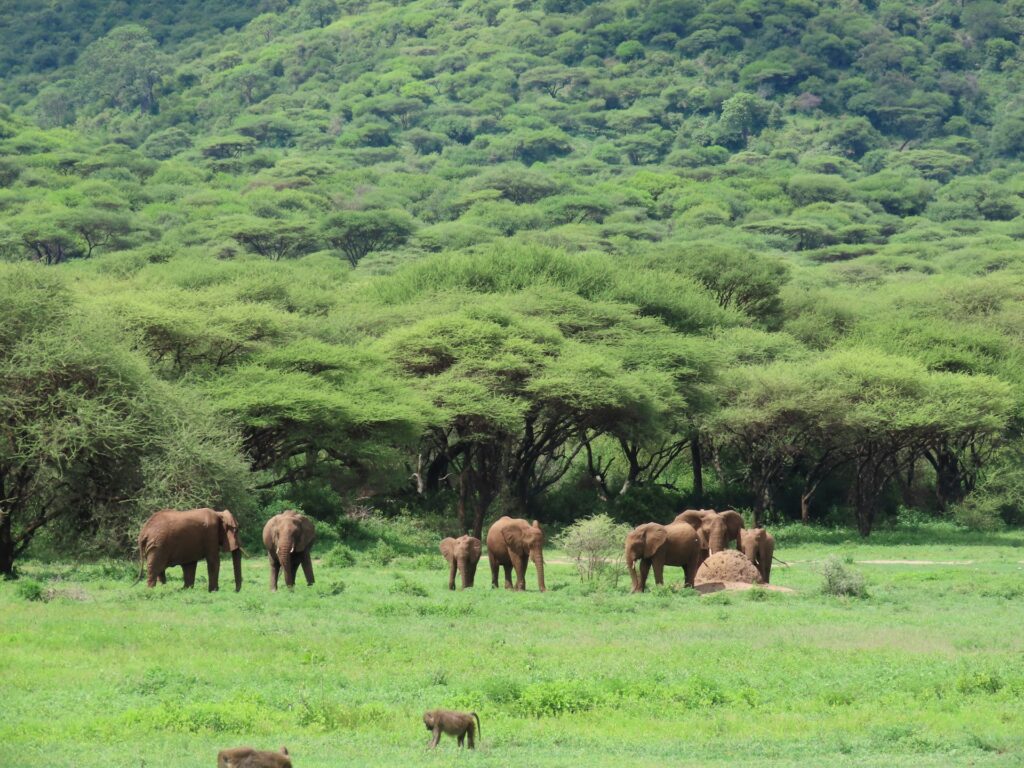
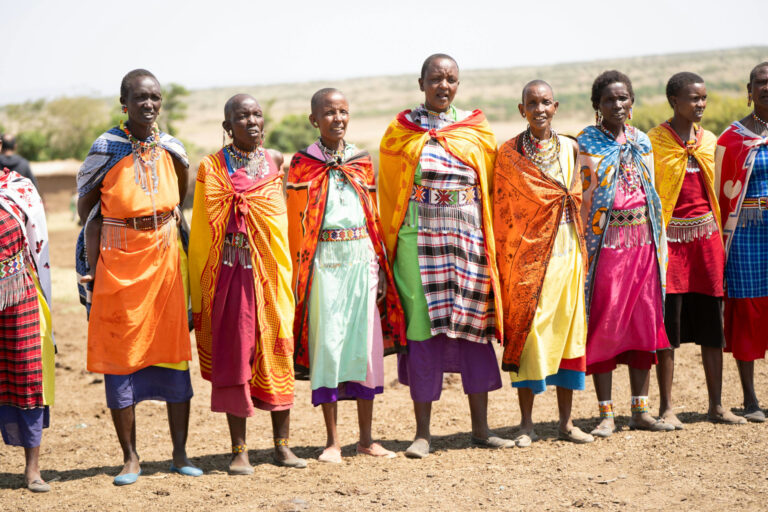
The Ngorongoro Conservation Area extends far beyond the crater itself. The surrounding highlands offer beautiful landscapes—rolling green hills, volcanic cones, and forests—where Maasai pastoralists live alongside wildlife .
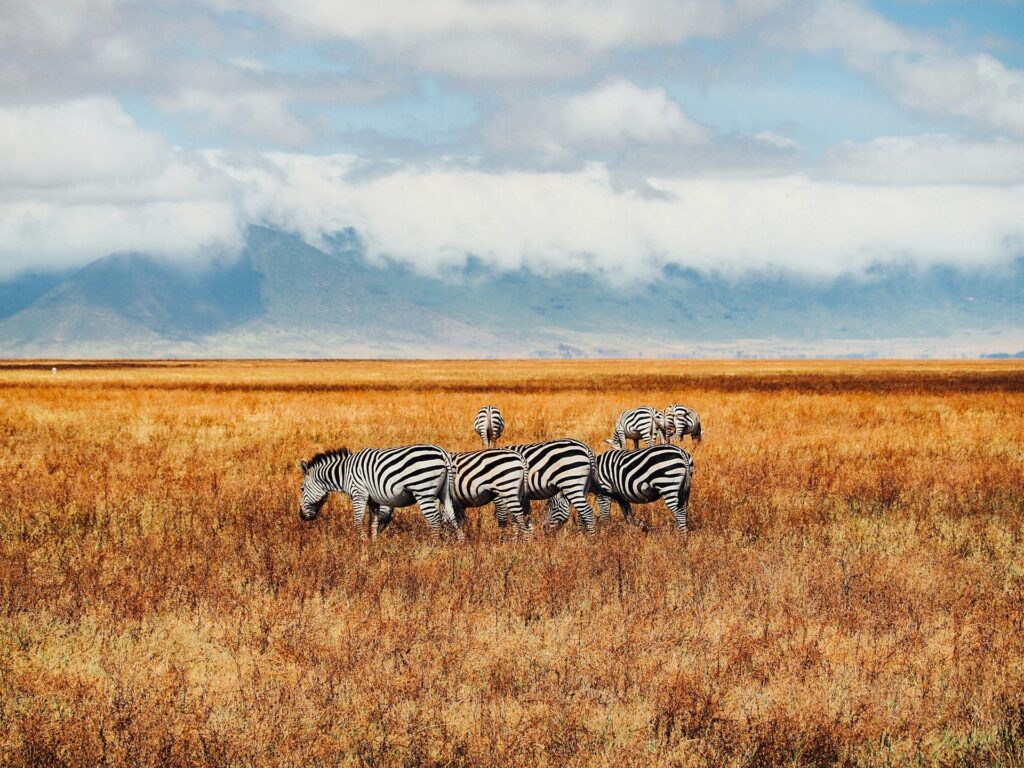
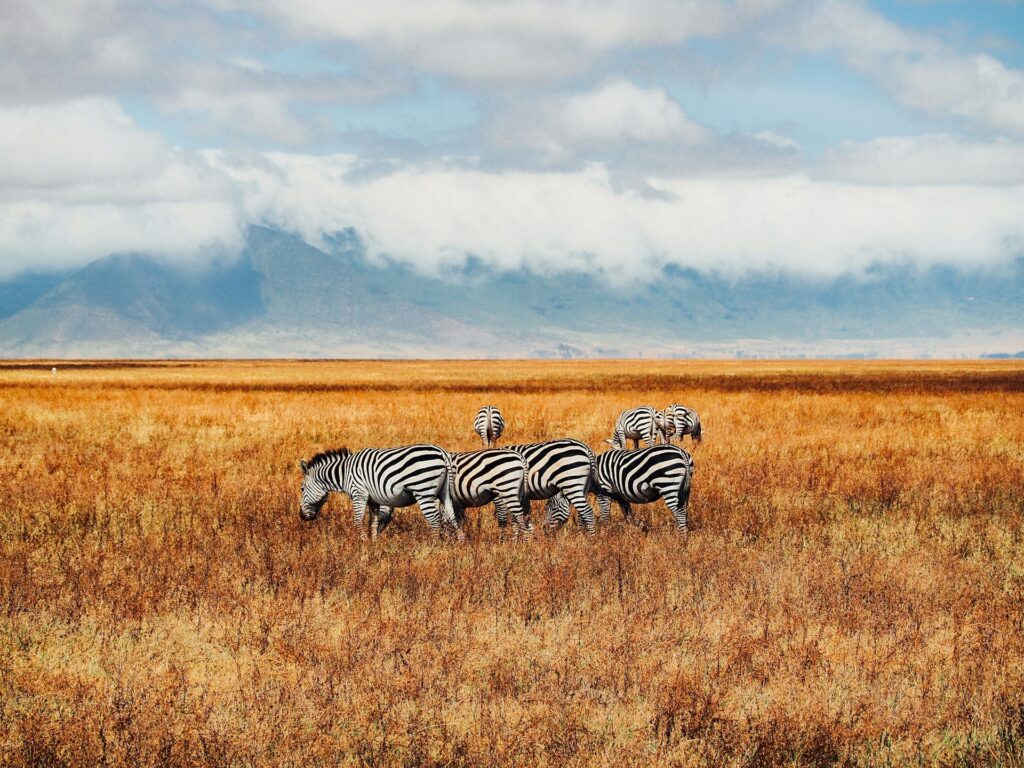
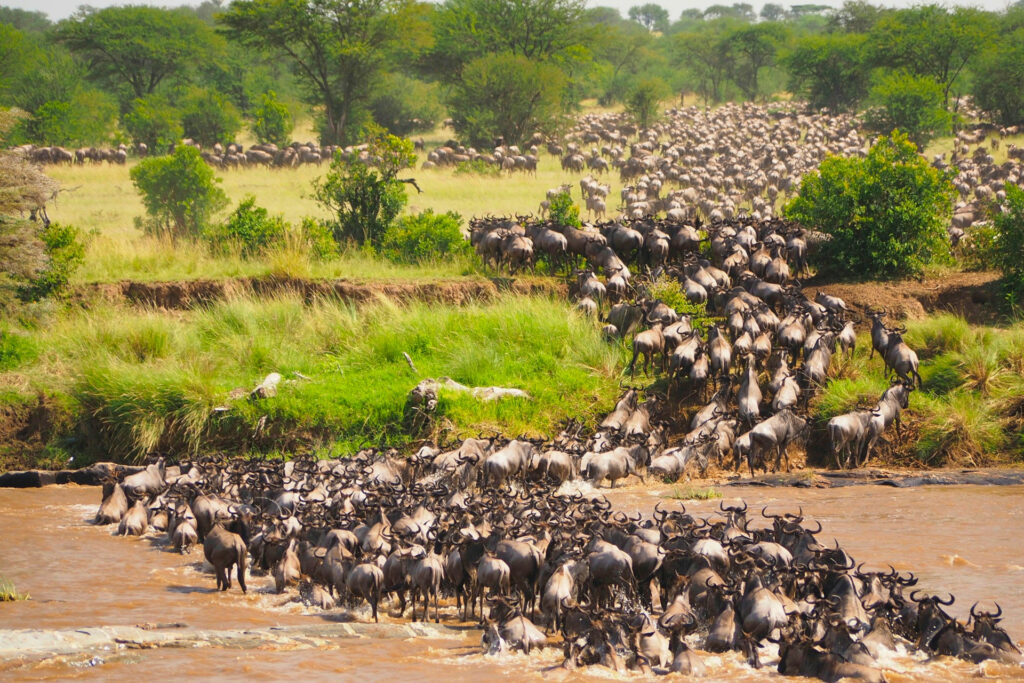
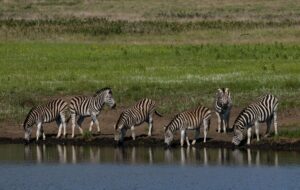
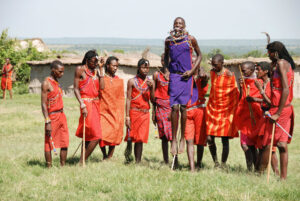
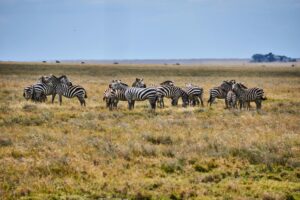
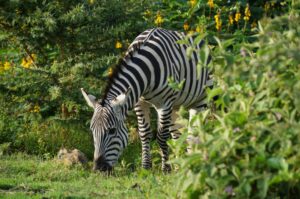
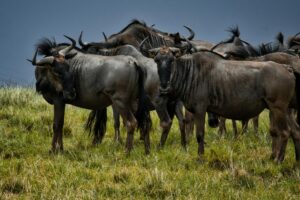
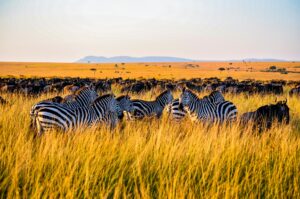
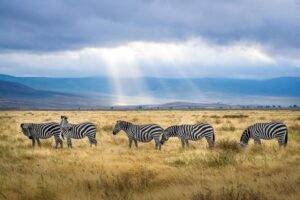
The Maasai have grazing rights within the conservation area, and you’ll see their cattle sharing the land with zebras and wildebeests. Visiting a Maasai village offers insight into their traditional way of life—their manyattas (circular villages), their dress, their customs .
The highlands also offer beautiful hiking opportunities. Trails lead through forests to viewpoints overlooking the crater or to Empakaai Crater, a smaller but equally beautiful caldera with a deep soda lake .
Olduvai Gorge: The Cradle of Humankind
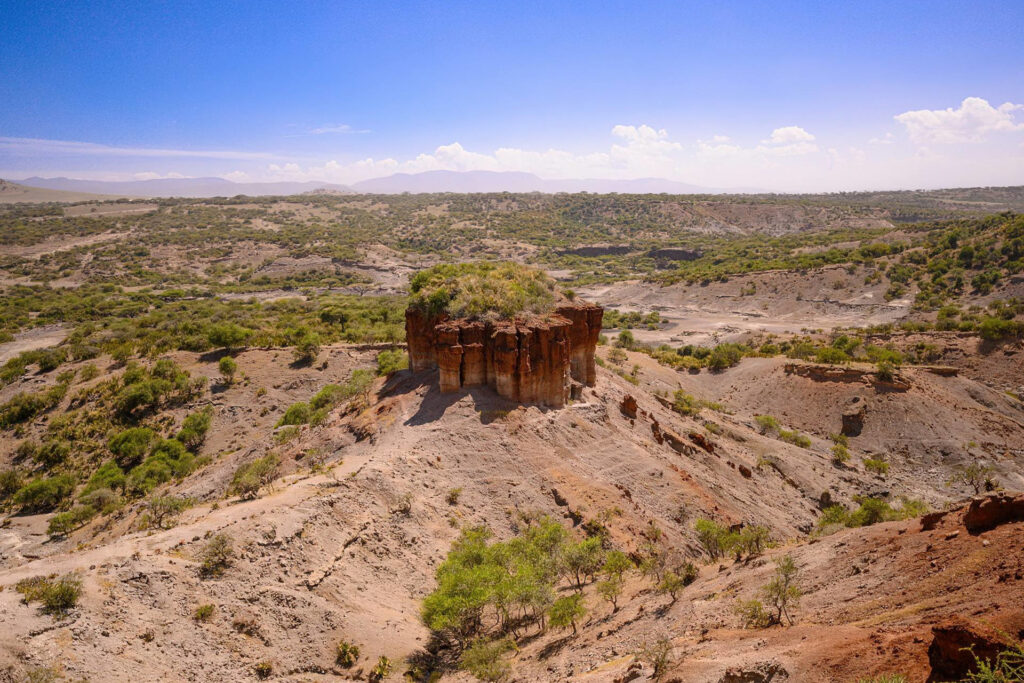
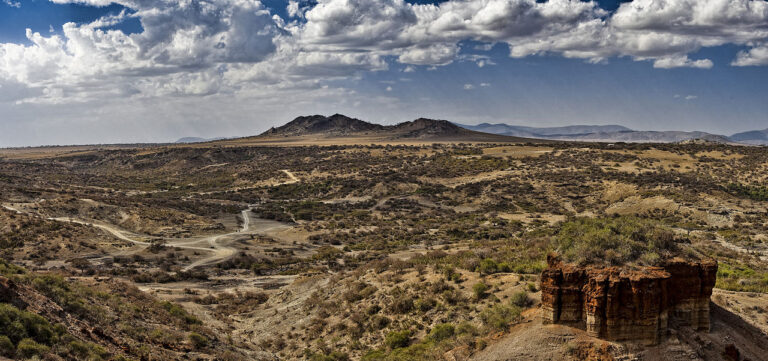
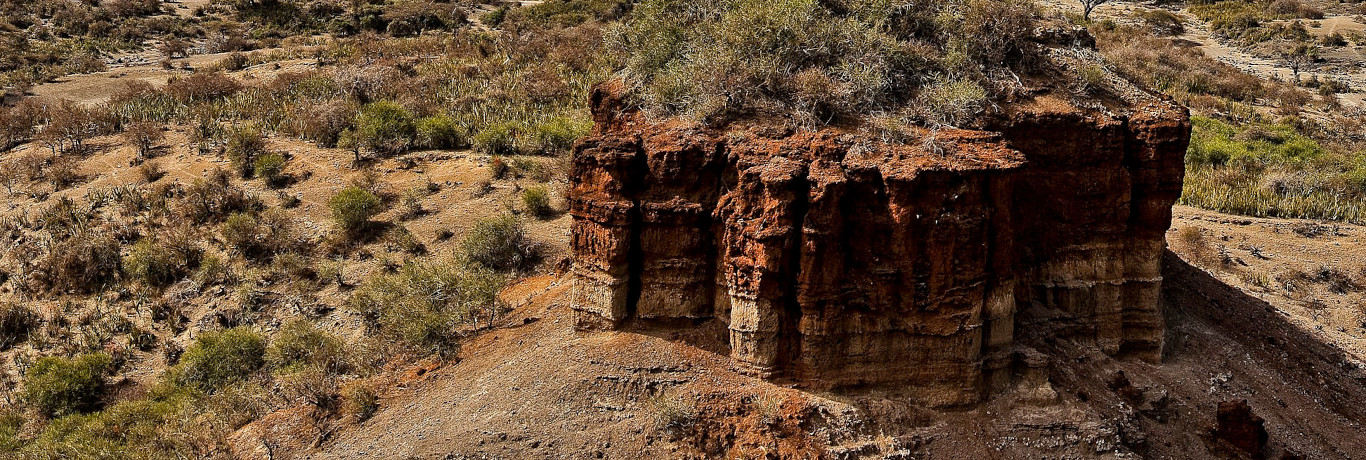
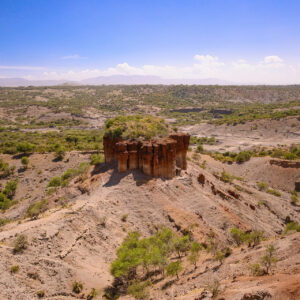
Olduvai Gorge, on the edge of the Ngorongoro Conservation Area, is one of the most important paleoanthropological sites in the world. It was here that Louis and Mary Leakey discovered hominid fossils dating back millions of years, fundamentally changing our understanding of human evolution .
The gorge’s exposed strata reveal layer upon layer of history, with fossils and stone tools documenting the development of our earliest ancestors. The on-site museum displays casts of the famous discoveries, including ‘Nutcracker Man’ (Paranthropus boisei) and some of the earliest stone tools .
Visiting Olduvai adds a profound dimension to your Ngorongoro experience—a reminder that this landscape has been home to humans and our ancestors for millions of years.
Empakaai Crater: A Hidden Gem
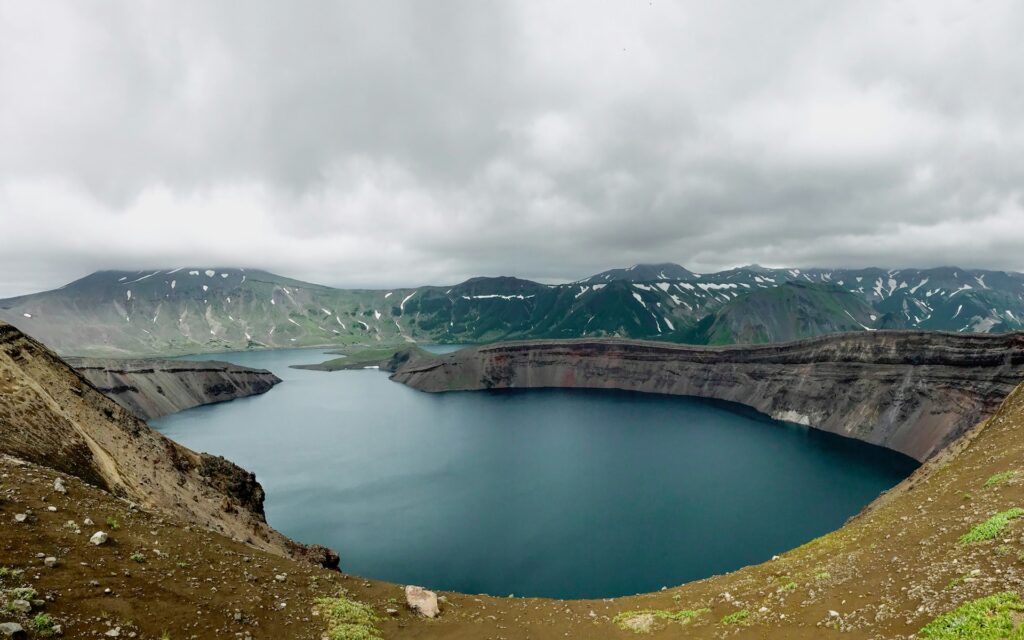
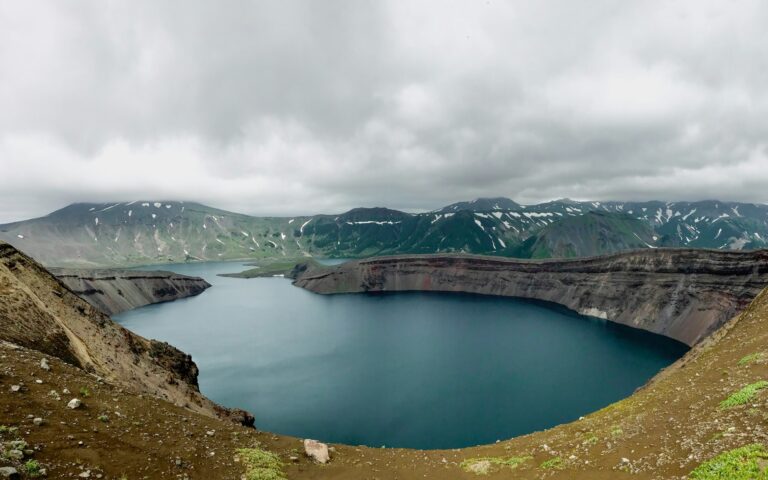
Empakaai Crater, a smaller but equally beautiful caldera in the northern part of the conservation area, is one of Ngorongoro’s best-kept secrets. The crater is about 6 kilometers wide, with walls rising 300 meters. At its center lies a deep soda lake that often attracts large flocks of flamingos .
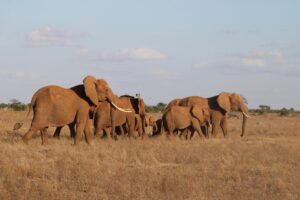
Hiking to the crater rim offers spectacular views across the lake and the surrounding highlands. On clear days, you can see Oldonyo Lengai, Tanzania’s active volcano, in the distance. The crater is also home to forest birds and wildlife, including buffalo and elephants .
Empakaai receives far fewer visitors than the main crater, offering a more peaceful, contemplative experience. It’s a wonderful addition to any Ngorongoro itinerary.