Serengeti National Park

Serengeti National Park

Serengeti National Park

  • Best Time to Visit: June – October for migration; December – March for calving.
  • Entry Fees: USD 70 per adult per day (approx.).
  • Country: Tanzania

Six Reasons Why you should Go to the Serengeti

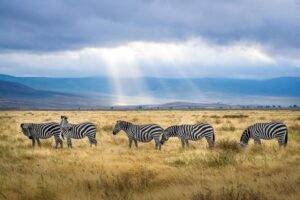
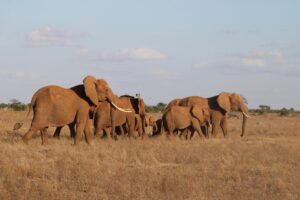
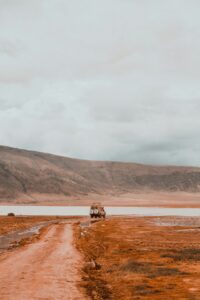
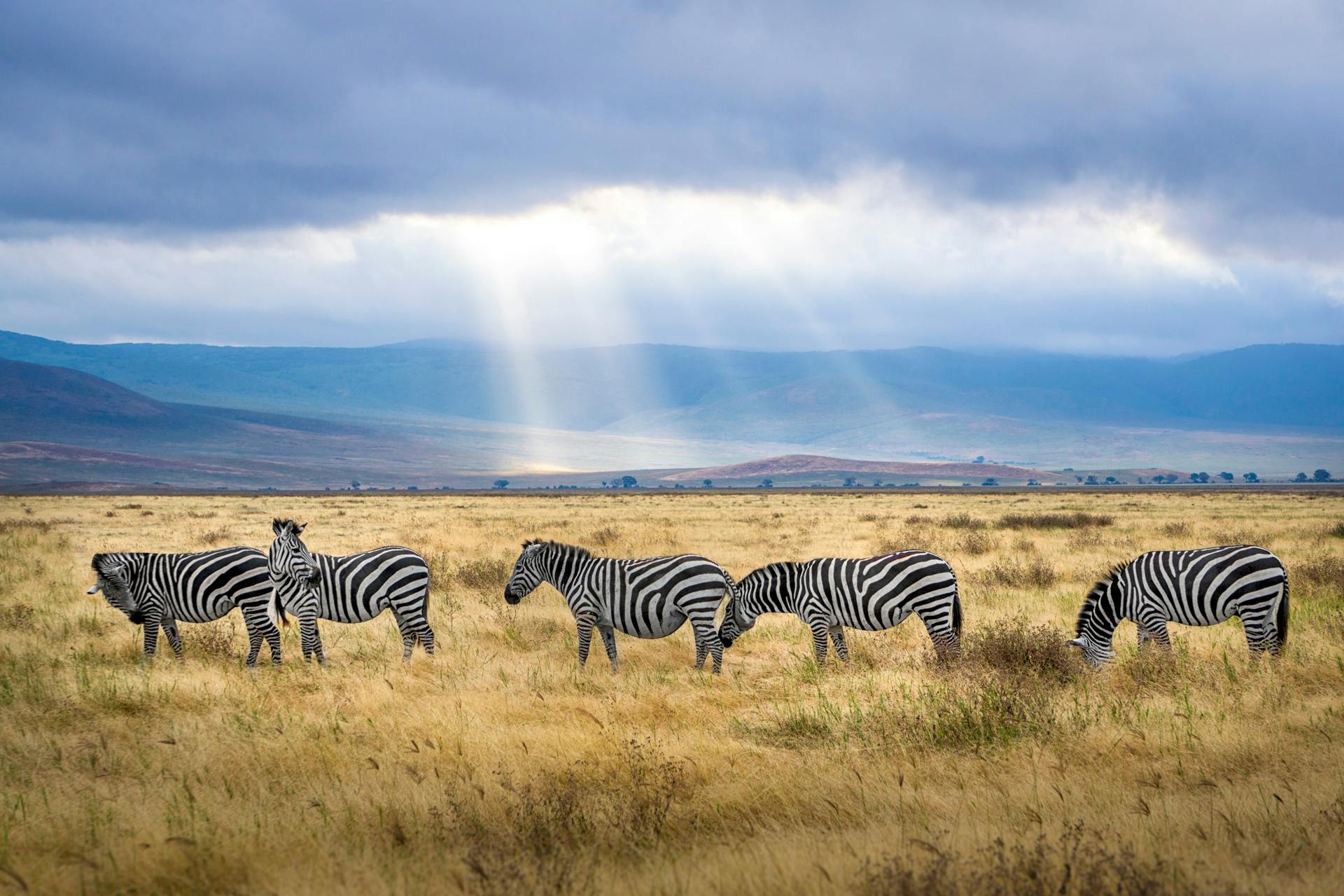
The Serengeti is Africa at its most elemental—vast, rhythmic, and governed by ancient natural cycles. Famous for its role in the Great Migration, this immense ecosystem offers more than dramatic river crossings. It is a place of scale and continuity, where predator and prey interactions unfold daily, landscapes stretch beyond the horizon, and wildlife lives largely undisturbed. A journey to the Serengeti is about immersion in a living system that has remained intact for millennia.

#1. The Full Arc of the Great Migration
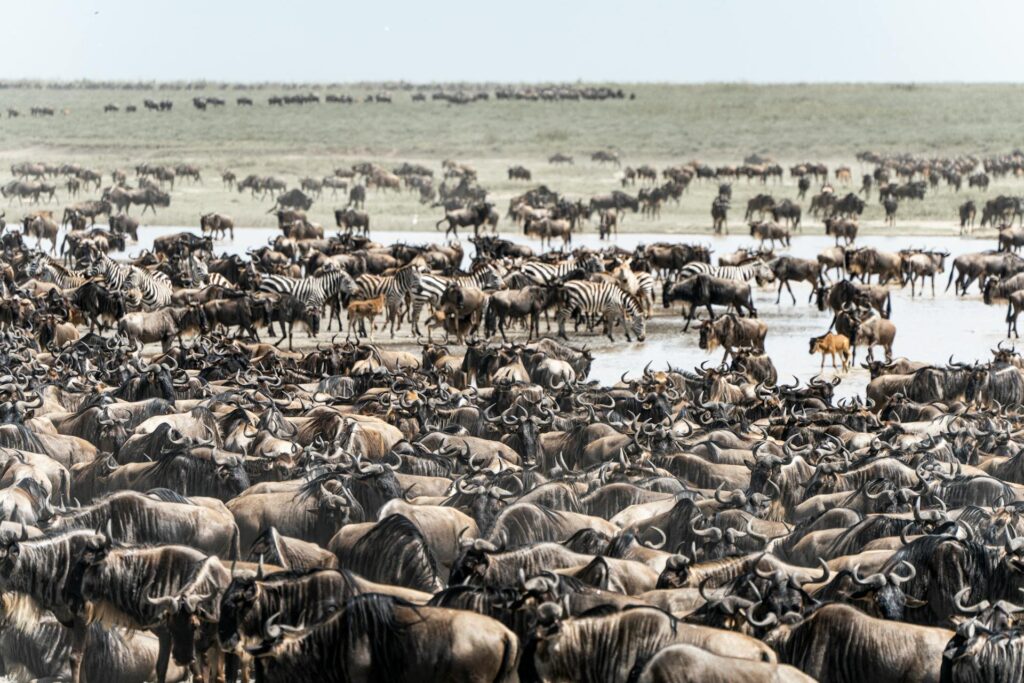
The Serengeti hosts the largest portion of the Great Migration, not just as a passage but as a year-round cycle. Calving season in the southern plains, long overland treks across central grasslands, and eventual movement toward the Mara create shifting wildlife concentrations throughout the year. This continuity allows travelers to witness different chapters of the migration story depending on season, not just a single dramatic moment.

#2. Immense, Untouched Wilderness
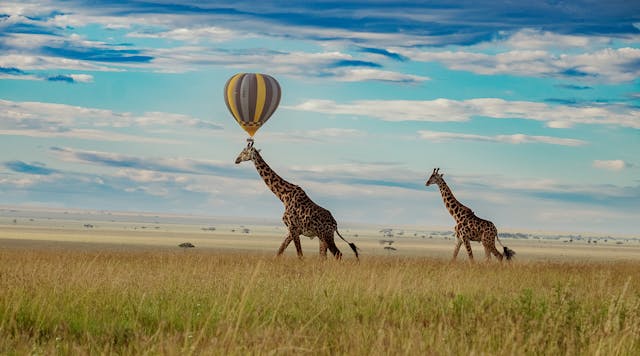
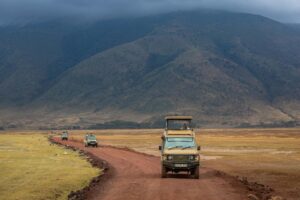
Covering nearly 15,000 square kilometers, the Serengeti offers a rare sense of true wilderness. Infrastructure is sparse, distances are long, and many areas feel profoundly remote. This scale reduces human pressure on wildlife and creates safari experiences defined by silence, space, and time—qualities increasingly rare in the modern world.

#3. Extraordinary Predator–Prey Dynamics
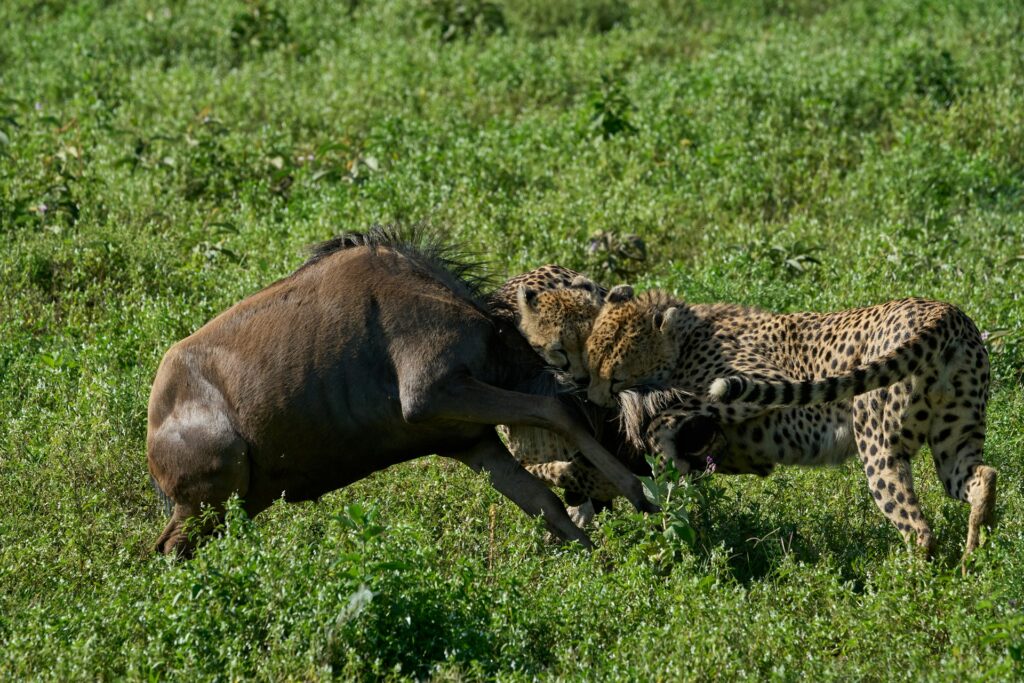
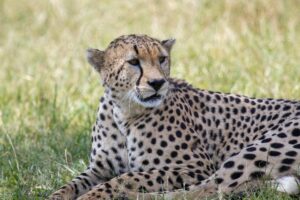
Cheetahs on the hunt

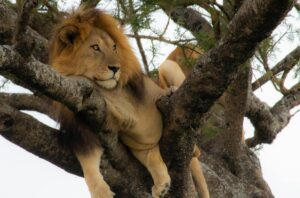
The Serengeti supports one of the highest densities of predators in Africa, including lions, cheetahs, leopards, and hyenas. The abundance of prey sustains complex hunting strategies and social behaviors that can be observed in detail. Long sightings are common, allowing guests to move beyond “tick-list” encounters and into deeper observation of animal behavior.

#4. Seasonal Variety and Changing Landscapes
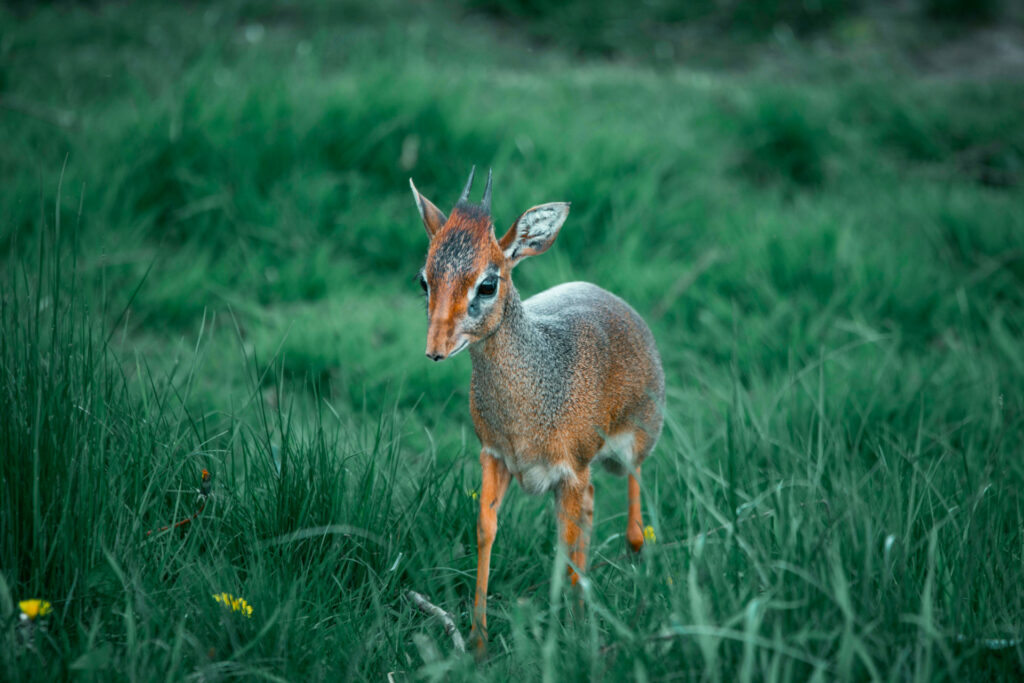
The rainy season brings new life - Dik-dik Southern Serengeti

From short-grass plains in the south to wooded savannah and river systems in the central and western regions, the Serengeti’s landscapes are remarkably diverse. Seasonal rains transform the terrain, altering movement patterns and visual character. Each visit feels distinct, shaped by light, weather, and wildlife distribution rather than fixed highlights.

#5. Fewer Crowds, More Space
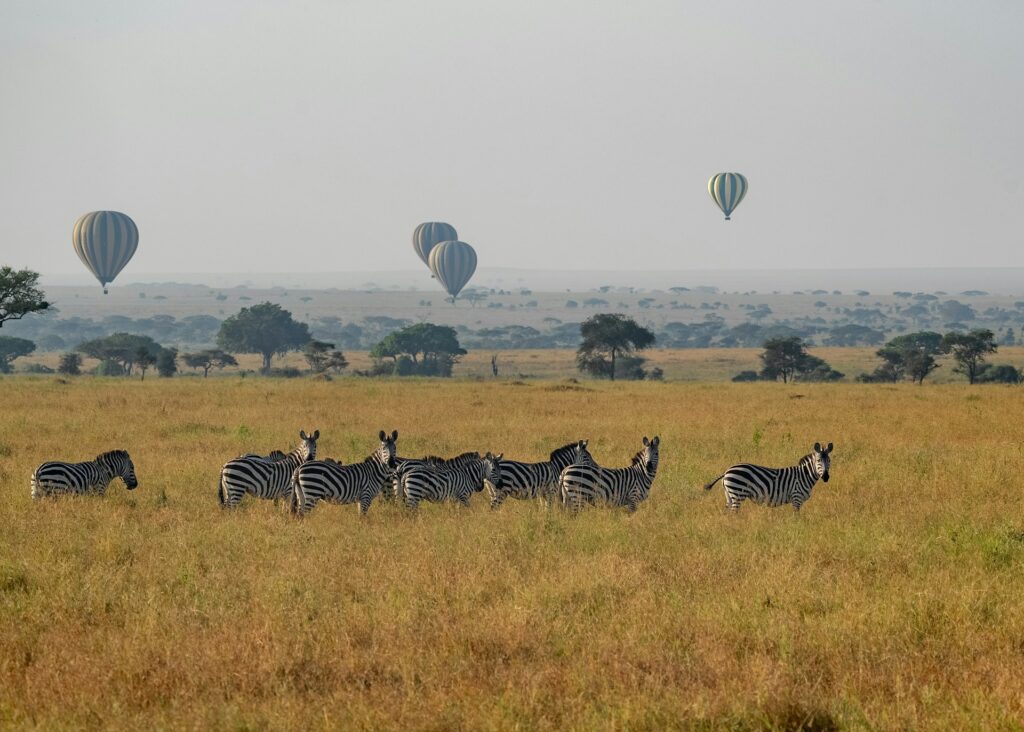
Compared to more compact reserves, the Serengeti absorbs visitors without feeling busy. Even during peak seasons, it is possible to spend hours without encountering another vehicle, especially in less-central regions. This sense of solitude enhances wildlife encounters and preserves the feeling of exploration that defines classic safari travel.

6. A Timeless Safari Experience
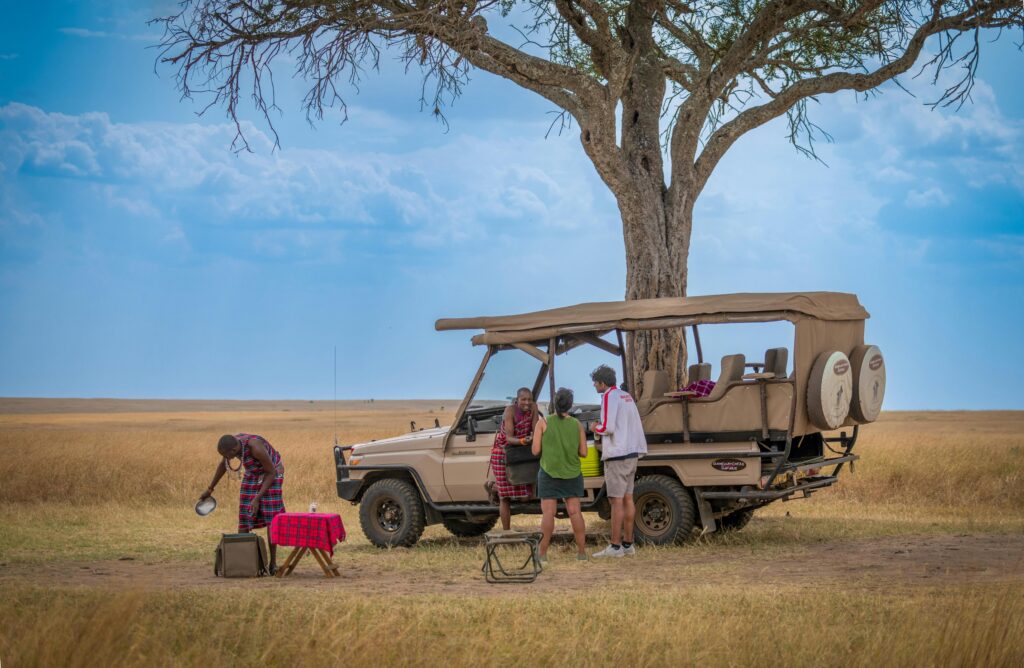
The Serengeti represents the archetype of the African safari—canvas tents under star-filled skies, distant lion calls at night, and days shaped by natural rhythms rather than schedules. It appeals to travelers seeking depth over novelty, and meaning over spectacle, offering an experience that feels as relevant today as it did generations ago.

Want to Visit the Serengeti?
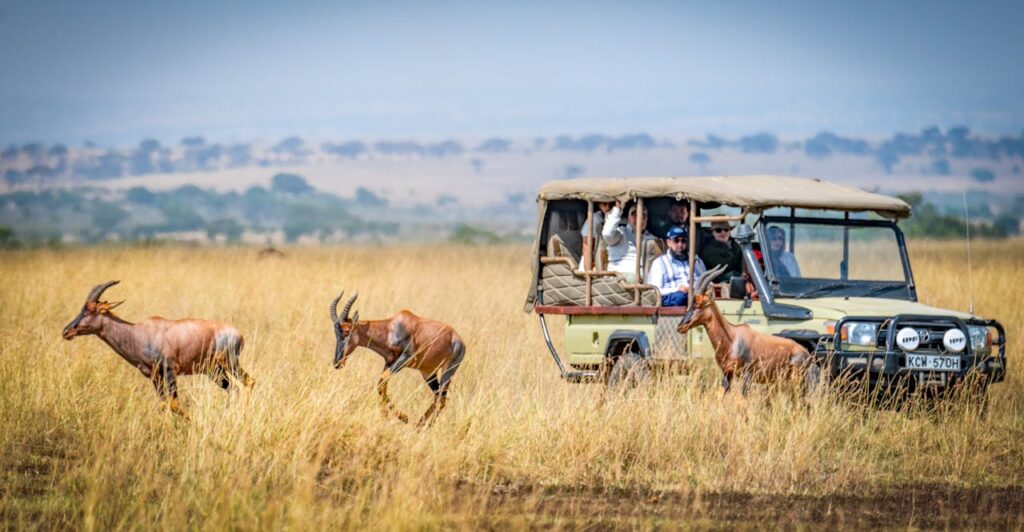
Discover Serengeti safari journeys designed around seasonal movements, remote camps, and immersive time in the wild—each revealing a different face of this vast ecosystem.
Seasonal Rainfall & Migration Overview

The peak migration period typically offers the best balance of low rainfall and maximum wildlife density.

The “Green Season” (November–May) is preferred by birdwatchers and those seeking a quieter safari experience with vibrant photography backdrops.

January

Short dry season; great visibility.

February

Calving season; high predator activity.

March

Long rains begin; lush landscapes.

April

Peak rainfall; heavy afternoon storms.

May

Rains continue; tall grass.

June

Drying out; start of the cool season.

July

Driest Month / Migration Arrival

August

Peak Migration / River Crossings.

September

Peak Migration / Excellent Viewing

October

Short rains begin; herds move south.

November

Afternoon showers; migratory birds arrive

December

Festive season; short rains tapering.

Stages of the Annual Mara-Serengeti Wildebeest Migration

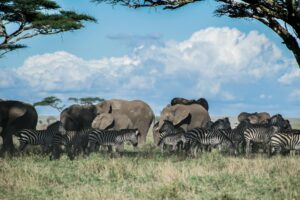
The Great Wildebeest Migration is one of the most extraordinary wildlife events on Earth, involving over a million wildebeest, accompanied by zebras and gazelles, moving in a continuous cycle across the Serengeti–Mara ecosystem. Driven by rainfall and the search for fresh grazing, this journey unfolds in distinct stages throughout the year, each offering very different landscapes, wildlife behavior, and safari experiences. Understanding these stages is essential for planning the right trip at the right time—whether you dream of dramatic river crossings, vast calving grounds, or predator-rich plains teeming with life.
Southern Serengeti Calving Season (January – March)

Calving Happens in thesouthern Serengeti and Ndutu region

The migration cycle begins in the short-grass plains of the southern Serengeti and Ndutu region, where nutrient-rich soils provide ideal conditions for calving. During this period, hundreds of thousands of wildebeest give birth within a few short weeks, creating one of the highest concentrations of newborn wildlife anywhere in Africa. This abundance of vulnerable calves attracts a dramatic surge in predators, making it a prime time for witnessing intense wildlife interactions. For visitors, this stage offers exceptional game viewing, open landscapes, and a sense of raw natural productivity that underpins the entire migration.

Central Serengeti Transition (April – May)

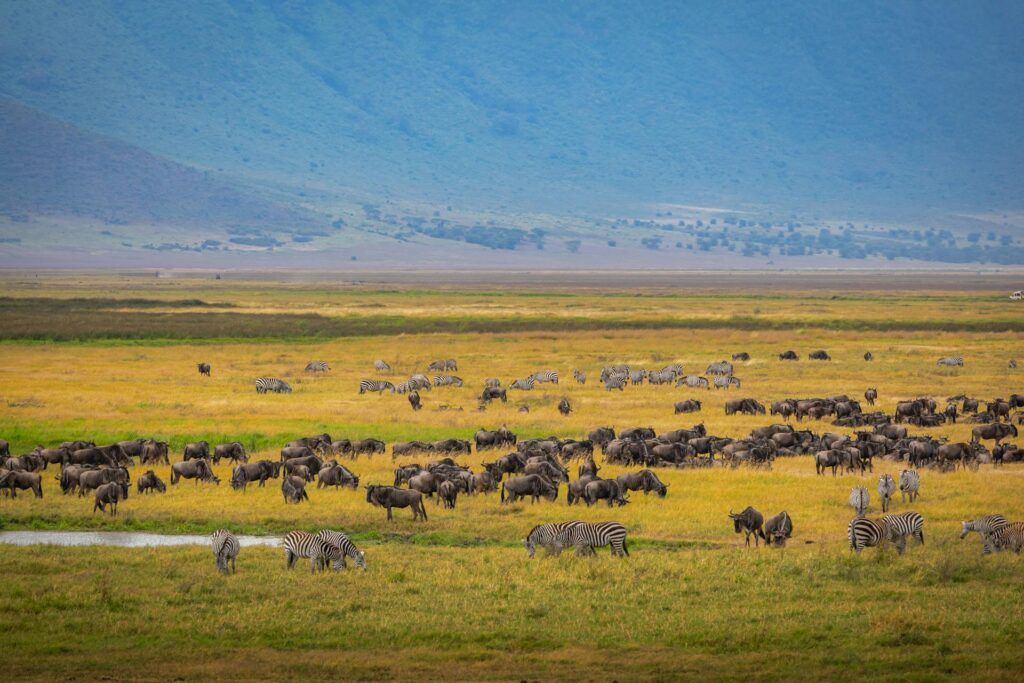
Paced migration in the Central Serengeti - April - May

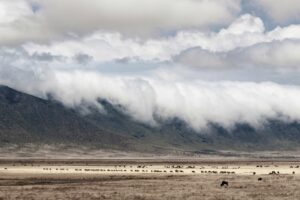
As the southern plains begin to dry, the herds slowly move northwest through the central Serengeti, following fresh grazing created by seasonal rains. This transitional stage is less about spectacle and more about scale, as vast columns of animals stretch across the savannah, accompanied by increasing predator activity. The landscape becomes more varied, with rolling hills, river systems, and woodlands supporting resident wildlife year-round. For travelers, this period delivers fewer crowds, dramatic skies, and a deeper appreciation of the migration as a continuous journey rather than a single event.

Western Corridor and Grumeti Crossings (June – July)

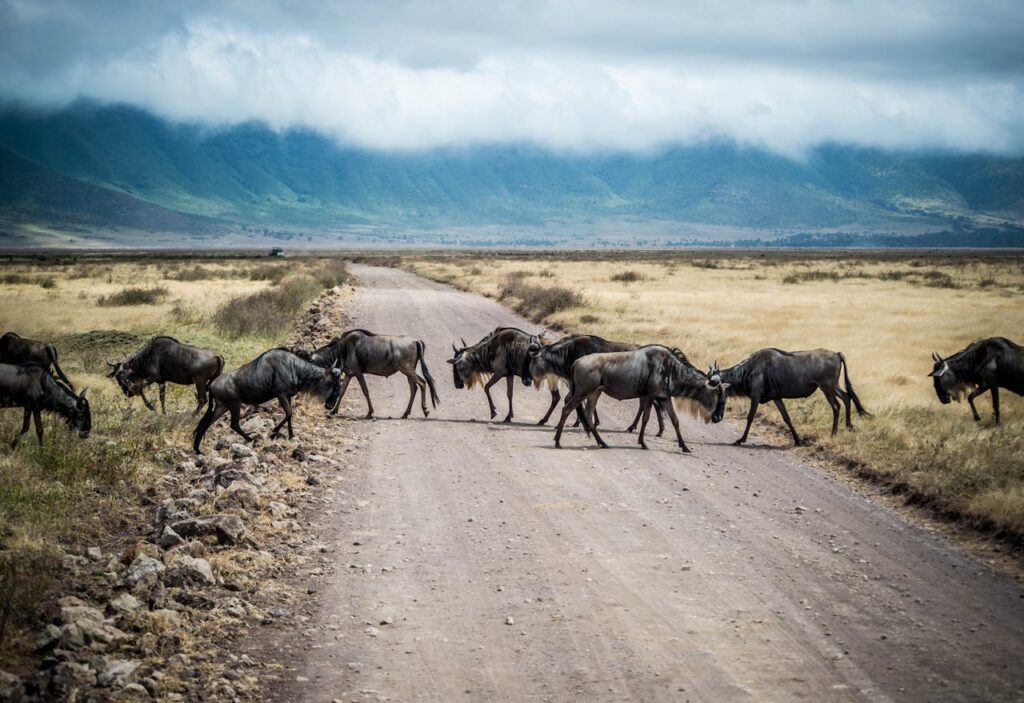
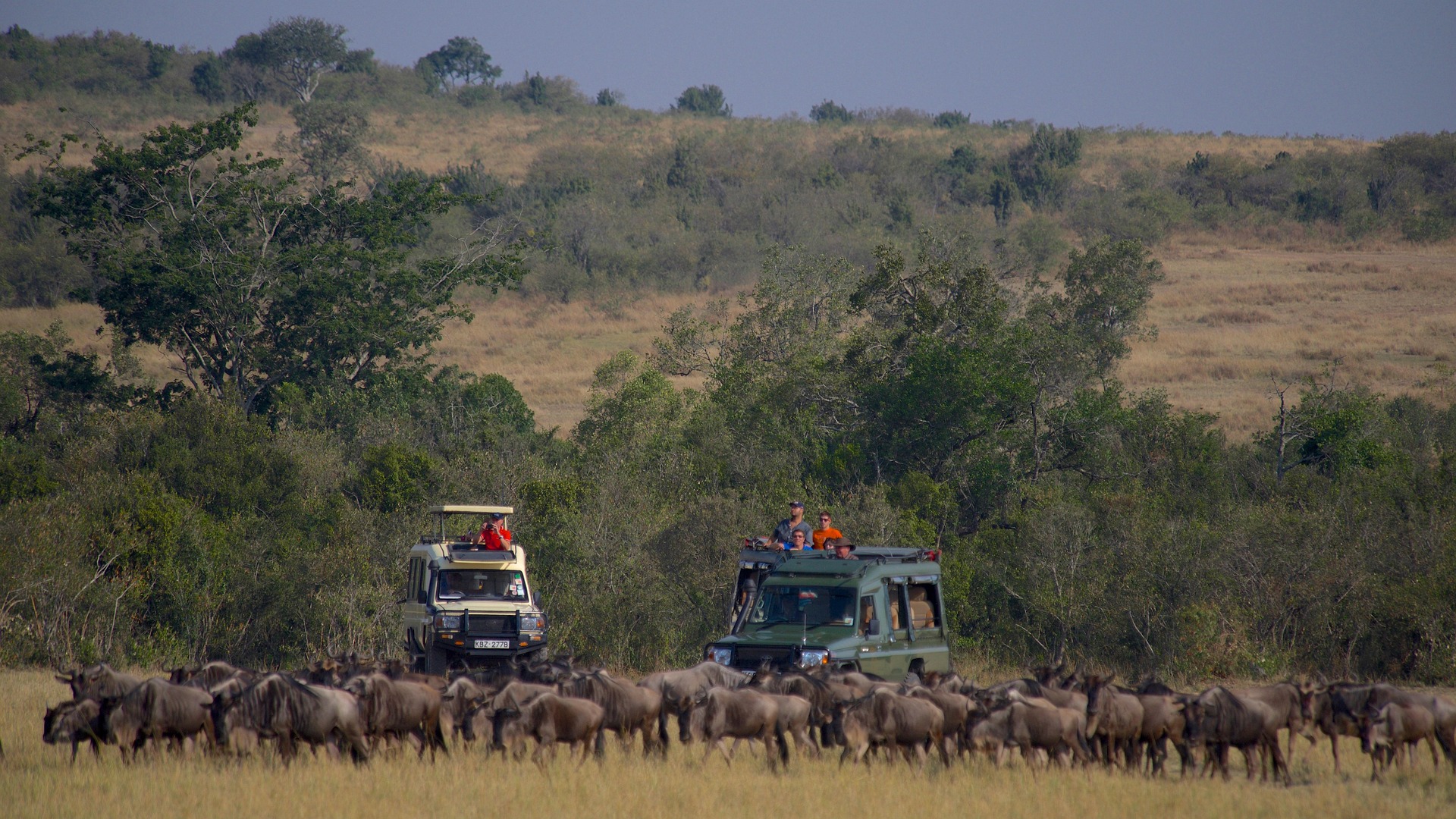
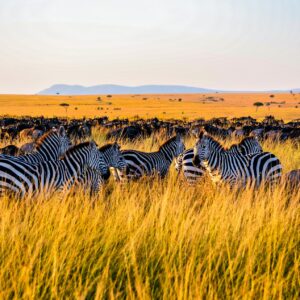
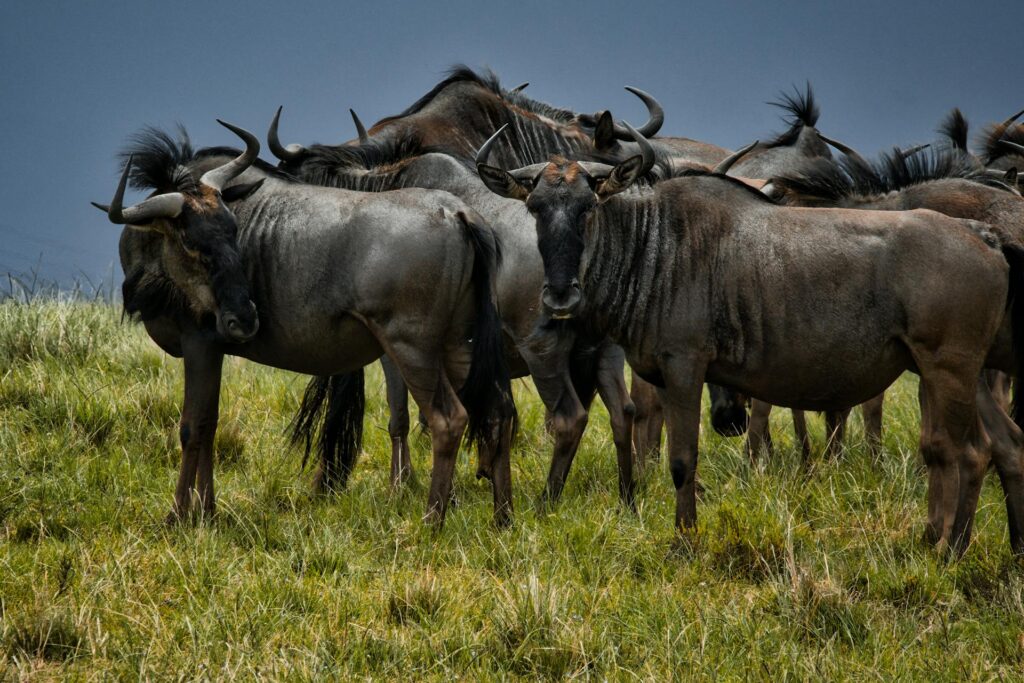
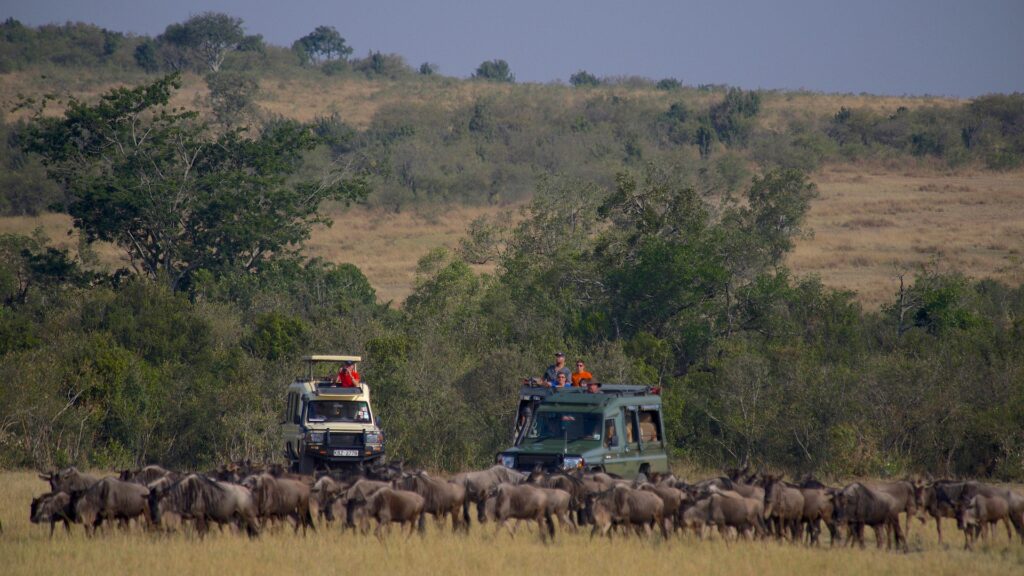
Wildebeest on the move

By early dry season, the herds push toward the Western Corridor of the Serengeti, where they face their first major obstacle—the crocodile-infested Grumeti River. While crossings here are less predictable and often less dramatic than those farther north, they mark a critical turning point in the migration. The region’s riverine forests and permanent water sources concentrate wildlife, offering excellent predator sightings and classic safari scenery. This stage rewards patient observers with powerful moments of tension, endurance, and survival as the herds prepare for even greater challenges ahead.

Northern Serengeti & Mara River Crossings (August – October)

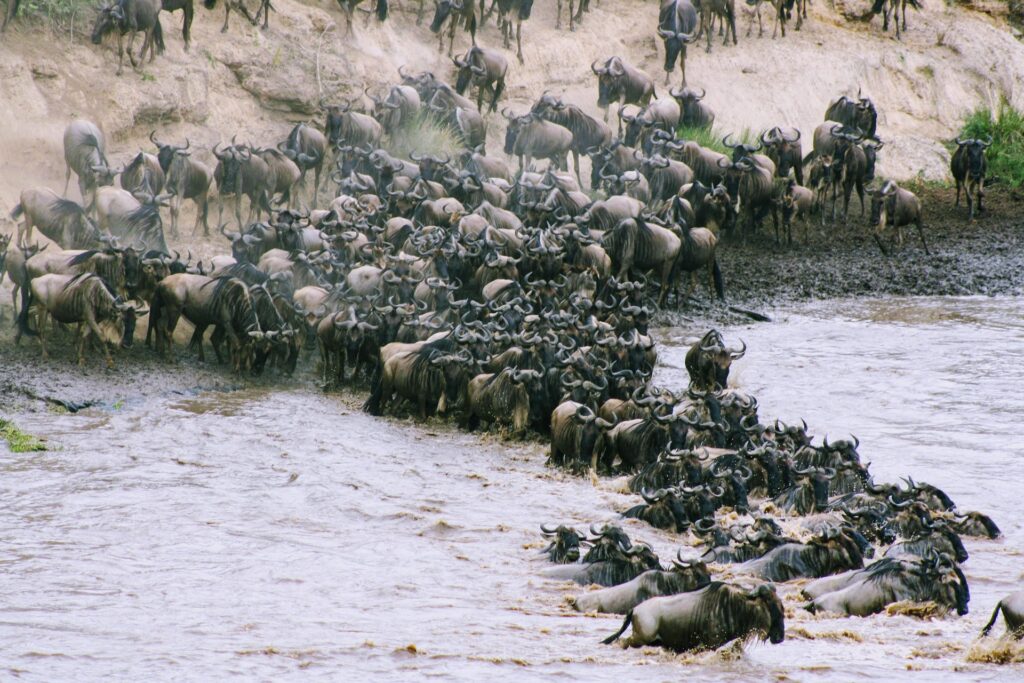
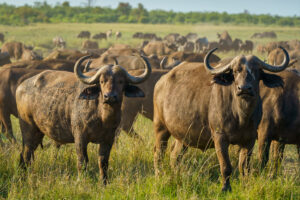
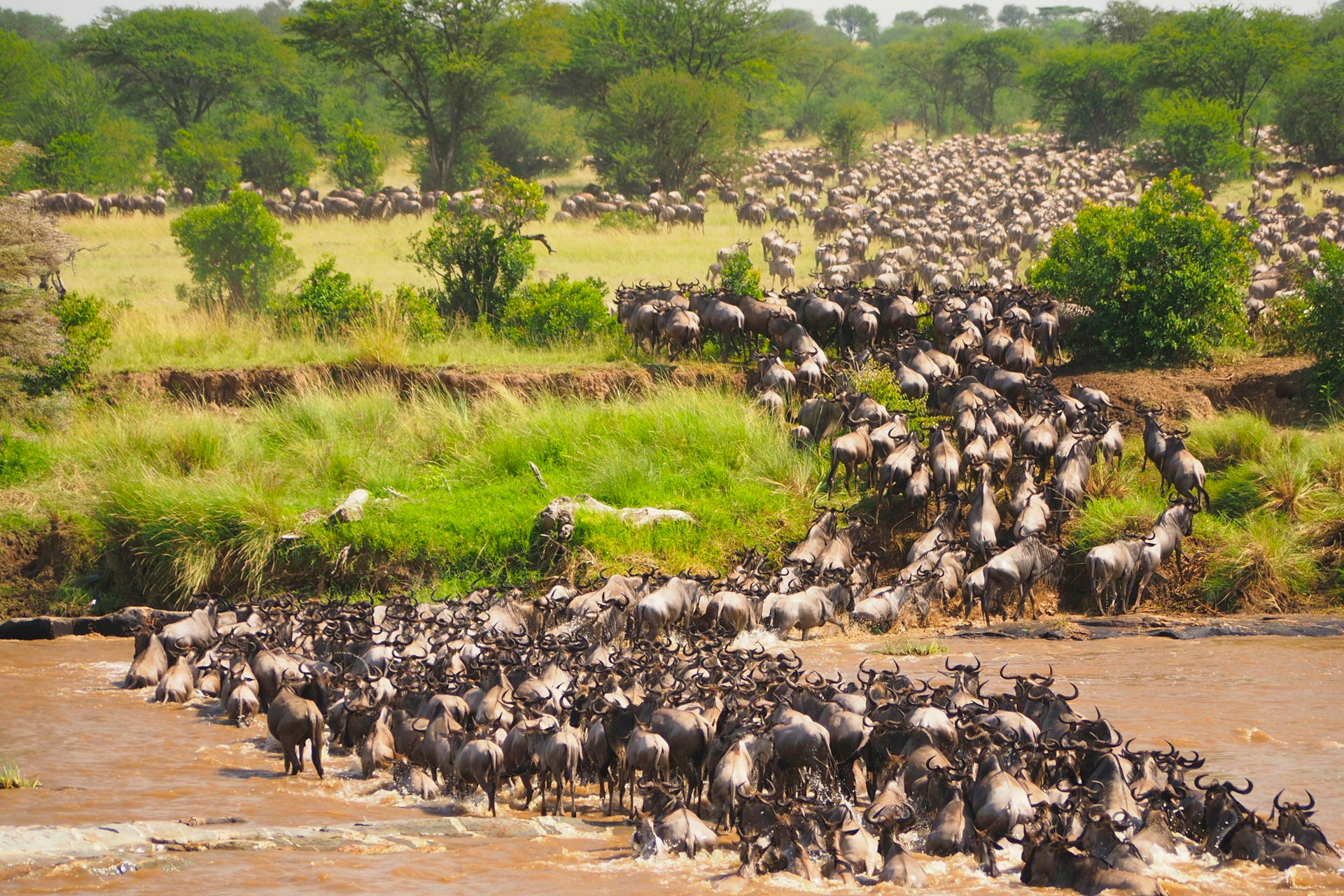
Wildebeest build up at the Mara River

The most iconic stage of the Great Migration unfolds along the northern Serengeti and into Kenya’s Maasai Mara, where the herds must cross the formidable Mara River. These crossings are unpredictable, often chaotic, and emotionally charged, as animals leap into fast-flowing waters filled with strong currents and lurking crocodiles. The reward for their peril is lush grazing on the Mara’s open plains. For visitors, this is the peak spectacle of the migration—raw, dramatic, and unforgettable—representing the relentless drive of life in the wild.

Return South Through the Eastern Serengeti (November – December)

Around November and December the migrating herd returns South using the Eastern route

As short rains return to the southern Serengeti, the herds begin their journey back east and south, closing the annual loop of the migration. This stage is characterized by movement across wide, open landscapes as animals regain strength after months of travel and danger. Predators remain active, and the plains slowly green once again in preparation for the next calving season. For travelers, this period offers a quieter, more reflective safari experience—one that highlights the migration’s cyclical nature and the enduring rhythms of the African wilderness.

Featured Destinations

Selected Complementary Destinations

Masai Mara National Reserve

Top Reasons to Visit
Big 5 Wildlife Year-Round Safari

Amboseli National Park

Top Reasons to Visit
Big 5 Wildlife Year-Round Safari

Ngorongoro Conservation Area

Top Reasons to Visit
Big 5 Wildlife Year-Round Safari

Mount Kilimanjaro National Park

Top Reasons to Visit
Africa's Highest Peak Alpine Climate Bands

Plan Your Journey to Serengeti National Park

Ready to explore? Our travel specialists are here to help craft your dream itinerary.

Chat on WhatsApp
Created by icon tripfrom the Noun Project Created by Amethyst Studiofrom the Noun Project Created by Amethyst Studiofrom the Noun Project Created by Amethyst Studiofrom the Noun Project