Kenya

Kenya

Kenya

Five Reasons to Visit Kenya for Your Next African Safari

Kenya is where the African safari was born—and where it continues to evolve at its finest. From vast savannahs and iconic wildlife spectacles to deep cultural heritage and world-class guiding, Kenya offers a safari experience that is both authentic and exceptionally diverse. Whether you are planning your first safari or returning for a deeper encounter with Africa, Kenya delivers variety, accessibility, and unforgettable moments in a single destination.
1. Home of the Great Wildebeest Migration

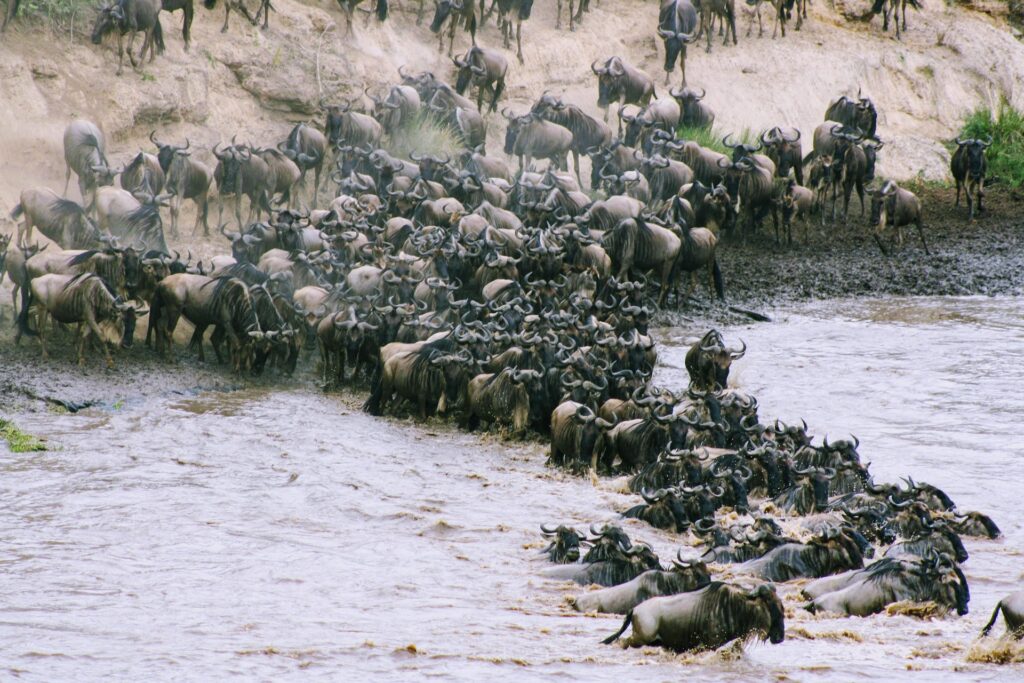
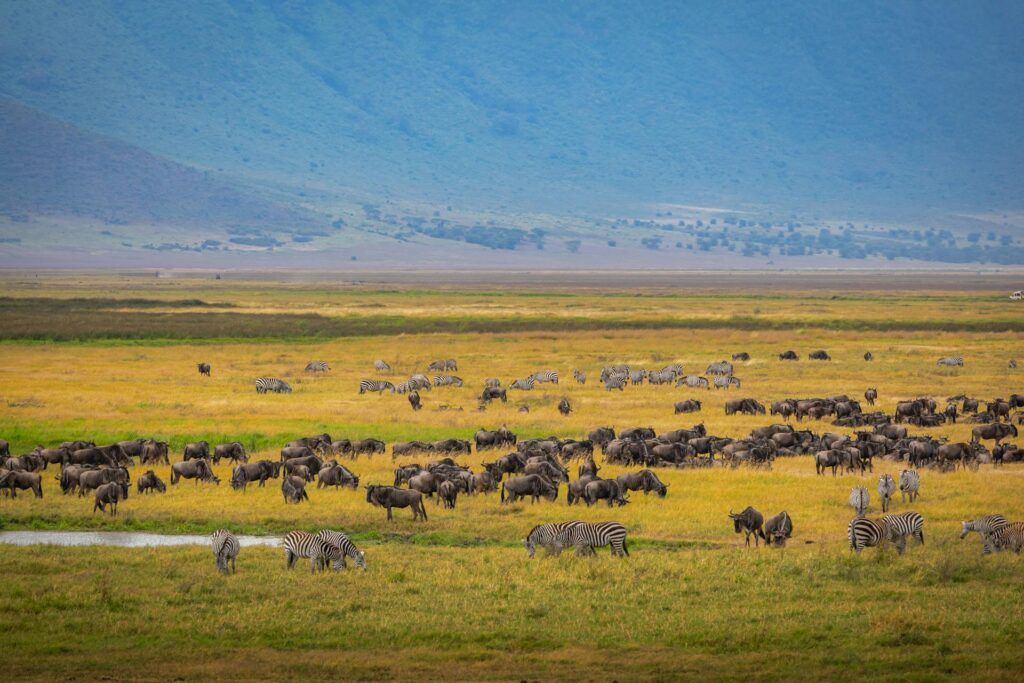
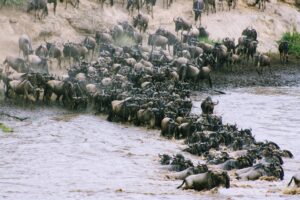
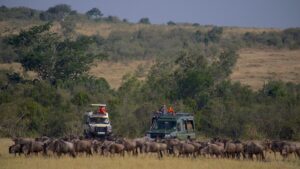
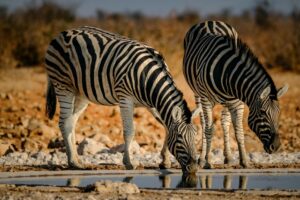
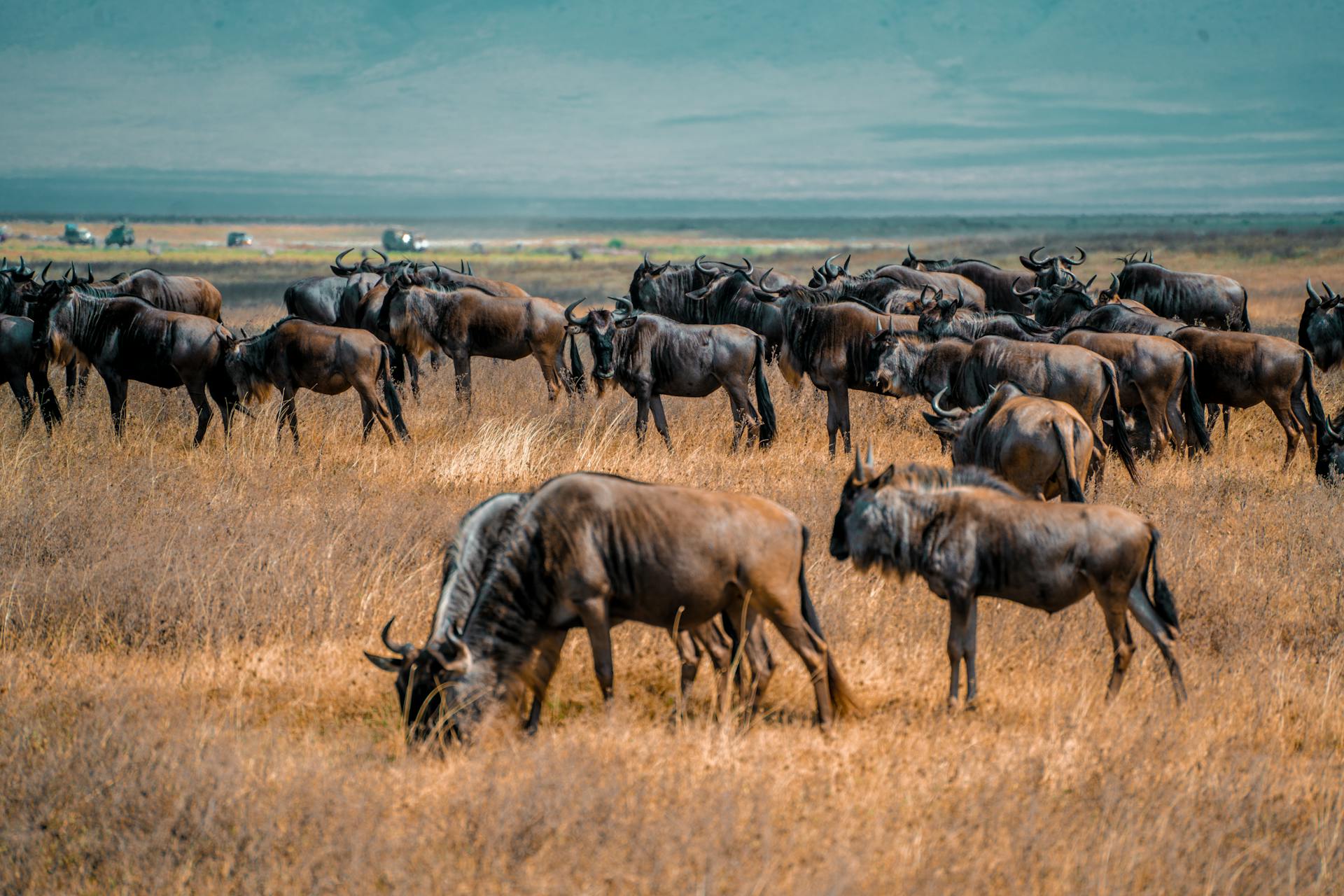
Kenya hosts one of the most dramatic wildlife events on Earth—the Great Wildebeest Migration. Each year, over 1.5 million wildebeest, accompanied by zebras and gazelles, cross from Tanzania’s Serengeti into Kenya’s Maasai Mara in search of fresh grazing.

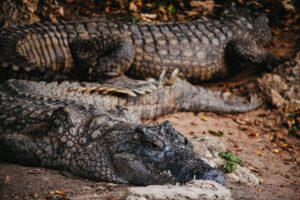
What makes Kenya special is the river crossings. Watching herds plunge into the Mara River as crocodiles lie in wait is a raw, emotional spectacle found nowhere else. Kenya’s open landscapes and excellent road networks also allow longer, uninterrupted wildlife viewing compared to many other safari destinations.

2. Big Five Encounters and Exceptional Wildlife Densities

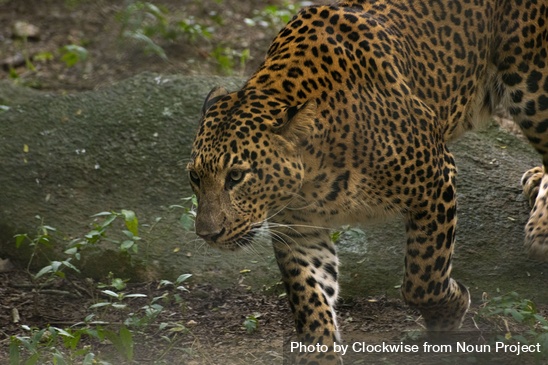
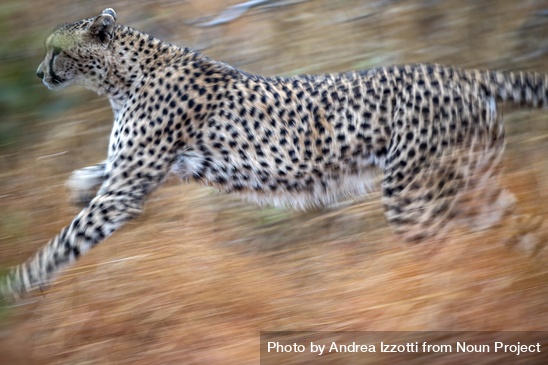
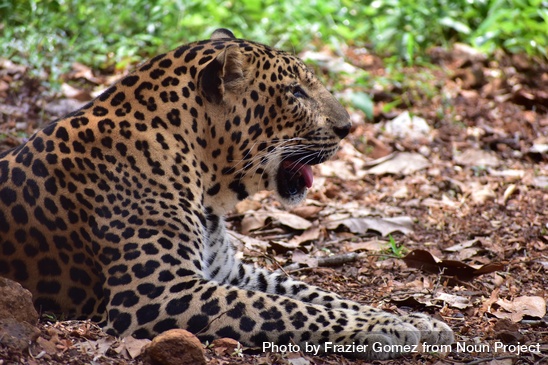
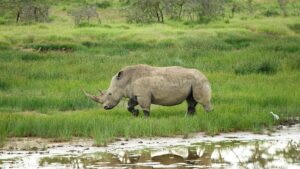
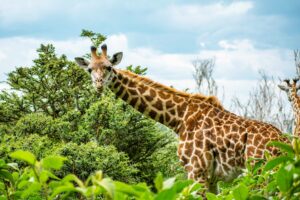
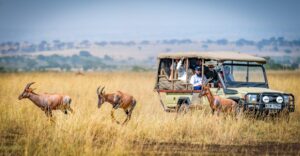
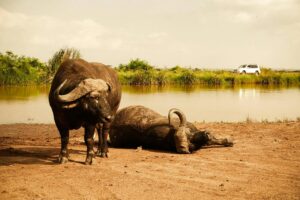
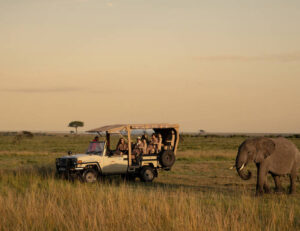
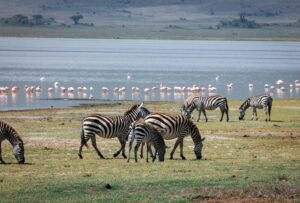
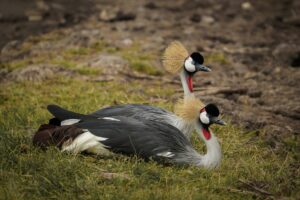
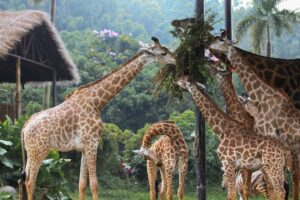
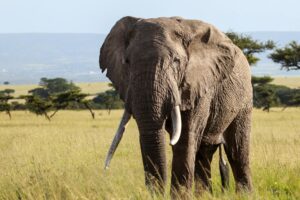
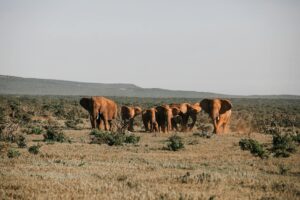
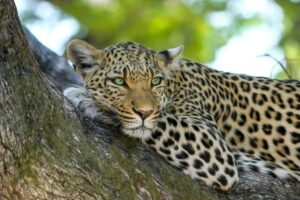
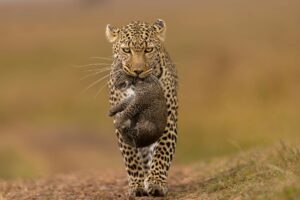
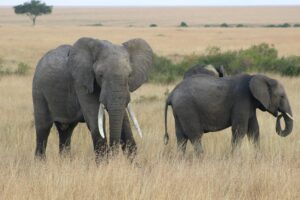
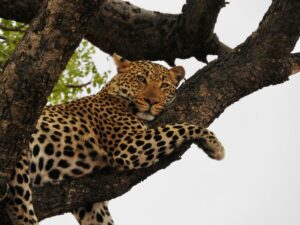
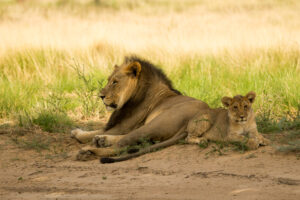
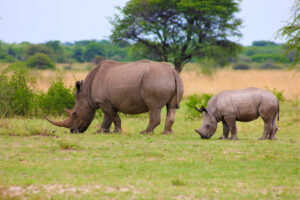
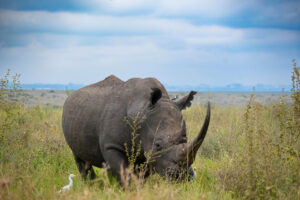
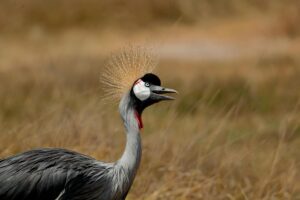
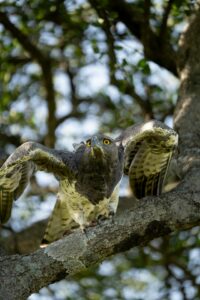
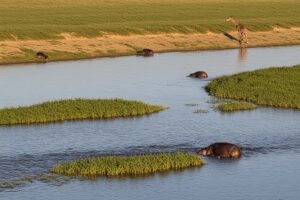
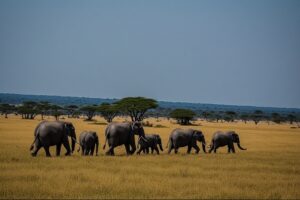
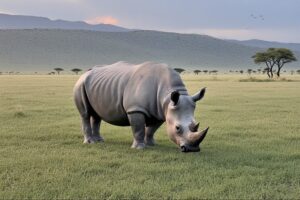
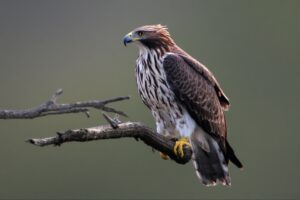
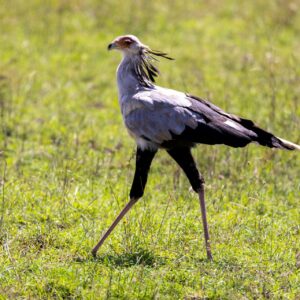
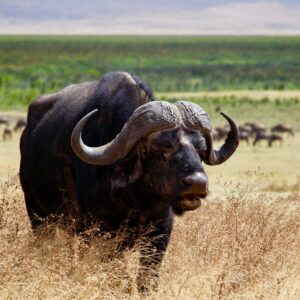
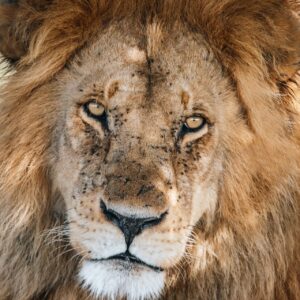
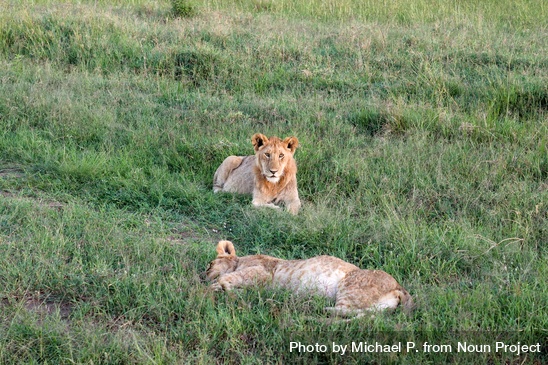
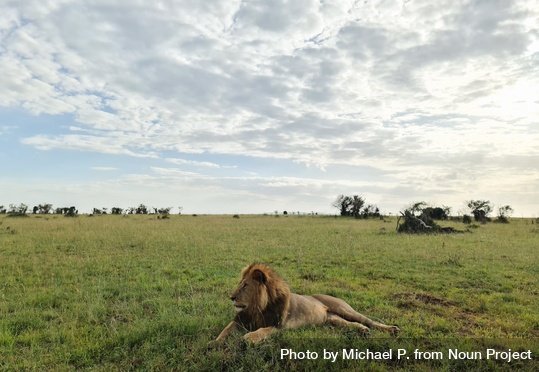
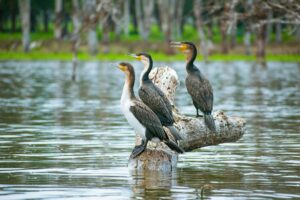
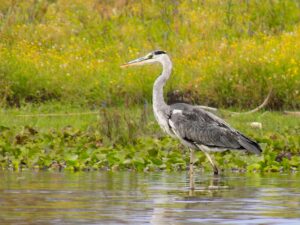
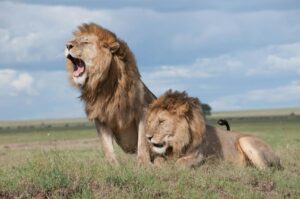
Kenya offers some of the highest wildlife densities in Africa, making sightings frequent and rewarding. The country is home to the Big Five—lion, leopard, elephant, buffalo, and rhino—along with cheetahs, giraffes, hippos, and hundreds of bird species.

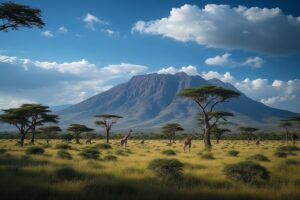
Parks such as Amboseli, Tsavo East and Tsavo West, Samburu, Lake Nakuru, and Maasai Mara each provide distinct ecosystems, ensuring every safari day feels different. Kenya’s mix of savannah, wetlands, forests, and semi-arid landscapes supports incredible biodiversity within relatively short travel distances.

3. World-Class Safari Guides & Conservation Leadership

Kenya is internationally recognized for producing some of Africa’s best safari guides. Many guides undergo rigorous training, speak multiple languages, and possess deep ecological knowledge passed down through generations.

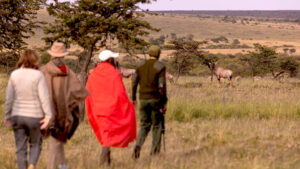
Beyond guiding, Kenya is a global leader in community-based conservation. Wildlife conservancies surrounding national parks allow ethical tourism to directly benefit local communities while protecting wildlife habitats. Visitors gain access to exclusive wildlife areas while supporting sustainable conservation models.

4. Unique Cultural Experiences with the Maasai & Local Communities

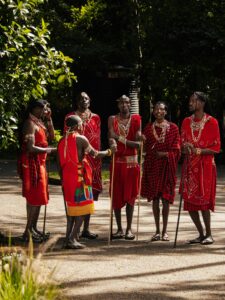
A Kenyan safari is not just about wildlife—it’s also about people. Kenya offers rich opportunities to engage with local cultures, particularly the Maasai, whose traditions remain deeply connected to the land.

Visitors can experience:

  • Guided village visits
  • Cultural storytelling and dances
  • Learning about pastoral lifestyles and conservation coexistence

These encounters add depth and meaning to your safari, transforming it from a sightseeing trip into a human and cultural journey.

5. Seamless Safari & Beach Combinations

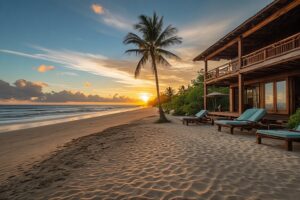
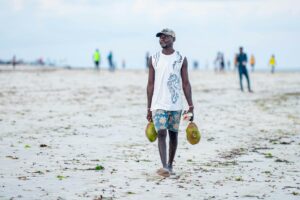
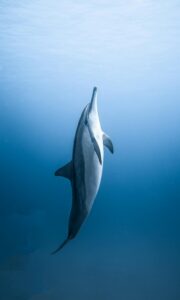
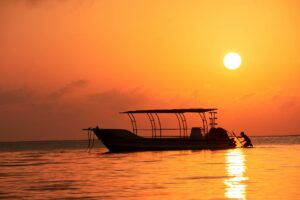
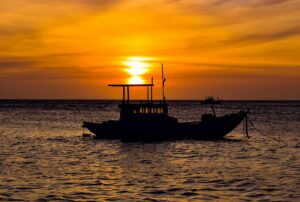
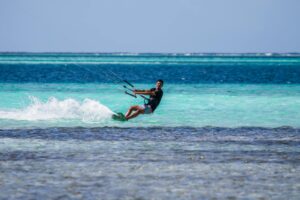
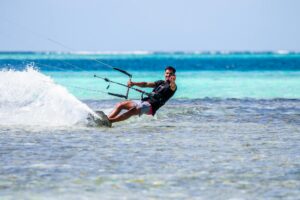
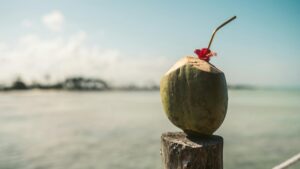
Few countries in Africa offer such effortless transitions from wildlife to the sea. After your safari, Kenya allows you to unwind along the Indian Ocean coastline, particularly in Diani Beach, Watamu, and Malindi.

Within a single itinerary, you can:

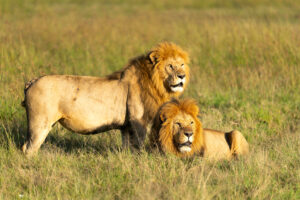
  • Track lions in the Maasai Mara
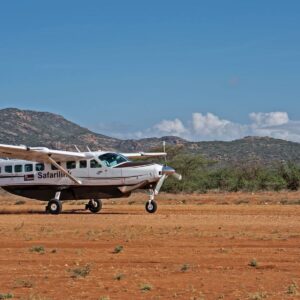
  • Fly directly to white-sand beaches
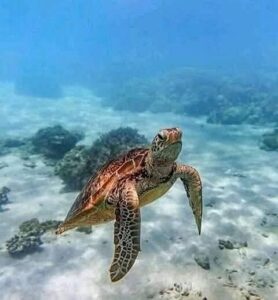
  • Snorkel coral reefs or relax at luxury coastal resorts

This seamless safari-and-beach combination makes Kenya ideal for honeymoons, family holidays, and luxury escapes.

Kenya is where the African safari was born—and where it continues to evolve at its finest. From vast savannahs and iconic wildlife spectacles to deep cultural heritage and world-class guiding, Kenya offers a safari experience that is both authentic and exceptionally diverse. Whether you are planning your first safari or returning for a deeper encounter with Africa, Kenya delivers variety, accessibility, and unforgettable moments in a single destination.
Kenya Month-by-Month: Wildlife, Weather & When to Go

Kenya follows a distinct summer rainfall pattern that transforms the landscape from dust to emerald and back again. The dry seasons (June to October and January to February) offer classic safari conditions: sparse vegetation, animals concentrated at water sources, and excellent predator sightings. The wet seasons (March to May and November to December) deliver lush landscapes, newborn wildlife, migratory birds, and dramatic thunderstorms.

Kenya’s diversity extends beyond the savannah—coastal beaches, mountain peaks, and lake ecosystems each have their own rhythms. Use this calendar to match your travel dates with the experiences that matter most—whether that’s the Great Migration in the Masai Mara, calving season in Amboseli, or beach weather on the coast.

All temperatures are daytime highs and nighttime lows. Rainfall is average monthly precipitation in millimeters. Regional variations apply—this calendar represents a national overview with highlights for key destinations.

Month
Rain
Min
Max
Season

Stages of the Annual Mara-Serengeti Wildebeest Migration

The Great Wildebeest Migration is one of the most extraordinary wildlife events on Earth, involving over a million wildebeest, accompanied by zebras and gazelles, moving in a continuous cycle across the Serengeti–Mara ecosystem. Driven by rainfall and the search for fresh grazing, this journey unfolds in distinct stages throughout the year, each offering very different landscapes, wildlife behavior, and safari experiences. Understanding these stages is essential for planning the right trip at the right time—whether you dream of dramatic river crossings, vast calving grounds, or predator-rich plains teeming with life.

Southern Serengeti Calving Season (January – March)

Calving Happens in thesouthern Serengeti and Ndutu region

The migration cycle begins in the short-grass plains of the southern Serengeti and Ndutu region, where nutrient-rich soils provide ideal conditions for calving. During this period, hundreds of thousands of wildebeest give birth within a few short weeks, creating one of the highest concentrations of newborn wildlife anywhere in Africa. This abundance of vulnerable calves attracts a dramatic surge in predators, making it a prime time for witnessing intense wildlife interactions. For visitors, this stage offers exceptional game viewing, open landscapes, and a sense of raw natural productivity that underpins the entire migration.
Central Serengeti Transition (April – May)

Paced migration in the Central Serengeti - April - May

As the southern plains begin to dry, the herds slowly move northwest through the central Serengeti, following fresh grazing created by seasonal rains. This transitional stage is less about spectacle and more about scale, as vast columns of animals stretch across the savannah, accompanied by increasing predator activity. The landscape becomes more varied, with rolling hills, river systems, and woodlands supporting resident wildlife year-round. For travelers, this period delivers fewer crowds, dramatic skies, and a deeper appreciation of the migration as a continuous journey rather than a single event.

Western Corridor and Grumeti Crossings (June – July)

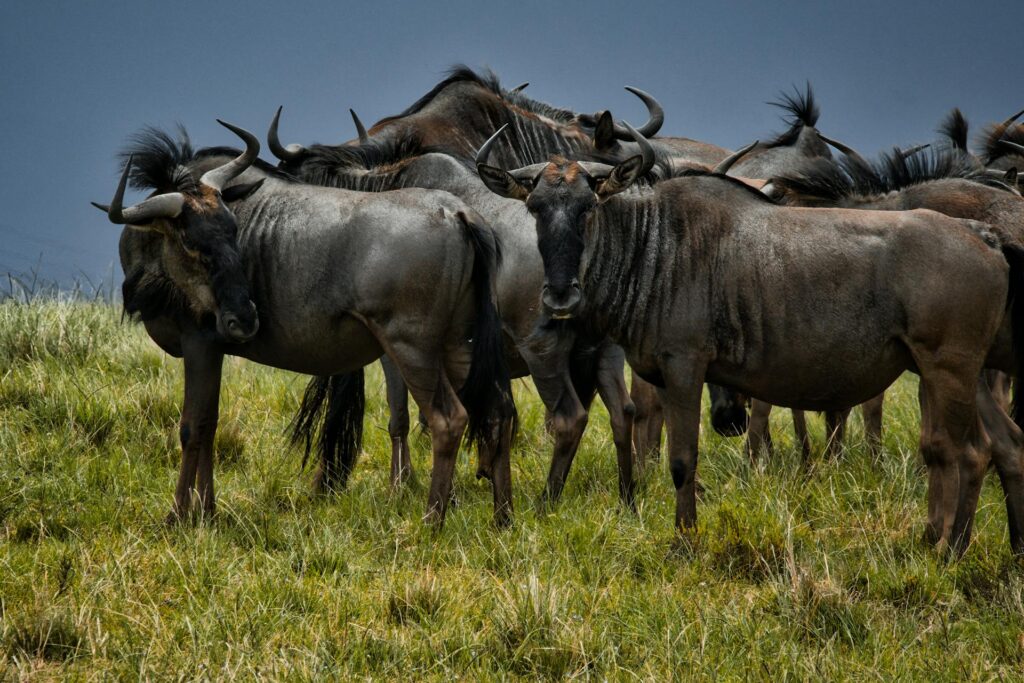
Wildebeest on the move

By early dry season, the herds push toward the Western Corridor of the Serengeti, where they face their first major obstacle—the crocodile-infested Grumeti River. While crossings here are less predictable and often less dramatic than those farther north, they mark a critical turning point in the migration. The region’s riverine forests and permanent water sources concentrate wildlife, offering excellent predator sightings and classic safari scenery. This stage rewards patient observers with powerful moments of tension, endurance, and survival as the herds prepare for even greater challenges ahead.
Northern Serengeti & Mara River Crossings (August – October)

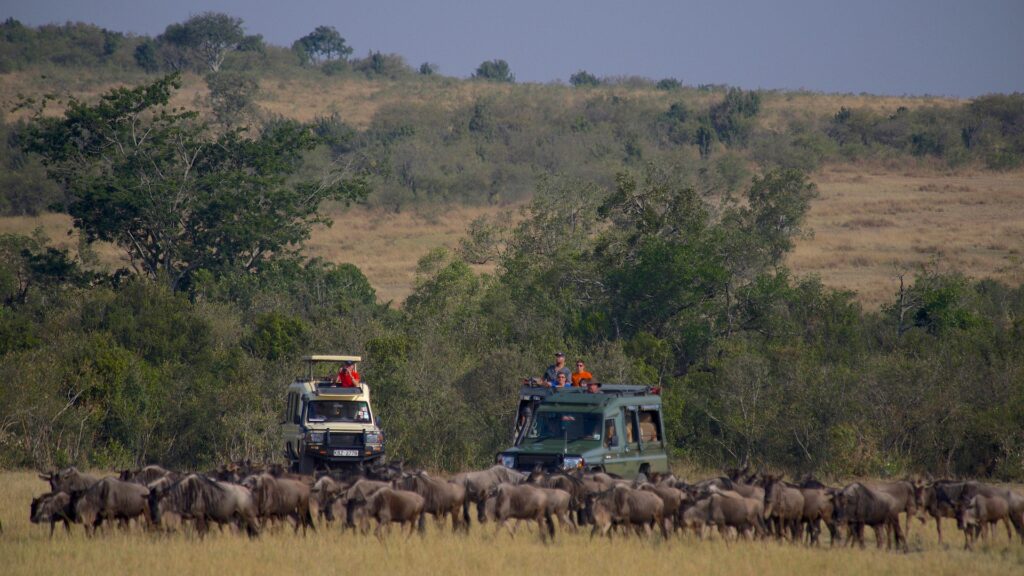
Wildebeest build up at the Mara River

The most iconic stage of the Great Migration unfolds along the northern Serengeti and into Kenya’s Maasai Mara, where the herds must cross the formidable Mara River. These crossings are unpredictable, often chaotic, and emotionally charged, as animals leap into fast-flowing waters filled with strong currents and lurking crocodiles. The reward for their peril is lush grazing on the Mara’s open plains. For visitors, this is the peak spectacle of the migration—raw, dramatic, and unforgettable—representing the relentless drive of life in the wild.

Return South Through the Eastern Serengeti (November – December)

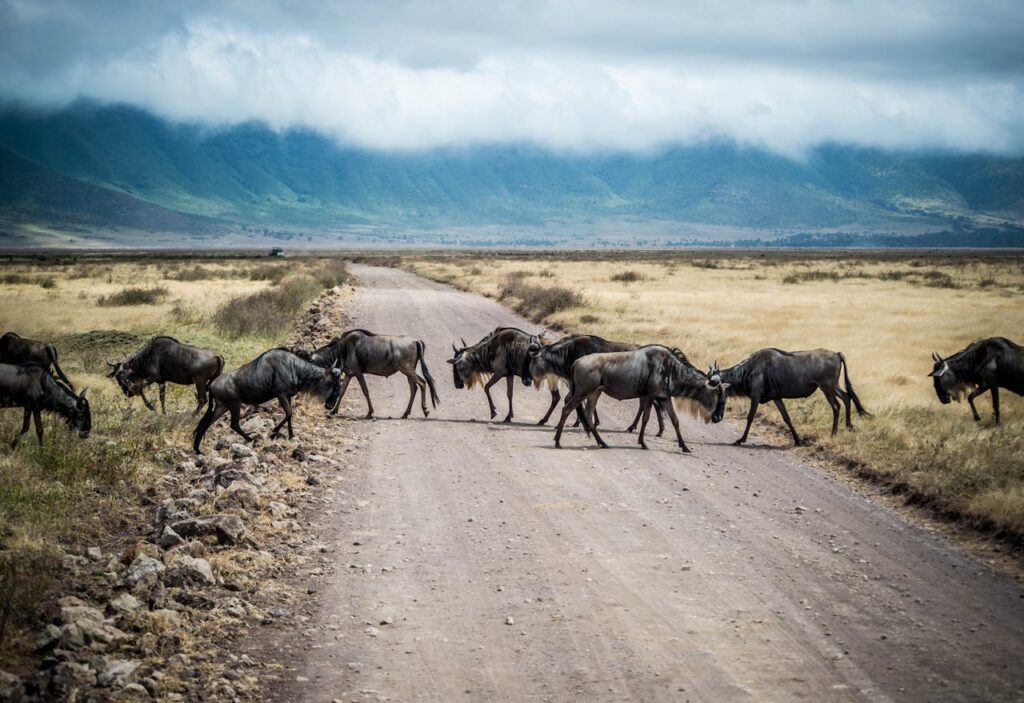
Around November and December the migrating herd returns South using the Eastern route

As short rains return to the southern Serengeti, the herds begin their journey back east and south, closing the annual loop of the migration. This stage is characterized by movement across wide, open landscapes as animals regain strength after months of travel and danger. Predators remain active, and the plains slowly green once again in preparation for the next calving season. For travelers, this period offers a quieter, more reflective safari experience—one that highlights the migration’s cyclical nature and the enduring rhythms of the African wilderness.
Kenya Tours & Safaris

1 Days

1-Day Nairobi City Highlights Tour

From US$ 120 PPS
Highlights

Wildlife, Culture, and History in a Day

Destinations Visited
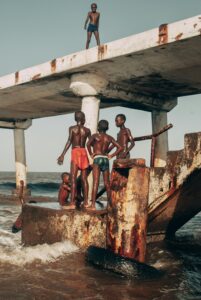
-man-diving-into-the-water-from-a-boat-Mombasa-City
4 Days

4 Days Lamu Island & Swahili Coast Escape

From US$ 1,350 PPS
Highlights

Where Time Stands Still on the Kenyan Coast

Destinations Visited

5-Day Samburu & Masai Mara Wildlife Expedition

Highlights

Encounter the Rare Northern Species of Kenya

Destinations Visited
4 Days

4-Day Lake Nakuru & Lake Naivasha Escape

From US$ 750 PPS
Highlights

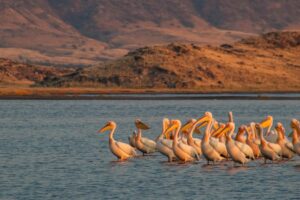
Flamingos, Hippos, and Rift Valley Magic

Destinations Visited
6 Days

6-Day Mount Kenya & Aberdare Adventure

From US$ 1,555 PPS
Highlights

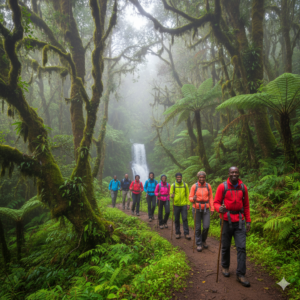
Forests, Waterfalls & Mountain Peaks

Destinations Visited
5 Days

5-Day Diani & Wasini Island Escape

From US$ 1,050 PPS
Highlights

Relax by the Coast & Snorkel in Paradise

Destinations Visited
3 Days

Short n Sweet Maasai Mara Classic Safari

From US$ 580 PPS
Highlights

Arguaalbly the Best Safaru Destination in Africa

Destinations Visited
5 Days

5 Days Mount Kenya Trek via Sirimon Route

From US$ 980 PPS
Highlights

Glacial ridges, moorland and summit views

Destinations Visited
5 Days

5 Days Masai Mara & Lake Naivasha Combo

From US$ 1,420 PPS
Highlights

Big game meets tranquil lakeshore escapes

Destinations Visited
4 Days

Classic Masai Mara Safari — 4 Days

From US$ 1,150 PPS
Highlights

Epic Big Five encounters on the Mara plains

Destinations Visited

Tours & Safaris

Top Destinations

Placess to visit in Kenya

Olare Motorogi Conservancy

Top Reasons to Visit
Escorted Bush Walks Big 5 Wildlife

Lake Naivasha

Top Reasons to Visit
Year-Round Safari Family Friendly

Wasini Island

Top Reasons to Visit
Warm Tropical Beach Year-Round Safari

Mombasa City

Top Reasons to Visit
Vibrant African City Warm Tropical Beach Family Friendly

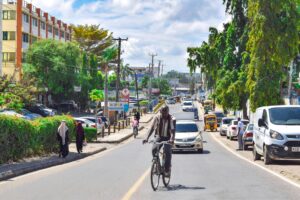
Nairobi City

Top Reasons to Visit
Good Mobile Network Nairobi National Park Technocity Vibrant African City

Watamu

Top Reasons to Visit
Warm Tropical Beach Year-Round Safari Family Friendly
-man-diving-into-the-water-from-a-boat-Mombasa-City

Lamu Archipelago

Top Reasons to Visit
Good Mobile Network Vibrant African City

Diani Beach

Top Reasons to Visit
Warm Tropical Beach Year-Round Safari

Tsavo West National Park

Top Reasons to Visit
Bird Watchers' Paradise Big 5 Wildlife Family Friendly

Samburu National Reserve

Top Reasons to Visit
Bird Watchers' Paradise Big 5 Wildlife Family Friendly

Nairobi National Park

Top Reasons to Visit
Nairobi Animal Orphanage Big 5 Wildlife Year-Round Safari Family Friendly

Lake Nakuru National Park

Top Reasons to Visit
Rhino Sanctuary Big 5 Wildlife Year-Round Safari Family Friendly

Plan Your Journey to Kenya

Ready to explore? Our travel specialists are here to help craft your dream itinerary.

Chat on WhatsApp
Created by icon tripfrom the Noun Project Created by Amethyst Studiofrom the Noun Project Created by Amethyst Studiofrom the Noun Project Created by Amethyst Studiofrom the Noun Project