Seven Reasons why You Should Consider Visiting Tanzania
Tanzania offers one of Africa’s most complete and uncompromised safari experiences. From vast, intact ecosystems to some of the continent’s most defining wildlife events, it is a destination shaped by scale, diversity, and continuity. Tanzania rewards travelers who value immersion over convenience—those willing to slow down, travel deeper, and experience nature on its own terms. It is a country where landscapes, wildlife, and time itself feel expansively aligned.
1. Home to Africa’s Greatest Wildlife Ecosystems
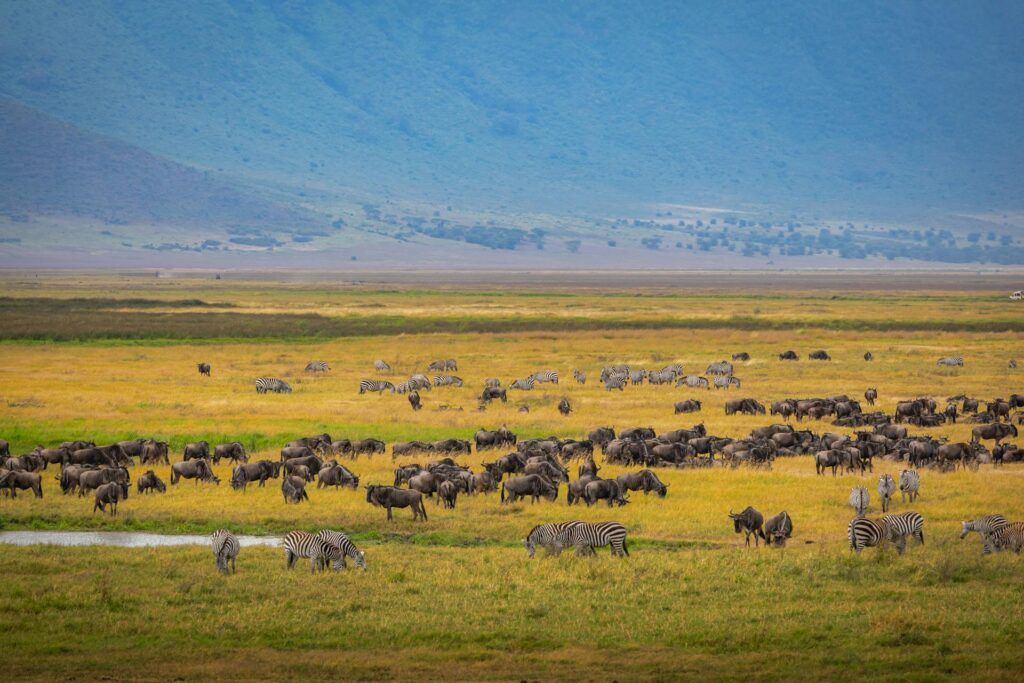
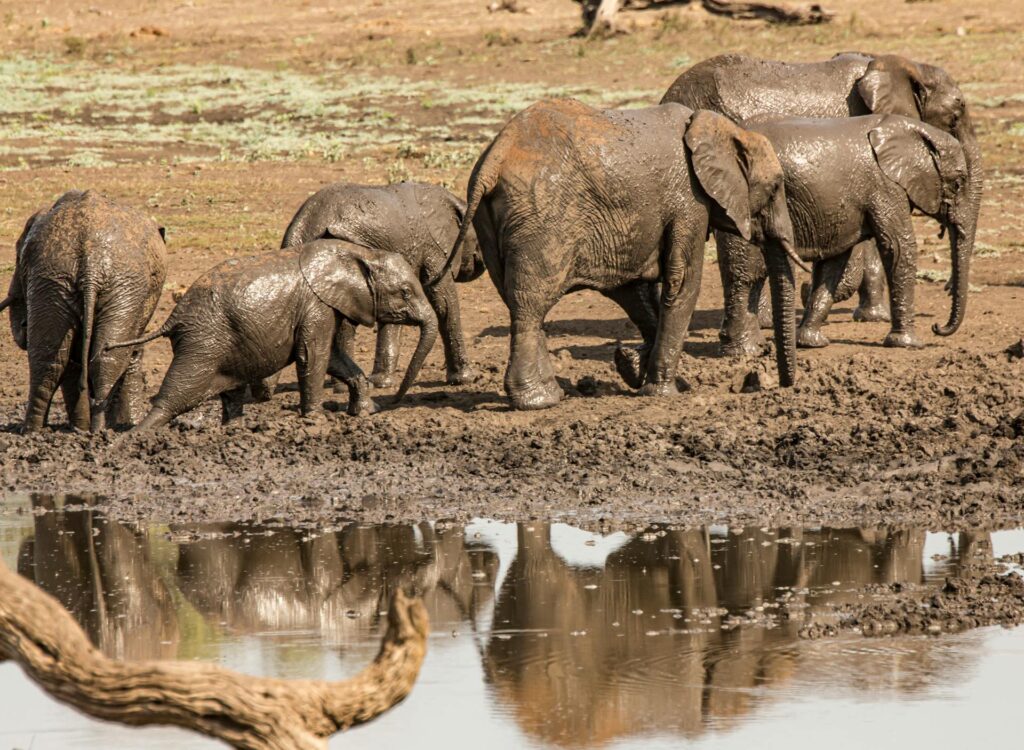
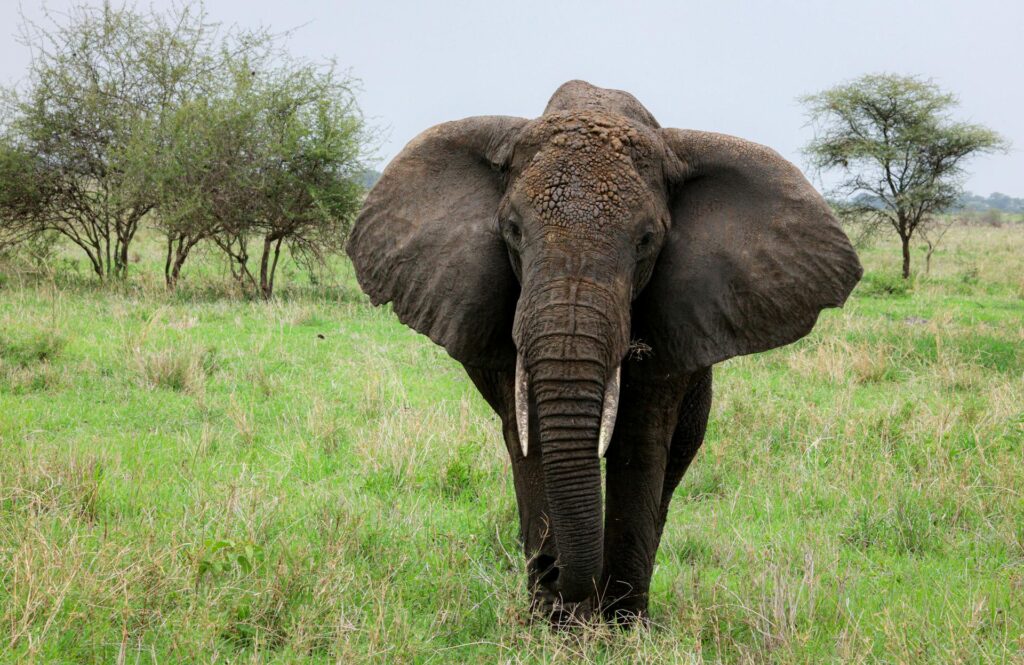
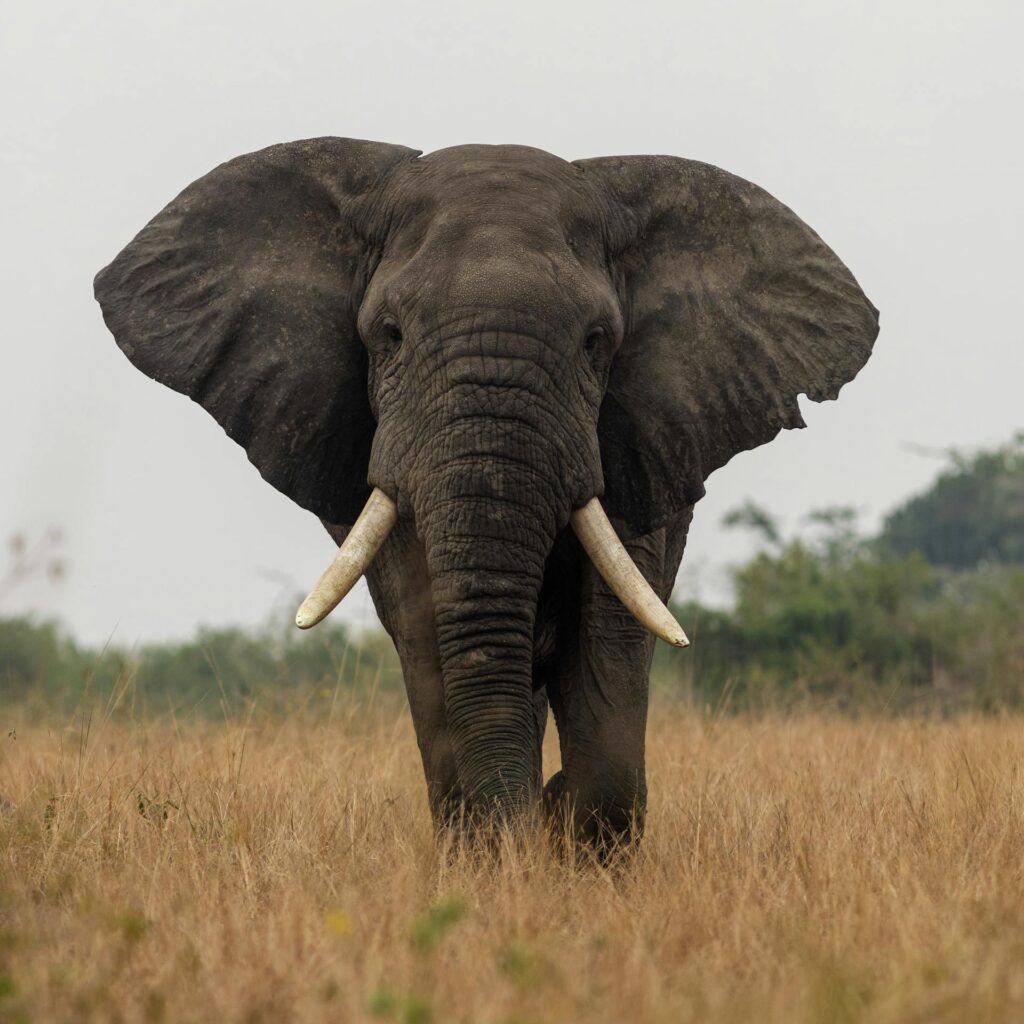
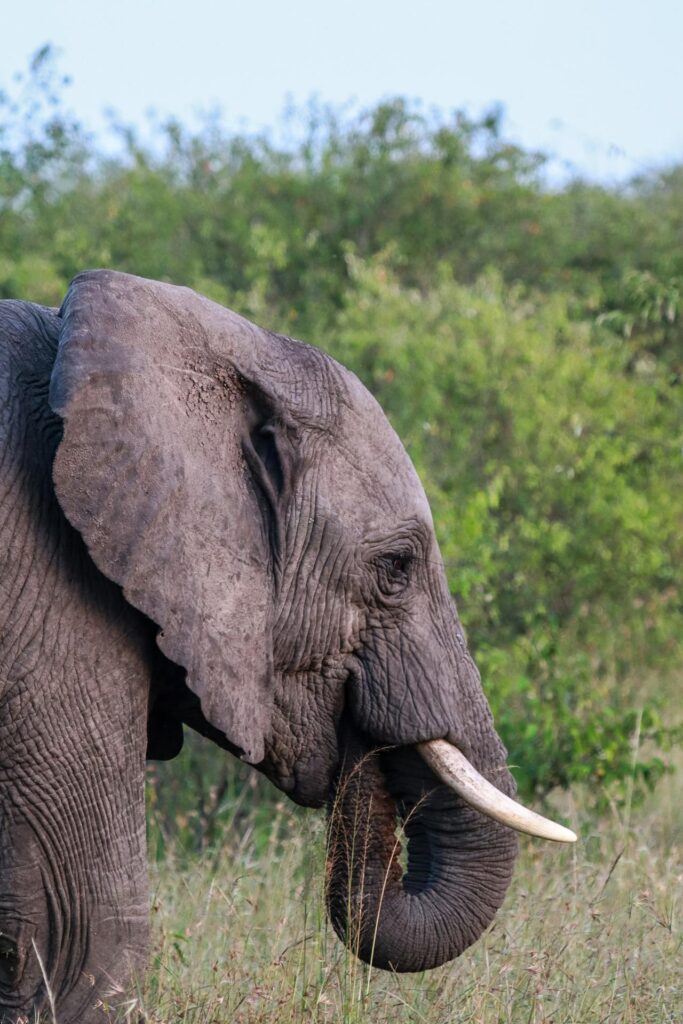
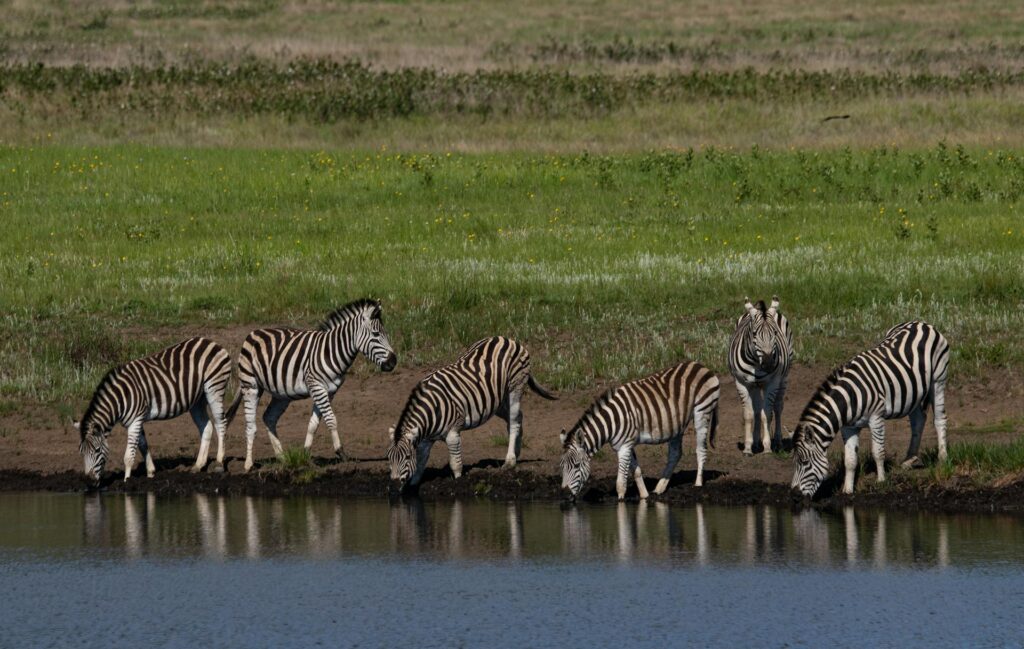
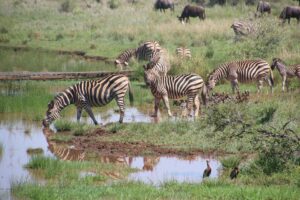
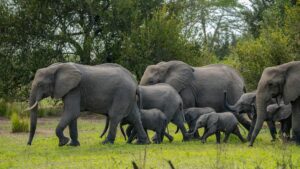
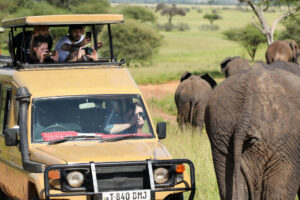
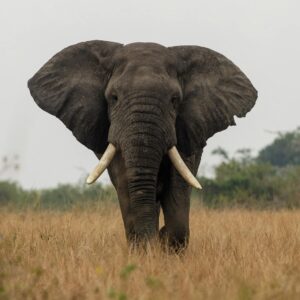
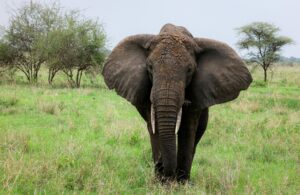
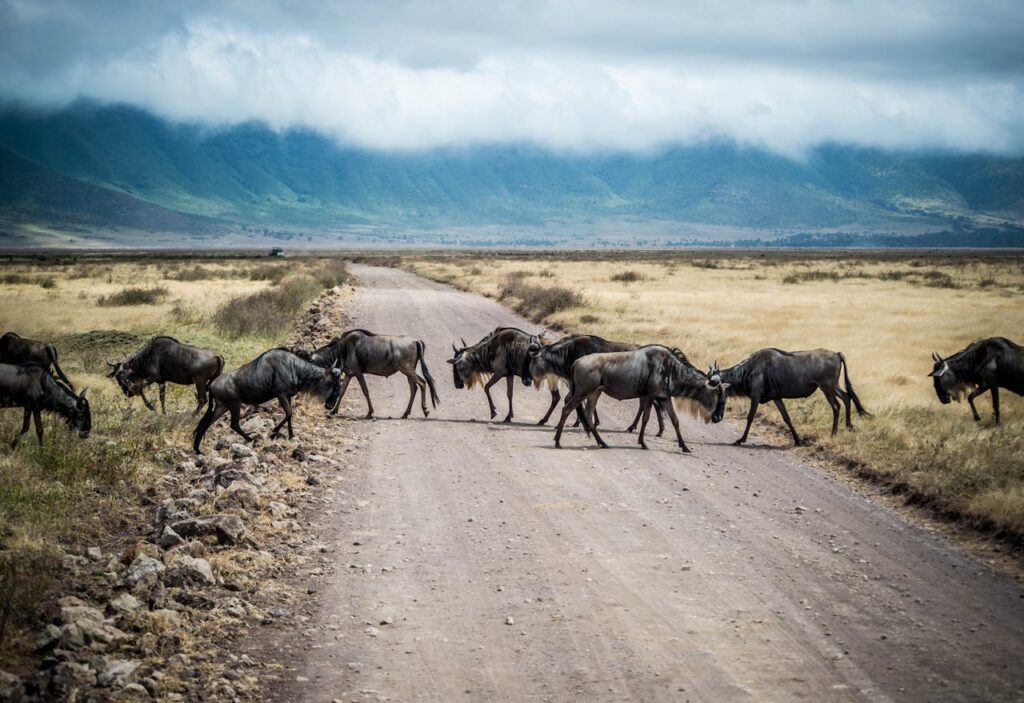
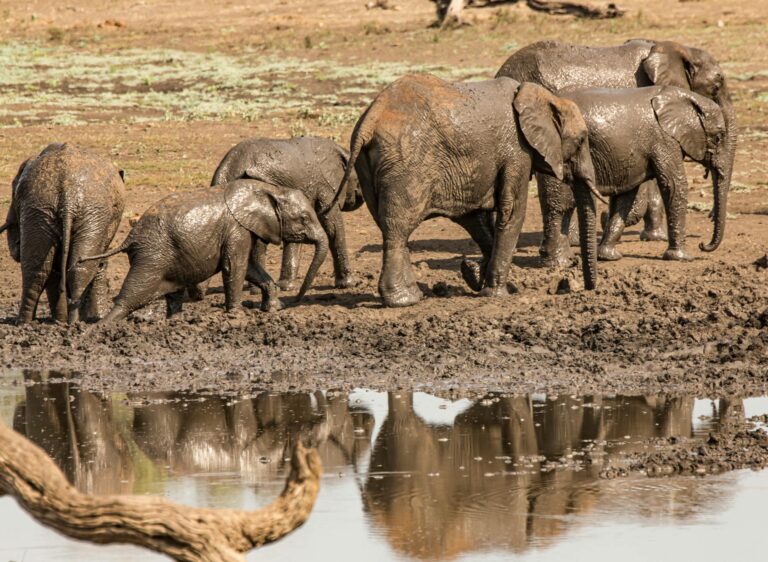
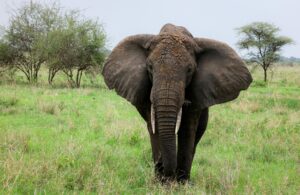
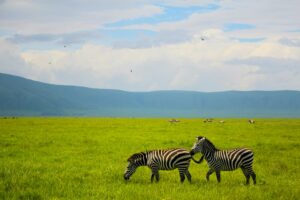
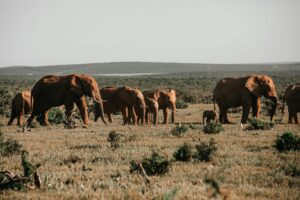
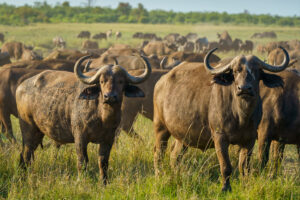
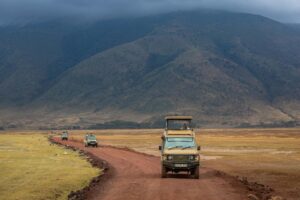
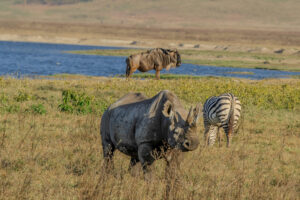
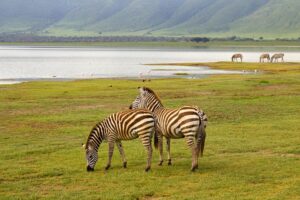
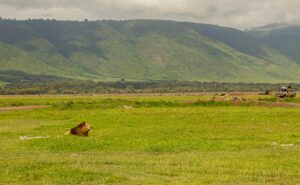
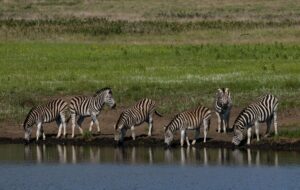
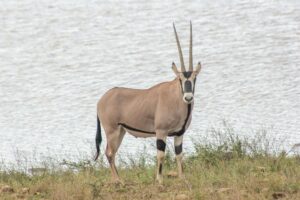
Tanzania contains some of the largest and most ecologically intact protected areas in Africa. The Serengeti, Ngorongoro Conservation Area, Ruaha, Nyerere (Selous), and Katavi together form a network of wilderness on a scale few countries can match. These vast spaces allow wildlife to move naturally, resulting in authentic, behavior-rich safari encounters rather than managed or compressed experiences.
2. The Great Migration in Its Fullest Expression
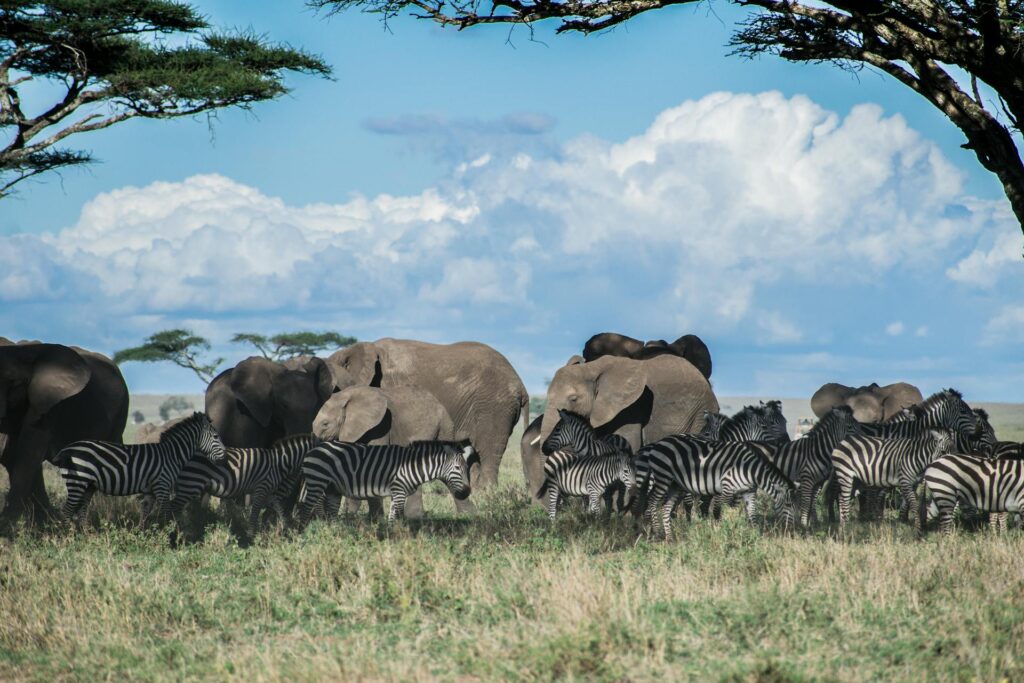
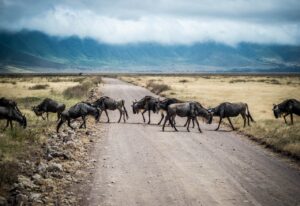
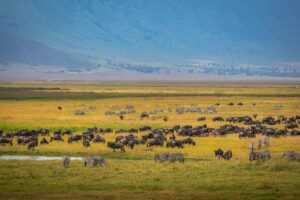
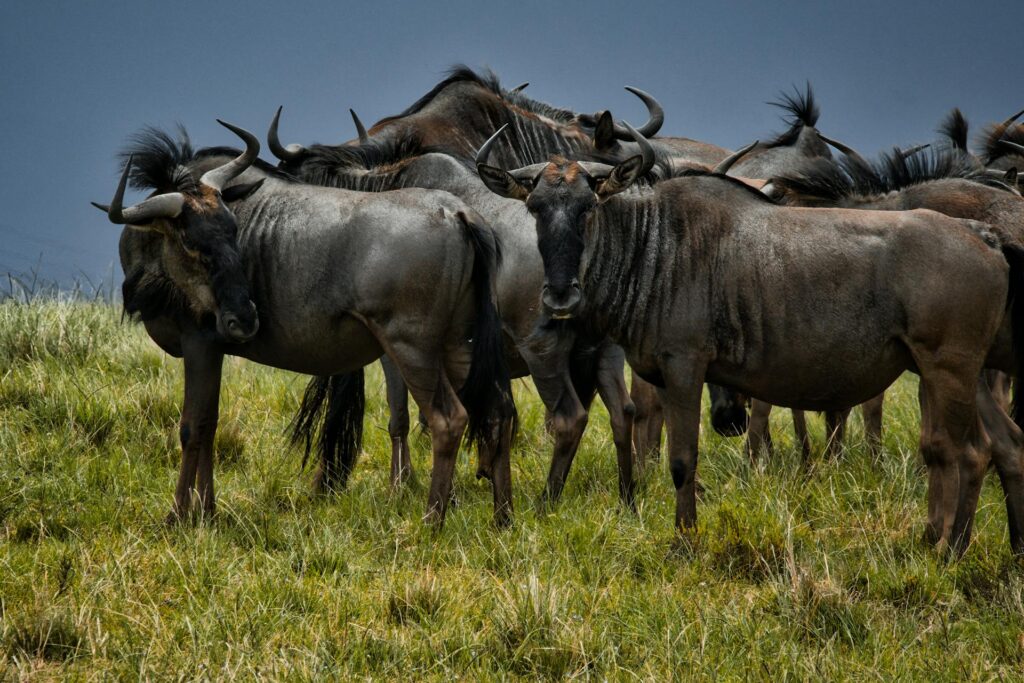
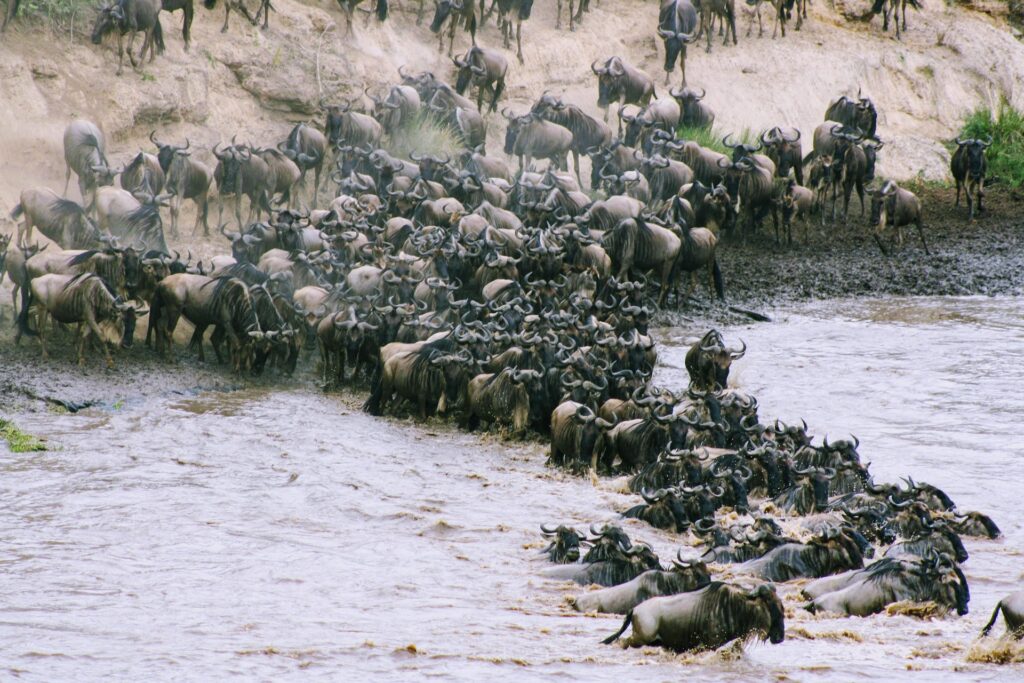
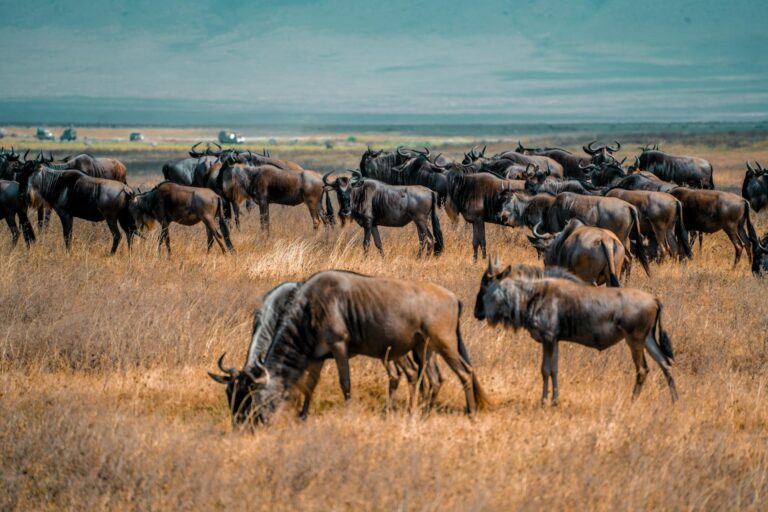
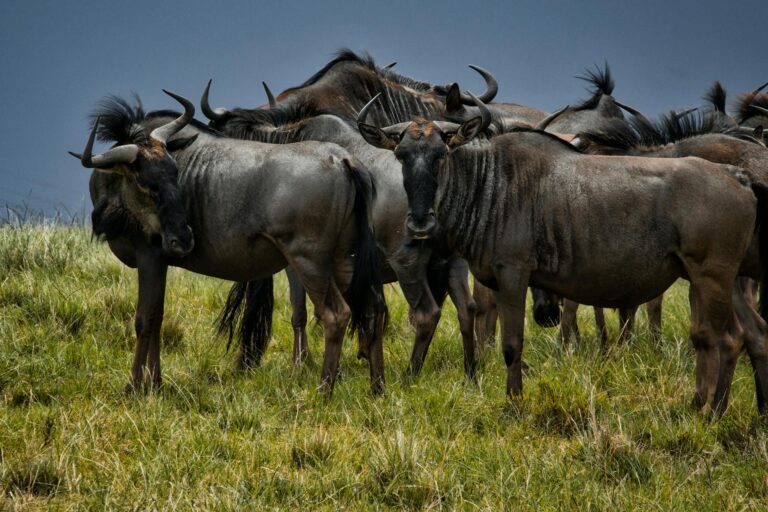
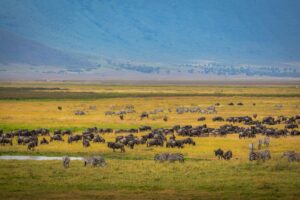
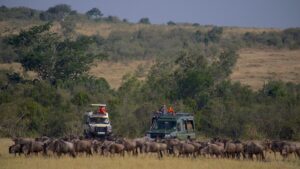
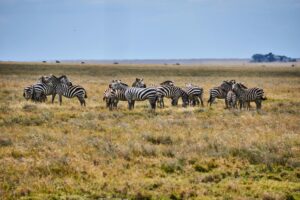
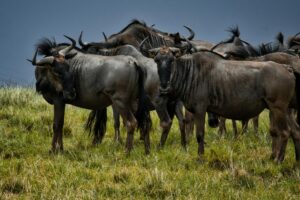
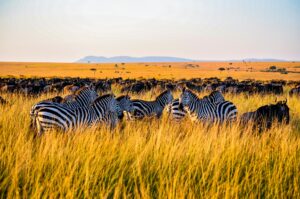
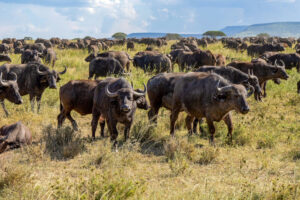
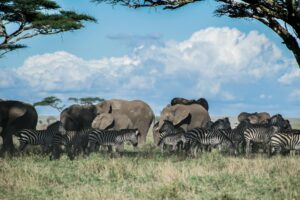
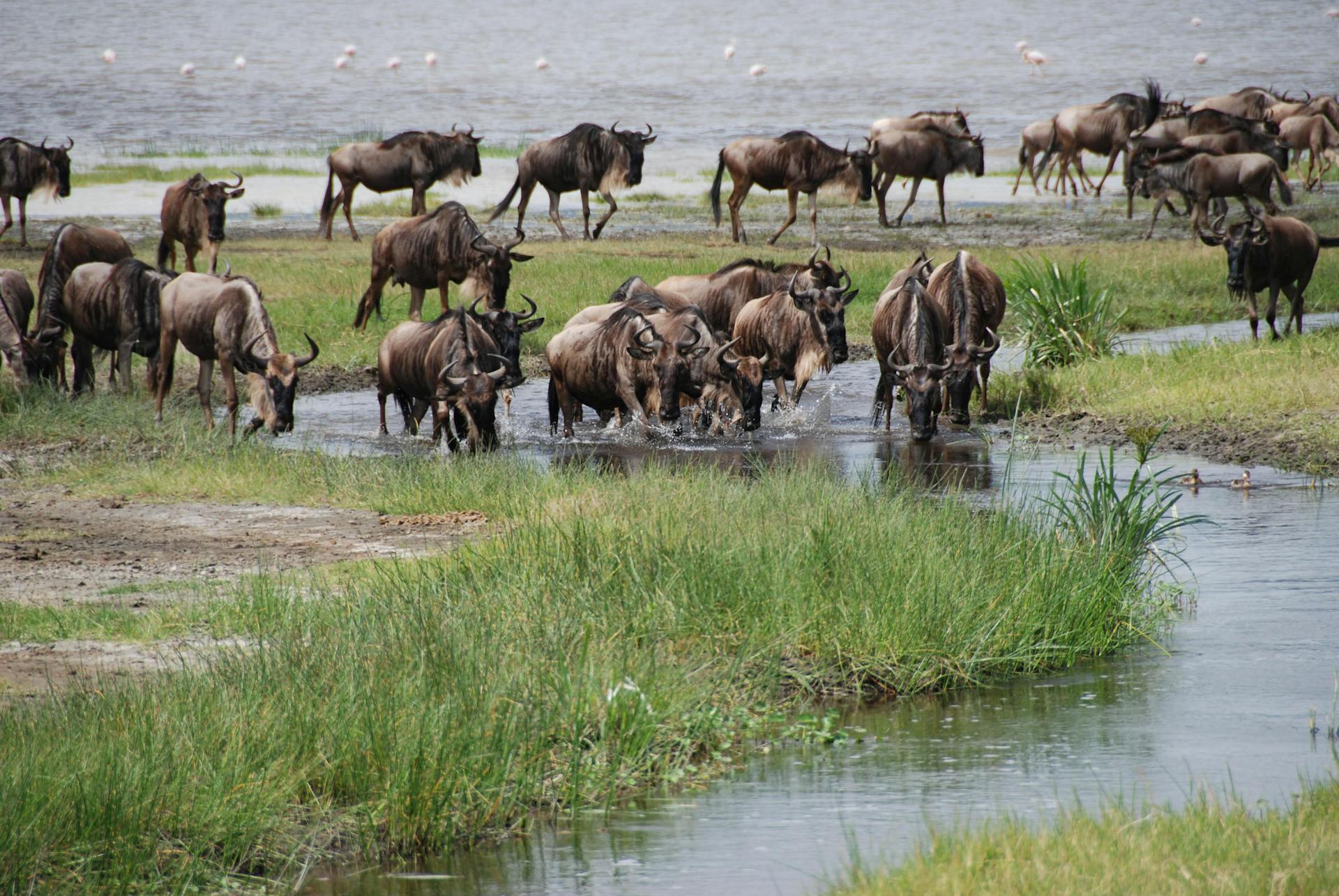
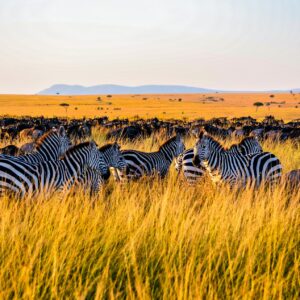
While several countries share the Great Migration story, Tanzania holds its longest and most formative chapters. From the calving season on the southern Serengeti plains to long overland movements across central regions, much of the migration’s life cycle unfolds here. This allows travelers to experience migration events beyond river crossings—birth, abundance, and predator pressure at their most elemental.
3. Remarkable Diversity of Landscapes
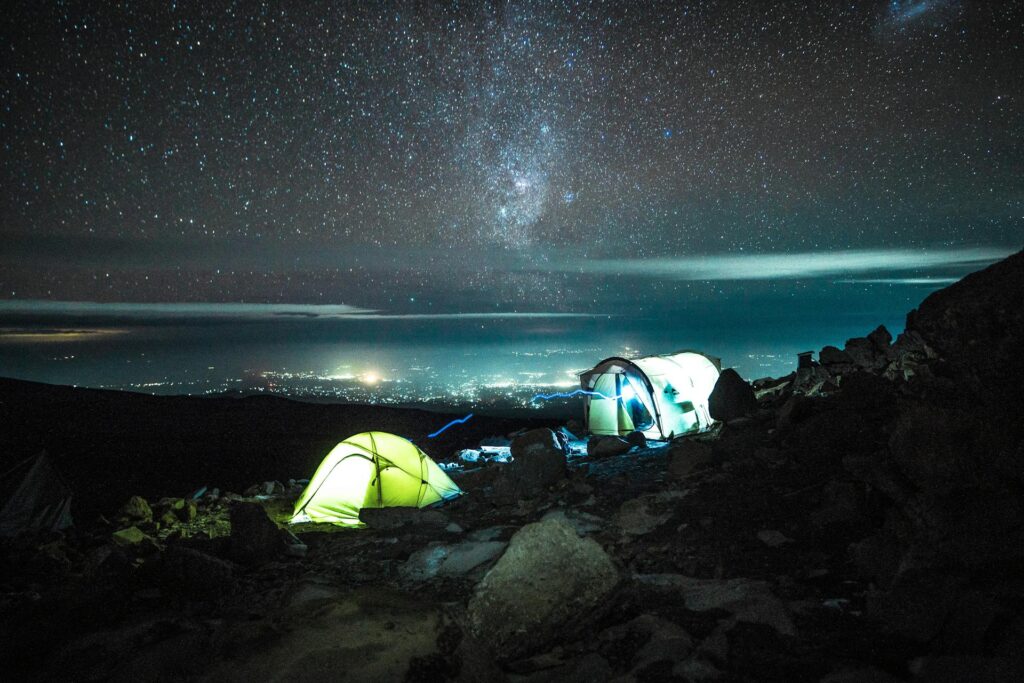
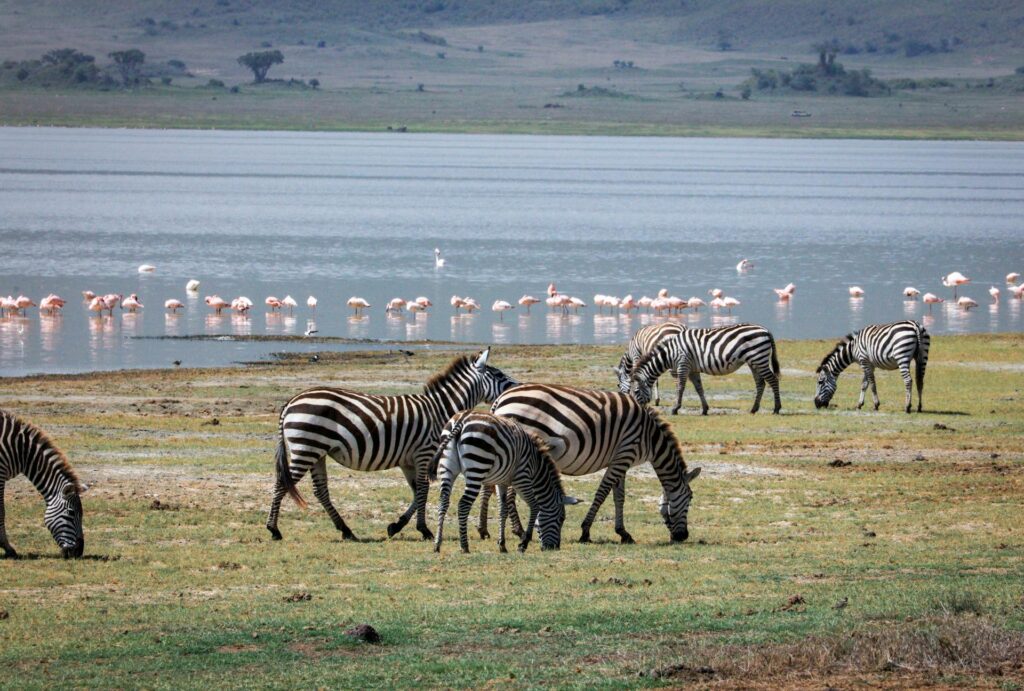
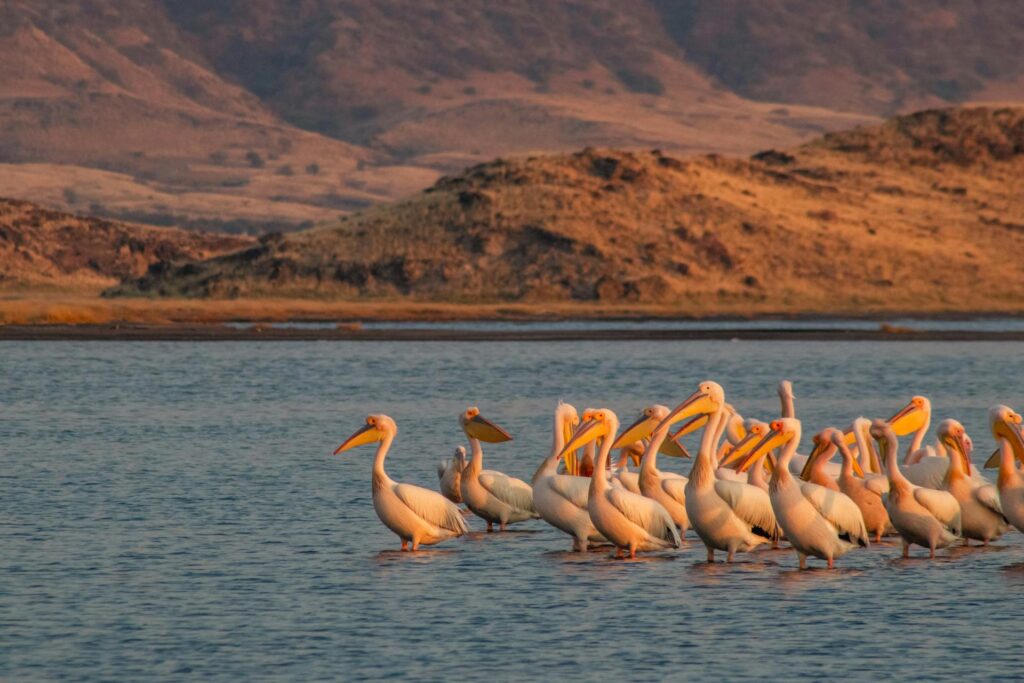
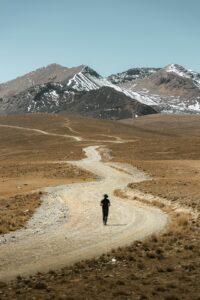
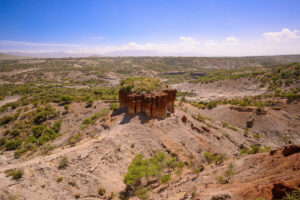
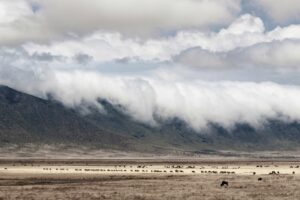
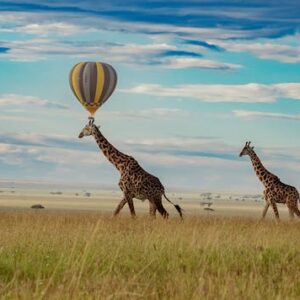
Tanzania’s scenery shifts dramatically across regions. Open savannahs, volcanic craters, ancient baobab valleys, miombo woodlands, lakes, rivers, and alpine zones coexist within a single country. From the floor of the Ngorongoro Crater to the slopes of Mount Kilimanjaro, each landscape shapes a distinct safari atmosphere and wildlife profile.
4. Exceptional Predator Density and Behavior
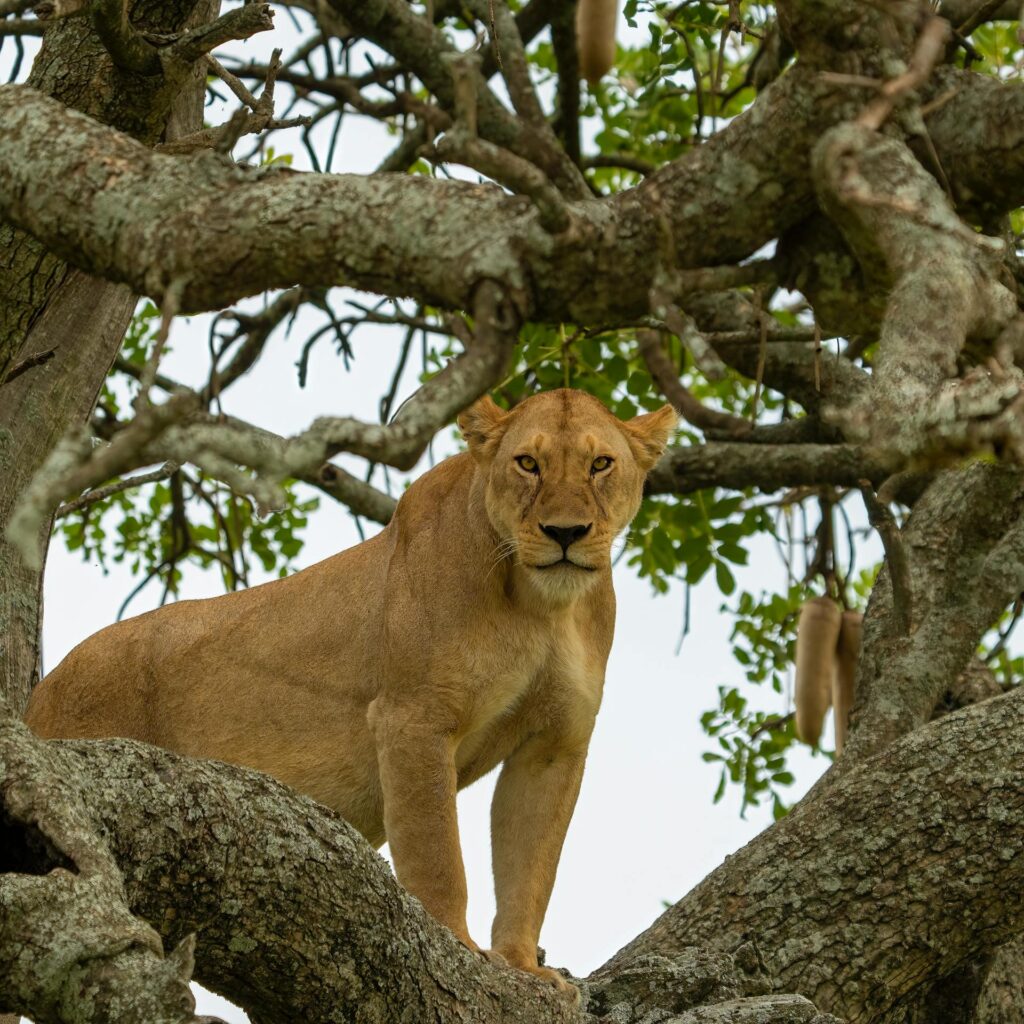
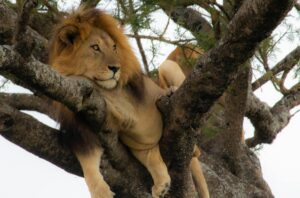
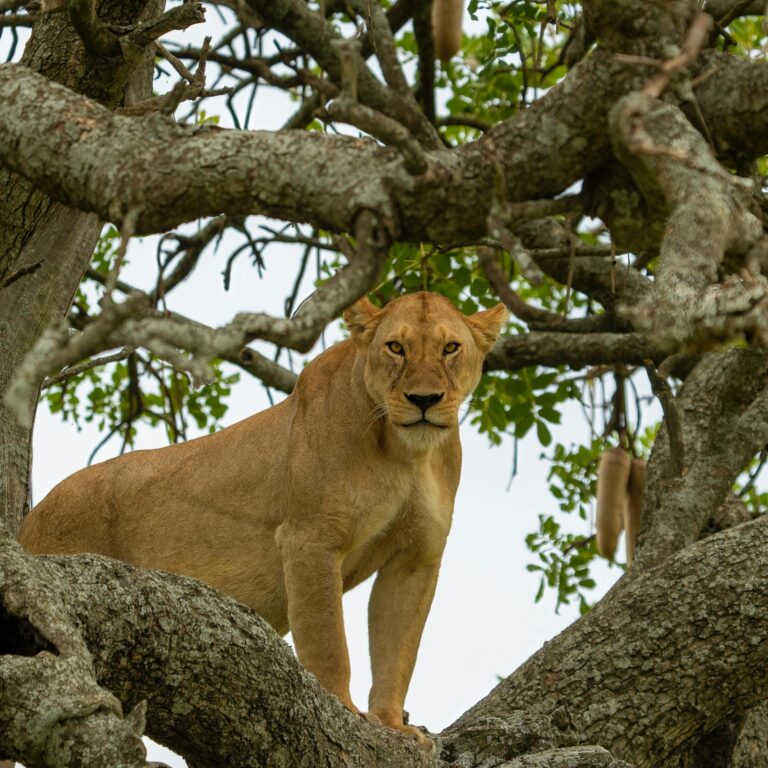
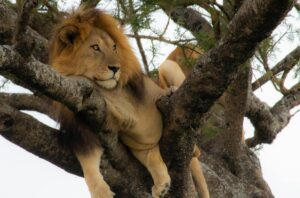
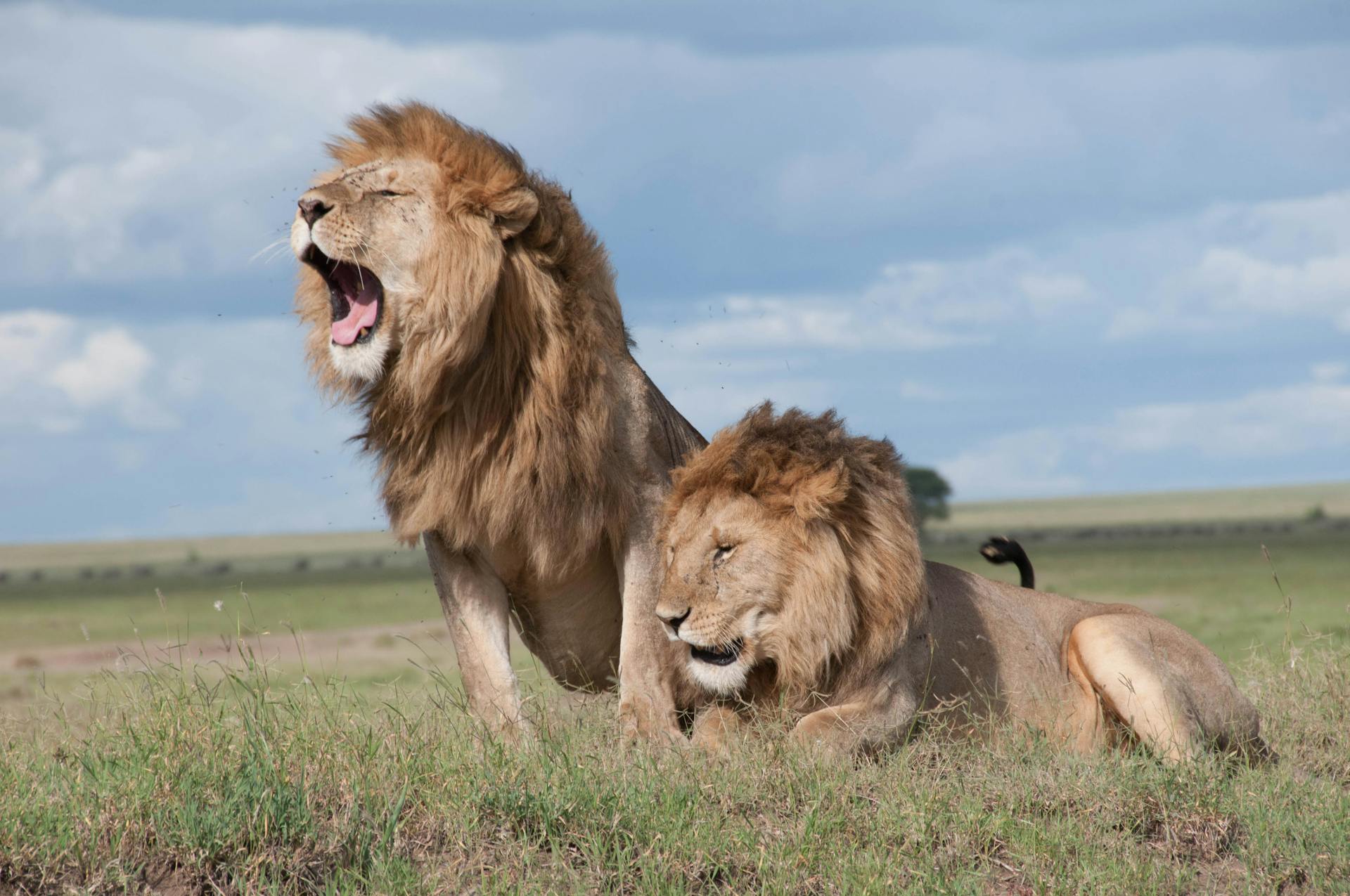
Tanzania supports some of Africa’s highest concentrations of predators, particularly lions and cheetahs. In regions like the Serengeti and Ruaha, predator–prey interactions unfold at scale and over time, allowing deep observation of hunting strategies, social dynamics, and territory use. Sightings often feel unhurried and unmediated.
5. Space, Remoteness, and Fewer Crowds
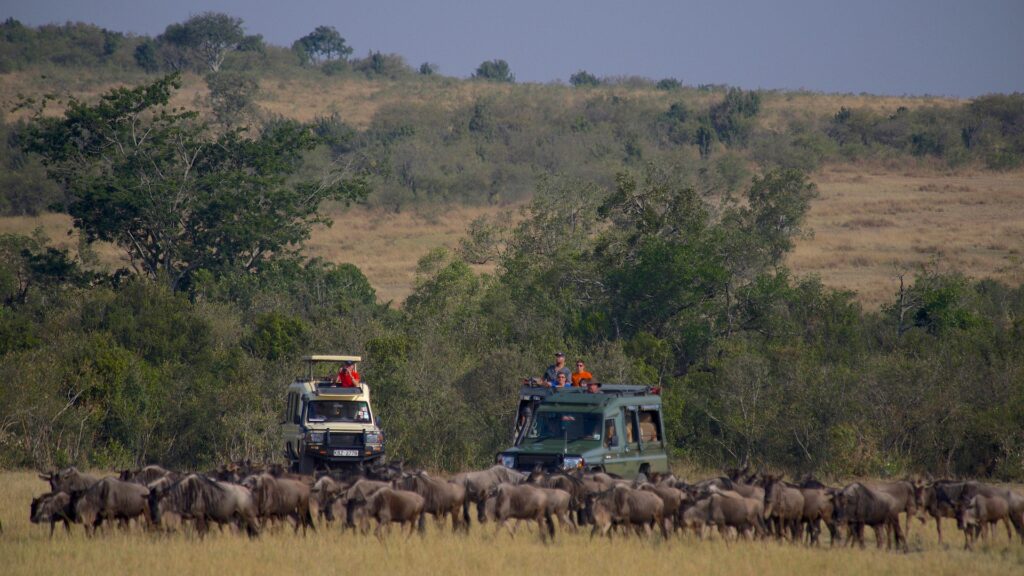
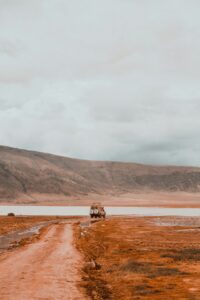
Compared to more compact safari destinations, Tanzania absorbs visitors without losing its sense of wildness. Many parks are vast enough to offer genuine solitude, even during peak seasons. Remote southern and western parks deliver especially quiet experiences, appealing to travelers who prioritize space and stillness over convenience.
6. A Strong Sense of Safari Tradition
Tanzania remains closely associated with classic safari travel—fly-in camps, canvas lodges, walking safaris, and journeys shaped by natural rhythms rather than tight schedules. This heritage attracts travelers seeking depth, narrative, and continuity rather than quick highlights.
7. Seamless Safari and Beach Combinations
Beyond wildlife, Tanzania offers natural extensions to the coast and islands. Zanzibar and the mainland shoreline provide a gentle contrast to inland safaris, allowing journeys to balance intensity with rest. This makes Tanzania well suited to longer, more layered travel experiences.
Explore Tanzania safari journeys built around scale, season, and solitude—each revealing a different dimension of one of Africa’s most enduring wilderness destinations.