Why Cape Town Is Africa's Most Beautiful City
Cape Town is the city every other African city dreams of becoming. Table Mountain rises 1,000 meters directly from the city center, its flat summit a gathering place for hikers, paragliders, and the elusive rock hyrax. Below, white-washed neighborhoods cascade toward beaches where penguins share the sand with sunbathers.
But Cape Town is more than its postcard silhouette. It is a city of profound contrasts: European elegance and African energy, wild coastline and urban sophistication, a painful past and a hopeful future. It is the only city in the world that contains an entire floral kingdom within its municipal boundaries. It is the only African capital where you can track great white sharks in the morning and sip Chenin Blanc from 300-year-old vines by afternoon.
This is not a safari add-on. This is not a stopover en route to the bush. Cape Town is a destination you cross oceans for, even if the bush didn’t exist.
Table Mountain: The City's Beating Heart
Table Mountain is not merely a landmark. It is the reason Cape Town exists.
The mountain catches clouds from the southeast, funneling water into streams that sustained Khoisan herders for millennia and Dutch settlers for centuries. Its sandstone cliffs contain fossils of animals that walked here when Antarctica was forested. Its summit plateau, flattened by 300 million years of erosion, is a distinct ecosystem unto itself—home to silver trees, sugarbirds, and the rock hyrax’s ancient ancestors.
The cable car delivers you to the top in five minutes. The view is the most photographed in Africa. But the mountain rewards those who earn it. Platteklip Gorge, Skeleton Gorge, India Venster—the names themselves suggest adventure. Sunrise hikers watch the city awaken below, the shadow of the mountain stretching across Table Bay like a hand reaching for Robben Island.
Every Capetonian has a Table Mountain story. After you visit, you will too.
Where Two Oceans Meet
The Cape Peninsula is a collision zone. Not of tectonic plates, but of currents—the cold Benguela from the Atlantic, the warm Agulhas from the Indian Ocean. They meet at Cape Point, churning water in shades of indigo and emerald, creating one of the world’s most biodiverse marine environments.
Southern right whales arrive between June and November, breaching within sight of coastal roads. Great white sharks patrol the waters near Gansbaai, their dorsal fins cutting the surface like periscopes. Cape fur seals haul themselves onto rocky islands, barking at passing boats. And at Boulders Beach, a colony of African penguins has established itself in a suburban cove, waddling between sunbathers as if they own the place—which, historically, they do.
Drive Chapman’s Peak at sunset. Walk to Cape of Good Hope. Take a boat to Seal Island. The peninsula rewards those who slow down, who stop at every viewpoint, who understand that the destination is not the point—the journey is.
Robben Island: Freedom's Classroom
Robben Island is not a tourist attraction. It is a monument—to resistance, to dignity, to the human capacity for hope under impossible conditions.
For nearly 400 years, this windswept outcrop in Table Bay served as a prison. Colonial authorities exiled Muslim leaders here. Apartheid regimes incarcerated political prisoners in its limestone quarry. Nelson Mandela spent eighteen of his twenty-seven imprisoned years in a cell measuring four square meters, sleeping on a straw mat, breaking rocks into gravel.
Today, former political prisoners lead the tours. They walk you through the cell blocks, show you Mandela’s window, describe the coded messages passed through smuggled notes. They do not perform anger. They do not perform victimhood. They speak with a matter-of-fact dignity that is far more powerful than any performance.
Every South African should visit Robben Island. Every visitor to South Africa should make it a priority.
The Cape Winelands: 350 Years of Perfection
The Cape Winelands are not merely wine regions. They are living museums of Cape Dutch heritage, where gabled white-washed farms have produced wine for over three centuries. The mountains that frame every vineyard—Jonkershoek, Simonsberg, Groot Drakenstein—create a sense of place so distinct that oenologists speak of the region’s terroir in reverent tones.
Stellenbosch is the intellectual heart. Oak-lined avenues, Cape Dutch architecture, and the oldest wine route in the country. Here you’ll find Kanonkop, Rustenberg, and the legendary estate of Simonsig, where sparkling wine was first produced in South Africa.
Franschhoek is the gourmet capital. French Huguenot refugees settled this valley in 1688, bringing with them vine cuttings and culinary traditions that evolved into South Africa’s finest restaurant scene. La Colombe, The Tasting Room, Jordan—these names appear on lists of the world’s best restaurants.
Paarl, Wellington, Constantia—each region offers its own expression of what makes Cape wine distinctive: Chenin Blanc’s honeyed complexity, Pinotage’s smoky intensity, Bordeaux blends that rival those of France.
Spend three days minimum. Drink Chenin Blanc. Eat lamb from the Karoo. Watch the light change across the mountains. This is not a day trip. This is a pilgrimage.
A Food Scene That Rivals Europe
Cape Town’s restaurant culture is not merely good for Africa. It is world-class by any standard.
The reasons are historical and geographical. Malay slaves brought spices and cooking techniques from Southeast Asia, creating a fusion cuisine unique to the Cape. European settlers imported French winemaking and Dutch farming traditions. The Indian Ocean provided seafood; the fertile valleys provided produce; the mountains provided clear water. And the post-apartheid era unleashed a generation of young chefs trained in Michelin-starred kitchens abroad, returning home to experiment with indigenous ingredients.
Eat bobotie at a traditional Cape Malay restaurant in Bo-Kaap. Order snoek at the Old Biscuit Mill. Try springbok at The Pot Luck Club. Sample West Coast oysters at a harbourside shack in Kalk Bay. And whatever you do, do not leave without experiencing a Cape Winelands lunch—multiple courses, paired wines, mountain views, three hours that will redefine your understanding of what a meal can be.
Beaches That Belong on Postcards
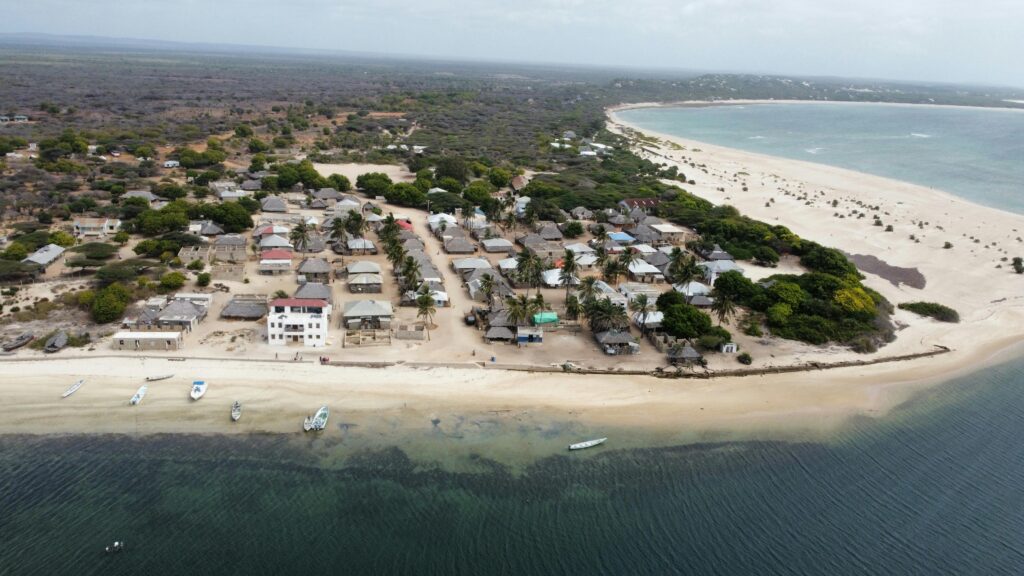
Cape Town’s coastline is absurdly beautiful. Twelve beaches within thirty minutes of the city center, each with its own character, each claiming devotees who will argue passionately for their favorite.
Camps Bay is the celebrity. White sand, palm trees, granite boulders, and a backdrop of the Twelve Apostles mountain range. Sunsets here are social events—crowds gather at beachfront bars, cocktails in hand, watching the sky turn shades impossible to name.
Clifton is the sophisticate. Four coves protected from wind, each accessed by wooden staircases carved into the granite. No vendors, no restaurants, no commercialization—just sand, sea, and the quiet wealth of Cape Town’s elite.
Muizenberg is the family beach. Warm water, gentle waves, and the iconic colorful changing huts that have become symbols of Cape Town itself. Learn to surf here. Buy ice cream from the kiosk. Watch children chase sandpipers along the shore.
Boulders Beach is the anomaly. African penguins waddle between sunbathers, indifferent to human presence. Swim with them. Photograph them. Do not touch them. This is their beach; we are merely visitors.
Kirstenbosch: The World's Most Beautiful Garden
Kirstenbosch National Botanical Garden is not a garden in the conventional sense. It is a conservation area, a research institution, and a sanctuary—530 hectares of protected indigenous flora set against the eastern slopes of Table Mountain.
What makes Kirstenbosch extraordinary is what it lacks: imported species. Most botanical gardens are curated collections of plants from around the world. Kirstenbosch showcases only what is native to southern Africa. The cycads are African. The proteas are African. The ericas, the restios, the strelitzias—all African.
The Centenary Tree Canopy Walkway, known locally as the ‘Boomslang’ (tree snake), winds through the arboretum at canopy level, offering perspectives previously available only to birds. Summer sunset concerts attract picnicking families. The sculpture garden blends art and nature. And the views of Table Mountain, framed by indigenous forest, are arguably the finest in Cape Town.
Allow three hours. Bring a camera. Leave time to sit on the grass and do nothing.
Bo-Kaap: A Neighborhood in Color
Bo-Kaap is Cape Town’s most photographed neighborhood, and for good reason. Row after row of Cape Dutch and Georgian houses, painted in electric hues—coral, lime green, turquoise, canary yellow—cascade down the slopes of Signal Hill.
But Bo-Kaap is not a theme park. It is the historic heart of Cape Town’s Muslim community, settled by freed slaves from Southeast Asia in the 19th century. The Nurul Islam Mosque, established in 1844, is the oldest in South Africa. The cobblestone streets are named after imams and scholars. And the Malay culinary traditions that define Cape cuisine were developed here, in the cramped kitchens of freed slaves who transformed their oppressors’ ingredients into something entirely their own.
Walk the streets at golden hour. Book a cooking class. Eat a samosa from a corner cafe. Bo-Kaap is not merely colorful. It is the living memory of Cape Town’s complicated, beautiful, painful history.
Gateway to the Garden Route & Beyond
Cape Town is not merely a destination. It is the starting point for some of Africa’s greatest journeys.
The Garden Route begins here. Three hundred kilometers of continuous astonishment—forest meeting ocean, mountains falling directly into surf, lakes reflecting the sky in shades of silver and jade. Self-drive or guided, three days or ten, the Garden Route accommodates every pace. The only mistake is rushing.
The Winelands are forty minutes away. Not a day trip—stay overnight, maybe two. Stellenbosch, Franschhoek, Paarl. Wine estates, mountain lodges, restaurants that challenge Copenhagen.
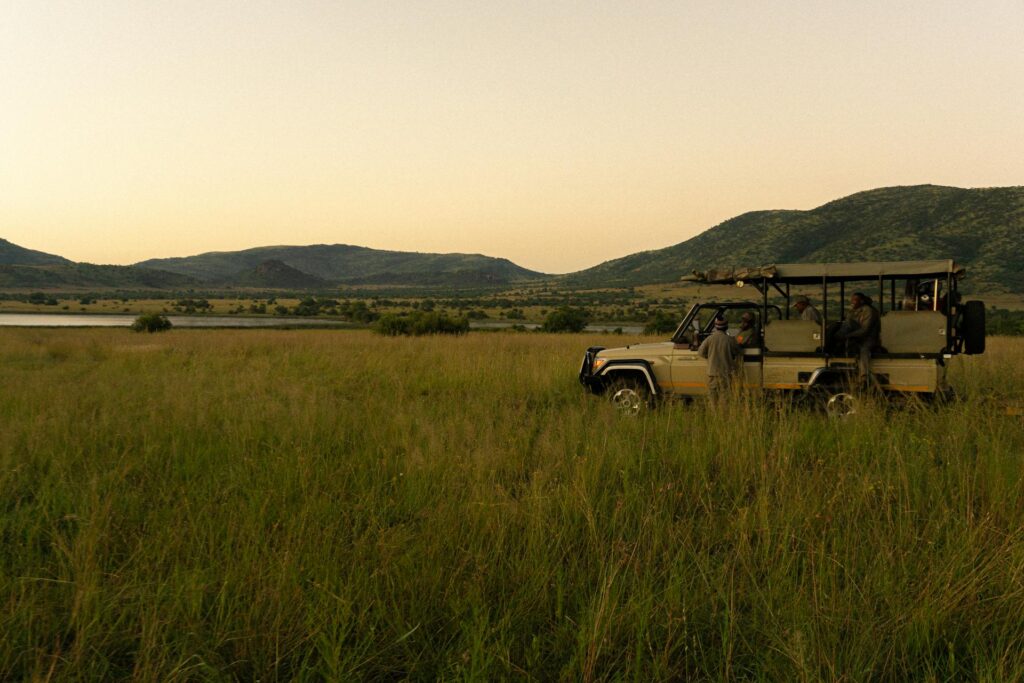
Whale watching in Hermanus. Shark cage diving in Gansbaai. Hiking in the Cederberg. Safari in Addo or Shamwari or Pumba. Cape Town is not the end of your South African journey. It is the beginning.