Why the Drakensberg Is Southern Africa's Most Spectacular Mountain Range
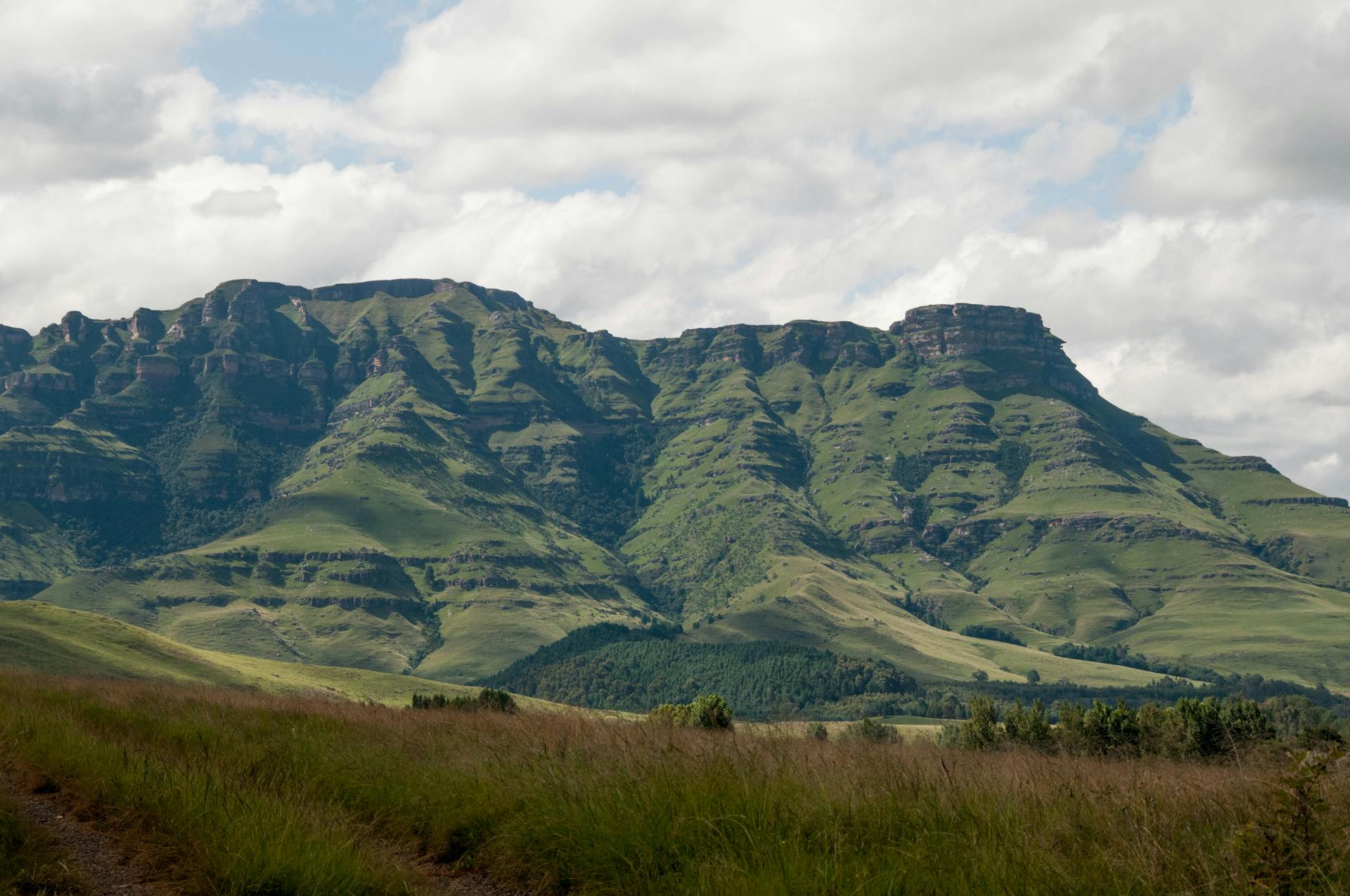
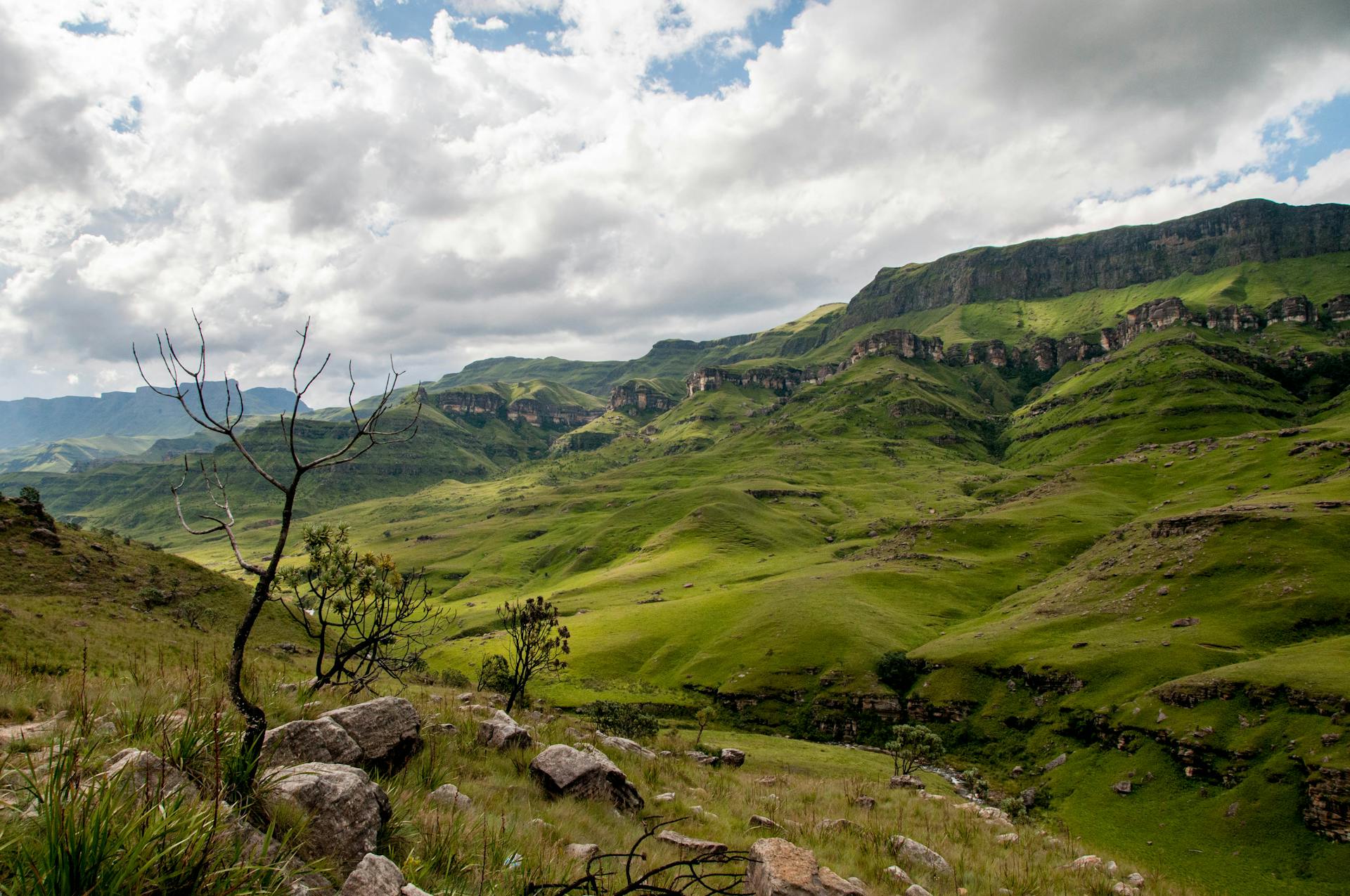
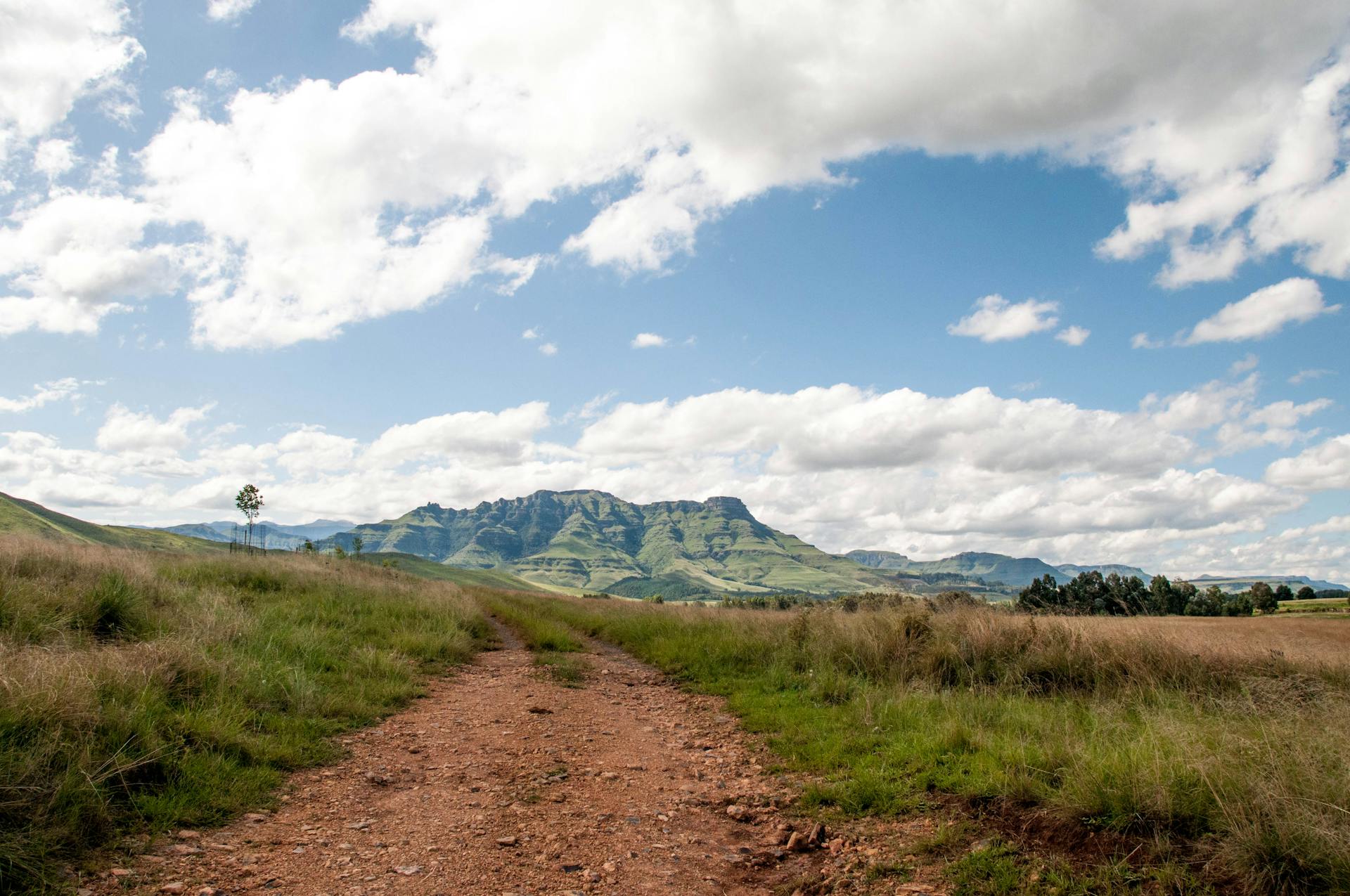
The Drakensberg—’Dragon Mountains’ in Afrikaans—is not merely a mountain range. It is a 200-kilometer-long escarpment of basalt cliffs, sandstone ramparts, and rolling grasslands that form the eastern boundary of the highveld. It is a UNESCO World Heritage Site, a hiker’s paradise, and one of the most beautiful landscapes on earth.
Here is why the Drakensberg deserves a place in every South African itinerary.
The Amphitheatre: Africa's Most Dramatic Cliff Face

The Amphitheatre is the Drakensberg’s postcard image—a 5-kilometer-long cliff face rising 1,200 meters from the valley floor. It is one of the most dramatic rock faces on earth, dwarfing everything around it.
The view from the Sentinel car park is spectacular, but the full experience requires the chain ladders—a series of steel ladders bolted to the cliff that take you to the top. From there, you can walk to the edge of the Tugela Falls and look out over KwaZulu-Natal.
The Amphitheatre is most dramatic in winter, when snow dusts its summit, and in summer, when clouds roll over the edge like a waterfall of mist.
The Tugela Falls: The World's Second-Highest Waterfall
The Tugela Falls plunge 948 meters from the Amphitheatre escarpment in five distinct leaps. Only Angel Falls in Venezuela is higher. The falls are most impressive in summer, when snowmelt and summer rains combine to create a thunderous cascade visible from kilometers away.
In winter, the flow diminishes—sometimes to a trickle—but the view remains spectacular. The falls freeze in cold winters, creating a curtain of ice that climbers occasionally attempt.
The hike to the top of the falls via the chain ladders is one of South Africa’s classic mountain experiences. The view from the edge, looking out over the valley 948 meters below, is unforgettable.
The Giant's Cup Trail: South Africa's Finest Multi-Day Hike
The Giant’s Cup Trail is South Africa’s premier multi-day hiking experience. Five days, four nights, 60 kilometers along the foothills of the southern Drakensberg. The trail traverses rolling grasslands, crosses mountain streams, and sleeps in basic huts with spectacular views.
This is not a technical hike. The paths are well-marked, the gradients are manageable, and the huts provide shelter and water. But it is remote—you carry your pack, cook your food, and rely on your own resources. The reward is solitude, wilderness, and a sense of accomplishment.
The best months are March to May and September to October, when weather is stable and crowds are minimal.
Sani Pass: The Highest Mountain Pass in South Africa
Sani Pass is the highest mountain pass in South Africa, climbing from 1,500 meters to 2,876 meters in just 8 kilometers. The gravel road is steep, winding, and treacherous—4×4 vehicles only. The views are spectacular.
The pass connects South Africa with the mountain kingdom of Lesotho. At the top, you’ll find the Sani Mountain Lodge—the highest pub in Africa, serving beer and hearty meals to chilled travelers. The views from the top stretch across both countries.
Even if you don’t drive the pass yourself, guided tours operate daily from the Sani Pass Hotel. The experience—crossing into Lesotho, standing at 2,876 meters, looking back down the pass you just climbed—is unforgettable.
San Rock Art: 4,000 Years of Indigenous Heritage
The Drakensberg is home to the largest concentration of San rock art in southern Africa—over 35,000 individual paintings spread across hundreds of sites. These paintings, some up to 4,000 years old, depict eland, human figures, and spiritual beliefs.
The most accessible sites are Giant’s Castle Main Caves, Kamberg, and Injasuti. Guided tours explain the meaning behind the paintings and the culture of the San people who created them. The combination of art and landscape—galleries set in overhangs with views across the valleys—is uniquely powerful.
The San believed the Drakensberg was a sacred place, a meeting point between the physical and spiritual worlds. Standing before their paintings, it’s easy to understand why.
Drakensberg Hiking: Trails for Every Level
The Drakensberg offers hiking for every level. Day hikes from the Royal Natal National Park, Cathedral Peak, and Giant’s Castle provide accessible introductions to the mountains. The chain ladders up the Amphitheatre offer adventure for the moderately fit. The Giant’s Cup Trail and Cathedral Peak summit demand more.
Experienced hikers can attempt the Drakensberg Grand Traverse—a 220-kilometer route along the entire escarpment, taking 10-14 days. This is serious mountaineering, requiring navigation, experience, and respect for the mountains.
No matter your fitness or experience, there is a trail for you. The Drakensberg rewards those who walk.