Why Madikwe Is Africa's Premier Malaria-Free Big Five Wilderness
Certified Malaria-Free
This is Madikwe’s defining advantage—and it is not marketing, it is epidemiology.
The reserve is located in South Africa’s North West Province, west of the malaria risk zone that affects Kruger, the Lowveld, and much of subtropical Africa. No antimalarials are required. No prophylaxis means no side effects, no pediatric dosing concerns, no contraindications for pregnancy or chronic conditions.
For families with young children, this is transformative. Grandparents who have avoided Africa due to medication interactions can finally experience a Big Five safari. Travelers with autoimmune conditions or epilepsy can visit without medical consultation. The malaria-free designation removes the final barrier between millions of potential visitors and the African wilderness.
Madikwe doesn’t just welcome these travelers. It was designed for them.
Operation Phoenix: Africa's Greatest Rewilding
Madikwe did not always host Africa’s wildlife. In the early 1990s, this was degraded farmland—overgrazed, deforested, and ecologically depleted. Then came Operation Phoenix, one of the largest and most successful wildlife translocations in African history.
Over several years, conservationists relocated more than 8,000 animals representing 28 species into Madikwe’s newly proclaimed reserve. Elephant arrived from Zimbabwe. White rhino came from KwaZulu-Natal. Buffalo were translocated from Addo. Lion, cheetah, wild dog, and spotted hyena followed. The ecosystem was rebuilt from zero.
Today, Madikwe is entirely self-sustaining. Breeding populations of all major predators and herbivores thrive without supplementation. The reserve generates its own conservation revenue through tourism. And every visitor who books a safari at Madikwe contributes directly to the ongoing protection of this remarkable rewilding achievement.
The Big Five, Without Compromise
Madikwe supports healthy, breeding populations of all Big Five species—and unlike some malaria-free reserves, game density here rivals the best private concessions in Kruger.
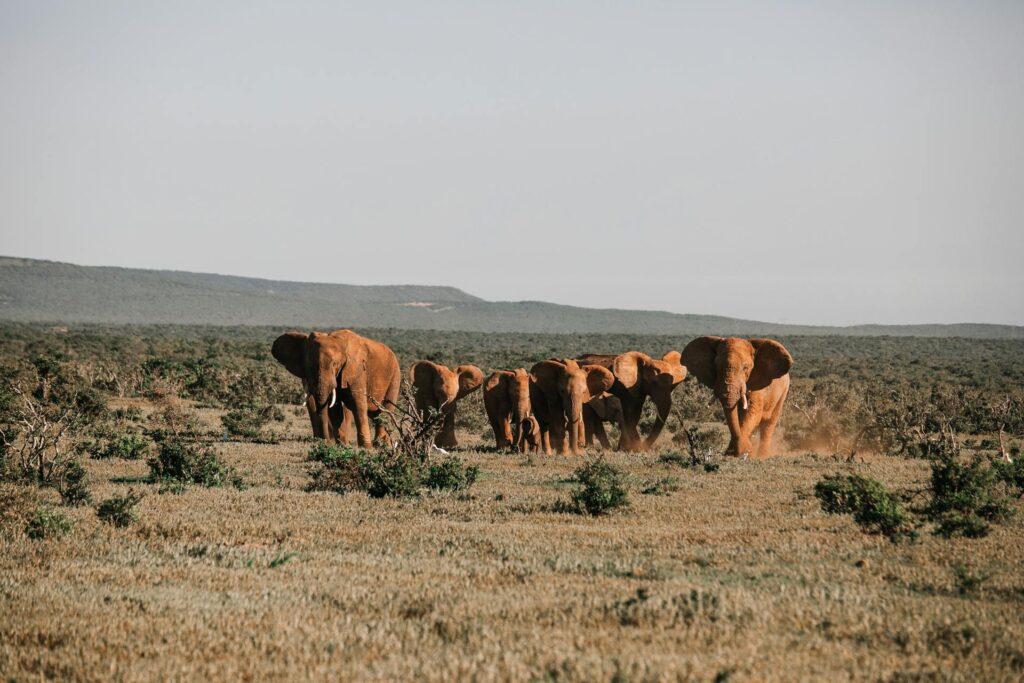
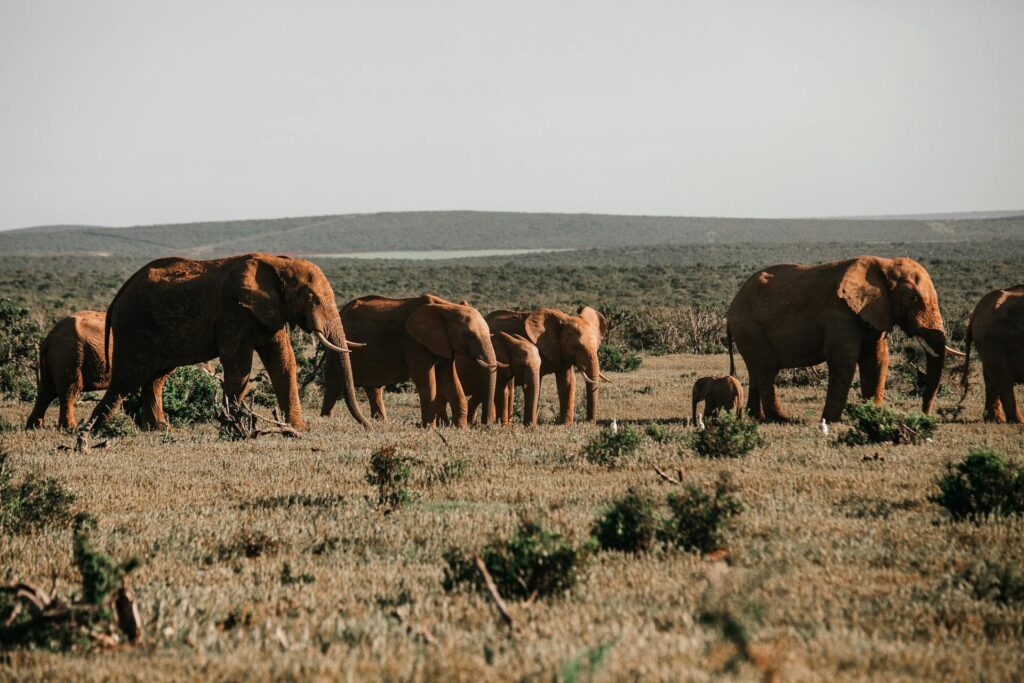
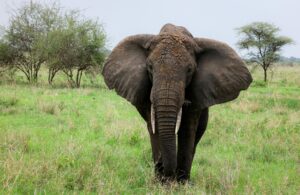
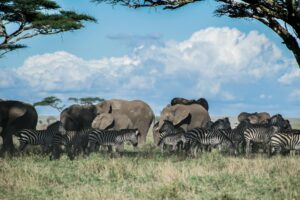
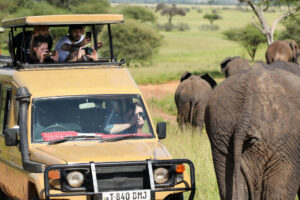
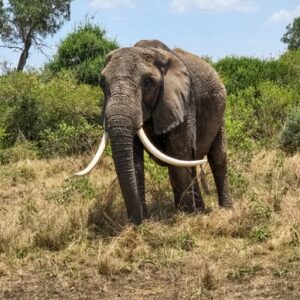
Elephant: Herds of 30–50 individuals are common. The reserve’s carrying capacity supports over 1,000 elephants, frequently seen at waterholes and along the Marico River.
White rhino: Madikwe hosts one of South Africa’s most important rhino populations. Intensive anti-poaching measures ensure sightings remain reliable.
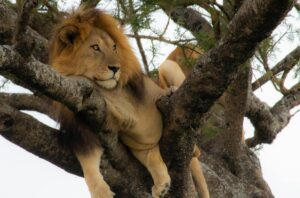
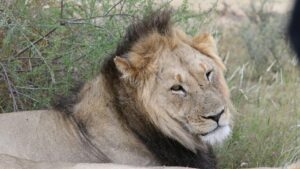
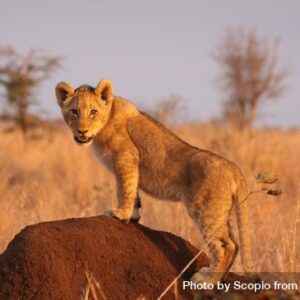
Lion: Multiple prides territory throughout the reserve. The Dwarsberg prides are particularly habituated to vehicles.
Leopard: Secretive but present. The rocky outcrops and riverine forest provide ideal habitat.
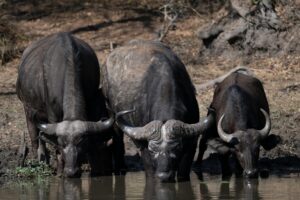
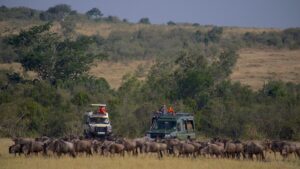
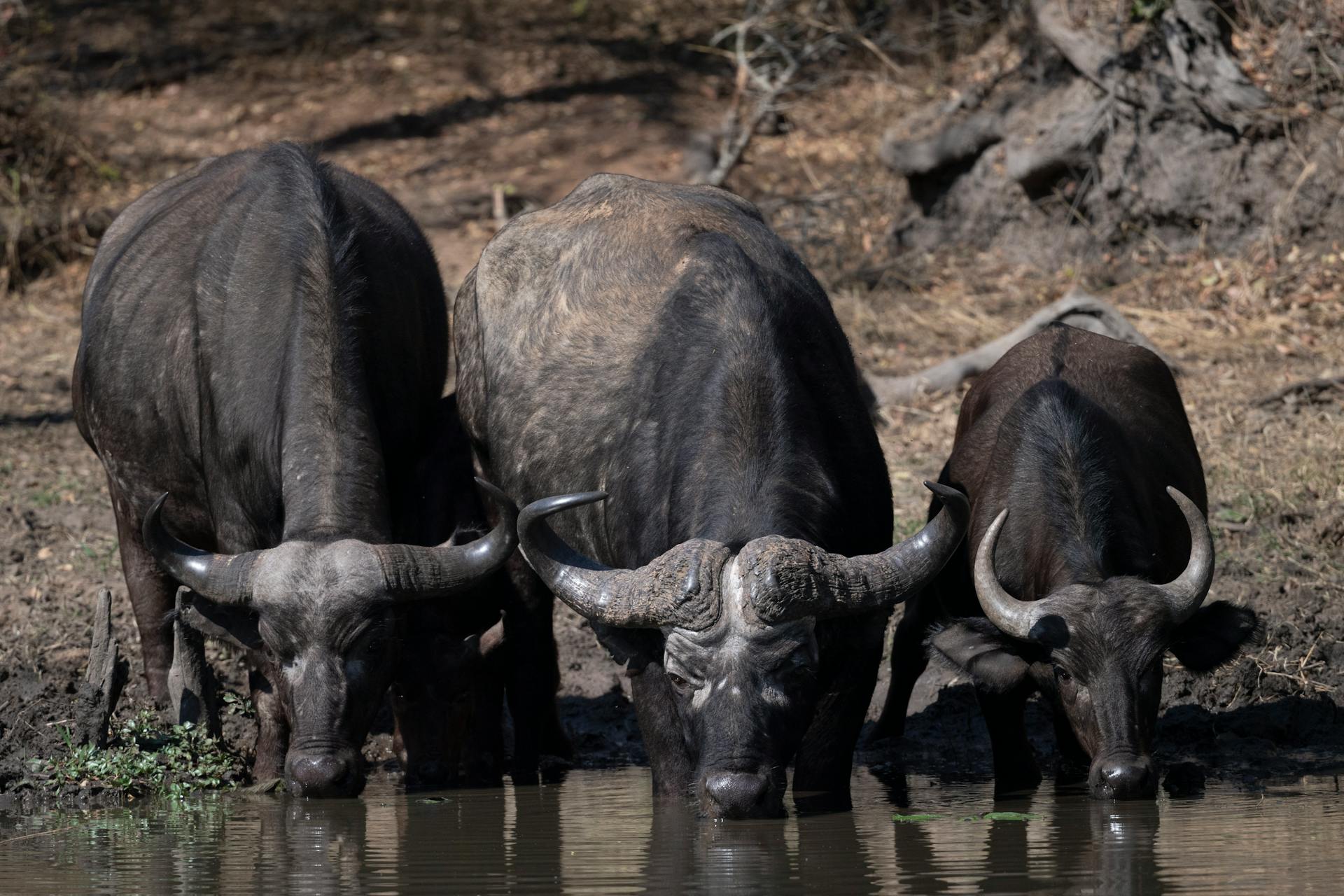
Buffalo: Herds of several hundred move through the eastern grasslands, often accompanied by oxpeckers and cattle egrets.
Most visitors achieve a clean Big Five sweep within 48 hours. Many complete it in a single day.
Africa's Best Wild Dog Destination
Madikwe is arguably the finest place on earth to see African wild dogs. This is not hyperbole—it’s data.
The reserve supports multiple breeding packs, each with established territories and den sites. Wild dogs are Africa’s most endangered carnivore, with fewer than 6,000 individuals remaining in the wild. Madikwe’s population represents a critical stronghold for the species.
Sightings here are not lucky accidents. They are predictable. The guides know the packs. They know the den sites. They know the hunting territories and the water sources where dogs drink. On a three-night stay, you have a 90% probability of encountering wild dogs—often multiple times, often with pups at the den.
For wildlife photographers, conservationists, and travelers seeking Africa’s rarest predator experience, this alone justifies the journey.
Exclusive-Use, Low-Density Model
Madikwe operates on a concession model that prioritizes quality over volume. The reserve is divided among private lodges, each allocated exclusive traversing rights over specific territories. This means:
- No crowds. You will not queue at sightings. You will not photograph a leopard surrounded by fifteen vehicles.
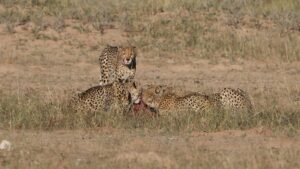
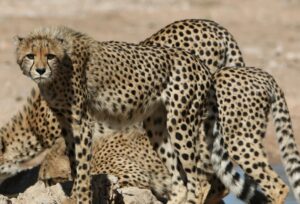
- Off-road driving. When a cheetah hunts through the bush, your vehicle follows—leaving the track, respecting the animal.
- Night drives. Standard, not optional. Madikwe after dark reveals aardvark, pangolin, serval, and the spotted hyena clans that rule the night.
- Walking safaris. Many concessions permit guided bush walks, tracking rhino and elephant on foot with armed rangers.
This is not the mass-tourism model of the Kruger rest camps. This is private safari, scaled for intimacy.
Accessible Yet Wild
Madikwe occupies a sweet spot between accessibility and wilderness. The reserve is a four-hour drive from Johannesburg—easily achievable for a long weekend or three-night safari. Scheduled charter flights land directly at Madikwe’s airstrip, reducing travel time to under an hour from OR Tambo.
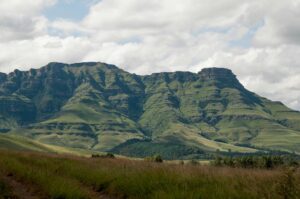
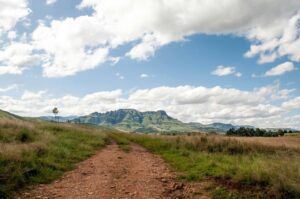
Yet once inside, you are genuinely remote. Cell reception is limited or non-existent at most lodges. The Dwarsberg Mountains create a sense of enclosure and isolation. The bush is thick, the roads are rough, and the wildlife is entirely wild and unfenced.
This combination—four hours from Africa’s economic capital, yet indistinguishable from the deep wilderness—is Madikwe’s genius.
Family-Ready Luxury
Madikwe’s lodges have perfected the family safari. This is not an afterthought—it is central to the reserve’s identity.
Family suites: Many lodges offer interconnected rooms, private villas, or exclusive-use houses with dedicated staff and vehicles.
Child-friendly guides: Professional rangers who understand how to engage children—shorter drives, frequent stops, tracking activities, and age-appropriate commentary.
Junior ranger programs: Bush skills, casting animal tracks, learning scat identification, earning certificates.
Safety: Malaria-free, fenced lodges, supervised activities.
Grandparents travel with grandchildren. Three generations share sundowners. Children who experience Madikwe grow up to become conservationists. It happens here, every day.