Makgadikgadi Salt Pans – Safari Continents Travel
  • Country:

Why the Makgadikgadi Pans Are Botswana's Most Otherworldly Landscape

To the south-east of the Okavango Delta, the landscape transforms into something utterly different and equally magnificent: the Makgadikgadi and Nxai Pan region. This is a stark, beautiful part of Botswana—a vast, shimmering expanse of white salt that was once a giant super-lake, one of the largest on earth [citation:4]. This is not a place of dense bush and rushing rivers, but of infinite, mind-bending horizons and a haunting, prehistoric silence.

Yet, this seemingly barren land pulses with life and adventure. It changes dramatically between the rainy and dry seasons, offering an array of unique experiences that you simply cannot have anywhere else. From witnessing the second-largest wildebeest migration in Africa to quad-biking across a glittering salt crust and sharing a sunrise with habituated meerkats, the Makgadikgadi is a destination for the soul, a place of profound beauty and unforgettable encounters [citation:4].

The Second-Largest Wildebeest Migration

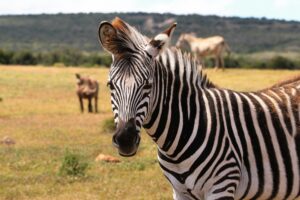
When the rains arrive (typically November to March), the stark white pans and their parched surrounds are utterly transformed. The grasslands burst into life, painting the landscape a brilliant green. And with the fresh grass comes life on a spectacular scale. The zebra and wildebeest migration returns to the area, and this is a breathtaking sight, only trumped in size by East Africa’s Great Migration [citation:4].

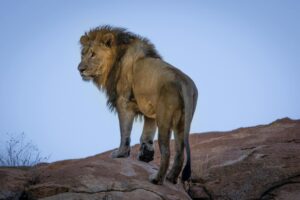
Vast herds of these animals converge on the nutrient-rich grasses, creating a wildlife spectacle that rivals anything on the continent. Predators, including lion and hyena, are never far behind, and the drama of life on the pans unfolds against a backdrop of endless sky. It’s a completely different, yet equally compelling, wildlife experience.

Meerkat Encounters at Sunrise

One of the most heartwarming and unique wildlife experiences in Africa is a morning visit with a colony of semi-habituated meerkats. As the sun rises over the vast emptiness, these charismatic little creatures emerge from their burrows, and you can observe their fascinating morning rituals up close [citation:4][citation:9].

From the iconic sentinel standing guard to the playful pups tumbling in the warm sand, their antics are a pure delight. Sharing the first light of day with them, watching them warm their bellies and begin their daily forage, leaves you with a warm glow and a lasting memory. This is a privilege offered in only a few places on earth.

Quad Biking and Sleep-Outs on the Salt

During the dry season (April to October), the salt pans become rock-hard, opening up a world of exhilarating adventure. You can explore this endless white landscape on a quad bike, a thrilling way to get a true sense of the scale and otherworldly beauty of the pans [citation:4]. It feels like racing across a frozen lake, but in the middle of the Kalahari.

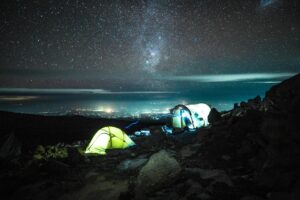
The ultimate experience is a night spent sleeping out under the stars on the salt itself. With nothing but the endless salt pan around you and the cosmos swirling above, it feels like you are spending a night on the moon [citation:4][citation:9]. This is a truly magical and humbling experience, one that connects you with the raw elements of this ancient land.

Baines' Baobabs and Kubu Island

Dotting this surreal landscape are iconic landmarks. Baines’ Baobabs, a group of seven ancient baobab trees immortalized by the painter and explorer Thomas Baines, are a striking sight, rising from the salt and sand like gnarled old giants. A day trip to visit them is one of Botswana’s most iconic excursions [citation:4].

Another sacred and dramatic site is Kubu Island, a granite rock outcrop fringed by massive, ancient baobabs that juts out of the salt. It’s a place of great spiritual significance and unparalleled beauty, especially at sunrise and sunset. Its otherworldly feel is a photographer’s dream [citation:9].

Walking with the San Bushmen

The pans are not only a place of natural history but of deep human history. The San Bushmen, some of the world’s last true hunter-gatherers, have lived in this harsh environment for thousands of years. In the company of a local guide, you can go on a walk and learn how they have adapted to life in this desert [citation:4].

Your guide will share ancient survival skills, from tracking animals and identifying medicinal plants to finding water and making fire. It’s a profound and educational experience that offers a rare window into a way of life that is quickly disappearing, adding an incredible cultural dimension to your journey.

A Landscape of Stark Beauty

Ultimately, what draws people to the Makgadikgadi is its sheer, stark, overwhelming beauty. The feeling of standing on the edge of an ancient salt pan, with the vast, flat emptiness stretching to a shimmering horizon, is profoundly moving. It’s a place that simplifies the world, reducing it to just earth, sky, and you.

Whether it’s the endless white crust under a blazing sun, the powder-blue water that appears after the rains, or the explosion of a billion stars in the unpolluted night sky, the Makgadikgadi offers a landscape that stays with you long after you’ve left [citation:4][citation:9]. It’s a place for dreaming and a place for remembering.
Exploring the Makgadikgadi: From Nxai Pan to Kubu Island

Nxai Pan National Park: Wildlife Oasis

Nxai Pan National Park, north of the main Makgadikgadi Pans, is a fossil pan system that supports a surprising abundance of wildlife. Unlike the stark white of the main pans, Nxai Pan is covered with short grasses, making it an important wildlife habitat, especially during the rainy season when zebra and wildebeest migrate here in large numbers.

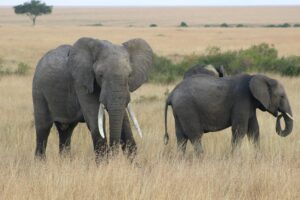
The park’s centerpiece is Baines’ Baobabs, a cluster of seven ancient baobab trees famously painted by the explorer Thomas Baines in 1862. These trees, rising from the flat landscape, are one of Botswana’s most iconic sights. Game viewing here includes elephant, giraffe, springbok, and predators like lion and cheetah. The park’s waterholes attract wildlife year-round.

The best time to visit is during the rainy season (December to April) when the zebra migration is at its peak.

Kubu Island: Sacred Granite

Kubu Island is one of the most sacred and spectacular sites in the Makgadikgadi region. This ancient granite rock formation, rising dramatically from the white salt, is fringed by enormous, weathered baobabs that have stood for centuries. The island was once a real island in the ancient super-lake Makgadikgadi, and its rocks are littered with fossils and Stone Age tools.

It is a place of profound beauty and spirituality, especially at sunrise and sunset. The contrast of the dark baobabs, the white salt, and the deep blue sky creates otherworldly photo opportunities. A night spent camping on the island under the stars is a truly unforgettable experience.

Access requires a 4×4 vehicle, and camping is basic. It’s best visited as part of a guided tour or with a knowledgeable guide.

Ntwetwe Pan: The Heart of the Salt

Ntwetwe Pan is one of the largest of the Makgadikgadi pans and offers the classic salt pan experience. Its vast, white, absolutely flat surface extends to the horizon, creating a landscape of mind-bending emptiness. This is where you can experience the thrill of quad biking across the salt, racing across a landscape that feels more like a frozen lake than a desert.

The area is also home to some of the region’s most famous camps, including Jack’s Camp and San Camp. These classic, safari-style camps offer excursions onto the pans, meerkat encounters, and cultural visits with San Bushmen. The pan’s edge also provides habitat for wildlife during the wet season.

This is the best area for experiencing the sheer scale and otherworldly beauty of the salt pans.

Sowa Pan: Wildlife and Flamingos

Sowa Pan, the most easterly of the main pans, is particularly known for its wildlife and its seasonal flamingo populations. When the rains arrive, the pan fills with shallow water, attracting thousands of lesser and greater flamingos that come to feed on the algae. The sight of these pink clouds against the white salt is unforgettable.

The pan also supports other waterbirds and, when flooded, provides a temporary haven for wildlife. The small town of Gweta serves as the gateway to Sowa Pan and offers a range of accommodations, from basic lodges to upscale camps. The area is also good for cultural visits to local communities.

This is the best pan for combining wildlife viewing with the classic salt pan experience.

Gweta: Gateway Town

Gweta, a small town on the edge of the Makgadikgadi, is the main gateway for exploring the pans. It has a range of accommodations, including the famous Planet Baobab, a quirky and fun lodge built around a massive baobab tree. The town is also the starting point for many tours into the pans.

From Gweta, you can arrange trips to Kubu Island, Ntwetwe Pan, and the surrounding wildlife areas. The town has a few shops and restaurants, making it a convenient stop for supplies. It’s a friendly place with a frontier feel, perfect for beginning your Makgadikgadi adventure.

Makgadikgadi National Park: Protected Wilderness

The Makgadikgadi National Park protects a portion of the pans and their surrounding grasslands. This park is particularly important for wildlife during the rainy season, when zebra and wildebeest migrate through the area. The park has a network of game-viewing loops and waterholes that attract animals year-round.

The park is less visited than the main pan areas, offering a more remote and quiet experience. It’s home to a variety of antelope, predators, and, during the wet season, large herds of zebra. The park is accessible to self-drivers, though a 4×4 is essential. Camping is available at designated sites.

Moremi Month-by-Month: Predators, Floodplains & When to Go

Moremi Game Reserve, the only protected area in the Okavango Delta, offers exceptional wildlife viewing year-round. Its permanent water sources at Xakanaxa Lagoon and along the Khwai River ensure that activities continue even during the driest months. The reserve’s calendar follows the delta’s rhythms, with water levels and wildlife concentrations shifting throughout the year.

The dry season (May to October) offers prime wildlife viewing as animals concentrate around water sources and vegetation thins. The floodwaters peak around July, creating spectacular water-based safaris. The green season (November to April) brings lush landscapes, exceptional birding, and dramatically lower prices, with some areas becoming inaccessible due to flooding.
All temperatures are daytime highs and nighttime lows. The permanent water at Xakanaxa ensures boat safaris year-round.
Month
Rain
Min
Max
Season

Featured Destinations

Selected Complementary Destinations

Kruger National Park

Top Reasons to Visit
Big 5 Wildlife Family Friendly

Zanzibar Archipelago

Top Reasons to Visit
Tropical Honeymoon Paradise Warm Tropical Beach

Olare Motorogi Conservancy

Top Reasons to Visit
Escorted Bush Walks Big 5 Wildlife

Mgahinga Gorilla National Park

Top Reasons to Visit
Gorilla Trekking Safaris Year-Round Safari

Sanbona Wildlife Reserve

Top Reasons to Visit
Malaria-Free Safaris Big 5 Wildlife Year-Round Safari

Madikwe Game Reserve

Top Reasons to Visit
Big 5 Wildlife Family Friendly

Plan Your Journey to Makgadikgadi Salt Pans

Ready to explore? Our travel specialists are here to help craft your dream itinerary.

Chat on WhatsApp
Created by icon tripfrom the Noun Project Created by Amethyst Studiofrom the Noun Project Created by Amethyst Studiofrom the Noun Project Created by Amethyst Studiofrom the Noun Project