Chobe National Park – Safari Continents Travel
  • Country:

Why Chobe Is the Elephant Capital of the World

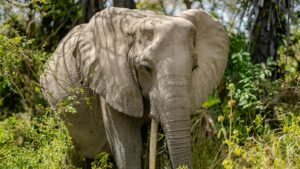
Stretching across 4,500 square miles in northern Botswana, Chobe National Park is a wildlife destination of superlatives. It is home to the largest elephant population on earth, with more than 120,000 individuals roaming its vast landscapes [citation:2]. This is a place of breathtaking wildlife spectacles, where the Chobe Riverfront transforms into a stage for hundreds of elephants, buffalo, and a dazzling array of birdlife.

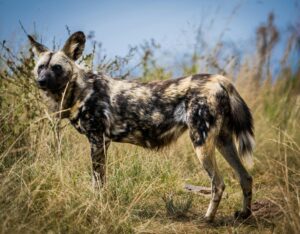
As Botswana’s first national park, Chobe offers an incredible diversity of safari experiences. You can cruise down the Chobe River, watching herds of elephant swim between islands, or venture into the park’s interior on a classic game drive in search of lion, leopard, and the elusive wild dog [citation:2]. With more than 450 species of birds and the chance to see all of the Big Five, Chobe is a must-visit destination for any Botswana safari.

The World's Largest Elephant Population

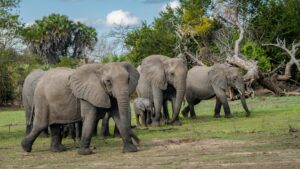
Chobe National Park is world-renowned for its elephants. With over 120,000 individuals, it supports the largest surviving elephant population on the planet [citation:2]. During the dry season, these massive herds congregate along the Chobe River, creating one of Africa’s most unforgettable wildlife spectacles. Watching hundreds of elephants emerge from the bush to drink, bathe, and socialize on the riverbanks is an experience that defines a Chobe safari.

The elephant population is so dense that herds numbering in the hundreds are a common sight. You’ll see family groups with tiny calves, impressive bulls, and constant interaction between individuals. This is elephant viewing at its most raw and awe-inspiring.

Unique Safari by Land and Water

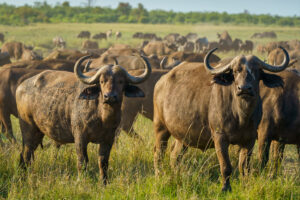
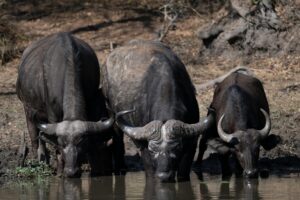
One of the most unusual and rewarding aspects of Chobe is the ability to experience the wilderness from two entirely different perspectives: land and water [citation:2]. A classic 4×4 game drive through the park’s interior offers the chance to track lion prides, spot leopards, and see the vast herds of Cape buffalo, which can number 1,000 or more [citation:2].

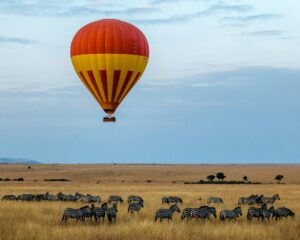
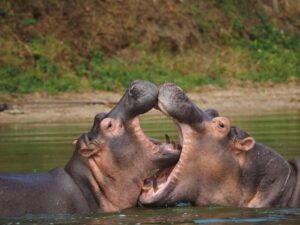
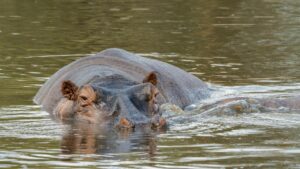
A boat cruise on the Chobe River is a completely different adventure. It brings you face-to-face with the park’s aquatic life, gliding silently past hippos, crocodiles, and elephants that come right down to the water’s edge [citation:2]. This water-based safari also offers unparalleled views of the birdlife, from African fish eagles to carmine bee-eaters. For a truly complete picture, you can even take a light aircraft flight for a breathtaking aerial view of the park and its winding river [citation:2].

Big Five and Beyond

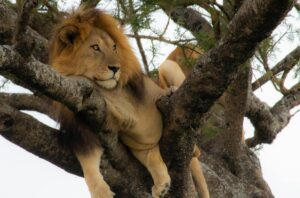
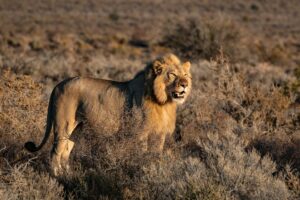
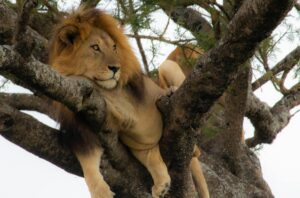
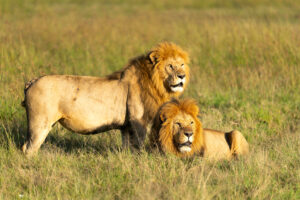
While elephants are the undisputed stars, Chobe offers a chance to encounter the full suite of African wildlife. The park’s lion population, numbering around 30 prides, is famously fierce and has even been known to attack elephants, a testament to their adaptability [citation:2]. Buffalo herds are immense, and leopards, though rare, are present.

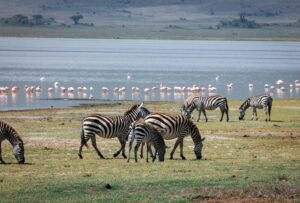
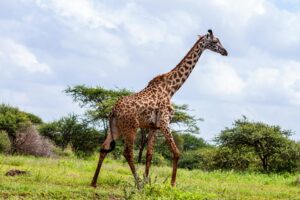
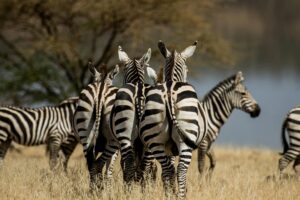
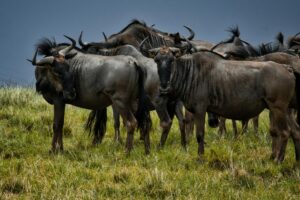
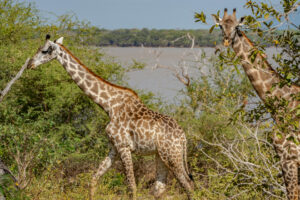
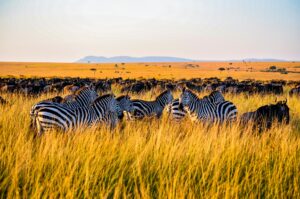
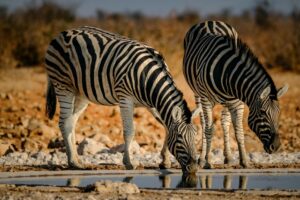
After a period of absence, rhinos have been reintroduced, restoring the Big Five to Chobe [citation:2]. The park is also a stronghold for other species, including giraffe, zebra, wildebeest, and the endangered African wild dog. With its diverse habitats, the park is a haven for antelope species from puku to sable.

The Lively Chobe Riverfront

The Chobe Riverfront, in the park’s northeast, is the epicenter of wildlife activity, especially during the dry season. This 10-kilometer stretch of river is a magnet for animals, who come to drink the permanent waters of the Chobe River. The concentration of wildlife here is so high that game viewing is often exceptional even from the road.

The riverfront is the best place to witness the elephant herds at their most dramatic. It’s also a prime spot for predator viewing, as lions and leopards lie in wait for prey coming to the water. The combination of the river, the floodplains, and the dry woodland behind creates a stunningly beautiful and wildlife-rich environment.

A Birder's Paradise

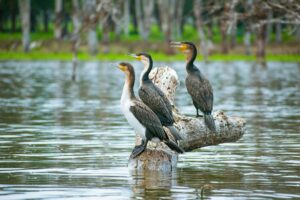
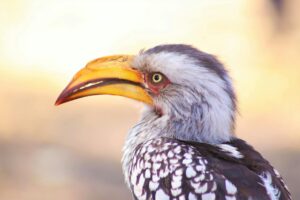
With over 450 bird species recorded, Chobe is a premier birding destination [citation:2]. The river and its banks attract a dazzling array of waterbirds, including African fish eagles, herons, storks, and the pink-backed pelican. The carmine bee-eaters, with their brilliant red plumage, are a seasonal highlight, often seen nesting in colonies on the riverbanks.

During the wet season (November to April), migratory birds from Europe and Asia swell the numbers, making it the best time for avid birders. From waders to raptors, the avian diversity in Chobe is staggering, adding a vibrant layer to any safari.

Gateway to Victoria Falls

Chobe’s location in northern Botswana makes it the perfect partner to a visit to the legendary Victoria Falls. Just a short drive from the town of Kasane, you can easily combine a safari in Chobe with a trip to either the Zambian town of Livingstone or the Zimbabwean town of Victoria Falls [citation:2].

Many travelers choose to take a day trip from Victoria Falls to Chobe, experiencing the thrill of an African safari before returning to the roar of the falls [citation:7]. For those with more time, staying in Chobe and then moving on to Victoria Falls creates a classic and unforgettable southern African itinerary.
Exploring Chobe: From the Iconic Riverfront to Remote Savuti

Chobe Riverfront: Wildlife Spectacle

The Chobe Riverfront, in the park’s northeastern corner, is the crown jewel of Chobe National Park. This 10-kilometer stretch along the Chobe River is where the park’s highest concentrations of wildlife gather, especially during the dry season from May to October. The permanent water of the river attracts elephants, buffalo, and antelope in staggering numbers, creating one of Africa’s most accessible wildlife spectacles.

The riverfront is also the only area in Chobe where boat safaris are available, offering a unique perspective on the wildlife. Gliding silently past herds of elephants drinking, hippos wallowing, and crocodiles basking is an unforgettable experience. The town of Kasane serves as the gateway to this region, with a wide range of accommodations and tour operators.

This area is perfect for first-time visitors and those wanting to combine a safari with a visit to Victoria Falls, which is just a short drive away.

Savuti Marsh: Predator Territory

The Savuti Marsh, in the park’s southwestern corner, is one of Africa’s most legendary wildlife areas. This ancient lake bed, now a seasonal marsh, is renowned for its dramatic predator-prey interactions. The Savuti Channel, which flows intermittently from the Linyanti swamps, is the lifeblood of the area, attracting wildlife when it holds water.

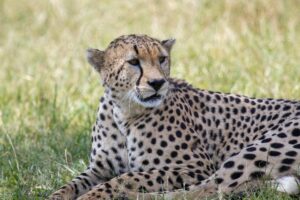
Savuti is famous for its lions, which have developed the unique and rarely observed behavior of preying on elephants. This is also one of the best areas in southern Africa to see cheetahs, which thrive in the open grasslands. The region’s rugged beauty, with its rocky outcrops and ancient baobabs, adds to its allure.

The area is more remote than the riverfront and requires a 4×4 vehicle to access, but the rewards are unforgettable.

Linyanti Marshes: Exclusive Wetland Wilderness

The Linyanti Marshes, in the park’s northwest, form a wetland wilderness along the Linyanti River, which marks the border with Namibia. This area is contiguous with the private Linyanti Wildlife Reserve and offers similar exclusivity and wildlife richness. The permanent water attracts large herds of elephants and buffalo, along with their predators.

The Linyanti is particularly famous for its wild dogs, with some of the highest densities in Africa found here. Night drives and walking safaris are permitted in the private concessions adjacent to the national park, offering a deeper exploration of this pristine ecosystem. The area is accessed via a handful of high-end camps, ensuring an exclusive experience.

This region is best for experienced safari-goers seeking wilderness and solitude.

Nogatsaa Plains: Remote Wilderness

The Nogatsaa Plains, in the park’s interior, are the most remote and least-visited region of Chobe. This area of mopane woodlands and open grasslands offers a true wilderness experience for those willing to venture off the beaten path. Wildlife here is less concentrated but more wild and untouched.

The region is known for its large herds of elephants and buffalo, as well as healthy populations of antelope. Lions and leopards are present but require more effort to locate. The sense of solitude and pristine wilderness is the main draw, offering a safari experience that feels genuinely remote.

Access requires a 4×4 vehicle and advance planning, with only basic facilities available. It’s best suited for self-drive enthusiasts and experienced safari-goers.

Kasane: Gateway to Chobe

Kasane is the bustling town that serves as the main gateway to Chobe National Park. Situated on the banks of the Chobe River, it’s a convenient base for exploring the riverfront region. The town has a wide range of accommodations, from budget-friendly lodges to luxury hotels, and is home to numerous tour operators offering game drives and boat safaris.

Kasane’s proximity to Victoria Falls makes it a popular stop on southern African itineraries. The town also has a small airport with flights to Maun, Johannesburg, and Victoria Falls, making it easily accessible. The Kasane Craft Market offers local souvenirs, and there are several good restaurants along the riverfront.

From Kasane, you can easily take day trips into Chobe or across the border to Zimbabwe or Zambia to visit Victoria Falls.

Serondela: The Original Riverfront

The Serondela area was the original heart of Chobe’s tourism before the park was expanded. Today, it’s still a beautiful stretch of riverfront with towering mahogany and ebony trees providing shade along the riverbanks. The area is excellent for birding and offers a quieter alternative to the busier sections of the riverfront.

Serondela is accessible by road from Kasane and offers a more secluded experience while still providing excellent wildlife viewing. The floodplains here attract large herds of elephants and buffalo, and predators are often seen in the area. It’s a wonderful choice for those wanting to escape the main tourist routes while still enjoying the riverfront’s wildlife abundance.

Chobe Month-by-Month: Elephant Herds, Riverfront & When to Go

Chobe National Park is renowned for its massive elephant population and the spectacular concentrations of wildlife along the Chobe River. The park’s calendar is defined by two distinct seasons, with the dry winter months offering the most dramatic wildlife viewing as animals gather along the permanent river.

The dry season (May to October) is prime time for elephant viewing, with herds of up to 1,000 individuals congregating along the riverfront. The green season (November to April) transforms the landscape into lush scenery, offers exceptional birding with over 450 species, and brings dramatically lower prices, though wildlife is more dispersed.

All temperatures are daytime highs and nighttime lows. The Savuti region has its own microclimate and can be visited year-round.

Month
Rain
Min
Max
Season

Featured Destinations

Selected Complementary Destinations

Tarangire National Park

Top Reasons to Visit
Big 5 Wildlife Year-Round Safari Family Friendly

Wasini Island

Top Reasons to Visit
Warm Tropical Beach Year-Round Safari

Kidepo Valley National Park

Top Reasons to Visit
Bird Watchers' Paradise Family Friendly

Lake Naivasha

Top Reasons to Visit
Year-Round Safari Family Friendly

Watamu

Top Reasons to Visit
Warm Tropical Beach Year-Round Safari Family Friendly

Mahale Mountains National Park

Top Reasons to Visit
Guided Chimpanzee Tracking True Wilderness Experience

Tsitsikamma

Top Reasons to Visit
Bird Watchers' Paradise Big 5 Wildlife Year-Round Safari

Serengeti National Park

Top Reasons to Visit
Big 5 Wildlife Year-Round Safari Family Friendly

Plan Your Journey to Chobe National Park

Ready to explore? Our travel specialists are here to help craft your dream itinerary.
Chat on WhatsApp
Created by icon tripfrom the Noun Project Created by Amethyst Studiofrom the Noun Project Created by Amethyst Studiofrom the Noun Project Created by Amethyst Studiofrom the Noun Project