Why the Skeleton Coast Is Namibia's Most Hauntingly Beautiful Wilderness
The Skeleton Coast is one of the most remote and evocative places on earth—a hauntingly beautiful stretch of Namibia’s northern coastline where the cold Atlantic meets the oldest desert on the planet. Its name alone conjures images of shipwrecks, whale bones, and the relentless power of nature. This is a land of extremes: roaring Atlantic surf, fog-shrouded shores, and desert dunes that march right into the sea.
Named for the whale bones that littered its shores during the whaling era, and later for the shipwrecks that met their end in its treacherous waters, the Skeleton Coast is a place of stark beauty and raw power. It’s a destination for those seeking solitude, dramatic landscapes, and a profound sense of being at the edge of the world. Here is why the Skeleton Coast deserves a place on every adventurous traveler’s bucket list.
The Land of Shipwrecks
The Skeleton Coast’s treacherous waters and dense fog have claimed countless ships over the centuries, and the rusting remains of these vessels scattered along the shoreline give the coast its haunting name. The most famous of these is the Eduard Bohlen, a cargo ship that ran aground in 1909 and now lies several hundred meters inland, the shifting desert sands having gradually claimed it. Its rusting hull rising from the dunes is one of Namibia’s most surreal sights.
Other wrecks dot the coastline, each with its own story. The Dunedin Star, a British cargo ship that ran aground in 1942, became the center of one of the most dramatic rescue operations in maritime history. These wrecks serve as poignant reminders of the coast’s power and the fragility of human endeavor against the forces of nature.
Cape Cross Seal Colony
Cape Cross is home to one of the largest Cape fur seal colonies on earth, with hundreds of thousands of seals gathering here to breed and raise their young. The sight—and smell—of this massive colony is overwhelming. From the viewing platforms, you can watch the seals jostling for position, mothers calling to their pups, and massive bulls defending their territories. The constant barking creates an unforgettable soundtrack.
The colony is at its peak during November and December, when the pups are born. Visiting at this time, you’ll see thousands of tiny black pups dotting the rocks, their plaintive cries adding to the cacophony. It’s a raw, primal spectacle that showcases the sheer abundance of life along this otherwise desolate coast.
Desert-Adapted Wildlife
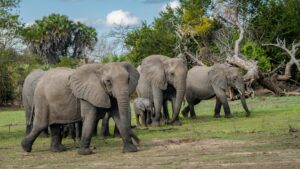
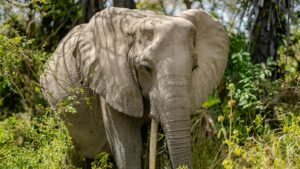
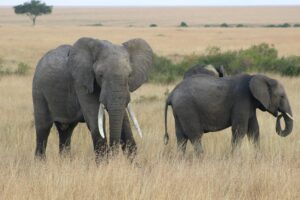
The Skeleton Coast is home to a remarkable array of wildlife that has adapted to survive in this harsh environment. Most famous are the desert-adapted elephants, which roam the dry riverbeds of the Hoanib and Huab Rivers in search of food and water. These elephants are smaller than their savannah counterparts and have evolved to go for days without drinking.
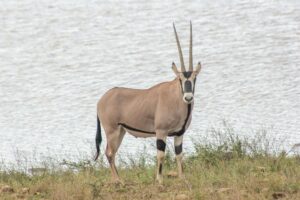
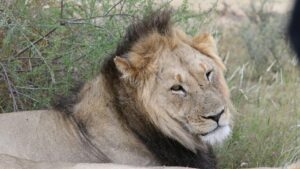
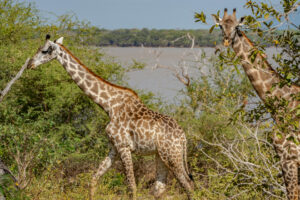
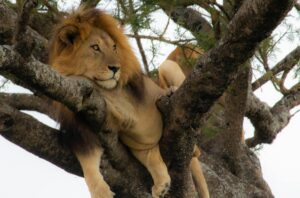
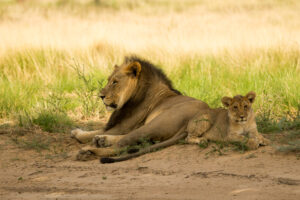
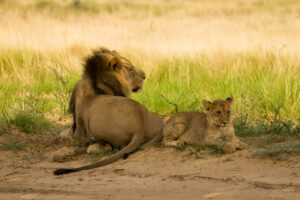
The coast is also one of the best places to see the elusive brown hyena, which patrols the shoreline scavenging for seal carcasses. Lion, springbok, oryx, and giraffe can also be found in the ephemeral river valleys that cut through the desert. This is wildlife viewing at its most raw and authentic, in a landscape that demands the utmost resilience.
Fly-In Safaris and Remote Camps
Due to its remoteness and the difficulty of travel, the Skeleton Coast is best explored by light aircraft on a fly-in safari. These flights offer breathtaking aerial views of the coastline, the dunes, and the shipwrecks, and provide access to exclusive camps that offer a true wilderness experience. Camps like Hoanib Skeleton Coast Camp and Shipwreck Lodge offer luxurious accommodation in the midst of this raw landscape.
From these camps, you can explore the river valleys in 4×4 vehicles, walk with guides through the desert, and experience the profound solitude of this remote coast. It’s a once-in-a-lifetime experience that few travelers ever have the chance to enjoy.
The Fog That Shapes Life
The Skeleton Coast is shrouded in fog for much of the year, created when the cold Benguela Current meets the warm desert air. This fog is not just an atmospheric phenomenon; it’s the lifeblood of the entire ecosystem. The moisture it carries sustains the desert-adapted plants and animals, providing the only source of water for many species.
The fog also creates an eerie, otherworldly atmosphere, softening the landscape and muting sounds. It’s at its thickest in the early morning, when the dunes and wrecks emerge slowly from the mist. For photographers, this creates magical conditions, with soft, diffused light and layers of atmosphere.
Terrace Bay and Accessible Wilderness
The southern part of the Skeleton Coast, around Terrace Bay, is accessible to self-drive visitors and offers a taste of this remote wilderness without the need for a fly-in safari. Terrace Bay is a small resort with basic accommodation, offering a base from which to explore the surrounding coastline. You can walk along the beach, explore shipwrecks, and experience the raw power of the Atlantic.
The area is also good for fishing, with surf fishing a popular activity. While you won’t see the desert-adapted wildlife of the north, you’ll experience the haunting beauty of the coast and get a sense of its scale and isolation.