Why Etosha Is Namibia's Premier Wildlife Destination
Etosha National Park is Namibia’s flagship wildlife reserve, a vast 22,000-square-kilometer wilderness centered around the Etosha Pan—a shimmering expanse of white salt that covers nearly a quarter of the park. This is one of Africa’s greatest wildlife destinations, renowned for its abundant game, its excellent infrastructure, and the extraordinary spectacle of animals gathering at waterholes.
The park’s name comes from the local Ovambo word meaning ‘great white place,’ and indeed, the pan is its defining feature. In years of exceptional rain, the pan transforms into a shallow, mirror-like lake that can be seen from space. But for most of the year, it’s a dry, shimmering expanse that reflects the sky and creates a surreal backdrop for game viewing. Here is why Etosha deserves a place on every Namibia itinerary.
The Great Etosha Pan
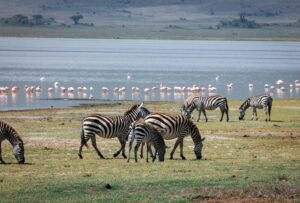
Covering nearly 5,000 square kilometers, the Etosha Pan is the park’s defining feature and one of the most striking landscapes in Africa. This vast, flat expanse of shimmering white salt is visible from space and dominates the park’s center. During the dry season, it’s a shimmering mirage on the horizon, its heat haze distorting the shapes of distant animals. In years of exceptional rain, it fills with water, attracting thousands of flamingos and pelicans.
The pan is not just a scenic backdrop; it’s also a natural barrier that channels wildlife toward the waterholes that ring its edges. Most of the park’s game viewing occurs along these southern and western edges, where animals concentrate around permanent springs and boreholes. The sight of elephants, zebras, and antelope silhouetted against the white expanse is one of Africa’s iconic images.
Waterhole Viewing: Africa's Greatest Spectacle
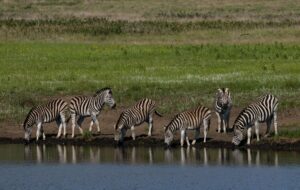
Etosha’s network of waterholes, both natural springs and artificial boreholes, creates one of Africa’s most accessible and spectacular wildlife experiences. During the dry season, these waterholes become magnets for wildlife, with animals gathering in huge numbers throughout the day. But it’s at night that the real magic happens—floodlit waterholes at the main camps allow for unforgettable after-dark viewing.
The floodlit waterhole at Okaukuejo Camp is legendary. Throughout the night, a parade of animals comes to drink—elephants, rhinos, lions, and sometimes even leopard. Watching a black rhino drink under the stars is an experience that stays with you forever. Halali and Namutoni also have floodlit waterholes, each with its own character and regular visitors.
Four of the Big Five
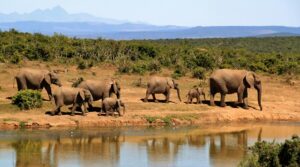
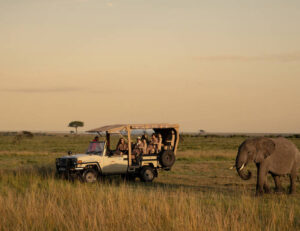
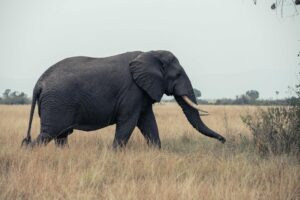
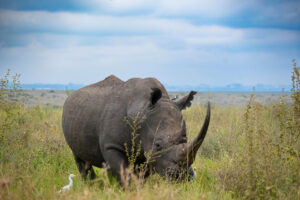
Etosha is home to four of the Big Five—lion, leopard, elephant, and rhino (both black and white). Only buffalo are absent, preferring wetter habitats than the park can provide. The elephant population is particularly impressive, with large herds frequently seen at waterholes. Etosha is also one of the best places in Africa to see black rhinos, with healthy populations concentrated around the western waterholes.
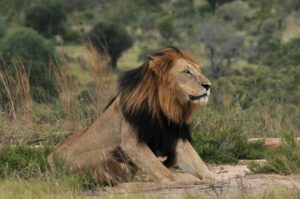
Lions are common throughout the park, often seen resting during the day and hunting at night. Leopards are more elusive but regularly seen, especially in the vicinity of waterholes. The park also boasts healthy populations of cheetah, spotted hyena, and the endangered African wild dog, making it a predator lover’s paradise.
Self-Drive Paradise
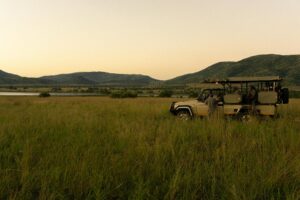
Etosha is one of the most accessible self-drive safari destinations in Africa. The park has an excellent network of well-maintained gravel roads, clearly marked and passable in a standard sedan during the dry season. Each of the three main rest camps—Okaukuejo, Halali, and Namutoni—offers comfortable accommodation, restaurants, fuel, and shops, making self-drive safaris not just possible but genuinely enjoyable.
The freedom to explore at your own pace, stopping as long as you like at waterholes, is one of the joys of Etosha. You can spend an hour watching a pride of lions or move on to the next waterhole whenever you choose. For many visitors, a self-drive safari through Etosha is the highlight of their Namibia trip.
The 'Big Four' Rest Camps
Etosha’s three main rest camps—Okaukuejo, Halali, and Namutoni—are destinations in themselves. Each offers a range of accommodations, from campsites to comfortable bungalows, and each has its own character. Okaukuejo, the oldest and most famous, is renowned for its floodlit waterhole. Halali, tucked between the two, has a quieter, more intimate feel and a beautiful swimming pool carved into the dolomite rock. Namutoni, with its historic German fort, offers a unique blend of history and wildlife.
All three camps have restaurants, shops, and fuel, making them perfect bases for exploring. The park’s layout allows for easy travel between them, with game viewing en route. Many visitors plan their itinerary to spend a night or two at each, experiencing the different atmospheres and waterhole characters.
Birding Paradise
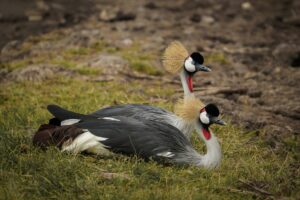
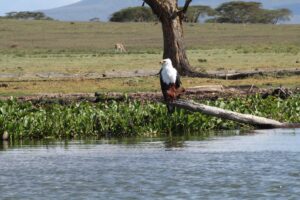
With over 340 bird species recorded, Etosha is a premier birding destination. The park’s diverse habitats—from the pan itself to the surrounding savannah and woodlands—support an impressive variety of birds. The pan attracts large numbers of waterbirds when flooded, including flamingos, pelicans, and storks. The woodlands are home to ostriches, kori bustards, and a variety of raptors.
Specialties include the striking crimson-breasted shrike, the beautiful lilac-breasted roller, and the endemic Rüppell’s korhaan. During the summer rains, migratory birds from Europe and Asia swell the numbers, making it the best time for birding. Even during the dry season, the resident birdlife is abundant and colorful.