Why the Okavango Delta Is Africa's Most Extraordinary Water Wilderness
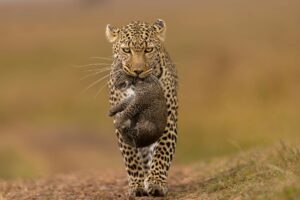
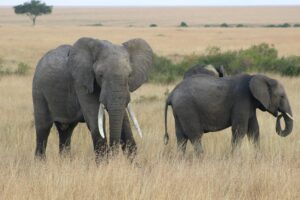
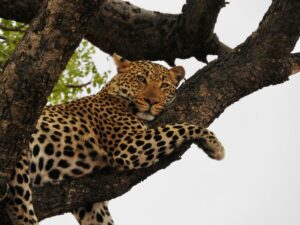
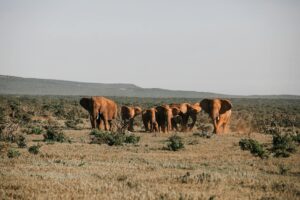
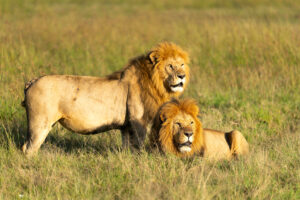
Splayed across the north of Botswana like a fan, the Okavango Delta is a watery wilderness filled to the brim with wildlife—the largest inland delta in the world [citation:1]. This is not a place that flows to the sea; instead, it fans out into the arid Kalahari sands, creating a shimmering oasis of papyrus-fringed channels, emerald lagoons, and forested islands. It is a place of surreal beauty, where huge herds of elephant traipse down to the water’s edge, where bee-eaters and kingfishers flit across the channels, and where, in the long grasses, leopard, lion, and wild dog share a common goal: to hunt, kill, and eat [citation:1].
Designated a UNESCO World Heritage Site, the delta is one of the few places on earth where you can experience a safari by water. Gliding silently through narrow waterways in a mokoro (traditional dugout canoe) brings you face-to-face with the delta’s lifeblood and the creatures that depend on it, from pods of grunting hippos to dazzling malachite kingfishers [citation:1]. Here is why the Okavango Delta is a destination unlike any other.
A Watery Wilderness in the Kalahari Desert
The Okavango Delta is a geological and hydrological marvel. Each year, floodwaters from Angola’s highlands travel over 1,000 kilometers, arriving in Botswana’s arid landscape between April and October [citation:1]. This influx of fresh water transforms a seasonal grassland into a 15,000-square-kilometer labyrinth of clear-water channels, lagoons, and floodplains, creating the world’s largest inland delta.
This annual flood is the lifeblood of the ecosystem. It pulses through the delta, dictating the rhythms of life for countless species. The permanent water sources, fed by this yearly deluge, ensure that while the delta’s size fluctuates, its core remains a year-round haven for wildlife [citation:1]. This unique hydrological cycle is what makes the Okavango not just a beautiful place, but a dynamic and ever-changing wilderness.
Safari by Water: The Mokoro Experience
Nowhere else in Africa can you explore the bush from such a peaceful, eye-level perspective. The traditional mokoro, a dugout canoe once used by local fishermen, is the quintessential way to experience the delta’s intricate waterways [citation:1]. With a skilled guide poling you silently through narrow, papyrus-lined channels, you glide past frogs, lily-trotting jacanas, and the occasional crocodile.
The silence is profound, allowing for intimate encounters with the delta’s aquatic life. You can watch hippos snort and wallow in deeper pools (always at a respectful distance), observe elephants crossing between islands, and marvel at the sheer abundance of birdlife that flits and dives around you. This is a safari that engages all the senses, connecting you to the wilderness in a way a game drive simply cannot.
Exceptional Wildlife Above and Below the Water
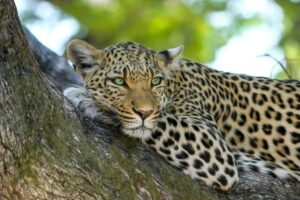
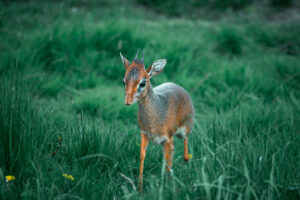
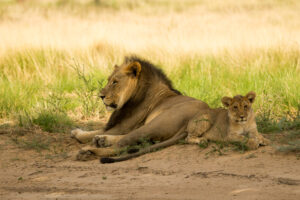
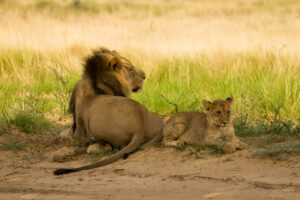
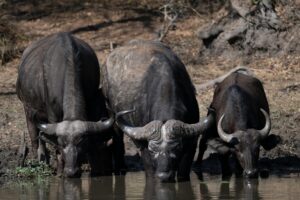
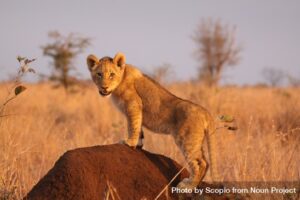
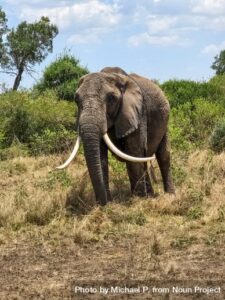
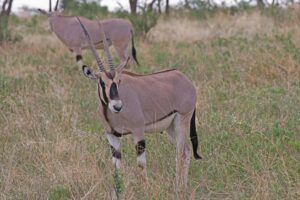
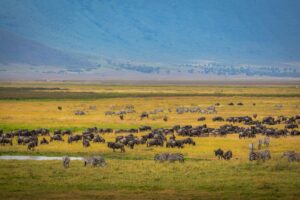
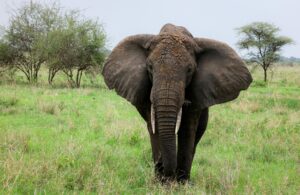
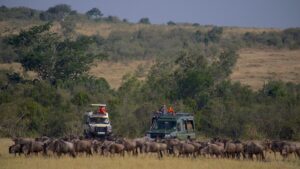
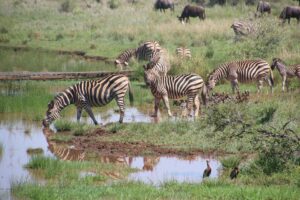
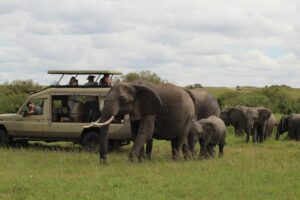
While the delta is defined by water, its islands and floodplains are home to an astonishing concentration of wildlife. Huge herds of elephant navigate the channels, often swimming between islands, while buffalo, lechwe, and tsessebe graze on the lush grasses [citation:1]. The delta is also a premier predator destination, with healthy populations of lion, leopard, cheetah, and the endangered African wild dog, all drawn to the abundant prey.
Above the water, the skies are alive with color. Over 400 bird species have been recorded, including the iconic African fish eagle, the stunning carmine bee-eater, and a variety of herons, storks, and kingfishers [citation:1]. Whether you’re in a vehicle, on foot, or in a boat, the wildlife viewing in the Okavango Delta is nothing short of spectacular.
A Mosaic of Exclusive Private Concessions
The Okavango Delta is not one single park but a mosaic of private concessions and wildlife reserves, each offering a unique and exclusive experience [citation:1]. This model of tourism ensures low vehicle densities and a high-quality, intimate safari. From the wildlife-rich waterways of the Khwai Concession to the remote luxury of the Jao or Vumbura Concessions, your choice of location can shape your entire safari.
Staying in a private concession often comes with additional privileges, such as the ability to go off-road, take night drives, and enjoy guided walking safaris—activities that are restricted in national parks [citation:1]. This exclusivity means you can track a leopard through the bush, watch a pride of lions hunt by spotlight, or simply have a pristine wilderness area all to yourself.
Unforgettable Safari Camps and Lodges
Scattered across the delta’s islands and lagoons is a collection of some of Africa’s most luxurious and unique safari camps. From the elegant, treehouse-style suites at &Beyond Sandibe Lodge to the classic, under-canvas charm of camps like Xigera or Shinde, each property offers a distinct take on delta life [citation:1]. Many are perched on the water’s edge, allowing you to watch elephants drink from your private deck or hippos graze on the floodplain.
These camps are not just places to sleep; they are gateways to the wilderness. Expert guides lead twice-daily game drives and mokoro excursions, while the camps themselves offer infinity pools, spa treatments, and world-class dining under the stars [citation:1]. A stay in one of these camps is an unforgettable part of the Okavango experience.
The Magic of the Seasonal Flood
The delta’s character transforms with the seasonal flood. While there is water year-round, the landscape changes dramatically. The peak flood season (April to October) sees water levels at their highest, opening up vast areas of the delta to exploration by mokoro and motorboat [citation:1]. Lagoons swell, and wildlife concentrates on the scattered islands, creating prime game-viewing conditions.
As the waters recede during the dry season, the floodplains attract even greater concentrations of animals, making them easier to spot. The interplay of land and water, and the life it supports, is a constant and mesmerizing spectacle. Understanding this rhythm is key to choosing the perfect time for your visit [citation:1].