Why Lamu Is East Africa's Most Enchanting Swahili Island
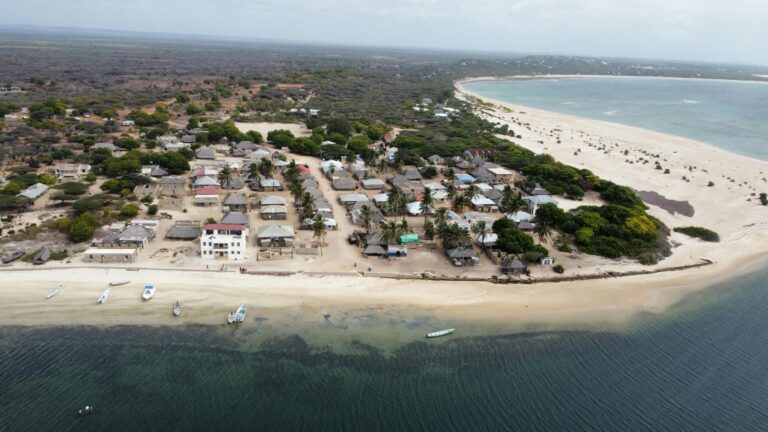
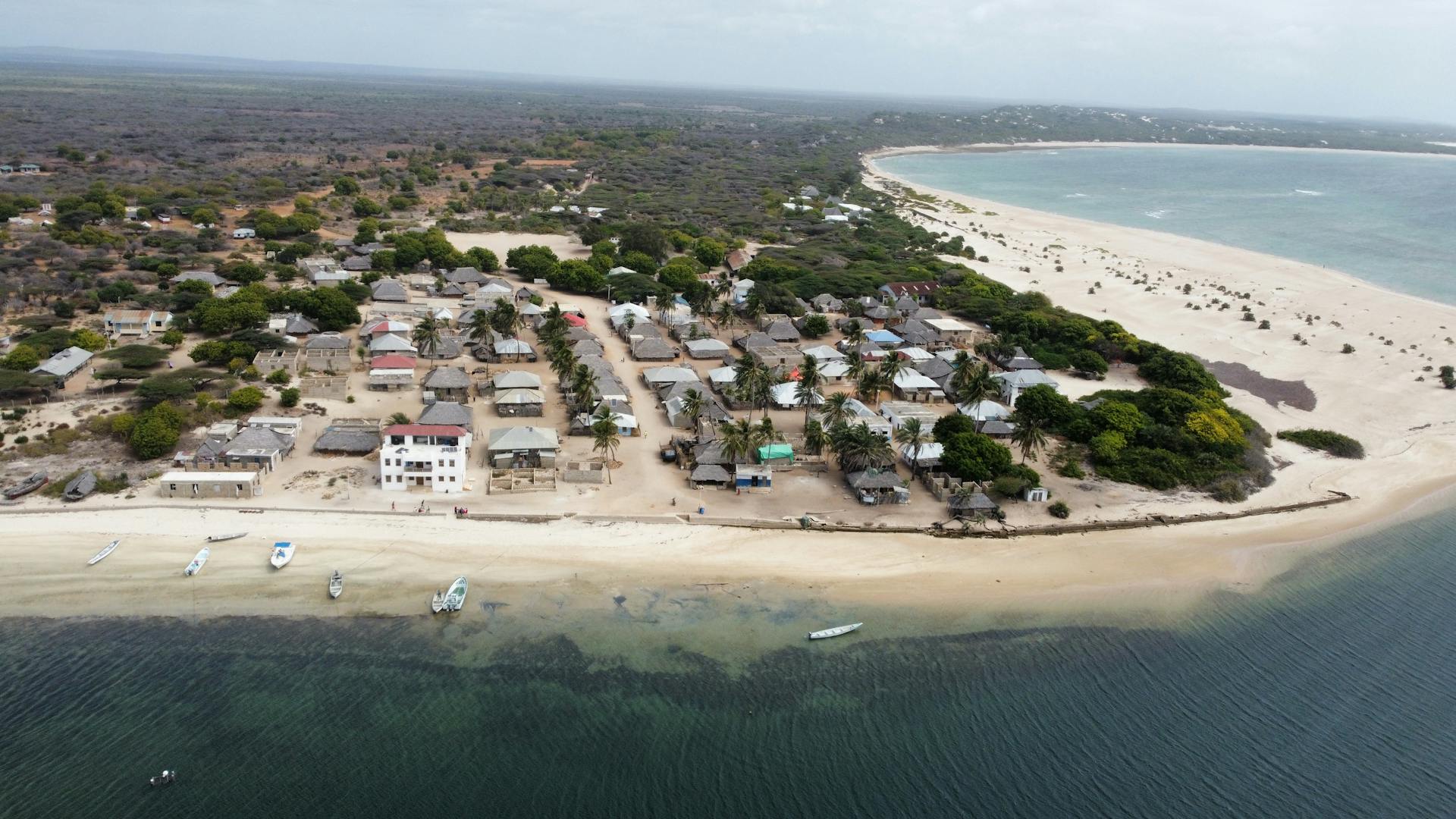
Lamu is not just another beach destination—it’s a place that exists outside of time. This string of idyllic islands off Kenya’s northern coast has been continuously inhabited for over 700 years, and its ancient rhythms remain unchanged. Cars are banned; transport is by donkey, dhow, or on foot. The narrow streets of Lamu Old Town, a UNESCO World Heritage Site, wind past coral-stone houses with elaborately carved wooden doors, their design unchanged for centuries [citation:5][citation:6].
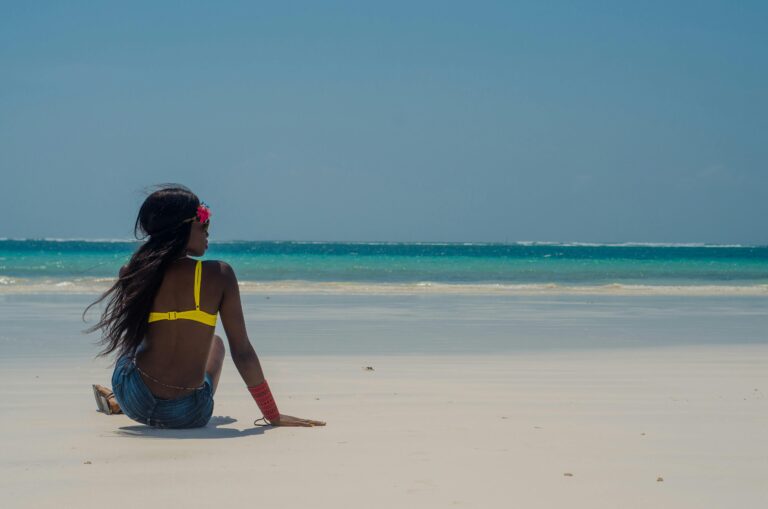
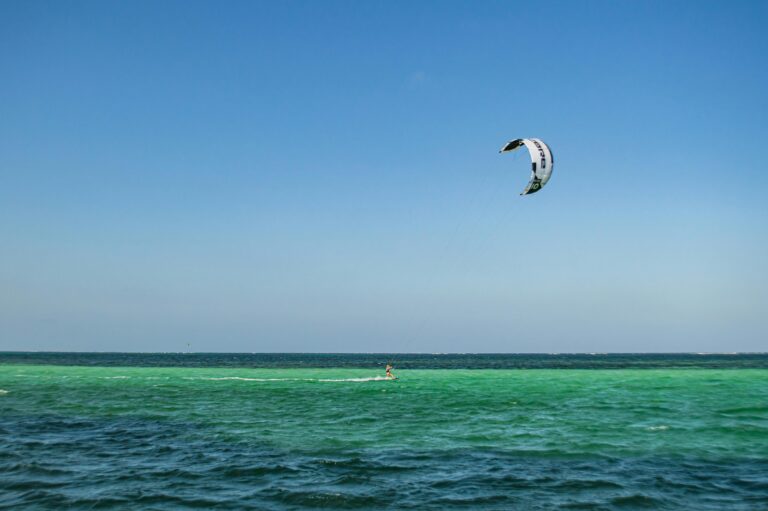
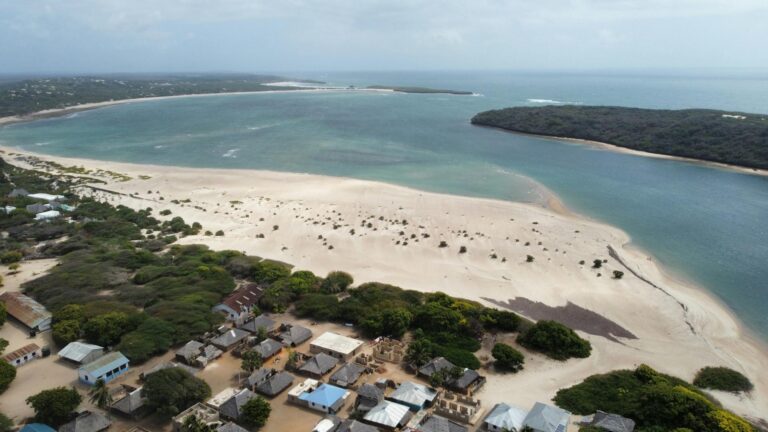
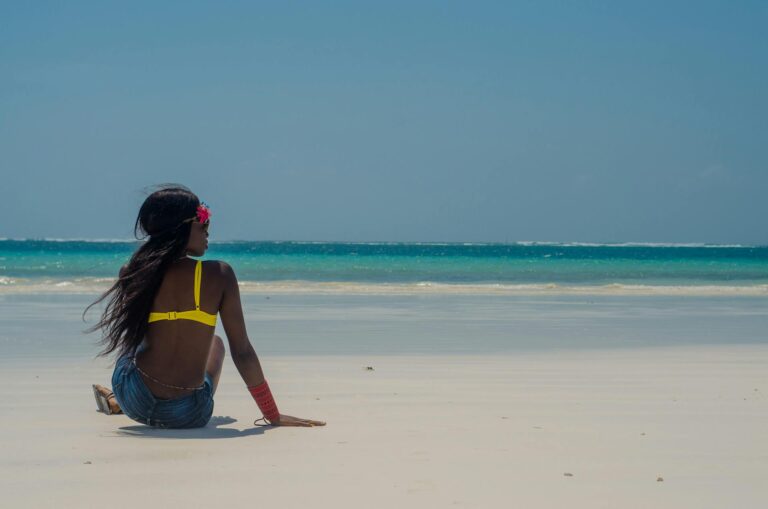
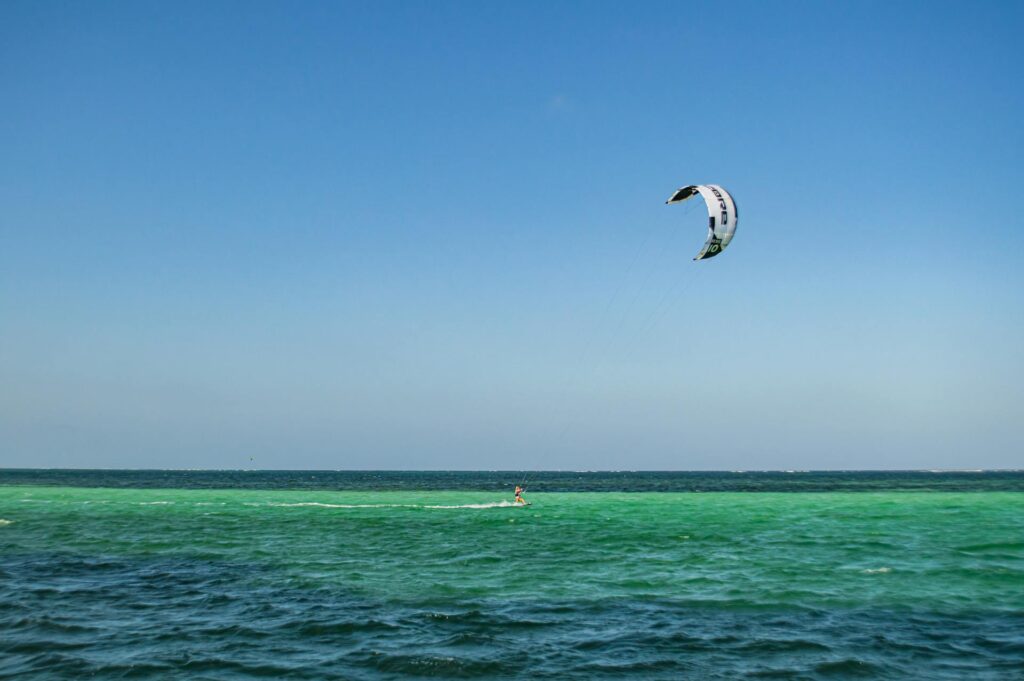
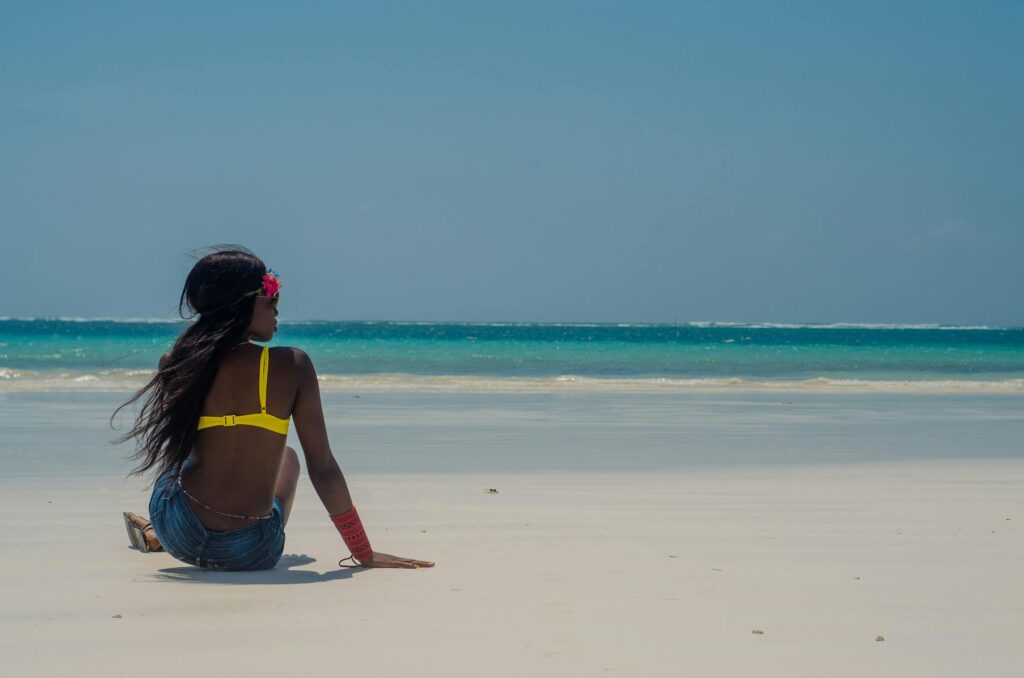
But Lamu is more than a living museum. It’s a place of stunning natural beauty—white-sand beaches fringed by palm trees, turquoise waters teeming with marine life, and mangrove-lined channels perfect for exploration. It’s a cultural crossroads where Swahili, Arab, Persian, Indian, and European influences have blended over millennia to create something utterly unique. It’s a place where you can do everything—sail a dhow at sunset, snorkel with dolphins, explore ancient ruins—or do nothing at all [citation:1].
Here is why the Lamu Archipelago deserves a place on every Kenya itinerary.
Lamu Old Town: A Living UNESCO World Heritage Site
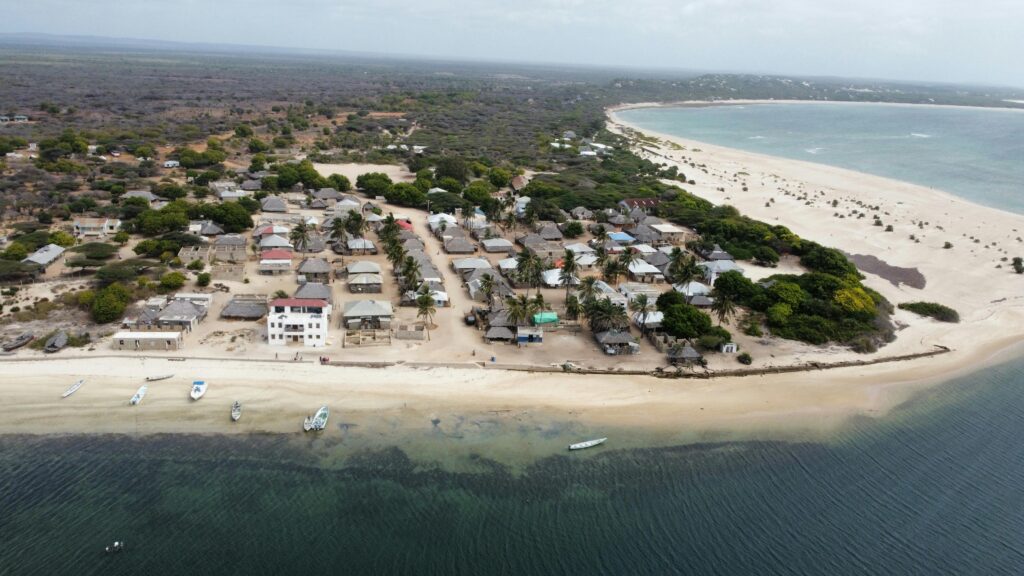
Lamu Old Town is the heart and soul of the archipelago. Inscribed as a UNESCO World Heritage Site in 2001, it is the oldest and best-preserved Swahili settlement in East Africa [citation:5]. The town has been continuously inhabited for over 700 years, and its fabric—coral-stone buildings, mangrove timber roofs, and intricately carved wooden doors—remains remarkably intact [citation:5].
Wandering through Lamu’s narrow, car-free streets is like stepping back in time. Donkeys clip-clop past, carrying goods as they have for centuries. The scent of spices drifts from open doorways. Women in traditional buibui glide silently through the alleys. The pace is slow, the atmosphere timeless [citation:6].
UNESCO describes Lamu as having ‘Outstanding Universal Value’ as the oldest and best-preserved Swahili settlement, noting that it ‘has maintained its social and cultural integrity, as well as retaining its authentic building fabric up to the present day’ [citation:5].
Dhow Culture: Sailing Ancient Waters
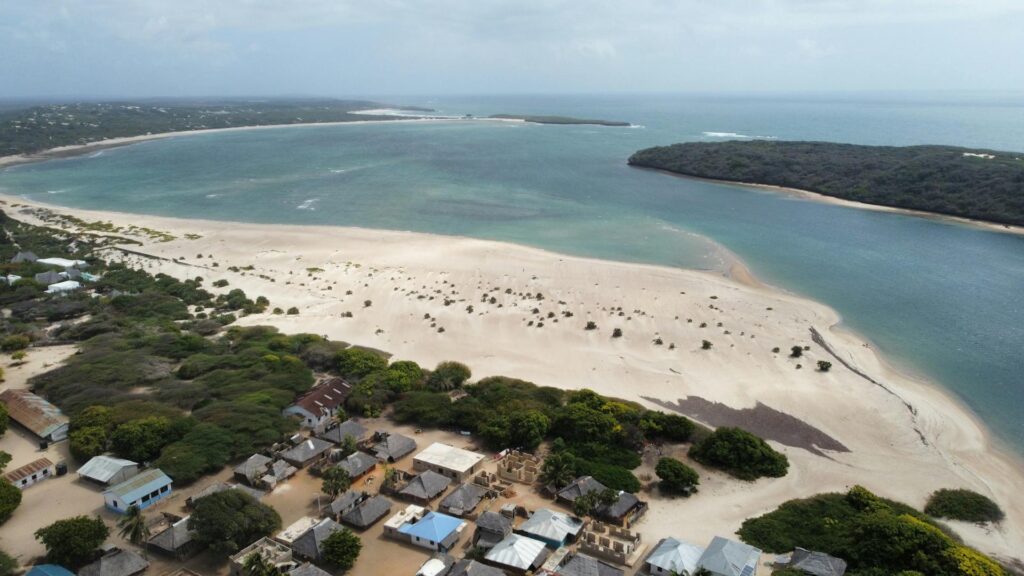
The dhow is the soul of Lamu. These handcrafted wooden sailing vessels have plied the Indian Ocean’s trade routes for centuries, carrying spices, ivory, and slaves between Africa, Arabia, Persia, and India. Today, they remain central to life in the archipelago—used for fishing, transport, and, most famously, for competitive racing and sunset cruises [citation:5].
Lamu’s dhows are distinctive, often adorned with a ‘dhow eye’—a stylized symbol carved, painted, or embroidered on the bows. Shaped around a crescent moon and star, it is said to guard sailors against the perils of the sea and guide them by the stars [citation:5].
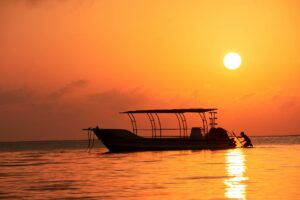
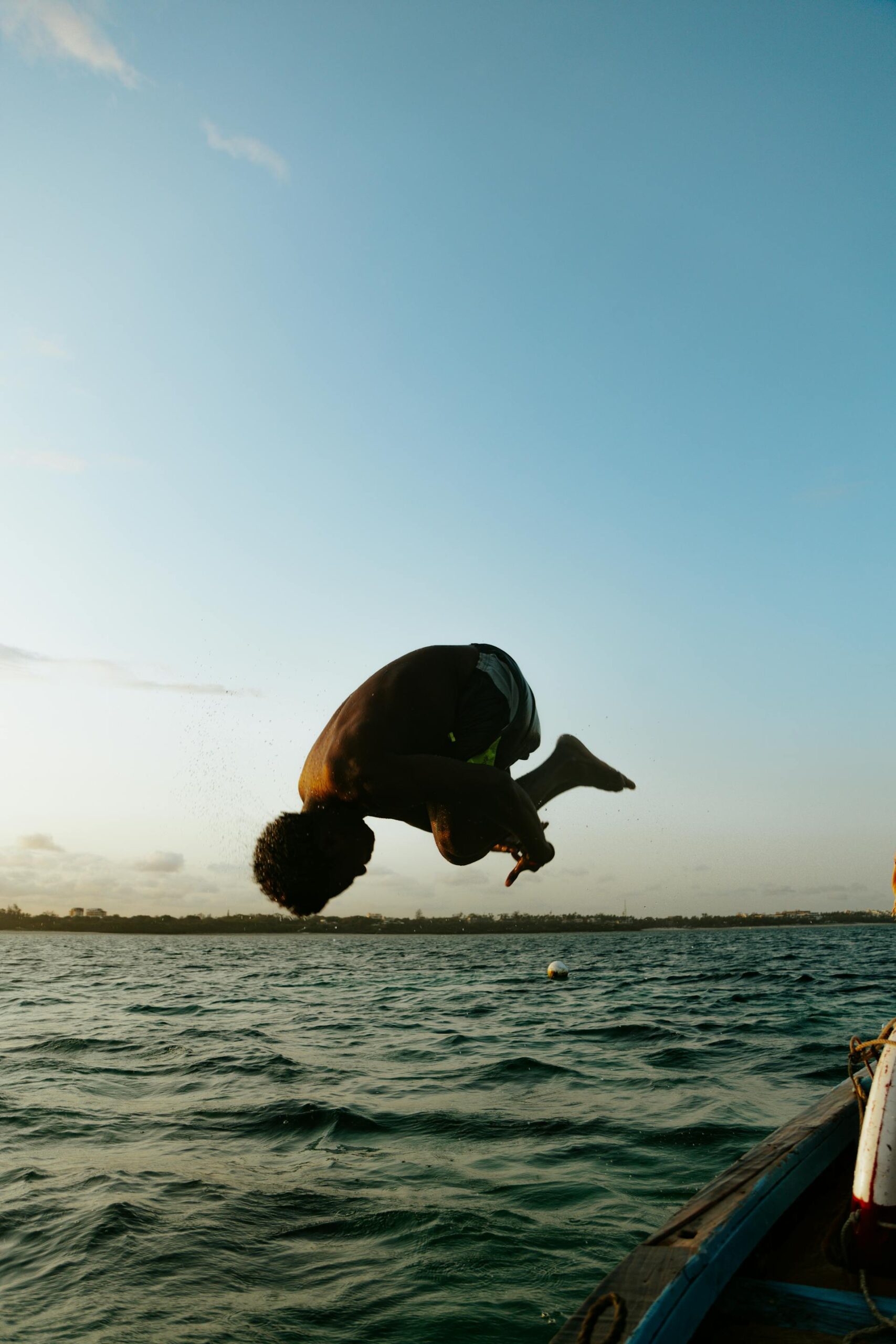
Sailing on a dhow is an essential Lamu experience. Glide through mangrove-lined channels, visit remote islands, or simply drift at sunset as the sky turns gold and the sails catch the evening breeze. The primary dhow racing season runs from July to April, when the winds are ideal for showcasing the vessels’ top speeds [citation:9].
Shela Beach & Shela Village: Upscale Coastal Escape
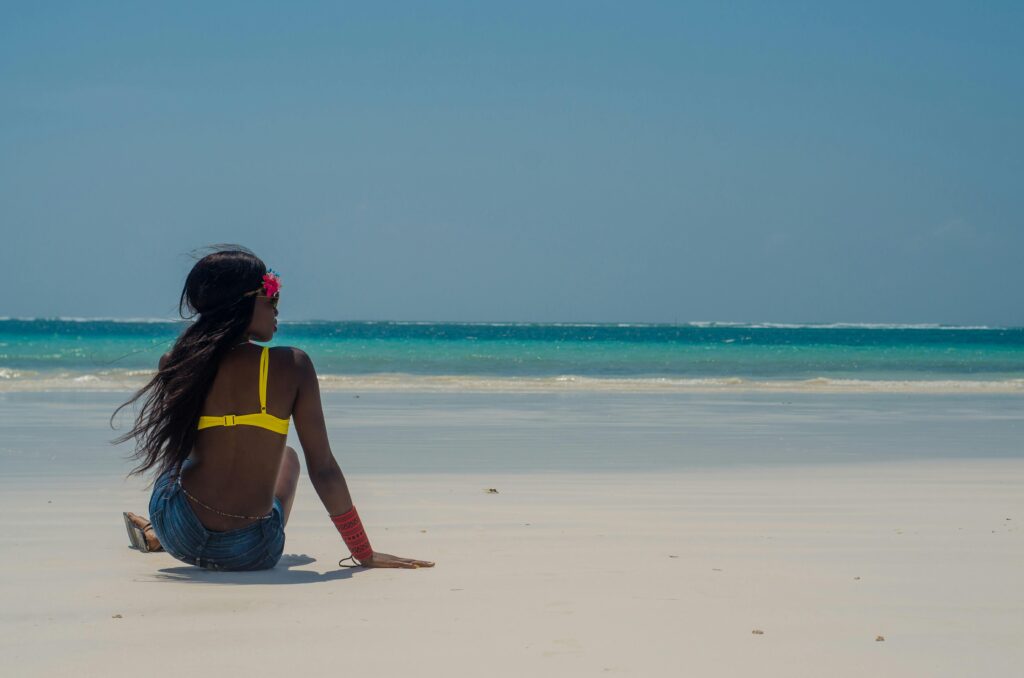
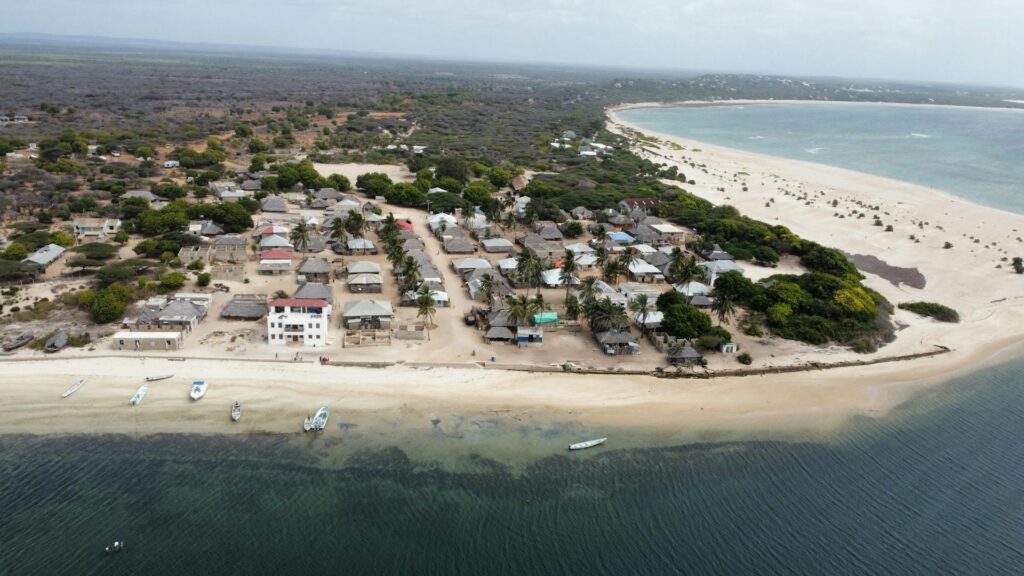
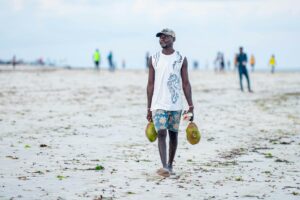
Shela, a historic village 3.2 kilometers south of Lamu Town, offers a more upscale and relaxed experience. Easily reached by a 10-minute boat ride or a 45-minute walk along the shore, Shela is known for its miles of pristine, uncrowded coastline—perfect for swimming, strolling, and watching dhows drift by at sunset [citation:5].
Often described as ‘sleepy yet sophisticated,’ Shela attracts visitors seeking a slow pace of life and quiet relaxation. The village is historically significant as the site of the 1813 Battle of Shela, which cemented Lamu’s dominance in the archipelago [citation:5].
Several boutique hotels, including the legendary Peponi Hotel, serve as central social hubs. The expansive beach stretches over seven miles to Kipungani, offering endless opportunities for long walks and solitude [citation:5][citation:9].
Kiunga Marine National Reserve: Underwater Paradise
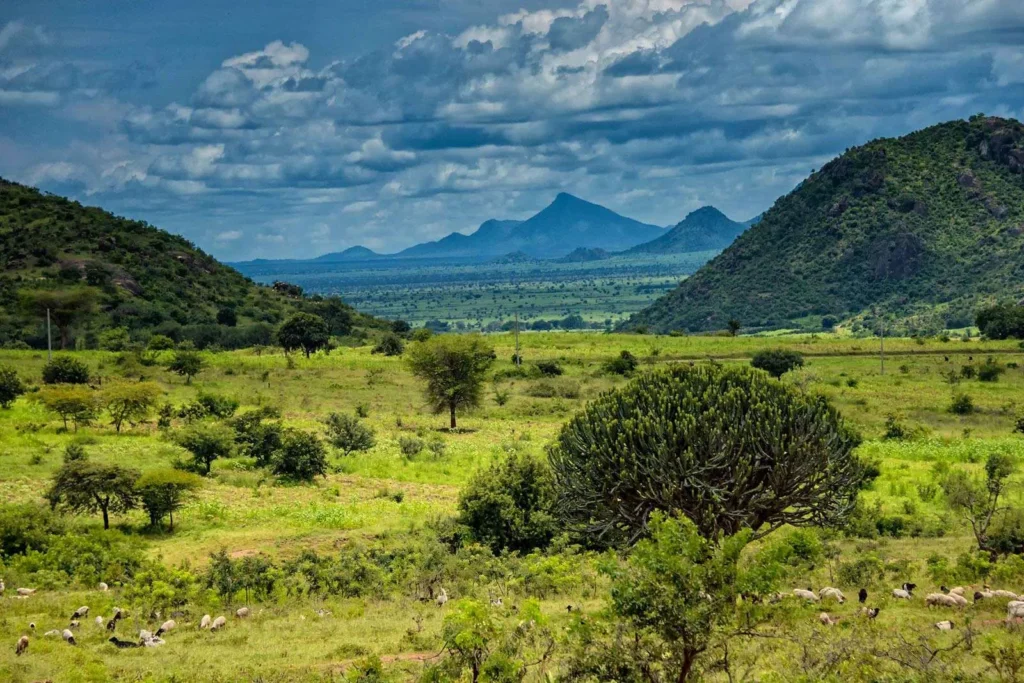
The Kiunga Marine National Reserve protects a group of about fifty coral reefs and calcareous isles off the northern coast of Kenya. Stretching more than 37 kilometers parallel to the shore, the reserve shares borders with two additional terrestrial reserves, Dodori and Boni [citation:9].
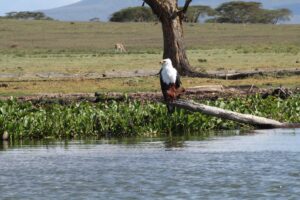
The reserve’s protected status guarantees the preservation of numerous important habitats, both on land and in the water. Soft sand beaches, coral reefs, and mangrove forests are typical ecosystems. Along with sea turtles, which are frequent visitors, migratory birds depend on the islands as hatching grounds [citation:9].
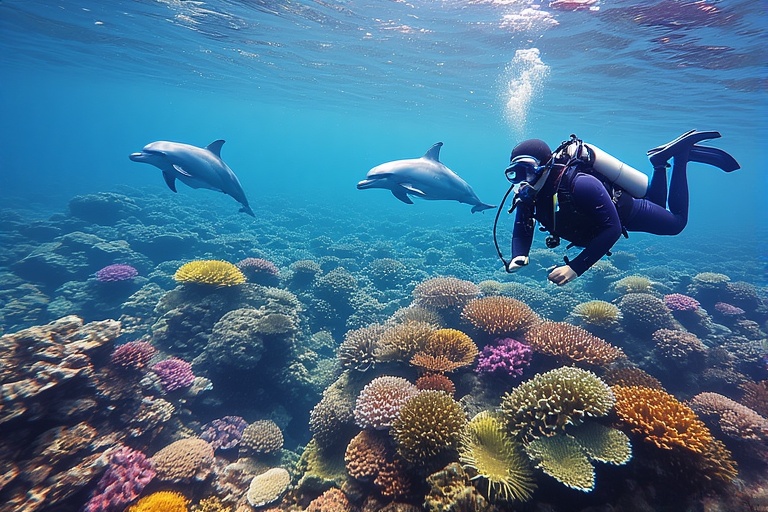
From the tiniest sea creature to enormous game fish, the diversity of marine life is staggering. Snorkeling and diving here reveal a world of color—parrotfish, angelfish, butterflyfish, and, if you’re lucky, reef sharks and rays. The best time for water clarity is November to March [citation:6][citation:9].
Takwa Ruins: Ghosts of Manda Island
On Manda Island, across the channel from Lamu Town, lie the Takwa Ruins—a 15th-century abandoned Swahili settlement that offers a fascinating glimpse into the archipelago’s history. Archaeological digs have unearthed Chinese porcelain and Islamic pottery, telling stories of ancient trade routes that connected East Africa to distant lands [citation:1][citation:6].
The ruins feature a unique mosque with a mihrab perfectly aligned with Mecca, as well as the remains of houses, tombs, and city walls. The site is accessible by boat from Lamu, and the journey itself—across the channel with views of the mainland—is part of the experience [citation:4].
Exploring Takwa feels like stepping into a lost world. The silence is profound, broken only by the wind and the calls of birds. It’s a place for contemplation and wonder, a reminder of the civilizations that have risen and fallen along this coast [citation:4].
Lamu Festivals: Celebrating Swahili Culture

Lamu’s festivals are vibrant expressions of its unique cultural heritage. The annual Lamu Cultural Festival, held each November, is the archipelago’s most important event. The festival showcases traditional dhow races, donkey races, Swahili poetry competitions, henna painting, and traditional games like bao. It’s a deep dive into local life, music, and traditions that attracts visitors from around the world [citation:3][citation:4][citation:6].
The Lamu Yoga Festival in March offers wellness and cultural experiences, drawing international participants for yoga, meditation, and cultural exchange [citation:3]. The Maulidi Festival in spring celebrates the birth of the Prophet Muhammad with religious processions and performances [citation:6]. The Swahili Cultural Festival in June celebrates local culture with food, music, and art [citation:8].
Timing your visit to coincide with one of these festivals adds a rich cultural dimension to your Lamu experience.