Lewa Wildlife Conservancy – Safari Continents Travel

Lewa Wildlife Conservancy

Lewa Wildlife Conservancy

Lewa Wildlife Conservancy

  • Best Time to Visit: June – October and January – February.
  • Entry Fees: Conservancy fees apply: approx. USD 105 pp/night.
  • Country: Nanyuki

Why Lewa Is Africa's Most Inspiring Conservation Success Story

Lewa Wildlife Conservancy is not just a safari destination—it’s a model for the future of African conservation. Spanning 62,000 acres on the northern slopes of Mount Kenya, this UNESCO World Heritage Site has transformed from a cattle ranch into one of the most successful wildlife sanctuaries on the continent [citation:1][citation:7]. It protects one of Kenya’s largest rhino populations, 25% of the world’s remaining Grevy’s zebras, and over 400 bird species [citation:5][citation:9].

But Lewa’s true genius lies in its community-centric approach. Revenue from tourism directly funds anti-poaching units, schools, healthcare clinics, and water projects for surrounding communities [citation:1][citation:6]. Every visitor contributes to a virtuous cycle where wildlife conservation and human development reinforce each other. This is a place where your safari has genuine, measurable impact.

Here is why Lewa deserves a place on every Kenya itinerary.

Rhino Conservation: A Global Success Story
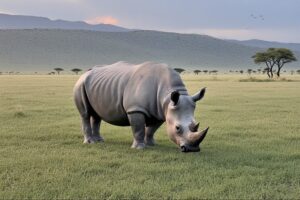
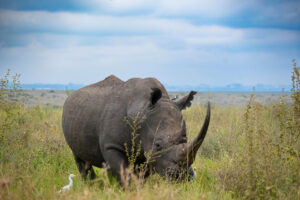
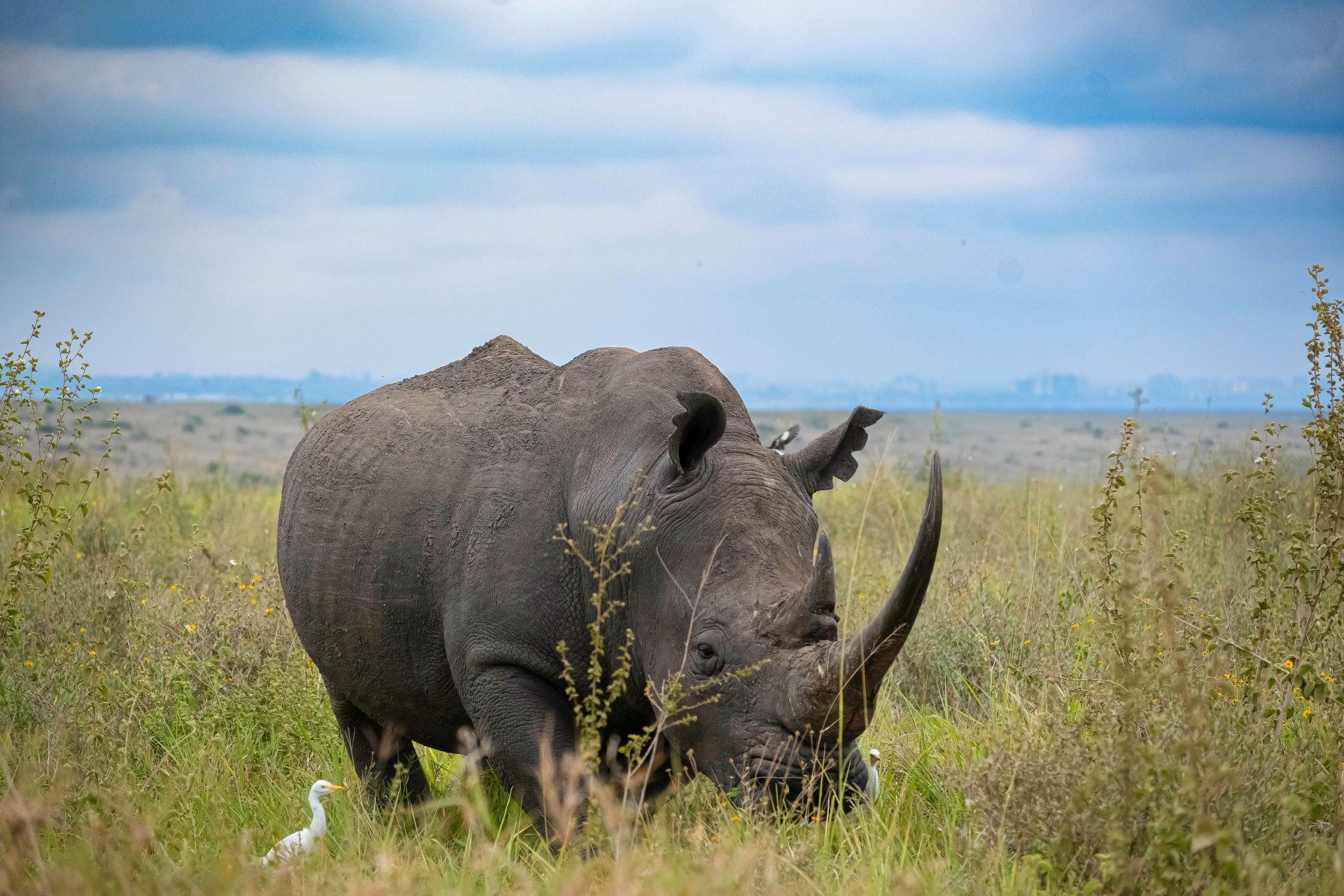
Rhino at Meru

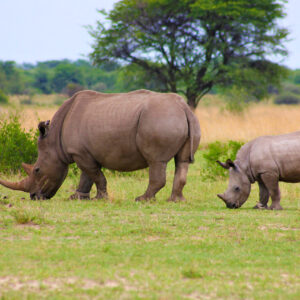
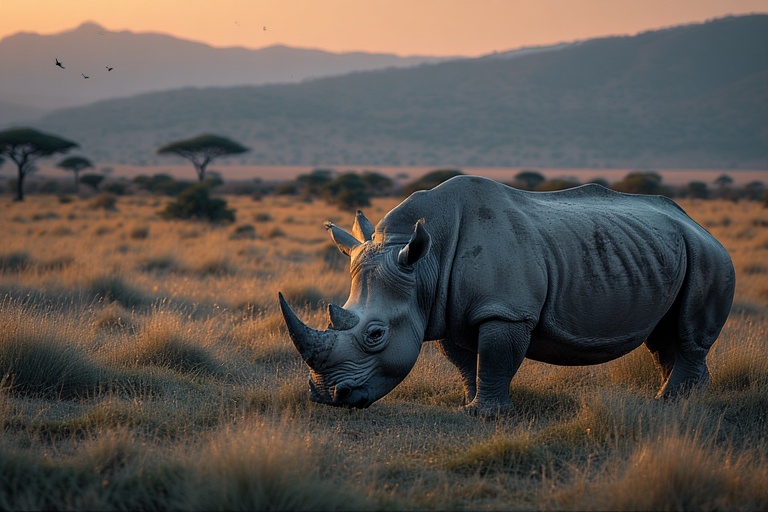
Lewa is synonymous with rhino conservation. From a founder population of just 15 animals in 1984, the conservancy now protects over 200 black and white rhinos—one of the largest populations in East Africa [citation:6][citation:9]. This achievement is the result of relentless anti-poaching efforts, community engagement, and world-class monitoring.

The conservancy has had zero poaching of rhinos on Lewa since 2013 [citation:6]. This remarkable record is maintained by a dedicated team of rangers, cutting-edge technology including GPS tracking and canine units, and strong relationships with neighboring communities who act as the eyes and ears of the landscape [citation:8]. Lewa has also provided founder populations to establish new rhino sanctuaries, including Sera Community Conservancy—the first community-managed rhino sanctuary in East Africa [citation:6].

Seeing rhinos here—both black and white species grazing side by side—is a powerful experience. You’re not just watching wildlife; you’re witnessing conservation working.

The Grevy's Zebra: Lewa's Striped Ambassador
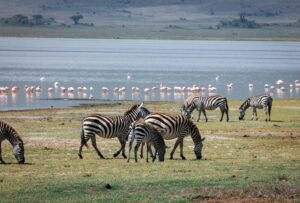
Game drive at Lake Nakuru

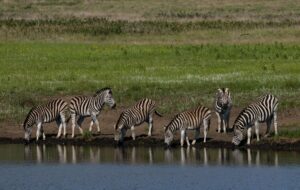
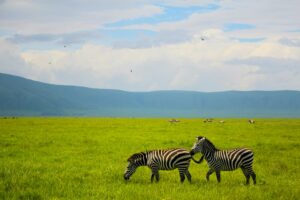
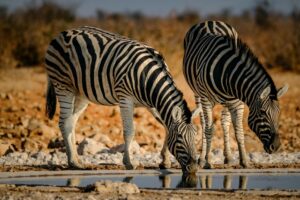
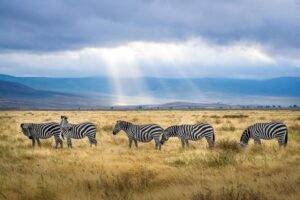
Lewa is the single most important sanctuary for the Grevy’s zebra, the largest and most endangered of the wild equids. With their narrow stripes, large round ears, and striking appearance, these animals are living symbols of northern Kenya’s unique biodiversity. Lewa protects approximately 25% of the world’s remaining population [citation:9].

Unlike the common zebra, Grevy’s zebras are more solitary and adapted to arid environments. You’ll see them grazing on the open plains, often in small groups, their distinctive stripes creating mesmerizing patterns in the golden light. The contrast between Grevy’s and common zebras—often visible in the same area—offers a fascinating opportunity to compare these related species.

The conservancy’s research and monitoring programs track individual zebras, contributing to our understanding of this endangered species. Seeing them here, thriving under protection, is one of Lewa’s greatest rewards.

Community Conservation: The Lewa Model
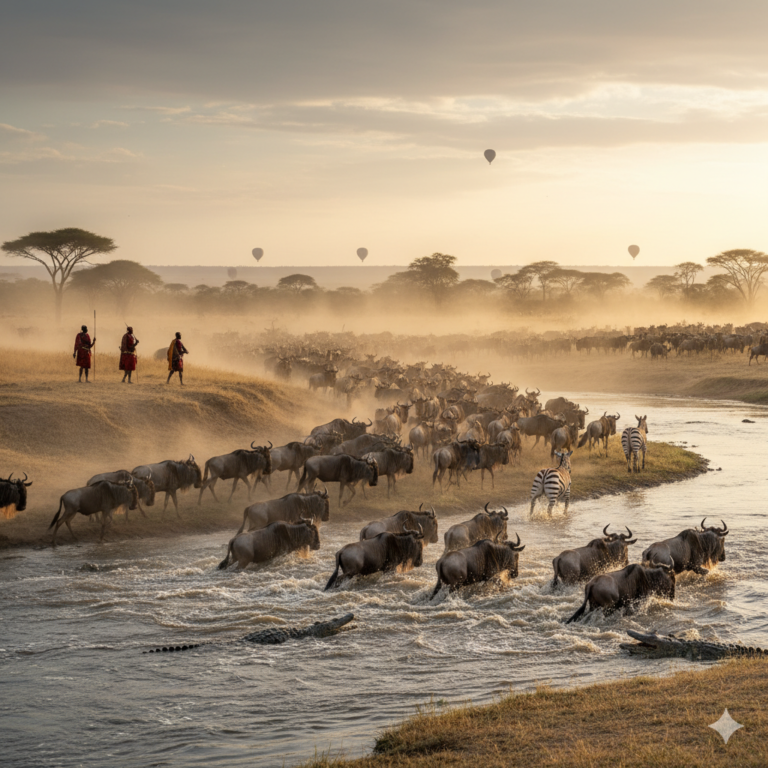
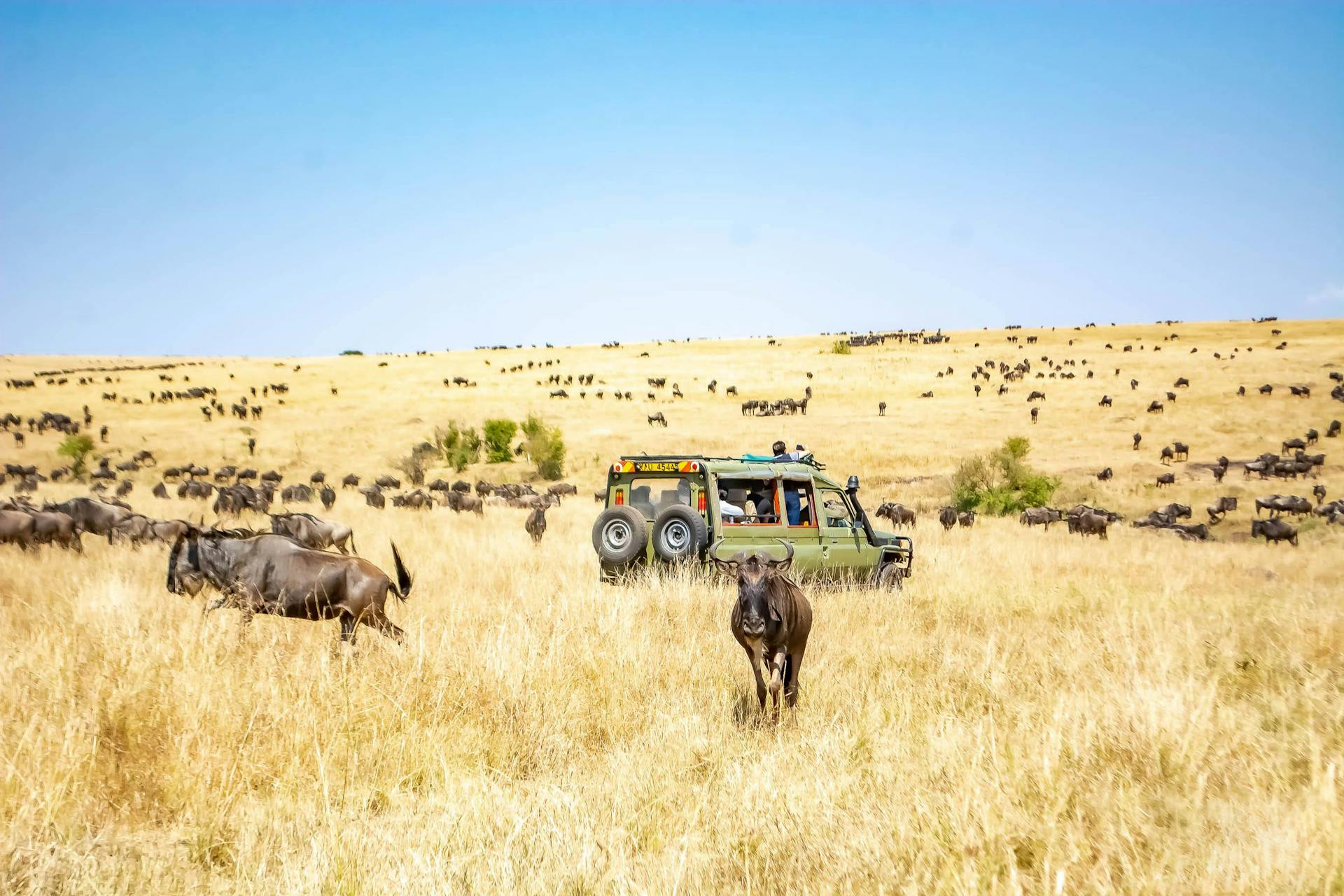
Maasai Mana migration

Lewa’s genius is recognizing that conservation cannot succeed without community support. The ‘Lewa Model’—now replicated across Africa—integrates wildlife protection with tangible benefits for local people [citation:6]. Tourism revenue directly funds schools, healthcare, water projects, and micro-enterprise programs for surrounding communities.

The numbers are impressive: Lewa supports 23 government schools with nearly 11,000 children, provides healthcare to 40,000 people annually through four clinics, and offers micro-loans to 1,800 women for small businesses [citation:6]. Over 4,000 children visit the conservancy each year for conservation education, becoming stewards of their natural heritage [citation:6].

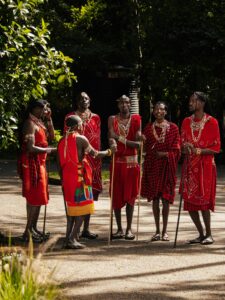
Visitors can see this work firsthand through community visits to Samburu villages, where you’ll meet the people who share this landscape with wildlife. These encounters—dancing with warriors, learning about traditional life, hearing stories of coexistence—add a profound human dimension to your safari.

Beyond Game Drives: Walking, Riding & Camel Safaris
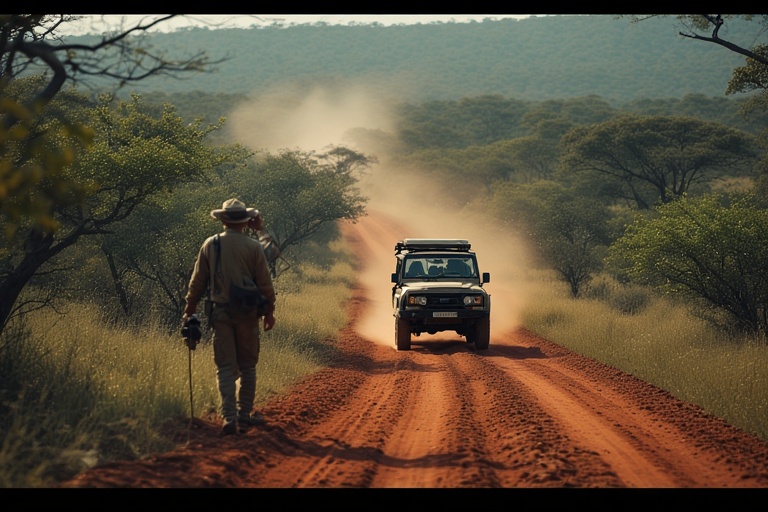
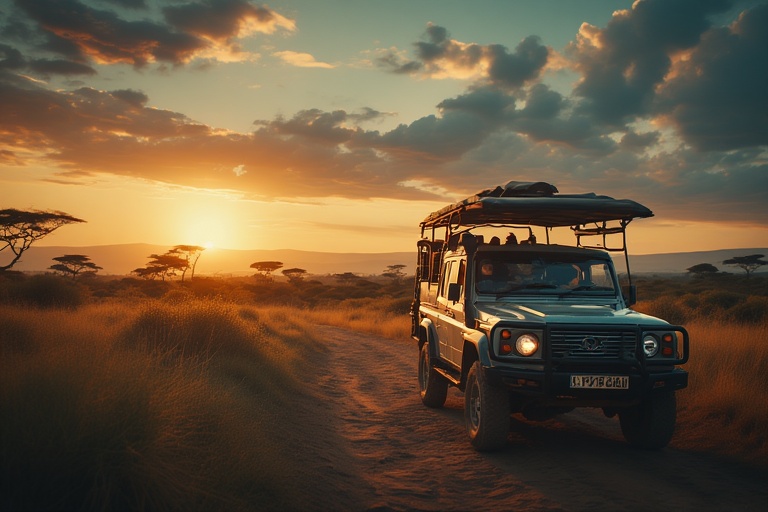
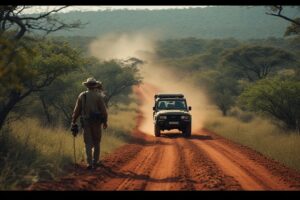
Safari jeep at Meru

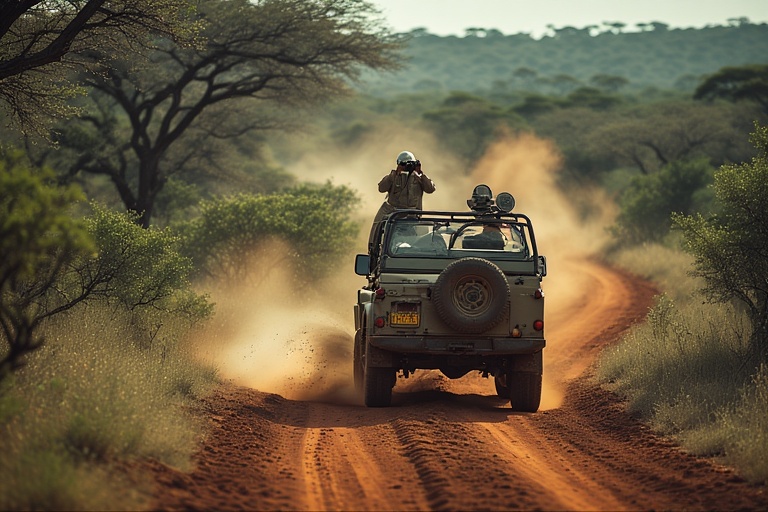
Lewa offers safari experiences you simply cannot have in national parks. Because visitor numbers and vehicle density are strictly limited, the conservancy permits activities that require exclusive access and expert guiding [citation:1].

Walking safaris with armed Samburu rangers reveal the bush’s small wonders—tracks, insects, medicinal plants—that vehicles rush past [citation:8]. Horseback safaris allow you to approach wildlife quietly, creating intimate encounters that feel like stepping into a living adventure tale [citation:4]. Camel treks offer a slow, rhythmic journey across the savannah, connecting you to ancient traditions of northern Kenya [citation:4].

These activities aren’t just add-ons—they’re transformative experiences that change how you see the landscape. Walking where elephants have walked, riding alongside zebras, swaying on a camel as the sun sets over Mount Kenya—these are the moments that define a Lewa safari.

The Landscape: Mount Kenya's Foothills
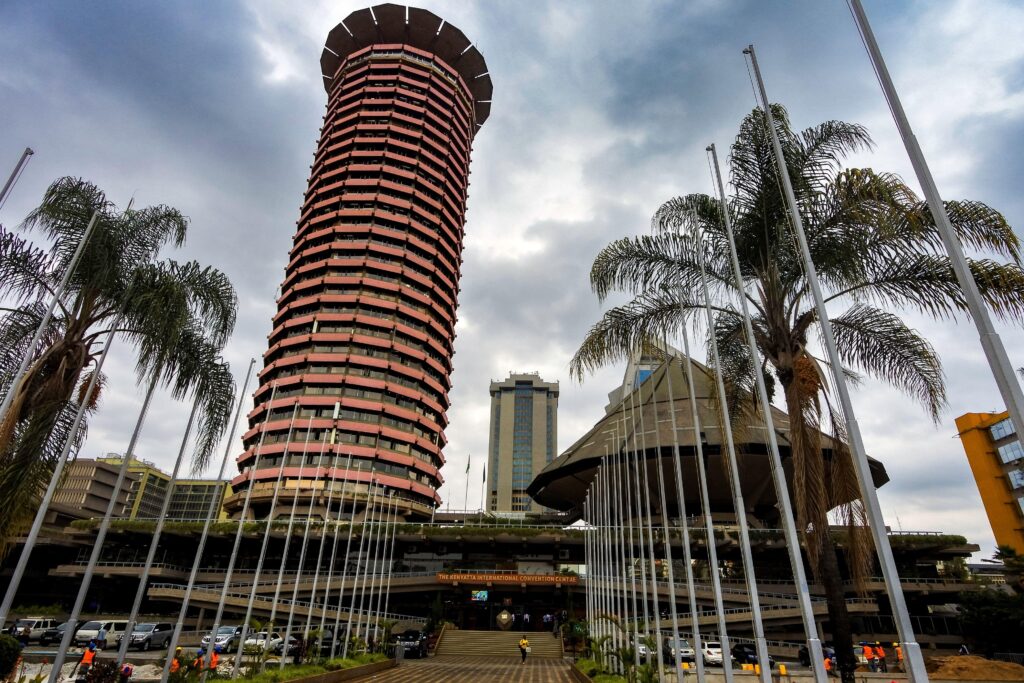
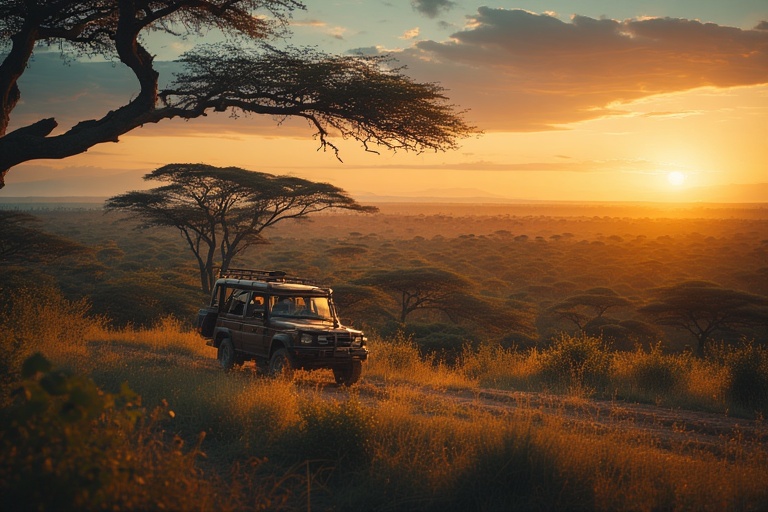
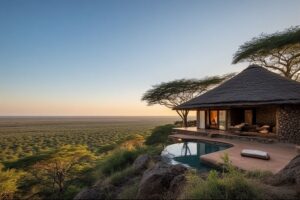
Amboseli sunset

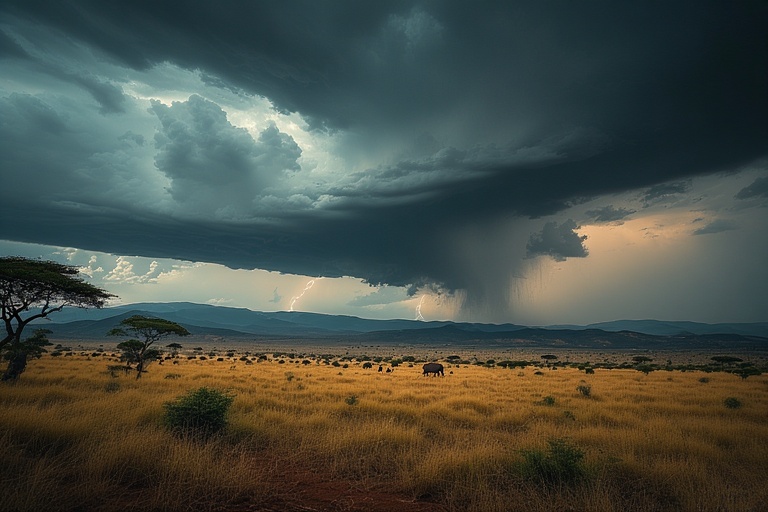
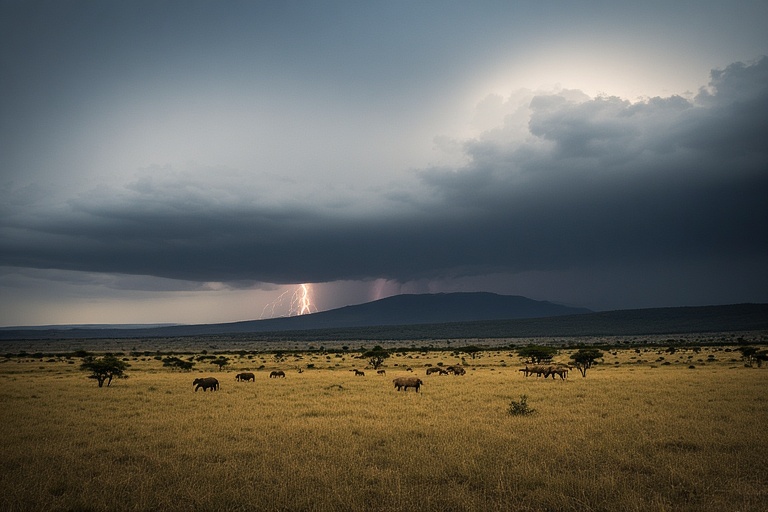
Lewa’s setting is spectacular. The conservancy lies on the northern slopes of Mount Kenya, Africa’s second-highest peak, whose snow-capped summit provides an unforgettable backdrop to every game drive [citation:8]. The landscape is a mosaic of open savannah, acacia woodland, and rolling grasslands, dotted with rocky outcrops and lined with seasonal rivers.

The altitude—between 1,600 and 2,000 meters—means pleasant temperatures year-round, a welcome relief from the heat of lower-lying reserves [citation:1]. Mornings are crisp, afternoons warm, evenings cool. The light is extraordinary, especially in the golden hours when the mountain catches the sun.

This is classic East African safari country, but with a unique character—more intimate than the vast plains of the Mara, more varied than the open spaces of Amboseli. Every viewpoint offers a new perspective on the mountain, the plains, and the wildlife moving between them.

Birding Paradise: Over 400 Species
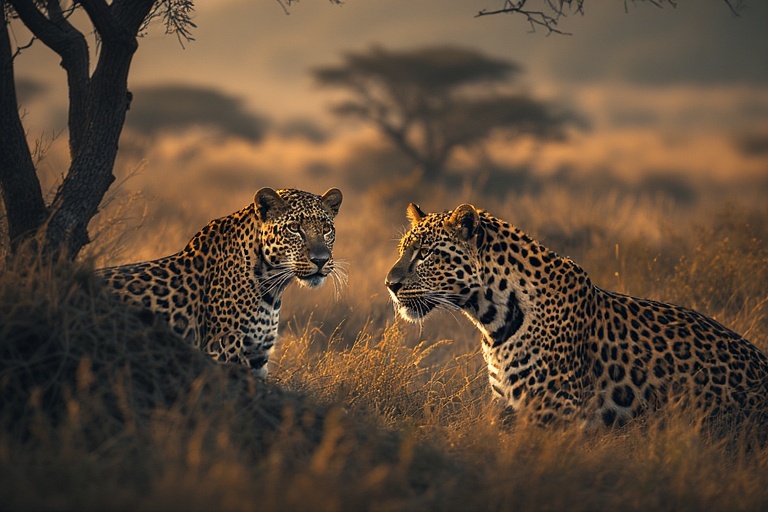
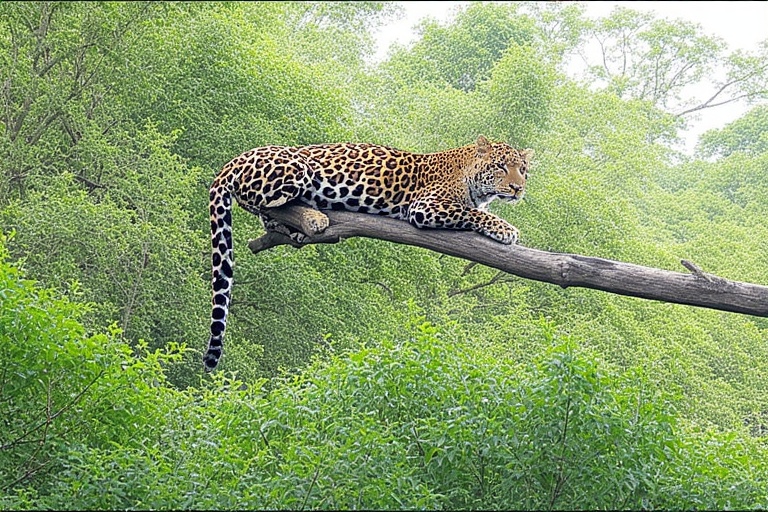
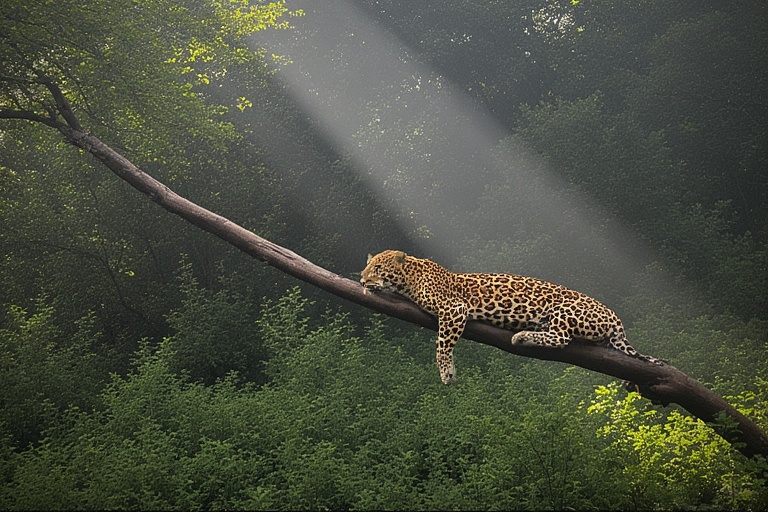
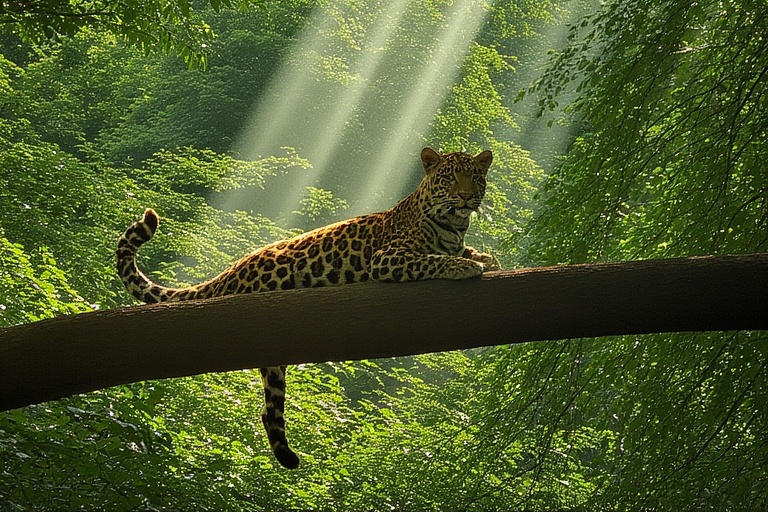
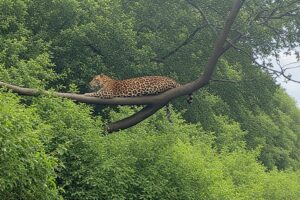
Leopards at Lake Nakuru

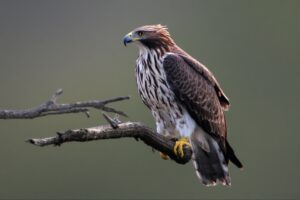
With over 400 bird species recorded, Lewa is a world-class birding destination [citation:5][citation:9]. The diversity of habitats—open grasslands, acacia woodlands, riverine forest, rocky outcrops—supports an extraordinary range of birds, from soaring raptors to jewel-like sunbirds.

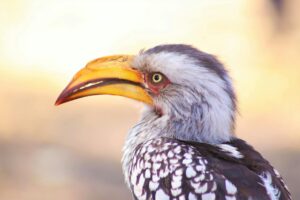
Specialties include the vulturine guineafowl, with its electric blue chest and rakish appearance; the martial eagle, Africa’s largest eagle; the secretary bird, stalking through the grass; and numerous raptors including bataleur, Augur buzzard, and pygmy falcon. Over 50 species of birds of prey have been recorded [citation:5]. The seasonal wetlands attract waterbirds, while the woodlands are alive with bee-eaters, rollers, and starlings.

Even if you’re not a dedicated birder, Lewa’s birdlife will impress. The colors, the variety, the abundance—it adds another dimension to every game drive, every walk, every moment spent in this remarkable landscape.
Exploring Lewa: From Rhino Sanctuaries to Community Villages

The Rhino Sanctuary: Conservation in Action

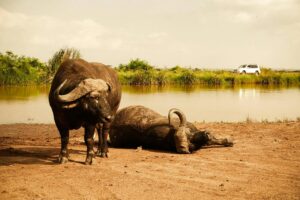
The heart of Lewa’s conservation work is its rhino sanctuary, where over 200 black and white rhinos roam protected by one of Africa’s most effective anti-poaching operations [citation:6][citation:9]. This is the best place in Kenya to see both rhino species, often grazing side by side—a rare and moving sight.

Game drives through the sanctuary offer reliable rhino sightings, but the experience goes beyond watching animals. You’ll learn about the individual rhinos—many are known by name, their histories documented across generations. You’ll see the tracking technology, the ranger patrols, the canine units that keep them safe [citation:8].

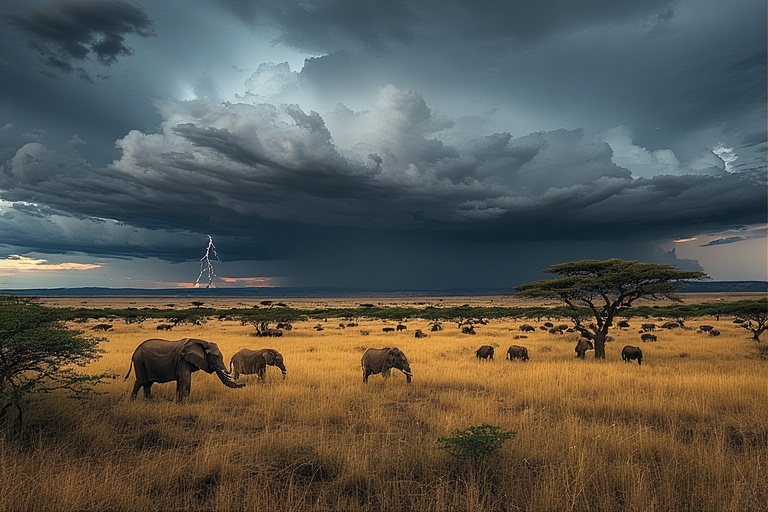
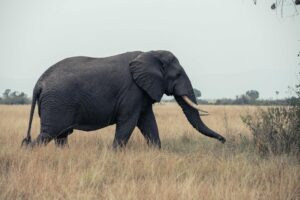
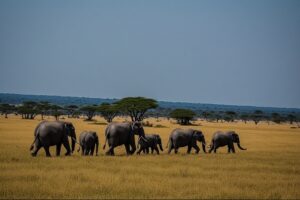
The sanctuary is also home to other wildlife—elephant, buffalo, Grevy’s zebra—all benefiting from the intense protection focused on rhinos. Morning drives here, with Mount Kenya rising in the background, are unforgettable.
The Open Plains: Grevy's Zebra Country

Lewa’s rolling savannahs are prime habitat for Grevy’s zebra, the conservancy’s most iconic species. These open grasslands, dotted with acacia trees and offering clear views of Mount Kenya, are where you’ll find the largest concentrations of these endangered animals [citation:9].
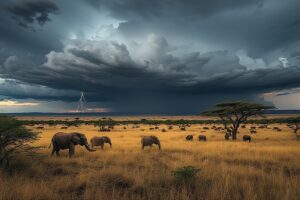
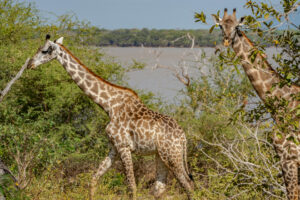
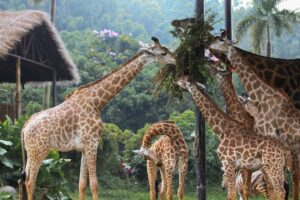
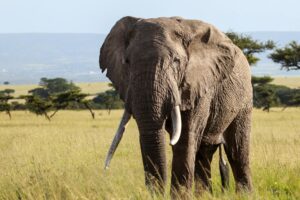
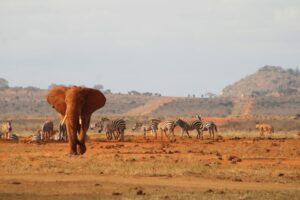
The plains are also excellent for other wildlife: elephant herds move across them, giraffe browse the acacias, and ostrich stride through the grass. Predators—lion, cheetah, and hyena—hunt here, and sightings are possible with patience and good guiding.

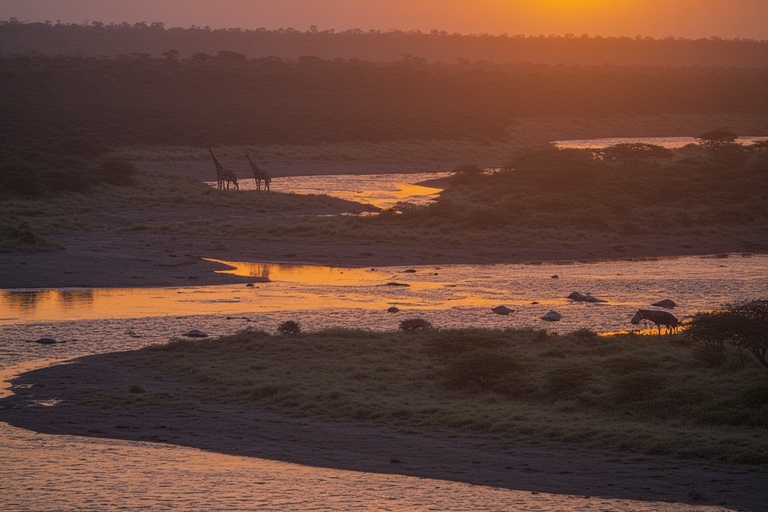
The light on the plains is extraordinary, especially in the late afternoon when the golden hour paints the landscape in warm tones and the mountain catches the setting sun. This is classic safari country, intimate and beautiful.

Ngare Ndare Forest: Canopy Walk & Crystal Pools

Adjacent to Lewa, the Ngare Ndare Forest offers a completely different experience—a lush, green world of towering indigenous trees, crystal-clear streams, and hidden waterfalls [citation:4]. The forest is connected to Lewa through wildlife corridors, allowing elephants and other animals to move between habitats [citation:10].

The highlight is the canopy walkway, a suspension bridge that takes you 30 feet above the forest floor, offering perspectives usually reserved for birds and monkeys [citation:8]. Below, crystal-clear pools invite swimming in cool mountain water—a refreshing break from the savannah heat.

The forest is also home to colobus monkeys, sykes monkeys, and over 200 bird species. A half-day excursion here, combining a canopy walk with a swim in the pools, adds wonderful diversity to a Lewa safari.

Conservation Headquarters: Behind the Scenes

For those interested in how Lewa actually works, a visit to the conservation headquarters is essential. Here you’ll meet the rangers, the researchers, the anti-poaching teams who make Lewa’s success possible [citation:8].

The highlight for many visitors is meeting the canine unit—sniffer dogs trained to track poachers, find weapons, and detect wildlife products. These dogs are heroes of Lewa’s anti-poaching efforts, and watching them work is both fascinating and inspiring [citation:8]. You’ll also see the communications center, the tracking technology, and the data that informs conservation decisions.

This isn’t a tourist attraction—it’s a working conservation operation. The visit offers insight into what it really takes to protect endangered species, and leaves you with deep respect for the people doing this dangerous, essential work.

Samburu Community Villages: Culture & Connection

Lewa’s success depends on its relationship with neighboring communities, and visiting a Samburu village offers insight into this partnership [citation:4][citation:6]. The Samburu are close cousins of the Maasai, semi-nomadic pastoralists who have lived in this region for centuries.

Village visits are respectful, guided experiences. You’ll meet elders, learn about traditional customs, see beadwork and crafts, and perhaps witness traditional dancing. The welcome is warm and genuine—these aren’t performances, but real encounters with people who are proud to share their culture [citation:4].

You’ll also see the tangible benefits of Lewa’s community programs—schools, clinics, water projects that improve lives. These visits add a human dimension to your safari, connecting you to the people who share this landscape with wildlife.

Il Ngwesi & Lekurruki: Community Conservancies

Beyond Lewa’s boundaries, neighboring community conservancies extend the protected landscape and offer additional experiences. Il Ngwesi and Lekurruki are community-owned and managed, their revenues directly benefiting local people [citation:3][citation:6].

These conservancies offer similar wildlife to Lewa—elephant, Grevy’s zebra, buffalo, and predators—but with a different feel. The camps are smaller, the experience more intimate, and the sense of contributing directly to community development is palpable.

Visiting these conservancies can be combined with a Lewa stay, either as day trips or as part of a longer itinerary. They represent the future of conservation in Kenya—landscapes where wildlife and people coexist, both benefiting from the arrangement.

Lewa Month-by-Month: Wildlife, Weather & Conservation Seasons

Lewa Wildlife Conservancy is a global model for conservation success—62,000 acres of pristine wilderness on the northern slopes of Mount Kenya [citation:1]. This UNESCO World Heritage Site protects some of East Africa’s most endangered wildlife, including one of Kenya’s largest rhino populations (over 200 black and white rhinos) and 25% of the world’s remaining Grevy’s zebras [citation:9]. The conservancy’s mild altitude (1,600-2,000m) means pleasant year-round temperatures, with distinct wet and dry seasons that shape wildlife viewing conditions [citation:1].

The dry seasons (June-September and December-March) offer the best wildlife viewing as animals concentrate around water sources. The wet seasons (April-May and November) bring lush green landscapes, newborn wildlife, and spectacular birding with over 400 species recorded [citation:5].

All temperatures are daytime highs and nighttime lows. Rainfall is average monthly precipitation in millimeters.

Month
Rain
Min
Max
Season

Featured Destinations

Selected Complementary Destinations

Mgahinga Gorilla National Park

Top Reasons to Visit
Gorilla Trekking Safaris Year-Round Safari

Serengeti National Park

Top Reasons to Visit
Big 5 Wildlife Year-Round Safari Family Friendly

Kruger National Park

Top Reasons to Visit
Big 5 Wildlife Family Friendly

Tsavo East National Park

Top Reasons to Visit
Bird Watchers' Paradise Big 5 Wildlife Year-Round Safari

Mount Kilimanjaro National Park

Top Reasons to Visit
Africa's Highest Peak Alpine Climate Bands

Plan Your Journey to Lewa Wildlife Conservancy

Ready to explore? Our travel specialists are here to help craft your dream itinerary.

Chat on WhatsApp
Created by icon tripfrom the Noun Project Created by Amethyst Studiofrom the Noun Project Created by Amethyst Studiofrom the Noun Project Created by Amethyst Studiofrom the Noun Project