Why Meru Is Kenya's Best-Kept Safari Secret
Meru National Park is the Africa of storybooks—a wild, remote landscape of sweeping savannahs, dense riverine forests, and 13 permanent rivers that create an oasis of green in Kenya’s eastern circuit. This is where Joy Adamson raised Elsa the lioness, immortalized in the book and film ‘Born Free.’ It’s where George Adamson continued his conservation work, releasing lions back into the wild long after Elsa’s story ended.
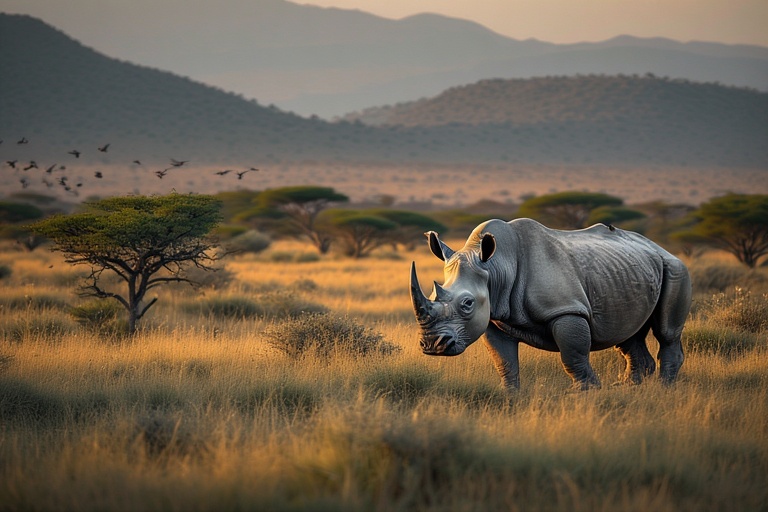
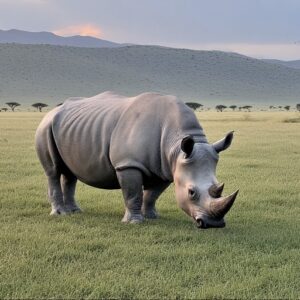
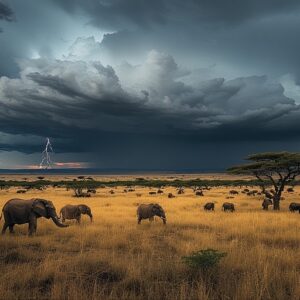
Today, Meru is one of Kenya’s most underrated national parks. It offers excellent wildlife viewing—elephant, buffalo, Grevy’s zebra, reticulated giraffe—without the crowds of the Masai Mara or Amboseli. Its rivers support healthy populations of hippo and crocodile. Its history adds a layer of meaning to every game drive. And its remote location ensures a sense of wilderness that’s increasingly rare in Africa.
Here is why Meru deserves a place on every Kenya itinerary.
Born Free: The Story of Elsa the Lioness
Meru National Park is forever linked to one of the most famous animal stories of the 20th century. It was here, in the 1950s, that Joy and George Adamson raised Elsa, an orphaned lion cub, and successfully released her back into the wild. Their book ‘Born Free’ and the subsequent film touched millions and changed the way the world thought about wildlife conservation.
George Adamson continued his work in Meru long after Elsa’s story ended, releasing more lions and advocating for conservation until his death in 1989. His camp, on the banks of the Tana River, is still a place of pilgrimage for those who know the story. Adamson’s grave, marked by a simple stone, overlooks the landscape he loved.
Walking through Meru, you feel the weight of this history. The park isn’t just beautiful—it’s meaningful.
Thirteen Permanent Rivers: An Oasis in the East
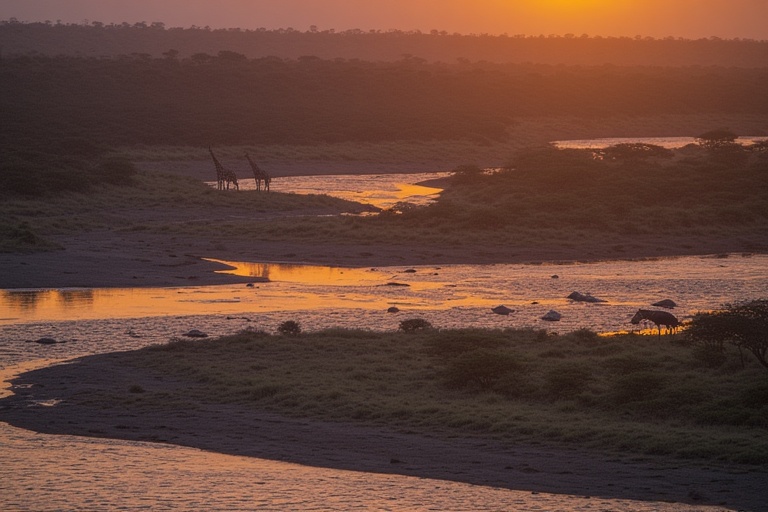
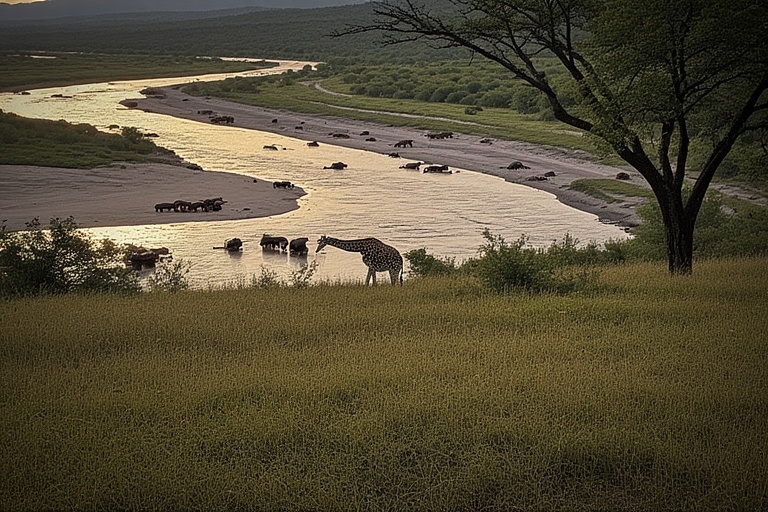
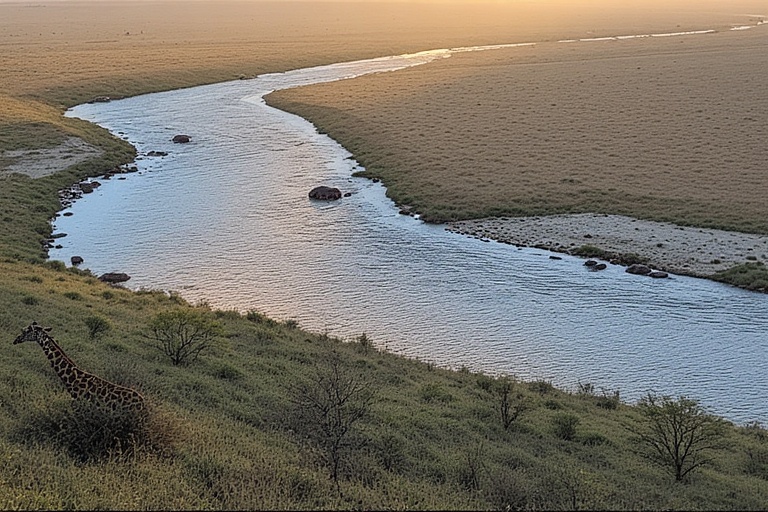
Meru’s defining feature is its water. While much of eastern Kenya is semi-arid, Meru is blessed with 13 permanent rivers that flow year-round, creating a mosaic of habitats that supports extraordinary biodiversity. The Tana River, Kenya’s longest, forms the park’s southern boundary. The Rojewero, Murera, and Ura rivers thread through the landscape, their banks lined with dense riverine forest.
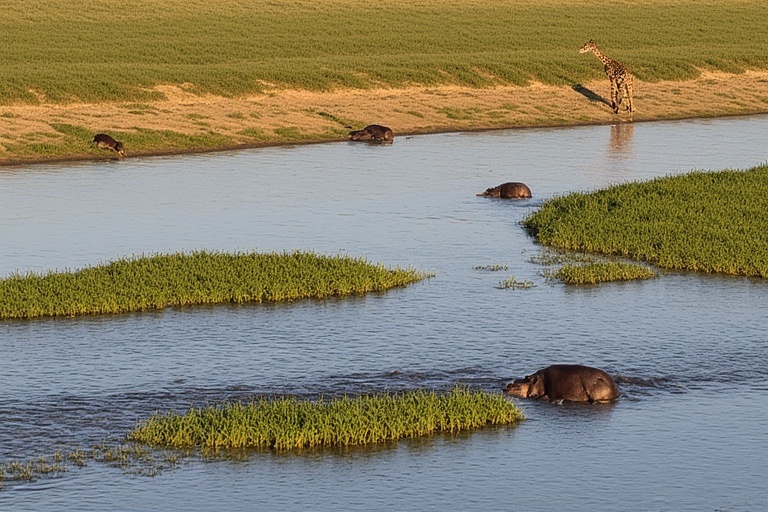
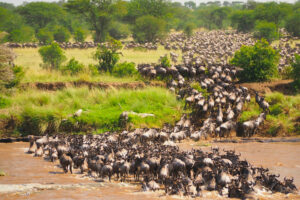
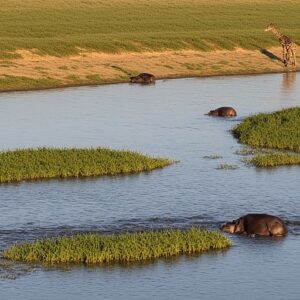
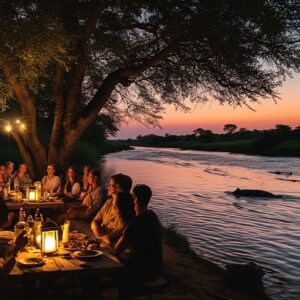
These rivers are the lifeblood of the park. During the dry season, animals concentrate along their banks—elephant, buffalo, Grevy’s zebra, and reticulated giraffe all come to drink. Hippos wallow in the deeper pools. Crocodiles bask on sandbars. The birdlife along the rivers is spectacular—kingfishers, bee-eaters, and the rare Pel’s fishing owl.
Game drives along the rivers are always productive. The contrast between the green ribbons of vegetation and the golden savannah beyond is beautiful.
The 'Born Free' Species: Meru's Unique Wildlife
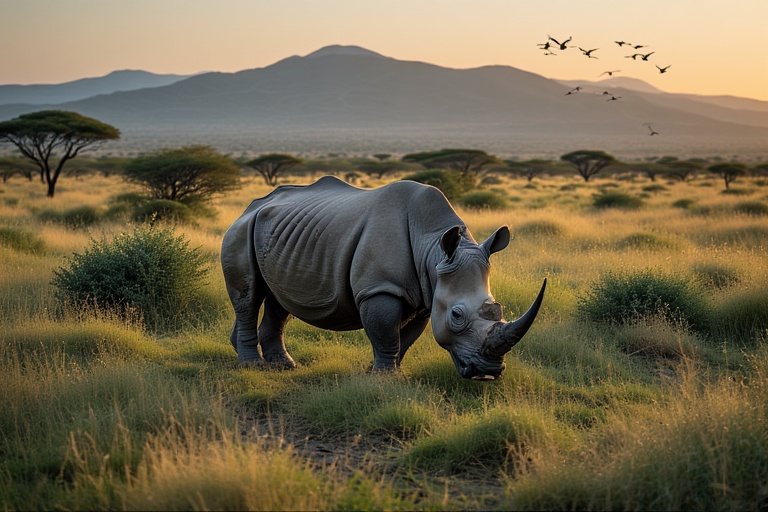
Meru’s wildlife reflects its position at the crossroads of different ecological zones. Here you’ll find species characteristic of both northern and southern Kenya—a unique mix that makes every game drive interesting.
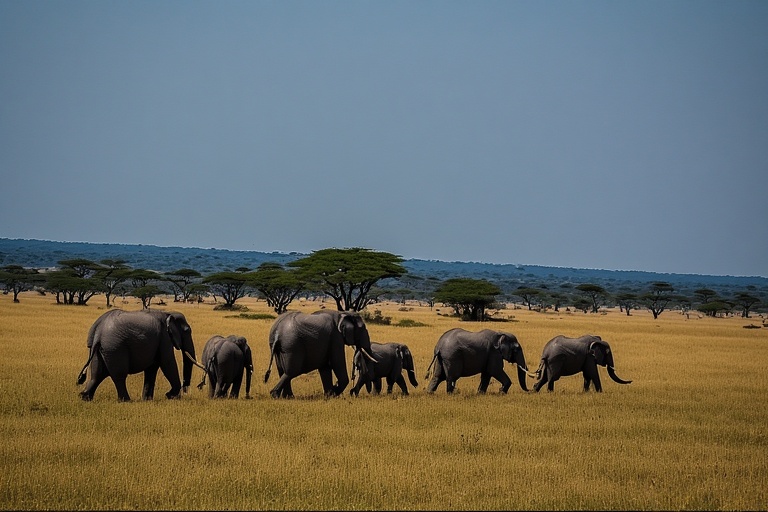
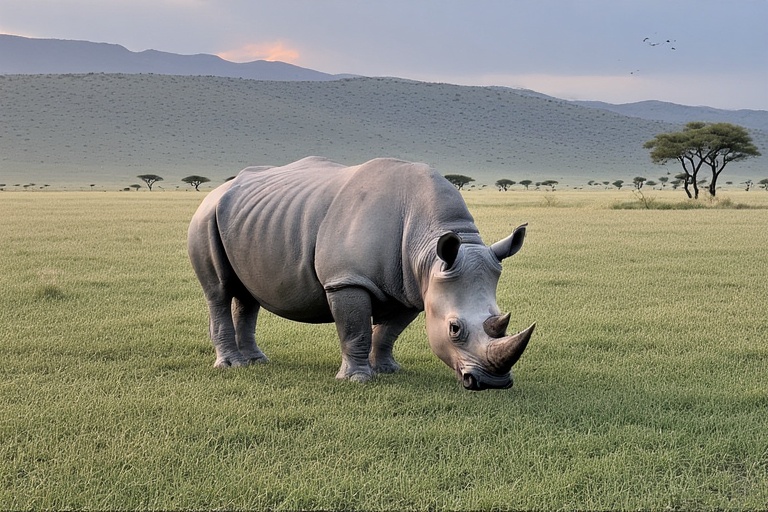
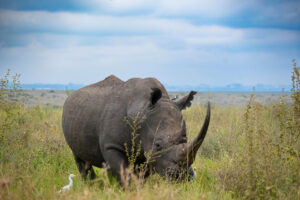
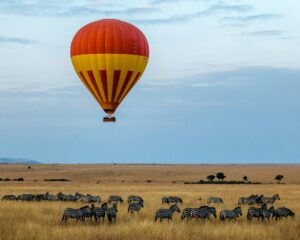
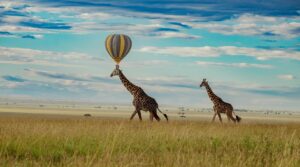
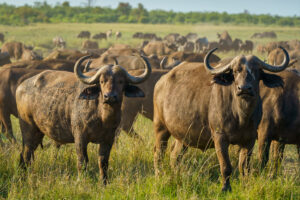
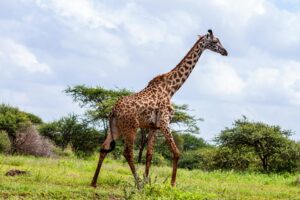
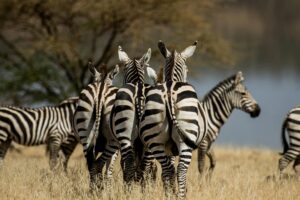
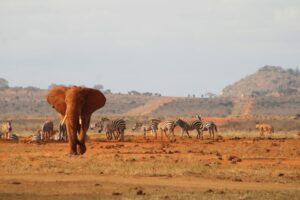
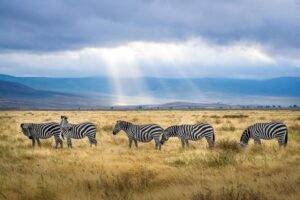
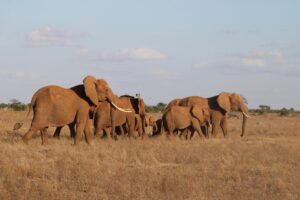
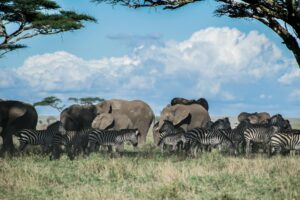
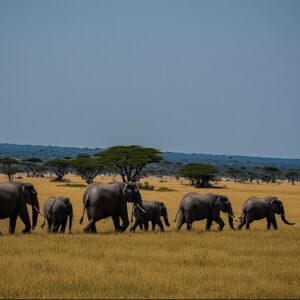
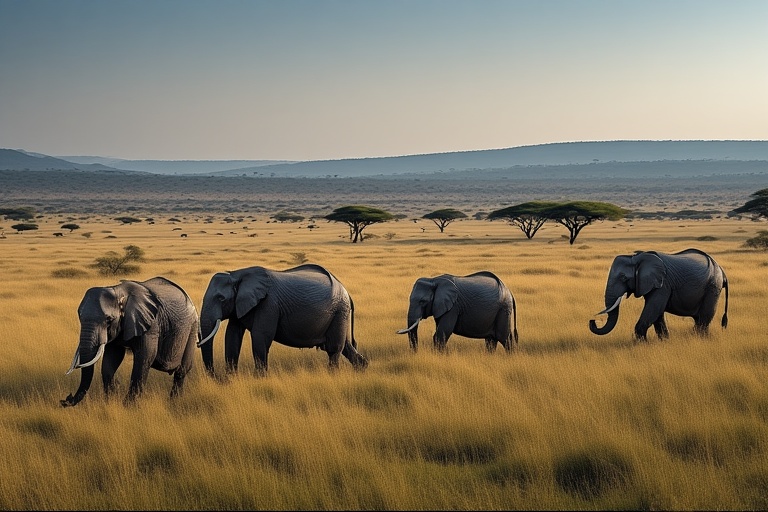
Grevy’s zebra, with their narrow stripes and large ears, roam the open plains alongside common zebra, allowing easy comparison. Reticulated giraffe, the most beautifully patterned of all giraffe, browse the acacia woodlands. Beisa oryx and gerenuk, species associated with the north, are regularly seen. Elephant herds are large and visible. Buffalo congregate along the rivers. And hippo and crocodile are abundant in the Tana River.
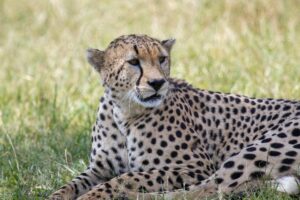
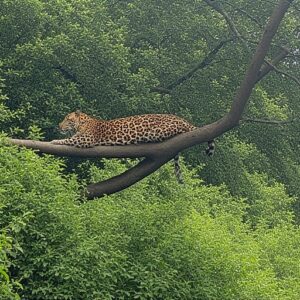
The park also supports healthy predator populations—lion, leopard, cheetah, and hyena—though sightings require patience. The birdlife, with over 400 species recorded, is exceptional.
Adamson's Grave: A Pilgrimage for Conservationists
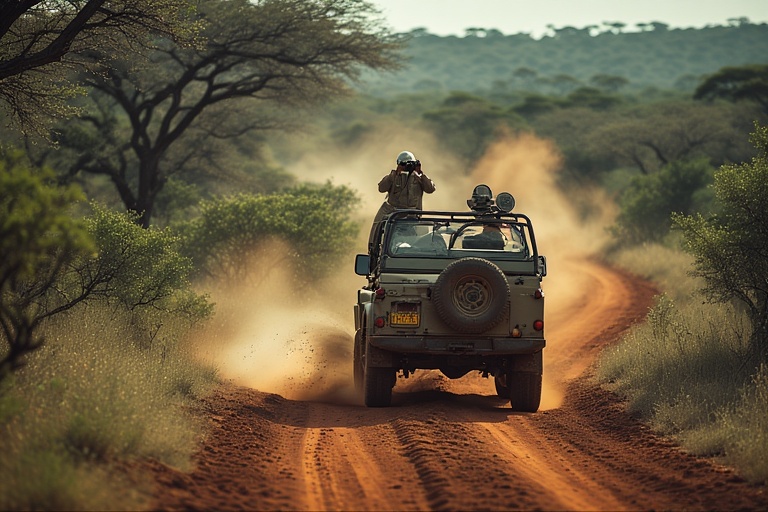
On a rocky outcrop overlooking the Tana River, a simple stone marks the grave of George Adamson. The ‘Baba ya Simba’—Father of Lions—was killed by poachers in 1989 at the age of 83, still working, still fighting for the lions he loved. His grave is a place of pilgrimage for those who know his story.
The site is peaceful, beautiful, and deeply moving. A plaque reads: ‘George Adamson — 3rd February 1906 – 20th August 1989 — He walked with lions.’ The view across the river, over the landscape he protected, is a fitting memorial.
Visiting the grave adds a layer of meaning to any Meru safari. It’s a reminder that conservation is a human story—of passion, dedication, and sometimes sacrifice.
Off-the-Beaten-Path: Safari Without Crowds
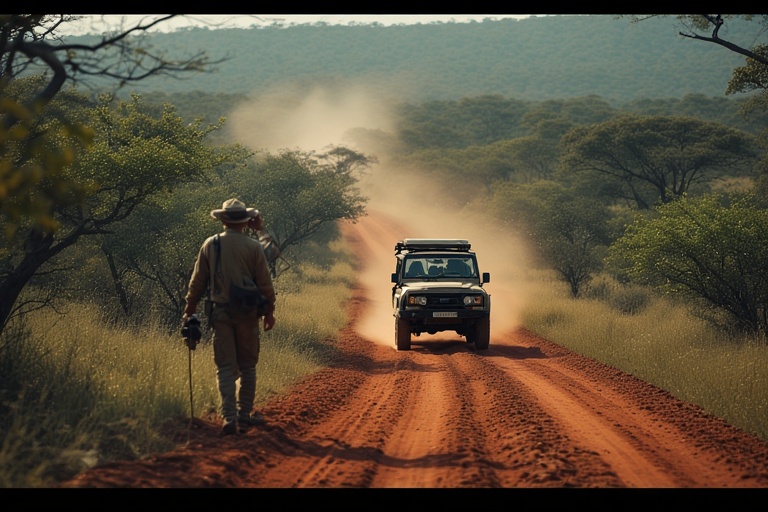
Meru’s greatest gift to the modern safari traveler is solitude. While the Masai Mara and Amboseli can feel crowded during peak season, Meru remains quiet—a place where you can drive for hours without seeing another vehicle, where the wildlife is yours alone, where the wilderness feels genuinely wild.
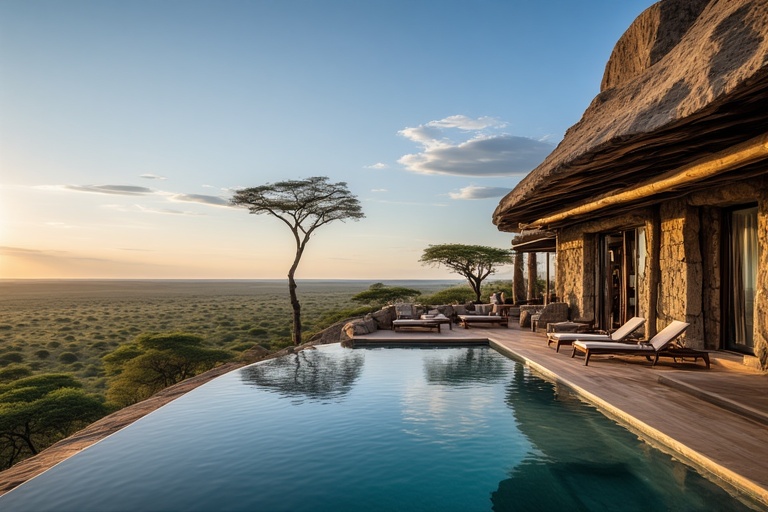
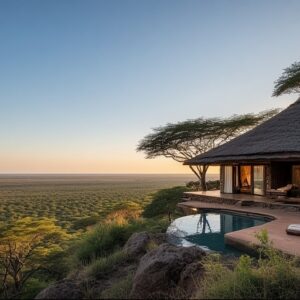
The park’s remote location in eastern Kenya, combined with its reputation as a ‘difficult’ destination (it’s not—the roads are good, the infrastructure is solid), keeps visitor numbers low. The lodges and camps are small, intimate, and personal. The guiding is excellent. The experience is authentic.
For travelers who have done the classic safari circuit and want something deeper, Meru delivers. It’s the Kenya that used to exist everywhere—wild, quiet, and utterly yours.
Birding Paradise: Over 400 Species
Meru is a birdwatcher’s dream. Over 400 species have been recorded here, drawn by the diversity of habitats—riverine forest, open savannah, acacia woodland, and permanent wetlands. The list includes specialties that are difficult to see elsewhere.
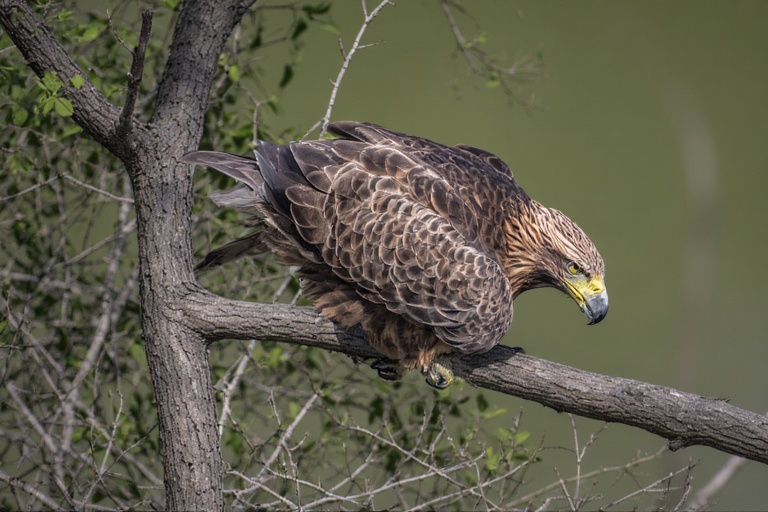
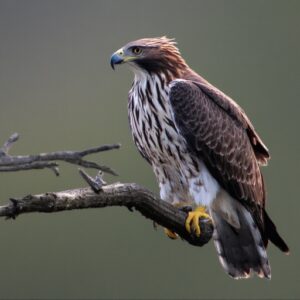
The rivers attract African fish eagles, giant kingfishers, and the elusive Pel’s fishing owl—one of Africa’s most sought-after birds. The forests hold crested guineafowl, yellow-rumped tinkerbird, and the beautiful Peter’s twinspot. The open plains are home to ostriches, secretary birds, and numerous raptors. Over 50 species of birds of prey have been recorded.
Even if you’re not a dedicated birder, Meru’s birdlife will impress. The colors, the variety, the abundance—it adds another dimension to every game drive.