Historic Mombasa

Where Heritage Meets the Sea

The soul of Swahili culture.
Explore Mombasa

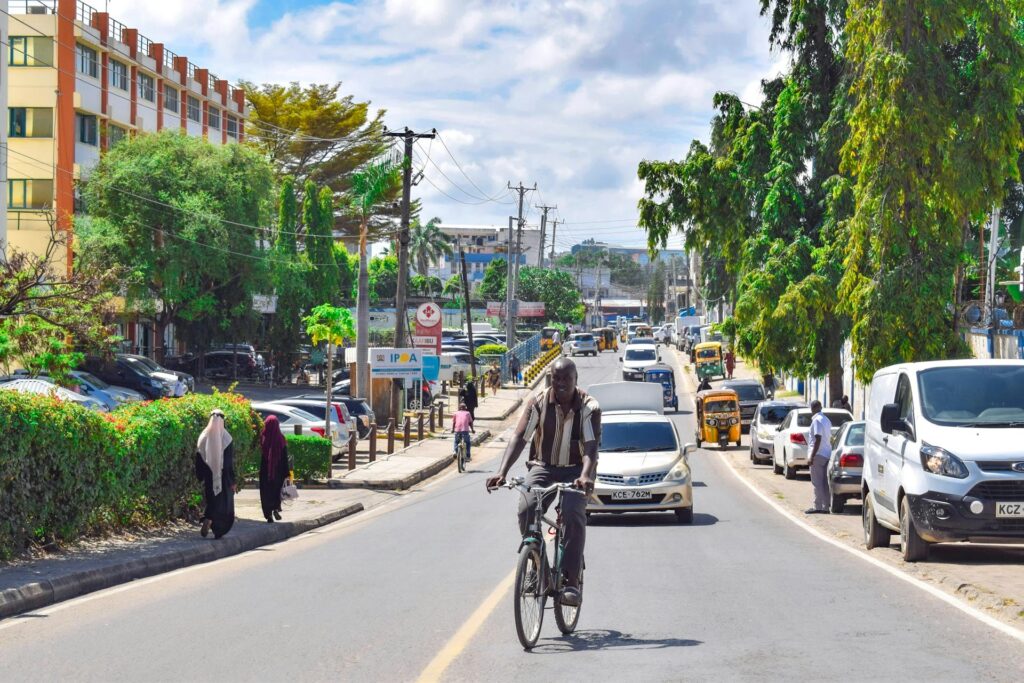
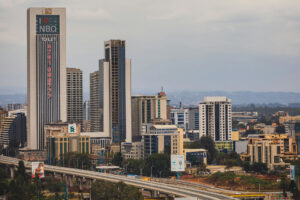
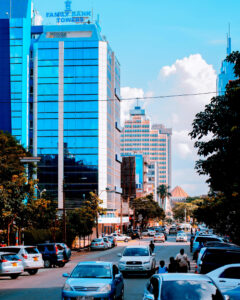
Mombasa City Street

Mombasa City Street

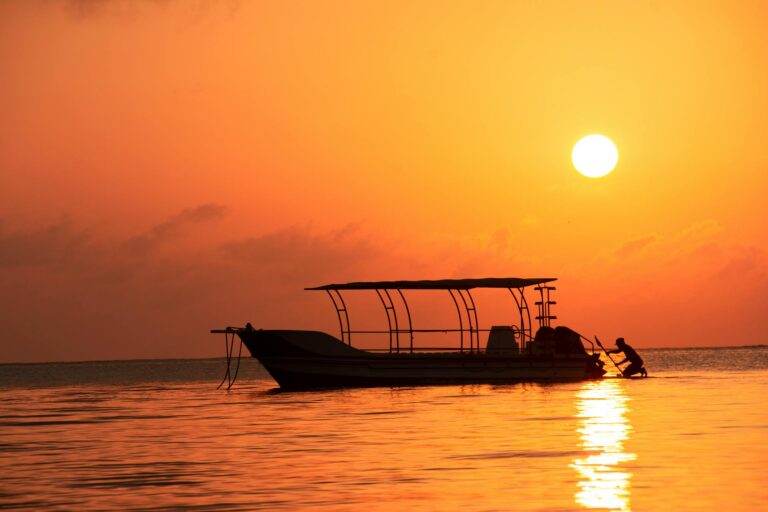
View Beaches

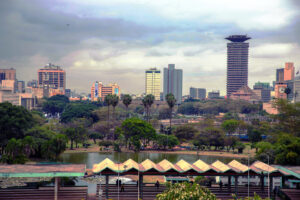
Mombasa City

Mombasa City

  • Best Time to Visit: July to October, December to March
  • Entry Fees: Most beaches are free; Fort Jesus entry is KES 1,200.
  • Country: Kenya

Why Mombasa Is the Swahili Coast's Most Vibrant City

Mombasa is Kenya’s second city, but in character and history, it’s the first. For over a millennium, this island city has been the gateway to East Africa—a place where African, Arab, Persian, Indian, and European cultures have converged, creating a society unlike anywhere else on the continent. The result is a city of extraordinary contrasts: ancient stone towns and modern high-rises, traditional dhows and container ships, Swahili cuisine and international dining.

Beyond the city, the coast unfolds in ribbons of white sand, fringed by palm trees and lapped by the warm Indian Ocean. The beaches—Nyali, Bamburi, Shanzu, and further south to Diani—are among the finest in Africa. The coral reefs teem with life. The old forts tell stories of empires. And everywhere, the pace of life is dictated by the monsoon winds, the tides, and the rhythms of the sea.

Here is why Mombasa deserves a place on every Kenya itinerary.

Fort Jesus: A UNESCO World Heritage Fortress
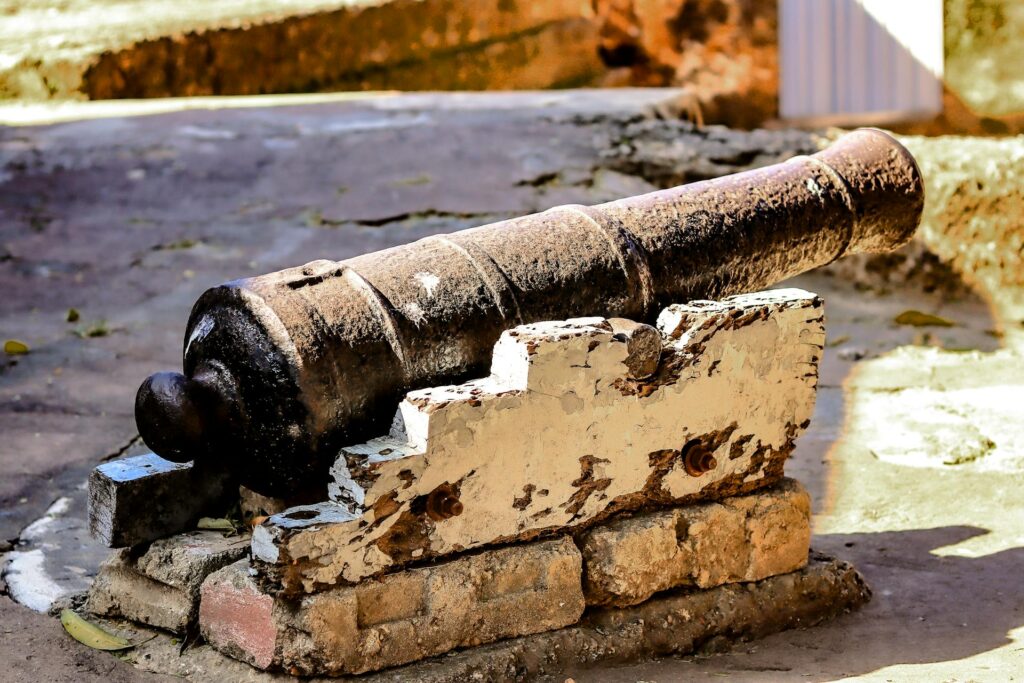
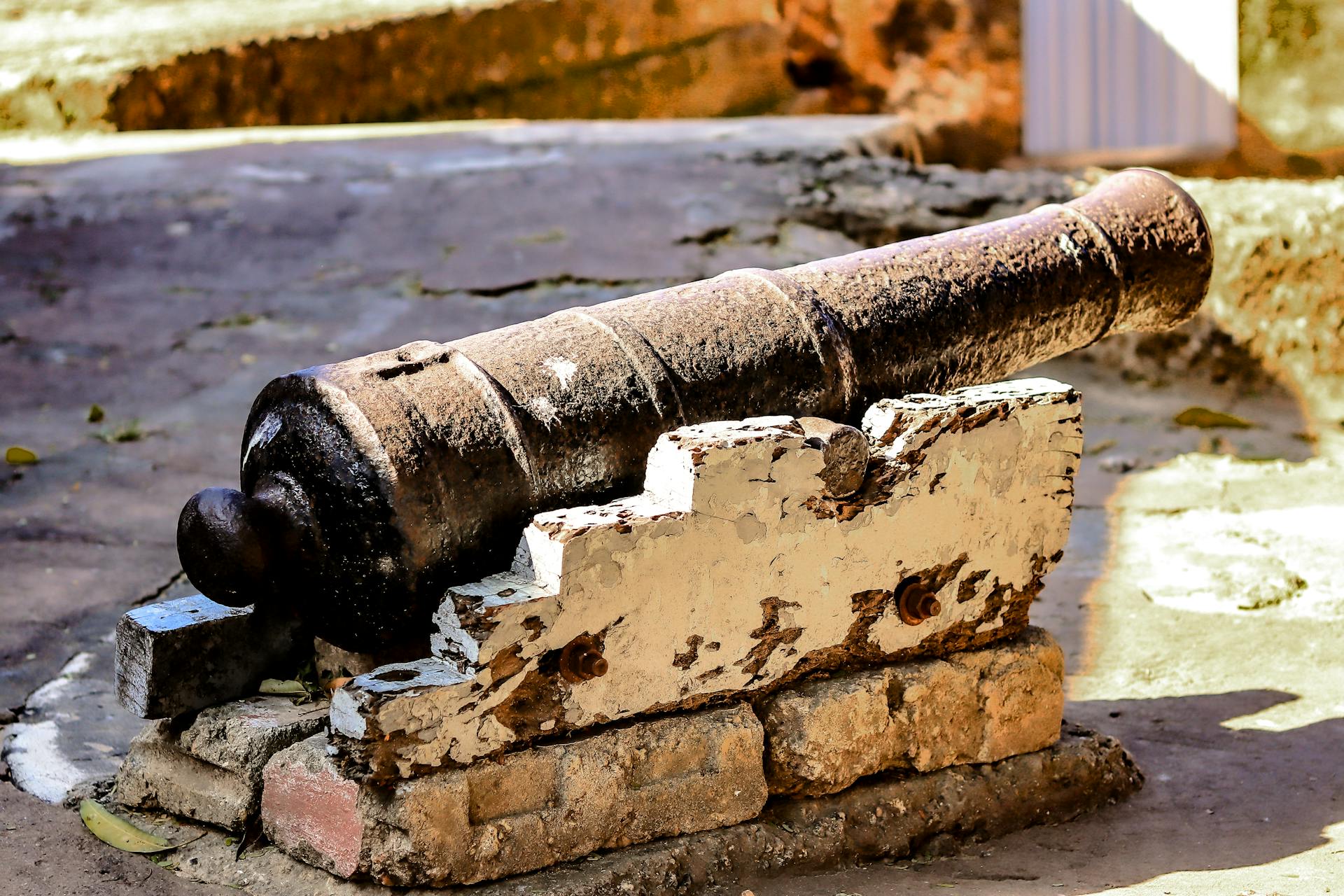
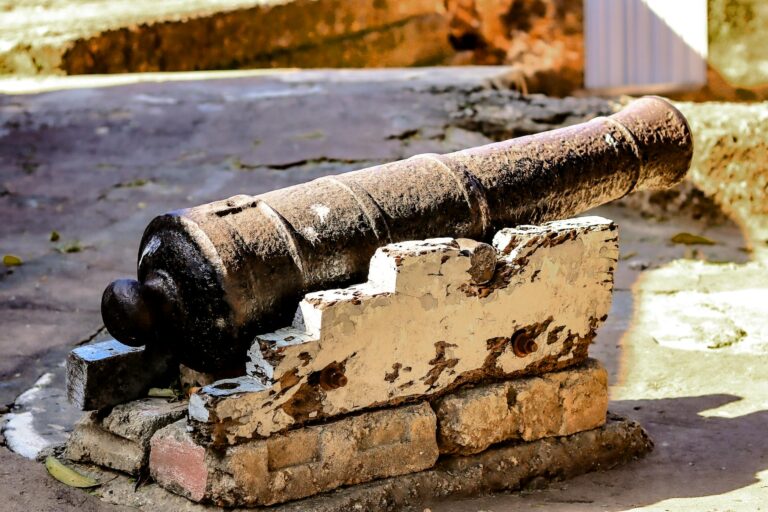
Historic Cannon at Fort Jesus Mombasa

Fort Jesus dominates the entrance to Mombasa’s Old Town, a massive 16th-century fortress built by the Portuguese to secure their trade routes to India. Designed by Italian architect Giovanni Battista Cairati, it’s one of the finest examples of Renaissance military architecture outside Europe, and a UNESCO World Heritage Site.

The fort changed hands nine times between the Portuguese, Arabs, and British over its 400-year history, each power leaving its mark. Today, it’s a museum filled with ceramics, weapons, and artifacts that tell the story of Mombasa’s turbulent past. The walls themselves are a history lesson—Portuguese inscriptions, Omani carvings, British modifications.

Climb to the ramparts for spectacular views over the Old Town, the harbor, and the sea. Stand where soldiers watched for approaching fleets, where prisoners awaited their fate, where centuries of history unfolded. It’s the essential Mombasa experience.

Old Town: A Living Museum of Swahili Culture
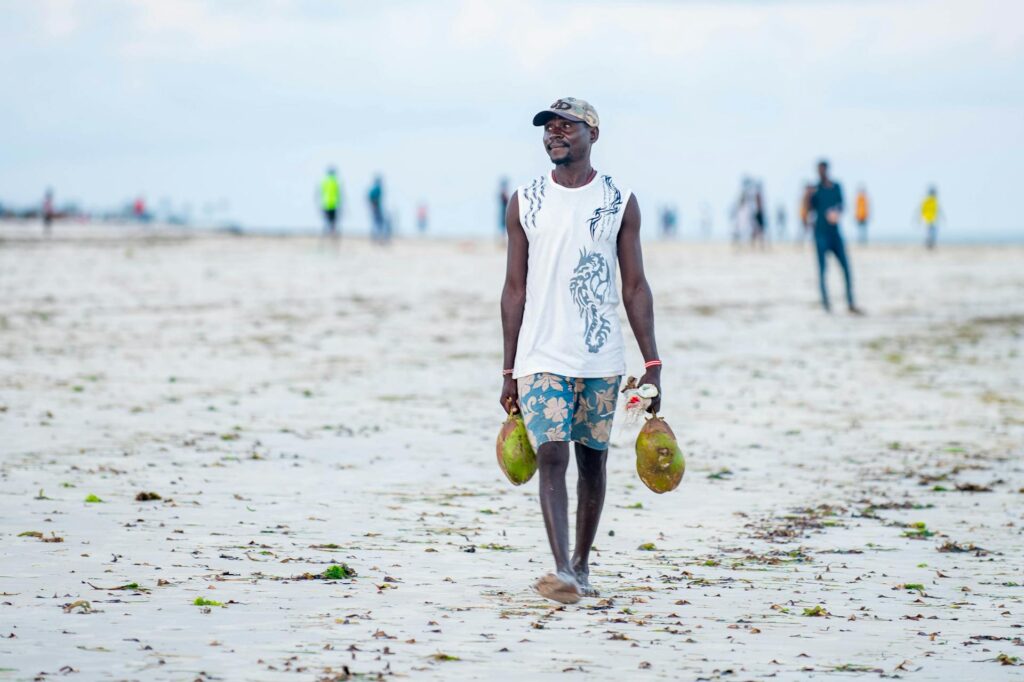
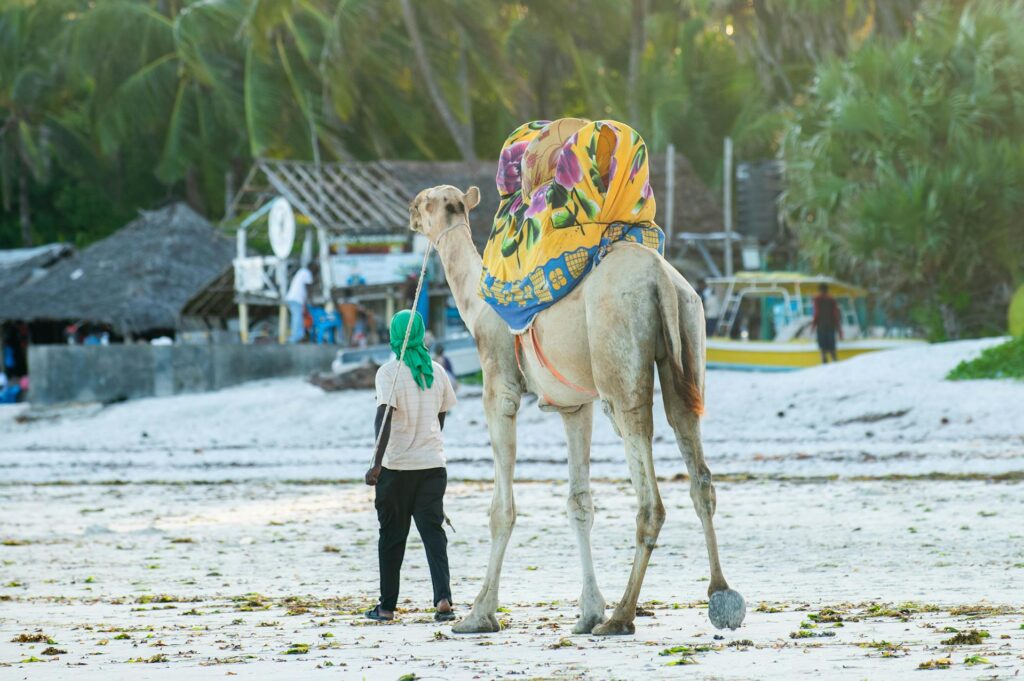
Mombasa culture

Mombasa’s Old Town is a labyrinth of narrow streets, carved wooden doors, and coral-rag buildings that have stood for centuries. This is the heart of Swahili culture—a unique fusion of African, Arab, and Persian influences that developed along this coast over a millennium.

Wander the alleyways and you’ll find mosques and markets, spice shops and jewelry stores, cafes serving Swahili coffee and sweets. The doors are works of art—intricately carved teak and mahogany, each telling the story of the family within. The balconies are shaded, the streets are cool, and the atmosphere is timeless.

The Old Town is also home to the Swahili people, descendants of traders and sailors who have lived here for generations. Their culture—the language, the cuisine, the music—is alive in every interaction. Take time to explore, to get lost, to absorb.

Mombasa's Beaches: White Sand & Warm Water
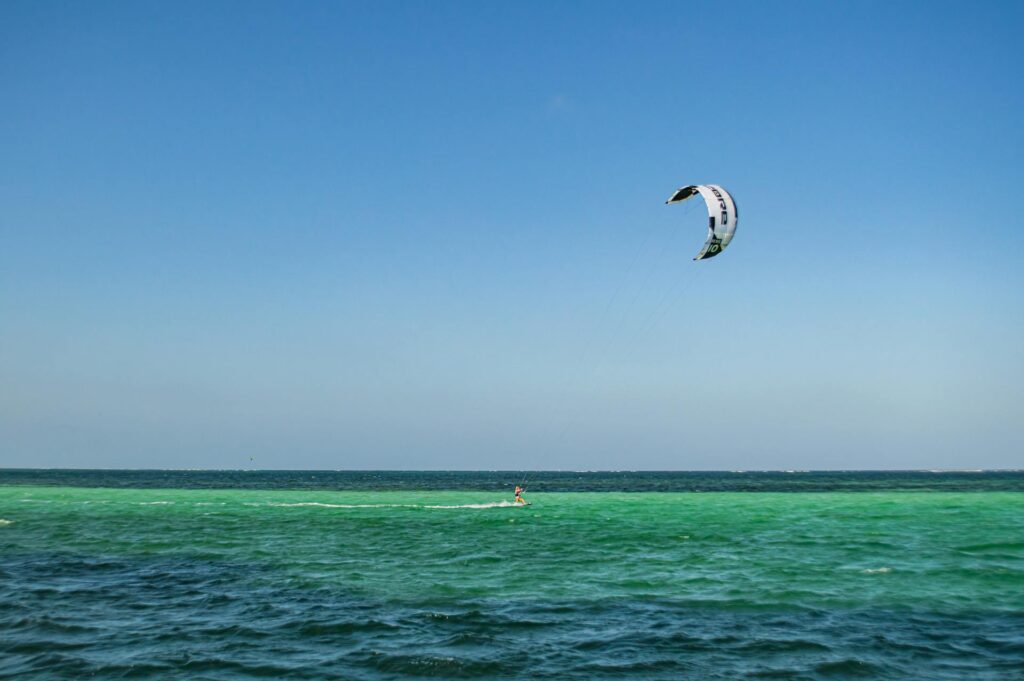
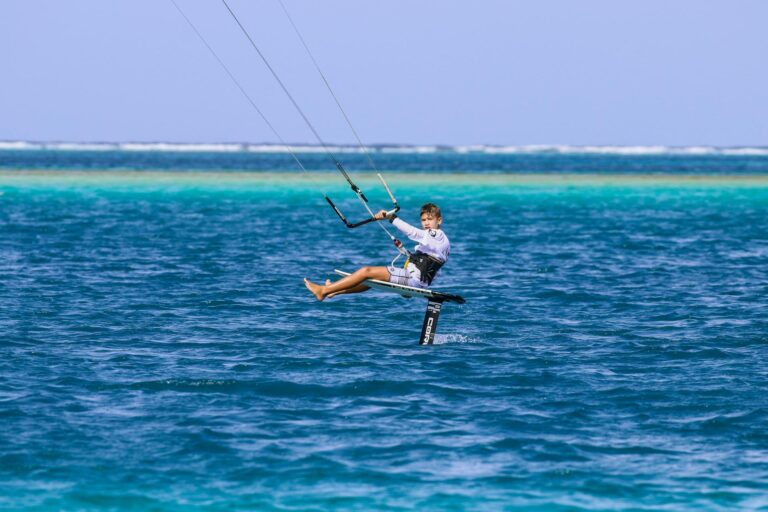
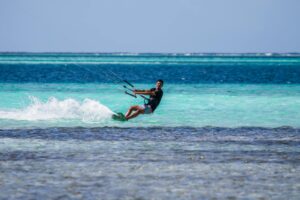
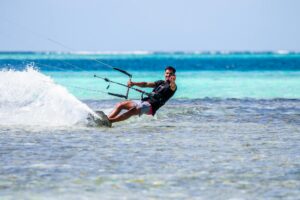
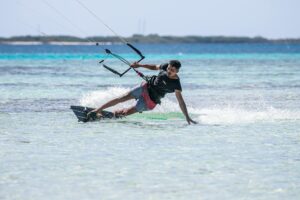
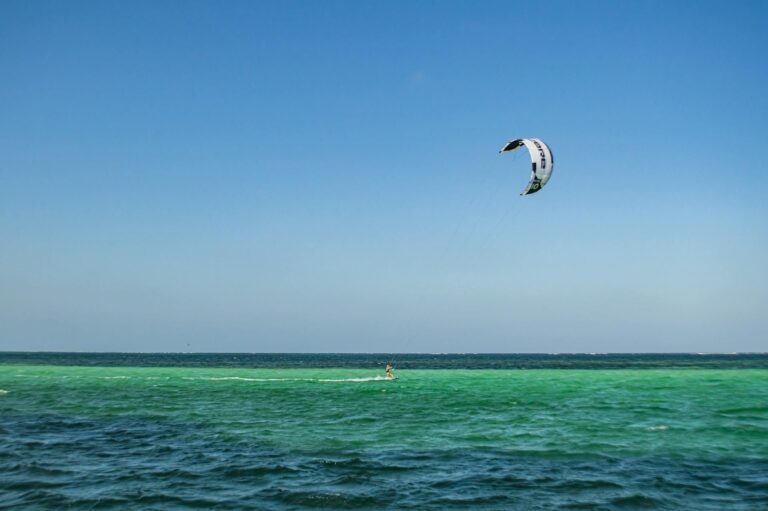
Kitesurfing Diani

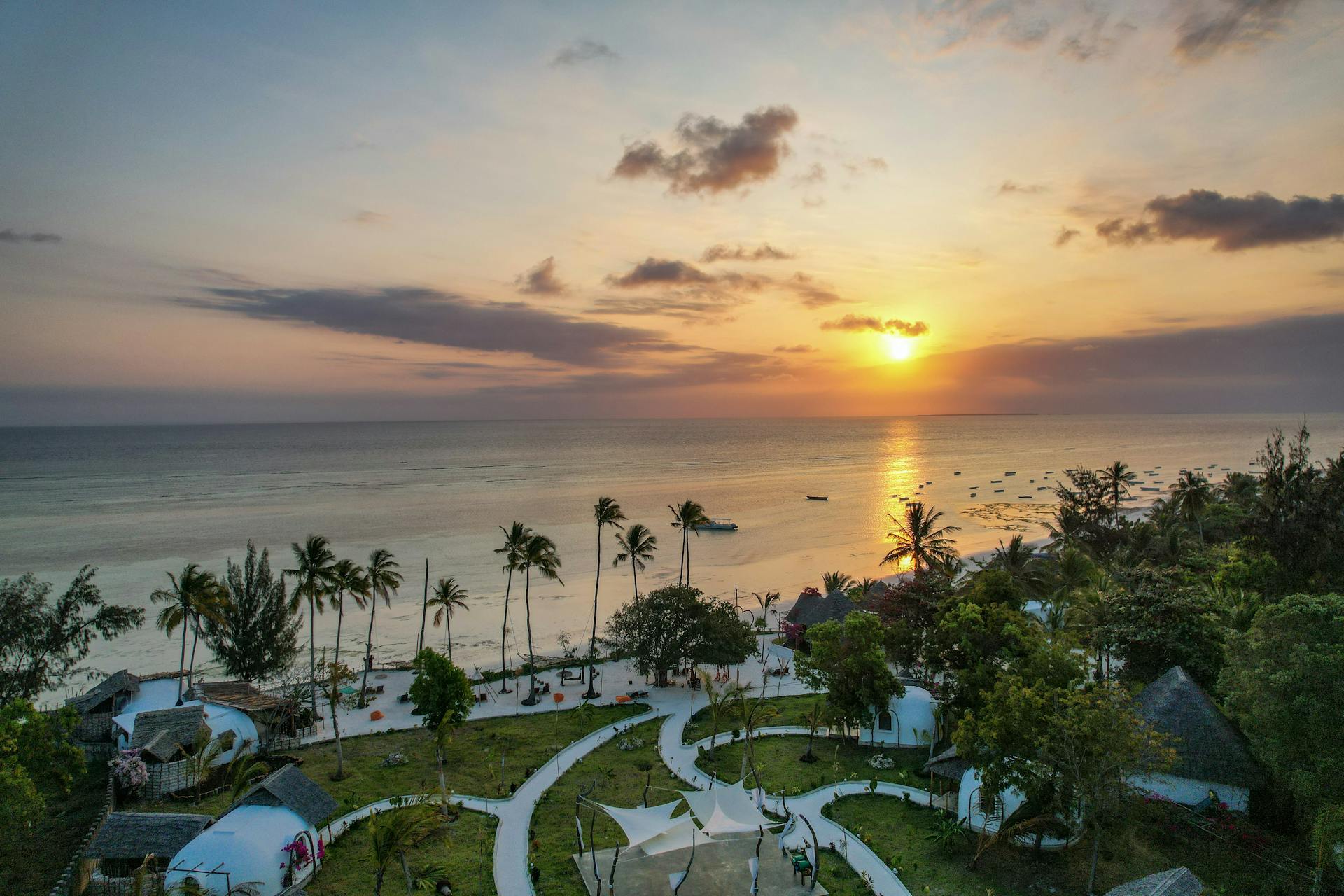
North and south of the city, the coast unfolds in ribbons of white sand, fringed by palm trees and lapped by the warm Indian Ocean. Each beach has its own character, but all share the same crystal-clear water and year-round appeal.

Nyali Beach, just north of the city, is the most developed—lined with resorts, restaurants, and watersports operators. Bamburi Beach offers a more relaxed vibe, with beautiful stretches of sand and good swimming. Shanzu Beach, further north, is quieter and more exclusive. And Diani Beach, 30 kilometers south, is consistently ranked among Africa’s best beaches—a 17-kilometer stretch of powder-white sand backed by coral rag forest.

Whether you want watersports, beach bars, or simple solitude, Mombasa’s beaches deliver. The Indian Ocean is warm year-round, the reefs protect the shore, and the sunsets are spectacular.

Marine Parks: Coral Reefs & Tropical Fish
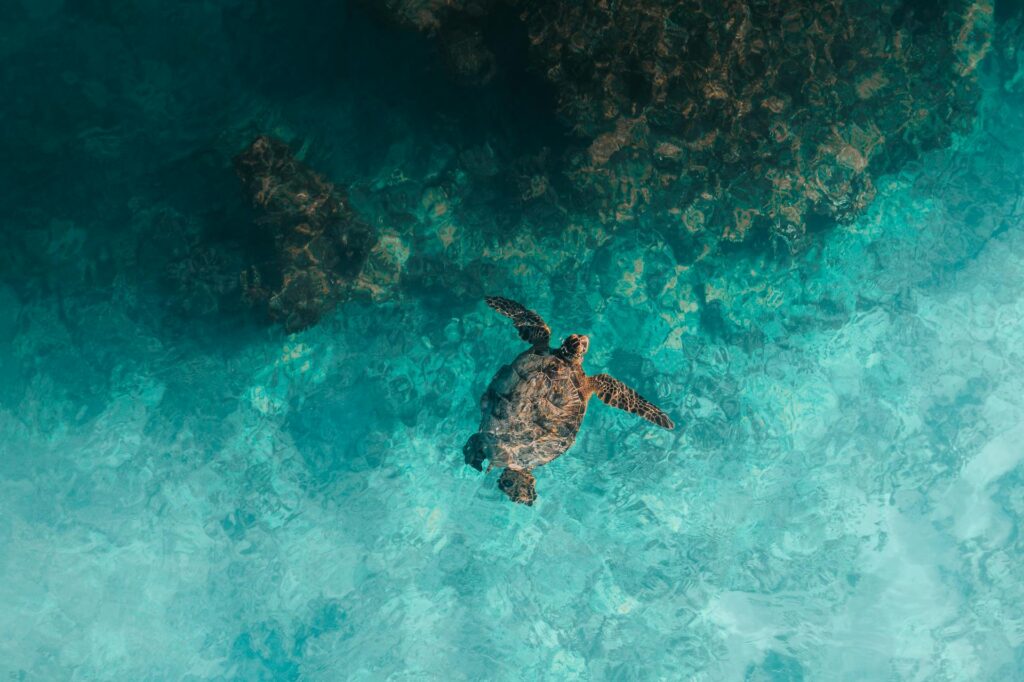
Kenya coast diving

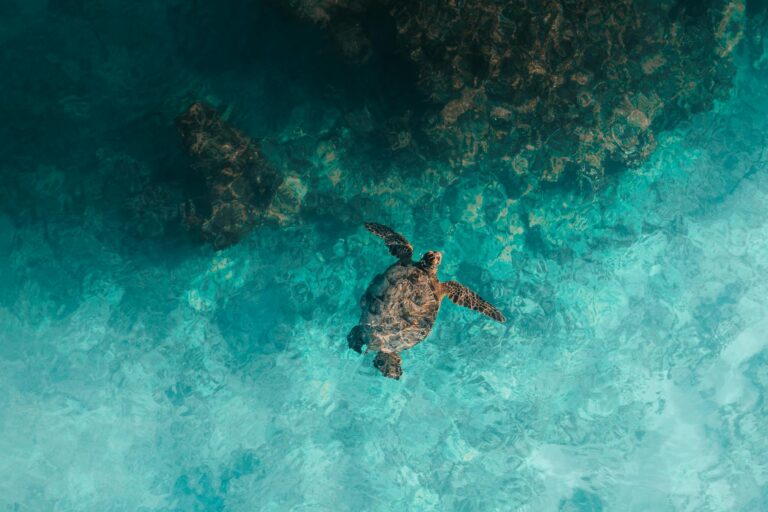
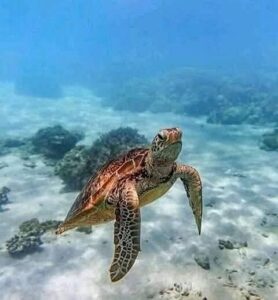
The coral reefs off Mombasa’s coast protect some of the richest marine biodiversity in the Indian Ocean. Mombasa Marine National Park, just offshore from Nyali and Bamburi beaches, protects pristine reefs, seagrass beds, and mangrove forests. Snorkeling and diving here reveal a world of color—parrotfish, angelfish, butterflyfish, and, if you’re lucky, sea turtles and reef sharks.

Further south, Kisite-Mpunguti Marine National Park, off Wasini Island, is even more spectacular. The reefs here are healthier, the fish more abundant, and the visibility often exceeds 20 meters. Dolphin sightings are common. Day trips from Mombasa or Diani offer snorkeling, lunch on Wasini, and a dhow cruise at sunset.

The marine parks are protected—no fishing, no collecting, no touching. The result is some of the best snorkeling and diving in Africa.

Swahili Cuisine: A Fusion of Flavors

Wasono culture

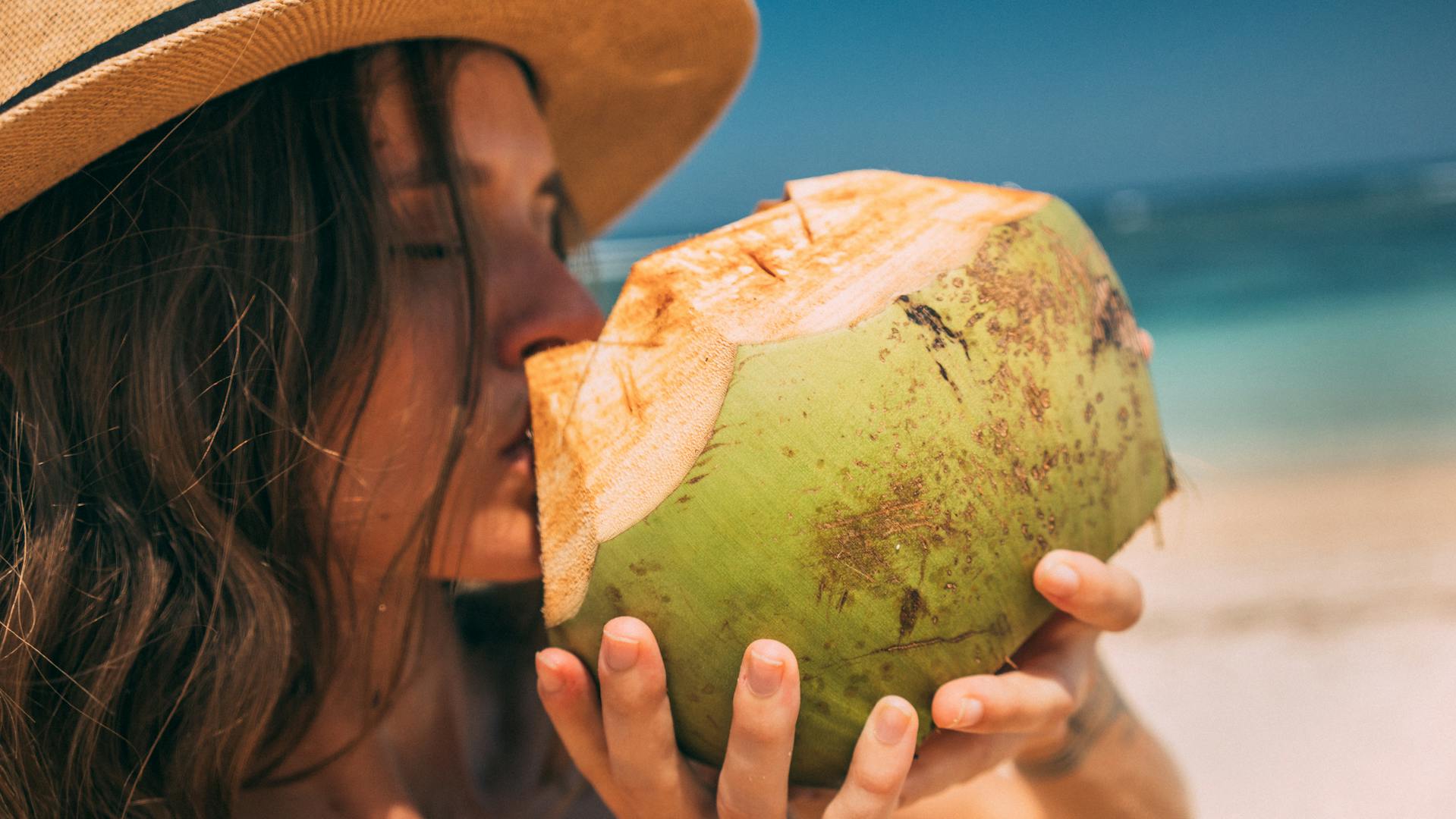
Mombasa’s cuisine reflects its history—a delicious fusion of African, Arab, Indian, and Portuguese influences. Spices are central: cardamom, cloves, cinnamon, nutmeg, and saffron appear in savory dishes and sweets alike. Coconut is everywhere, its milk and cream adding richness to curries and stews.

Biryani and pilau are Mombasa specialties—fragrant rice dishes with meat or fish, spiced and layered. Mahamri are Swahili doughnuts, often served with pigeon pea curry for breakfast. Viazi karai are spicy battered potatoes. Mishkaki is grilled meat, marinated in Swahili spices. And fresh seafood—grilled, curried, fried—is abundant and excellent.

For dessert, try halwa, a sweet confection, or fresh tropical fruit—mangoes, passion fruit, pineapples—at their peak. The food alone is reason to visit.

Gateway to the Coast: Day Trips & Island Adventures
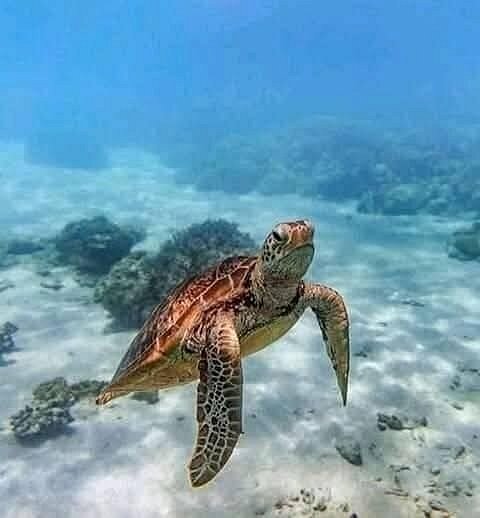
Turtle Wasini Island

Mombasa is the perfect base for exploring Kenya’s coast. To the south, Diani Beach offers world-class resorts, watersports, and the stunning Kisite-Mpunguti Marine Park. Wasini Island, accessible from Diani, is famous for its coral gardens, Swahili ruins, and dolphin tours.

To the north, Malindi and Watamu offer more beaches, marine parks, and the fascinating Gede Ruins—an abandoned Swahili city swallowed by the forest. The Lamu Archipelago, further north, is a UNESCO World Heritage Site and the best-preserved Swahili settlement in East Africa—a place of donkeys, dhows, and timeless culture.

Each destination is accessible from Mombasa by road, air, or sea. A week on the coast can encompass beaches, history, culture, and marine exploration—all from this vibrant, historic city.
Exploring Mombasa: From Ancient Streets to White-Sand Beaches

Fort Jesus & Old Town: The Historic Heart

The historic core of Mombasa is unmissable. Fort Jesus dominates the entrance to the Old Town, its massive walls and ramparts telling stories of Portuguese, Arab, and British occupation. A UNESCO World Heritage Site, the fort houses a museum with ceramics, weapons, and artifacts spanning centuries. Climb to the ramparts for spectacular views over the harbor and the sea.

Adjacent to the fort, the Old Town is a labyrinth of narrow streets, carved wooden doors, and coral-rag buildings. Wander the alleyways to discover mosques, markets, spice shops, and Swahili cafes. The doors are works of art—intricately carved teak and mahogany, each with its own story. The atmosphere is timeless.

Allow at least half a day to explore both. Morning is best, before the heat builds. A guide can help interpret the history and culture.

Nyali Beach: Mombasa's Premier Resort Strip

Just north of the island, connected by the Nyali Bridge, Nyali Beach is Mombasa’s most developed resort area. A string of hotels, restaurants, and bars line the coast, backed by modern suburbs and shopping centers. The beach itself is beautiful—wide, white, and protected by offshore reefs.

Nyali offers every watersport imaginable: jet skis, parasailing, kite surfing, windsurfing. Dive operators run trips to the Mombasa Marine Park reefs. Beach vendors sell cold drinks and grilled seafood. At night, the bars and restaurants come alive with music and entertainment.

Nyali is convenient, developed, and lively—perfect for first-time visitors and those who want everything within walking distance.

Bamburi Beach: Relaxed Coastal Vibe

North of Nyali, Bamburi Beach offers a more relaxed alternative to its bustling neighbor. The beach is equally beautiful—white sand, clear water, fringed by palm trees—but the development is lower-key, the pace slower, the atmosphere more laid-back.

Bamburi is home to several mid-range and luxury hotels, as well as quieter restaurants and bars. The beach is excellent for swimming and sunbathing. Watersports are available but less intense than Nyali. The sunset views are spectacular.

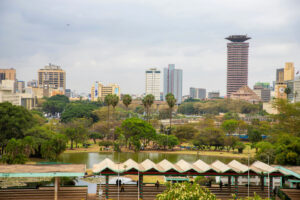
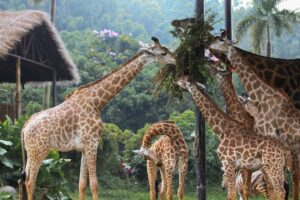
Behind the beach, the Haller Park nature trail offers a fascinating contrast—a reclaimed quarry turned into a wildlife sanctuary, home to giraffe, hippo, and hundreds of bird species. It’s a unique day trip from the beach.

Diani Beach: Africa's Best Beach

Thirty kilometers south of Mombasa, Diani Beach is consistently ranked among Africa’s finest beaches—and for good reason. Seventeen kilometers of powder-white sand, backed by dense coastal forest and fronted by crystal-clear turquoise water. The reef protects the shore, ensuring calm swimming conditions. The resorts are world-class. The vibe is sophisticated but relaxed.

Diani offers everything: luxury resorts and boutique hotels, watersports of every description, excellent restaurants, vibrant nightlife, and easy access to the Kisite-Mpunguti Marine Park—Kenya’s best snorkeling and diving. Day trips to Wasini Island include dolphin watching, coral gardens, and Swahili lunch.

Diani is a destination in itself. Many visitors come here and never leave.

Mombasa Marine National Park: Underwater Wonderland

Just offshore from Nyali and Bamburi beaches, the Mombasa Marine National Park protects a stunning coral reef ecosystem. The park encompasses reefs, seagrass beds, and mangrove forests, home to over 150 species of fish, sea turtles, and occasional dolphins.

Snorkeling and diving trips operate daily from the north coast beaches. Glass-bottom boats allow non-swimmers to see the reef. The water is warm and clear, the fish are abundant, and the coral is beautiful. Parrotfish, angelfish, butterflyfish, and triggerfish are all common.

The park is also important for conservation—no fishing, no collecting, no touching. It’s a protected haven where marine life thrives.

Wasini Island: Dolphin Tours & Swahili Culture

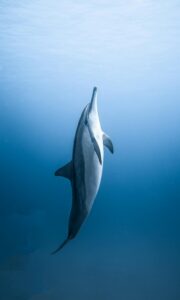
South of Diani, Wasini Island offers one of the coast’s best day trips. Accessible by boat from Shimoni, the island is famous for its dolphin tours—pods of Indo-Pacific bottlenose dolphins regularly visit the channels between the island and the mainland. Morning tours have the best chance of sightings.

The Kisite-Mpunguti Marine Park, surrounding the island, offers spectacular snorkeling and diving. The coral reefs are among Kenya’s healthiest, teeming with fish. Lunch on the island is a Swahili feast—seafood, rice, coconut, and spices, served in a traditional setting.

The island itself has a small Swahili village, a coral garden, and beautiful scenery. The dhow cruise back to the mainland at sunset is the perfect end to the day.

Mombasa Month-by-Month: Beach Weather, Monsoons & When to Visit

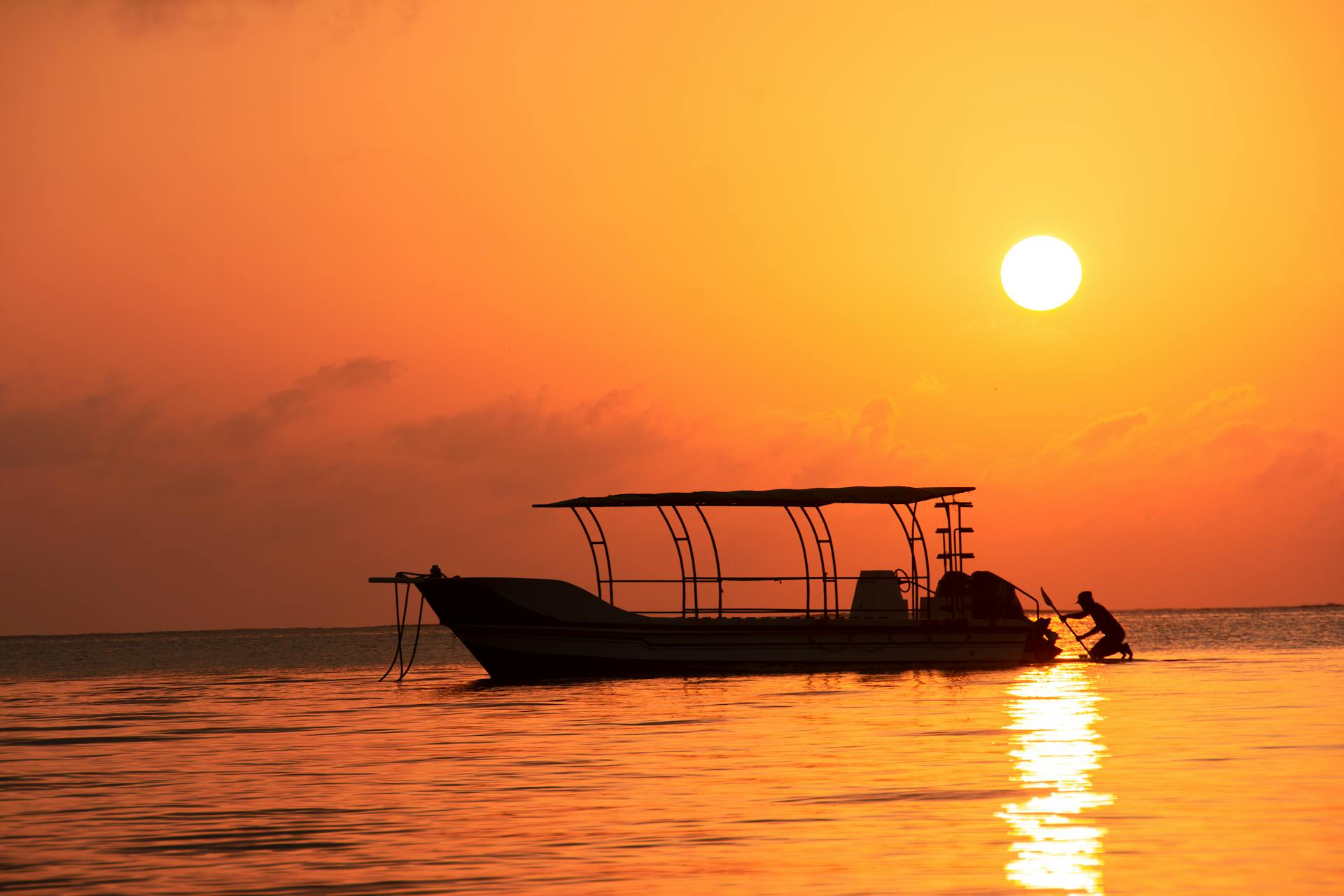
Mombasa is Kenya’s second city and the heart of the Swahili coast—a vibrant, ancient port where African, Arab, and European cultures have mingled for centuries. Beyond its historic Old Town and iconic Fort Jesus, Mombasa is the gateway to Kenya’s stunning coastline, with endless white-sand beaches, coral reefs, and palm-fringed shores.

The coast has its own climate, influenced by monsoon winds that have shaped trade and travel here for millennia. The dry northeast monsoon (December-March) brings the best beach weather—hot, sunny, and low humidity. The wet southeast monsoon (April-June) brings rain and rough seas. A second dry season (July-October) offers pleasant conditions, followed by the short rains (November).
All temperatures are daytime highs and nighttime lows. Rainfall is average monthly precipitation in millimeters.

Month
Rain
Min
Max
Season

Featured Destinations

Selected Complementary Destinations

Amboseli National Park

Top Reasons to Visit
Big 5 Wildlife Year-Round Safari

Diani Beach

Top Reasons to Visit
Warm Tropical Beach Year-Round Safari

Masai Mara National Reserve

Top Reasons to Visit
Big 5 Wildlife Year-Round Safari

Nairobi City

Top Reasons to Visit
Good Mobile Network Nairobi National Park Technocity Vibrant African City

Nairobi National Park

Top Reasons to Visit
Nairobi Animal Orphanage Big 5 Wildlife Year-Round Safari Family Friendly

Samburu National Reserve

Top Reasons to Visit
Bird Watchers' Paradise Big 5 Wildlife Family Friendly

Serengeti National Park

Top Reasons to Visit
Big 5 Wildlife Year-Round Safari Family Friendly

Tsavo East National Park

Top Reasons to Visit
Bird Watchers' Paradise Big 5 Wildlife Year-Round Safari

Tsavo West National Park

Top Reasons to Visit
Bird Watchers' Paradise Big 5 Wildlife Family Friendly

Zanzibar Archipelago

Top Reasons to Visit
Tropical Honeymoon Paradise Warm Tropical Beach

Watamu

Top Reasons to Visit
Warm Tropical Beach Year-Round Safari Family Friendly

Wasini Island

Top Reasons to Visit
Warm Tropical Beach Year-Round Safari

Plan Your Journey to Mombasa City

Ready to explore? Our travel specialists are here to help craft your dream itinerary.
Chat on WhatsApp
Created by icon tripfrom the Noun Project Created by Amethyst Studiofrom the Noun Project Created by Amethyst Studiofrom the Noun Project Created by Amethyst Studiofrom the Noun Project