Mount Kenya National Park

Mount Kenya National Park

  • Country: Central Kenya

Why Mount Kenya Is Africa's Most Accessible High-Altitude Wilderness

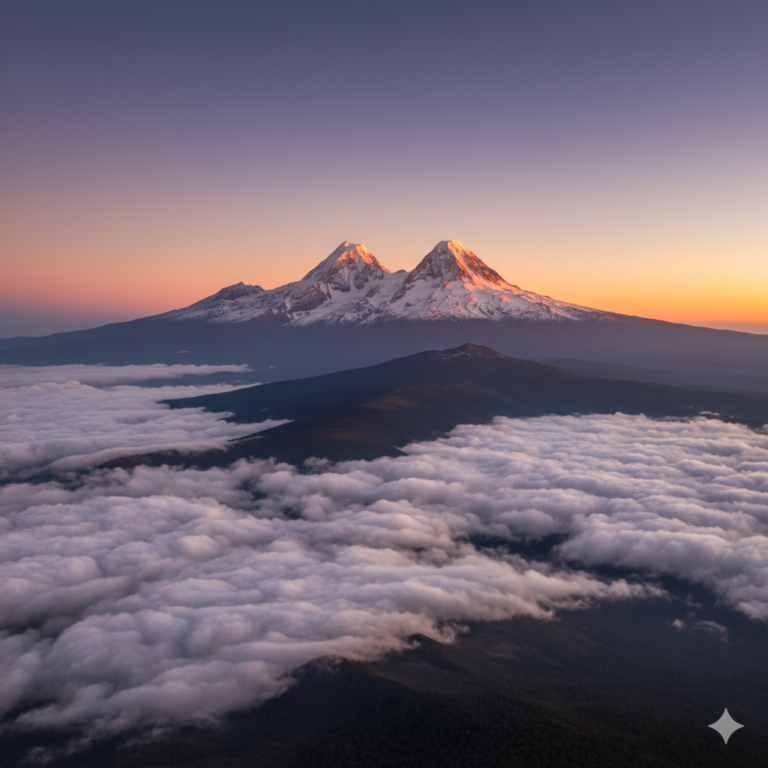
Mount Kenya is Africa’s second-highest peak, an ancient stratovolcano that rises 5,199 meters from the equator. Its slopes encompass every climate zone from tropical rainforest to arctic ice—all within a day’s walk. This is a place of extraordinary contrasts: elephants in the bamboo forest, giant lobelias on the moorlands, and glaciers at the summit.

For climbers, Mount Kenya offers technical challenges without the extreme altitude of Kilimanjaro. For hikers, the lower slopes provide some of Kenya’s most beautiful trails. For wildlife enthusiasts, the national park protects unique montane species including the elusive bongo, mountain zebra, and colobus monkeys. And for everyone, the mountain itself—seen from the plains below—is an icon of East Africa.

Here is why Mount Kenya deserves a place on every Kenya itinerary.

Africa's Second-Highest Peak: A Climber's Playground
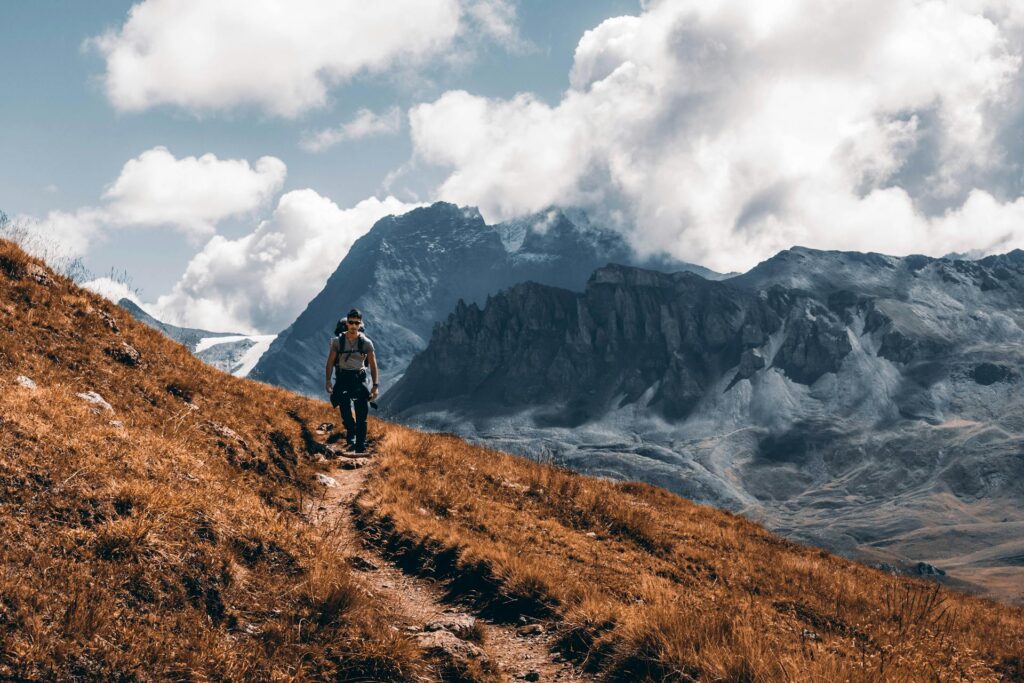
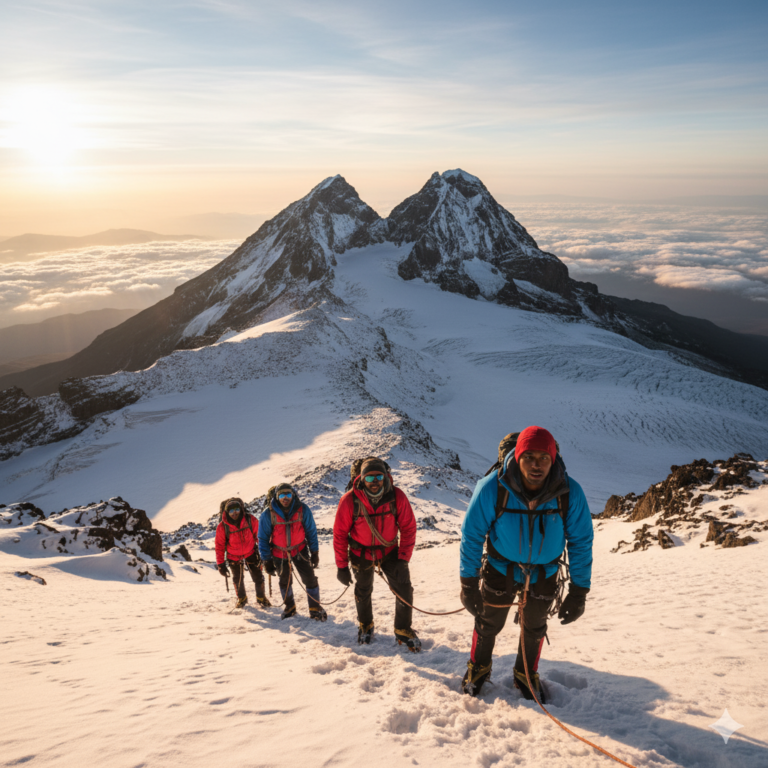
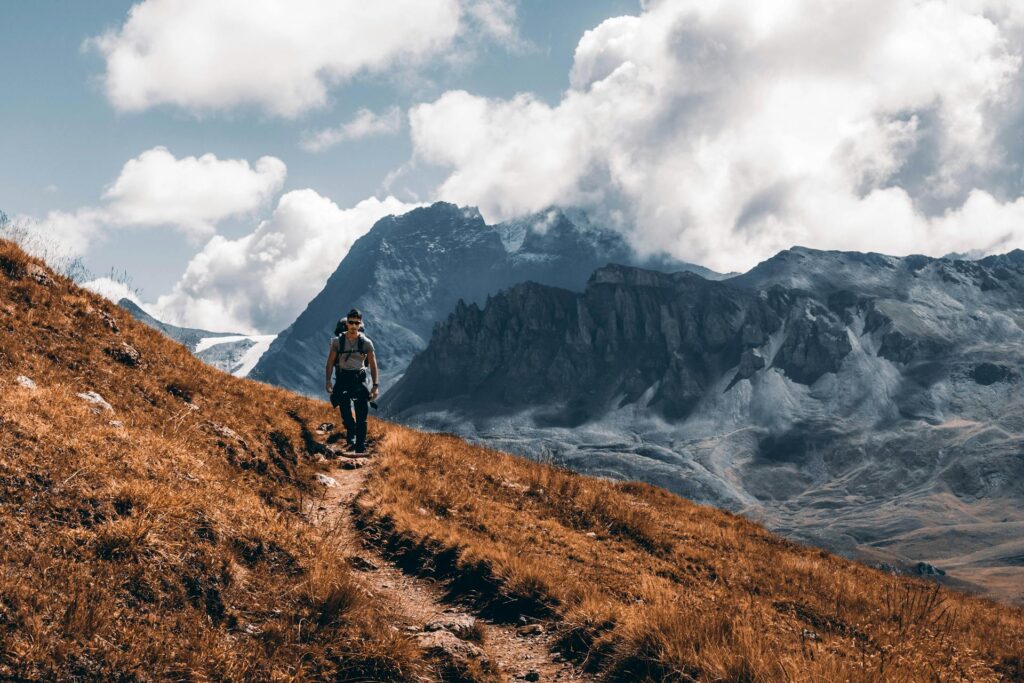
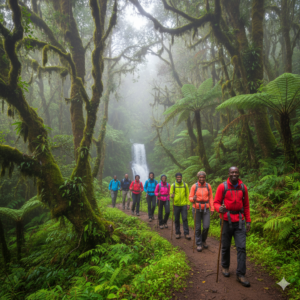
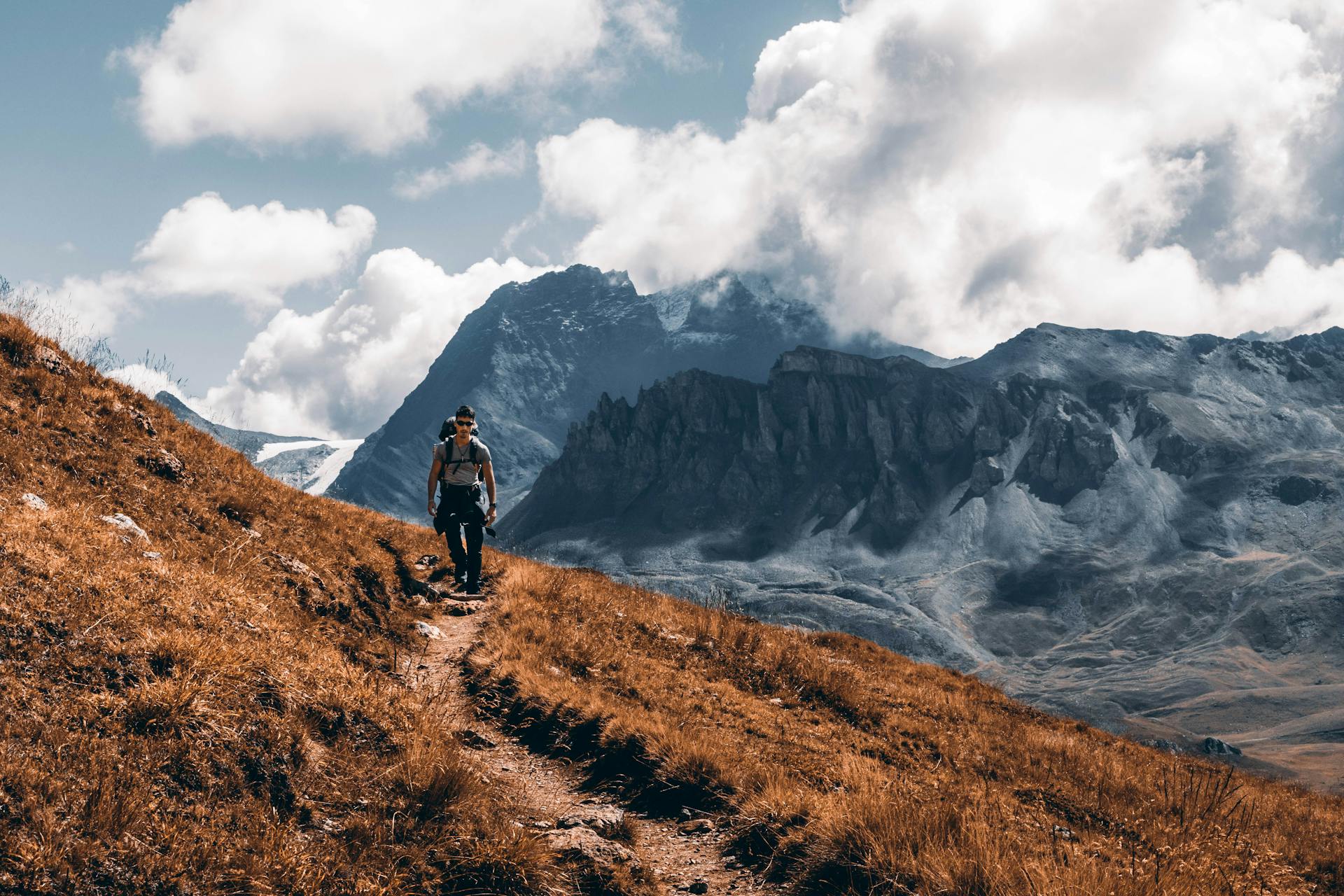
Hiking Mount Kenya

At 5,199 meters, Mount Kenya is the second-highest mountain in Africa, after Kilimanjaro. But unlike its more famous neighbor, Mount Kenya offers technical climbing challenges that attract mountaineers from around the world. The highest peaks—Batian (5,199m) and Nelion (5,188m)—require rock climbing skills and experience. Point Lenana (4,985m), the third-highest peak, is a trekking peak accessible to fit hikers with proper acclimatization.

For climbers, Mount Kenya is a training ground for higher mountains. The rock routes are classic, the glaciers are accessible, and the variety of terrain is extraordinary. For trekkers, reaching Point Lenana at sunrise—watching the sun rise over the continent from nearly 5,000 meters—is a life-changing experience.

The mountain can be climbed year-round, though the best conditions are January-February and August-September. Proper acclimatization, guides, and equipment are essential.

Five Ecological Zones in One Mountain
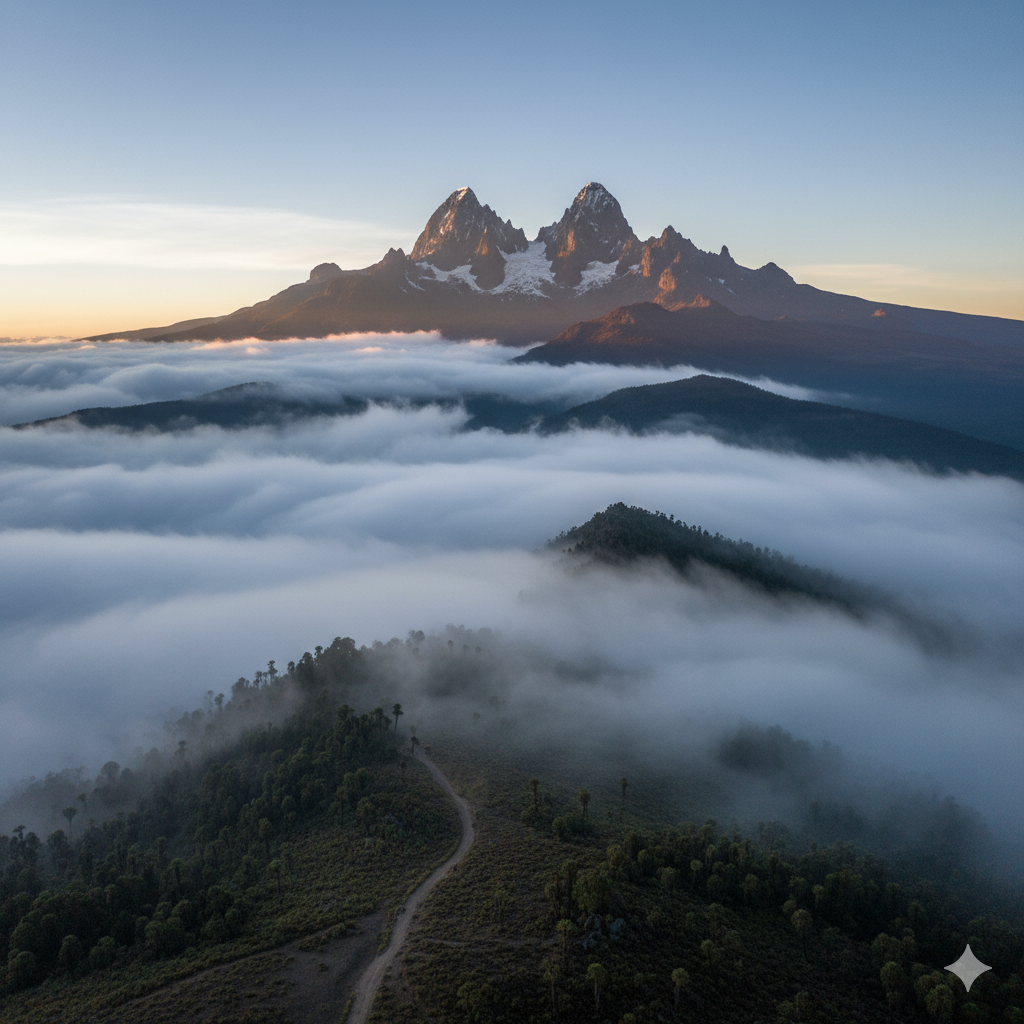
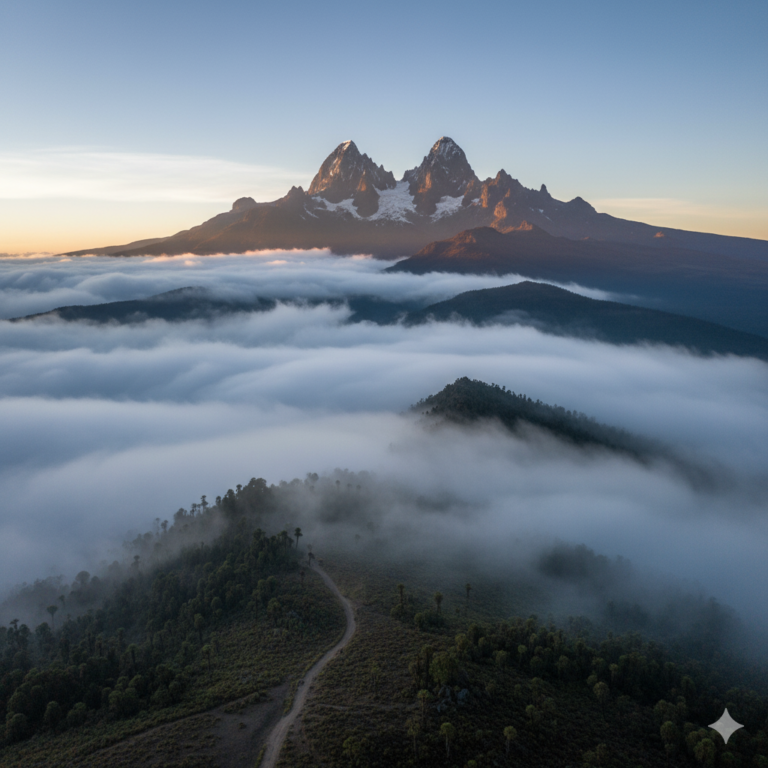
Mount Kenya on a misty morning

Mount Kenya is a vertical journey through Africa’s ecosystems. Starting from the hot, dry plains at the base, you ascend through five distinct ecological zones, each with its own climate, vegetation, and wildlife.

The Cultivated Zone (below 2,000m) gives way to Montane Forest (2,000-3,000m), where elephants, buffalo, and colobus monkeys live among towering cedar and camphor trees. Above this lies the Bamboo Zone (2,600-3,000m), a dense green world that filters light into shafts and shelters the elusive bongo. The Moorlands (3,000-4,500m) are otherworldly—rolling tussock grass dotted with giant lobelias and groundsels that look like Dr. Seuss creations. Finally, the Alpine Zone (above 4,500m) is a world of rock, ice, and thin air, where glaciers cling to the peaks and temperatures drop below freezing every night.

Walking through these zones in a single day is to experience the condensed biodiversity of a continent.

The Glaciers: Africa's Vanishing Ice
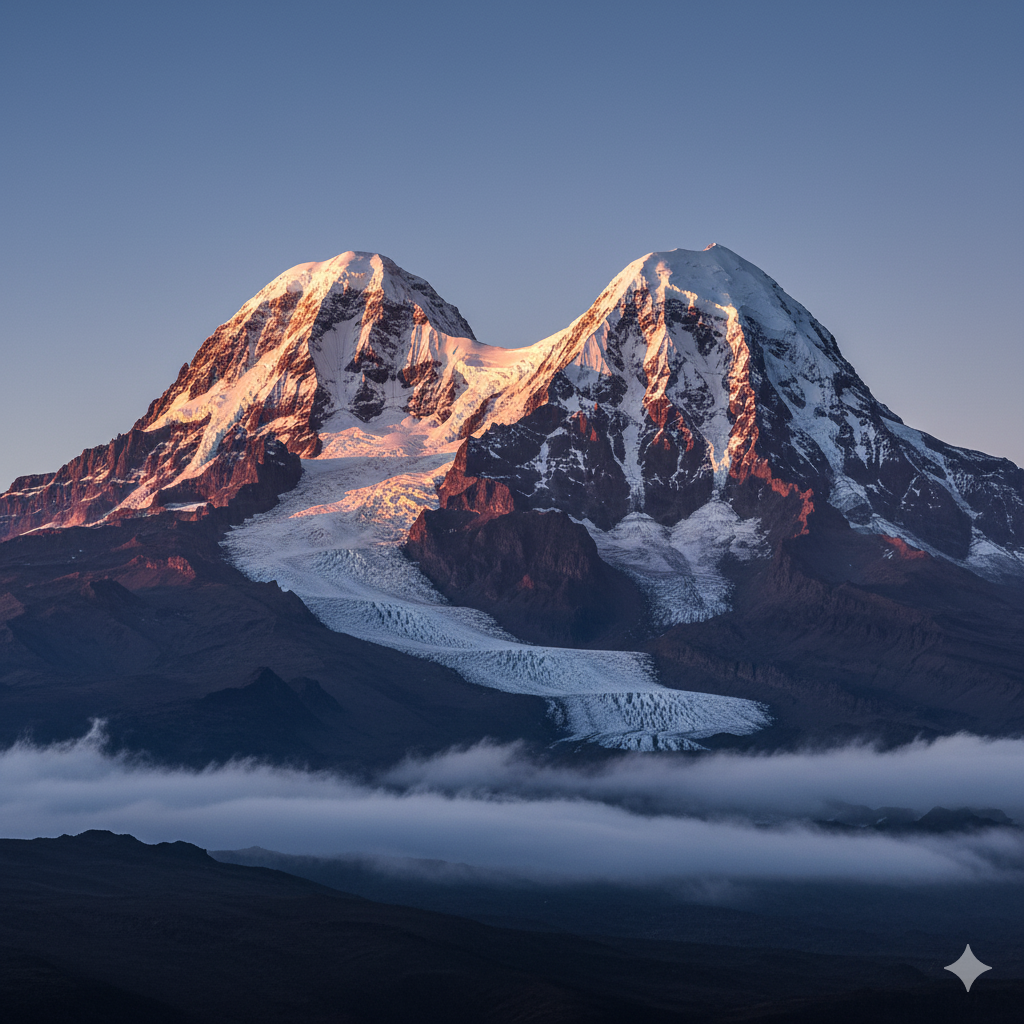
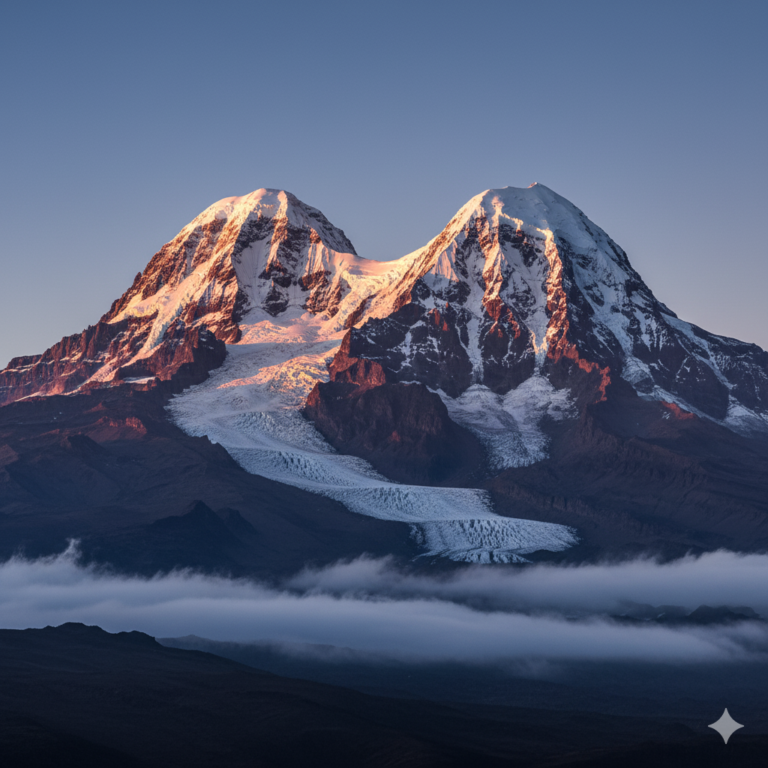
Mount Kenya glaciers

Mount Kenya’s glaciers are among the most studied in Africa—and among the most threatened. The mountain once hosted 18 glaciers; today, only a handful remain, and scientists predict they could disappear entirely by 2030. Seeing them now is to witness a vanishing world.

The Lewis Glacier, the largest remaining, flows down from the summit pyramid, its crevasses and seracs visible from Point Lenana. The Tyndall Glacier and Darwin Glacier are also accessible to experienced climbers. Their retreat is dramatic—marked by moraines and bare rock that was ice-covered just decades ago.

For climbers and trekkers, the glaciers add an element of alpine drama to the landscape. For scientists, they are a laboratory for studying climate change. For everyone, they are a reminder of what we stand to lose.

Mountain Wildlife: Bongo, Colobus & More
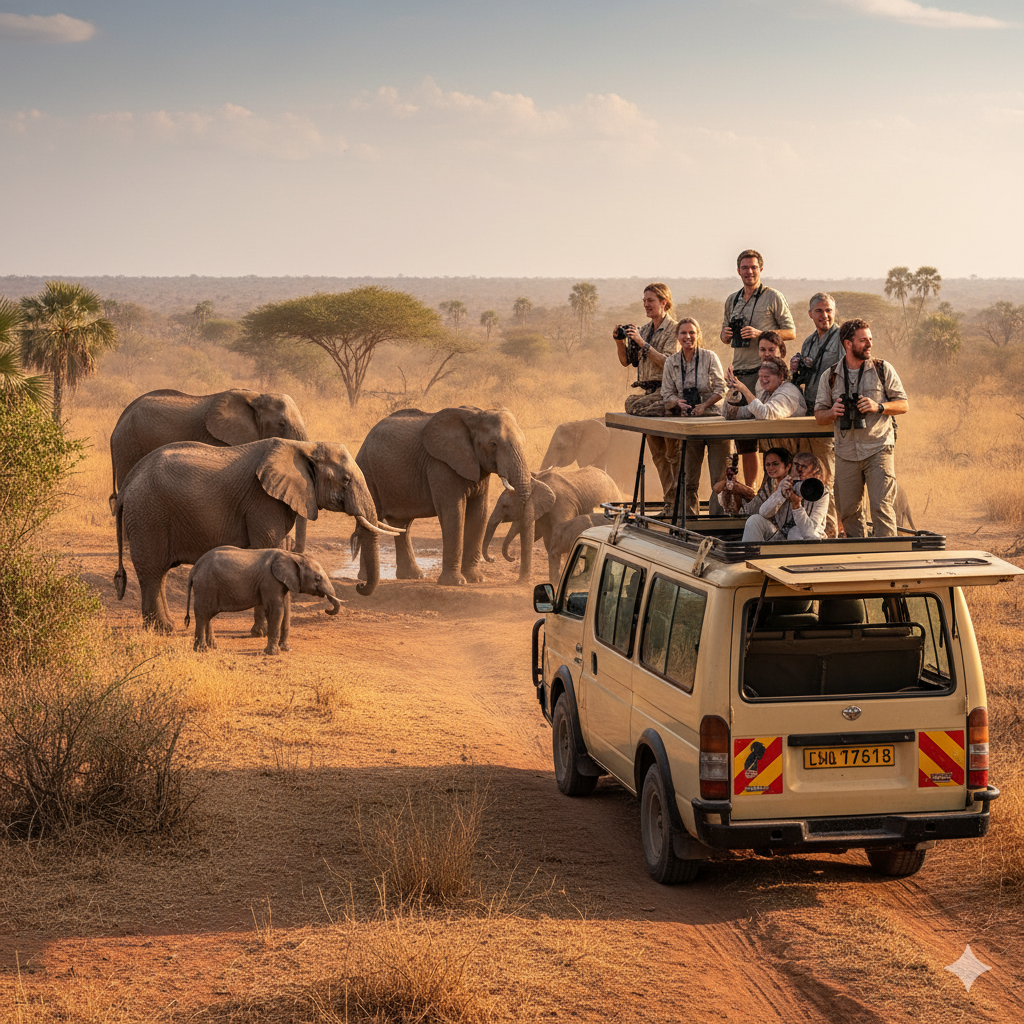
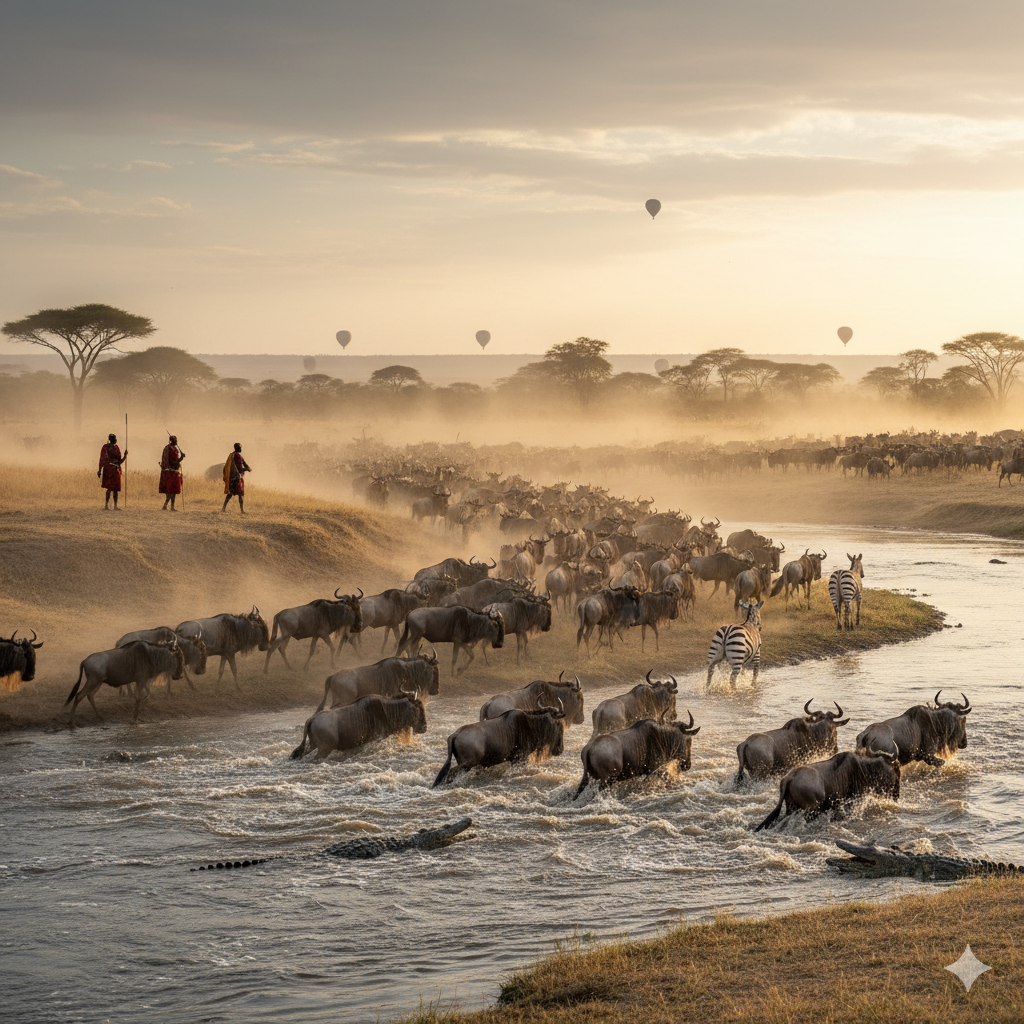
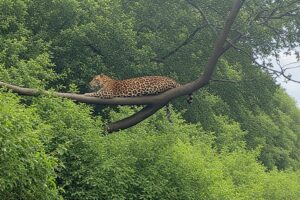
Wildlife on Mount Kenya slopes

Mount Kenya’s forests are home to wildlife found nowhere else in Kenya. The mountain bongo, a critically endangered forest antelope with a chestnut coat and white stripes, is the holy grail—rarely seen, but present in the bamboo zone. Black and white colobus monkeys leap through the canopy, their capes streaming behind them. Sykes monkeys forage in the forest edge.

Elephant and buffalo inhabit the lower slopes, often seen on the Naro Moru and Sirimon routes. Mountain zebra, a distinct subspecies with narrower stripes, graze the moorlands. And the birdlife is extraordinary—over 130 species recorded, including the rare Abbott’s starling and the scarlet-tufted malachite sunbird.

Wildlife viewing on Mount Kenya is different from the savannah—it requires patience, good eyes, and a willingness to look into the forest. The rewards are encounters you won’t have anywhere else.

The Moorlands: A Prehistoric Landscape
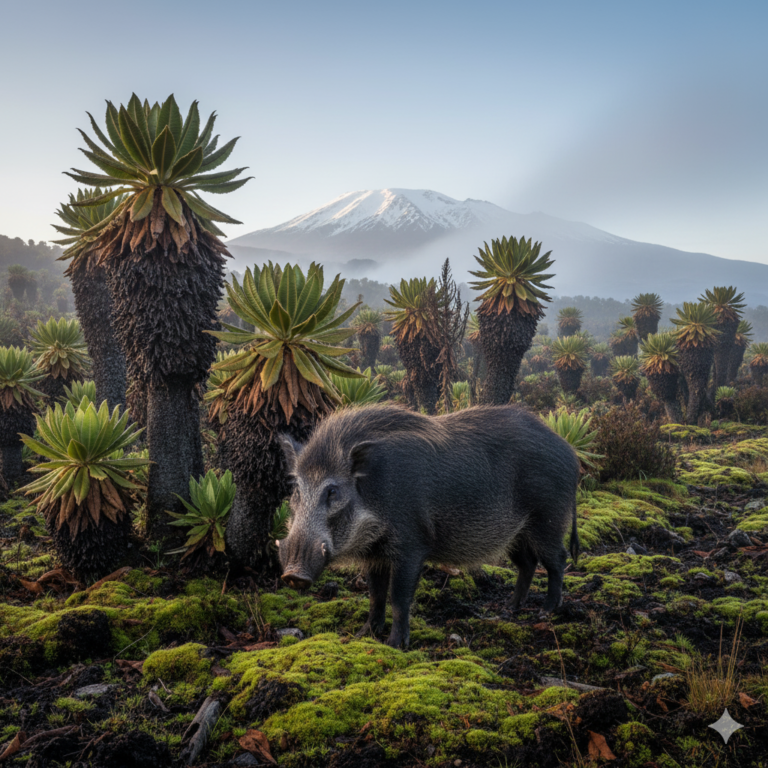
Mount Kenya moorlands

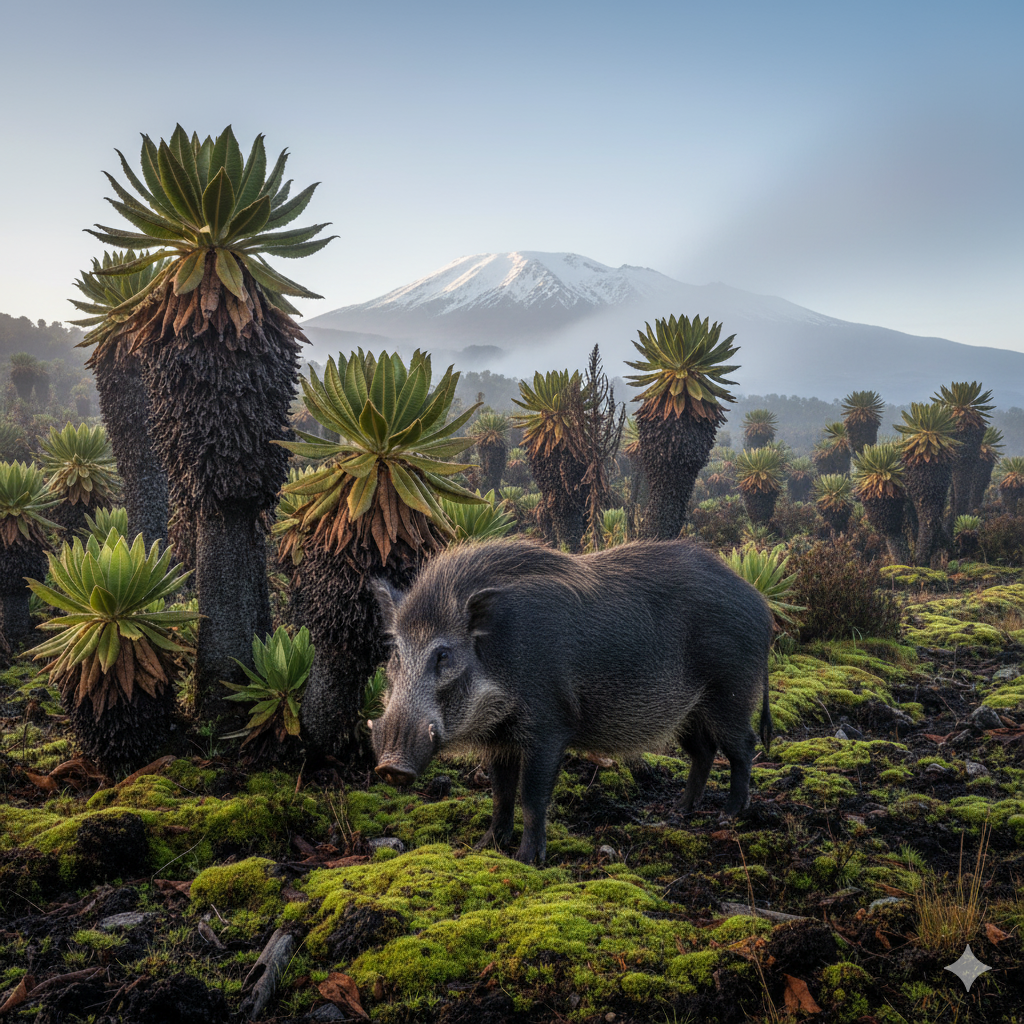
Above the forest, above the bamboo, Mount Kenya opens into a world that feels like another planet. The moorlands stretch for kilometers—rolling hills of tussock grass dotted with giant lobelias that can reach 3 meters tall, and groundsels that look like they belong in a dinosaur-era landscape. These plants, found only in East Africa’s high mountains, are living fossils, adapted to the extreme conditions of frost at night and intense sun by day.

Walking through the moorlands is surreal. The lobelias send up towering flower spikes. The groundsels, with their rosettes of leaves and furry trunks, cluster in sheltered valleys. Streams trickle through peat bogs. The air is thin and cool. And above it all, the peaks of Batian and Nelion rise into the sky.

This is the most beautiful zone on the mountain—a place to linger, to photograph, to simply absorb.

UNESCO World Heritage Site: A Place of Global Significance
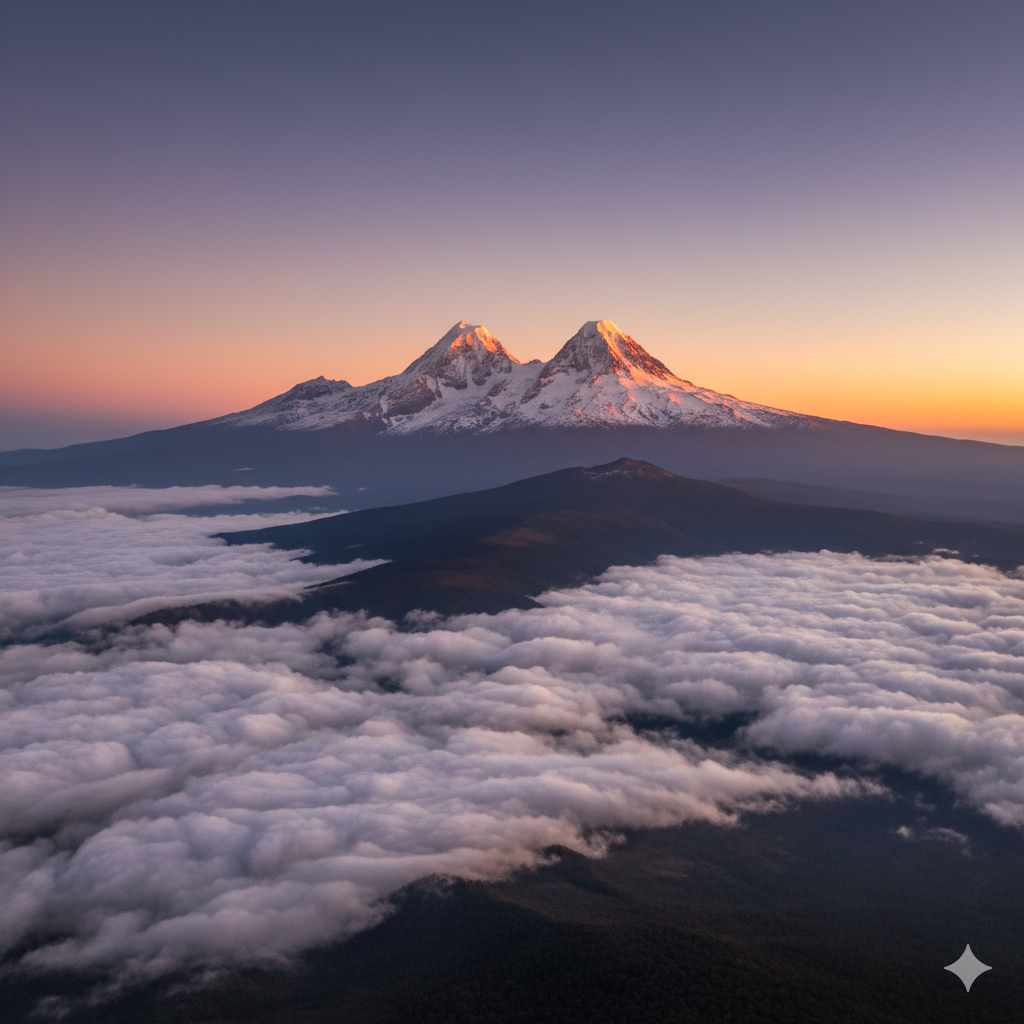
Mount Kenya landscape

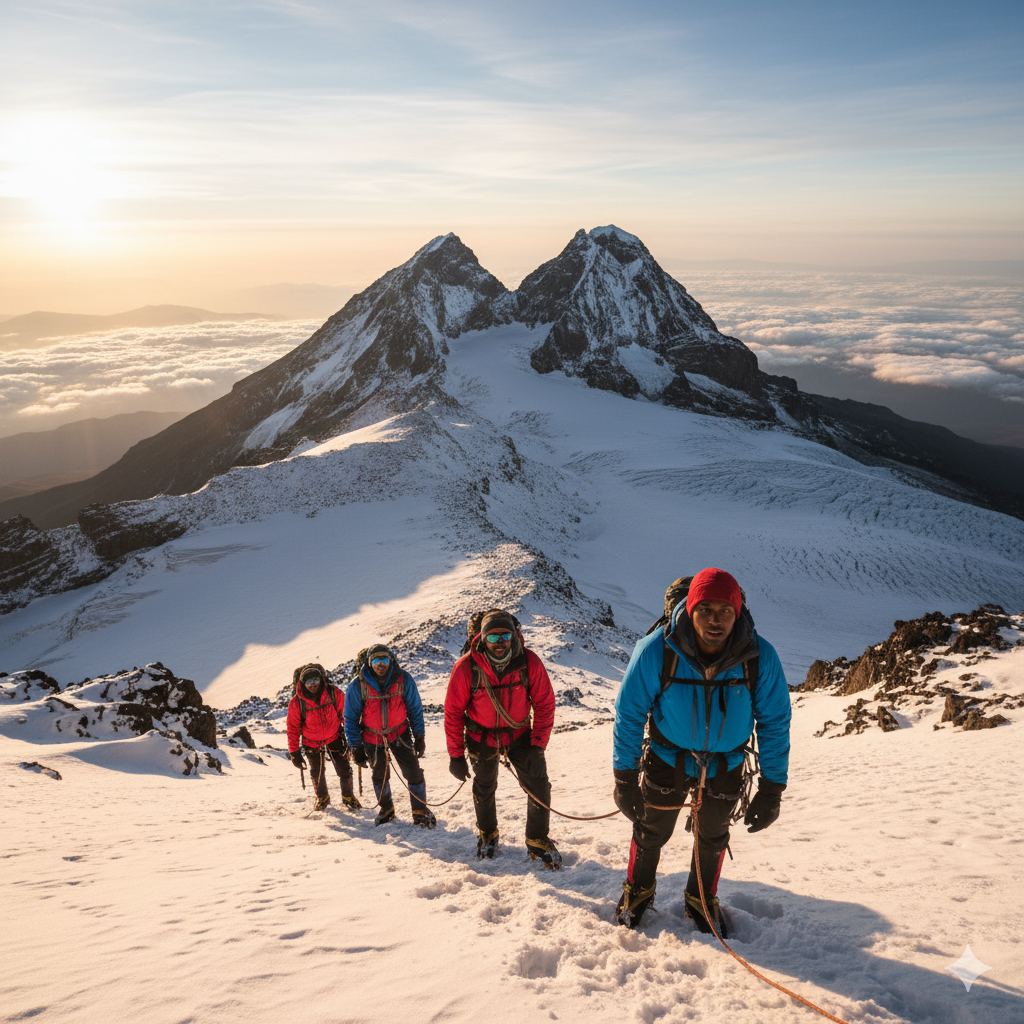
Mount Kenya was designated a UNESCO World Heritage Site in 1997, recognized for its outstanding natural beauty and ecological significance. The site includes the national park and the surrounding forest reserve, protecting a complete sequence of alpine ecosystems and the wildlife they support.

The UNESCO designation acknowledges Mount Kenya’s global importance—as a biodiversity hotspot, as a water tower for central Kenya, as a sacred site for the local communities, and as a natural wonder of international significance. Climbing the mountain, you’re not just undertaking a physical challenge—you’re visiting one of the planet’s most important natural places.

The preservation of this mountain matters, not just for Kenya, but for the world.
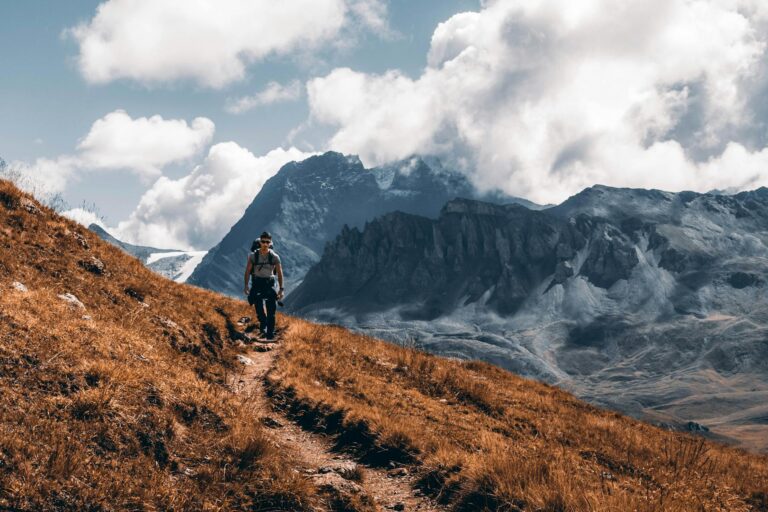
Exploring Mount Kenya: From Rainforest to Glacier

Point Lenana: The Trekkers' Summit

Point Lenana, at 4,985 meters, is the third-highest peak on Mount Kenya and the goal for most trekkers. Unlike Batian and Nelion, which require technical climbing, Point Lenana can be reached by fit hikers with proper acclimatization and guidance. The reward is one of Africa’s great experiences: sunrise from nearly 5,000 meters, with the peaks of Batian and Nelion catching the first light and the plains of Kenya stretching to the horizon below.

The final push to Point Lenana starts in the middle of the night—a steep, rocky ascent by headlamp. It’s cold, it’s hard, and it’s utterly unforgettable. At the summit, you’ll stand with climbers from around the world, watching the sun rise over a continent.

Most climbers attempt Point Lenana via the Sirimon, Chogoria, or Naro Moru routes. Acclimatization is essential—spend at least three nights on the mountain before summit day.

Batian & Nelion: The Technical Peaks

Batian (5,199m) and Nelion (5,188m) are the true summits of Mount Kenya—twin peaks that challenge experienced mountaineers with technical rock and ice climbing. Batian, the higher peak, was first climbed in 1899 by Halford Mackinder. Nelion is slightly lower but equally demanding, with classic routes like the Normal Route and the Ice Window Route.

Climbing these peaks requires technical skills, proper equipment, and experienced guides. The routes involve rock climbing up to Grade IV, ice climbing, and exposed ridges. The rewards are the satisfaction of standing on Africa’s second-highest point and views that stretch across Kenya.

Most climbers attempt Batian and Nelion during the dry seasons (January-February and August-September). The peaks are often climbed together—climbers typically spend a night in the Austrian Hut or Howell Hut before attempting the summits.

Sirimon Route: The Gentlest Approach

The Sirimon Route, approaching from the northwest, is widely considered the gentlest and most scenic route up Mount Kenya. The trail winds through beautiful montane forest, then opens into the moorlands with spectacular views of the main peaks. The gradient is gradual, making it ideal for acclimatization.

The route passes through the magnificent Liki North Valley, with its giant lobelias and groundsels, before reaching Shipton’s Camp (4,200m)—one of the most beautifully situated camps on the mountain. From here, climbers can attempt Point Lenana or, for the more ambitious, prepare for Batian and Nelion.

The Sirimon Route is also the best for wildlife viewing—colobus monkeys, sykes monkeys, and occasionally elephants are seen in the forest section.

Chogoria Route: The Most Scenic Route

The Chogoria Route, approaching from the east, is widely regarded as the most beautiful route up Mount Kenya. The trail descends slightly into the spectacular Gorges Valley, passes through bamboo forest, and emerges onto the moorlands with breathtaking views of the peaks. The route includes the famous ‘Hall of Fame’ and ‘Temple’ rock formations.

The highlight of the Chogoria Route is the series of tarns—small glacial lakes—below the peaks. Lake Ellis and Lake Michaelson are stunning, their waters reflecting the mountains above. The route joins the main summit trails at Simba Col, a spectacular saddle between the peaks.

The Chogoria Route is longer than Sirimon and involves more ascent, but the scenery is unparalleled. It’s a favorite for photographers and experienced trekkers.

Naro Moru Route: The Fastest Route

The Naro Moru Route, approaching from the west, is the most popular and fastest route up Mount Kenya. It’s also the steepest—the infamous ‘Vertical Bog’ section is a relentless climb through mud and tussock grass that tests every hiker. The route is direct and efficient, making it the choice for climbers on tight schedules.

The route passes through Teleki Valley, with its beautiful views of the peaks, before reaching Mackinder’s Camp (4,200m). The camp is well-positioned for summit attempts on Point Lenana. The descent via the same route is quick but hard on the knees.

The Naro Moru Route is popular for a reason—it works. But it’s not the most scenic or the most gentle. For acclimatization, spending extra nights on the mountain is essential.

The Mountain Huts: Shelter Above the Clouds

Mount Kenya’s network of mountain huts provides shelter, warmth, and camaraderie for climbers. The huts range from basic A-frame shelters to more comfortable bunkhouses, and they’re essential for surviving the cold nights above 4,000 meters.

Shipton’s Camp (4,200m) on the Sirimon Route is one of the finest, with stunning views of the peaks and comfortable bunk accommodation. Mackinder’s Camp (4,200m) on the Naro Moru Route is the busiest, a base for summit attempts. The Austrian Hut (4,790m) is the highest, used by climbers attempting Batian and Nelion. Howell Hut (4,800m) near the summit is tiny but strategically placed.

Staying in the huts is an experience in itself—sharing stories with climbers from around the world, watching the sunset paint the peaks, and preparing for the midnight start to summit day.

Mount Kenya Month-by-Month: Climbing, Weather & When to Go

Mount Kenya is Africa’s second-highest peak, a majestic ancient volcano straddling the equator with permanent glaciers on its summit. The mountain creates its own weather, with distinct climbing seasons, dramatic rainfall patterns, and temperatures that drop dramatically with altitude. The lower slopes are rich in wildlife, while the upper reaches challenge climbers from around the world.
The main climbing seasons are January-February and August-September, when weather is most stable. The long rains (March-May) make climbing difficult and trails muddy. The short rains (October-December) bring afternoon showers but can still be rewarding for prepared climbers.

All temperatures are daytime highs and nighttime lows at mid-altitude (∼3,000m). Summit temperatures are significantly colder—often below freezing at night year-round.

Month
Rain
Min
Max
Season

Featured Destinations

Selected Complementary Destinations

Aberdare National Park

Top Reasons to Visit
Big 5 Wildlife Family Friendly

Lake Nakuru National Park

Top Reasons to Visit
Rhino Sanctuary Big 5 Wildlife Year-Round Safari Family Friendly

Lake Naivasha

Top Reasons to Visit
Year-Round Safari Family Friendly

Lewa Wildlife Conservancy

Top Reasons to Visit
Big 5 Wildlife Year-Round Safari Family Friendly

Masai Mara National Reserve

Top Reasons to Visit
Big 5 Wildlife Year-Round Safari

Meru National Park

Top Reasons to Visit
Small Intimate Park Big 5 Wildlife Family Friendly

Plan Your Journey to Mount Kenya National Park

Ready to explore? Our travel specialists are here to help craft your dream itinerary.
Chat on WhatsApp
Created by icon tripfrom the Noun Project Created by Amethyst Studiofrom the Noun Project Created by Amethyst Studiofrom the Noun Project Created by Amethyst Studiofrom the Noun Project