Why Nairobi Park Is the World's Most Extraordinary Urban Wilderness
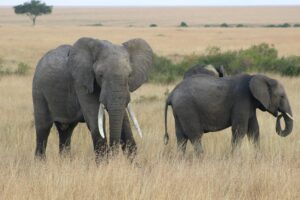
Nairobi National Park is one of Africa’s most improbable wonders—a wildlife reserve just 7 kilometers from the center of Kenya’s capital, where skyscrapers form the backdrop to savannah and rhinos graze against a city skyline. It’s the only national park in the world bordering a capital city, a place where you can see lion, leopard, buffalo, and rhino with downtown Nairobi visible in the distance.
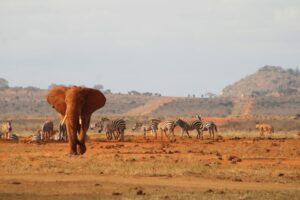
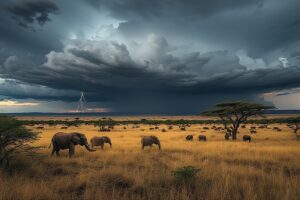
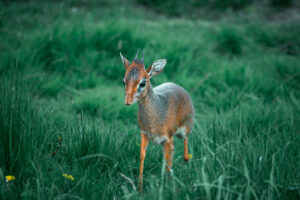
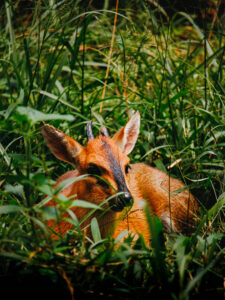
Despite its urban location, the park is wild and productive. Its 117 square kilometers protect a diverse range of habitats—open grassland, acacia woodland, riverine forest, and rocky gorges—supporting over 100 mammal species and 500 bird species. It’s a rhino sanctuary, a predator stronghold, and an essential conservation area that proves wildlife and cities can coexist.
Here is why Nairobi National Park deserves a place on every Kenya itinerary.
Wildlife with a City Skyline

Nairobi National Park’s defining feature is its backdrop. Nowhere else on earth can you photograph a rhino with skyscrapers behind it, or watch a lion stalk zebra with office buildings on the horizon. The contrast is surreal, beautiful, and deeply thought-provoking—a reminder that wilderness can exist alongside development.
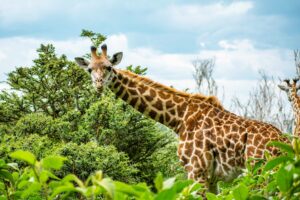
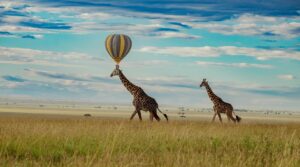
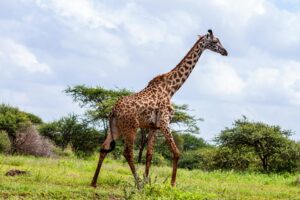
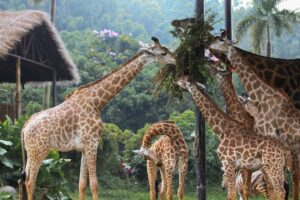
The best views of the city skyline are from the park’s western side, especially in the late afternoon when the sun lights up the buildings. The sight of giraffe moving against the background of Nairobi’s towers has become an iconic image of modern Kenya.
This juxtaposition isn’t just visually striking—it’s a testament to conservation success. Nairobi Park proves that protected areas can survive and thrive even next to major cities.
Rhino Sanctuary: Protecting Kenya's Giants
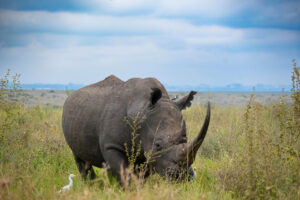
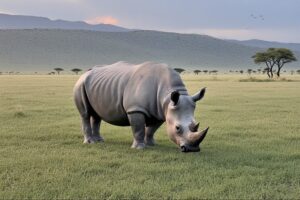
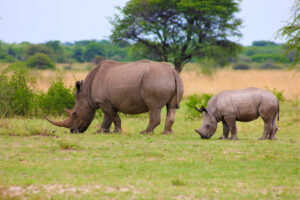
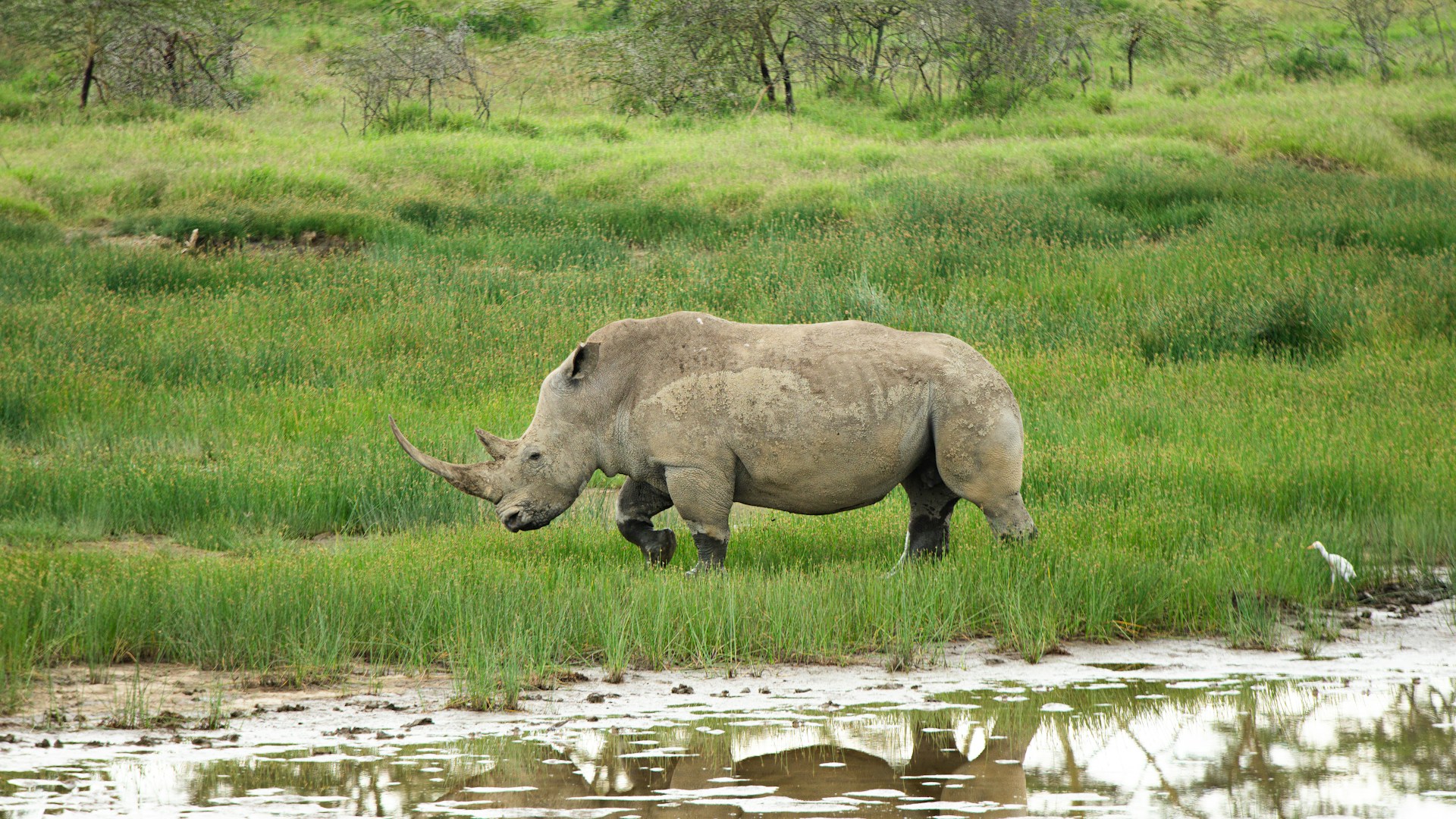
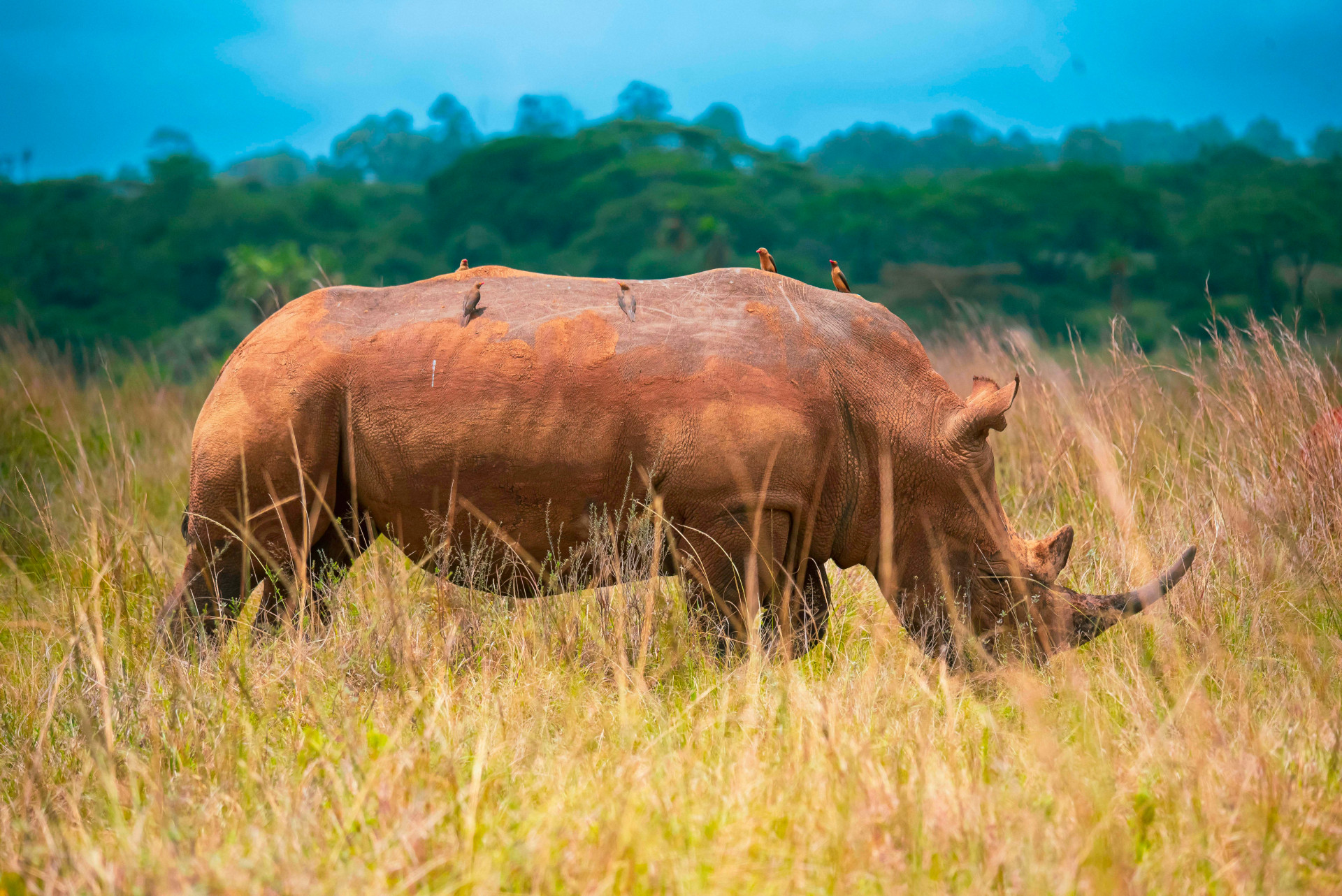
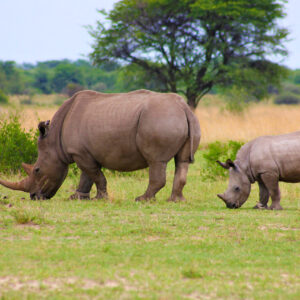
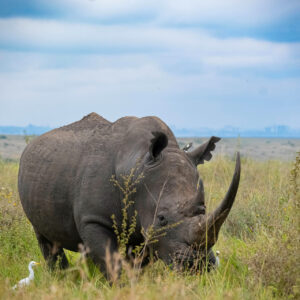
Nairobi Park is one of Kenya’s most important rhino sanctuaries. It protects a growing population of both black and white rhinos, enclosed by an electric fence that keeps them safe from poachers. The park’s rhinos are among the most reliable in Kenya—you have an excellent chance of seeing them on any game drive.
The black rhinos are the stars—prehistoric-looking browsers that move through the bush with surprising stealth. White rhinos are easier to spot, grazing in the open grasslands. Seeing these ancient animals with the city in the background is an experience you won’t forget.
The park’s rhino population is carefully monitored, and individual animals are known to the rangers. Their survival is a testament to Kenya’s conservation efforts.
The Ivory Burning Site: A Conservation Landmark

In 1989, Kenya’s then-president Daniel arap Moi lit a massive pyre of 12 tons of ivory in Nairobi National Park, sending a message to the world that Kenya would not tolerate poaching. The event was a turning point in global conservation, leading to the international ivory trade ban that still exists today.
The Ivory Burning Site Monument now stands at the location, a powerful reminder of that moment. Plaques explain the history and significance of the event. It’s a place of pilgrimage for anyone interested in conservation—a spot where you can reflect on what’s been achieved and what’s still at stake.
The site is easily accessible within the park and makes for a meaningful stop on any game drive.
Predators of Nairobi: Lions, Leopards & More

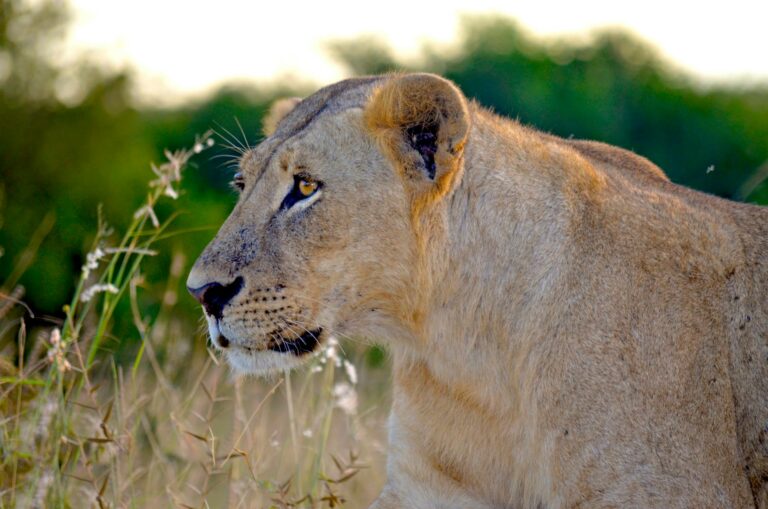
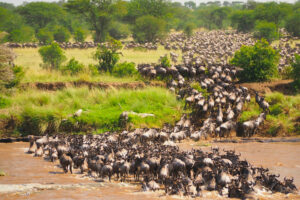
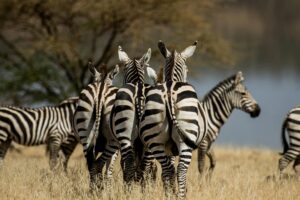
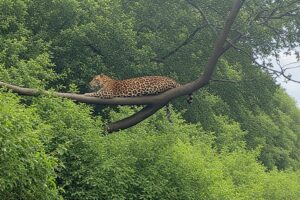
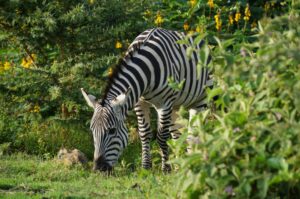
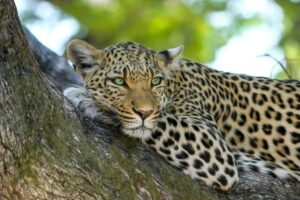
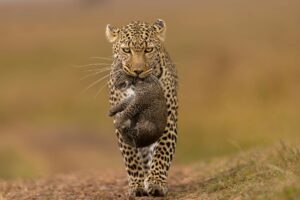
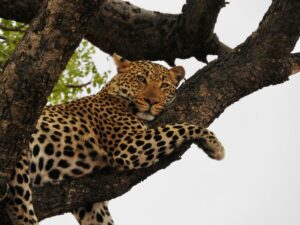
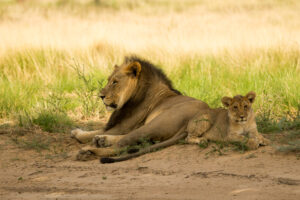
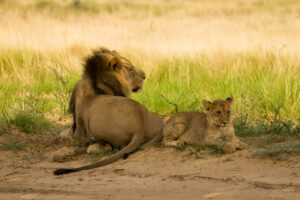
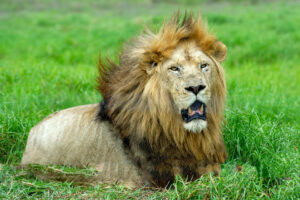
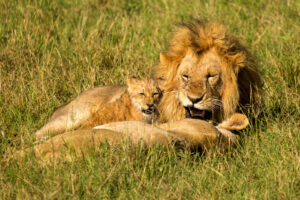
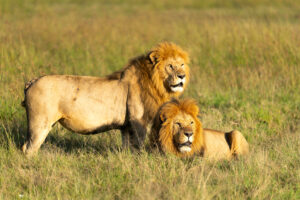
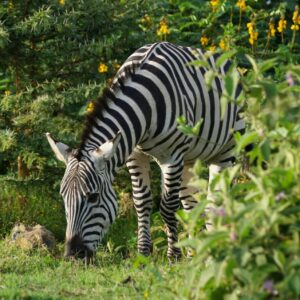
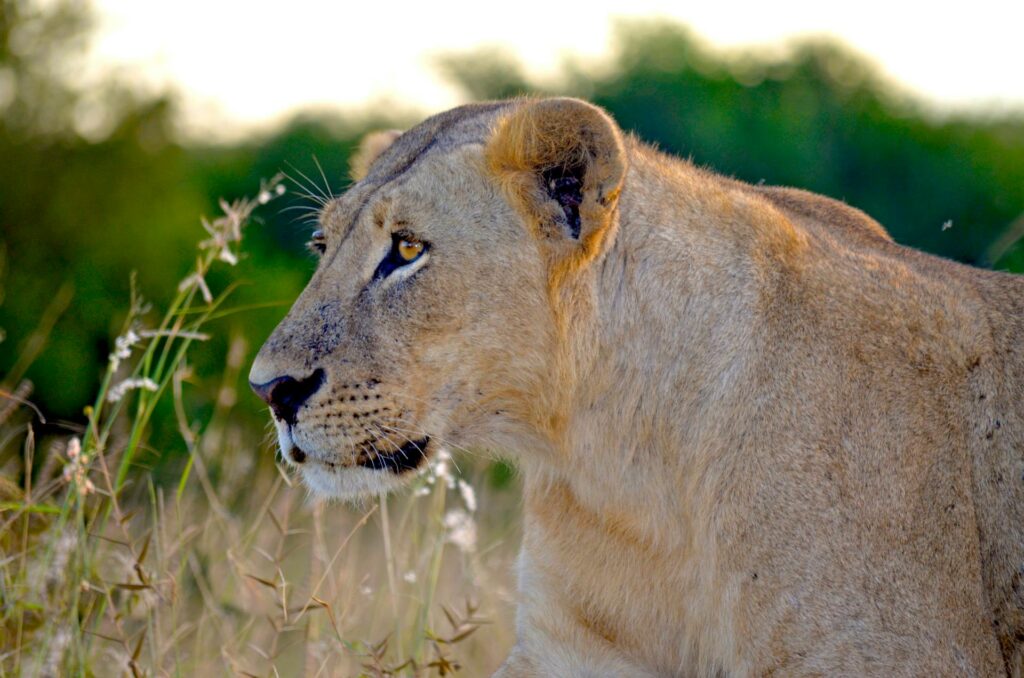
Nairobi Park supports healthy predator populations. Lions are regularly seen, often resting in the open or hunting zebra and wildebeest. The park has several prides, and sightings are reliable. Leopards are more elusive but present, especially in the riverine forest along the Athi River.
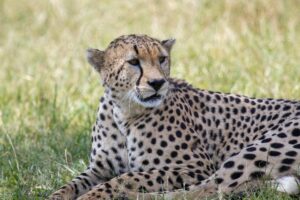
Cheetah are occasional visitors, drawn by the open grasslands and abundant prey. Spotted hyenas are common, their whoops echoing at dusk. The park’s location next to the city doesn’t seem to affect its predators—they hunt, breed, and raise young as they have for centuries.
The sight of a lion with Nairobi in the background is one of Africa’s most extraordinary wildlife images.
Birding Paradise: Over 500 Species
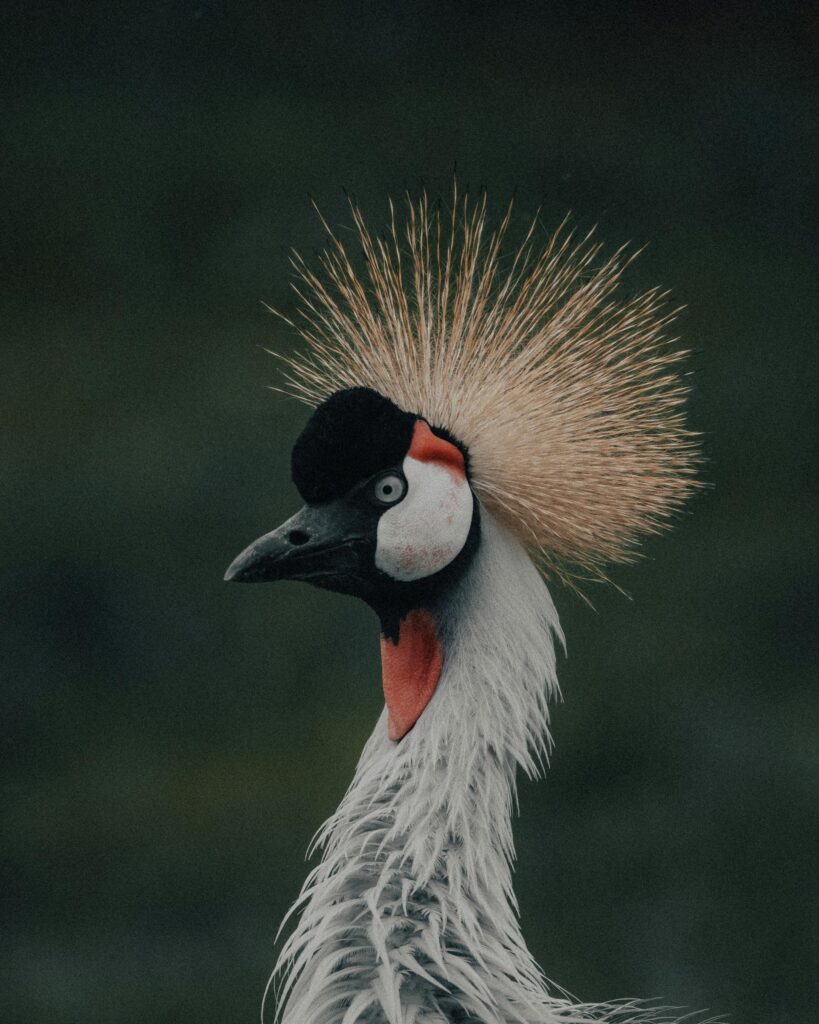
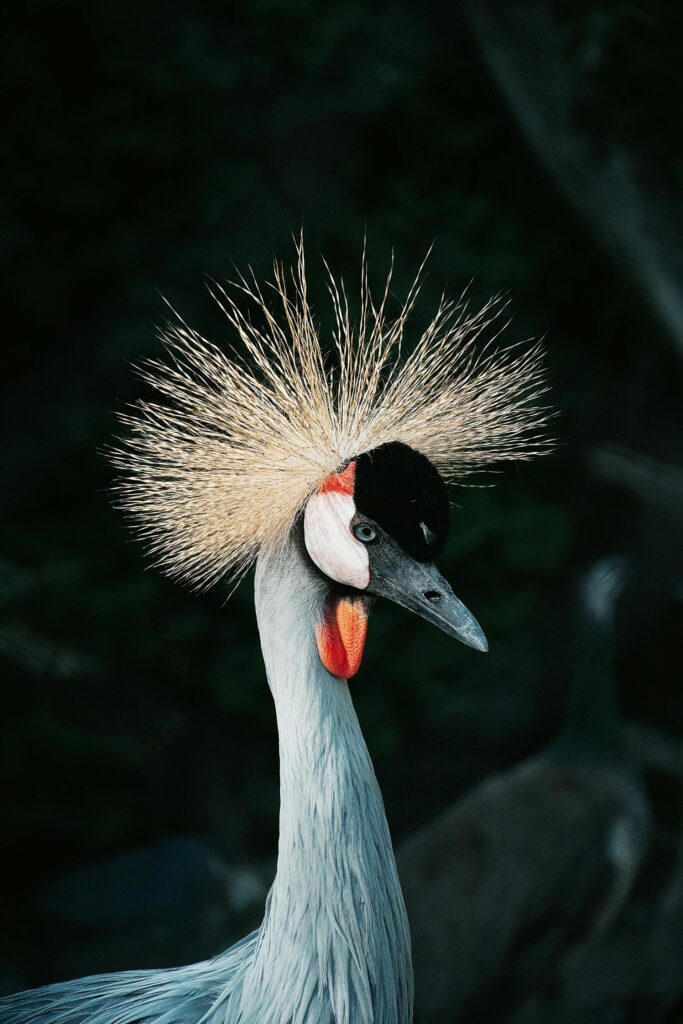
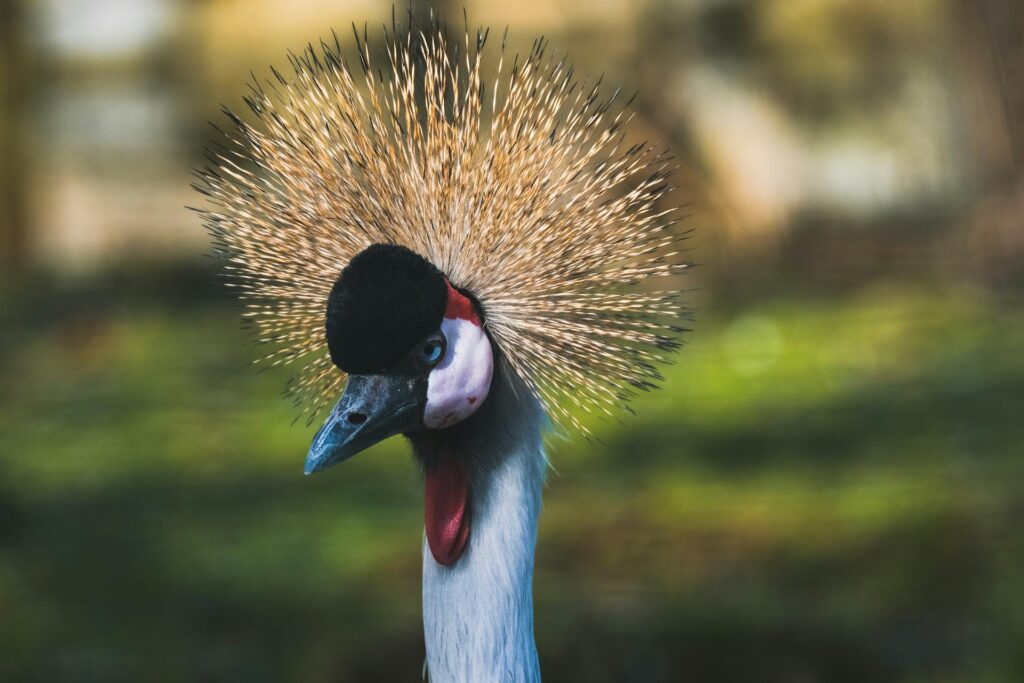
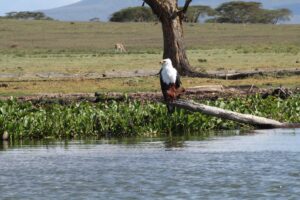
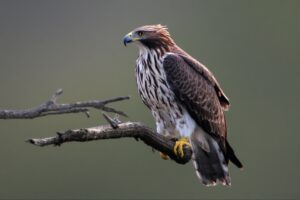
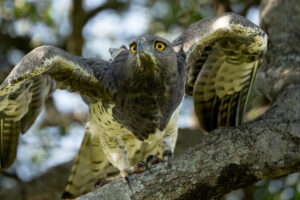
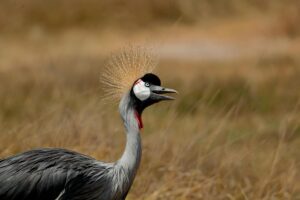
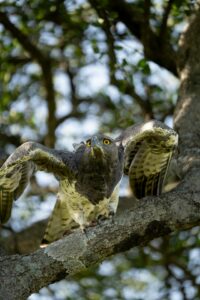
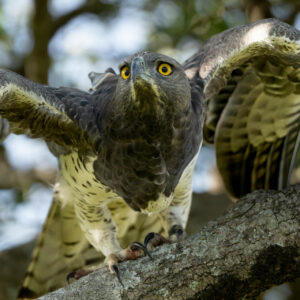
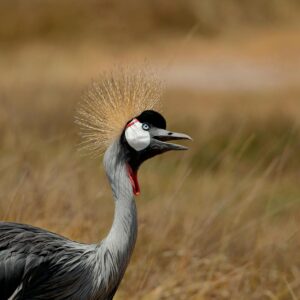
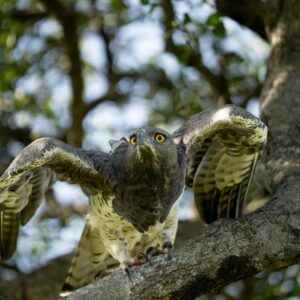
Nairobi Park is a world-class birding destination. Over 500 bird species have been recorded here, drawn by the diversity of habitats—grasslands, woodlands, riverine forest, and wetlands. The park is particularly good for raptors, with over 40 species including martial eagle, Augur buzzard, and pygmy falcon.
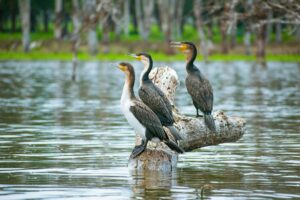
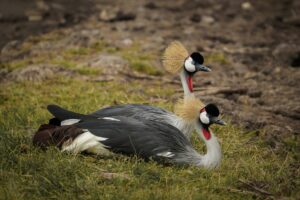
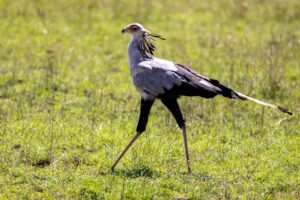
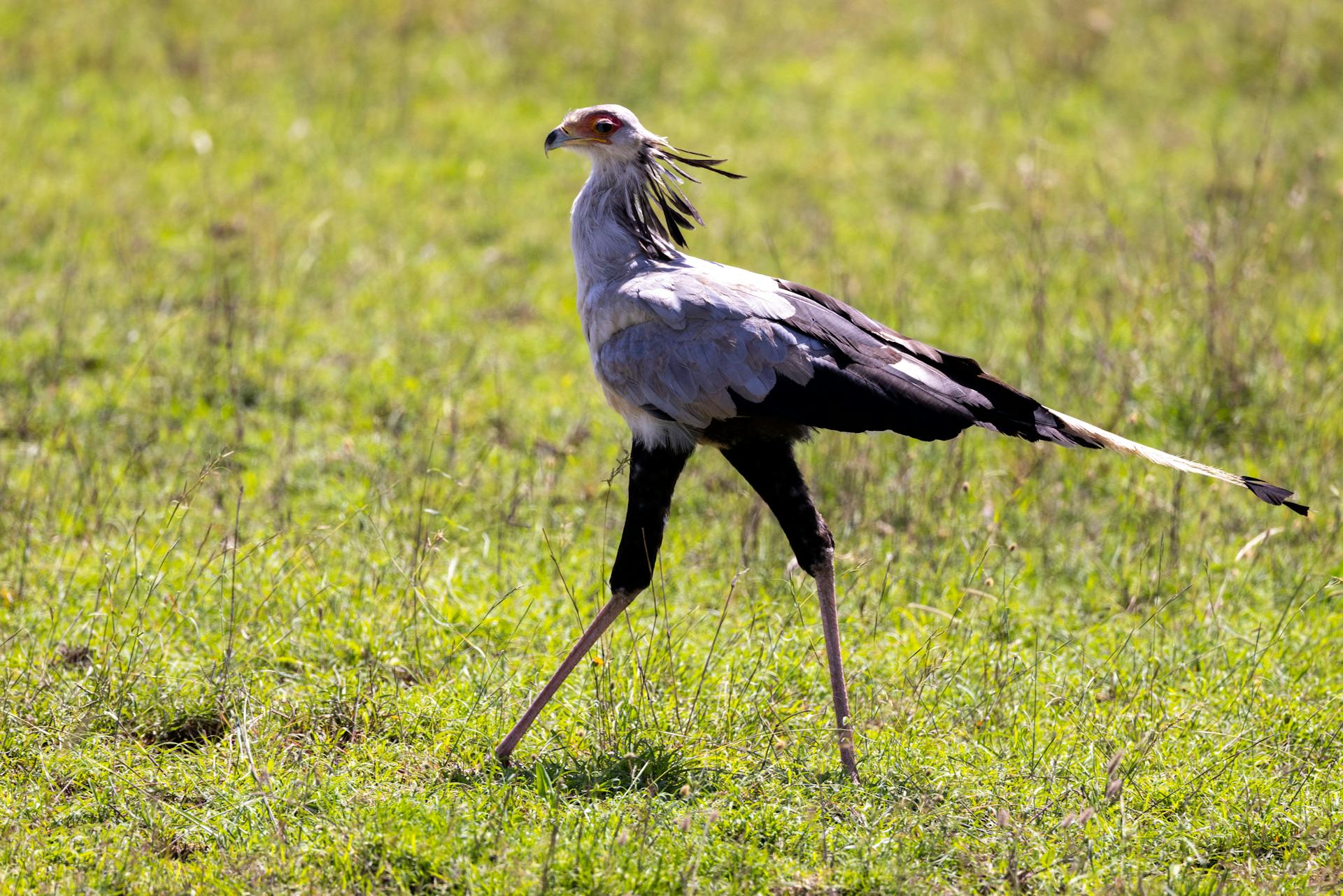
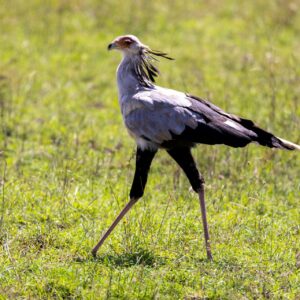
The Athi River and its pools attract waterbirds—herons, egrets, storks, and kingfishers. The grasslands hold ostriches, secretary birds, and bustards. The woodlands are alive with sunbirds, weavers, and starlings. During the rains, migrant birds from Europe and Asia swell the numbers.
Even if you’re not a dedicated birder, Nairobi Park’s birdlife will impress. The variety and abundance are extraordinary.
Accessibility: A Safari Within Reach

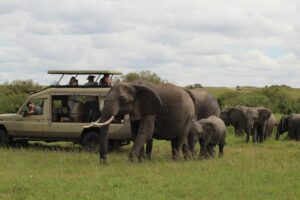
Nairobi Park’s greatest gift is its accessibility. You can be on safari within 20 minutes of leaving your Nairobi hotel. For travelers with limited time, a half-day game drive here offers a genuine wilderness experience without the travel time to more distant parks.
The park is also ideal for repeated visits—you can go for a morning drive before a flight, or spend an afternoon here between meetings. The Nairobi Safari Walk, adjacent to the park, offers elevated boardwalks through different habitats, with information about conservation and wildlife.
The park proves that you don’t need to travel far to experience wild Africa. It’s a safari for everyone.