Samburu National Reserve

Samburu National Reserve

Samburu National Reserve

Samburu National Reserve

  • Best Time to Visit: June – October and January – February.
  • Entry Fees: Non-residents USD 70 adults / USD 40 children.
  • Country: Samburu County

Why Samburu Is Kenya's Most Unique Wildlife Destination

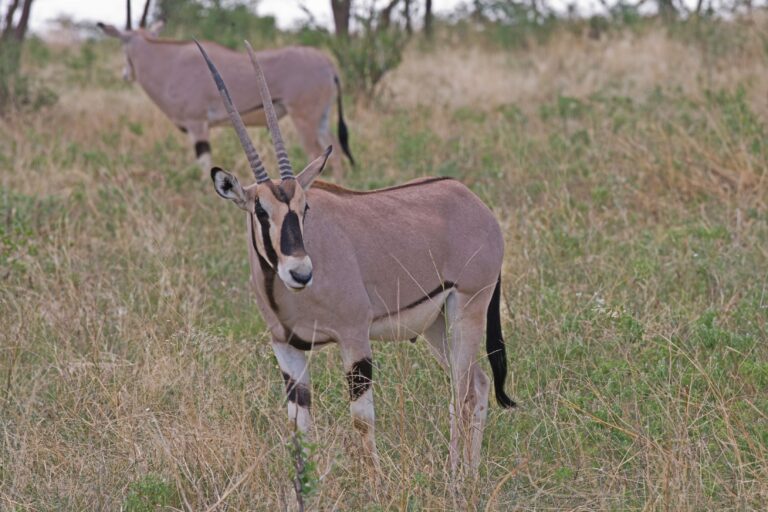
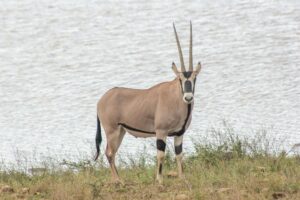
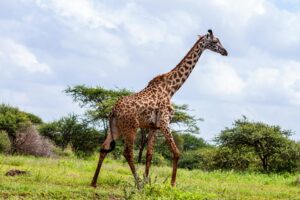
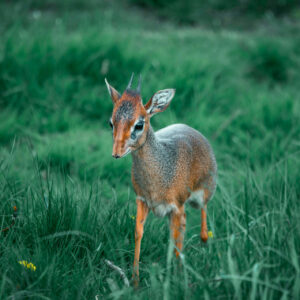
Samburu is different. While most of Kenya’s safari circuit offers the same cast of characters—the same zebras, the same giraffes, the same ostriches—Samburu has its own exclusive set. The ‘Samburu Special Five’ are found nowhere else in Kenya’s safari circuit: the Grevy’s zebra with its pencil-thin stripes, the reticulated giraffe with its geometric coat, the Somali ostrich with its blue-gray neck, the Beisa oryx with its straight, rapier horns, and the gerenuk—the long-necked antelope that stands on its hind legs to browse.

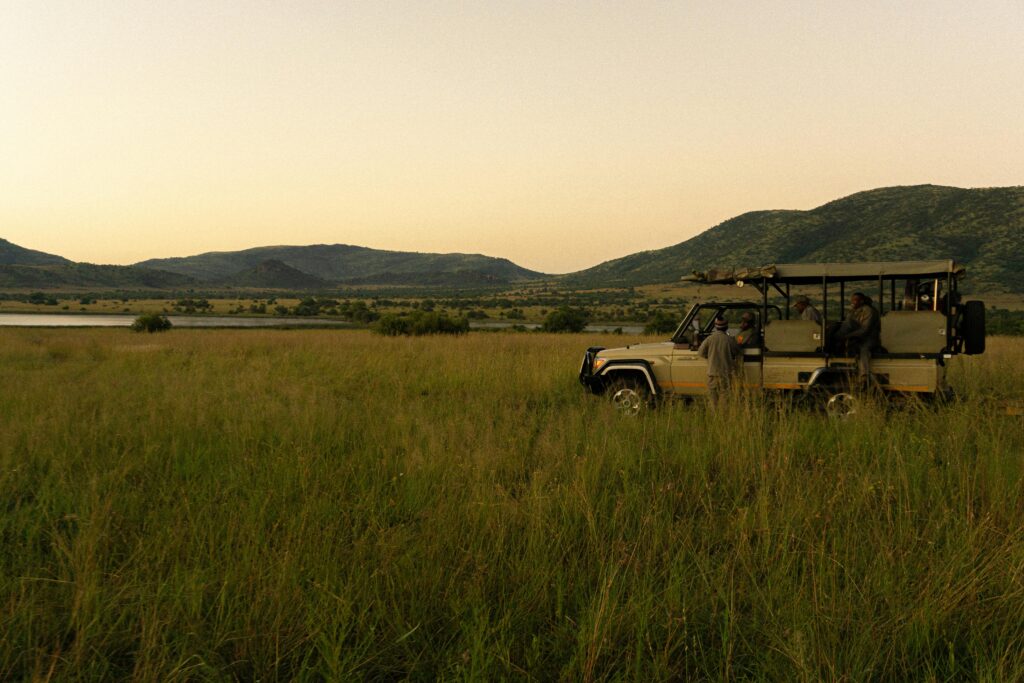
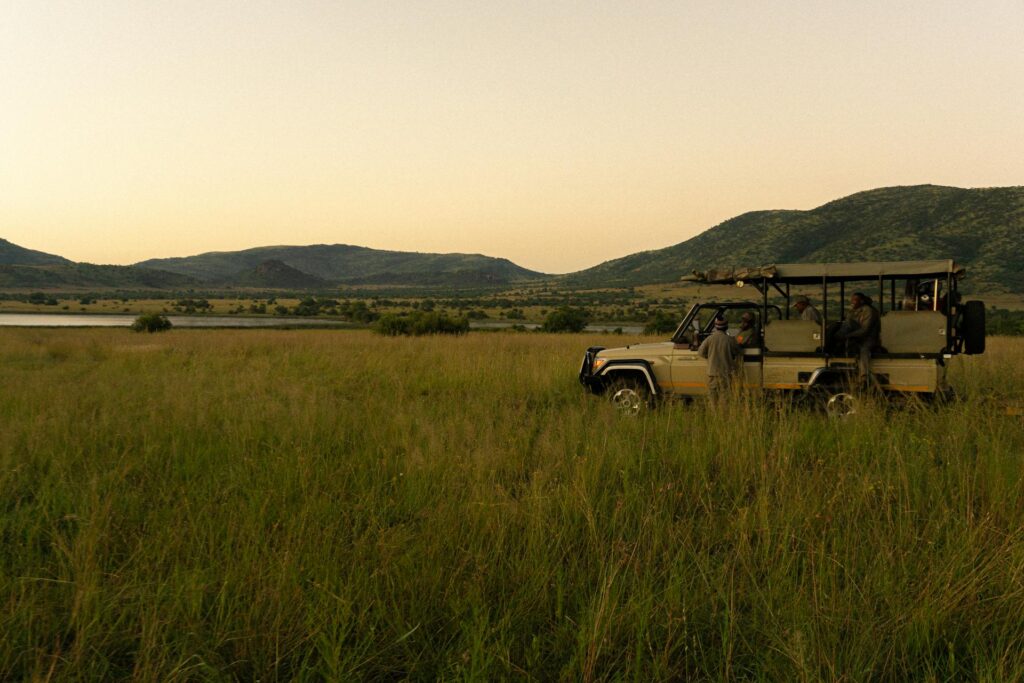
But Samburu is more than its special species. It is a landscape of raw, northern beauty—red earth, doum palms, and the life-giving Ewaso Nyiro River winding through semi-desert. It is a land of dramatic light, of elephants that seem redder, of leopards that haunt the riverbanks. It is wild, remote, and utterly unforgettable.

Here is why Samburu deserves a place on every Kenya itinerary.

The Samburu Special Five: Found Nowhere Else
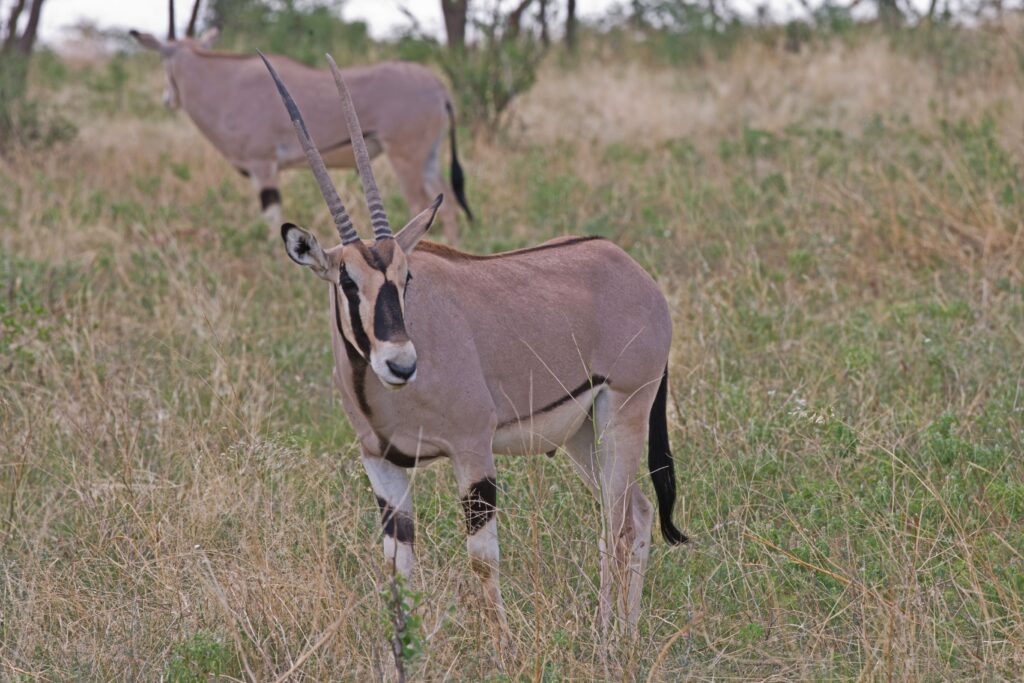
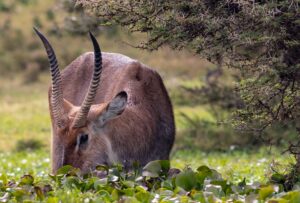
Beisa oryx in Samburu

While the Masai Mara has its Big Five, Samburu has something perhaps even more special—five species that you simply cannot see in the rest of Kenya’s safari circuit. The ‘Samburu Special Five’ are uniquely adapted to this arid northern landscape, and seeing them together is a badge of honor for safari enthusiasts.

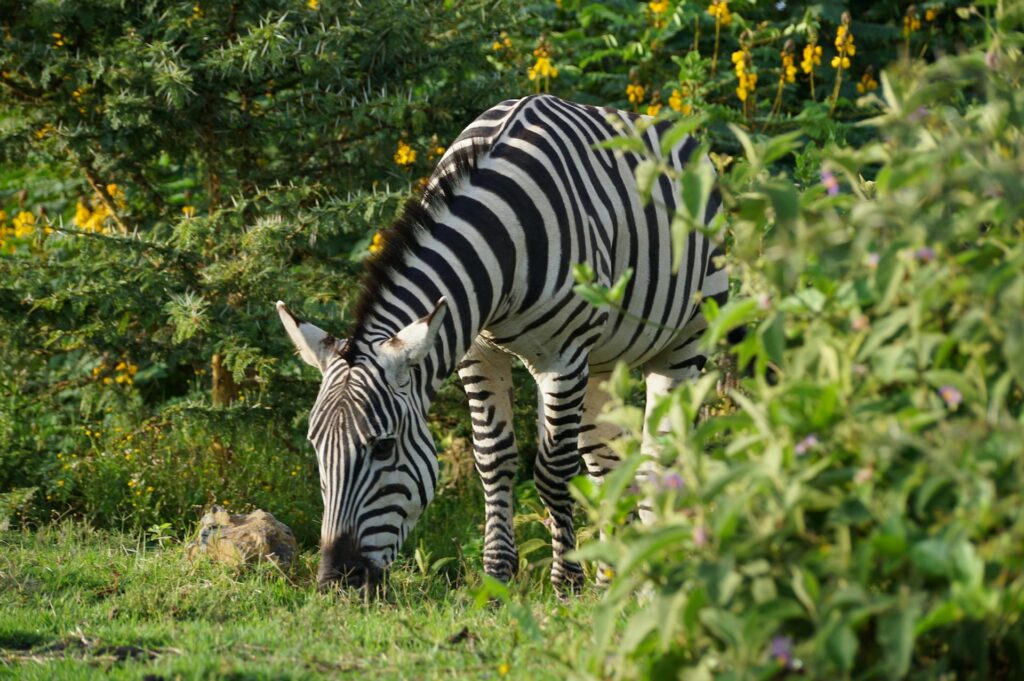
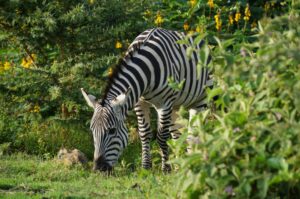
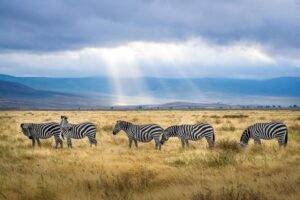
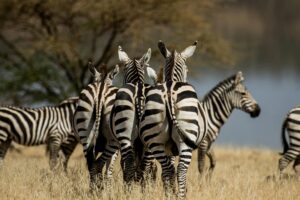
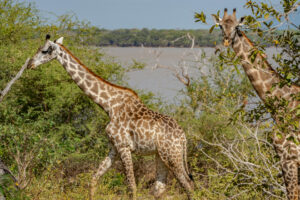
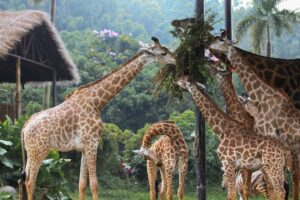
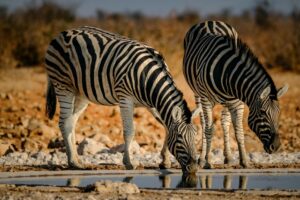
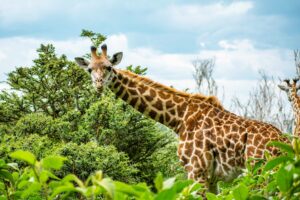
Grevy’s zebra are the largest wild equine species, with narrower stripes and enormous round ears. They are more solitary than common zebra, often seen alone or in small groups. Reticulated giraffe wear a coat of geometric precision—dark patches separated by clean white lines, like a living puzzle. Beisa oryx are desert antelope with straight, rapier horns and striking black-and-white faces. Gerenuk—the ‘giraffe-necked antelope’—stand on their hind legs to browse acacia leaves that no other antelope can reach. And Somali ostriches, with their blue-gray necks and legs, stride across the red earth like creatures from another time.

Spotting all five is a safari achievement. In Samburu, it’s almost guaranteed.

The Ewaso Nyiro River: Lifeblood of the North
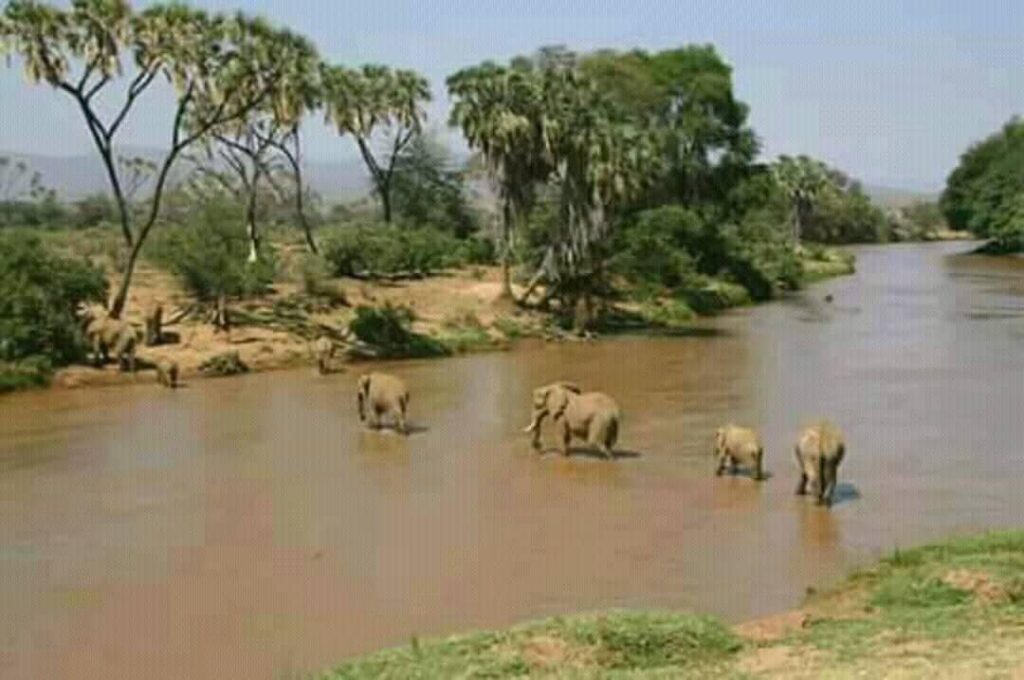
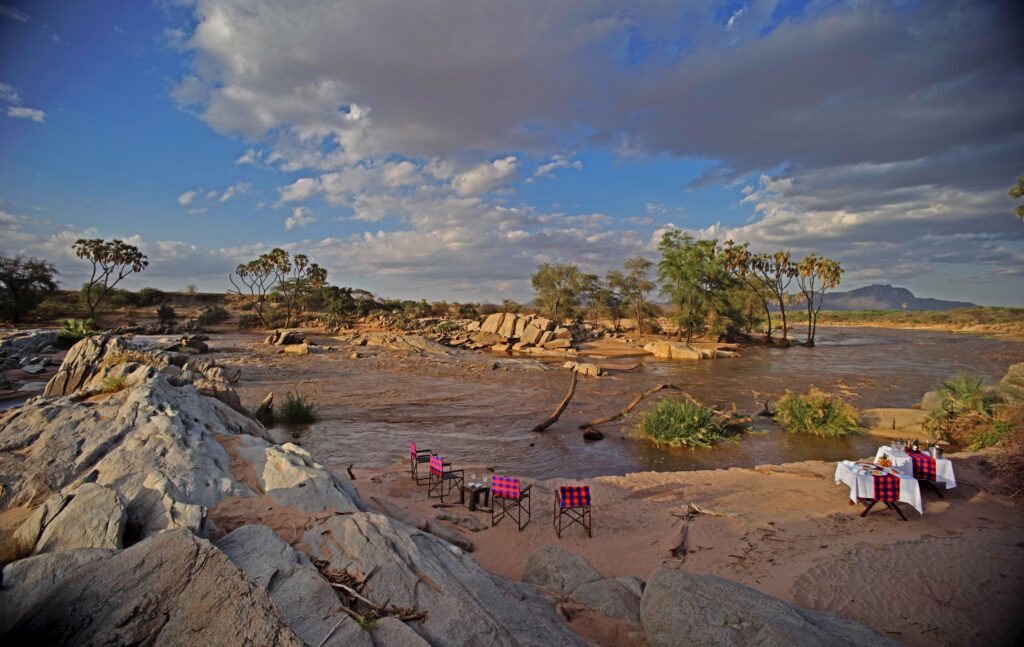
Ewaso Nyiro River

The Ewaso Nyiro River is the reason Samburu exists as a wildlife reserve. In this arid landscape, where temperatures regularly exceed 35°C and rain is a memory for months at a time, the river is a permanent lifeline. Its waters, flowing from the Aberdare Mountains and Mount Kenya, sustain the reserve’s incredible wildlife concentrations.

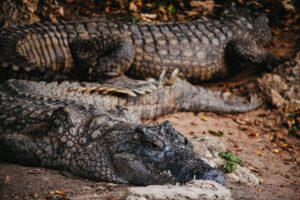
During the dry season, the river becomes the focal point of all activity. Elephant herds gather on its banks, spraying themselves with cooling water. Crocodiles bask on the sandbars. Leopards haunt the riverine forest, using the dense vegetation as cover. And as the sun sets, the light on the water and the red earth creates some of Africa’s most beautiful safari moments.

Game drives along the river are always productive. The contrast between the green ribbon of vegetation and the arid plains beyond is striking—a reminder of how precious water is in this landscape.

Elephants of Samburu: The Red Elephants
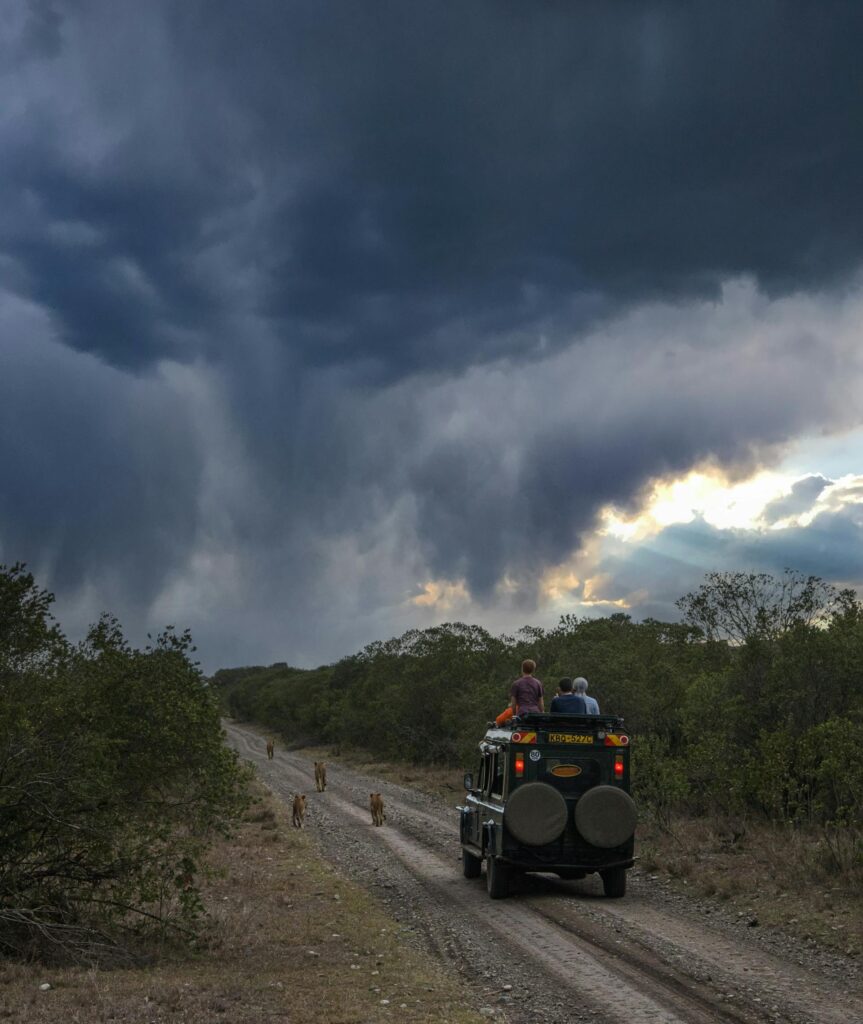
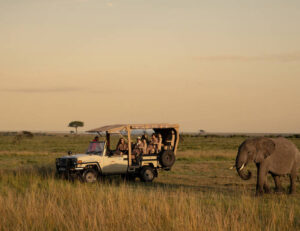
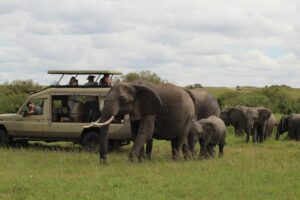
Samburu game drive with elephants

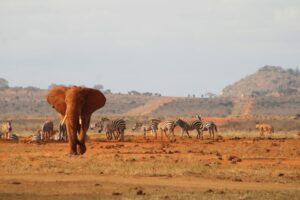
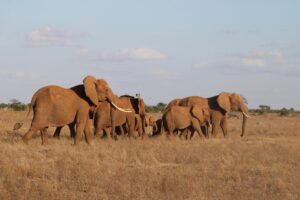
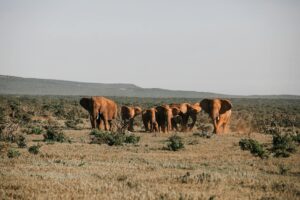
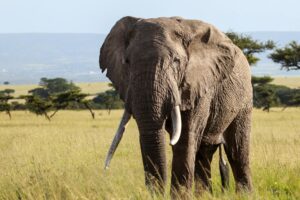
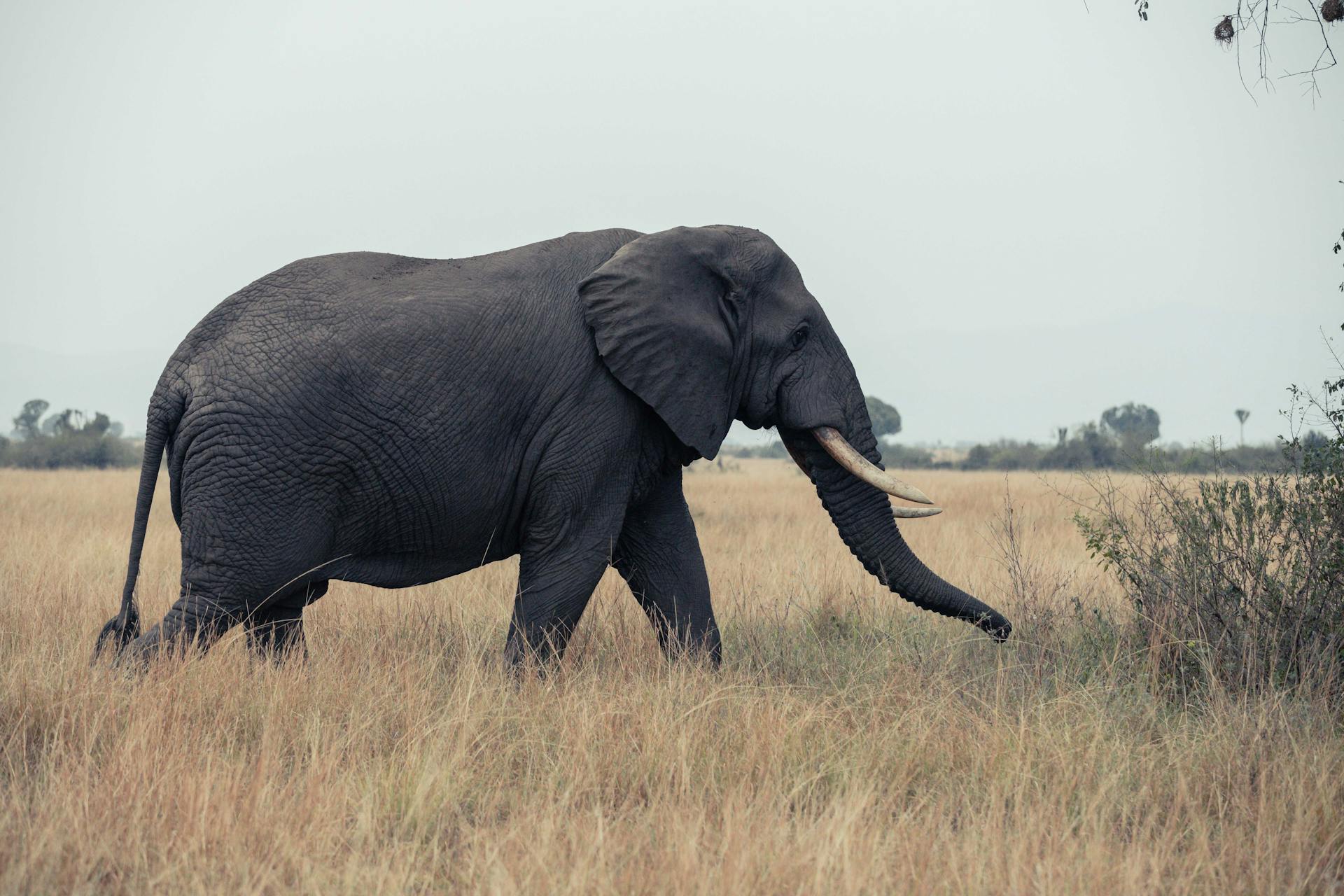
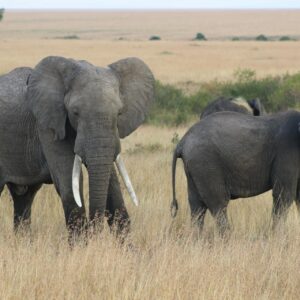
Samburu’s elephants are famous for their color. The red dust of this northern landscape coats their skin, giving them a distinctive rusty hue that photographs beautifully against the grey-green of acacia trees and the blue sky. But it’s not just their color that makes Samburu’s elephants special.

This is also the site of some of the most important elephant research in Africa. Save the Elephants, founded by Dr. Iain Douglas-Hamilton, has its base here, studying the behavior, communication, and social structures of Samburu’s elephants for decades. Individual elephants are known by name. Their family histories are documented across generations.

Watching these red elephants at the river, with the doum palms and the dramatic northern light, is one of Africa’s great wildlife experiences.

Predators of Samburu: Leopards, Lions & More
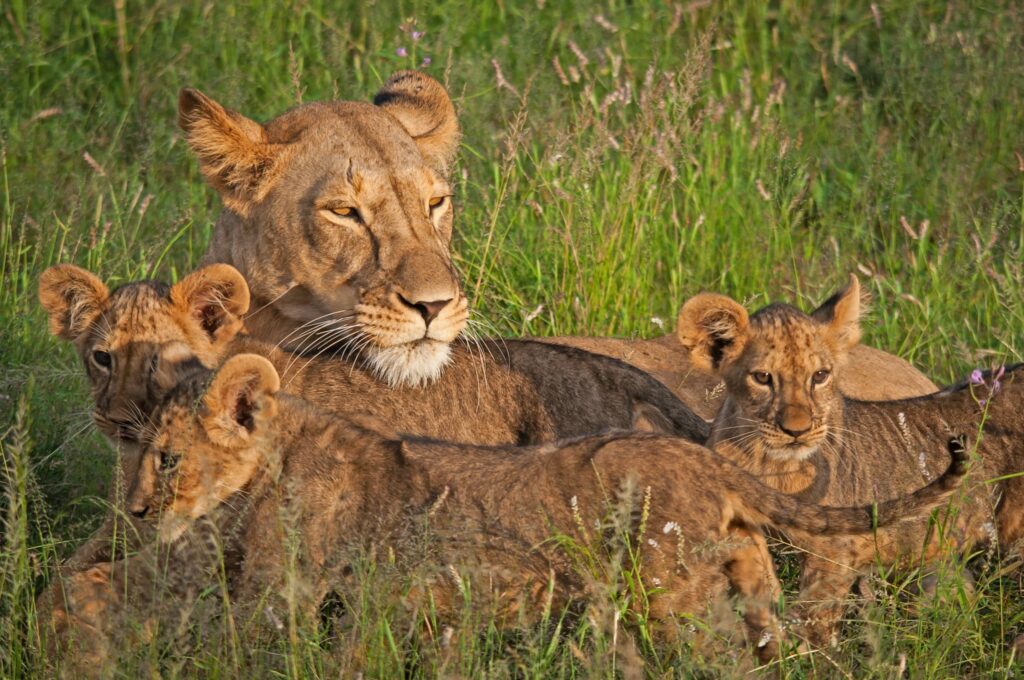
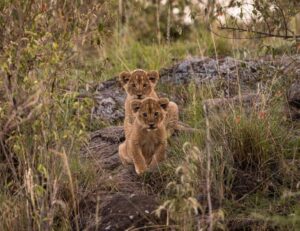
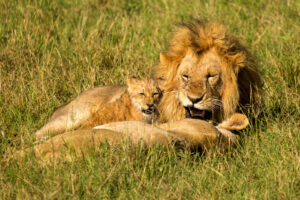
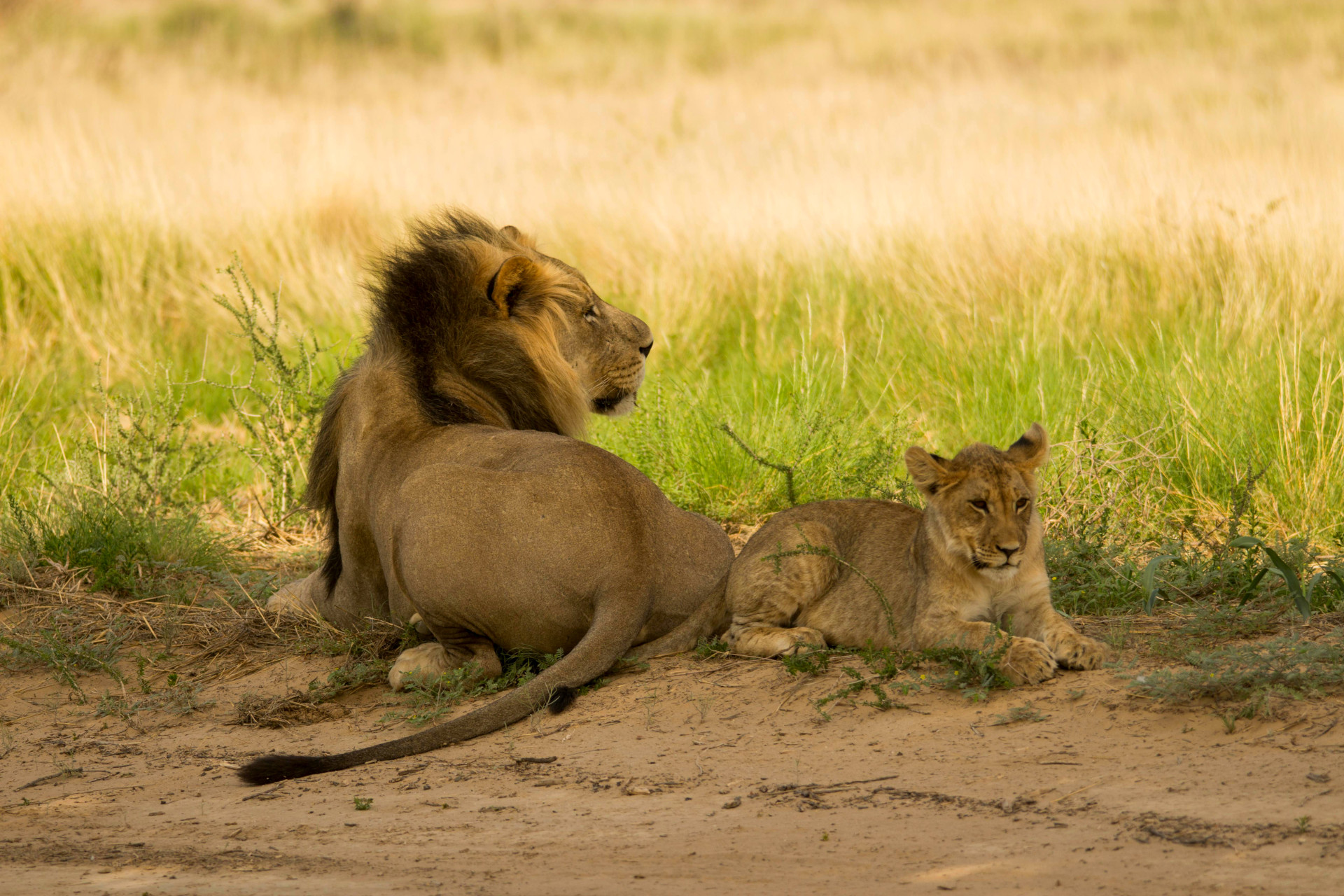
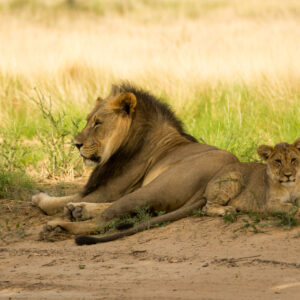
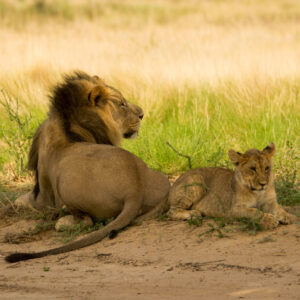
Lioness with cubs in Samburu

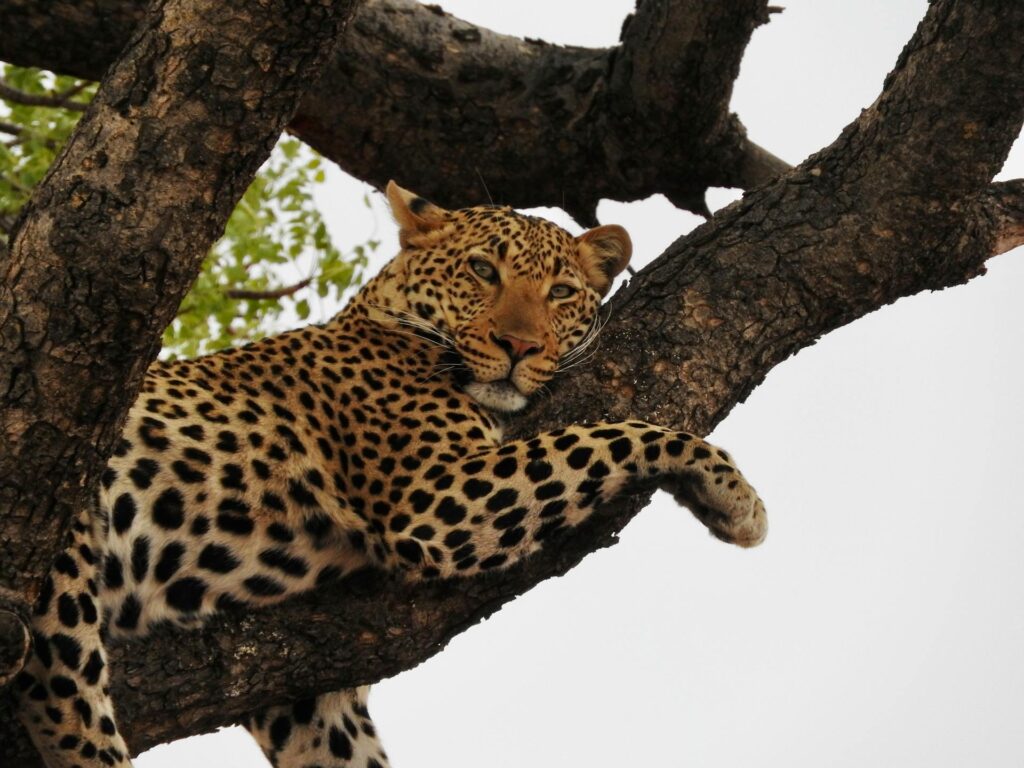
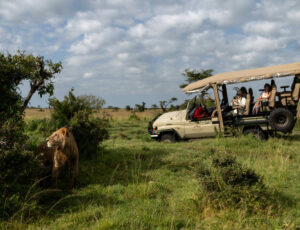
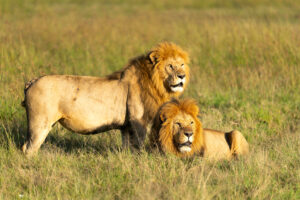
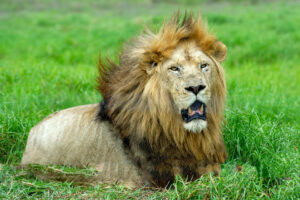
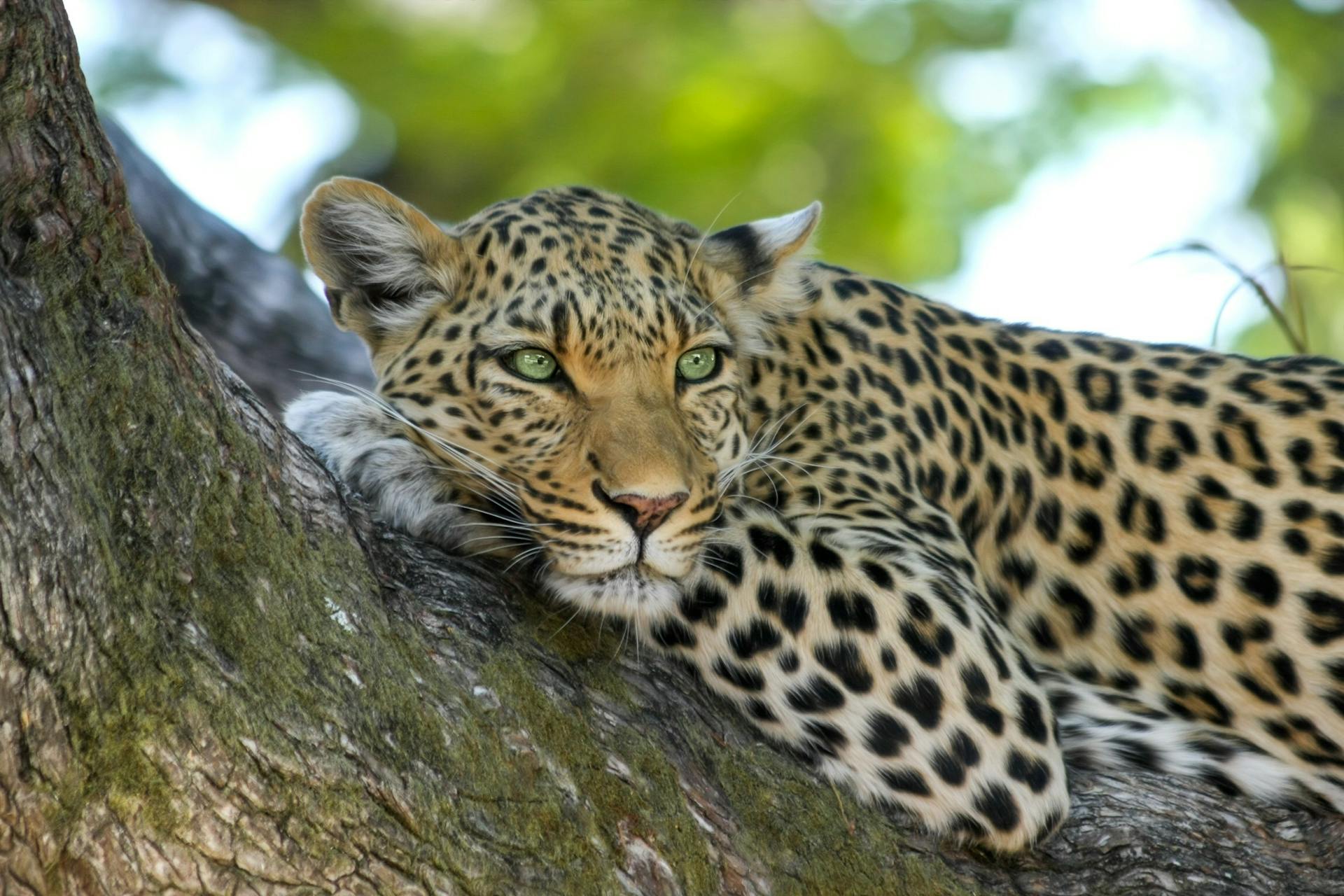
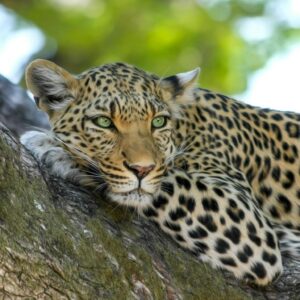
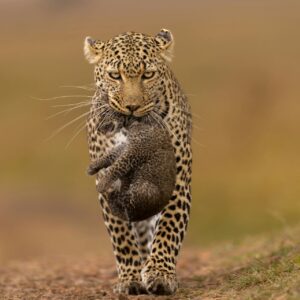
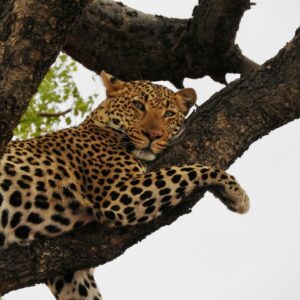
Samburu’s predator population is healthy and visible. Leopards are regularly seen along the river, their camouflage perfectly suited to the dappled light of the riverine forest. Lions patrol the plains. Cheetahs use the open areas to hunt. And at night, the calls of hyenas echo across the landscape.

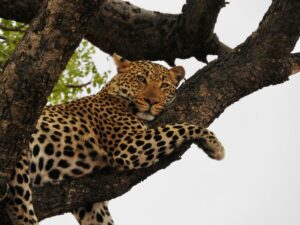
The riverine forest is particularly good for leopard sightings. These elusive cats are more visible here than in many other reserves, often draped over tree branches or moving silently along the riverbanks. Lions are frequently seen in the early morning and late afternoon, especially in the dry season when prey concentrates along the river.

Wild dogs are occasional visitors, adding to the reserve’s predator diversity. A sighting of these rare hunters is a special bonus.

Birdlife: Over 450 Species
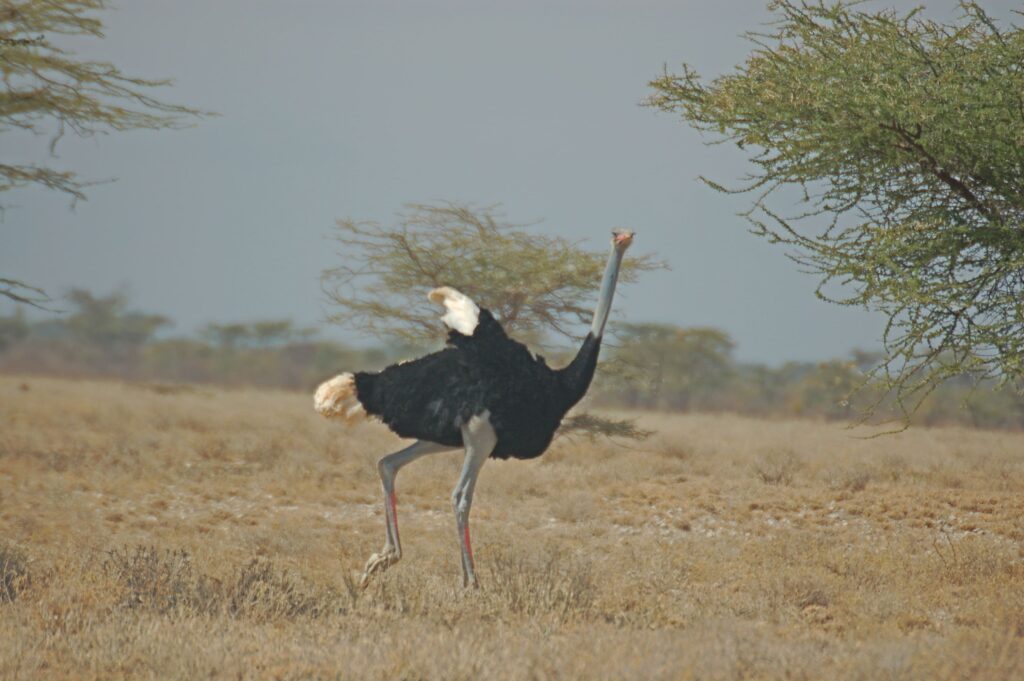
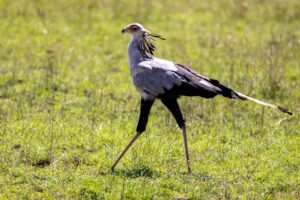
Somali ostrich

Samburu is a birdwatcher’s paradise. Over 450 species have been recorded here, drawn by the diversity of habitats—riverine forest, acacia woodland, open plains, and rocky outcrops. The list includes 13 species of raptors, 8 species of vultures, and a dazzling array of bee-eaters, rollers, and sunbirds.

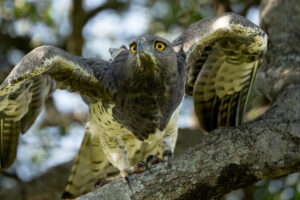
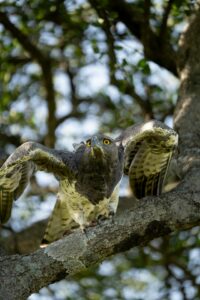
Specialties include the vulturine guineafowl, the largest and most spectacular of the guineafowl family, with its electric blue chest and rakish helmet. The Somali ostrich is, of course, a major attraction. Martial eagles soar overhead. Kingfishers dive into the river. And the golden pipit, a rare species found only in northern Kenya, is a sought-after sighting.

Even if you’re not a dedicated birder, Samburu’s birdlife will impress. The colors, the variety, the sheer abundance—it adds another dimension to every game drive.

Samburu Culture: The People of the Land
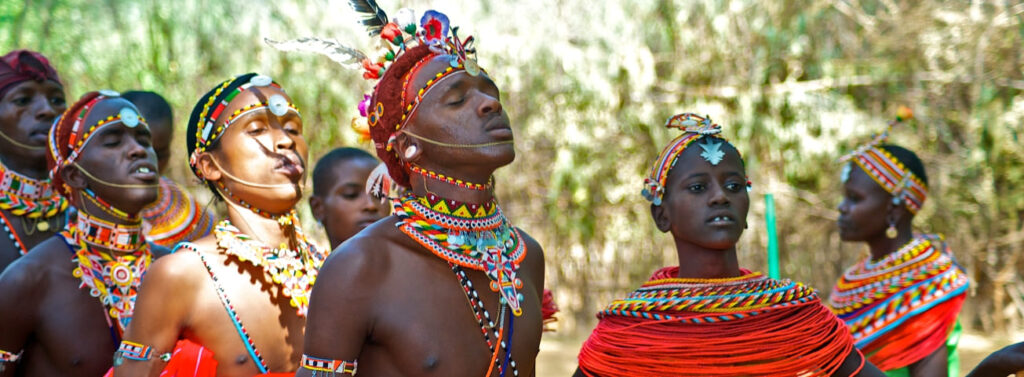
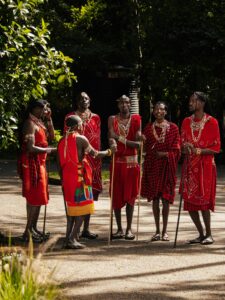
Samburu Tribe

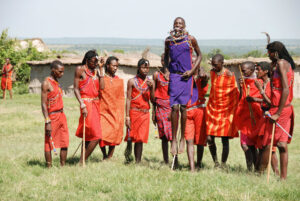
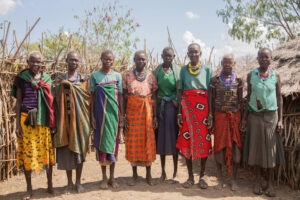
Samburu is not just named after the wildlife—it’s named after the people. The Samburu people are close cousins of the Maasai, semi-nomadic pastoralists who have lived in this region for centuries, herding cattle, goats, and camels across the arid landscape. Visiting a Samburu village offers insight into a way of life that has survived here for generations.

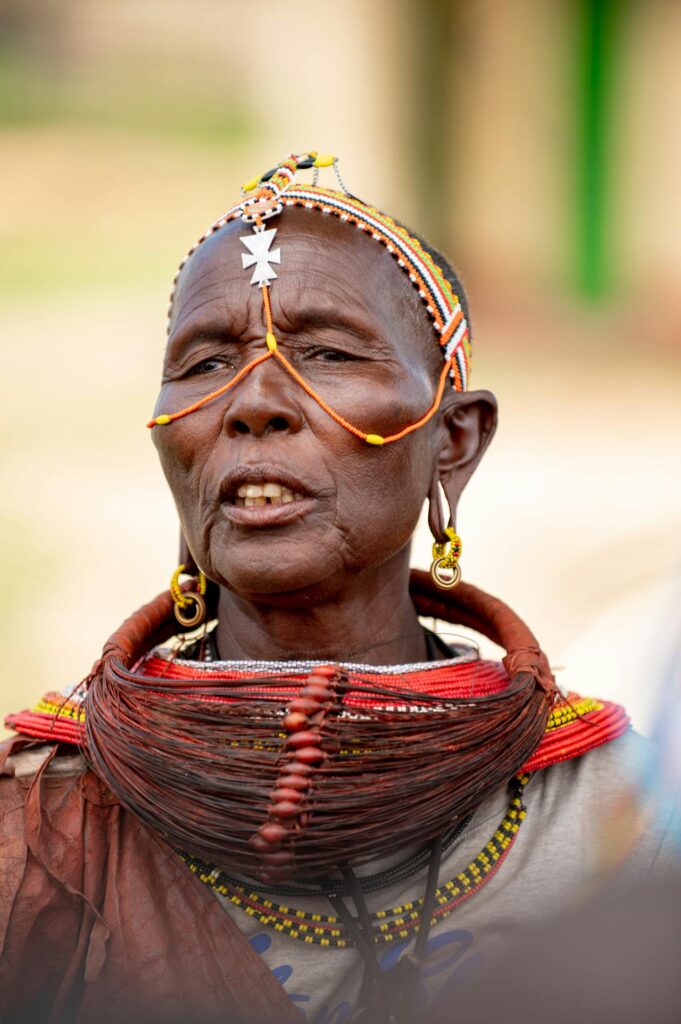
The Samburu are known for their colorful dress, their elaborate beadwork, and their warrior traditions. Many lodges offer cultural visits, where you can meet elders, learn about customs, and perhaps witness traditional dancing. These encounters, done respectfully, add a human dimension to your safari.

The relationship between the Samburu people and the wildlife is complex—competition for water and grazing is real. But so is the growing understanding that wildlife tourism brings benefits to the community.
Exploring Samburu: From Riverine Forests to Arid Plains

The Ewaso Nyiro River: The Heart of Samburu

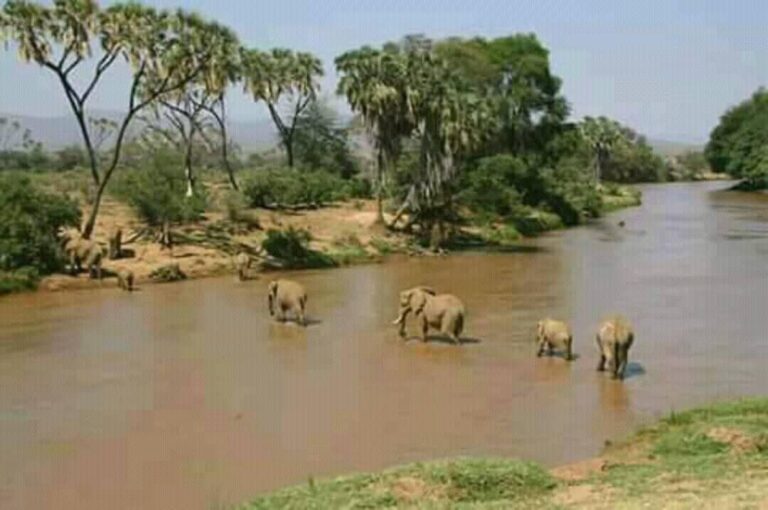
The Ewaso Nyiro River is Samburu’s lifeblood. In this arid landscape, the permanent water of the river attracts wildlife from across the reserve. During the dry season, animals concentrate here in astonishing numbers—elephants, buffalo, giraffe, zebra, and the Special Five all come to drink.

The river itself is beautiful. Doum palms line its banks, their distinctive forked trunks creating iconic silhouettes. Sandbars and pools provide habitat for crocodiles and hippos. The light on the water, especially in the late afternoon, is magical.

Game drives along the river are always productive. The riverine forest shelters leopards and other predators. Elephant crossings are dramatic. And the birdlife along the water’s edge is spectacular. This is the heart of the reserve—don’t miss it.

The Riverine Forest: Leopard Territory

Along the Ewaso Nyiro’s banks, dense riverine forest creates a world apart from the open plains. Acacia, tamarind, and doum palms create dappled shade, their branches providing perfect resting spots for leopards. This is the best place in Samburu to see these elusive cats.

The forest is also home to monkeys, lesser kudu, and bushbuck. The birdlife is extraordinary—kingfishers, bee-eaters, and the spectacular vulturine guineafowl. The light filtering through the canopy creates beautiful photographic opportunities.

Drives through the forest require patience. The vegetation is dense, and wildlife can be hidden. But the rewards—a leopard draped over a branch, a troop of monkeys playing in the trees—are worth the effort.

The Open Plains: Grevy's Zebra Country

North of the river, the landscape opens into rolling plains of red earth and scattered acacia. This is prime habitat for Grevy’s zebra, which prefer the open country where they can see approaching predators. Reticulated giraffe move through here too, their geometric patterns standing out against the red soil.

The plains are also good for cheetah, which use the open terrain to hunt. Oryx are often seen in small herds, their straight horns silhouetted against the sky. The light here, especially in the golden hours, is extraordinary—the red earth glows, the animals are backlit, and the photography is world-class.

This area is less visited than the river, offering a sense of solitude. Late afternoon drives here are particularly rewarding.

The Rocky Outcrops: Gerenuk & Klipspringer

Samburu’s rocky outcrops and kopjes provide habitat for species adapted to steep terrain. Gerenuk are often seen here, standing on their hind legs to reach acacia leaves. Klipspringer, sure-footed antelope, bound across the rocks. And the outcrops themselves are beautiful—weathered granite, ancient and dramatic.

These areas also provide vantage points for predators. Lions sometimes rest on the rocks, using the elevation to survey their territory. The views from the top of the outcrops are spectacular—the river winding below, the plains stretching to the horizon.

Walking safaris, accompanied by armed rangers, occasionally explore these rocky areas, offering a different perspective on the landscape.

Buffalo Springs National Reserve: Samburu's Twin

Across the Ewaso Nyiro River from Samburu, Buffalo Springs National Reserve is effectively part of the same ecosystem. Named for its crystal-clear springs, this reserve offers a slightly different landscape—more open, with spectacular views across to the Matthews Range.

The springs themselves are beautiful, creating pools of clear water that attract wildlife. Elephant, buffalo, and giraffe come to drink. The birdlife around the springs is exceptional. And the reserve has its own populations of the Special Five, often with fewer vehicles than Samburu’s main areas.

Combining Samburu with Buffalo Springs gives you more ground to cover, more wildlife to see, and more perspectives on this remarkable landscape.

Shaba National Reserve: The Wild One

Shaba National Reserve, east of Samburu, is the wildest of the three reserves in this ecosystem. It was the setting for the film ‘Born Free,’ based on Joy Adamson’s story of the lioness Elsa. The landscape is dramatic—volcanic rock, doum palms, and the Ewaso Nyiro River creating a mosaic of habitats.

Shaba has its own springs, its own wildlife, and its own atmosphere—more remote, less visited, truly wild. It’s particularly good for birdlife, and for visitors seeking solitude. The reserve also has important cultural sites, including the grave of George Adamson.

A visit to Shaba requires more time and commitment, but for those who make the journey, it offers a glimpse of northern Kenya at its most untamed.

Samburu Month-by-Month: Wildlife, Weather & the Special Five

Samburu National Reserve lies in Kenya’s arid northern frontier, a landscape of dramatic contrasts where the Ewaso Nyiro River cuts through semi-desert, creating a lush green ribbon that sustains an astonishing diversity of wildlife. This is the land of the ‘Samburu Special Five’—species found nowhere else in Kenya’s safari circuit: the Grevy’s zebra, reticulated giraffe, Somali ostrich, Beisa oryx, and the long-necked gerenuk.

Samburu’s climate is hot and dry for most of the year, with two rainy seasons (March-May and November-December) that transform the landscape. The dry seasons (June-October and January-February) offer the best wildlife viewing, when animals concentrate along the river.

Use this calendar to match your travel dates with the experiences that matter most—whether that’s spotting the Special Five, witnessing the dramatic river crossings, or experiencing the reserve in its green glory.

All temperatures are daytime highs and nighttime lows. Rainfall is average monthly precipitation in millimeters.

Month
Rain
Min
Max
Season

Where the North Reveals Its Wild Side

Samburu National Reserve offers a safari experience shaped by arid landscapes, resilient wildlife, and deep cultural identity. Set along the life-giving Ewaso Ng’iro River in northern Kenya, Samburu feels raw, intimate, and distinctly different from the southern savannahs. It rewards travelers seeking character over crowds, rare species over familiar ones, and a sense of place that feels proudly untamed.
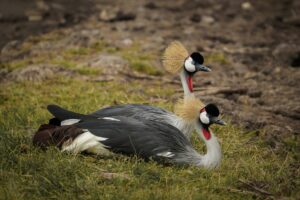
Rare Wildlife Found Nowhere Else in Kenya

Samburu is home to a group of species uniquely adapted to its dry environment, often referred to as the “Samburu Special Five”: Grevy’s zebra, reticulated giraffe, Somali ostrich, Beisa oryx, and gerenuk. These animals are seldom seen in southern parks, making Samburu a standout destination for travelers interested in biodiversity beyond the classics.

The Ewaso Ng’iro River: Lifeline of the North

Flowing through the heart of the reserve, the Ewaso Ng’iro River sustains wildlife year-round. Elephants gather along its banks, leopards rest in the riverine trees, and crocodiles patrol the water’s edge. The contrast between the dry surrounding plains and this green corridor creates concentrated, high-quality wildlife viewing.

Striking Arid Landscapes and Dramatic Light

Samburu’s semi-desert terrain—rocky outcrops, dusty plains, and sparse vegetation—creates a visual identity unlike Kenya’s more famous grasslands. The light here is sharp and sculptural, producing dramatic photography and a strong sense of atmosphere. It is a landscape that feels elemental and honest.

Strong Predator Presence

Despite its harsh environment, Samburu supports healthy populations of lions, leopards, cheetahs, and hyenas. Leopards, in particular, are frequently seen due to the riverine habitat. Predator sightings here often feel intimate and unhurried, shaped by the reserve’s quieter, less congested nature.

Deep Samburu Cultural Connection

A senior Samburu woman dressed all traditional

The reserve takes its name from the Samburu people, whose traditions and pastoral lifestyle are closely tied to the land. Cultural experiences in surrounding communities offer insight into a way of life built on resilience and adaptation. These encounters add cultural depth without overshadowing the wildlife focus.

A Quieter, More Personal Safari Experience

Samburu receives fewer visitors than Kenya’s flagship parks, allowing for relaxed game drives and a greater sense of exclusivity. Encounters often unfold without competition, creating space for observation, photography, and reflection. For many, Samburu feels like discovering Kenya’s safari roots all over again.
Explore Samburu safaris designed for travelers drawn to rare species, stark landscapes, and a deeper connection to Kenya’s northern frontier.

Samburu NR Tours & Safaris

13 Days

12 Days Samburu & Masai Mara Luxury Safari

From US$ 36,250 PPS
Highlights

12 Days Pampered Camping

Destinations Visited

5-Day Samburu & Masai Mara Wildlife Expedition

Highlights

Encounter the Rare Northern Species of Kenya

Destinations Visited

Tours & Safaris

Featured Destinations

Selected Complementary Destinations

Amboseli National Park

Top Reasons to Visit
Big 5 Wildlife Year-Round Safari

Lake Naivasha

Top Reasons to Visit
Year-Round Safari Family Friendly

Lake Nakuru National Park

Top Reasons to Visit
Rhino Sanctuary Big 5 Wildlife Year-Round Safari Family Friendly

Masai Mara National Reserve

Top Reasons to Visit
Big 5 Wildlife Year-Round Safari

Serengeti National Park

Top Reasons to Visit
Big 5 Wildlife Year-Round Safari Family Friendly

Tsavo East National Park

Top Reasons to Visit
Bird Watchers' Paradise Big 5 Wildlife Year-Round Safari

Tsavo West National Park

Top Reasons to Visit
Bird Watchers' Paradise Big 5 Wildlife Family Friendly

Nairobi National Park

Top Reasons to Visit
Nairobi Animal Orphanage Big 5 Wildlife Year-Round Safari Family Friendly

Nairobi City

Top Reasons to Visit
Good Mobile Network Nairobi National Park Technocity Vibrant African City

Mombasa City

Top Reasons to Visit
Vibrant African City Warm Tropical Beach Family Friendly

Diani Beach

Top Reasons to Visit
Warm Tropical Beach Year-Round Safari

Plan Your Journey to Samburu National Reserve

Ready to explore? Our travel specialists are here to help craft your dream itinerary.
Chat on WhatsApp
Created by icon tripfrom the Noun Project Created by Amethyst Studiofrom the Noun Project Created by Amethyst Studiofrom the Noun Project Created by Amethyst Studiofrom the Noun Project