Watamu

Watamu

  • Best Time to Visit: December – March and July – October.
  • Entry Fees: Marine park entry USD 20 per person.
  • Country:

Why Watamu Is Kenya's Most Pristine Marine Paradise

Watamu is a small coastal town whose name means ‘home of the sweet people’ in Swahili—and it lives up to that reputation with its warm hospitality and laid-back charm [citation:4]. Nestled between pristine beaches and lush mangrove forests along the Indian Ocean, Watamu offers one of Kenya’s most unspoiled coastal experiences [citation:4].

The crown jewel is the Watamu Marine National Park, established in 1968 as one of Kenya’s oldest marine protected areas. This UNESCO-recognized biosphere reserve protects some of the healthiest coral reefs in the Indian Ocean, home to over 600 fish species, 150 types of hard and soft corals, and important nesting sites for endangered sea turtles [citation:1][citation:3]. From the turquoise waters of the marine park to the tranquil beauty of Mida Creek, from the mysterious Gede Ruins to the endless white sands of Garoda Beach, Watamu offers a perfect blend of natural wonders, adventure, and relaxation [citation:4].

Here is why Watamu deserves a place on every Kenya itinerary.

Watamu Marine National Park: Underwater Wonderland
Watamu Marine Park

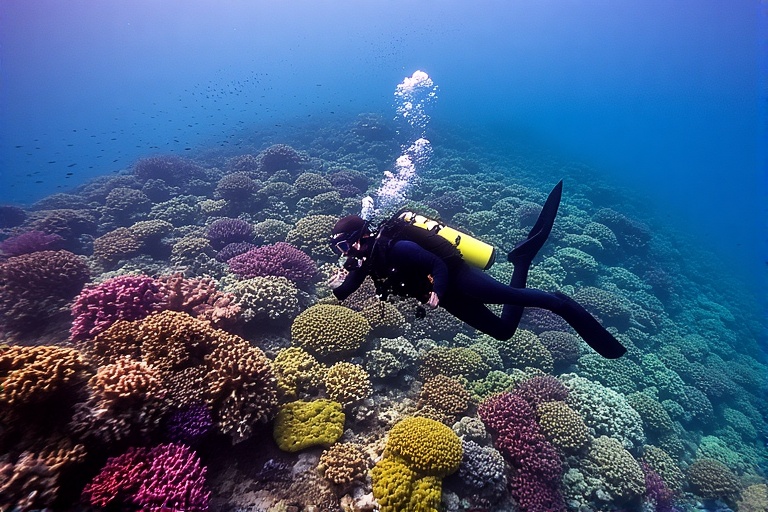
Watamu Marine National Park is the crown jewel of Kenya’s coastline—a protected marine reserve established in 1968 that preserves some of the healthiest coral reefs in the Indian Ocean [citation:3]. The park encompasses several stunning bays including Garoda Beach, Turtle Bay, Blue Lagoon Bay, Watamu Bay, and Kanani Reef [citation:4].

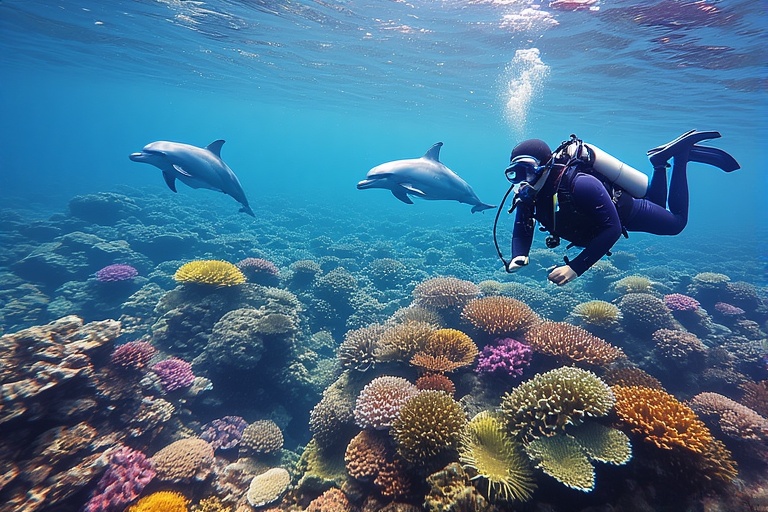
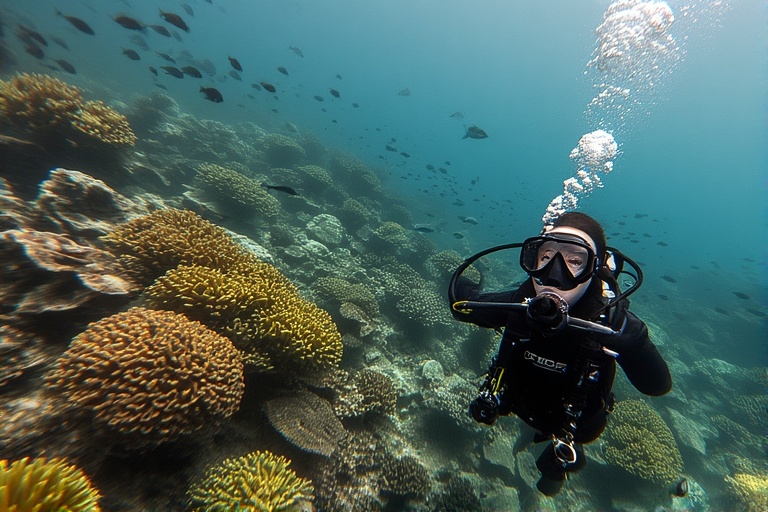
Beneath the turquoise waters lies a world of extraordinary biodiversity: over 600 species of fish, 150 species of hard and soft corals, and numerous crustaceans and mollusks [citation:1][citation:3]. Snorkelers and divers can encounter angelfish, parrotfish, butterflyfish, moray eels, octopuses, and if lucky, reef sharks and rays. The coral formations include brain corals, delicate fan corals, and vibrant sponges [citation:1].

The park is also a sanctuary for endangered sea turtles—green, hawksbill, and olive ridley turtles nest on Watamu’s main beaches between April and October [citation:1]. The best part? The reef lies just 300 meters offshore, easily accessible by boat or even by swimming at low tide [citation:1].

Mida Creek: Mangroves, Birdlife & Sunset Kayaking
Mida Creek

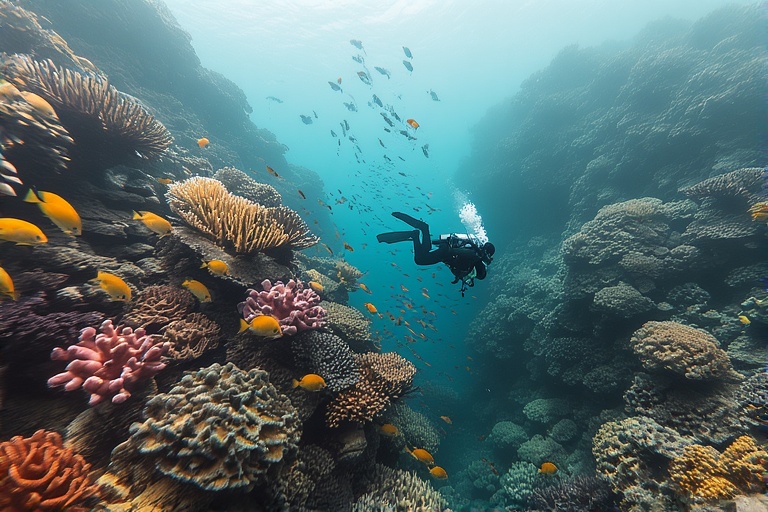
Mida Creek is a breathtaking tidal inlet surrounded by dense mangrove forests, located just south of Watamu. This tranquil waterway is part of the larger Watamu Marine National Reserve and is a haven for wildlife [citation:1]. The creek’s calm waters, fringed with mangroves and palms, create an oasis for birds, fish, and crabs [citation:1].

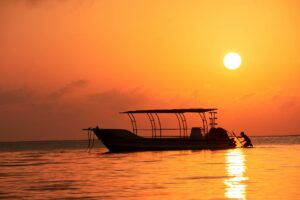
Kayaking through the mangroves at sunset is one of Watamu’s most magical experiences. Paddling through narrow channels under the lush canopy, you’ll discover hidden beaches and secret spots. Local guides share fascinating stories about life in nearby villages and the creek’s ecology [citation:4]. Many tours pause to float on calm waters, sipping tea and watching the sun dip dramatically below the horizon [citation:4].

Mida Creek is also a premier birdwatching destination. Migratory birds rest and refuel here on their long journeys—kingfishers, herons, egrets, and fish eagles are commonly seen [citation:1]. The community-run Crab Shack serves fresh crab, samosas, and cold drinks while supporting local conservation efforts [citation:1].

Garoda Beach: Pristine, Seaweed-Free Paradise
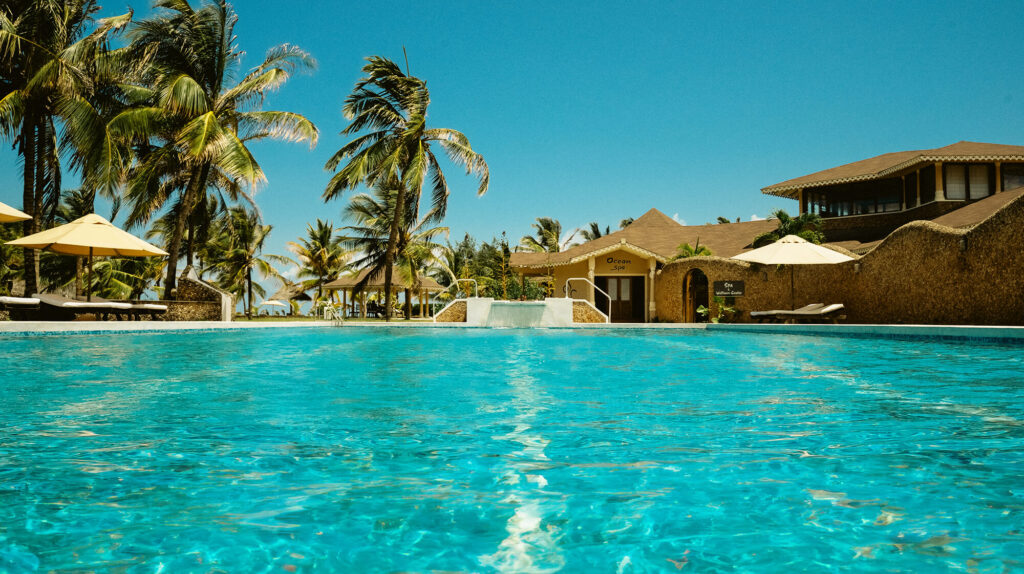
Garoda Beach

Garoda Beach is Watamu’s standout stretch of coastline—a beautiful expanse of white sand that remains remarkably free of seaweed year-round [citation:4]. Unlike some other coastal destinations, you’ll find minimal hassling from vendors, just the gentle sound of waves and the warm Indian Ocean breeze.

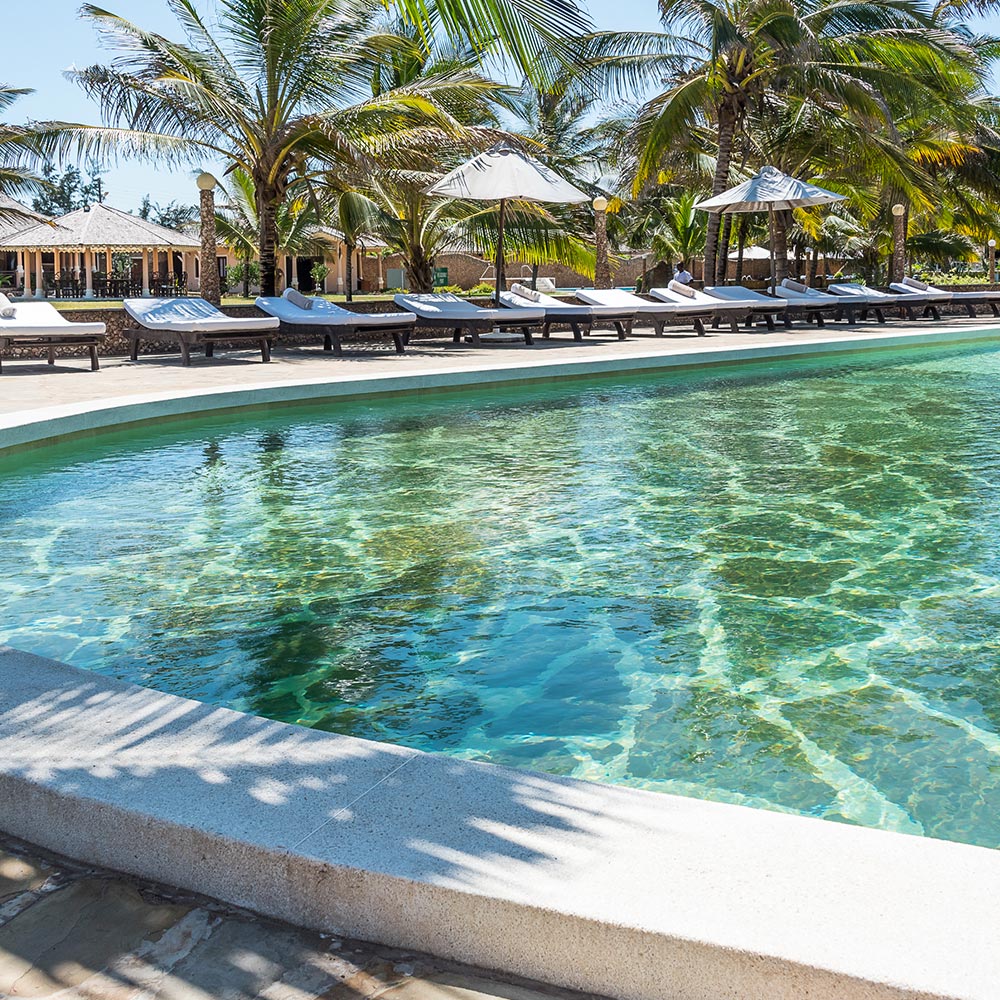
The beach offers sunbeds available for a small fee, and you can order fresh seafood delivered right to your lounger. Local craft stalls at the entrance offer souvenirs and handmade items [citation:4]. At high tide, Garoda Beach becomes a prime spot for kite surfing, with instructors available for beginners [citation:4].

The beach is part of the Watamu Marine National Park, meaning the water is protected and the snorkeling just offshore is excellent. The combination of soft sand, clear water, and relaxed atmosphere makes Garoda the perfect place to spend a day doing absolutely nothing.

Turtle Conservation: Protecting Endangered Species
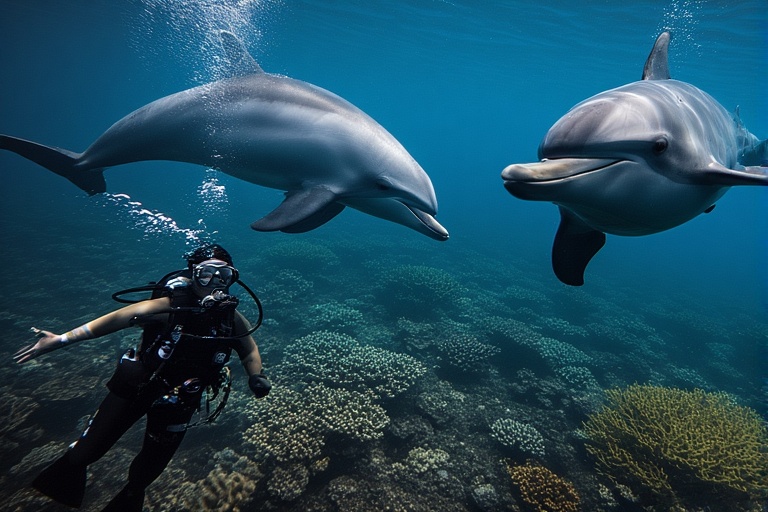
Swimming with dolphins

Watamu is a global hotspot for sea turtle conservation. The beaches here are critical nesting sites for green, hawksbill, and olive ridley turtles, all of which are endangered [citation:1][citation:3]. Between April and October, turtles emerge from the ocean to lay their eggs in the warm sand under cover of darkness.

Local conservation efforts are remarkable. Organizations work tirelessly to protect nests from poachers, monitor hatching success, and treat injured turtles at rehabilitation centers. Visitors can learn about these efforts at local conservation centers and even witness turtle releases [citation:6].

Kipepeo Project, near the Gede Ruins, is a community-based butterfly farming initiative that also supports conservation education [citation:6]. The project demonstrates how local communities can benefit from protecting rather than exploiting natural resources.

The Gede Ruins: A Medieval Swahili Mystery
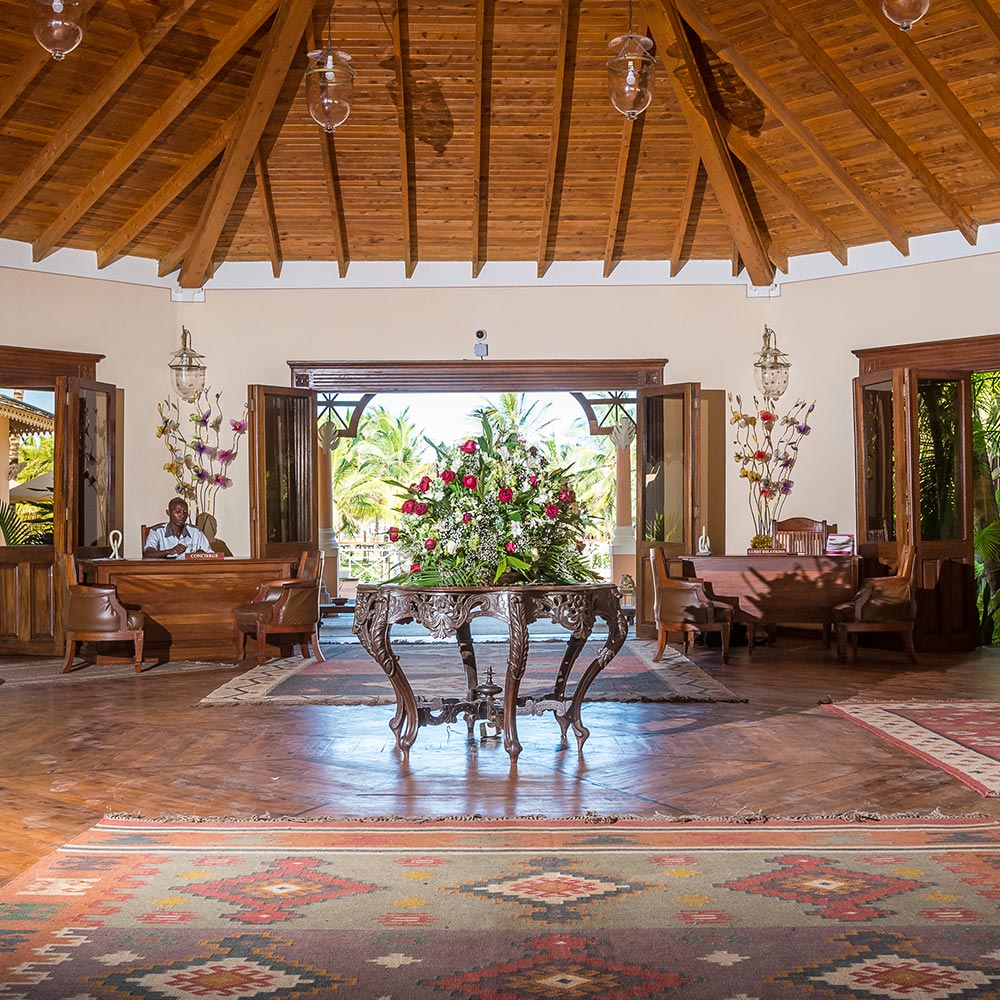
Gede Ruins

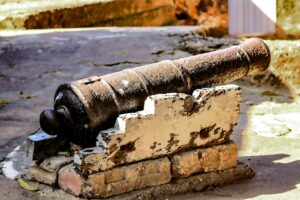
Just inland from Watamu, the Gede Ruins offer a fascinating journey into East Africa’s past. This medieval Swahili settlement, believed to date back to the 12th century, was mysteriously abandoned in the 17th century, leaving behind few records about why [citation:4]. Today, the ruins are a protected national monument surrounded by indigenous forest.

Walking among the stone remains, you’ll discover a palace, mosques, houses, and distinctive pillar tombs—structures topped with columns that are unique to Swahili architecture [citation:1]. Large trees grow among the ruins, their roots intertwining with ancient walls, while monkeys leap through the canopy [citation:4].

The on-site museum displays artifacts excavated at the site, including Chinese porcelain and Islamic pottery that testify to Gedi’s role in Indian Ocean trade networks. The surrounding forest is also home to the Kipepeo butterfly project, where you can see spectacular local butterflies [citation:6].

Watamu Village: Sweet People, Swahili Culture
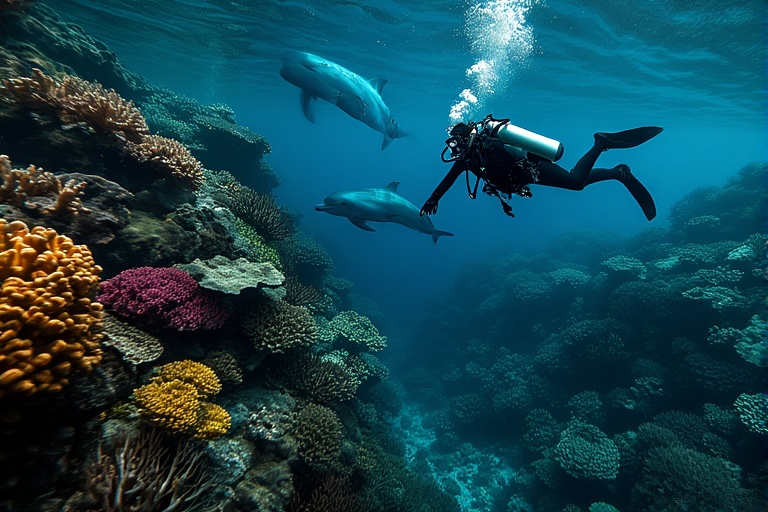
Swimming with dolphins

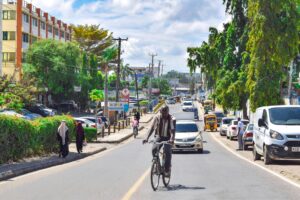
Watamu village embodies its name—’home of the sweet people.’ The town blends Kenyan, Arab, and Italian influences, reflecting centuries of maritime trade and more recent European settlement [citation:1]. Brightly painted tuk-tuks buzz along sandy streets, and Swahili-style buildings with carved wooden doors line the way [citation:9].

The local food scene is exceptional. Wasafi Swahili Dishes serves authentic Kenyan cuisine—try the ugali, chapati, and fish nazi (coconut fish curry) for an unforgettable meal [citation:4]. Non Solo Gelato offers amazing gelato and coffee, a legacy of the Italian influence [citation:4]. Papa Remo serves fresh pizzas and pasta, while the Crab Shack in Mida Creek offers seafood with panoramic views [citation:4].

The village market bustles with stalls selling bright fabrics, local carvings, fresh produce, and souvenirs. Visiting local villages reveals the real Watamu—kind people happy to share their culture through food, music, and traditional dances [citation:9].
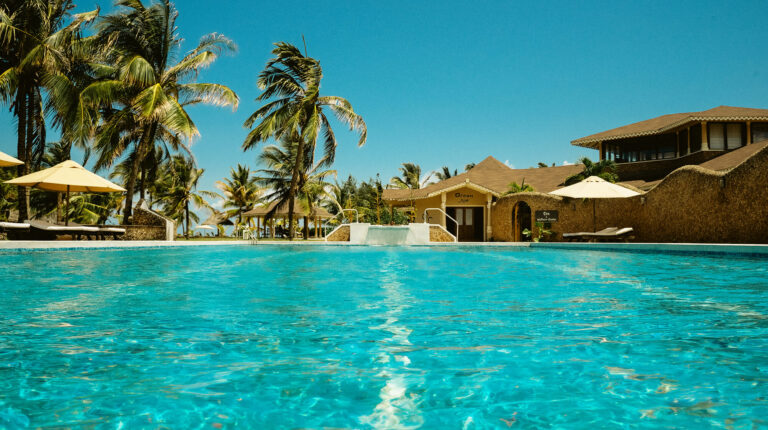
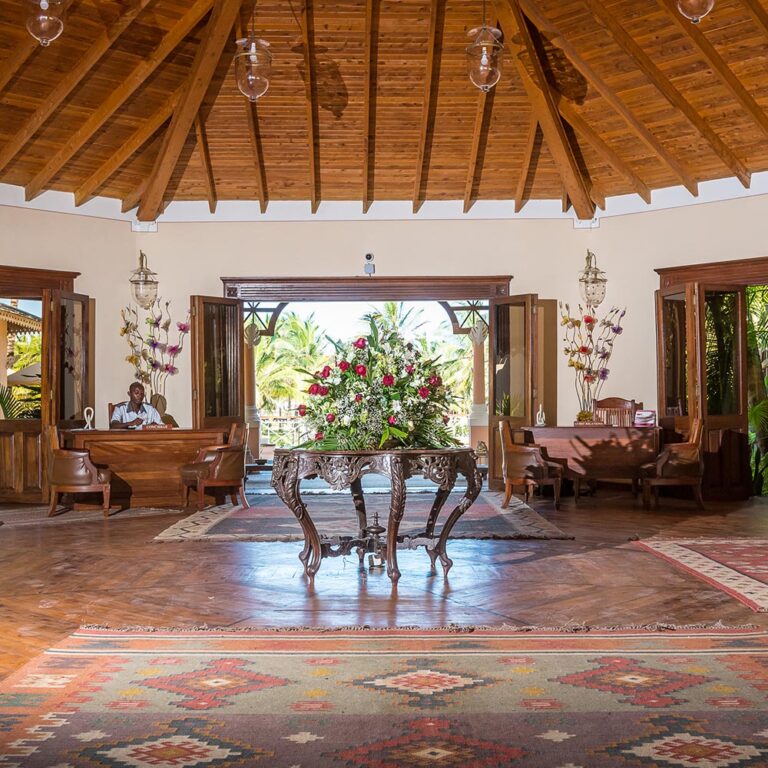
Exploring Watamu: From Marine Parks to Mangrove Creeks

Watamu Marine National Park: Underwater Sanctuary

The Watamu Marine National Park is the region’s premier attraction—a protected marine area established in 1968 that encompasses several stunning bays and reefs [citation:3]. The park includes Garoda Beach, Turtle Bay, Blue Lagoon Bay, Watamu Bay, Ocean Breeze, Kanani Reef, and Jacaranda Beach [citation:4].

Activities here center around the extraordinary marine life. Snorkeling and diving trips depart daily from the beach, taking you to vibrant coral gardens teeming with fish. Glass-bottom boat tours allow non-swimmers to observe the reef from above [citation:6]. The water is warm year-round, with visibility often exceeding 20 meters during dry months.

Permits from the Kenya Wildlife Service are required for any in-water activities, even if you’re just wading from shore [citation:4]. Several reputable dive schools operate in Watamu, offering PADI courses and guided dives for all levels [citation:4].

Mida Creek: Mangrove Labyrinth

Mida Creek is a stunning tidal inlet surrounded by dense mangrove forest, located just south of Watamu. This tranquil waterway is part of the Marine National Reserve and offers a completely different experience from the open ocean [citation:1]. The creek’s calm, sheltered waters are perfect for exploration by kayak, dugout canoe, or traditional dhow [citation:1].

Kayaking through the mangroves is the quintessential Mida experience. Paddling through narrow channels under the lush canopy, you’ll discover hidden beaches and secret spots where the forest meets the water. Local guides enhance the journey with stories about village life and the creek’s ecology [citation:4]. Sunset trips are particularly magical—floating on calm waters, sipping tea, watching the sky turn gold [citation:4].

Mida is also a world-class birdwatching destination. Migratory birds rest here on their long journeys—kingfishers, herons, egrets, fish eagles, and many waders are commonly seen [citation:1]. The community-run Crab Shack serves fresh seafood with panoramic views, supporting local conservation efforts [citation:1][citation:4].

Garoda Beach: Watamu's Finest Strand

Garoda Beach is widely considered Watamu’s best beach—a long stretch of powdery white sand that remains remarkably free of seaweed year-round [citation:4]. Located within the Marine National Park, the beach offers safe swimming in protected waters and spectacular views across the Indian Ocean.

The beach is well-equipped without being overdeveloped. Sunbeds are available for a small fee, and local vendors offer fresh seafood delivered to your lounger. Craft stalls at the entrance sell souvenirs and local handicrafts [citation:4]. Unlike some tourist hotspots, there’s minimal hassling—just the relaxed atmosphere that Watamu is known for.

At high tide, Garoda becomes a prime spot for kite surfing, with instructors available for beginners [citation:4]. The beach is also the launching point for snorkeling trips to the nearby coral reefs. For those seeking simply to relax, the soft sand and warm water provide the perfect setting.

Gede Ruins: Echoes of a Lost Civilization

The Gede Ruins, located just inland from Watamu, are one of Kenya’s most important archaeological sites. This medieval Swahili settlement dates back to the 12th century and was mysteriously abandoned in the 17th century, leaving behind remarkably intact stone buildings and an enduring mystery [citation:4].

Exploring the ruins is like stepping into a lost world. Ancient mosques, a palace, houses, and distinctive pillar tombs stand among giant trees, their roots entwined with the ancient walls. Monkeys leap through the canopy, adding to the mystical atmosphere [citation:4]. The site is small enough to explore in a couple of hours but rich enough to captivate the imagination.

The on-site museum displays artifacts excavated at Gedi—Chinese porcelain, Islamic pottery, and local crafts that testify to the town’s role in Indian Ocean trade networks [citation:1]. The surrounding forest is also home to the Kipepeo butterfly project, where you can see spectacular local butterflies and learn about community-based conservation [citation:6].

Turtle Bay & Blue Lagoon: Marine Park Gems

Turtle Bay and Blue Lagoon are two of the most beautiful bays within the Watamu Marine National Park. Their names reflect their character—Turtle Bay is a key area for sea turtle sightings, while Blue Lagoon lives up to its name with stunning turquoise waters [citation:4].

These bays offer excellent swimming and snorkeling directly from the shore. The protected waters are calm and clear, with coral reefs just offshore. Green turtles are frequently seen grazing on seagrass or swimming in the shallows [citation:3]. The beaches here are less developed than Garoda, offering a more secluded experience.

Several eco-friendly accommodations line these bays, including the upscale Hemingways Watamu and Turtle Bay Beach Club [citation:4][citation:9]. Both offer direct beach access and organized marine activities.
Arabuko Sokoke Forest & Kipepeo Project

Adjacent to the Gede Ruins, the Arabuko Sokoke Forest is the largest remaining tract of coastal forest in East Africa and a globally important biodiversity hotspot. This protected area is home to rare bird species, butterflies, and the elusive golden-rumped elephant shrew [citation:6].
The Kipepeo Project, based at the forest edge, is a community-based butterfly farming initiative that has become a model for conservation enterprise. Local farmers raise butterflies for export to butterfly houses around the world, providing income that incentivizes forest protection [citation:6]. Visitors can tour the facility, see spectacular local butterflies, and learn about this innovative conservation approach.
Guided walks in the forest reveal its rich birdlife—over 270 species have been recorded, including six that are found nowhere else. The forest is also home to elephants, though they’re elusive and rarely seen [citation:1].

Watamu Month-by-Month: Marine Park Weather, Tides & When to Visit

Watamu is a coastal paradise on Kenya’s Indian Ocean shore, famous for its pristine beaches, the Watamu Marine National Park (established 1968), and the stunning Mida Creek. This UNESCO-recognized biosphere reserve is one of East Africa’s best-preserved marine environments, home to over 600 fish species, 150 coral types, and important sea turtle nesting sites [citation:1][citation:3]. The town’s name means ”home of the sweet people” in Swahili, reflecting its warm hospitality [citation:4].

Watamu’s climate is shaped by the monsoon winds. The dry northeast monsoon (December-March) brings perfect beach weather—hot, sunny, and calm seas. The wet southeast monsoon (April-July) brings heavier rains, followed by a drier period from August-October. July to October is considered the best time for visiting, with clear skies and comfortable temperatures [citation:1][citation:3].

All temperatures are daytime highs and nighttime lows. Rainfall is average monthly precipitation in millimeters.

Month
Rain
Min
Max
Season

Featured Destinations

Selected Complementary Destinations

Nairobi National Park

Top Reasons to Visit
Nairobi Animal Orphanage Big 5 Wildlife Year-Round Safari Family Friendly

Nairobi City

Top Reasons to Visit
Good Mobile Network Nairobi National Park Technocity Vibrant African City

Lake Mburo National Park

Top Reasons to Visit
Small Intimate Park Year-Round Safari Family Friendly

Diani Beach

Top Reasons to Visit
Warm Tropical Beach Year-Round Safari

Mount Kenya National Park

Top Reasons to Visit
Africa's Highest Peak Alpine Climate Bands

Drakensberg Mountains

Top Reasons to Visit
Small Intimate Park Year-Round Safari

Samburu National Reserve

Top Reasons to Visit
Bird Watchers' Paradise Big 5 Wildlife Family Friendly

Plan Your Journey to Watamu

Ready to explore? Our travel specialists are here to help craft your dream itinerary.

Chat on WhatsApp
Created by icon tripfrom the Noun Project Created by Amethyst Studiofrom the Noun Project Created by Amethyst Studiofrom the Noun Project Created by Amethyst Studiofrom the Noun Project