Why Damaraland Is Namibia's Most Dramatic and Wild Landscape
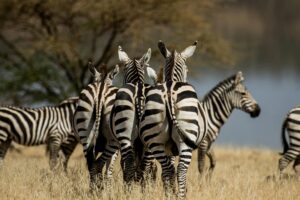
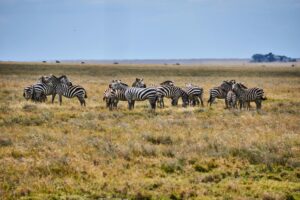
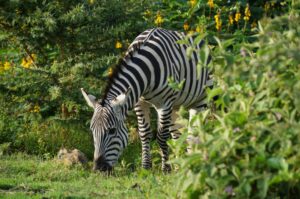
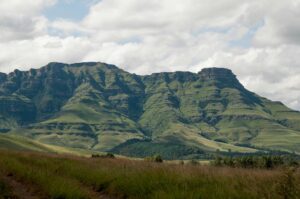
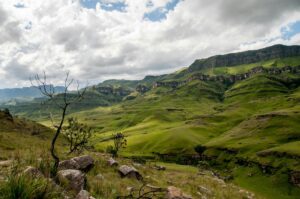
Damaraland is one of Namibia’s most beautiful and untamed regions—a vast, rugged wilderness of rocky mountains, prehistoric watercourses, open plains, and massive granite koppies. This is where the desert meets the savannah, creating a landscape of extraordinary drama and diversity. It’s also home to some of Namibia’s most remarkable wildlife: the famous desert-adapted elephants that have evolved to survive in this arid environment, black rhinos that navigate the steep mountain slopes, and Hartmann’s mountain zebra.
But Damaraland is more than its wildlife. It’s a place of profound cultural significance, home to the ancient San rock engravings at Twyfelfontein and the soaring Brandberg Mountain, Namibia’s highest peak. It’s a land where you can walk in the footsteps of ancient peoples, explore petrified forests, and sleep under some of the clearest skies on earth. Here is why Damaraland deserves a place on every Namibia itinerary.
Desert-Adapted Elephants
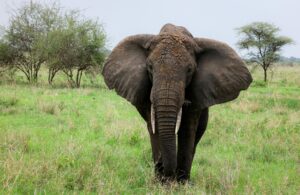
Damaraland is famous for its desert-adapted elephants, a unique population that has evolved to survive in one of the harshest environments on earth. These elephants are smaller than their savannah cousins and have developed remarkable adaptations: they can go for days without water, travel vast distances in search of food, and dig for water in dry riverbeds using their tusks and trunks.
Tracking these elephants is one of the most rewarding safari experiences in Africa. With an expert guide, you’ll follow their tracks along dry riverbeds, learning about their behavior and the strategies they use to survive. When you finally find them—often in the shade of a large tree or making their way to a hidden water source—the encounter is deeply moving.
Twyfelfontein: Ancient Rock Art
Twyfelfontein is a UNESCO World Heritage Site and one of the most significant rock art sites in Africa. Here, thousands of ancient engravings cover the sandstone boulders, depicting animals, human figures, and abstract symbols. Some of these engravings are believed to be over 6,000 years old, created by San hunter-gatherers who lived in this area for millennia.
The site is remarkable not just for the quantity of engravings but for their quality and diversity. Lions, giraffes, rhinos, and elephants are all represented, often with remarkable skill and attention to detail. A guided tour of the site brings these ancient stories to life, explaining the meanings behind the symbols and the culture of the people who created them.
Brandberg Mountain: The White Lady
The Brandberg is Namibia’s highest mountain, rising to 2,573 meters above the surrounding plains. Its name means ‘Fire Mountain’ in Afrikaans, a reference to the stunning red and orange colors it takes on at sunset. But the mountain is most famous for the rock paintings hidden in its caves and overhangs, particularly the ‘White Lady’ painting in the Tsisab Ravine.
The White Lady, discovered in 1917, is one of the most famous rock art images in Africa. Despite its name, the figure is now believed to be a male shaman, but the painting’s grace and mystery continue to captivate visitors. Reaching it requires a moderate hike through a beautiful ravine, adding to the sense of discovery and adventure.
Black Rhino Tracking
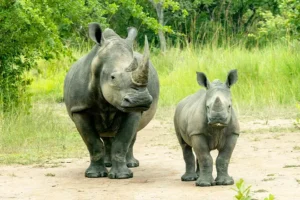
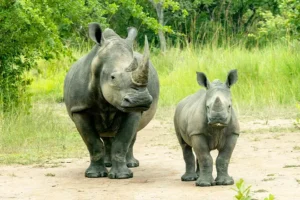
Damaraland is one of the best places in Africa to track black rhinos on foot. These critically endangered animals have been habituated to human presence through a pioneering conservation program, allowing visitors to approach them with experienced guides. The experience of tracking a black rhino through the rugged Damaraland landscape is exhilarating and humbling.
The rhino tracking experience is carefully managed to minimize disturbance to the animals. Only a few visitors are allowed per day, and guides maintain a respectful distance while ensuring you get a memorable sighting. The sense of walking in the footsteps of these ancient creatures, in a landscape that has remained unchanged for millennia, is unforgettable.
The Petrified Forest
The Petrified Forest near Khorixas is one of Namibia’s most unusual geological sites. Here, massive fossilized tree trunks, some up to 30 meters long, lie scattered across the landscape. These trees are estimated to be over 280 million years old, dating from a time when this arid region was a lush, swampy forest.
Walking among these ancient giants, their wood turned to stone over millennia, is a surreal experience. The site also includes a small museum and interpretive trails that explain the geological processes that created this remarkable place. It’s a fascinating stop that adds a deep-time perspective to your Damaraland journey.
Vast Landscapes and Solitude
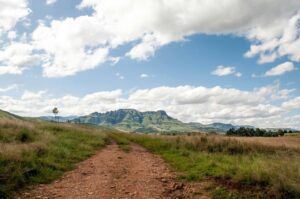
Beyond its specific attractions, Damaraland’s greatest gift is its sheer scale and sense of solitude. This is a landscape that stretches to the horizon and beyond, with empty gravel plains, distant mountains, and a sky that seems impossibly vast. Driving through Damaraland, you can go for hours without seeing another vehicle, feeling truly alone in the wilderness.
This sense of space and freedom is what draws many travelers to Damaraland. It’s a place to breathe, to reflect, and to connect with the raw beauty of Africa. Whether you’re watching the sunset paint the Brandberg in shades of red and orange or sitting under a sky full of stars, Damaraland offers moments of profound peace and wonder.