Why Pilanesberg Is Africa's Most Accessible Malaria-Free Big Five Reserve
Pilanesberg National Park occupies a rare position in African conservation. It is one of the few places on the continent where you can see the Big Five—lion, leopard, elephant, rhino, and buffalo—in a certified malaria-free zone, within two hours of an international airport, on roads suitable for a standard sedan.
This is not a compromise. This is not a consolation prize for travelers who cannot reach Kruger or Botswana. Pilanesberg is a legitimate wildlife destination in its own right—550 square kilometers of ancient volcanic crater system, home to over 7,000 animals, set against one of South Africa’s most dramatic geological backdrops.
For families with young children, for travelers with medical contraindications to malaria prophylaxis, for weekend visitors from Johannesburg, and for anyone who wants to experience African wildlife without committing to a two-week itinerary—Pilanesberg delivers.
Certified Malaria-Free
This is Pilanesberg’s defining advantage. The park is located in South Africa’s North West Province, outside the malaria risk zone that affects Kruger, the Lowveld, and much of subtropical Africa.
For families with young children, this is transformative. No antimalarials means no bitter-tasting syrups, no concerns about pediatric dosing, no nightmares associated with mefloquine, no sun sensitivity from doxycycline. Pregnant travelers can visit without medical consultation. Travelers with compromised immune systems or medication interactions can experience Big Five safari without anxiety.
The malaria-free designation isn’t marketing. It’s certified by South African health authorities and confirmed by decades of epidemiological data. You still need sun protection, hydration, and common sense. You do not need prophylaxis.
Unrivaled Accessibility
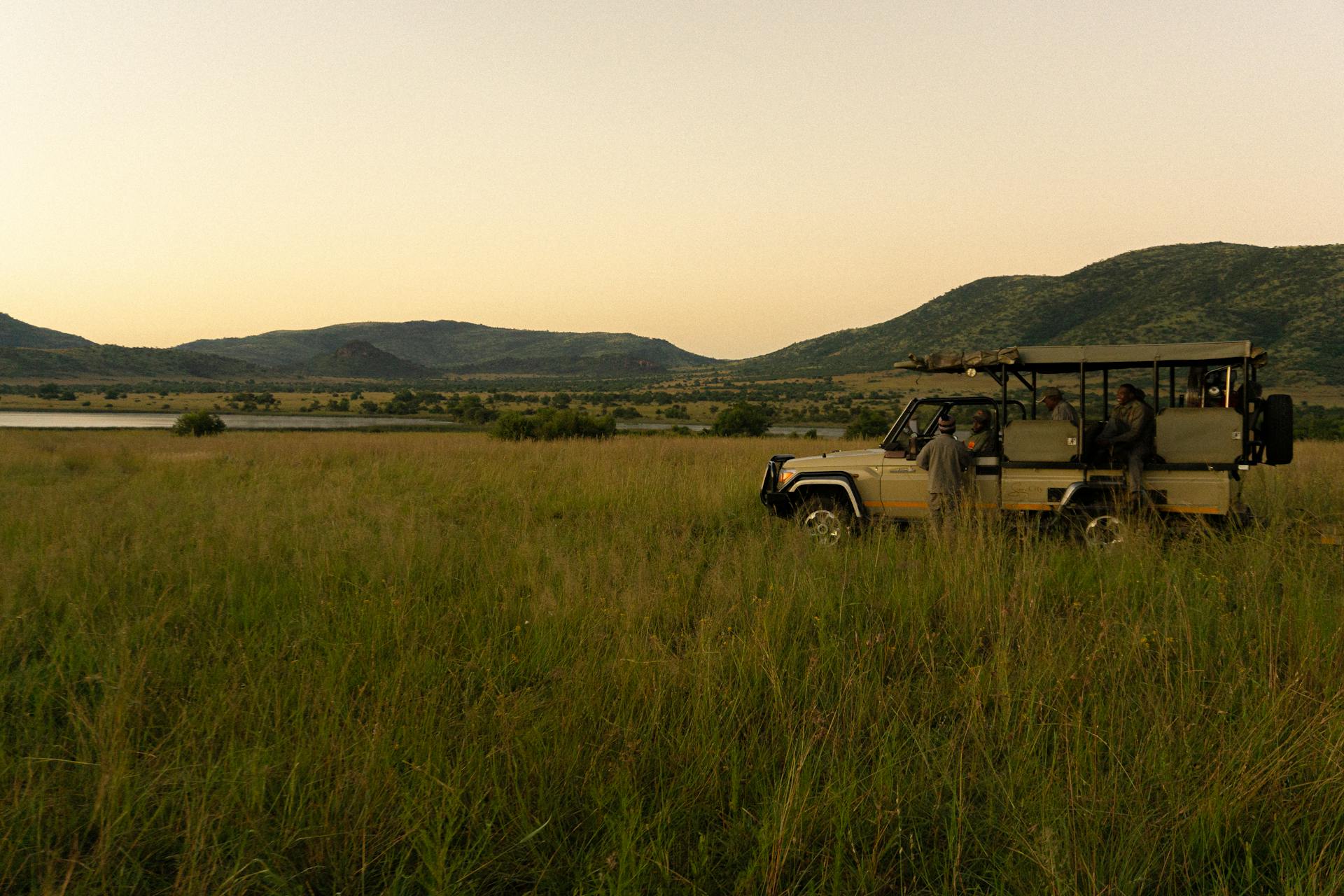
Pilanesberg is two hours from Johannesburg, one hour from Rustenburg, and adjacent to Sun City’s resort complex. The access roads are paved. The park’s internal road network comprises over 200 kilometers of gravel, suitable for any passenger vehicle. You do not need a 4×4. You do not need a guide. You do not need to overnight—though you should.
This accessibility changes who can experience an African safari. Business travelers with a single free day can fly into OR Tambo, rent a standard sedan, and be watching elephants at Mankwe Dam by midday. Weekend visitors from Gauteng can depart Friday afternoon and be settled into their lodge before sunset. International travelers arriving on morning flights can be on safari before jet lag catches up.
Pilanesberg didn’t just democratize the safari. It redefined what a safari can be in terms of time, cost, and logistics.
The Big Five, Guaranteed
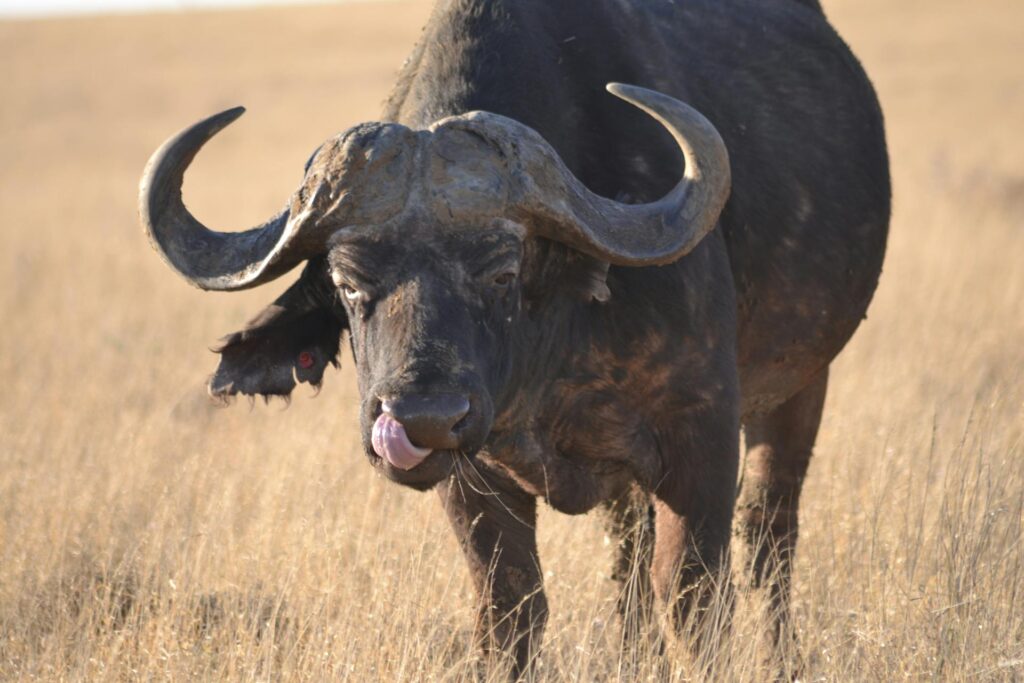
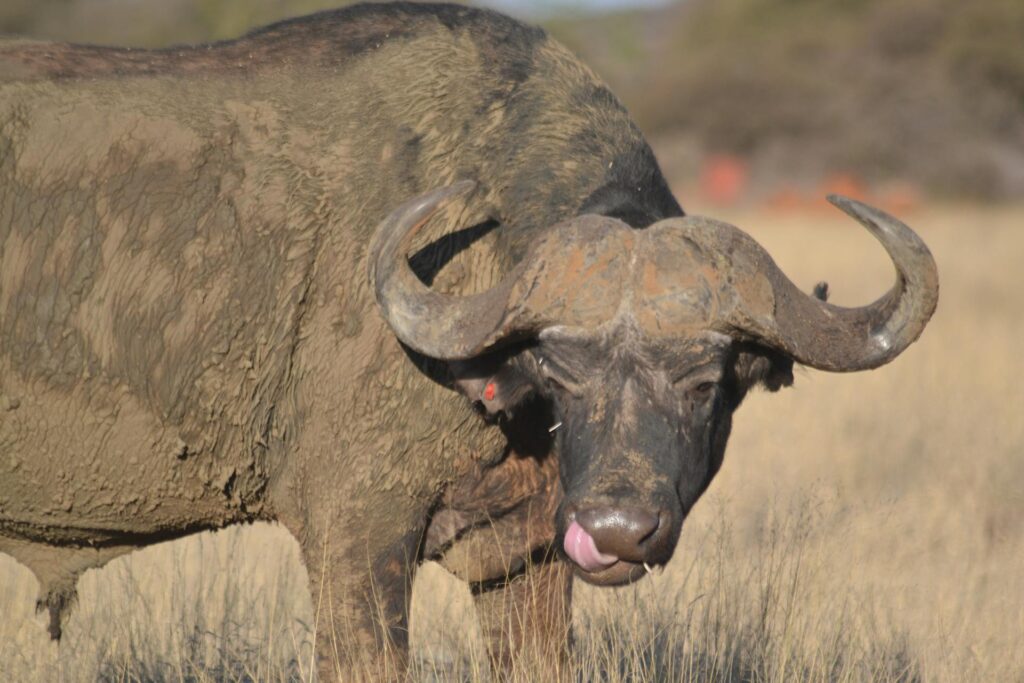
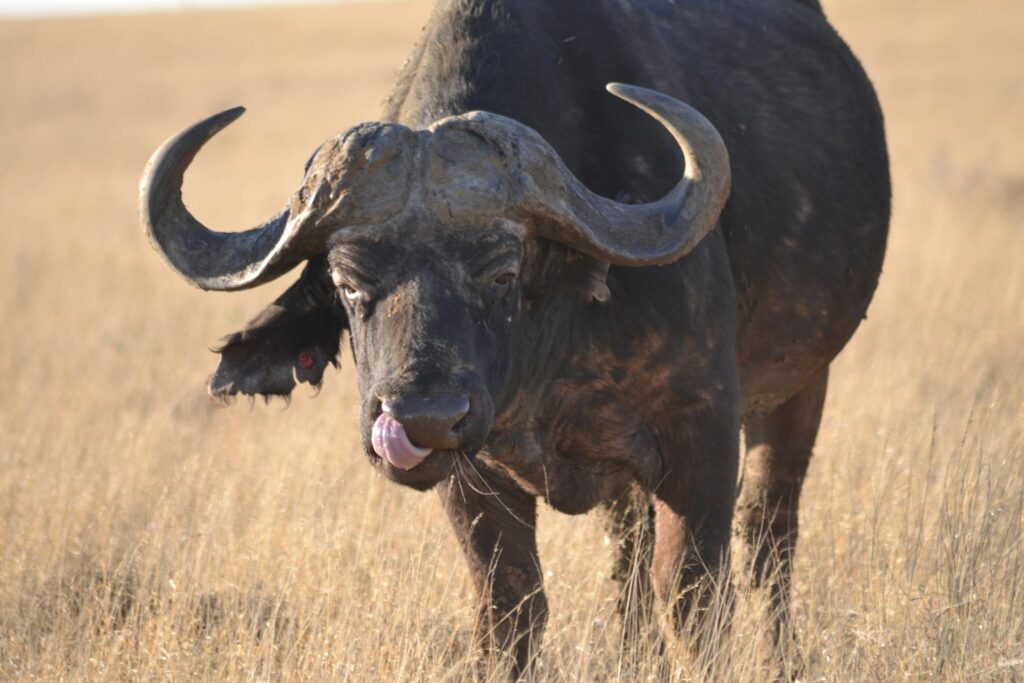
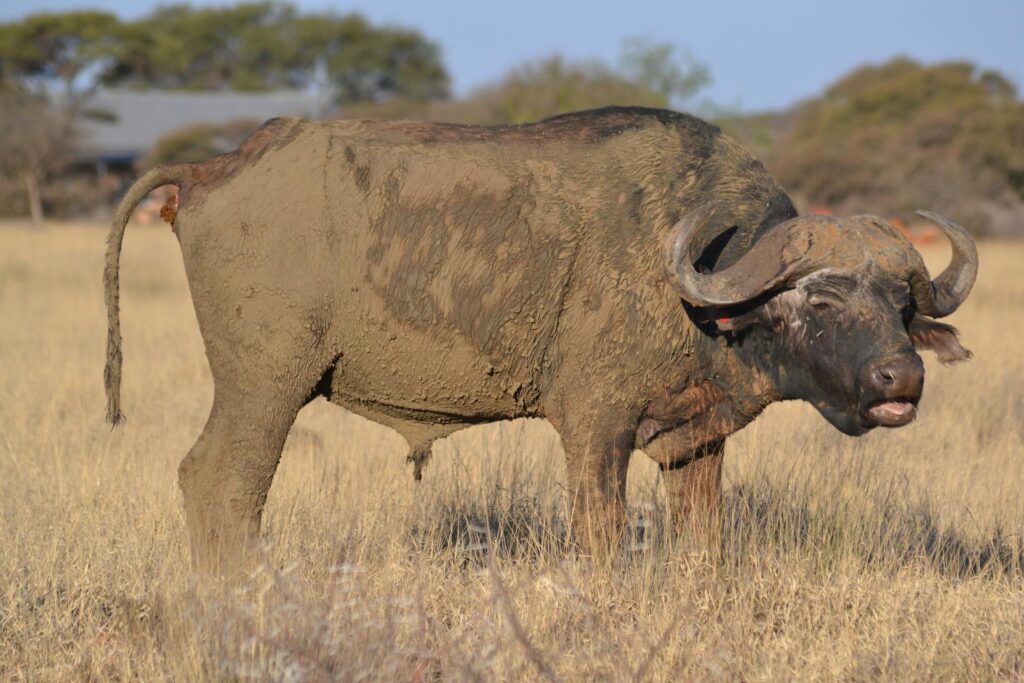
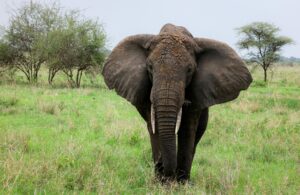
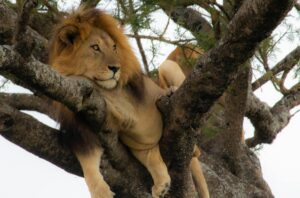
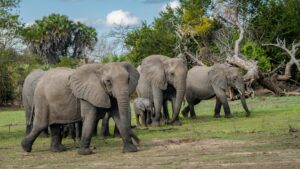
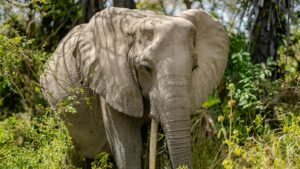
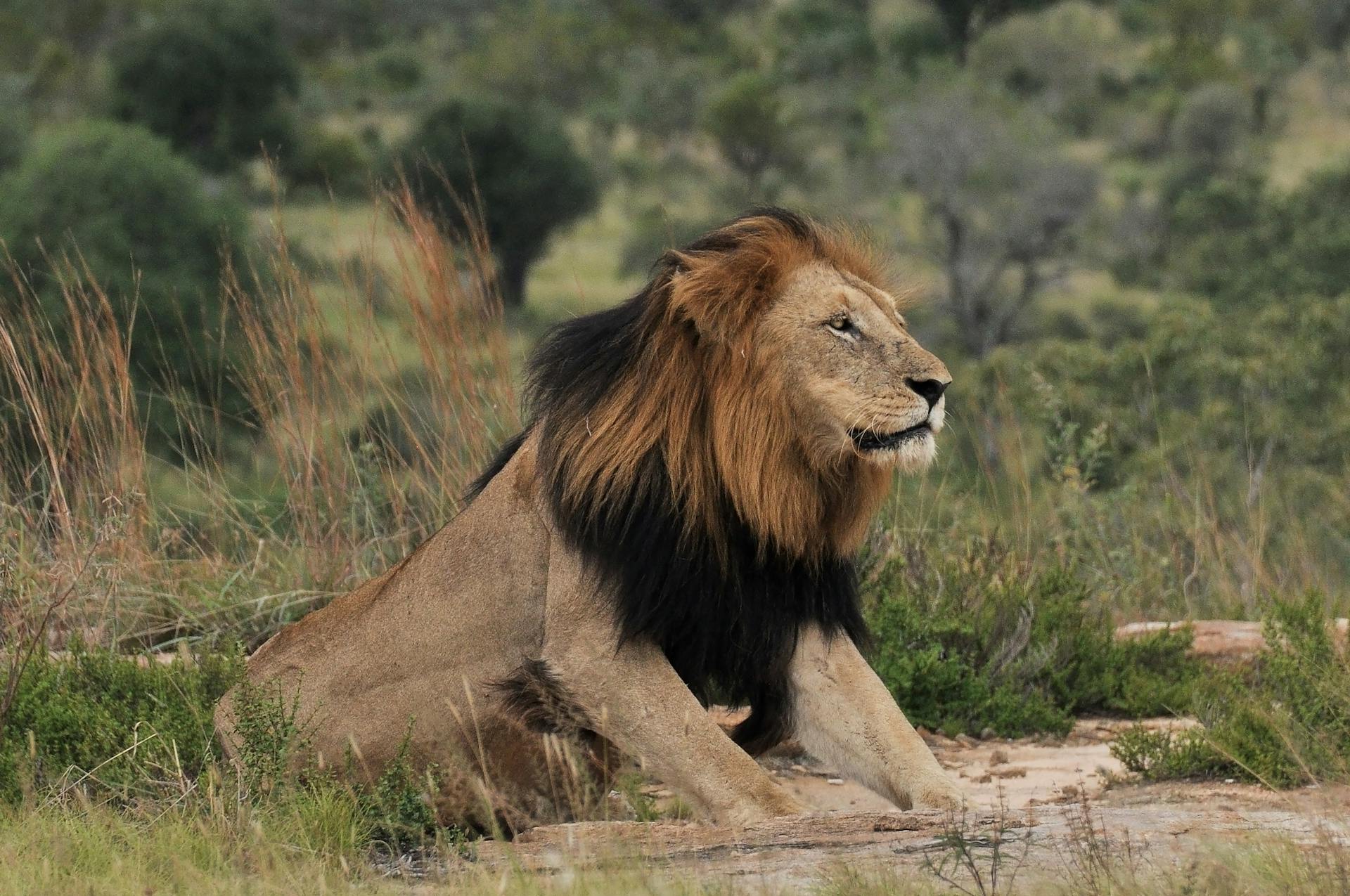
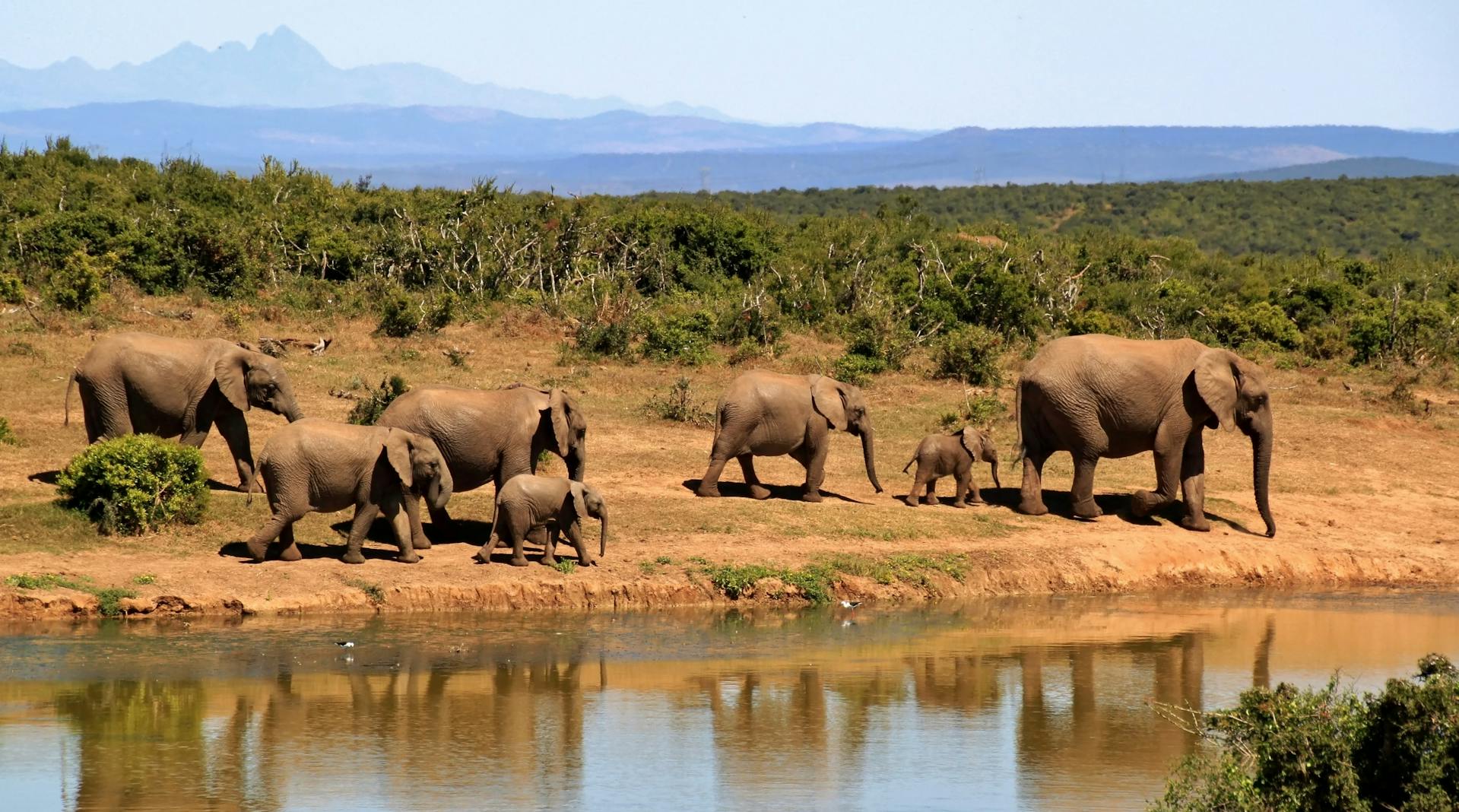
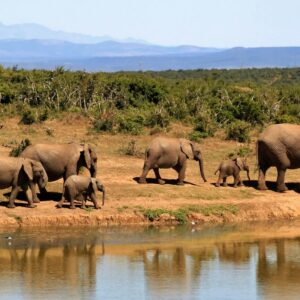
Pilanesberg supports healthy populations of all Big Five species. Elephant herds number in the hundreds. White rhino are common; black rhino are present but elusive. Lion prides are well-established. Leopard sightings require patience but are reliable. Cape buffalo move in large herds through the central grasslands.
The park’s size—550 square kilometers—is sufficient to maintain viable breeding populations without supplementation. Operation Genesis, the 1979 restocking program, reintroduced over 6,000 animals across 19 species. Forty-five years later, Pilanesberg’s ecosystem is self-sustaining.
Game density in Pilanesberg is exceptionally high. You will not drive hours between sightings. The combination of concentrated wildlife and modest size means visitors consistently achieve Big Five completions within two full days of game viewing.
Dramatic Volcanic Landscape
Pilanesberg is one of the world’s largest alkaline volcanic complexes. The park is centered on the eroded crater of a volcano that erupted 1.2 billion years ago. The concentric ring dikes—ancient lava conduits hardened into stone—create a landscape unlike any other African reserve.
From the summit of Thabayadiotso, the ‘Proud Mountain,’ you can see the entire park spread below you. Mankwe Dam glitters in the crater floor. Herds of elephant and buffalo move through golden grasslands. The hills roll outward in geological precision, each ridge marking a pulse of magma that never reached the surface.
This topography concentrates wildlife. Animals move between the hills following ancient game trails. Predators position themselves at choke points. Photographers compose shots with layered backgrounds that suggest distance and depth. The landscape is not merely beautiful—it is functionally advantageous for wildlife viewing.
Accommodation for Every Budget
Pilanesberg offers a complete spectrum of accommodation, from basic camping to five-star luxury.
Inside the park: North West Parks Board operates three rest camps. Manyane Resort offers chalets, camping, and a predator center. Bakgatla Resort provides self-catering cottages and caravan sites. Both are affordable, family-friendly, and positioned within minutes of excellent game viewing.
Private lodges: The park’s western and southern boundaries host a collection of private game lodges. Ivory Tree, Kwa Maritane, and Bakubung offer swimming pools, spa facilities, and guided game drives. These are not the ultra-luxury of Sabi Sands, but they deliver reliable comfort at accessible price points.
Sun City adjacency: The Palace of the Lost City, South Africa’s most famous resort hotel, sits directly adjacent to Pilanesberg. Combine a morning safari with afternoon golf, casino entertainment, or the Valley of Waves. This is a uniquely South African itinerary—bush and bling in equal measure.
Year-Round Destination
Pilanesberg rewards visitors in every season, but the optimal windows differ from Kruger.
Dry winter (May–September): Prime game viewing. Vegetation thins. Animals concentrate at permanent water sources. Mornings and evenings are cool—perfect for all-day drives. This is Pilanesberg’s peak season.
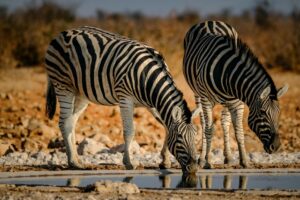
Green summer (October–April): Lush landscapes, dramatic afternoon thunderstorms, and excellent birding. Migratory species arrive from Eurasia. Calving season produces newborn impala, wildebeest, and zebra. Rates are lower. Crowds are thinner.
Pilanesberg’s malaria-free status means summer travel carries no additional health considerations. The park remains accessible year-round, with no seasonal road closures.
Family-Ready Infrastructure
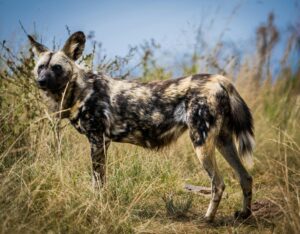
Pilanesberg was designed with families in mind. The rest camps offer playgrounds, swimming pools, and child-friendly restaurant menus. Manyane’s predator center houses rescued lions, cheetahs, and wild dogs—guaranteed viewing for children who may struggle with the patience required for wild sightings.
Private lodges provide family suites, childminders, and specialized youth programs. Kids’ game drives operate at slower paces with age-appropriate commentary. Activity books, tracking kits, and junior ranger certifications keep young minds engaged between sightings.
For families traveling with infants or toddlers, Pilanesberg’s proximity to Johannesburg means medical care is never more than two hours away. This peace of mind is invaluable.
Combine with Sun City
Pilanesberg and Sun City share a boundary and a symbiotic relationship. No other African reserve offers this combination of wilderness and entertainment.
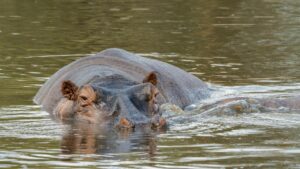
Spend your morning tracking rhino through acacia savannah. Spend your afternoon on the Gary Player Country Club golf course, where water hazards are guarded by resident hippos. Dine at a five-star restaurant. Gamble at the casino. Float through the Valley of Waves’ artificial beach. Then return to your lodge for a night drive.
This is not a compromise between safari and resort. It is a deliberate pairing that works because both experiences are authentic—the bush is real, the luxury is genuine, and the contrast is exhilarating.
For travelers whose companions have mixed interests, for couples where one partner craves wildlife and the other craves pampering, for families spanning multiple generations—Pilanesberg + Sun City resolves the negotiation.