Sabi Sands – Safari Continents Travel
  • Country: —

Why Sabi Sands Is the World's Premier Leopard & Luxury Safari Destination

Sabi Sands Private Game Reserve is not merely a place to see wildlife. It is where the safari experience was perfected—where off-road driving allows you to follow a leopard into the thicket, where guides know individual animals by name, where the combination of Big Five density and exclusive-use concessions creates something approaching safari nirvana.

Sharing an unfenced border with Kruger National Park, Sabi Sands offers the same wildlife populations as its famous neighbor—but with a fraction of the vehicles, guides of extraordinary expertise, and lodges that define African luxury. This is where first-time safari travelers become lifelong devotees, and where veteran Africa hands return year after year.

Here is why Sabi Sands deserves a place on every safari traveler’s bucket list.

The World's Best Leopard Sightings

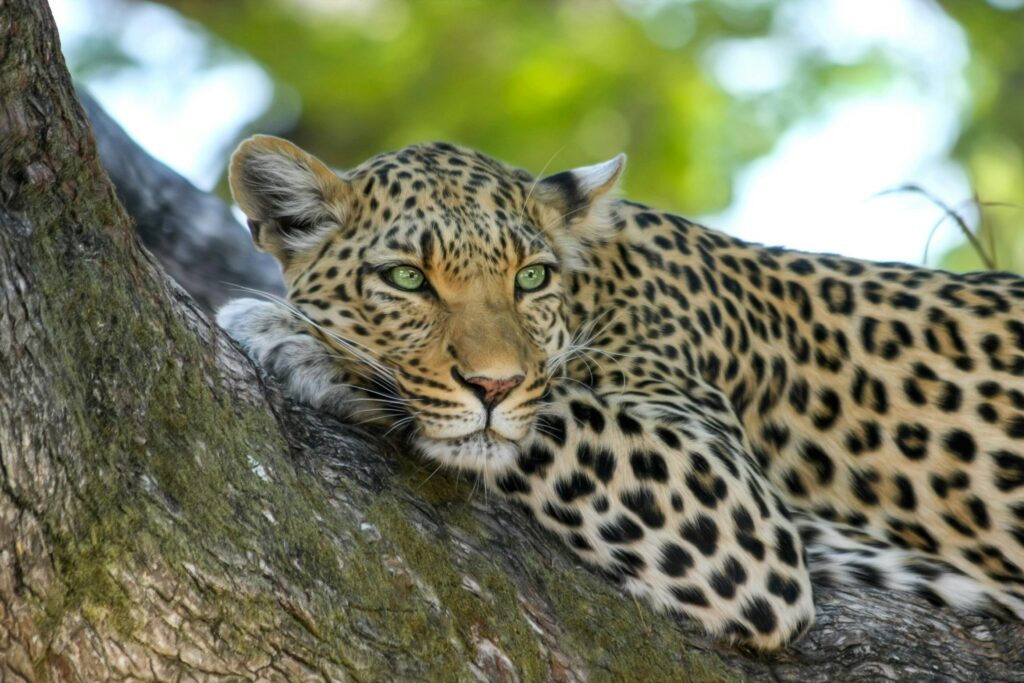
Sabi Sands is, without hyperbole, the best place on earth to see leopards. The reserve’s density of these elusive cats is extraordinary—approximately one leopard per 8-10 square kilometers, compared to one per 50-100 square kilometers in most African reserves. But density alone doesn’t explain the quality of sightings.

The leopards of Sabi Sands are habituated to vehicles. They have learned that safari vehicles are not threats, that they can hunt, rest, and raise cubs without interference. This habituation, developed over decades of ethical guiding, means you can watch a leopard stalk impala, drag a kill into a marula tree, or play with cubs—all from a vehicle that the leopard ignores.

Individual animals are known by name. The guides track their territories, their relationships, their histories. You might see the daughter of a leopard your parents photographed twenty years ago. The continuity is profound.

Off-Road Driving: Follow the Action

In most South African national parks, vehicles must stay on designated roads. In Sabi Sands, they can leave them—and this changes everything.

When a leopard disappears into the thicket, your vehicle follows. When a lion stalks prey through the bush, you track from off-road. When a wild dog pack dens in an inaccessible area, your guide navigates to give you a view. This off-road capability, combined with the guides’ expertise, produces sightings that simply cannot happen in on-road reserves.

The rules are strict: no driving over vegetation, no approaching too closely, no disturbing animals. But within those ethical boundaries, the freedom to follow the action transforms the safari experience. You are not watching wildlife from a road. You are immersed in their world.

The Guides: Africa's Best

Sabi Sands guides are not drivers who happen to know some animal facts. They are professional naturalists, many with decades of experience, who have studied individual prides, leopard lineages, and elephant family structures for their entire careers.

The qualification process is rigorous. Trainees spend years as apprentices, learning tracks, behaviors, and bird calls before leading their own drives. Many hold degrees in zoology, botany, or conservation. All share a passion for the bush that is infectious.

Your guide will not simply find animals. They will explain the social dynamics of the lion pride you are watching—who is dominant, who is related, who is likely to challenge. They will interpret tracks, identify birds by call, and answer questions that range from the ecological to the philosophical. By the end of your stay, you will have learned more about the African bush than you thought possible.

Legendary Lodges: Singita, Londolozi & More

Sabi Sands is home to some of Africa’s most famous safari lodges—names that appear on bucket lists and in luxury travel magazines year after year.

Singita: The brand that redefined safari luxury. Singita Ebony, Boulders, and Castleton offer design-forward accommodations, exceptional cuisine, and a conservation legacy that extends far beyond the reserve. Rates are eye-watering. The experience is unforgettable.

Londolozi: A family-run operation since 1926, Londolozi is synonymous with leopard viewing and warm hospitality. The Varty family has hosted royalty, celebrities, and generations of safari enthusiasts. The lodges range from intimate to expansive, all united by a philosophy of ‘healing the earth through nature.’

MalaMala: The oldest private reserve in South Africa, MalaMala occupies prime real estate along the Sand River. Game viewing is exceptional year-round. The lodge is classic safari—elegant, understated, and utterly authentic.

Ulusaba: Richard Branson’s Sabi Sands property combines rock lodge drama with safari lodge intimacy. The game viewing rivals any in the reserve.

Each lodge offers its own character, its own guiding style, its own cuisine. But all share the fundamental Sabi Sands advantages: off-road driving, expert guides, and access to the reserve’s extraordinary wildlife.

The Sand River: Lifeblood of the Reserve

The Sand River flows through Sabi Sands, its course defining the reserve’s ecology and game viewing. During the dry winter months, the river becomes a magnet for wildlife—elephant herds drink from its pools, buffalo graze its banks, and predators patrol its length.

The riverine forest along the Sand is prime leopard habitat. The dense thickets provide cover for stalking; the large trees provide branches for hoisting kills. Many of Sabi Sands’ most famous leopard sightings occur within sight of the river.

The river also attracts birds in extraordinary numbers. African fish eagles call from dead trees. Kingfishers dive from overhanging branches. Herons stalk the shallows. A morning drive along the Sand River, in any season, is a masterclass in African biodiversity.

Big Five Density Without Crowds

Sabi Sands supports healthy populations of all Big Five species—lion, leopard, elephant, rhino, and buffalo. But unlike Kruger’s public areas, where sightings can attract queues of vehicles, Sabi Sands limits vehicle density to ensure quality experiences.

When a leopard is spotted, only the lodge’s vehicles are permitted at the sighting. No crowds. No jockeying for position. No photographing a lion surrounded by fifteen vehicles. Your guide positions your vehicle for the best angle, and you stay as long as the animal allows.

This exclusivity is the Sabi Sands difference. You are not sharing the wilderness with hundreds of other tourists. You are experiencing it with a handful of fellow guests and guides who have dedicated their lives to understanding it.
Why Kruger Is Africa's Most Accessible Big Five Wilderness

Kruger National Park is not merely South Africa’s flagship reserve—it is one of the most extraordinary wildlife sanctuaries on earth. At nearly 20,000 square kilometers, it is larger than Israel, larger than Wales, and larger than every other game reserve in Africa except for a handful of UNESCO World Heritage sites.

But size alone doesn’t explain Kruger’s dominance. This is a park where first-time safari travelers can self-drive past lion kills, where families on budget holidays wake to elephants drinking from camp waterholes, and where veteran wildlife photographers return decade after decade, still chasing the perfect leopard portrait.

Kruger is not exclusive. It is not private. It is not expensive in the way that Botswana’s Okavango or Tanzania’s Selous are expensive. What Kruger offers is something rarer: democratic access to world-class wildlife viewing, supported by infrastructure that has been refined over a century of conservation.

Here is why Kruger remains the heartbeat of South African safaris.

The Big Five, Guaranteed

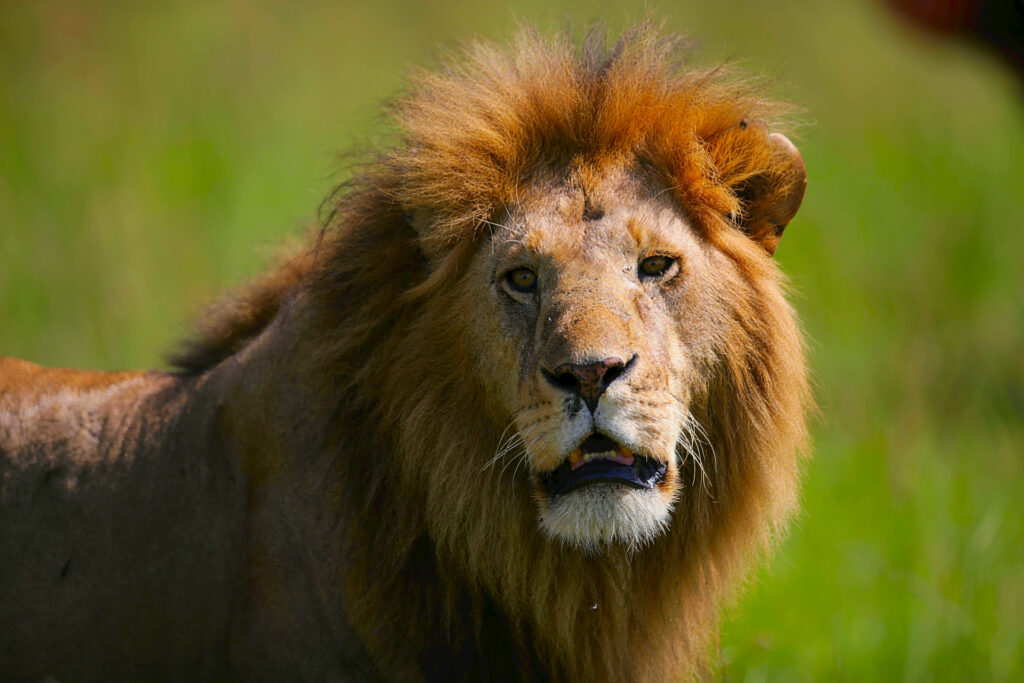
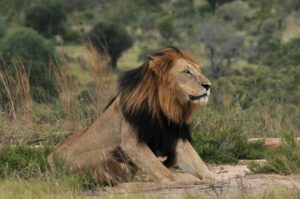
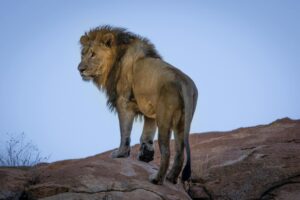
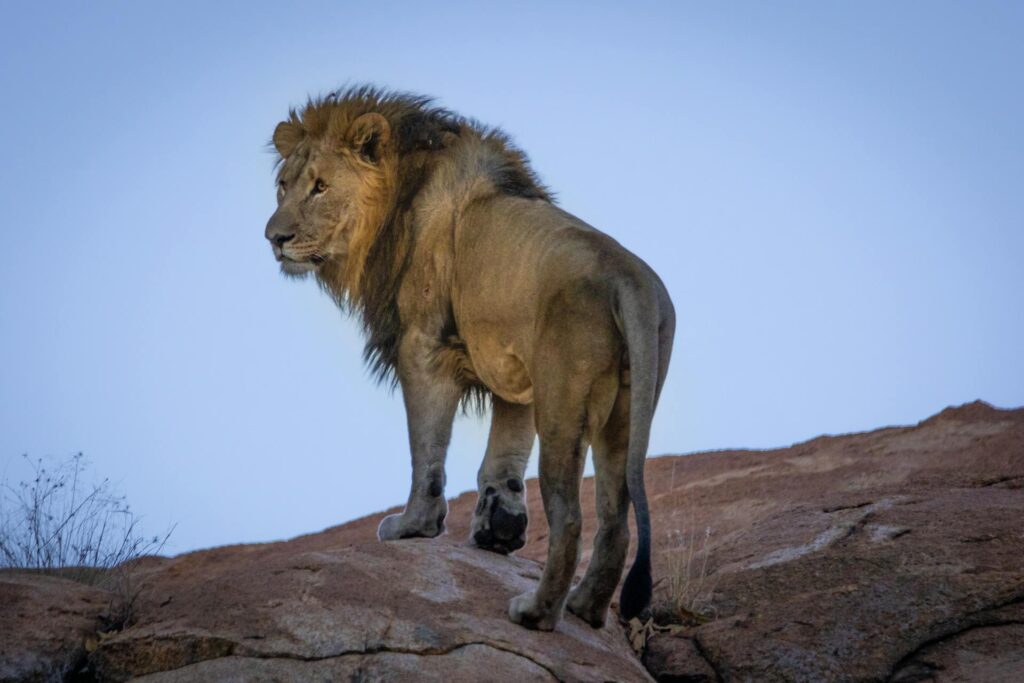
Lion resting on a granite outcrop, Kruger

Kruger is one of the few places on earth where you can reliably see lion, leopard, elephant, rhino, and Cape buffalo—often in a single day.

Lion populations exceed 1,600 individuals, distributed throughout the park. The Sabi Sands private reserve, sharing an unfenced border with Kruger, offers the continent’s most reliable leopard sightings. Elephant herds number in the thousands; you’ll struggle to spend an hour in the southern half of the park without encountering them. White rhino are concentrated in the south, black rhino in the far north. Buffalo herds of several hundred move through the central grasslands.

This is not the lottery-based game viewing of more remote reserves. In Kruger, the Big Five are not a possibility. They are a probability.

Unmatched Accessibility

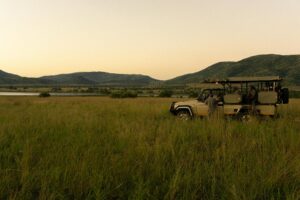
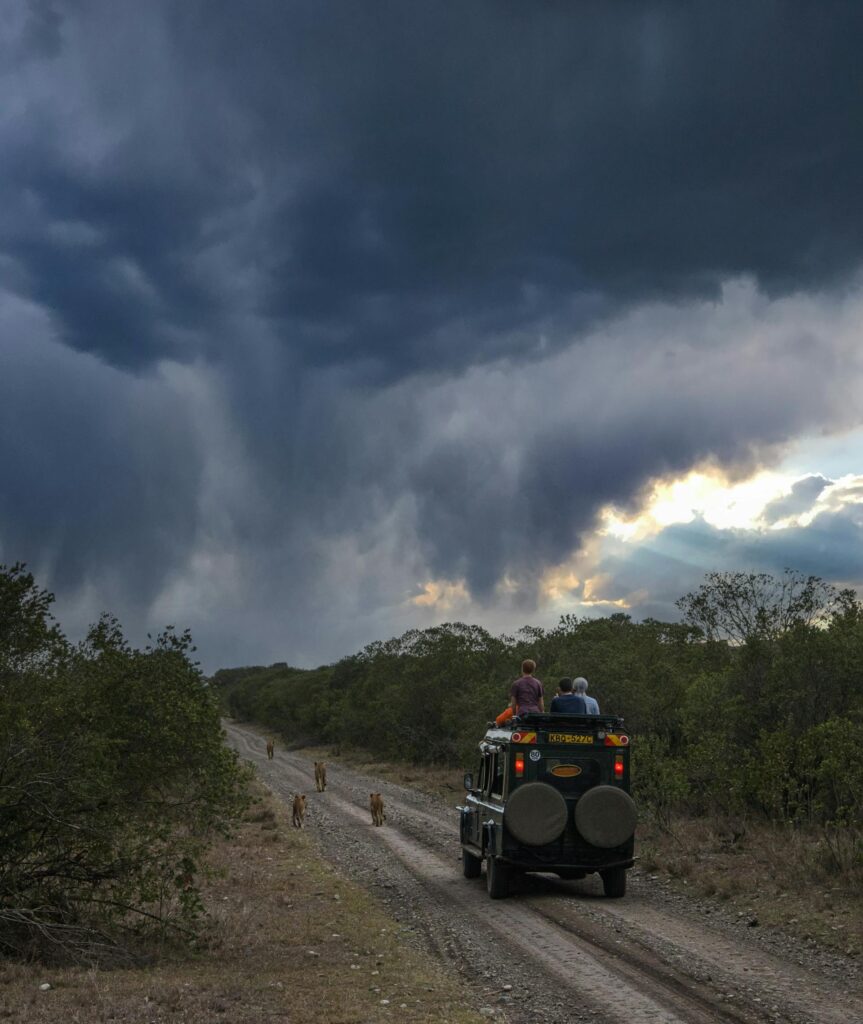
Safari vehicle on Kruger's paved road network

Kruger is the only major African reserve where you can self-drive with complete confidence.

The park contains over 850 kilometers of paved roads and more than 1,500 kilometers of gravel loops, all clearly marked and regularly maintained. Entrance gates are staffed year-round. Petrol stations, rest camps, picnic sites, and emergency services are distributed strategically throughout the reserve. You do not need a guide. You do not need a 4×4. You do not need to book through a tour operator.

This accessibility transforms what a safari can be. Families with young children set their own pace. Photographers return to favourite sighting locations at optimal light. Budget travelers self-cater in rest camp bungalows for less than the cost of a single night in a private concession.

Kruger democratized the African safari. It remains the continent’s most accessible wilderness.

Private Reserves: Safari Without Compromise

Adjacent to Kruger’s unfenced western boundary, a collection of private reserves offers an entirely different safari experience.

Sabi Sands is the most famous. Here, vehicles leave the road, tracking leopards through riverine forest and positioning for photographs that seem almost impossible. Night drives are standard. Walking safaris operate daily. Guides are among Africa’s best—many have spent decades studying individual prides and leopard lineages.

Timbavati, Thornybush, Klaserie, Balule, Manyaleti—each reserve has its own character, its own lodge collection, its own conservation philosophy. What they share is exclusivity. Vehicle densities are strictly limited. Off-road driving reveals animals that would vanish into thicket from tar roads. And the leopard sightings are so consistent that individual animals are known by name, their territories mapped across generations.

For travelers who have already self-driven Kruger, or who seek photography without vehicles competing for angle, the private reserves justify their premium.

Unrivaled Biodiversity

Southern ground hornbill in Kruger

Kruger is not merely a Big Five reserve. It is one of the most biodiverse protected areas on the continent.

Mammals: 147 species, from the 1,600-kilogram elephant to the 5-gram pygmy shrew. Wild dog—Africa’s most endangered carnivore—den throughout the park. Cheetah hunt on the eastern grasslands. Sable and roan antelope persist in the remote north.

Birds: Over 500 species—more than the entire United Kingdom, more than all of North America north of Mexico. Southern ground hornbills stride through the bush like dinosaurs. Pel’s fishing-owl haunts riverine forest. Martial eagles patrol thermals above the N’waswitshaka.

Reptiles, amphibians, trees, insects: Kruger is a complete ecosystem, not a curated collection of charismatic megafauna. The more time you spend here, the more you realize how little you initially saw.

Accommodation for Every Budget

Kruger’s accommodation range is unmatched in African conservation.

Rest camps: SANParks operates 12 main camps, 5 bushveld camps, and 4 satellite camps. Skukuza has a bank, post office, and swimming pool. Lower Sabie overlooks a permanent dam where elephants bathe at all hours. Olifants perches on a cliff with views that rival any private lodge. Basic huts cost less than $50 per night. Self-catering cottages accommodate families. Camping pitches welcome caravans and roof tents.

Private concessions: Inside Kruger’s boundaries, exclusive concessions offer lodge-based safari experiences. Singita, Londolozi, and Royal Malewane operate at the apex of global luxury hospitality. Their rates exceed $2,000 per person per night. Their game viewing, service, and conservation impact justify every cent.

Private reserves: Adjacent to Kruger, properties like Singita Sabi Sand and MalaMala offer the off-road, night-driving advantages of the concession model while drawing from the same wildlife population.

Whether you travel on a backpacker’s budget or seek the continent’s finest lodge experience, Kruger delivers.

Malaria-Free Options

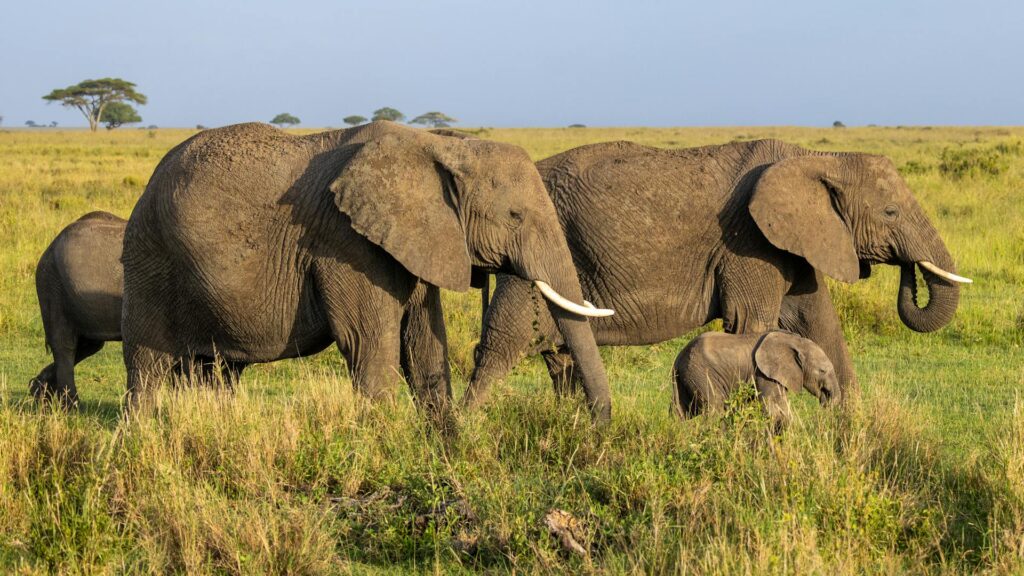
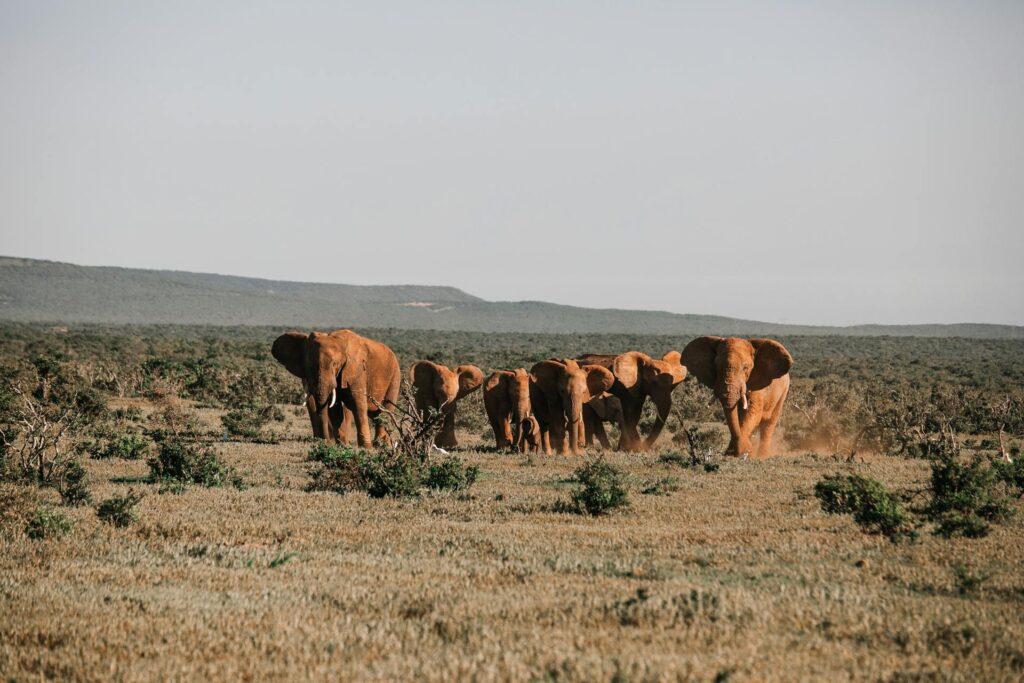
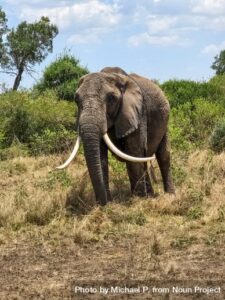
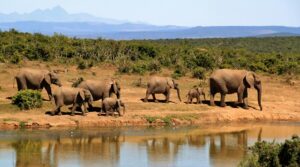
Elephant herd at waterhole, Madikwe

Kruger is located in a malaria-risk area, but safe, accessible alternatives exist for travelers who prefer to avoid prophylaxis.

Southern Kruger: The region south of the Sabie River has lower malaria incidence. Many travelers, particularly those on short visits, choose to take basic precautions without chemoprophylaxis.

Private reserves: Madikwe Game Reserve, a four-hour drive from Johannesburg, offers Big Five viewing in a certified malaria-free zone. While not adjacent to Kruger, it provides an excellent alternative for families with young children, pregnant travelers, or anyone with medical contraindications.

Eastern Cape reserves: Addo Elephant National Park, Shamwari, and Amakhala deliver Big Five safaris without malaria risk. These are easily combined with Garden Route itineraries.

Kruger itself requires vigilance during summer months. But with repellent, long clothing at dawn and dusk, and accommodation that provides mosquito netting, hundreds of thousands of travelers visit safely each year.

Year-Round Destination

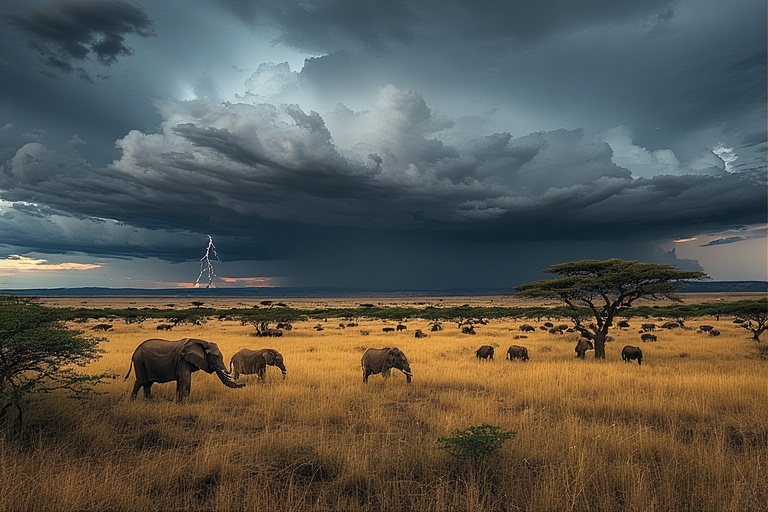
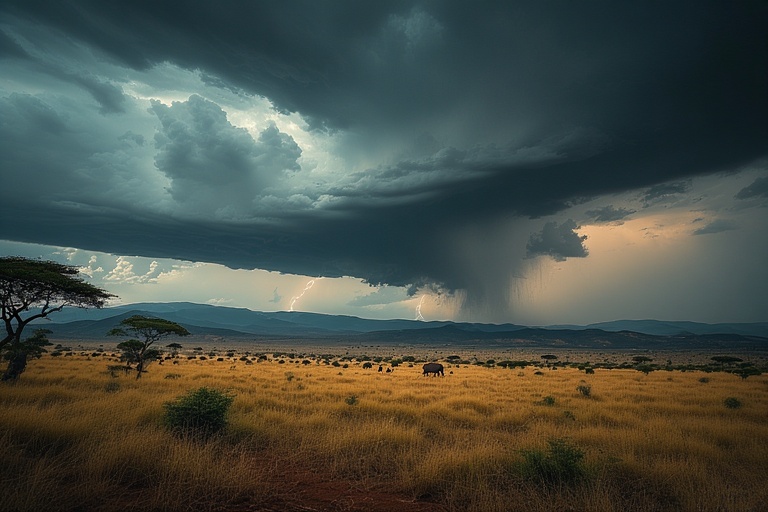
Summer thunderstorm over Kruger

Kruger rewards visitors in every season.

Dry winter (May–October): Prime game viewing. Vegetation thins dramatically. Animals concentrate at remaining water sources. Mornings are cool, even cold—perfect for all-day drives. Skies are cloudless. Visibility exceeds 100 meters into the bush. This is peak season for good reason.

Green summer (November–April): The landscape transforms. Dust settles. Thunderstorms roll across the Lebombo Mountains. Migratory birds arrive from Europe and Asia. Impala drop their young in November and December, attracting predators. Photographers chase dramatic light. Crowds thin after the December holidays. Rates drop significantly.

There is no bad time to visit Kruger. There is only the Kruger you will find, and the Kruger you will return to find again.

Beyond Game Drives

Kruger offers more than vehicle-based wildlife viewing.

Wilderness trails: SANParks operates seven walking trails, each offering three nights of guided backpacking in exclusive-use sections of the park. You carry only your daypack. You sleep in rudimentary huts or permanent tents. You walk with a ranger who reads the bush like a library, showing you the tracks, scat, and subtle signs that game-drive visitors never notice.

Night drives: Bookable from any main camp, night drives reveal Kruger’s crepuscular majority. Civet, genet, springhare, aardwolf, and occasionally pangolin emerge after dark. Spotted hyena patrol the roads. Lions hunt with renewed urgency.

Bird hides: Lake Panic, Sunset Dam, and numerous camp hides offer contemplative wildlife viewing without a vehicle.

Archaeology: Masorini and Thulamela preserve evidence of human occupation stretching back centuries—iron smelting, trade with the Swahili coast, complex societies that thrived alongside the wildlife we now travel to see.

Kruger is not a drive-through zoo. It is a living landscape with a human history as rich as its natural heritage.

Sabi Sands Month-by-Month: Weather, Wildlife & Leopard Sightings

Sabi Sands Private Game Reserve shares the same summer rainfall pattern as neighboring Kruger, but its private concession model and expert guiding create a distinctly different safari experience. The dry winter months (May to October) offer exceptional wildlife viewing with off-road driving that allows you to follow leopards into the thicket. The green summer months (November to April) deliver lush landscapes, newborn wildlife, and the dramatic transformation of the first rains.

Use this calendar to match your travel dates with the experiences that matter most—whether that’s peak leopard viewing, wild dog denning season, or the green season’s photographic opportunities.

All temperatures are daytime highs and nighttime lows. Rainfall is average monthly precipitation in millimeters.

Month
Rain
Min
Max
Season

Featured Destinations

Selected Complementary Destinations

Cape Town

Top Reasons to Visit
Jazz City Vibrant African City

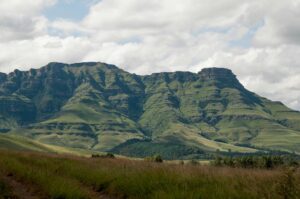
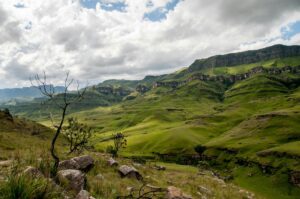
Drakensberg Mountains

Top Reasons to Visit
Small Intimate Park Year-Round Safari

Madikwe Game Reserve

Top Reasons to Visit
Big 5 Wildlife Family Friendly

Pilanesberg National Park

Top Reasons to Visit
Bird Watchers' Paradise Big 5 Wildlife Family Friendly

Tsitsikamma

Top Reasons to Visit
Bird Watchers' Paradise Big 5 Wildlife Year-Round Safari

Plan Your Journey to Sabi Sands

Ready to explore? Our travel specialists are here to help craft your dream itinerary.

Chat on WhatsApp
Created by icon tripfrom the Noun Project Created by Amethyst Studiofrom the Noun Project Created by Amethyst Studiofrom the Noun Project Created by Amethyst Studiofrom the Noun Project