Why Gombe Is the Most Legendary Chimpanzee Destination on Earth
Gombe Stream National Park is one of Africa’s most legendary wildlife destinations—a tiny strip of forest along the shores of Lake Tanganyika that changed our understanding of what it means to be human . This is where Dr. Jane Goodall began her groundbreaking research on wild chimpanzees in 1960, fundamentally altering our relationship with our closest living relatives .
At just 35 square kilometers, Gombe is Tanzania’s smallest national park, but its impact has been immeasurable. The park protects an estimated 100-120 chimpanzees, including several habituated groups descended from the very individuals Jane Goodall first studied . Walking through the same valleys where Goodall walked, watching chimpanzees whose ancestors she knew by name, is a pilgrimage for anyone interested in primatology, conservation, or the human story .
Here is why Gombe deserves a place on every safari traveler’s bucket list.
Jane Goodall's Gombe: Where It All Began
In 1960, a young woman with no formal scientific training arrived at Gombe to study chimpanzees. Jane Goodall’s discoveries—that chimpanzees use tools, that they have complex social lives, that they can be violent and loving—revolutionized science and changed forever how humanity sees itself .
Walking through Gombe is like walking through history. The very valleys where Goodall made her groundbreaking observations remain largely unchanged. The chimpanzee communities she first encountered—the Kasakela and Mitumba groups—still range through these forests, their descendants living much as their ancestors did six decades ago .
A visit to Gombe is a pilgrimage. You can stand on the peak where Goodall spent hours watching ‘her’ chimpanzees, walk the trails she walked, and feel the same sense of wonder that drove her life’s work. The park’s small museum, operated by the Jane Goodall Institute, displays photographs and artifacts from the early research days .
Intimate Chimpanzee Encounters
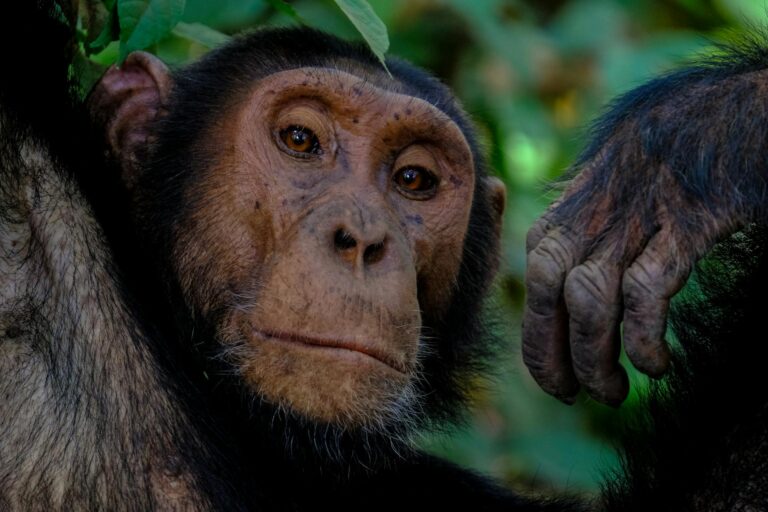
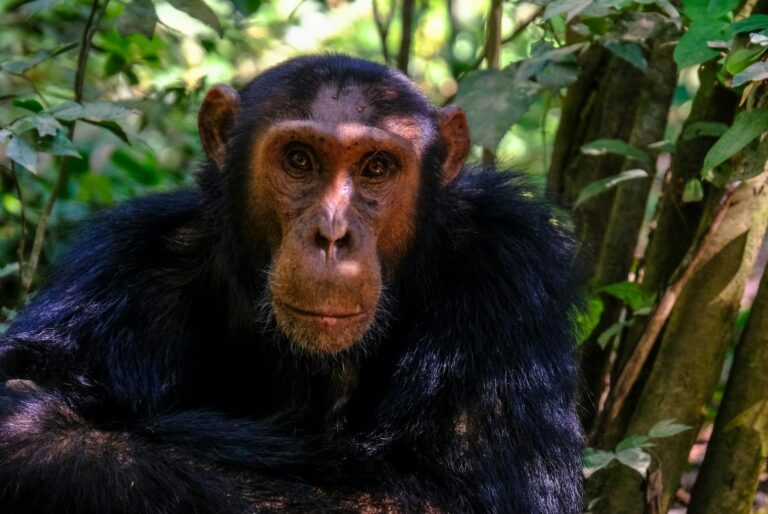
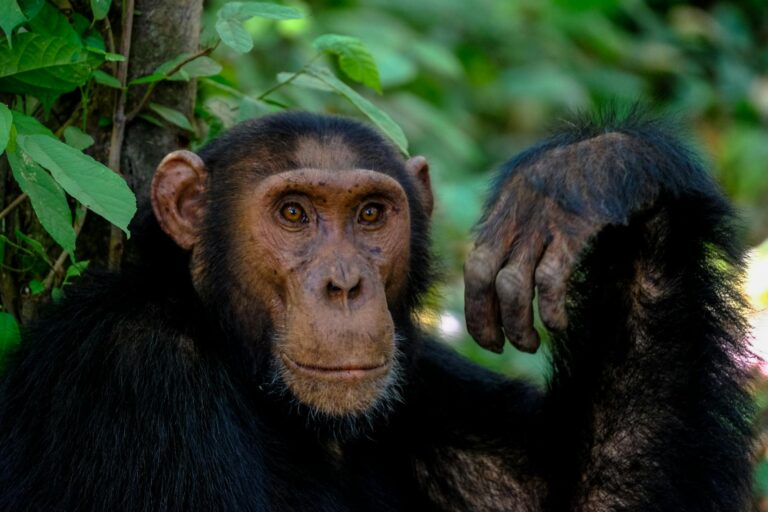
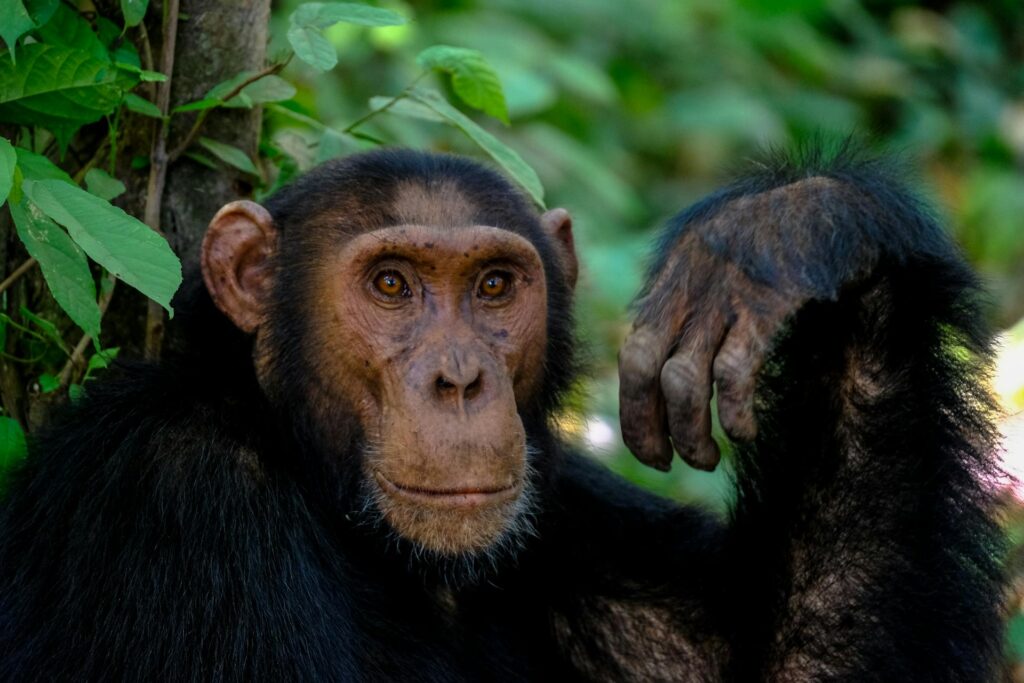
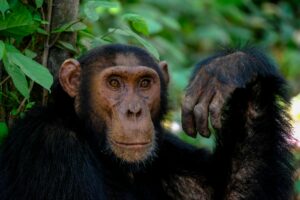
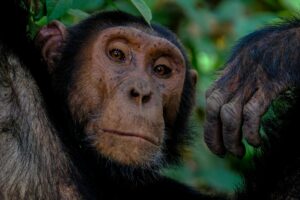
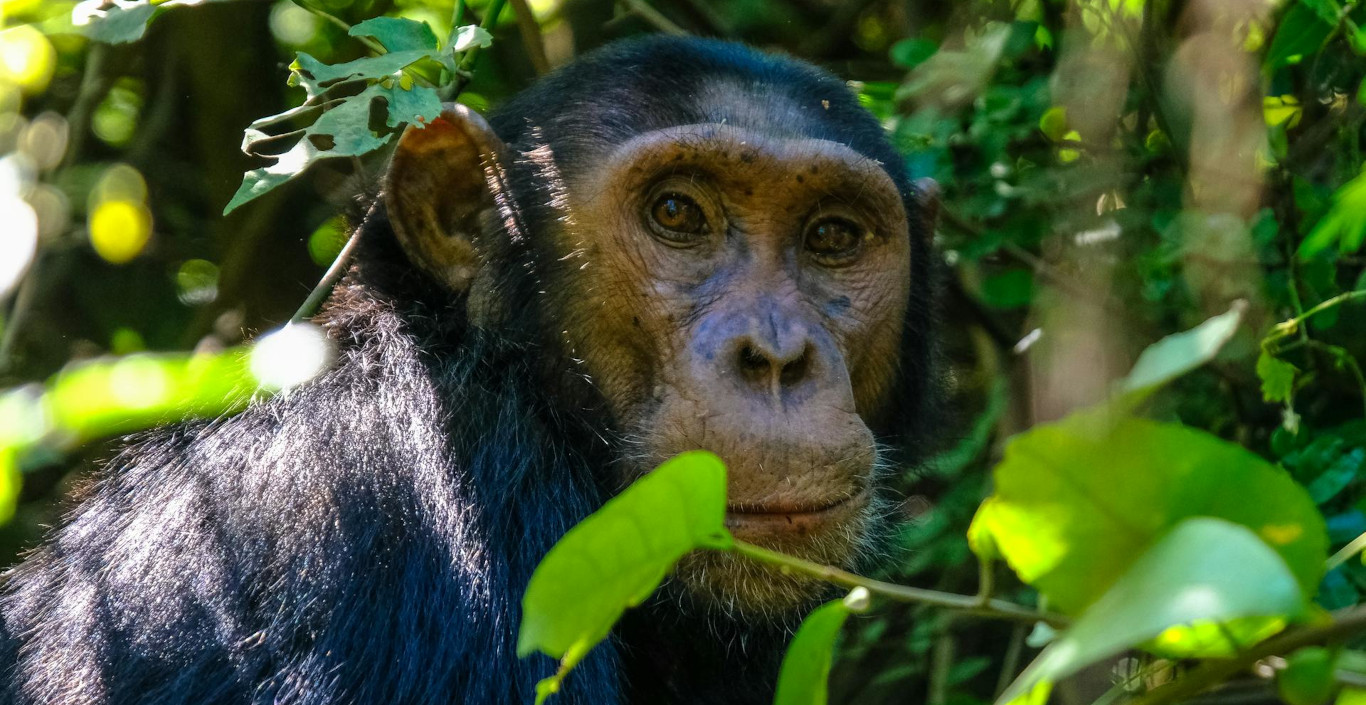
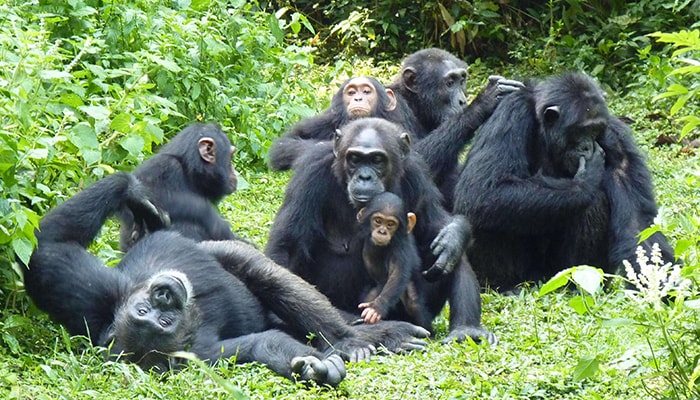
Gombe offers one of the most intimate chimpanzee trekking experiences in Africa. Because the park is so small—just 35 square kilometers—and the chimpanzees are habituated, sightings are often remarkably close and personal . You might spend an hour watching a family group groom each other, play, or rest in the afternoon heat .
The chimpanzees here are wild, but they’ve grown accustomed to human presence over decades of research. They go about their daily lives—feeding, socializing, raising young—as if you weren’t there. Watching a mother tenderly groom her infant, seeing young chimps tumble in play, or witnessing the intense bonds between adult males is profoundly moving .
The park’s small size means you can combine chimpanzee trekking with other activities—swimming in Lake Tanganyika, hiking to waterfalls, or simply relaxing on the beach. Each day offers a perfect balance of adventure and tranquility .
Kakombe Valley: The Heart of Gombe
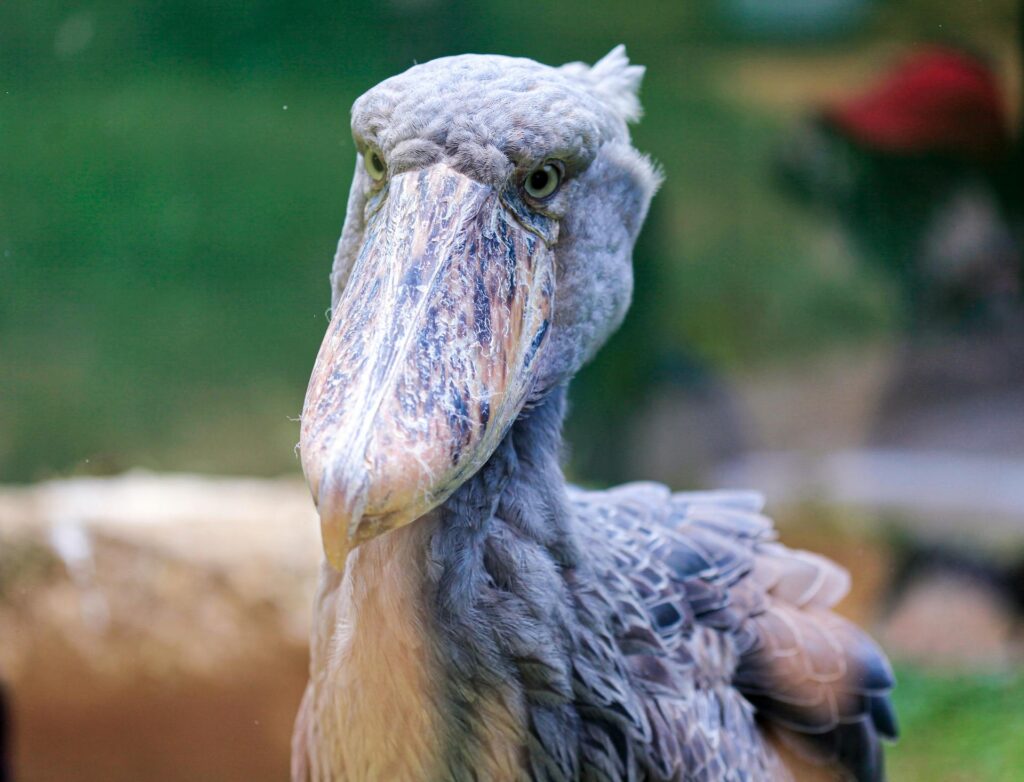
Kakombe Valley is the heart of Gombe Stream National Park—the steep, forested valley where Jane Goodall conducted much of her early research . A network of trails winds through this valley, climbing past streams and waterfalls to viewpoints overlooking Lake Tanganyika .
This is where you’re most likely to encounter chimpanzees. The valley’s dense forest is crisscrossed with game trails, and your guide will lead you through it, following the sounds of chimpanzee calls and the reports of trackers who monitor the groups daily. The hike can be steep and challenging, but the forest itself is a wonder .
The valley is also home to other primates—red-tailed monkeys, blue monkeys, and the striking black-and-white colobus. The birdlife is rich, with species like the crowned eagle, trumpeter hornbill, and Ross’s turaco calling through the canopy .
Lake Tanganyika: Swimming with Primates
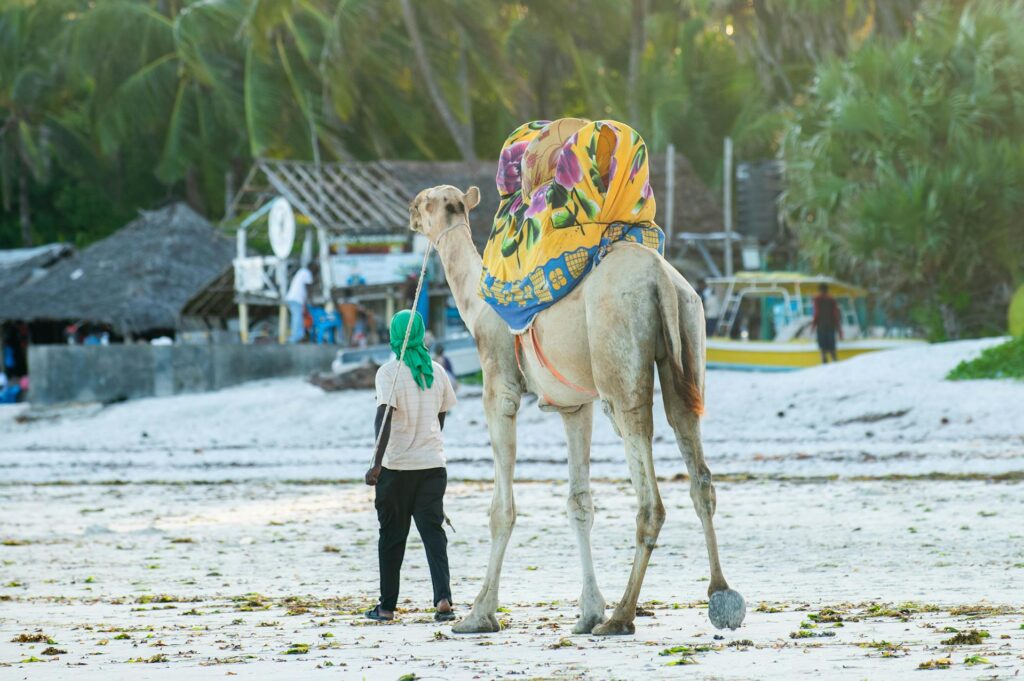
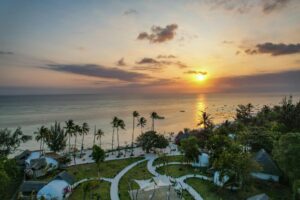
Gombe’s setting on Lake Tanganyika is part of its magic. After a morning trekking through humid forest, you can cool off in the crystal-clear waters of Africa’s deepest lake . The lake is warm year-round, and the swimming is sublime—especially from the small beach at the park headquarters .
The lake’s clarity is extraordinary. Snorkeling reveals cichlid fish in a rainbow of colors, most found nowhere else on earth. Kayaking allows you to explore the shoreline, discovering hidden coves and quiet beaches. From the water, Gombe’s steep, forested slopes rise dramatically—a beautiful perspective .
Some lodges offer sunset dhow cruises, where you can drift on the lake, drink in hand, watching the sun sink behind the mountains of the Democratic Republic of Congo on the opposite shore .
Other Primates: A Troop of Species
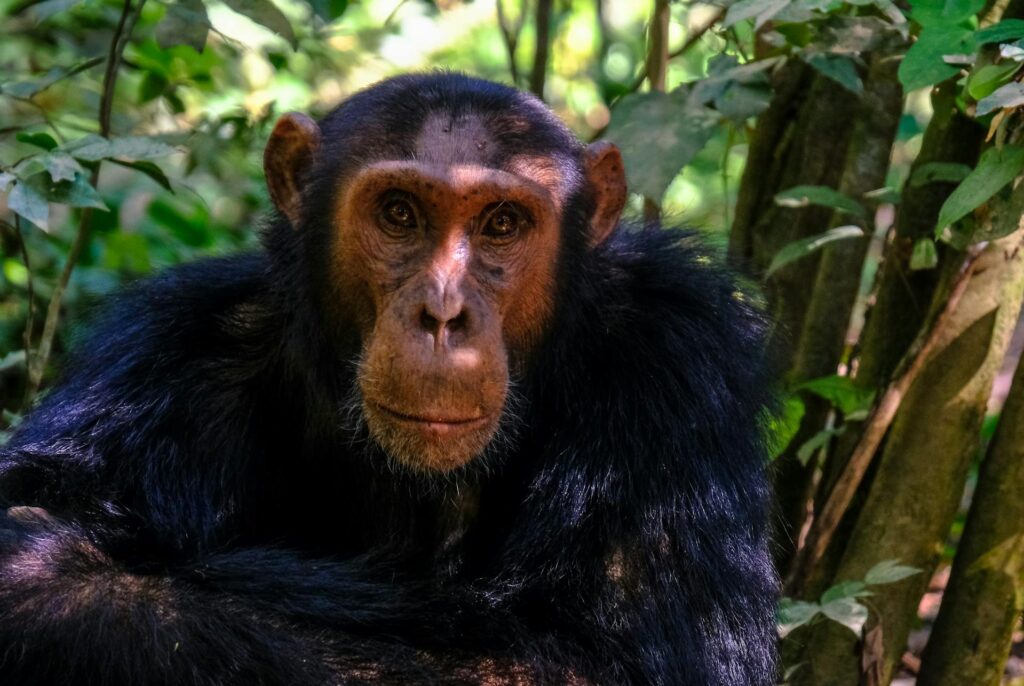
Gombe’s forests are home to an impressive diversity of primates—seven species in total . Besides chimpanzees, you’ll regularly encounter troops of red-tailed monkeys, blue monkeys, and the beautiful black-and-white colobus, whose flowing white mantles and acrobatic leaps are unforgettable .
Yellow baboons are common along the lake shore, often seen foraging in large troops. Olive baboons inhabit the higher forests. Vervet monkeys move through the woodland edges. At night, bushbabies and pottos emerge, their large eyes reflecting in torchlight .
This primate diversity makes Gombe fascinating even when chimpanzees are elusive. Watching the interactions between different species—how they share or compete for resources—adds depth to your understanding of the forest ecosystem .
Walking Trails: Beyond the Chimpanzees
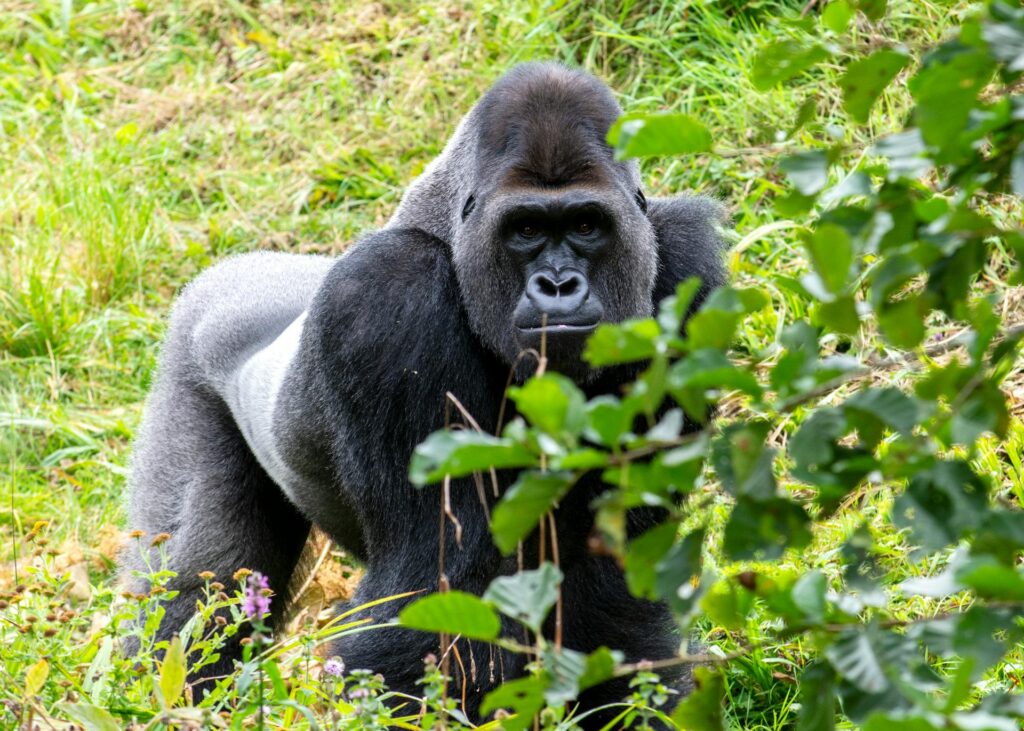
Gombe’s network of walking trails extends beyond the chimpanzee trekking routes, offering opportunities to explore the park’s diverse habitats . Trails lead to waterfalls, viewpoints, and quiet beaches, each offering a different perspective on this compact wilderness .
A hike to Kakombe Waterfall is a rewarding excursion—a series of cascades tumbling through the forest, with pools perfect for a refreshing dip. The trail climbs through beautiful forest, with chances to see monkeys, birds, and butterflies along the way .
For spectacular views, hike to one of the park’s viewpoints—Peak, Linda, or Mkenke. From these high points, you can see Lake Tanganyika stretching to the horizon, the mountains of Congo beyond, and the forested valleys of Gombe spreading below. The effort is well rewarded .