Katavi National Park – Safari Continents Travel

Katavi National Park

Katavi National Park

  • Best Time to Visit: June – October for dry-season wildlife concentrations.
  • Entry Fees: USD 30 per adult per day (approx.).
  • Country:

Why Katavi Is Africa's Last True Wilderness

Katavi National Park is Tanzania’s third-largest national park and one of Africa’s most remote and untouched wilderness areas . Located in the far west of Tanzania, within the rift valley arm that contains Lake Tanganyika and Lake Rukwa, Katavi receives fewer visitors than almost any other major African park . For those seeking absolute solitude and raw, untamed Africa, there is no place quite like it.

The park is famous for its immense buffalo herds—sometimes numbering over 1,000 individuals—and its vast floodplains that attract staggering concentrations of wildlife during the dry season . The Katuma River and seasonal lakes (Lake Katavi and Lake Chada) become the focal points of activity when water is scarce elsewhere, creating scenes that recall Africa as it was a century ago.

Here is why Katavi deserves a place on every serious safari traveler’s bucket list.

Absolute Solitude: Africa's Least-Visited Park
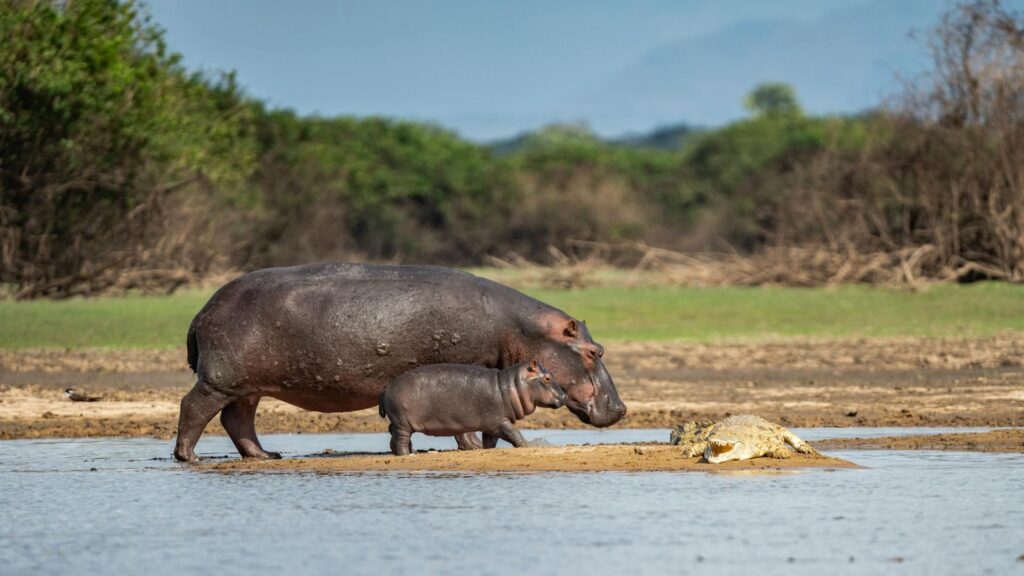
Katavi landscape

Katavi National Park receives fewer visitors than almost any other major African park . In the dry season, you might share the park with only a handful of other travelers—sometimes none at all. You can spend an entire day on the floodplains, watching thousands of animals, without seeing another vehicle. This is safari as it used to be, as it should be .

The park’s remote location in far western Tanzania, far from the well-trodden northern circuit, keeps visitor numbers low. There are only a handful of camps, with limited beds, and getting here requires effort—a flight from Arusha or Dar es Salaam, then a transfer to your camp . This exclusivity is part of Katavi’s magic. You’re not just visiting a park; you’re embarking on an expedition.

For travelers who have experienced the crowds of the Serengeti or Masai Mara and crave something deeper, Katavi delivers. It’s the Tanzania that exists only in stories—wild, quiet, and utterly yours.

The Buffalo Herds: Africa's Greatest Concentration
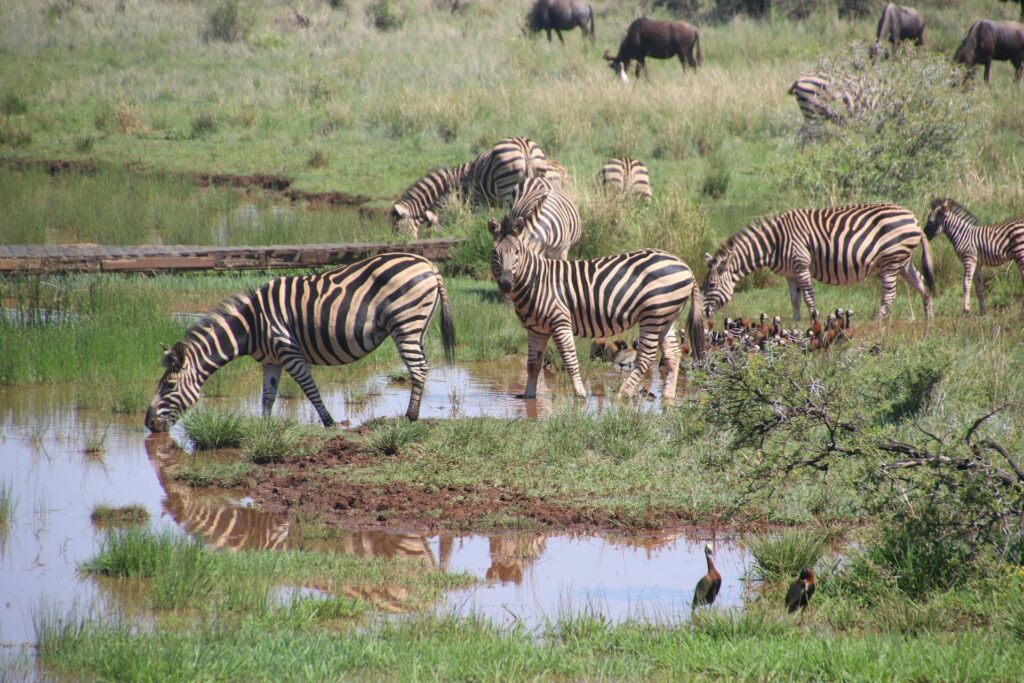
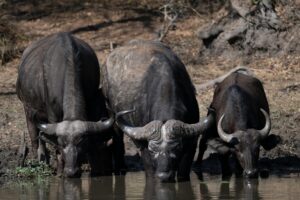
Buffalo herd

Katavi is famous for its immense buffalo herds. During the dry season, as water sources shrink, buffalo gather along the Katuma River and around the shrinking lakes in numbers that are staggering to behold. Herds of 500, 800, even over 1,000 individuals are not uncommon .

Watching a thousand buffalo move across the floodplains, kicking up dust, their massive horns catching the light, is one of Africa’s great wildlife spectacles. The herds attract predators—lions follow them, prides specializing in hunting these formidable prey. The interaction between the massive herds and their predators adds drama to every day .

The buffalo are so numerous that they shape the landscape, grazing the plains short and creating conditions that attract other grazers. They are the heart of Katavi’s dry season drama.

Hippo Pools: The Highest Density in Africa
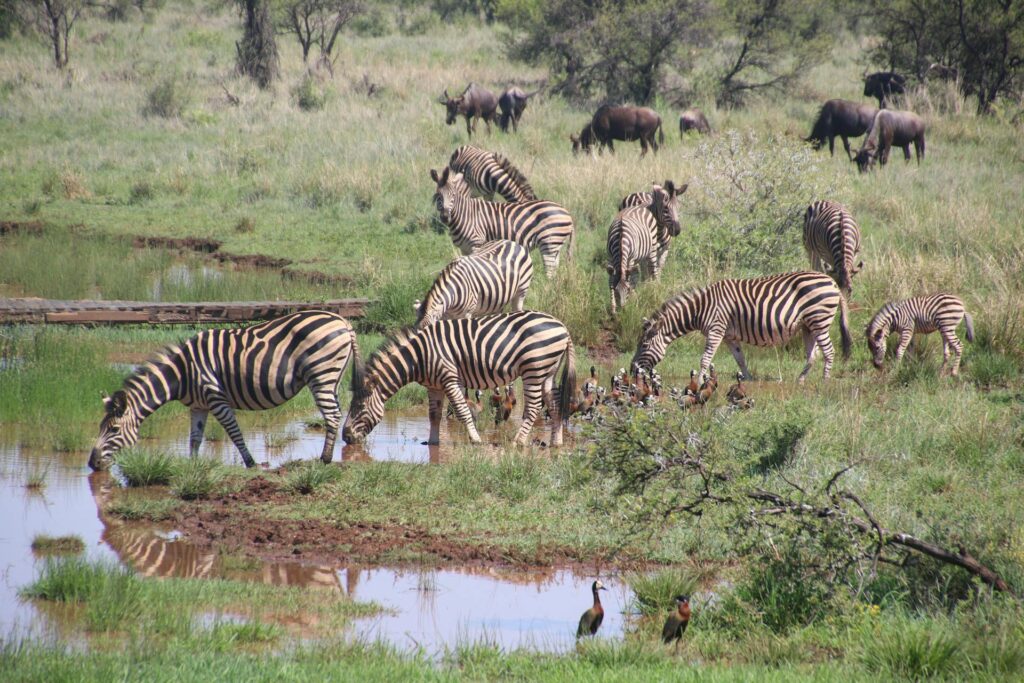
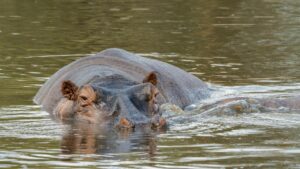
Hippo pool

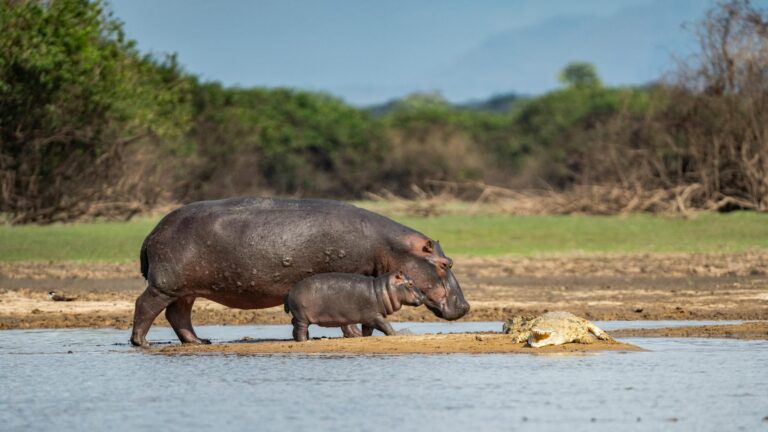
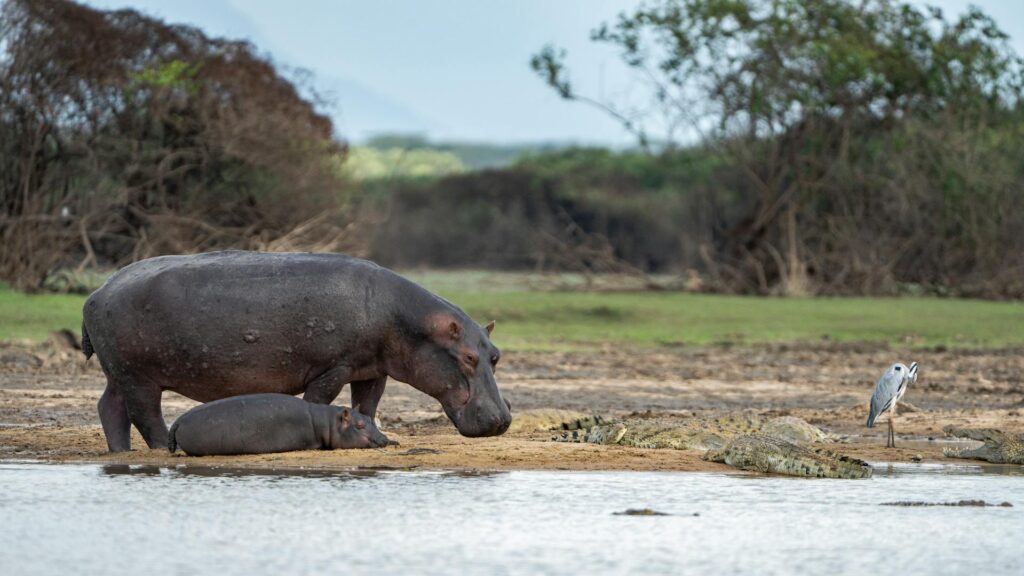
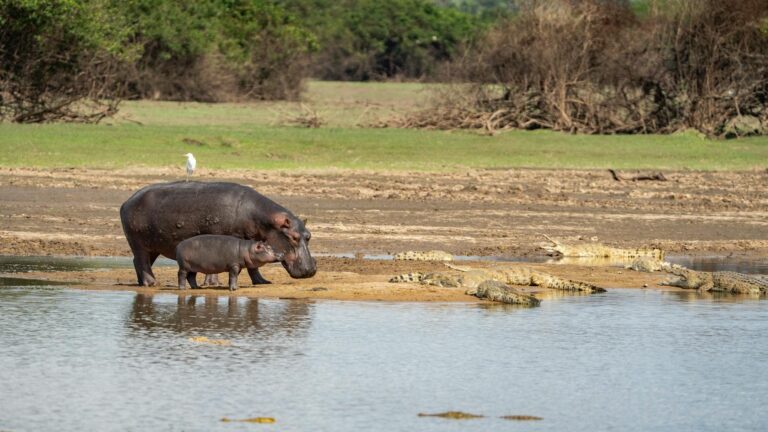
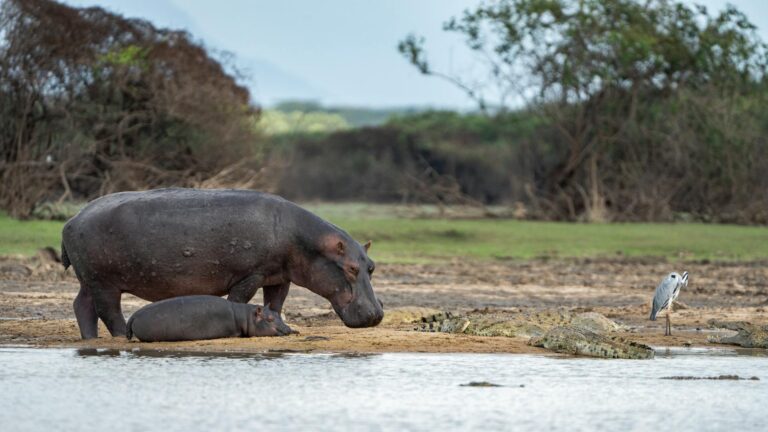
Katavi’s hippo population is legendary. During the dry season, as the Katuma River shrinks to a series of pools, hippos crowd into the remaining water in densities that are probably the highest in Africa . In a single pool, you might see 200 or more hippos, packed so tightly that there’s barely room to move—grunting, jostling, occasionally fighting.

The spectacle is extraordinary. The pools seethe with life. Hippos yawn, displaying their formidable tusks. Dominant males bellow challenges. Mothers guard their calves. The banks are worn bare by their movements. At night, they emerge to graze, their paths forming a network of trails through the bush .

These hippo concentrations also attract crocodiles, which lurk in the same pools, and predators that wait for animals coming to drink. The drama around the hippo pools is one of Katavi’s defining experiences.

The Katuma River: Lifeblood of the Park
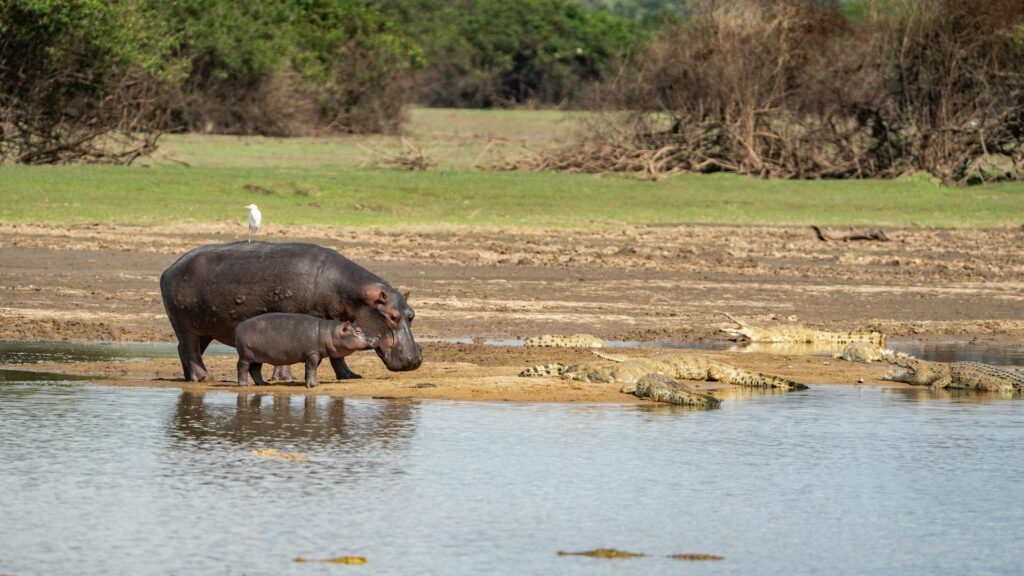
Katuma River

The Katuma River is the lifeblood of Katavi National Park. During the dry season, this seasonal river shrinks to a series of pools that become the focus of all life in the park. The river’s course through the floodplains creates a green corridor that attracts wildlife from miles around .

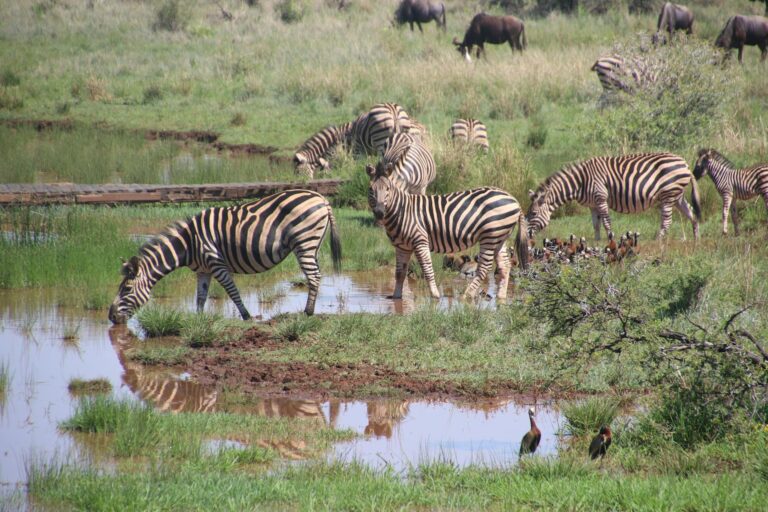
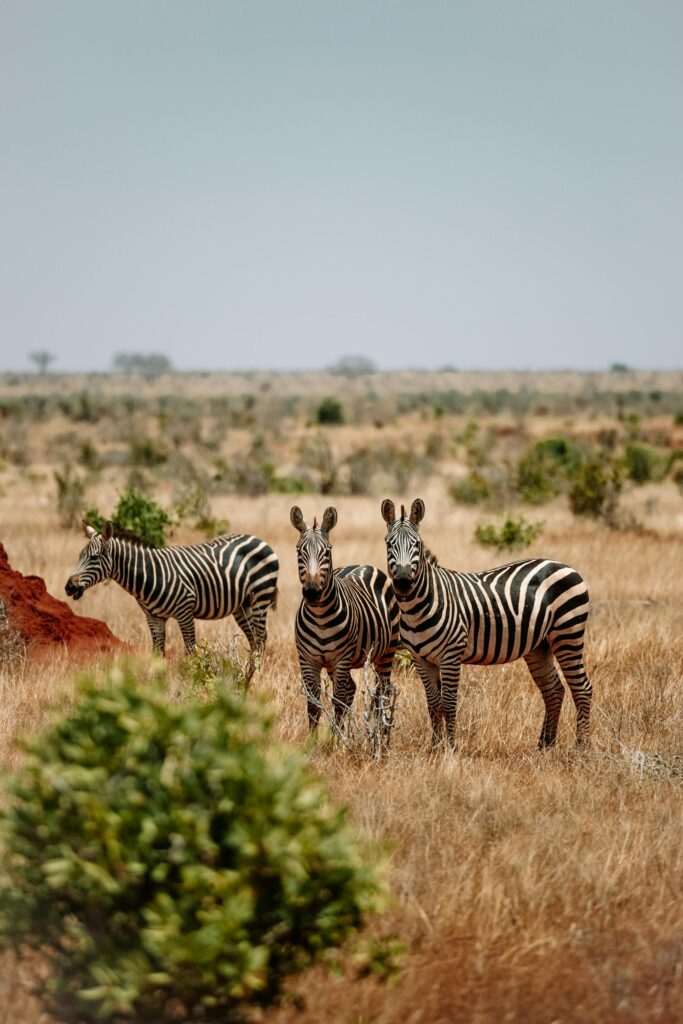
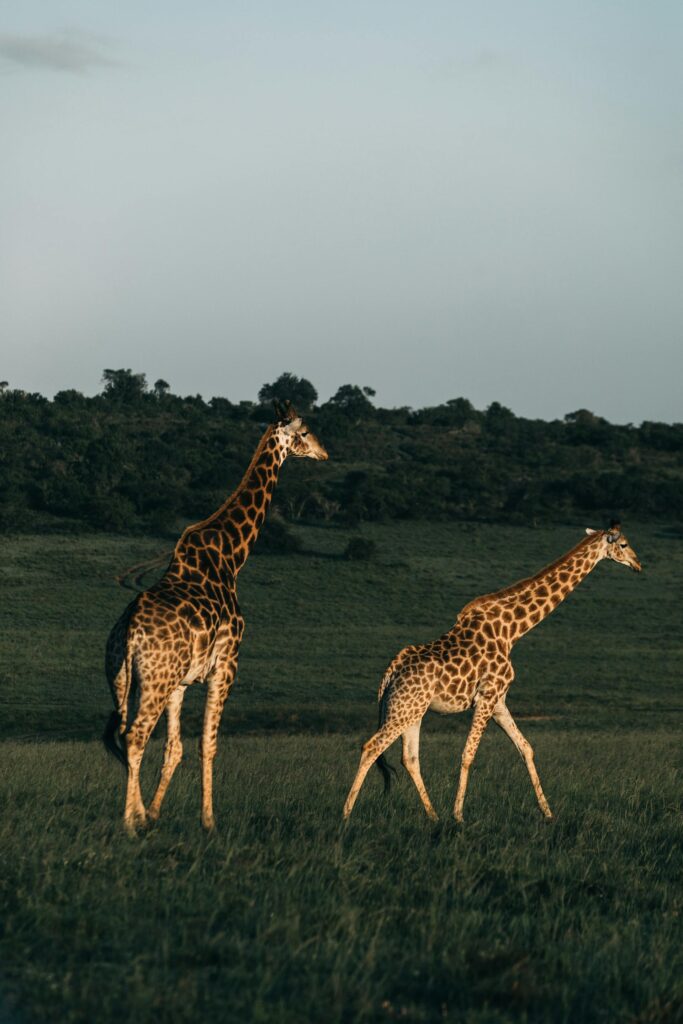
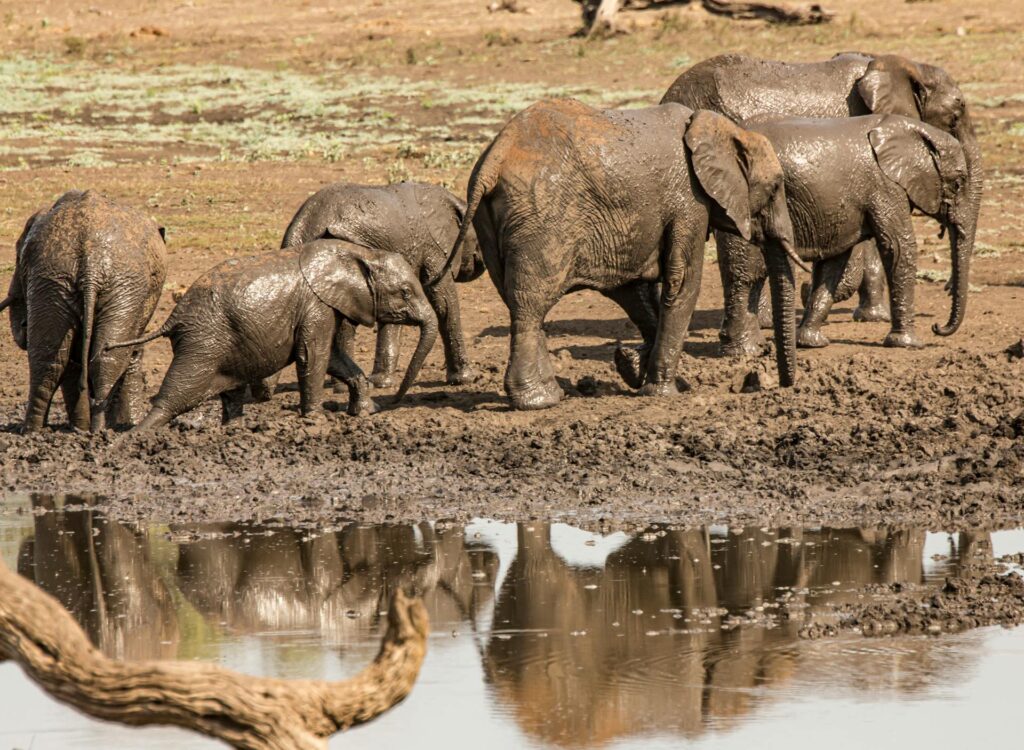
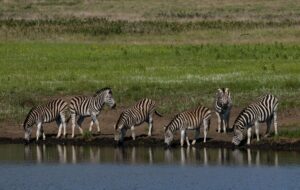
As the dry season progresses, the pools shrink, concentrating wildlife in ever-denser aggregations. Elephants, buffalo, giraffe, zebra, topi—all must drink, and all must share these shrinking water sources. The riverbanks become a stage for constant drama: predators hunting, prey drinking warily, the strong asserting dominance over the weak .

The Katuma’s floodplains, when the river is high, are also beautiful—vast grasslands dotted with borassus palms, stretching to the horizon. The combination of wildlife, water, and palm-studded plains creates landscapes of extraordinary beauty.

Fly-Camping: The Ultimate Wilderness Experience

Fly-camping

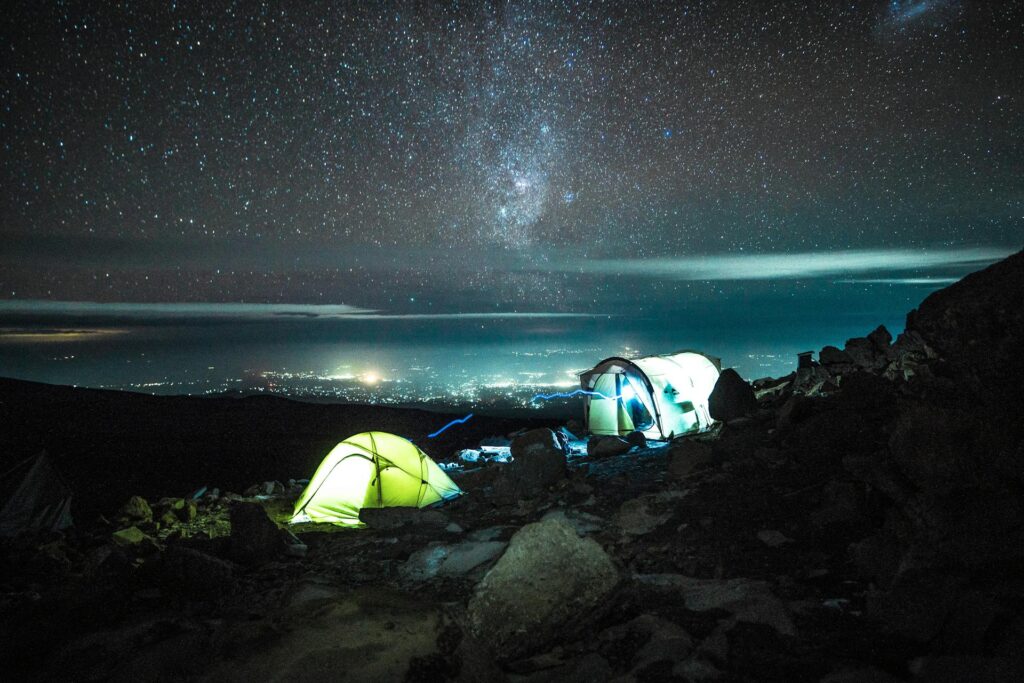
Katavi is one of the few places in Tanzania where you can experience fly-camping—overnight expeditions into the bush, carrying only what you need, sleeping under the stars . This is the ultimate wilderness experience, a chance to connect with Africa in its most primal form.

Accompanied by an armed ranger and expert guide, you’ll walk through the bush, learning to read tracks, identify plants, and understand the landscape. As dusk falls, you’ll set up a simple camp—just fly sheets and bedrolls, no tents, no barriers between you and the wild. You’ll fall asleep to the sounds of the bush: the grunt of hippos, the whoop of hyenas, the distant roar of a lion .

Fly-camping in Katavi is not for everyone. It requires fitness, courage, and a willingness to be vulnerable. But for those who embrace it, the experience is transformative—a night spent in the heart of wild Africa, under a sky full of stars, with nothing between you and the wilderness.

Lake Katavi & Lake Chada: Seasonal Wetlands
Lake Katavi

Lake Katavi and Lake Chada are seasonal lakes that fill during the rains and shrink during the dry season, creating ever-changing landscapes that attract wildlife in staggering numbers . During the dry season, their receding edges are lined with animals—buffalo, zebra, topi, elephants—all coming to drink and graze on the fresh grass exposed by the retreating waters.

The lakes are also important for birdlife. When they hold water, they attract pelicans, storks, herons, and countless waterbirds. The surrounding woodlands are home to species like the southern ground hornbill, Böhm’s bee-eater, and numerous raptors.

As the lakes shrink, the concentration of wildlife becomes almost unbelievable. Herds stretch across the plains. Predators patrol the edges. The air is filled with the sounds of animals. These lakes are the heart of Katavi’s dry season spectacle.
Exploring Katavi: From the Katuma River to the Chada Floodplains

The Katuma River & Floodplains: Wildlife Heartland

The Katuma River is the heart of Katavi National Park. During the dry season, this seasonal river shrinks to a series of pools that become the focus of all life in the park. The river’s course through the floodplains creates a green corridor that attracts wildlife from miles around .

As the dry season progresses, the pools shrink, concentrating wildlife in ever-denser aggregations. The riverbanks become a stage for constant drama: predators hunting, prey drinking warily, the strong asserting dominance over the weak . Buffalo herds numbering in the hundreds gather along the river. Hippos crowd into the pools in densities unmatched anywhere in Africa. Elephants, giraffe, zebra, topi—all must drink, and all must share these shrinking water sources.

The floodplains themselves are vast grasslands dotted with borassus palms, stretching to the horizon. Game drives along the river and across the floodplains are the essential Katavi experience.

Lake Katavi & Lake Chada: Seasonal Spectacles

Lake Katavi and Lake Chada are seasonal lakes that fill during the rains and shrink during the dry season, creating ever-changing landscapes that attract wildlife in staggering numbers . During the dry season, their receding edges are lined with animals—buffalo, zebra, topi, elephants—all coming to drink and graze on the fresh grass exposed by the retreating waters.

Lake Katavi, the larger of the two, is particularly spectacular. Its floodplains stretch for miles, dotted with borassus palms and termite mounds. When the water is high, it attracts vast numbers of waterbirds—pelicans, storks, herons. When it shrinks, the concentration of wildlife becomes almost unbelievable.

Lake Chada, smaller but equally dramatic, is known for its elephant populations. Herds gather along its shores, and the area is also good for predators that hunt the animals coming to drink.

The Chada Floodplains: Vast Open Spaces

The Chada Floodplains, around Lake Chada and extending south toward the Katuma River, are among the most beautiful and wildlife-rich areas of Katavi . These vast open grasslands, dotted with borassus palms and termite mounds, provide ideal grazing for the park’s immense buffalo herds and other herbivores.

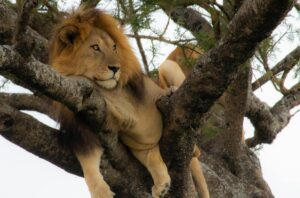
The floodplains are excellent for predator sightings. Lions use the termite mounds as vantage points. Cheetahs hunt across the open grass. The visibility is excellent, making this one of the best areas for game viewing. The light here, especially in the late afternoon, is spectacular—the palms are silhouetted against golden skies, and the animals are bathed in warm light.

The Chada Floodplains are also where many of Katavi’s walking safaris take place, offering intimate encounters with the landscape and its wildlife.

The Katuma Cataracts: Dramatic Rapids

The Katuma Cataracts, where the river tumbles over a series of rock steps, are one of Katavi’s most scenic spots. During the dry season, when the river is low, the cataracts create a series of pools and rapids that are beautiful to behold. The rock formations are dramatic, and the area has a wild, untamed feel .

The cataracts are also a good spot for wildlife, as animals come to drink in the pools. Hippos are often present, and the surrounding woodlands hold antelope and predators. The area is less visited than the main floodplains, offering a sense of solitude.

A picnic at the cataracts, listening to the sound of water and watching the light play on the rocks, is a memorable Katavi experience.

The Miombo Woodlands: Kudu & Sable Country

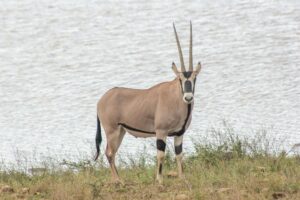
Away from the rivers and floodplains, Katavi’s miombo woodlands cover vast areas . These woodlands of Brachystegia trees create a different atmosphere: open, dappled, mysterious. They’re home to species less common on the floodplains, including roan and sable antelope, greater kudu, and eland.

The miombo is also excellent for birding, with species found nowhere else in the park. Miombo specialists like Böhm’s bee-eater, miombo pied barbet, and rufous-bellied tit are all present. The woodlands are prime walking safari territory—walking through miombo, with its open understory and dappled light, feels ancient and wild.

The miombo areas are less visited than the floodplains, offering a different perspective on Katavi’s wildlife and landscapes.

The Iumba Hills: Elevated Perspectives

The Iumba Hills, in the eastern part of the park, rise from the plains and offer stunning elevated views across the Katavi landscape . These rocky hills are home to klipspringers, rock hyraxes, and birds of prey. The hills are also excellent for walking safaris, with trails that climb to viewpoints overlooking the floodplains and lakes.

From the hills, you can appreciate the true scale of Katavi—the vastness of the floodplains, the snaking course of the Katuma River, the distant lakes. The perspective from above is humbling and beautiful.

The Iumba Hills are less visited than the main game viewing areas, offering solitude and a different kind of beauty. A hike to the top at sunrise or sunset is unforgettable.

Katavi Month-by-Month: Buffalo Herds, Floodplains & When to Visit

Katavi National Park is Tanzania’s third-largest national park and one of Africa’s most remote and untouched wilderness areas . Located in the far west of Tanzania, within the rift valley arm that contains Lake Tanganyika and Lake Rukwa, Katavi receives fewer visitors than almost any other major African park . It’s a true wilderness for those who seek absolute solitude and raw, untamed Africa .

The park is famous for its immense buffalo herds—sometimes numbering over 1,000 individuals—and its vast floodplains that attract staggering concentrations of wildlife during the dry season . The Katuma River and seasonal lakes (Lake Katavi and Lake Chada) become the focal points of activity when water is scarce elsewhere .

All temperatures are daytime highs and nighttime lows. Rainfall is average monthly precipitation in millimeters.

Month
Rain
Min
Max
Season

Featured Destinations

Selected Complementary Destinations

Ruaha National Park

Top Reasons to Visit
Bird Watchers' Paradise Big 5 Wildlife

Mikumi National Park

Top Reasons to Visit
Bird Watchers' Paradise Escorted Bush Walks Big 5 Wildlife

Plan Your Journey to Katavi National Park

Ready to explore? Our travel specialists are here to help craft your dream itinerary.

Chat on WhatsApp
Created by icon tripfrom the Noun Project Created by Amethyst Studiofrom the Noun Project Created by Amethyst Studiofrom the Noun Project Created by Amethyst Studiofrom the Noun Project