Why Mahale Is Africa's Most Magical Chimpanzee Trekking Destination
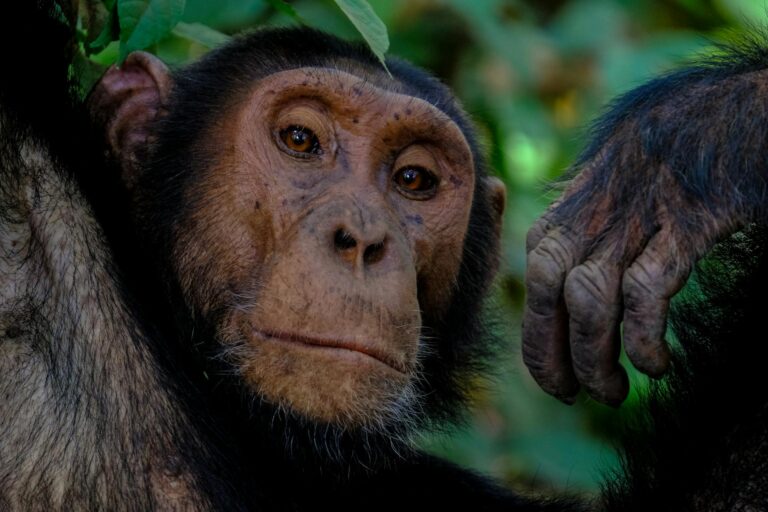
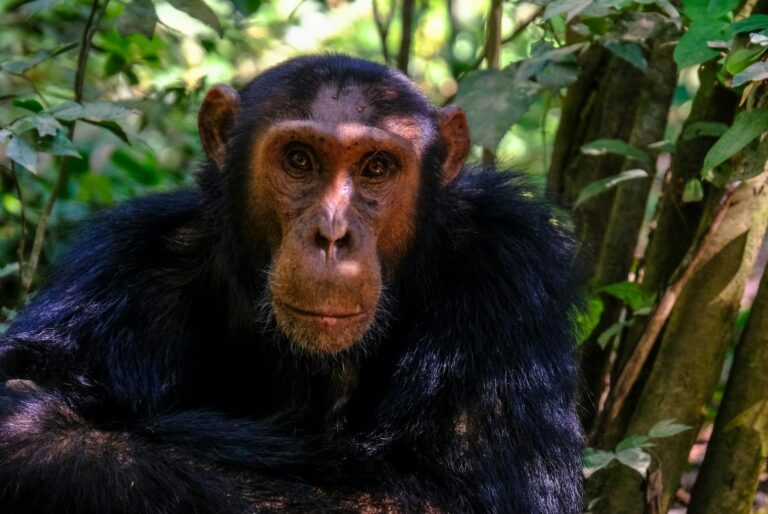
Mahale Mountains National Park is one of Africa’s most remote and magical wilderness areas, nestled on the shores of Lake Tanganyika in western Tanzania . This UNESCO World Heritage Site is famous for its wild chimpanzee population—over 900 individuals, including several habituated groups that allow visitors to spend magical hours watching them in their natural habitat .
But Mahale is more than just chimpanzees. It’s one of the few places on earth where you can trek through ancient forests in the morning, tracking our closest relatives, and swim in the crystal-clear waters of Africa’s deepest lake in the afternoon . The park’s dramatic setting, where lush green mountains plunge into the lake, creates a landscape of breathtaking beauty . Here, you can experience two completely different worlds—forest and lake—in a single day .
Here is why Mahale deserves a place on every serious safari traveler’s bucket list.
Wild Chimpanzees: Our Closest Relatives
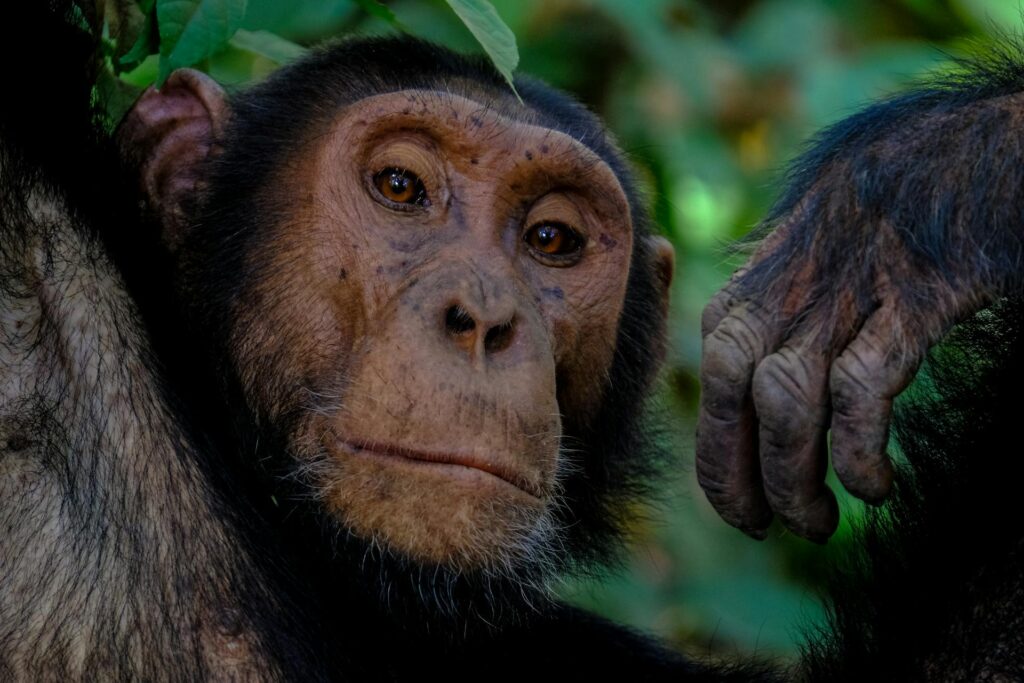
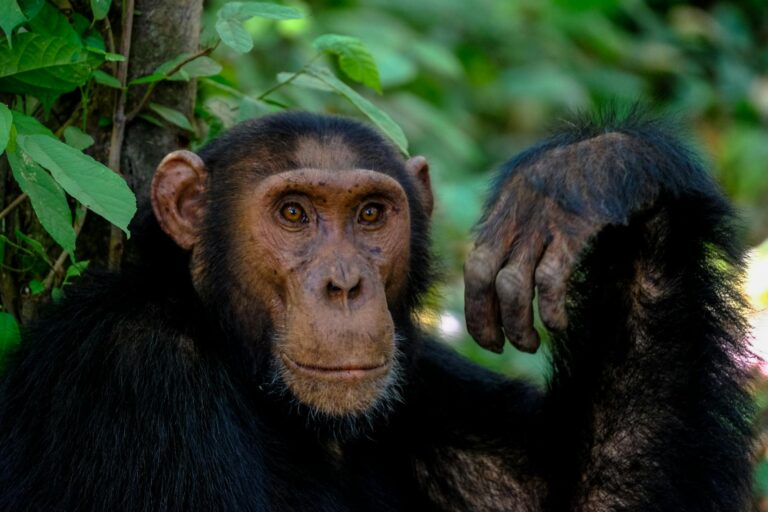
Mahale is home to an estimated 900+ chimpanzees, one of the largest populations in Africa . Several groups have been habituated to human presence through decades of research, allowing visitors to spend unforgettable hours watching them in their natural habitat . Unlike zoo or sanctuary experiences, these are truly wild animals, living exactly as they have for millennia .
Tracking chimpanzees through the forest is a profound experience. You might find a group feeding in a fig tree, mothers grooming their infants, or young chimps playfully wrestling. The guides and trackers, many with decades of experience, know individual chimpanzees by name and can interpret their behaviors, calls, and social dynamics .
The Mahale chimpanzees gained international fame through the work of primatologist Toshisada Nishida, who established a research project here in 1965 . Today, visitors can follow in the footsteps of scientists, experiencing the same forest where chimpanzee behavior has been studied for over half a century .
Lake Tanganyika: Africa's Deepest Lake
Lake Tanganyika is one of Africa’s Great Lakes and its deepest—plunging to 1,470 meters, it’s the second-deepest lake in the world . Its crystal-clear waters, warm year-round, offer a stunning contrast to the forested mountains . After a morning trekking through humid forest, swimming in the lake is pure bliss .
The lake’s biodiversity is extraordinary. Over 250 species of cichlid fish are found here, most endemic to this single lake . Snorkeling along the rocky shores reveals a world of color—fish of every hue darting among the rocks. The lake is also home to freshwater jellyfish, a rare phenomenon .
Exploring the lake by kayak or traditional dhow offers a different perspective. Paddle along the shoreline, discover secluded beaches, and watch the sunset over the water from your lodge’s deck. The combination of forest trekking and lake relaxation makes Mahale uniquely rewarding.
Trekking Through Ancient Forest
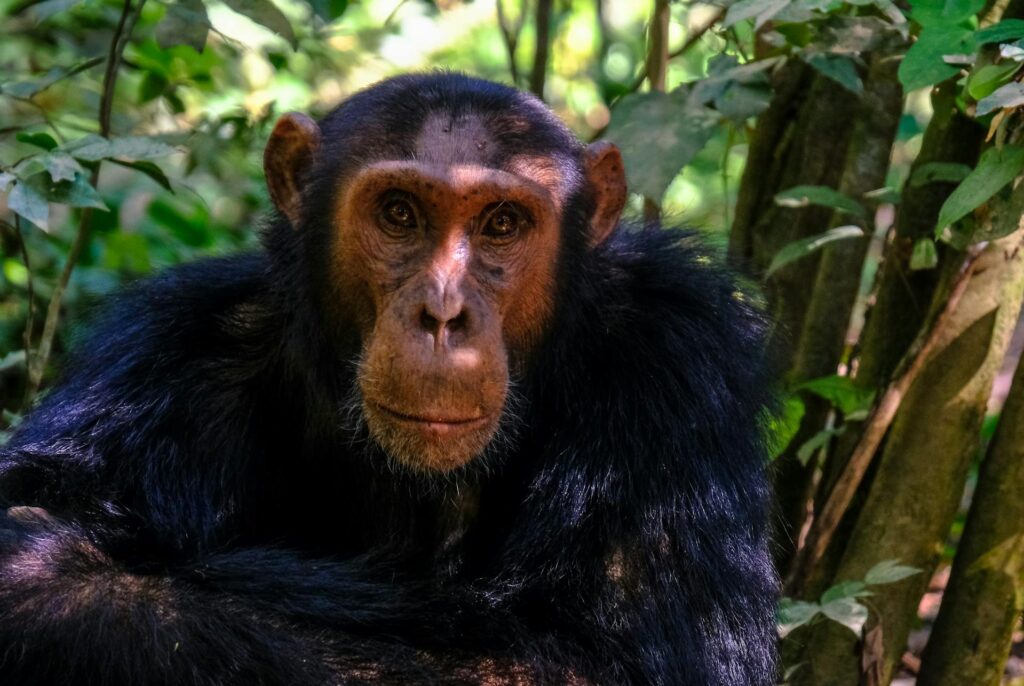
Chimpanzee trekking in Mahale is a true wilderness adventure. You’ll hike through lush, ancient forest—sometimes for an hour, sometimes for half a day—following the sounds of chimpanzee calls and the guidance of expert trackers . The trails are steep and can be slippery, but the forest itself is a wonder .
You’ll walk beneath towering trees draped with vines, past waterfalls and crystal-clear streams. The forest is alive with sounds—the calls of birds, the rustle of leaves, the distant pant-hoot of chimpanzees. Your guide will point out medicinal plants, explain the forest ecology, and help you spot other wildlife .
The moment you finally encounter the chimpanzees is magical. They may be feeding quietly, grooming each other, or engaged in boisterous displays. You sit and watch, completely absorbed, as time seems to stop. The experience is humbling—a reminder that we share this planet with remarkable beings .
Remote Wilderness: Africa's Last Frontier
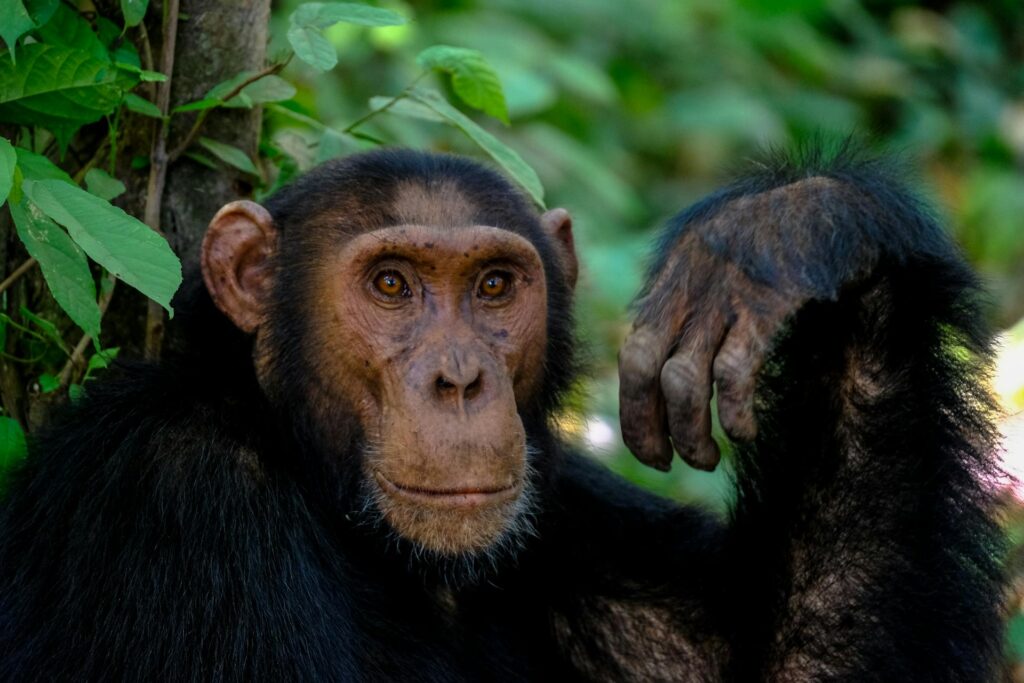
Mahale’s remote location is part of its magic. Getting here requires effort—a flight to a small airstrip followed by a boat transfer across Lake Tanganyika . There are no roads into the park . This isolation keeps visitor numbers extremely low; on any given day, there may be only a handful of people in this vast wilderness .
The park’s remote feel is palpable. You’ll trek through forest where few have walked before. You’ll sit with chimpanzees that have rarely seen humans. You’ll swim in a lake that feels like your own private ocean. The sense of discovery, of being truly off the beaten path, is rare in modern travel .
For travelers seeking authentic wilderness experiences, Mahale delivers. It’s the Africa that explorers dreamed of—wild, remote, and utterly untouched.
Birding Paradise: Over 350 Species
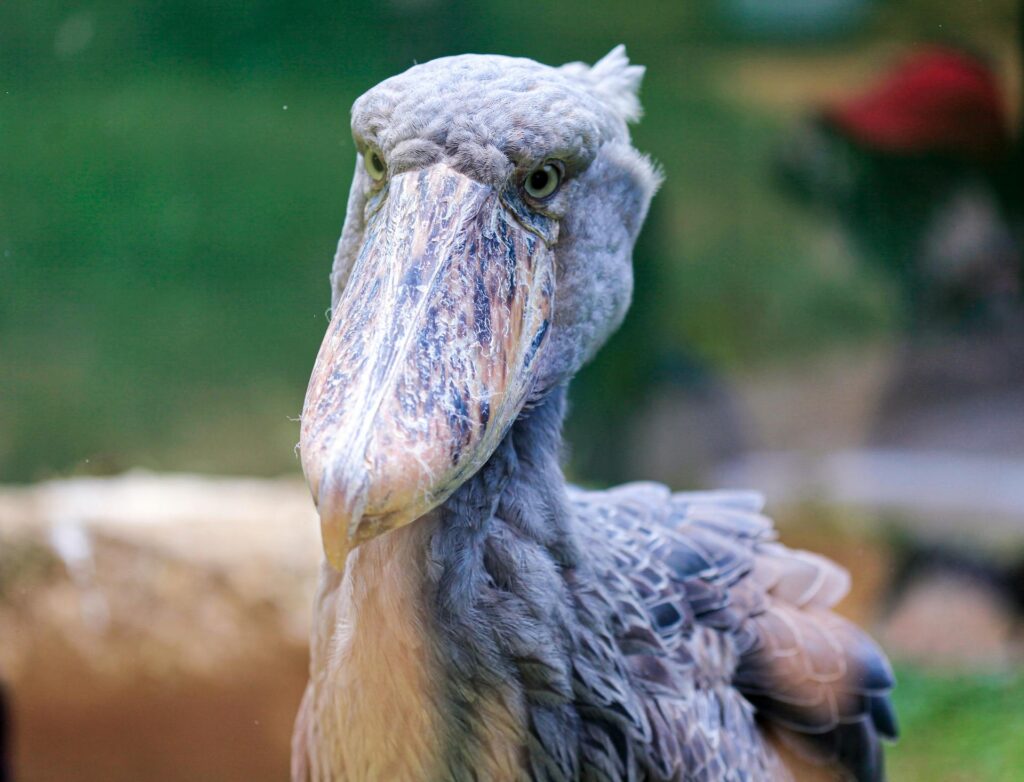
Mahale’s diverse habitats—montane forest, lake shore, and woodland—support an impressive birdlife of over 350 species . The park is a premier birding destination, with species found nowhere else in Tanzania .
Specialties include the blue monkey, Ross’s turaco, and the African crowned eagle. The lakeshore attracts waterbirds: kingfishers, herons, storks, and the spectacular African fish eagle. The forest holds more elusive species, including the green-headed oriole, the yellow-bellied wattle-eye, and various sunbirds .
The best birding is during the wet season (November-April), when migrants from Europe and Asia join the residents, and many species are in breeding plumage . Even during the dry season, resident birdlife is abundant and active.
Other Wildlife: Primates & Forest Dwellers
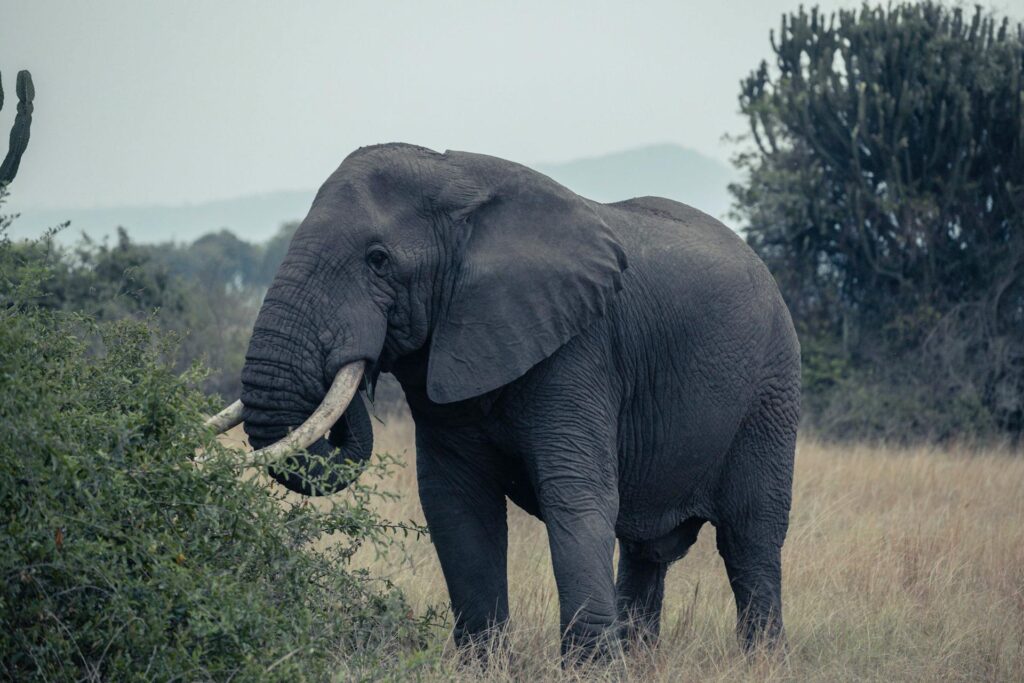
Mahale’s forests are home to an extraordinary diversity of primates—nine species in total, more than any other park in Africa . Besides chimpanzees, you may encounter troops of red-tailed monkeys, blue monkeys, vervet monkeys, and the striking black-and-white colobus .
The forest also holds yellow baboons, olive baboons, and the elusive red colobus. At night, bushbabies and pottos emerge, their eyes reflecting in torchlight. Forest antelopes—bushbuck, duiker, and sitatunga—move silently through the undergrowth .
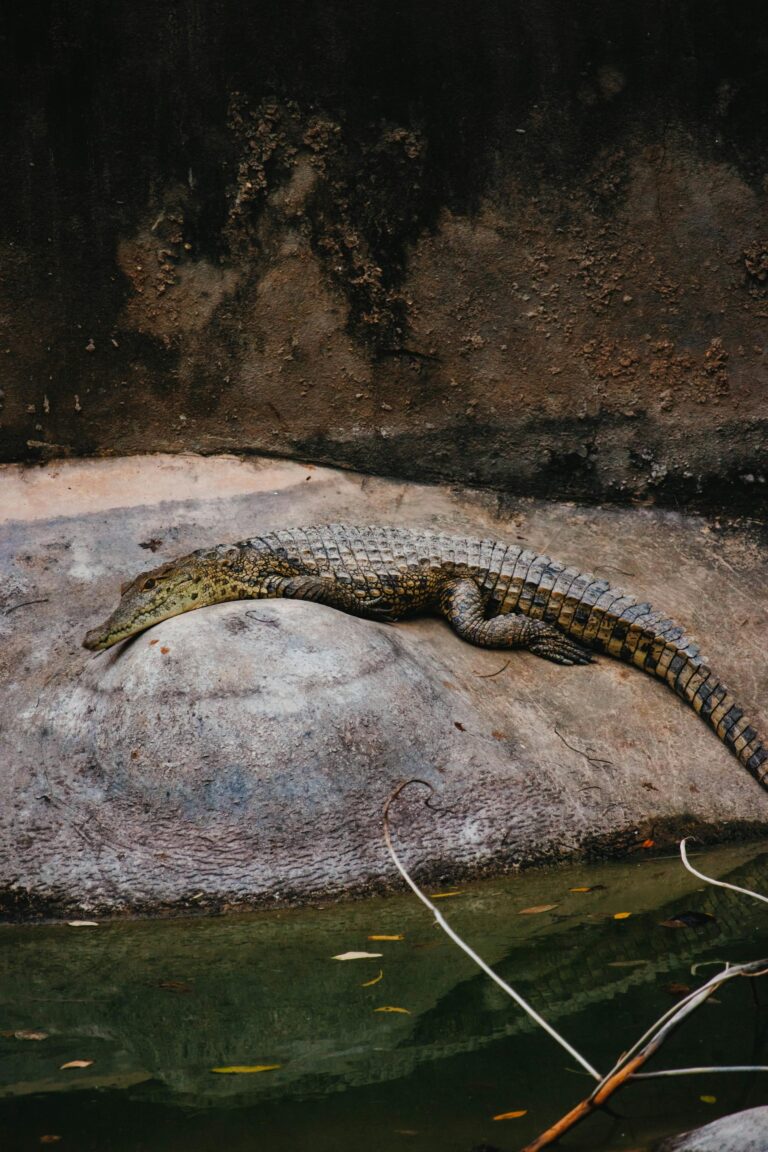
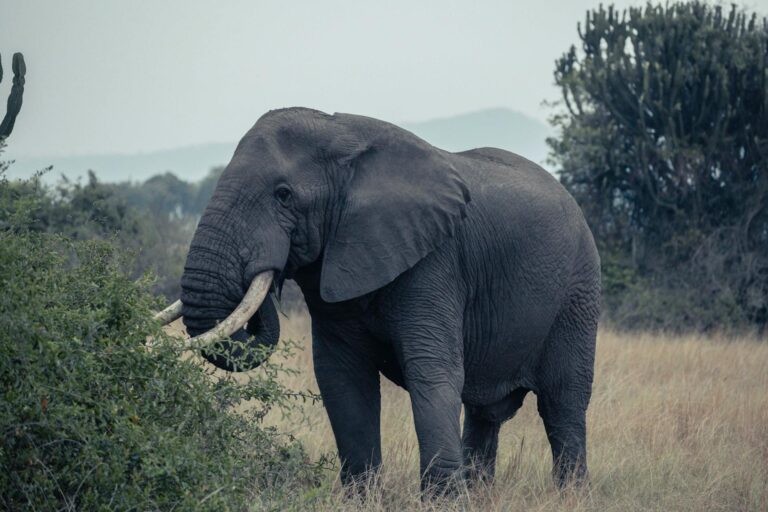
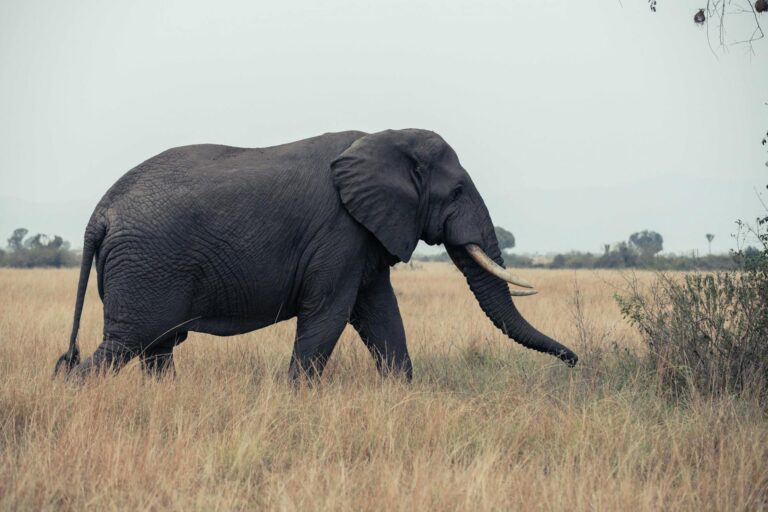
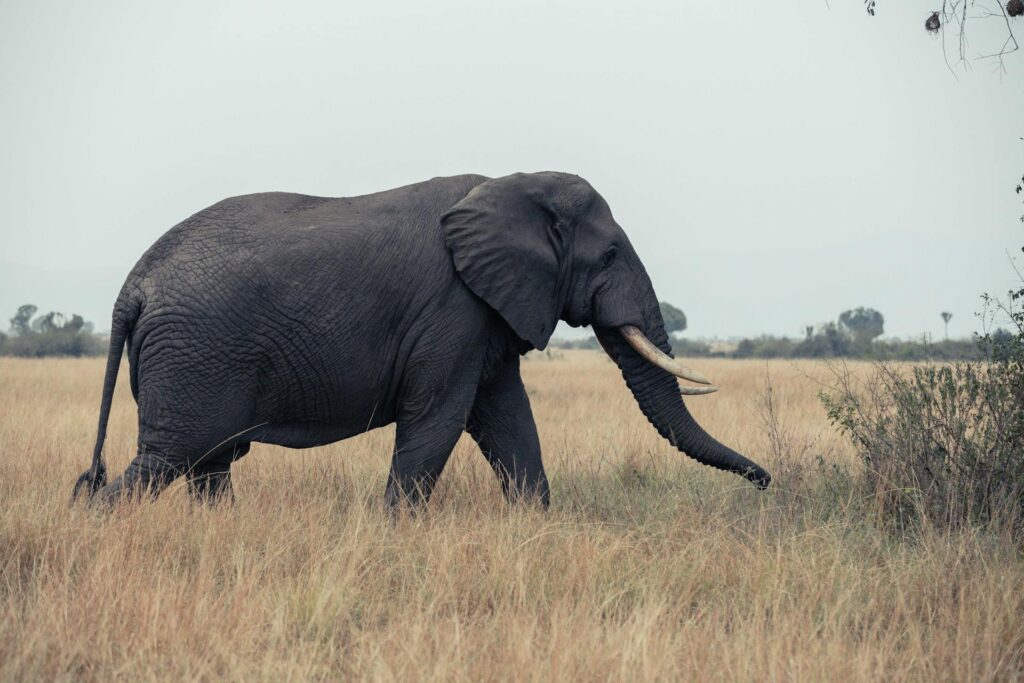
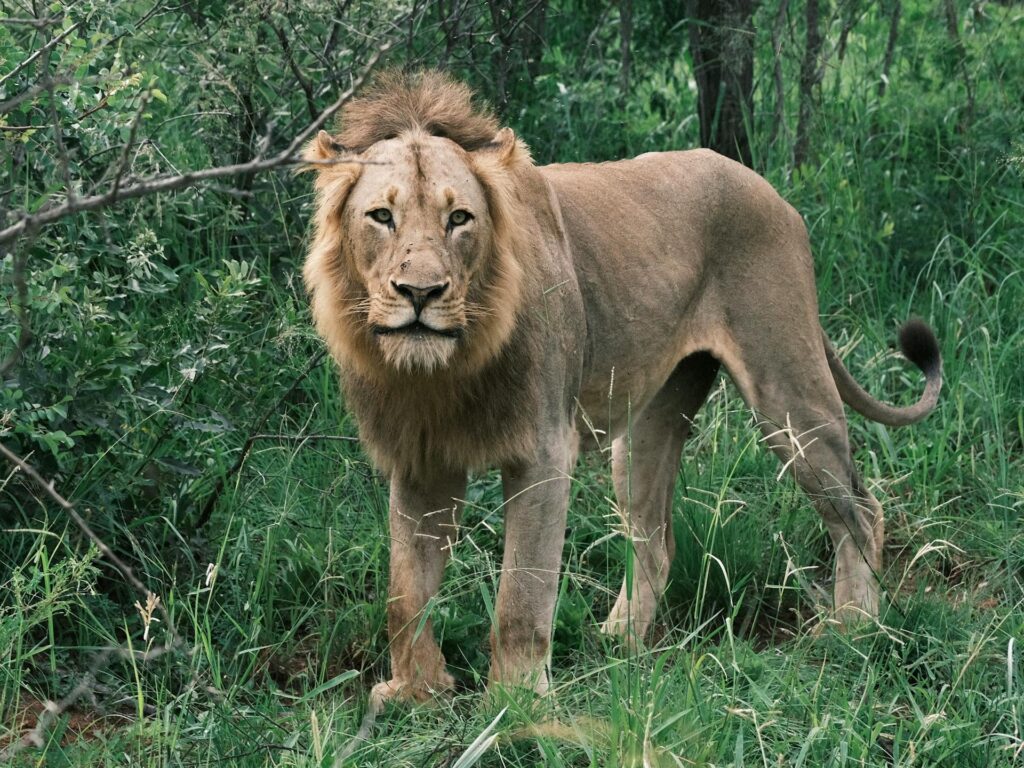
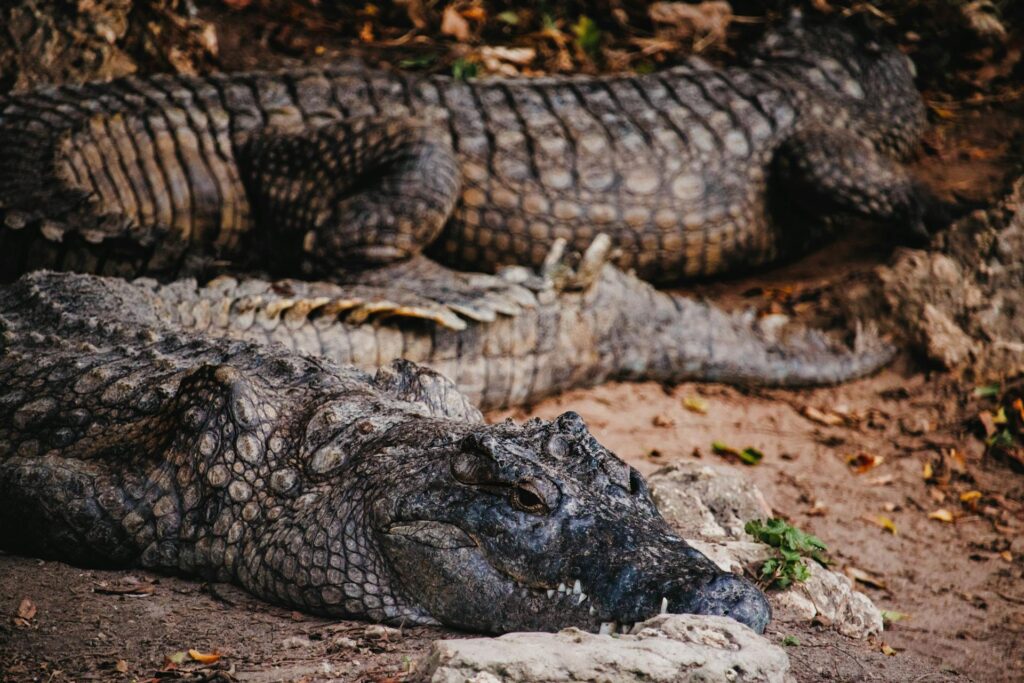
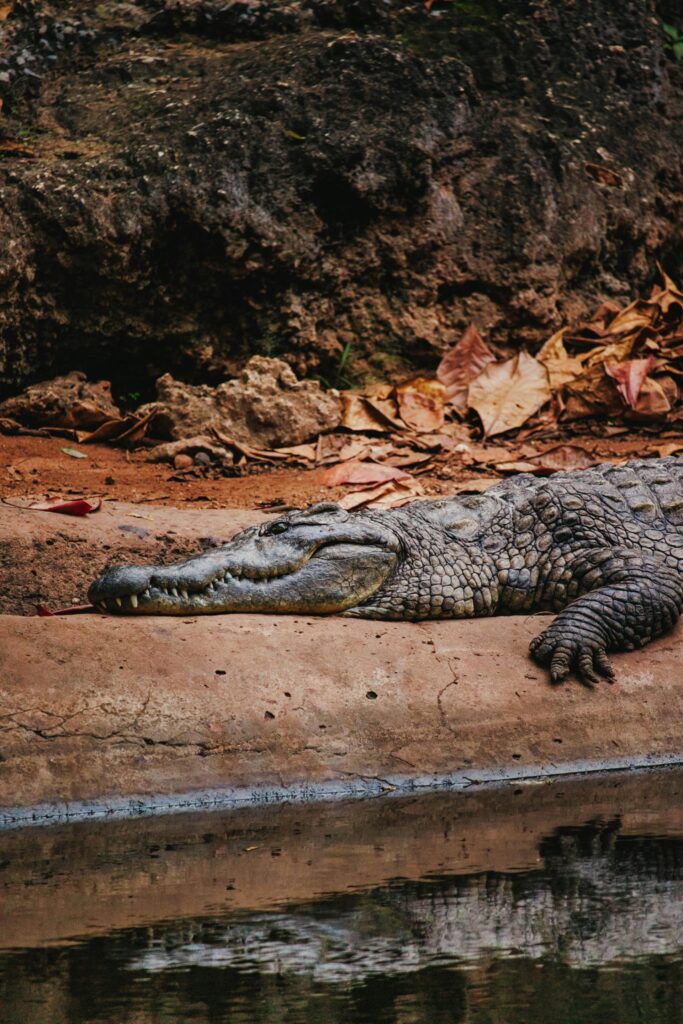
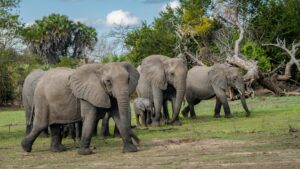
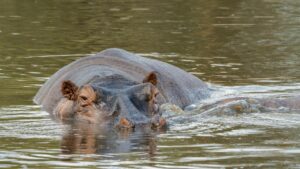
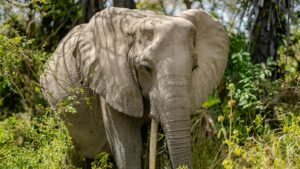
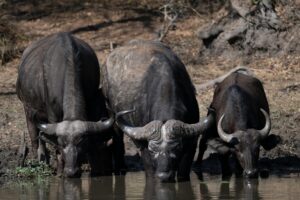
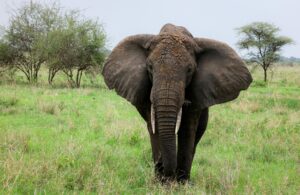
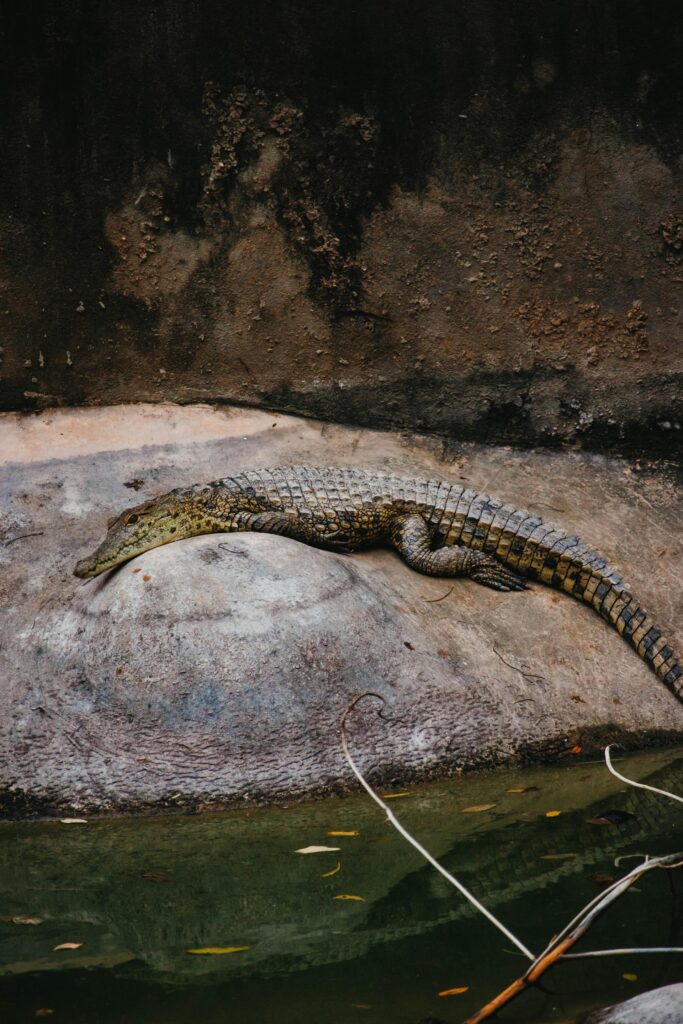
Predators include leopards, though they’re rarely seen. The park also supports populations of forest elephants, buffalo, and warthogs. Hippos and crocodiles inhabit the lake shore. The diversity of life in this forest is staggering—a complete ecosystem preserved in one of Africa’s most remote corners .