Mikumi National Park – Safari Continents Travel

Mikumi National Park

Mikumi National Park

Mikumi National Park

Mikumi National Park

  • Best Time to Visit: June – October for best game viewing.
  • Entry Fees: USD 30 per adult per day (approx.).
  • Country: Morogoro

Why Mikumi Is Tanzania's Most Accessible Wildlife Haven

Mikumi National Park is Tanzania’s fourth-largest national park and the most accessible from Dar es Salaam, making it the perfect introduction to African safaris or a quick weekend escape from the city [citation:3][citation:8]. Covering approximately 3,230 square kilometers, this park is often called the ”mini Serengeti” due to its remarkable biodiversity and sweeping landscapes, particularly the Mkata Floodplain, which teems with wildlife [citation:2][citation:5][citation:8]. Bordering the Selous ecosystem (now Nyerere National Park), Mikumi offers an authentic safari experience with far fewer crowds than its northern counterparts [citation:4][citation:8].

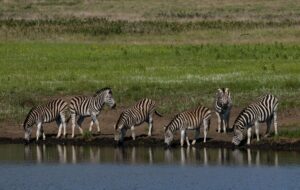
Here, you can witness elephants, lions, giraffes, zebras, wildebeest, and hippos in their natural habitat, all within easy reach of Tanzania’s largest city [citation:1][citation:6]. With over 400 bird species, it’s also a paradise for birdwatchers [citation:2][citation:4][citation:5]. Whether you’re a first-time safari-goer or a seasoned traveler short on time, Mikumi delivers a genuine African wilderness experience without the long journeys.

The Mkata Floodplain: Mikumi's Wildlife Stage
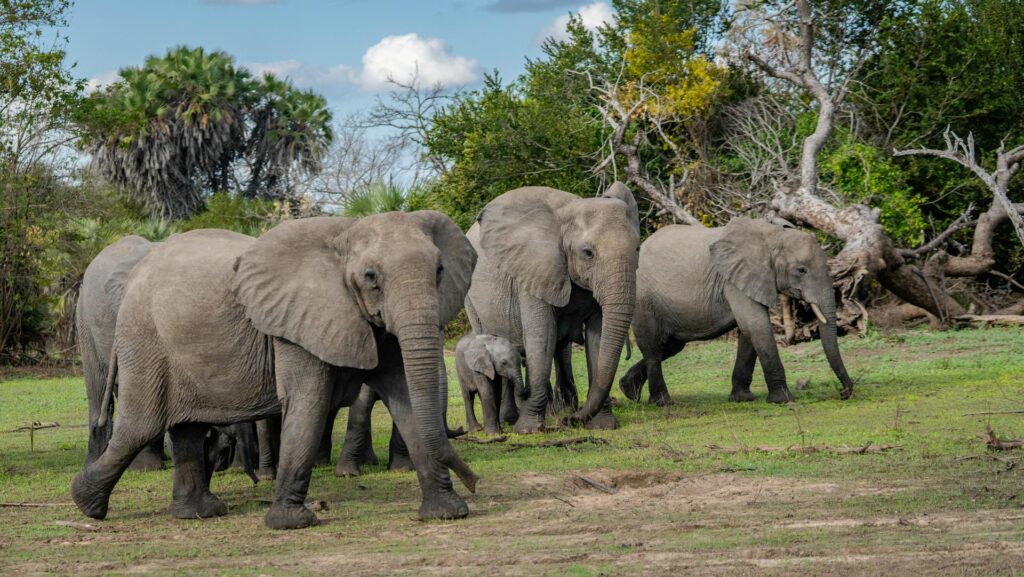
Mkata Floodplain

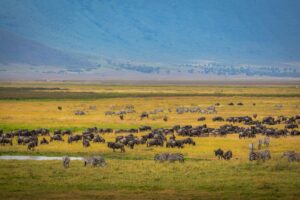
The Mkata Floodplain is the heart of Mikumi National Park—a vast, open grassland often compared to the Serengeti’s short-grass plains [citation:2][citation:5][citation:8]. This is where the park’s most spectacular wildlife viewing unfolds, with animals gathering in impressive numbers against a backdrop of the distant Uluguru and Lumango mountains [citation:8].

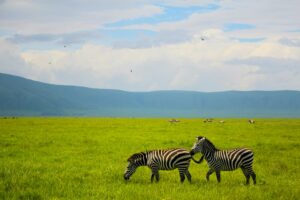
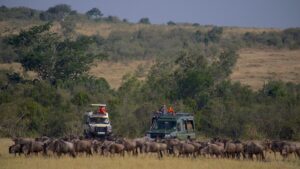
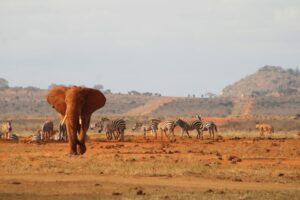
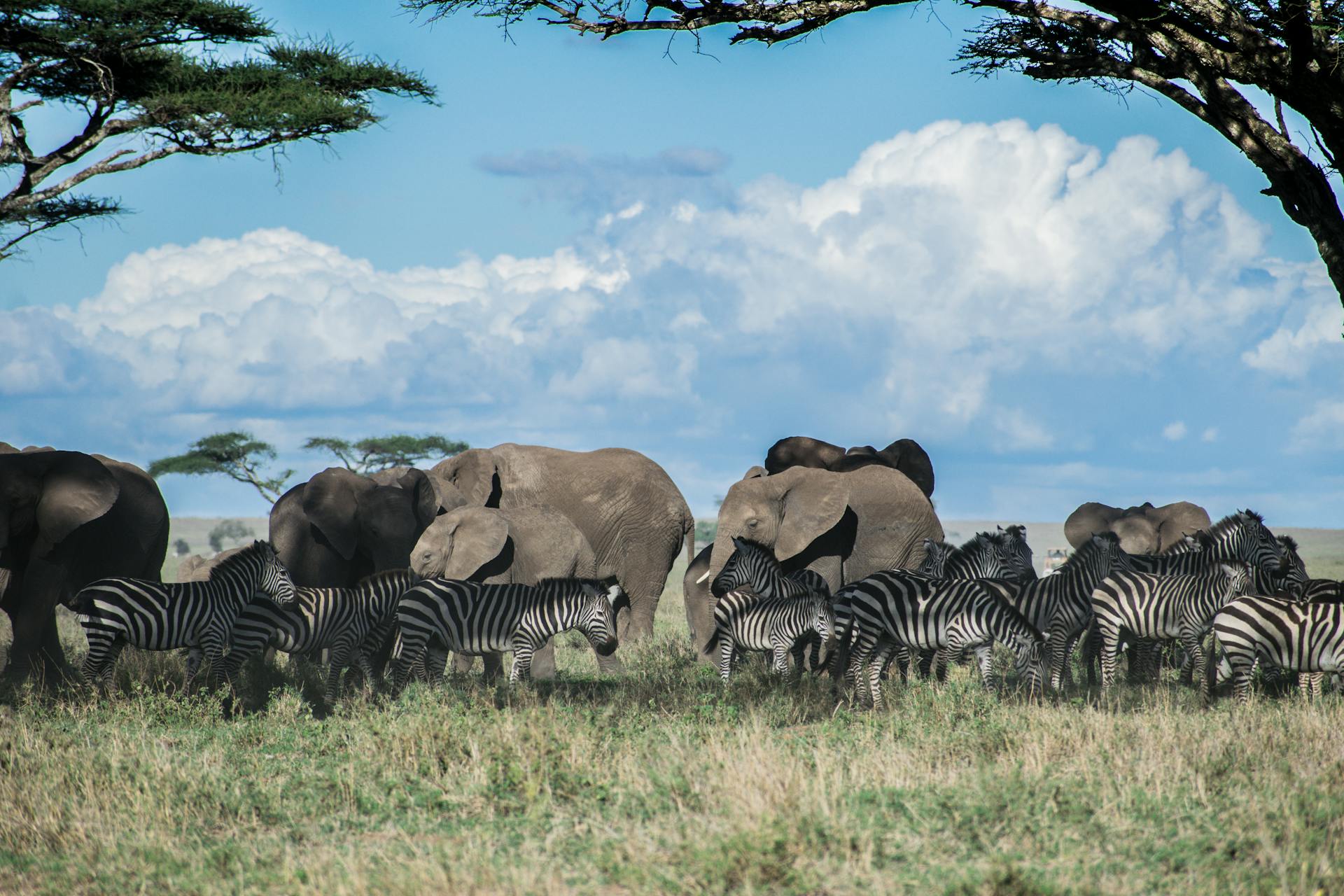
On a single game drive across the floodplain, you might encounter elephant herds, buffalo, giraffes, zebras, wildebeest, and impalas all grazing within view. Lions are frequently seen here, often resting after a hunt or stalking prey through the golden grass. The floodplain’s open terrain makes wildlife spotting exceptionally rewarding, especially during the dry season when animals concentrate around remaining water sources [citation:8].

The Mkata River meanders through this landscape, attracting hippos, crocodiles, and a dazzling array of waterbirds [citation:8]. This is Mikumi’s essential experience—a classic savannah safari that rivals any in East Africa.

Accessibility: A Safari Within Reach
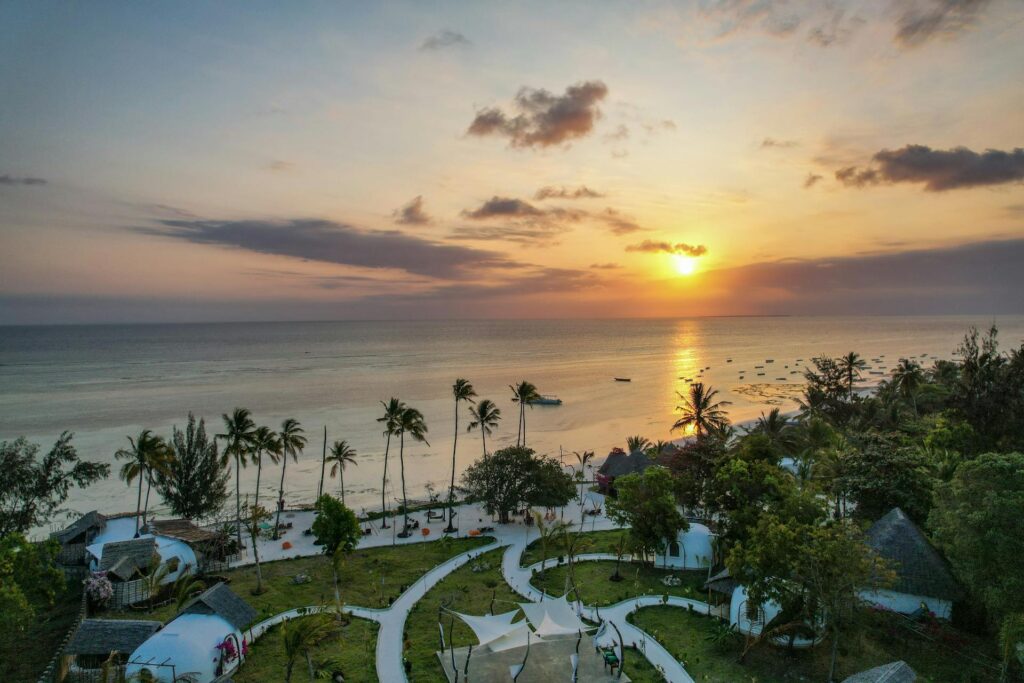
Dar es Salaam

Mikumi’s greatest gift is its accessibility. Located just 283 kilometers west of Dar es Salaam, it’s the most easily reached national park from Tanzania’s largest city [citation:10]. The drive takes approximately 4-5 hours on a well-maintained road through picturesque countryside, making it perfect for weekend trips or short safaris [citation:1][citation:8]. For those with limited time, charter flights from Dar es Salaam reach Mikumi Airstrip in about an hour [citation:1][citation:8].

This proximity means you can experience a genuine African safari without the logistical challenges of reaching more remote parks. Many visitors combine Mikumi with beach time in Dar es Salaam or Zanzibar, as flights connect easily [citation:3][citation:6]. The park is also accessible by train—a unique experience where you can take the SGR railway from Dar es Salaam to Morogoro and continue by road [citation:9].

For travelers short on time or seeking a budget-friendly introduction to safaris, Mikumi delivers an authentic wilderness experience without the long-haul travel.

Wildlife: Elephants, Lions & More
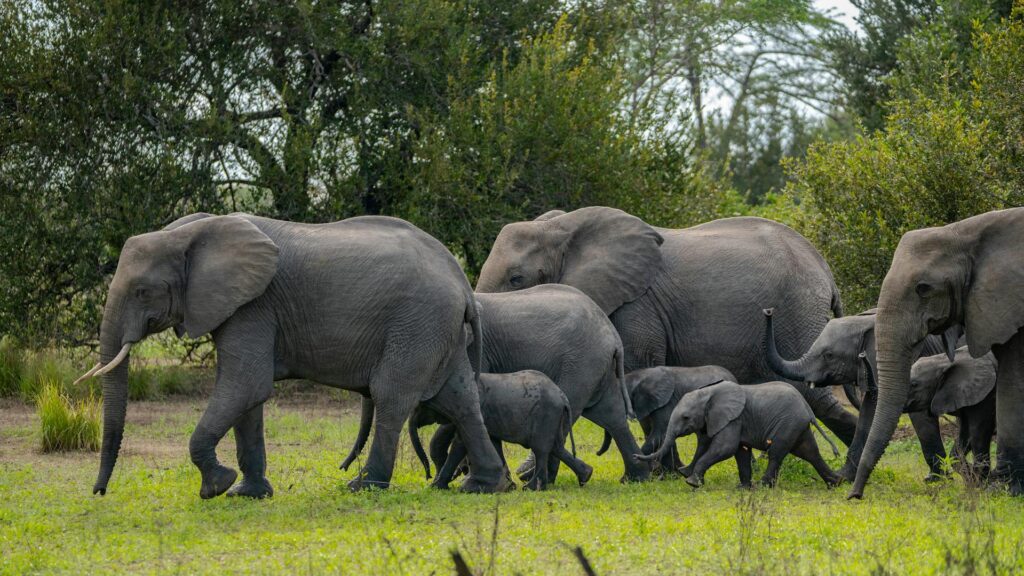
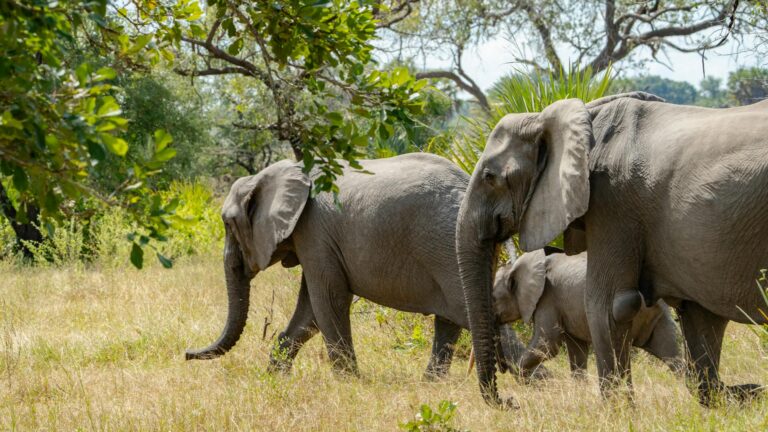
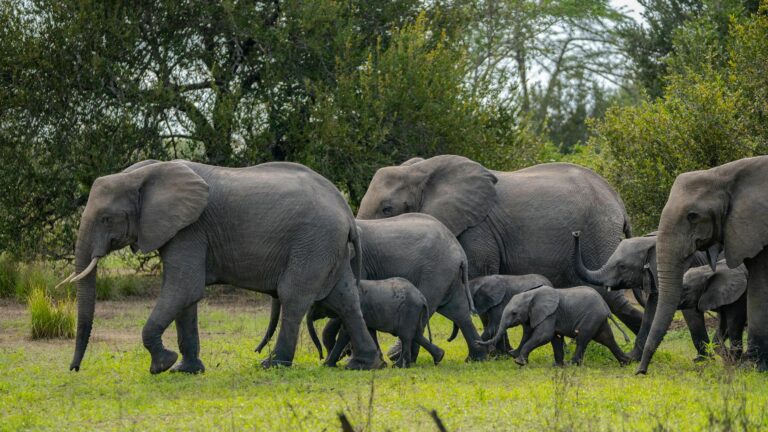
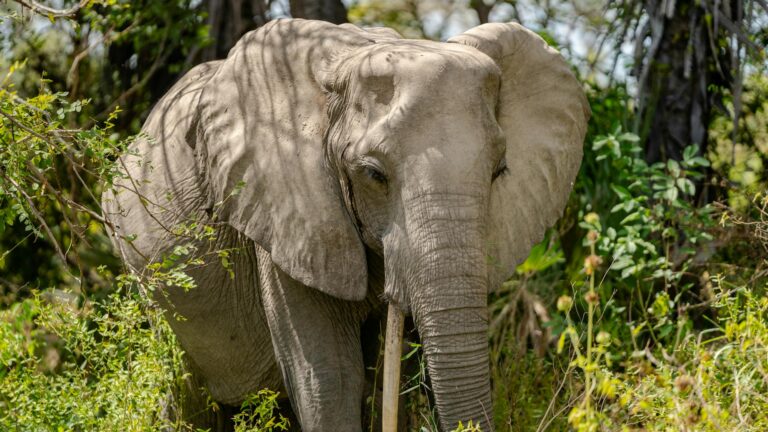
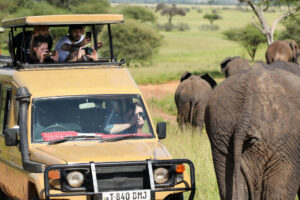
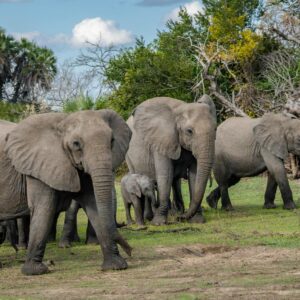
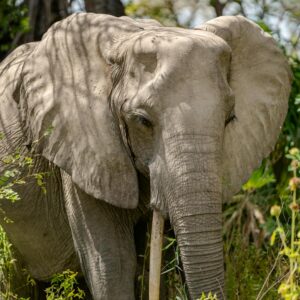
Elephants in Mikumi

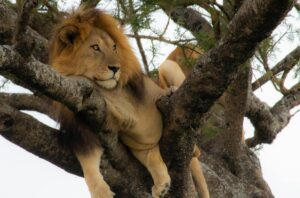
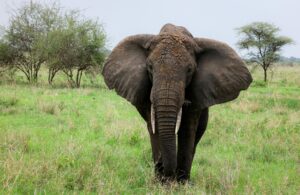
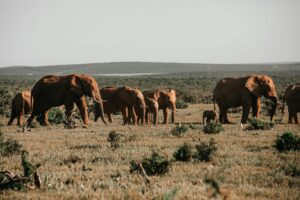
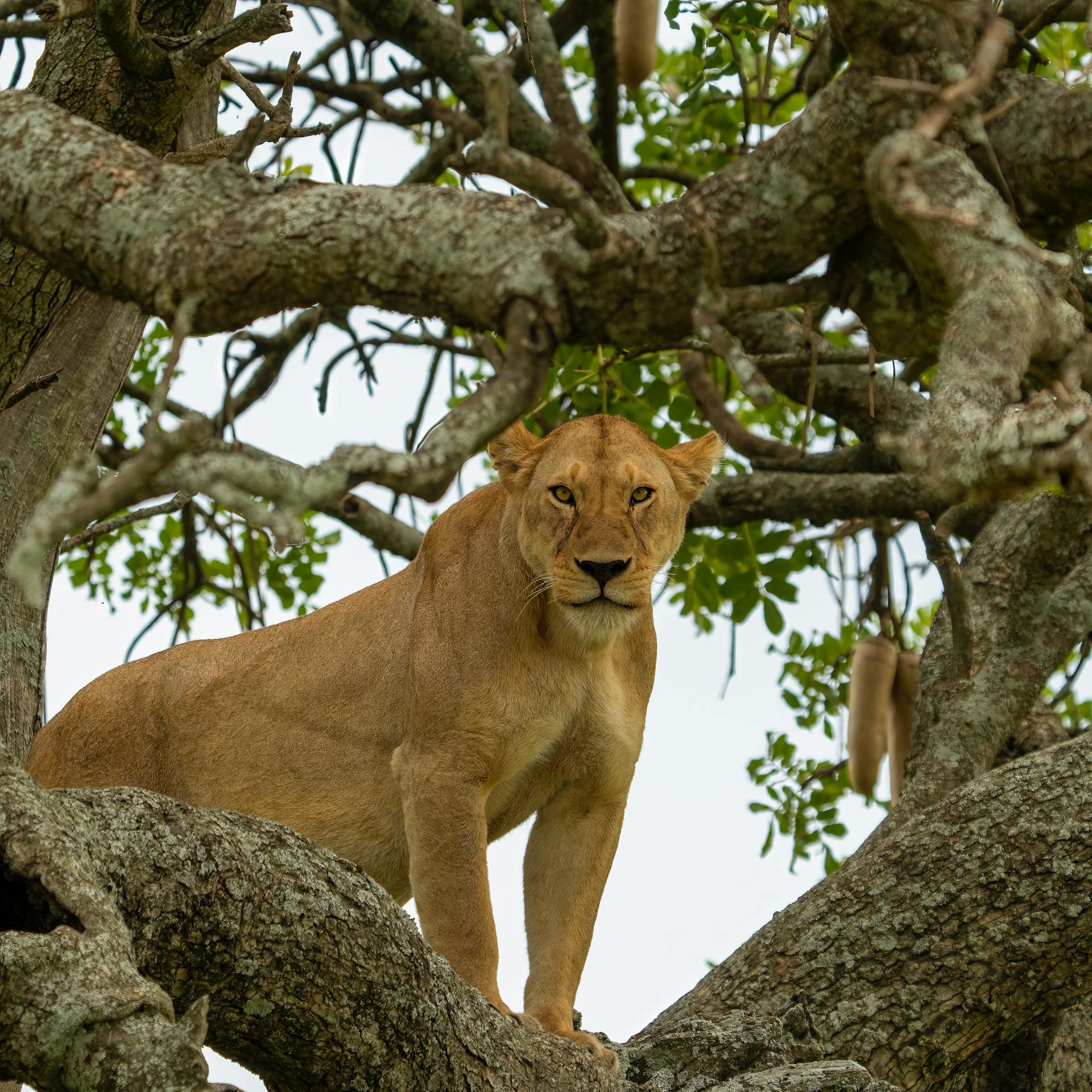
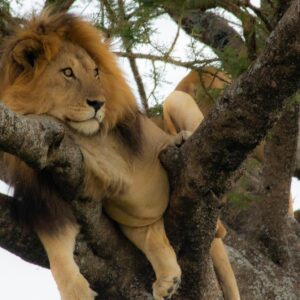
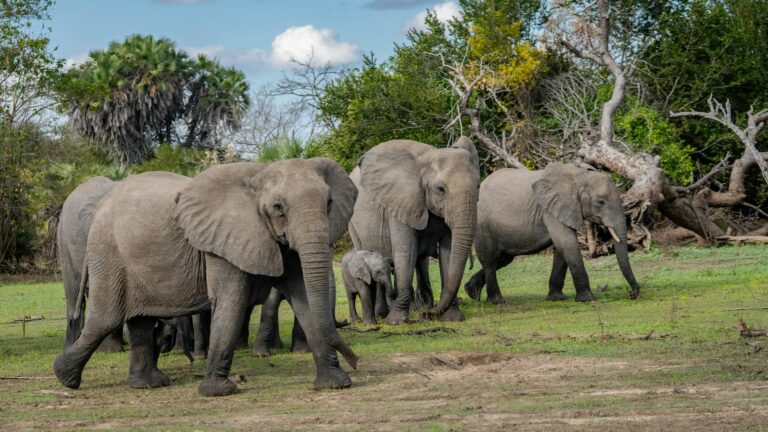
Mikumi supports an impressive array of wildlife, with over 50 mammal species recorded [citation:8]. The park is particularly known for its elephant populations, which are frequently seen grazing across the Mkata Floodplain. Lions are common and often spotted—some prides have become known for tree-climbing behavior, reminiscent of their Lake Manyara cousins [citation:1][citation:6][citation:9].

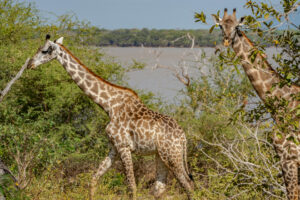
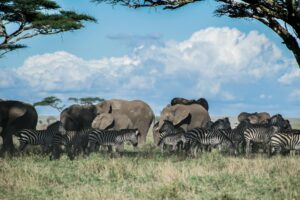
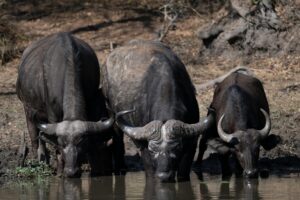
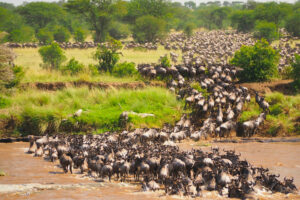
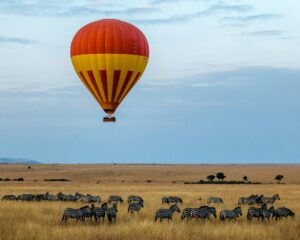
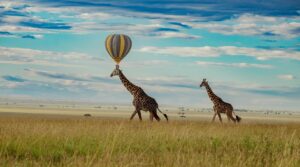
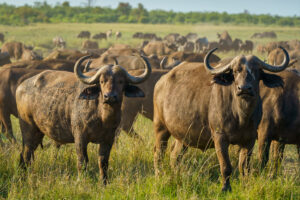
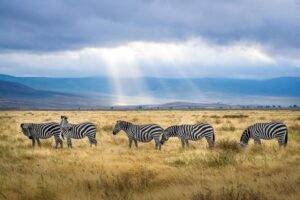
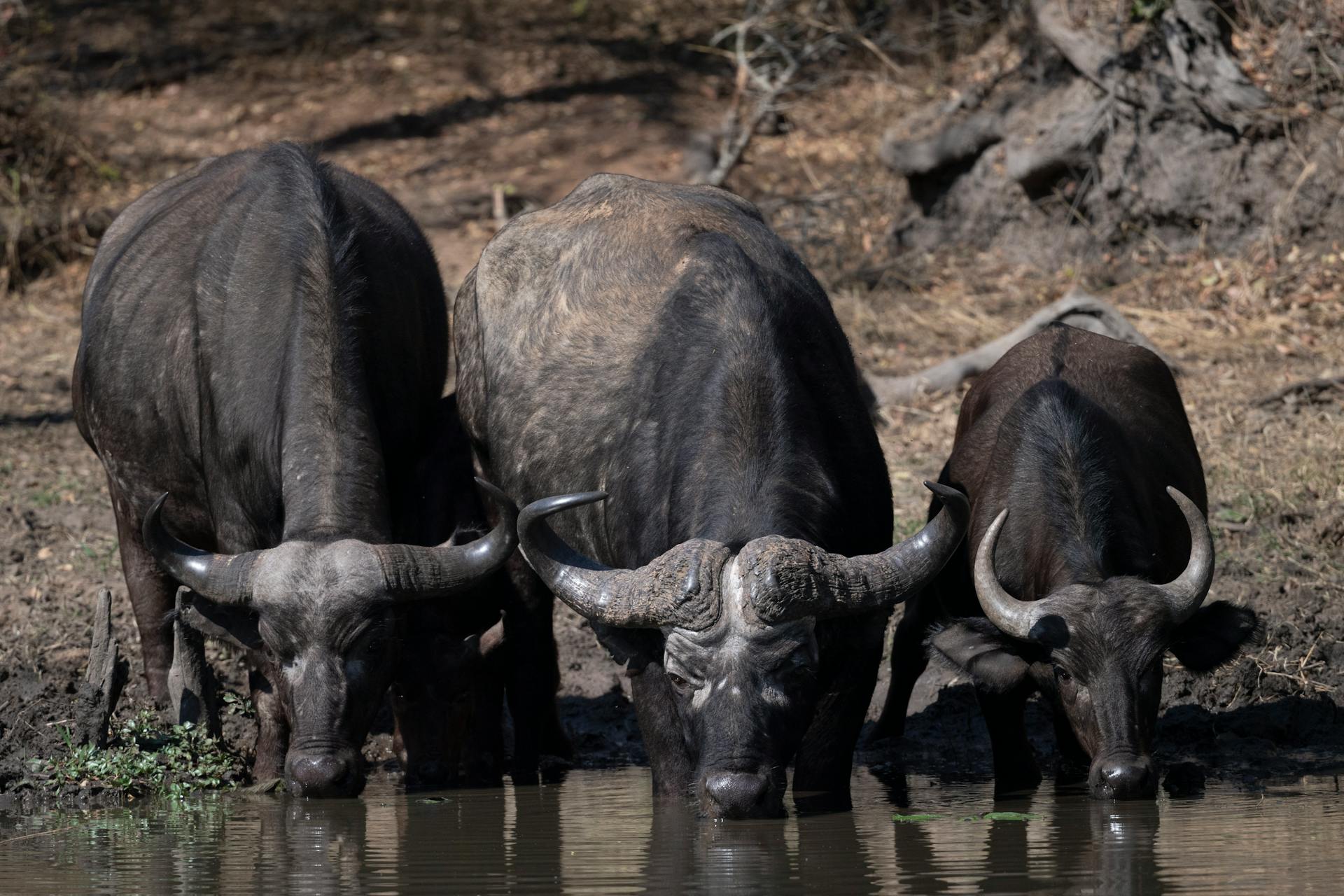
Buffalo herds gather in large numbers, especially during the dry season. Giraffes are everywhere, their elegant forms silhouetted against the floodplain. Zebras and wildebeest migrate across the open grasslands. Hippos and crocodiles inhabit the park’s pools and waterways, easily viewed from designated hippo pools near the park entrance [citation:8].

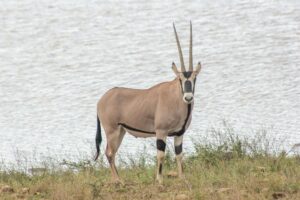
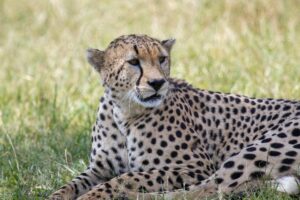
The park is also home to eland, Africa’s largest antelope, and greater kudu, with their magnificent spiral horns [citation:2][citation:5][citation:10]. Leopards are present but more elusive, while cheetahs hunt on the open plains [citation:1][citation:10]. Spotted hyenas, jackals, and bat-eared foxes add to the predator diversity [citation:1].

Birding Paradise: Over 400 Species
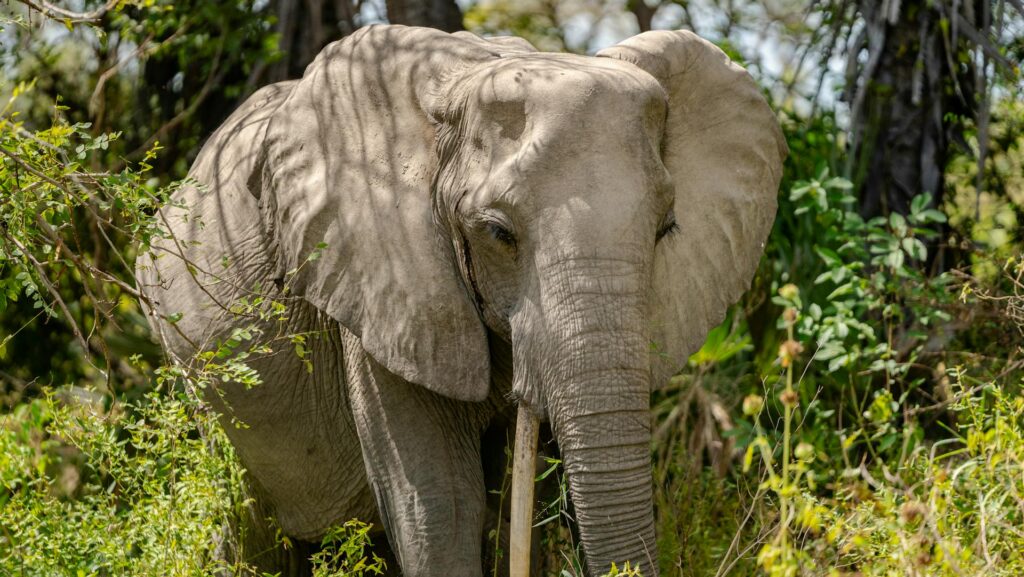
Birdlife in Mikumi

Mikumi is a world-class birding destination, with over 400 bird species recorded [citation:2][citation:4][citation:5]. The park’s diverse habitats—floodplains, woodlands, rivers, and pools—support an extraordinary variety of avian life, making it a paradise for birdwatchers year-round [citation:1][citation:8].

The hippo pools and water bodies attract spectacular waterbirds: yellow-billed storks, saddle-billed storks, herons, egrets, and African fish eagles are all common [citation:1]. The bateleur eagle, with its distinctive short tail and striking plumage, is frequently seen soaring overhead [citation:1][citation:10]. Lilac-breasted rollers, with their kaleidoscope of colors, perch on every acacia. Carmine bee-eaters flash through the air in brilliant pink clouds.

During the wet season (November-April), migratory birds from Europe and Asia join the residents, swelling the lists. The flowering tamarind trees attract sunbirds and other nectar-feeders [citation:2][citation:5]. Woodland species include hornbills, barbets, and the elusive Böhm’s bee-eater.

Activities: Game Drives, Walking Safaris & Night Drives
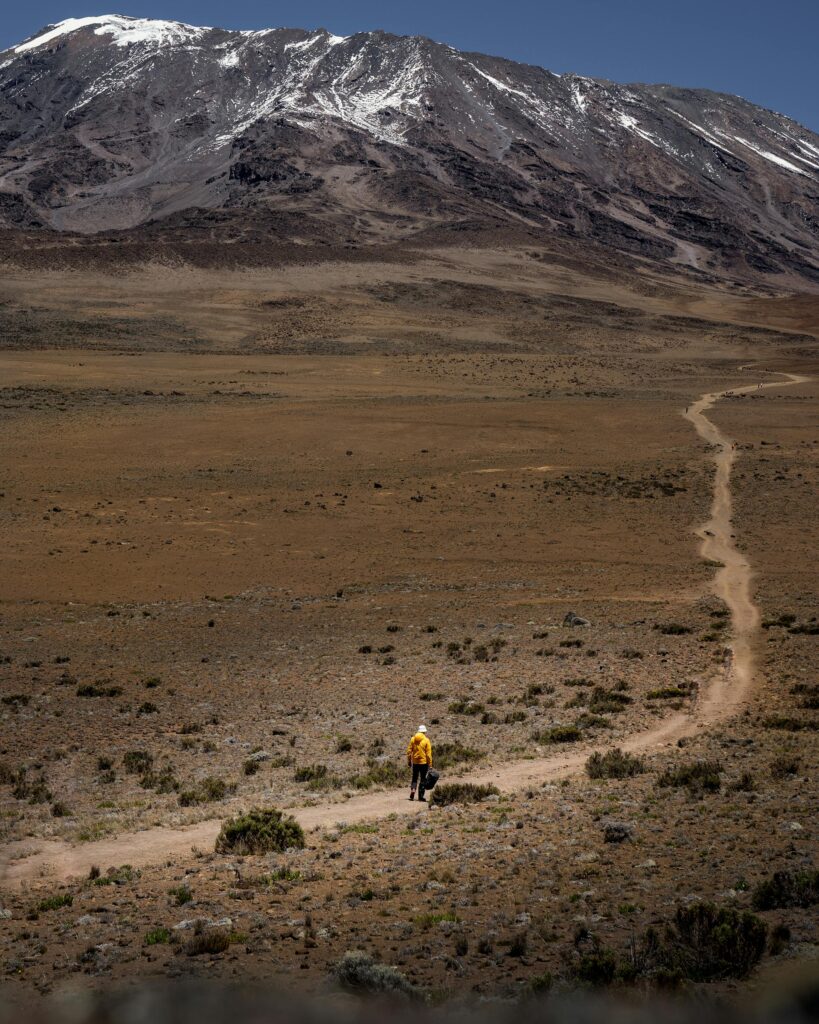
Safari vehicle

Mikumi offers a variety of safari activities that allow you to experience the park from different perspectives. Game drives are the primary activity, with the Mkata Floodplain providing superb wildlife viewing from open vehicles [citation:1][citation:8]. Early morning and late afternoon drives are most rewarding, when animals are active and the light is golden.

Walking safaris, accompanied by an armed ranger, offer an intimate way to explore the bush [citation:1][citation:8]. On foot, you notice the small things—tracks, scat, insects, medicinal plants—that vehicle-bound safaris miss. The sense of immersion is profound, connecting you to the landscape in ways that game drives cannot match.

Some lodges organize night drives, revealing Mikumi’s nocturnal world [citation:1][citation:8]. Bushbabies leap through the trees, genets stalk through the undergrowth, and if you’re lucky, you might spot a leopard on the hunt. Night drives also offer chances to see servals, which are specially adapted to hunting in the dark [citation:7].

Bush dinners and sundowners add a touch of magic—enjoying a drink in the wilderness as the sun sets over the floodplain, followed by a candlelit dinner under the stars [citation:1].

The Vuma Hills & Uluguru Mountains: Scenic Backdrop
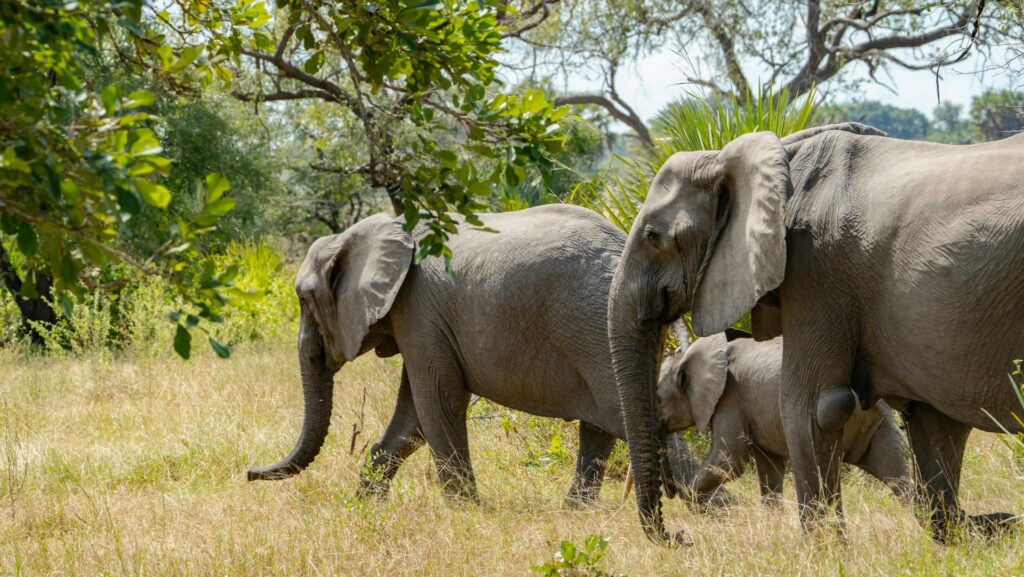
Uluguru Mountains

The Vuma Hills, rising from the park’s eastern boundary, offer elevated perspectives across Mikumi’s landscapes [citation:8]. These hills provide excellent viewpoints for photography and birdwatching, with panoramic vistas across the Mkata Floodplain. The hills are also home to elusive predators and offer good walking safari territory.

The Uluguru Mountains, bordering the park to the northeast, create a stunning backdrop to the floodplain [citation:1][citation:2][citation:5]. These ancient mountains are a biodiversity hotspot, with numerous endemic species of birds, amphibians, and plants. During the dry season, they’re excellent for hiking and can be combined with a Mikumi safari for a complete adventure [citation:2][citation:5].

The contrast between the golden floodplain, the green hills, and the distant blue mountains creates landscapes of extraordinary beauty—especially in the late afternoon when the light turns everything to gold. Several tented camps are perched on the hills, offering spectacular views over the park [citation:7].
Exploring Mikumi: From Floodplains to Mountain Views

The Mkata Floodplain: Heart of the Park

The Mkata Floodplain is Mikumi’s centerpiece—a vast, open grassland often compared to the Serengeti’s famous plains [citation:2][citation:5][citation:8]. This is where the park’s most spectacular wildlife viewing unfolds, with animals gathering in impressive numbers against a backdrop of the distant Uluguru and Lumango mountains [citation:8].

Game drives across the floodplain are the essential Mikumi experience. Herds of elephants, buffalo, zebras, and wildebeest are frequently seen grazing in the open. Giraffes move gracefully through the acacia trees. Lions are often spotted resting after a hunt or stalking prey. The open terrain makes wildlife spotting exceptionally rewarding, especially during the dry season when animals concentrate around remaining water sources [citation:8].

The Mkata River meanders through this landscape, attracting hippos, crocodiles, and a dazzling array of waterbirds [citation:8]. Early morning and late afternoon drives are most productive, when the light is golden and animals are active. The floodplain is also superb for photography, with endless compositions of wildlife against dramatic landscapes.

The Hippo Pools: Waterhole Wonders

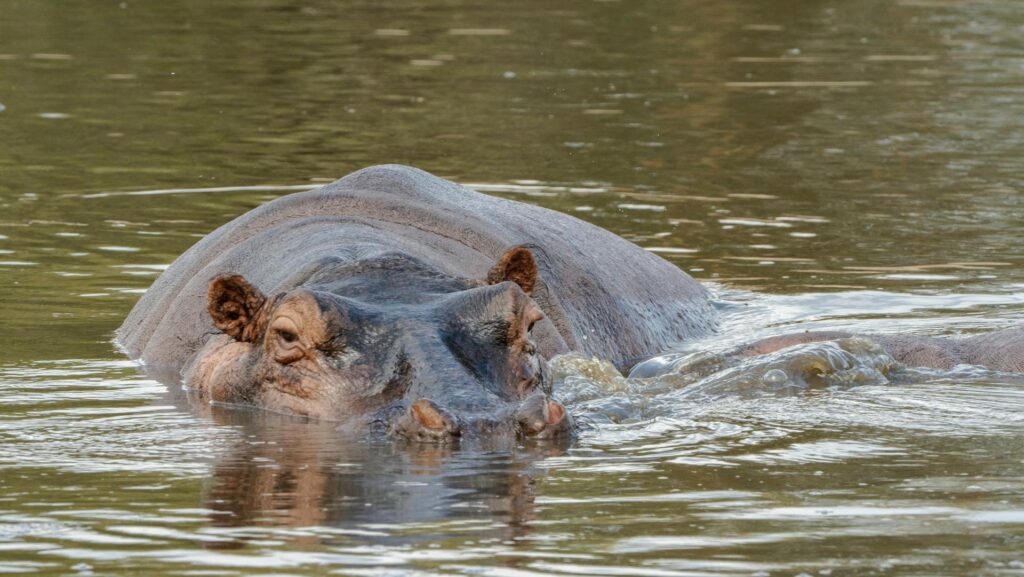
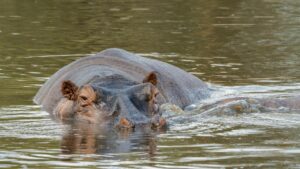
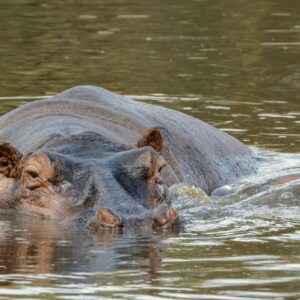
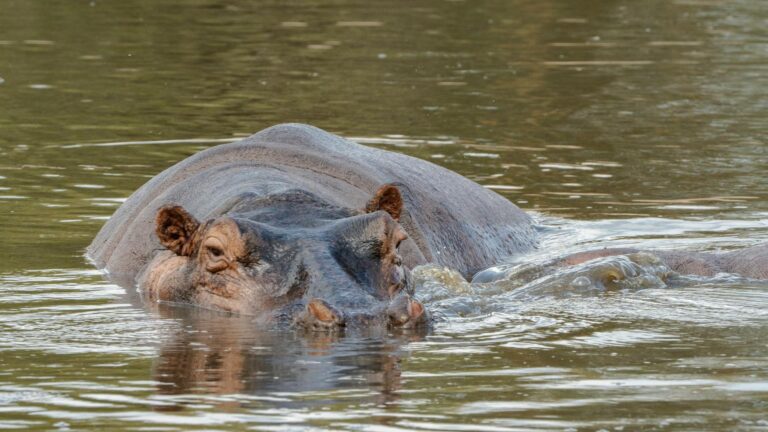
The hippo pools, located about 5 kilometers north of the main park entrance, are one of Mikumi’s most popular and rewarding destinations [citation:8][citation:10]. These permanent pools attract not only hippos but also crocodiles and a stunning variety of waterbirds, making them a wildlife hotspot throughout the year [citation:1][citation:8].

Here, you can observe hippo families wallowing in the water, their eyes, ears, and nostrils just visible above the surface. Watch them jostle for position, yawn to display their formidable tusks, and occasionally engage in territorial disputes. The grunts and snorts of hippos echo across the water, adding to the atmosphere.

Crocodiles bask on the banks, their prehistoric forms perfectly still. Yellow-billed storks, saddle-billed storks, herons, egrets, and African fish eagles are all common [citation:1]. During the wet season, the pools may be surrounded by hundreds of wading birds [citation:2][citation:5]. A hide near the pools offers excellent viewing and photography opportunities.

The Vuma Hills: Elevated Perspectives

The Vuma Hills rise from the park’s eastern boundary, offering elevated perspectives across Mikumi’s landscapes [citation:8]. Several tented camps are perched on these hills, providing spectacular views over the Mkata Floodplain—waking up to sunrise over the plains with wildlife visible below is unforgettable [citation:7].
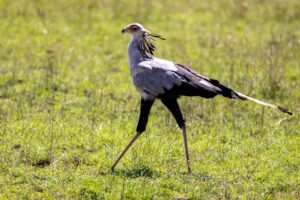
The hills themselves offer excellent walking safari territory. Trails wind through miombo woodlands and rocky outcrops, with opportunities to see klipspringers, rock hyraxes, and a variety of forest birds. The elevated viewpoints are perfect for photography, especially in the late afternoon when the floodplain glows gold and the mountains turn purple in the distance.

The Vuma Hills are also good for birding, with species adapted to the woodland habitat. The views from the top, looking out over the vast expanse of Mikumi, help you appreciate the park’s true scale and beauty.

The Mkata River & Waterholes

The Mkata River flows through the floodplain, creating a green corridor that attracts wildlife throughout the year. During the dry season, when other water sources disappear, the river and its remaining pools become magnets for animals [citation:8].
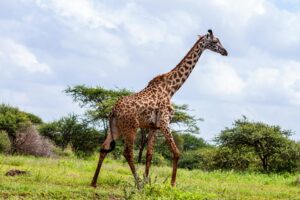
The riverbanks are excellent for game viewing, with elephants, buffalo, and antelopes coming to drink. Hippos and crocodiles inhabit the deeper pools. The riverine vegetation provides cover for leopards and other predators. Birdlife along the river is spectacular—kingfishers, bee-eaters, and fish eagles are all common.
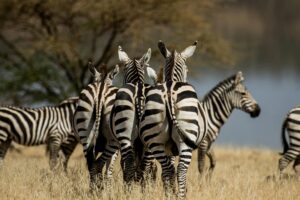
Several permanent waterholes dot the floodplain, especially productive in the dry season. These are often where the most dramatic predator-prey interactions occur. Your guide will know which waterholes are currently active and where to find the best action.

The Northern Sector: Remote Wilderness

The northern sector of Mikumi, bordering the Selous ecosystem (now Nyerere National Park), is more remote and less visited than the area around the floodplain [citation:4]. This region offers a wilder, more exclusive safari experience for those willing to explore further.

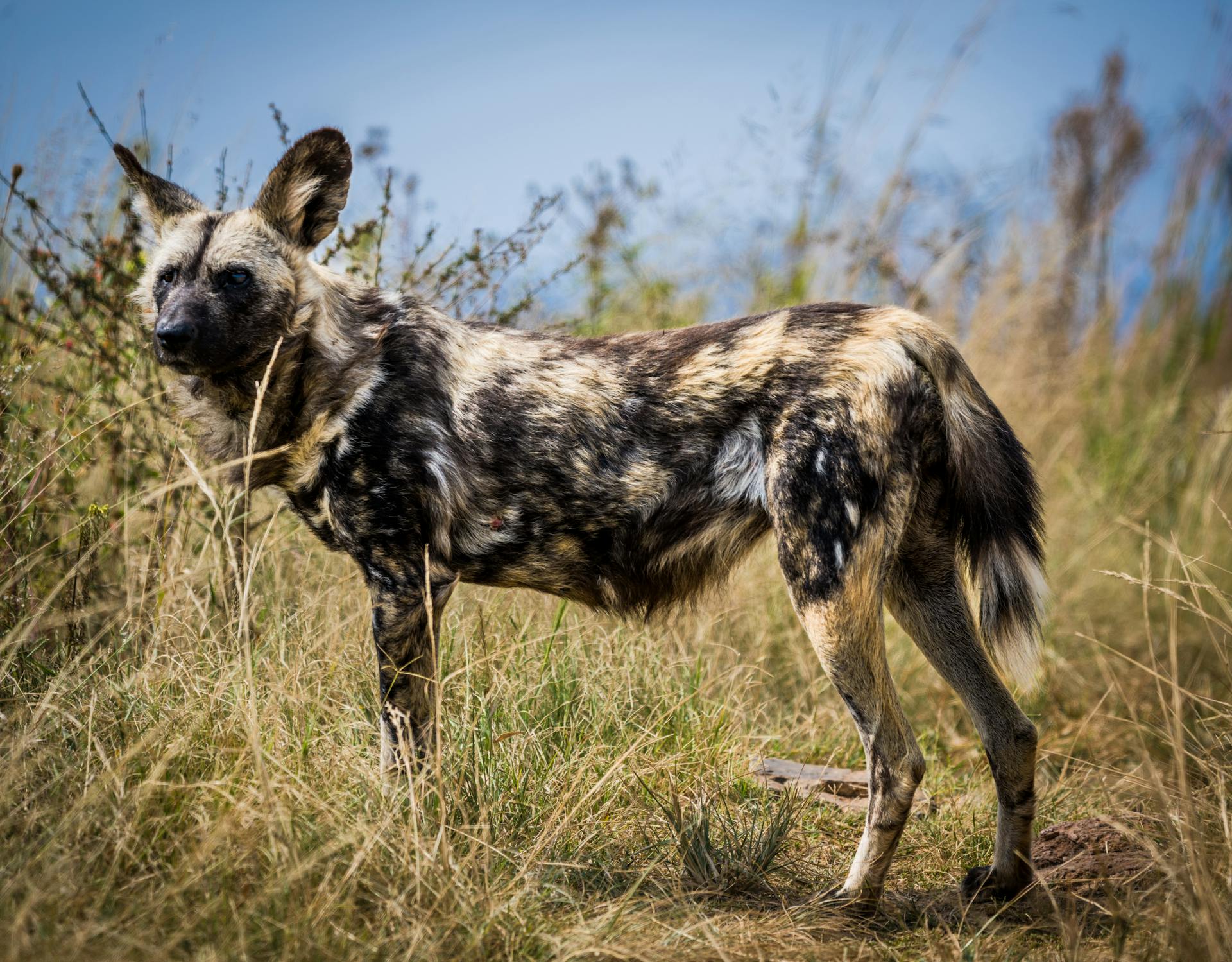
The landscape here is more varied, with miombo woodlands, rocky hills, and open plains. Wildlife is less habituated, adding an element of wildness to sightings. The area is particularly good for antelope species like sable, roan, and eland, which prefer the woodland habitats [citation:4]. Predator sightings can be excellent, with lions, leopards, and wild dogs present.

The northern sector requires more time and a good guide, but for experienced safari-goers seeking solitude and a sense of true wilderness, it’s worth the effort.

Uluguru Mountain Views & Hiking

The Uluguru Mountains, bordering the park to the northeast, provide a stunning backdrop to the Mkata Floodplain [citation:1][citation:2][citation:5]. These ancient mountains are a biodiversity hotspot, with numerous endemic species of birds, amphibians, and plants.

While the mountains themselves are outside the park, many viewpoints within Mikumi offer spectacular vistas of their forested slopes. The contrast between the golden floodplain and the green mountains is particularly beautiful in the late afternoon light.

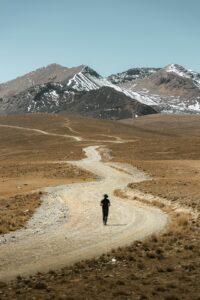
For those with extra time, the Ulugurus offer excellent hiking opportunities. Trails lead through montane forest to waterfalls and viewpoints, with chances to see endemic birds and monkeys. Some lodges can arrange guided hikes, combining a Mikumi safari with mountain exploration [citation:2][citation:5].

Mikumi Month-by-Month: Wildlife, Weather & When to Visit

Mikumi National Park is Tanzania’s fourth-largest national park and the most accessible from Dar es Salaam, making it a perfect weekend escape or introduction to African safaris [citation:3][citation:8]. Covering approximately 3,230 square kilometers, this park is often called the ”mini Serengeti” due to its remarkable biodiversity and sweeping landscapes, particularly the Mkata Floodplain, which teems with wildlife [citation:2][citation:5][citation:8]. Bordering the Selous ecosystem (now Nyerere National Park), Mikumi offers an authentic safari experience with far fewer crowds than its northern counterparts [citation:4][citation:8].

The park follows Tanzania’s rainfall patterns, with a dry season (June-October) offering the best wildlife viewing as animals concentrate around water sources. The wet season (November-May) brings lush landscapes, excellent birding, and dramatically fewer visitors [citation:1][citation:8].

All temperatures are daytime highs and nighttime lows. Rainfall is average monthly precipitation in millimeters.

Month
Rain
Min
Max
Season

Featured Destinations

Selected Complementary Destinations

Gombe Stream National Park

Top Reasons to Visit
Bird Watchers' Paradise Guided Chimpanzee Tracking

Katavi National Park

Top Reasons to Visit
Bird Watchers' Paradise Big 5 Wildlife

Mahale Mountains National Park

Top Reasons to Visit
Guided Chimpanzee Tracking True Wilderness Experience

Mount Kilimanjaro National Park

Top Reasons to Visit
Africa's Highest Peak Alpine Climate Bands

Tarangire National Park

Top Reasons to Visit
Big 5 Wildlife Year-Round Safari Family Friendly

Ruaha National Park

Top Reasons to Visit
Bird Watchers' Paradise Big 5 Wildlife

Zanzibar Archipelago

Top Reasons to Visit
Tropical Honeymoon Paradise Warm Tropical Beach

Masai Mara National Reserve

Top Reasons to Visit
Big 5 Wildlife Year-Round Safari

Amboseli National Park

Top Reasons to Visit
Big 5 Wildlife Year-Round Safari

Plan Your Journey to Mikumi National Park

Ready to explore? Our travel specialists are here to help craft your dream itinerary.

Chat on WhatsApp
Created by icon tripfrom the Noun Project Created by Amethyst Studiofrom the Noun Project Created by Amethyst Studiofrom the Noun Project Created by Amethyst Studiofrom the Noun Project