Why Kilimanjaro Is Africa's Ultimate Trekking Adventure
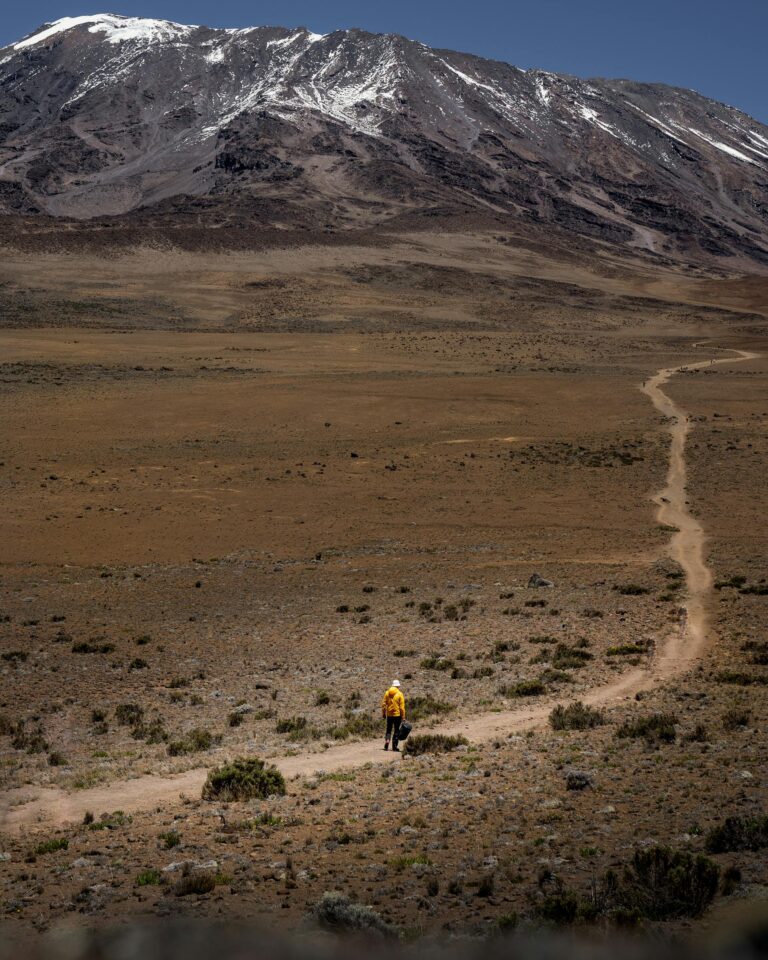
Mount Kilimanjaro is not just a mountain—it’s an icon. At 5,895 meters (19,341 feet), it is the highest peak in Africa and the tallest free-standing mountain in the world, rising dramatically from the Tanzanian plains . Its snow-capped summit, Kibo, has captured the imagination of explorers, climbers, and dreamers for centuries .
But Kilimanjaro is more than its statistics. It’s a journey through five distinct ecological zones—from tropical rainforest to alpine desert to arctic ice—all in a single trek. It’s a test of endurance, determination, and spirit. And it’s an achievement accessible to anyone with reasonable fitness, proper preparation, and the guidance of experienced professionals .
Here is why Kilimanjaro deserves a place on every adventurer’s bucket list.
Africa's Highest Peak: The Roof of the Continent
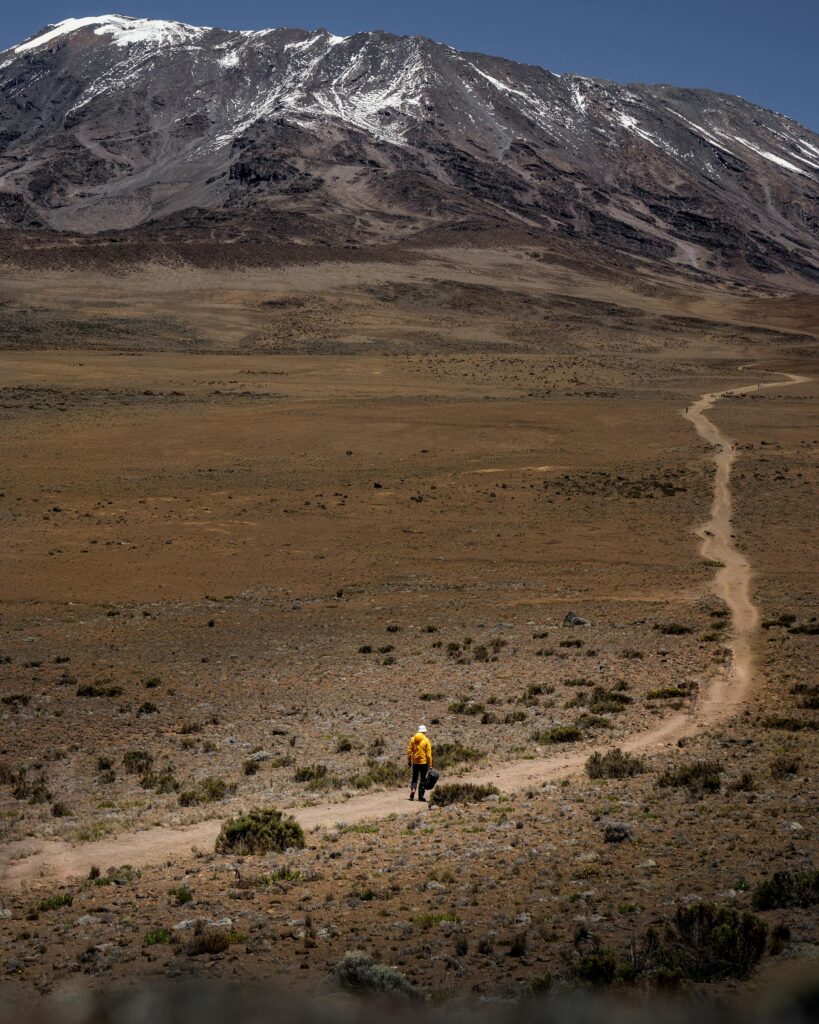
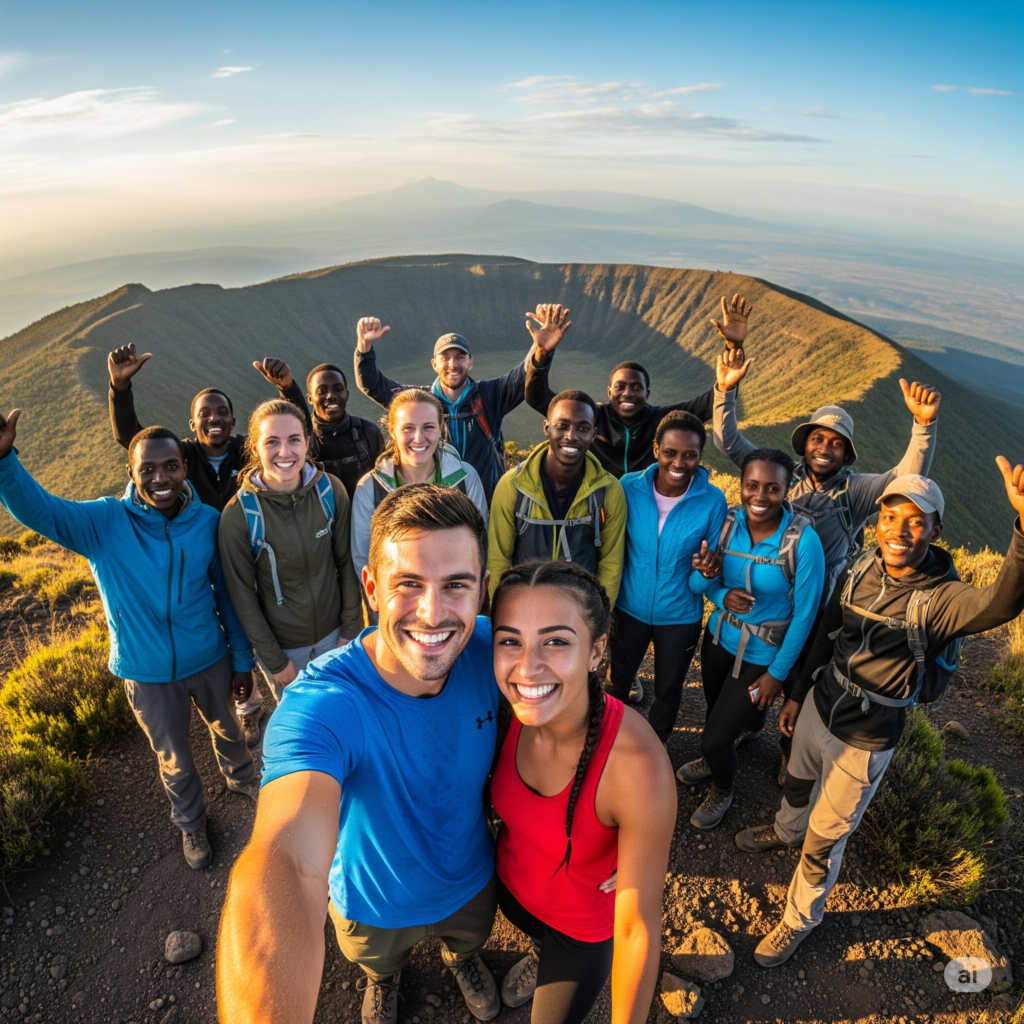
At 5,895 meters, Uhuru Peak on Kilimanjaro’s Kibo crater rim is the highest point in Africa. Standing there, watching the sunrise over a continent spread out 5 kilometers below, is one of the most profound experiences travel can offer. You’ve earned every step of the way, and the view is your reward .
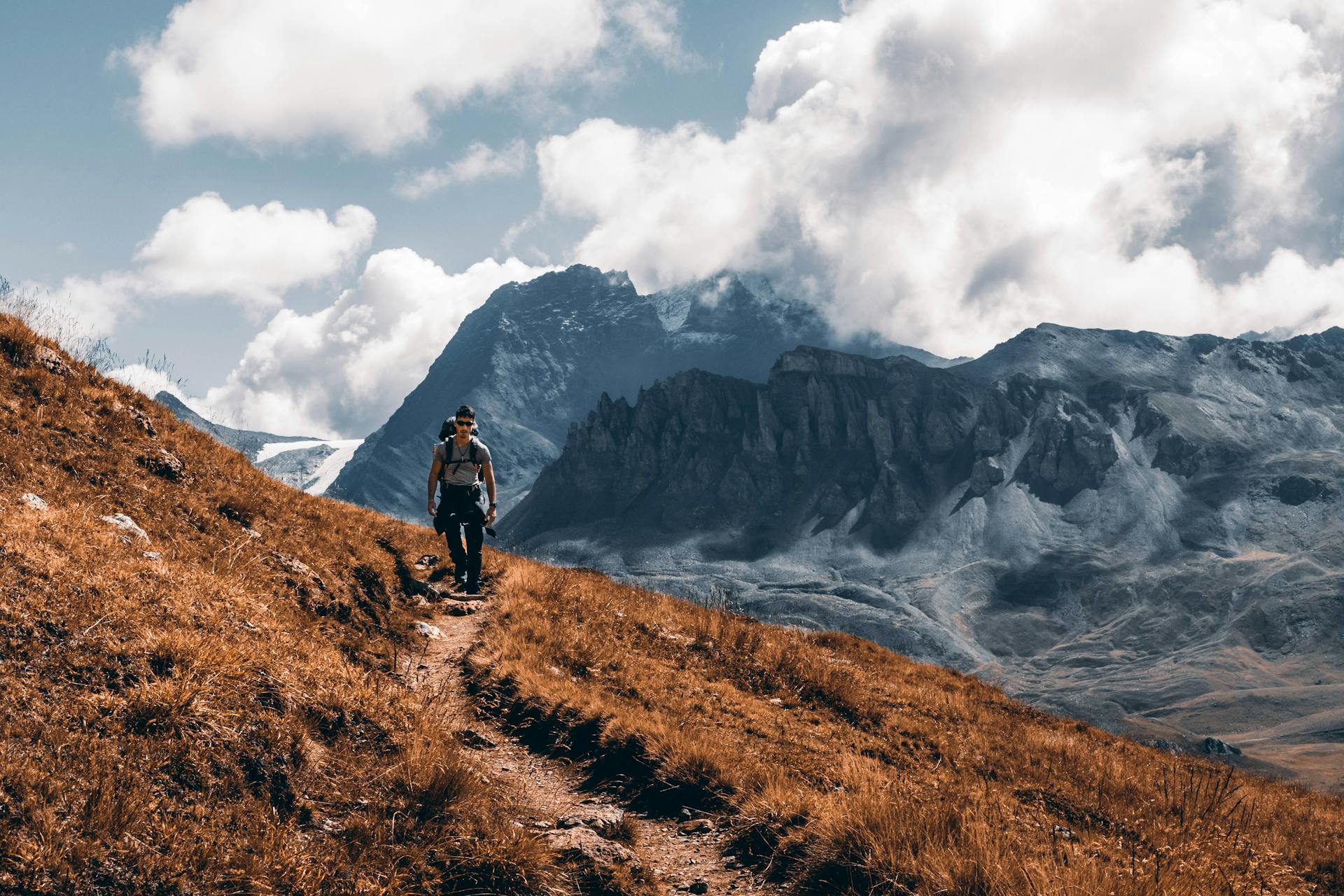
Kilimanjaro is a trekking peak—no technical climbing is required on the main routes. This makes it accessible to thousands of trekkers each year, from seasoned hikers to first-time adventurers. The challenge is not the difficulty of the terrain but the altitude—the thin air, the cold, the exhaustion. Success requires determination, proper acclimatization, and respect for the mountain .
The summit is not the only reward. Along the way, you’ll pass through landscapes that change with every thousand meters—from lush rainforest to heath to moorland to alpine desert. Each day brings new scenery, new challenges, new wonders.
Five Ecological Zones: A Journey Through Worlds
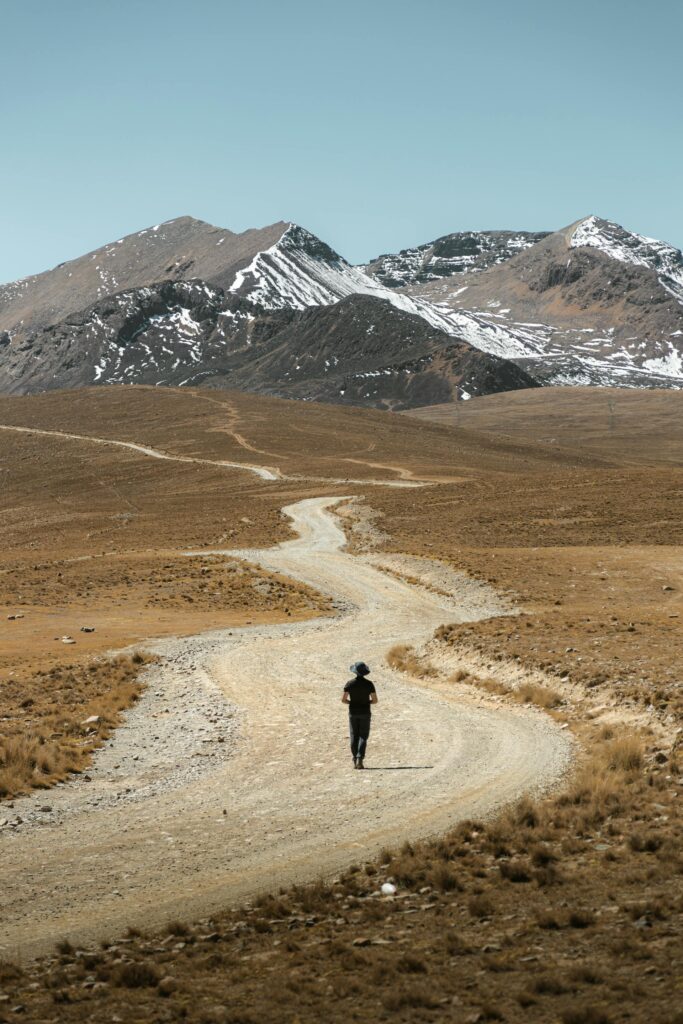
One of Kilimanjaro’s most remarkable features is the way its landscape transforms as you ascend. Starting from the warm, cultivated foothills, you pass through five distinct ecological zones, each with its own climate, vegetation, and character .
The rainforest zone (1,800-2,800m) is lush and green, with towering trees, vines, and colobus monkeys swinging through the canopy. Above this lies the heath zone (2,800-4,000m), a world of giant heather, proteas, and ever-present mist. The moorland zone (4,000-4,500m) is surreal—a landscape of giant groundsels and lobelias that look like they belong on another planet .
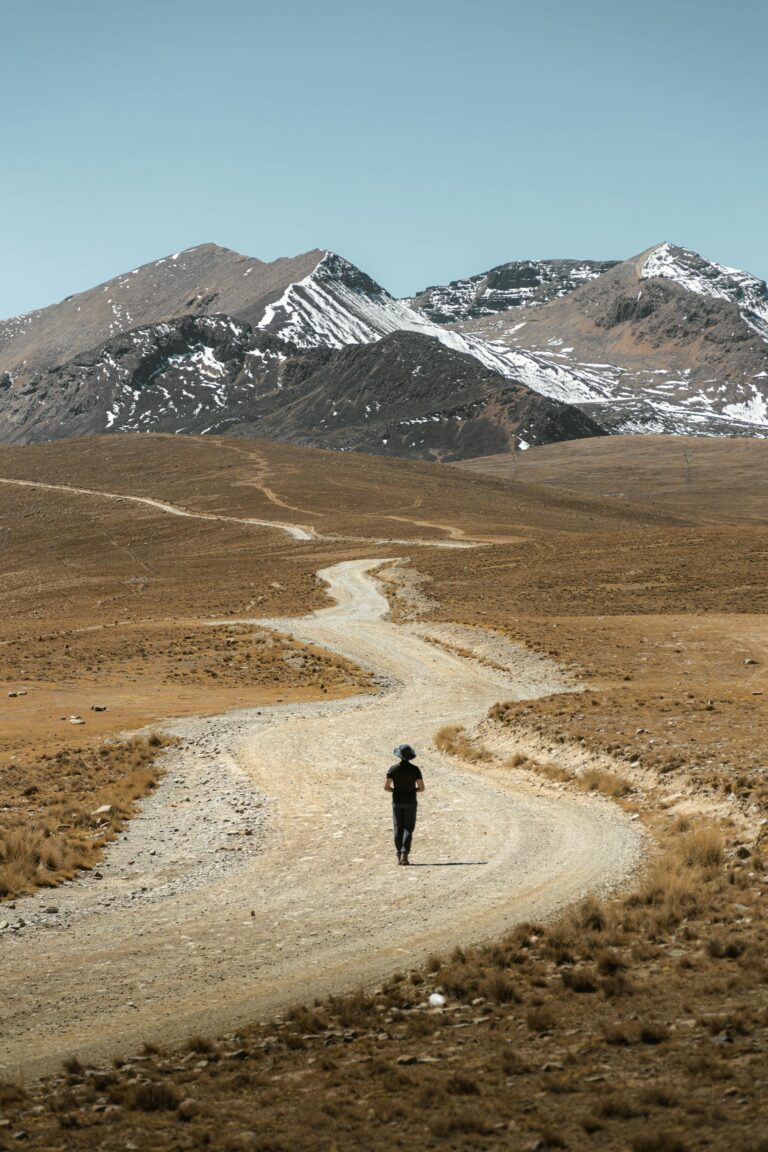
The alpine desert zone (4,500-5,000m) is stark and barren, with little but rock and sand. And finally, the arctic zone (above 5,000m) is a world of ice and scree, where the air is thin and the cold is intense. Walking through these zones in a few days is to experience the condensed biodiversity of a continent.
The Glaciers: Africa's Vanishing Ice
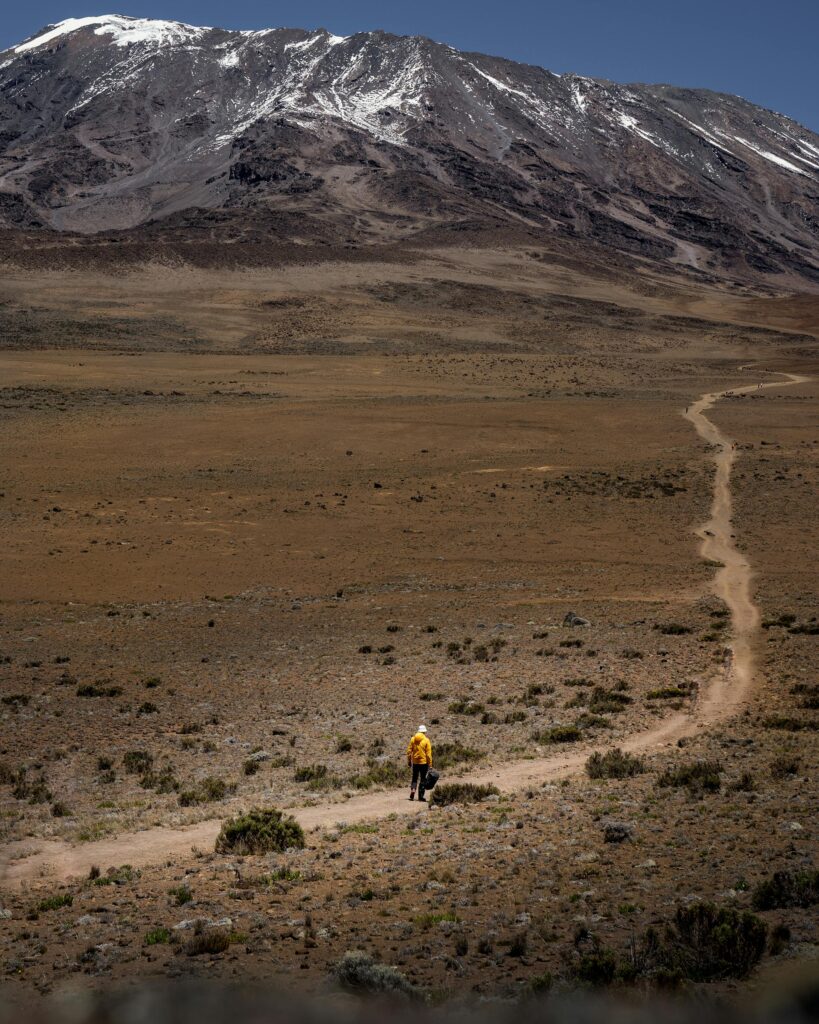
Kilimanjaro’s glaciers are among the most iconic images of Africa—a snow-capped peak rising above the equatorial plains. These glaciers have existed for over 10,000 years, but they are now retreating rapidly due to climate change. Scientists predict they could disappear entirely within the next few decades .
The most famous is the Furtwängler Glacier, near the summit. From above, you can see the crevasses and seracs, the ancient ice glowing blue in the morning light. The retreat is dramatic—marked by moraines and bare rock that was ice-covered just decades ago. Climbing Kilimanjaro now means witnessing a vanishing world .
For climbers, the glaciers add an element of alpine drama to the landscape. For scientists, they are a laboratory for studying climate change. For everyone, they are a reminder of what we stand to lose.
The Routes: Seven Paths to the Summit
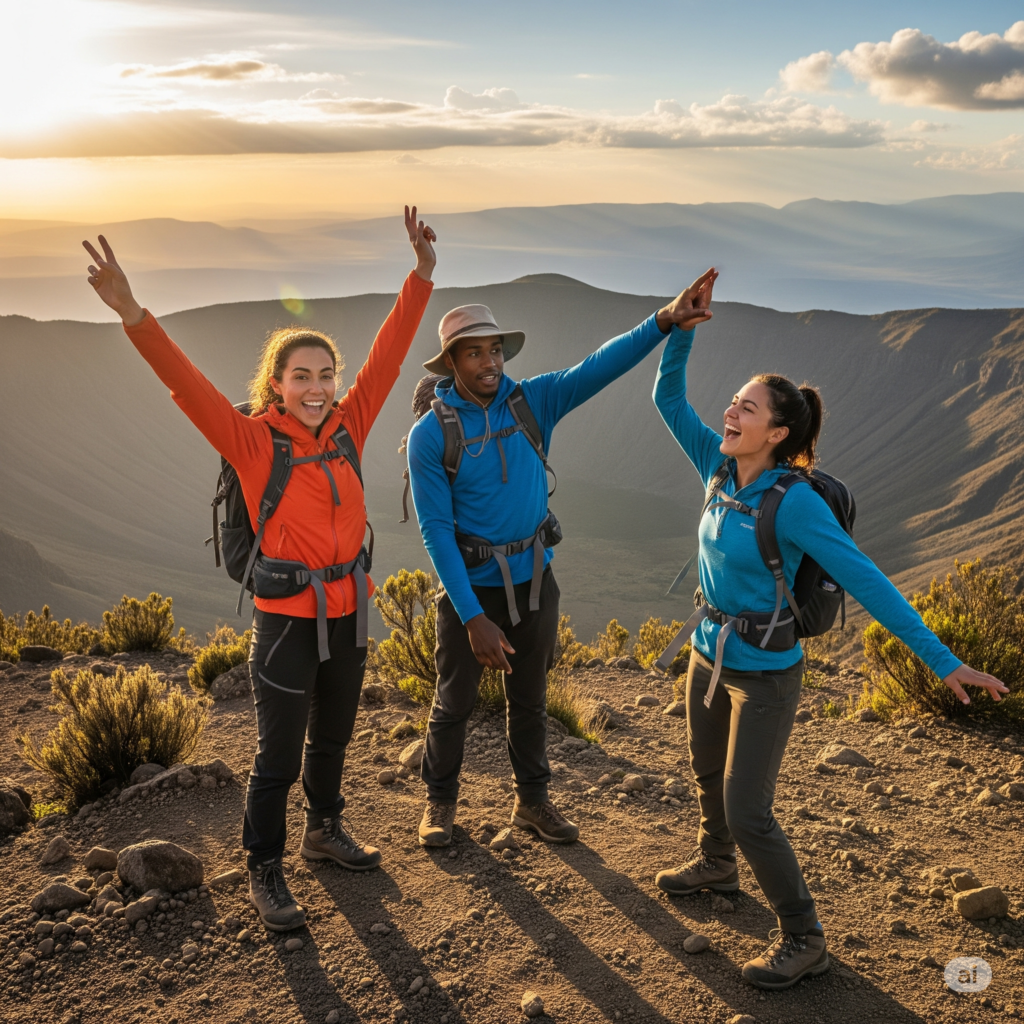
Kilimanjaro offers seven main routes to the summit, each with its own character, difficulty, and scenery. Choosing the right route is one of the most important decisions you’ll make.
The Marangu Route (‘Coca-Cola Route’) is the oldest and most developed, with hut accommodations. It’s the only route with shared sleeping huts rather than tents. The Machame Route (‘Whiskey Route’) is more scenic and challenging, with stunning views and varied terrain .
The Lemosho Route is the most beautiful, approaching from the west through pristine rainforest. It’s longer, allowing better acclimatization, and has high summit success rates. The Rongai Route approaches from the north, the only route starting near the Kenyan border. It’s drier and less crowded .
The Umbwe Route is the most technical and challenging, for experienced trekkers only. The Shira Route starts high, offering dramatic views but less time to acclimatize. The Northern Circuit is the longest and newest, circling the mountain’s northern slopes .
Summit Night: The Ultimate Challenge
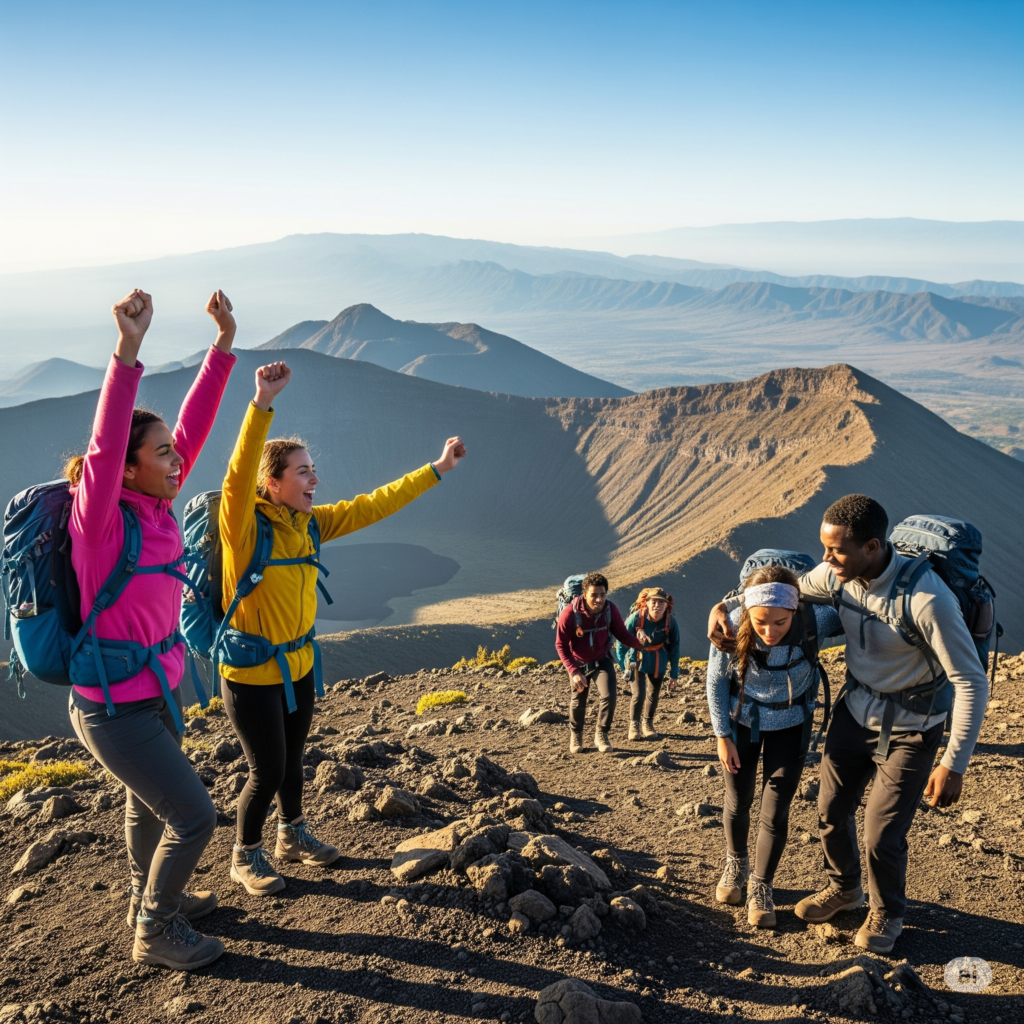
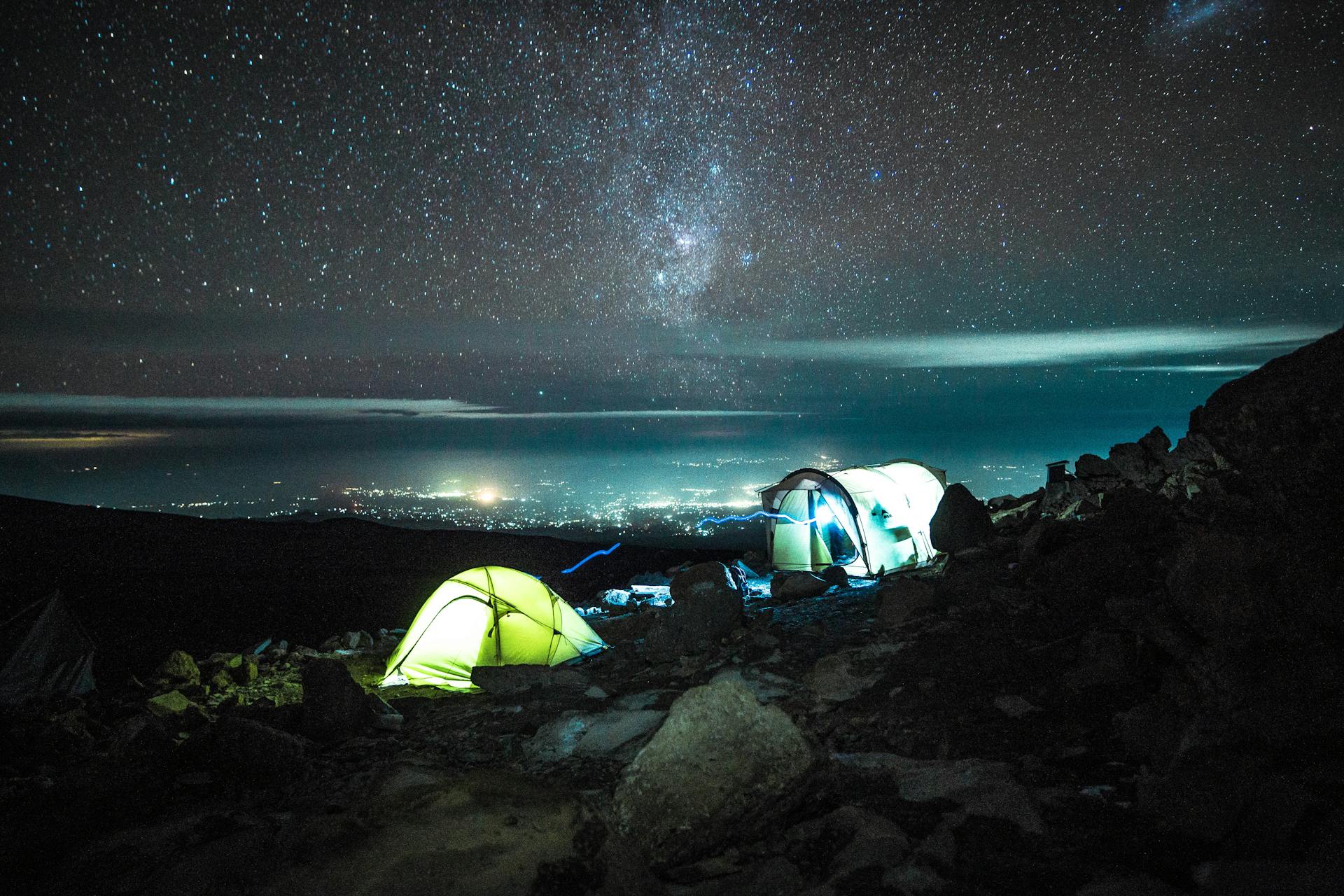
The summit attempt is the culmination of your Kilimanjaro trek—and it’s like nothing else you’ve ever experienced. You’ll wake around midnight, after just a few hours of sleep, and begin climbing in the dark. The headlamp beam illuminates just a few feet ahead. The ground is steep and rocky. The air is thin, each breath a conscious effort. The cold is intense, even with all your layers .
You climb for hours, one step at a time, focusing on putting one foot in front of the other. The guides chant encouragement, check on you constantly. Slowly, imperceptibly, the sky begins to lighten. And then, just as you’re reaching your limit, you round a corner and see it: the summit, glowing in the first light of dawn .
Watching the sunrise from the roof of Africa, knowing what you’ve overcome to get there, is an experience that changes you. It’s why people climb mountains.
Shira Plateau & Crater Camp: High-Altitude Wilderness
For those seeking a more adventurous experience, some routes allow camping on the Shira Plateau or even inside the crater itself. The Shira Plateau is a high-altitude wilderness of moorland and volcanic rock, with stunning views of the Western Breach and the main peaks. Camping here feels like being on another planet .
Crater camp, at 5,700 meters, is the ultimate Kilimanjaro experience. Only a few operators are permitted to camp here, and it requires an extra day of acclimatization. Waking up inside the crater, with the glaciers towering above you, is surreal. From here, the final push to Uhuru Peak is shorter but no less challenging .
These high-altitude camps offer a sense of solitude and wilderness that the standard routes can’t match—for experienced trekkers only.