Mount Kilimanjaro National Park – Safari Continents Travel

Mount Kilimanjaro National Park

Mount Kilimanjaro National Park

  • Best Time to Visit: January – March and June – October for clear weather and summit success.
  • Entry Fees: Approx. USD 70 park entry + USD 700–1200 climb fees depending on route and days.
  • Country: Kilimanjaro

Why Kilimanjaro Is Africa's Ultimate Trekking Adventure

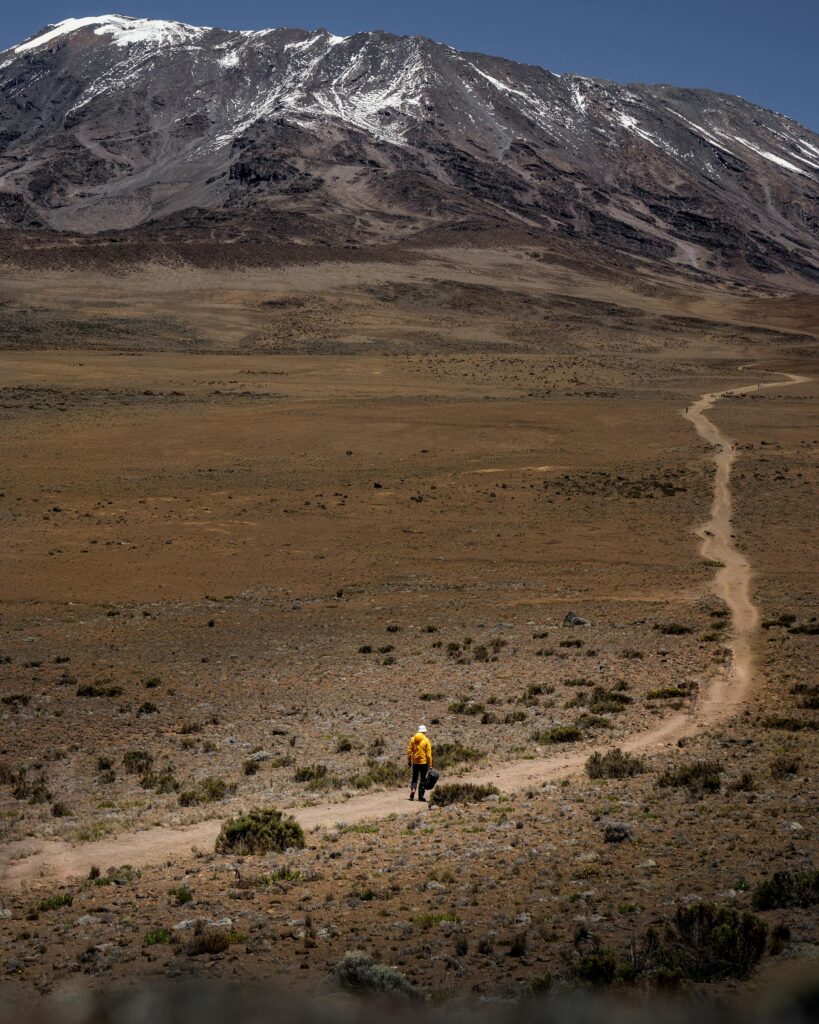
Mount Kilimanjaro is not just a mountain—it’s an icon. At 5,895 meters (19,341 feet), it is the highest peak in Africa and the tallest free-standing mountain in the world, rising dramatically from the Tanzanian plains . Its snow-capped summit, Kibo, has captured the imagination of explorers, climbers, and dreamers for centuries .

But Kilimanjaro is more than its statistics. It’s a journey through five distinct ecological zones—from tropical rainforest to alpine desert to arctic ice—all in a single trek. It’s a test of endurance, determination, and spirit. And it’s an achievement accessible to anyone with reasonable fitness, proper preparation, and the guidance of experienced professionals .

Here is why Kilimanjaro deserves a place on every adventurer’s bucket list.

Africa's Highest Peak: The Roof of the Continent
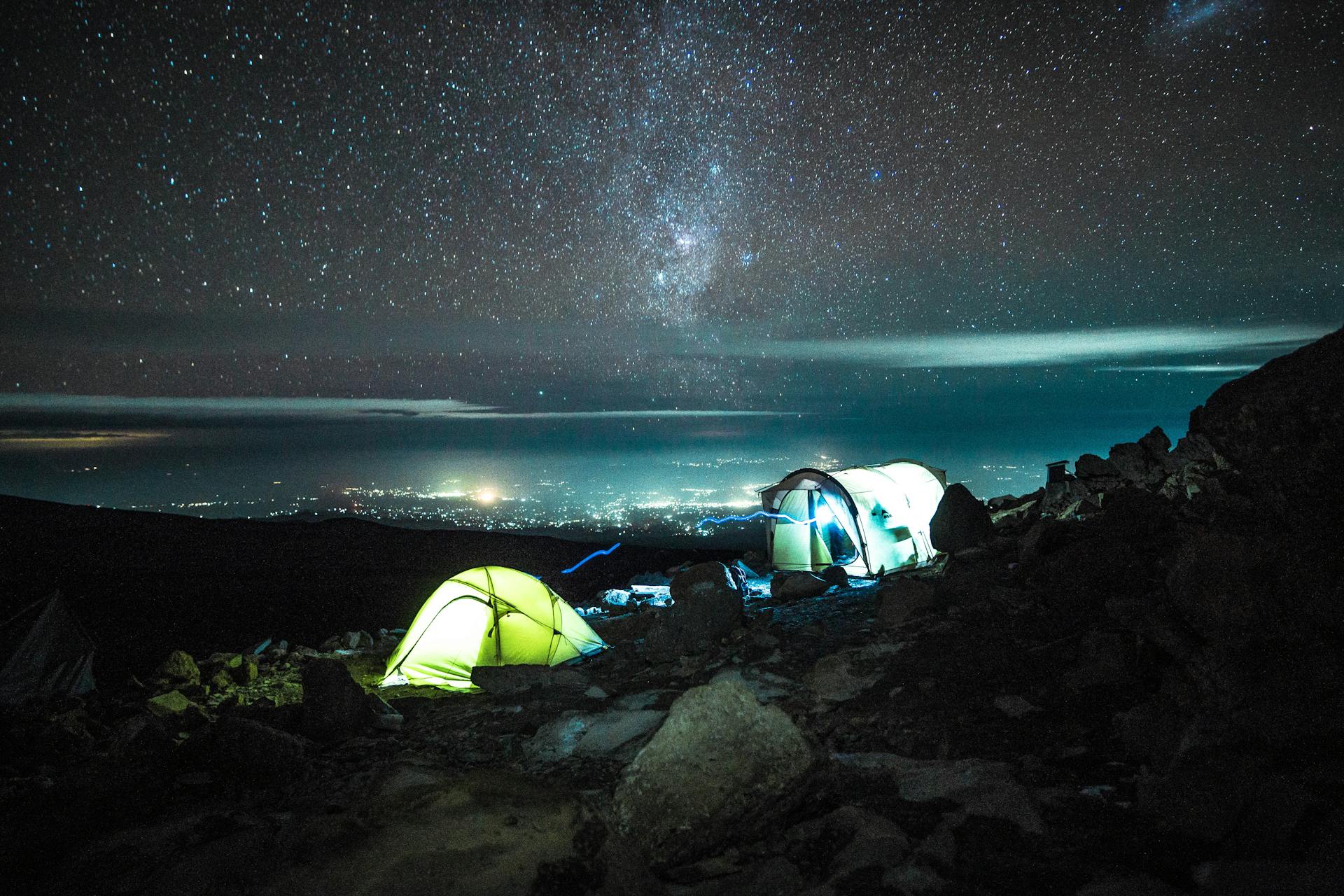
Kilimanjaro camping

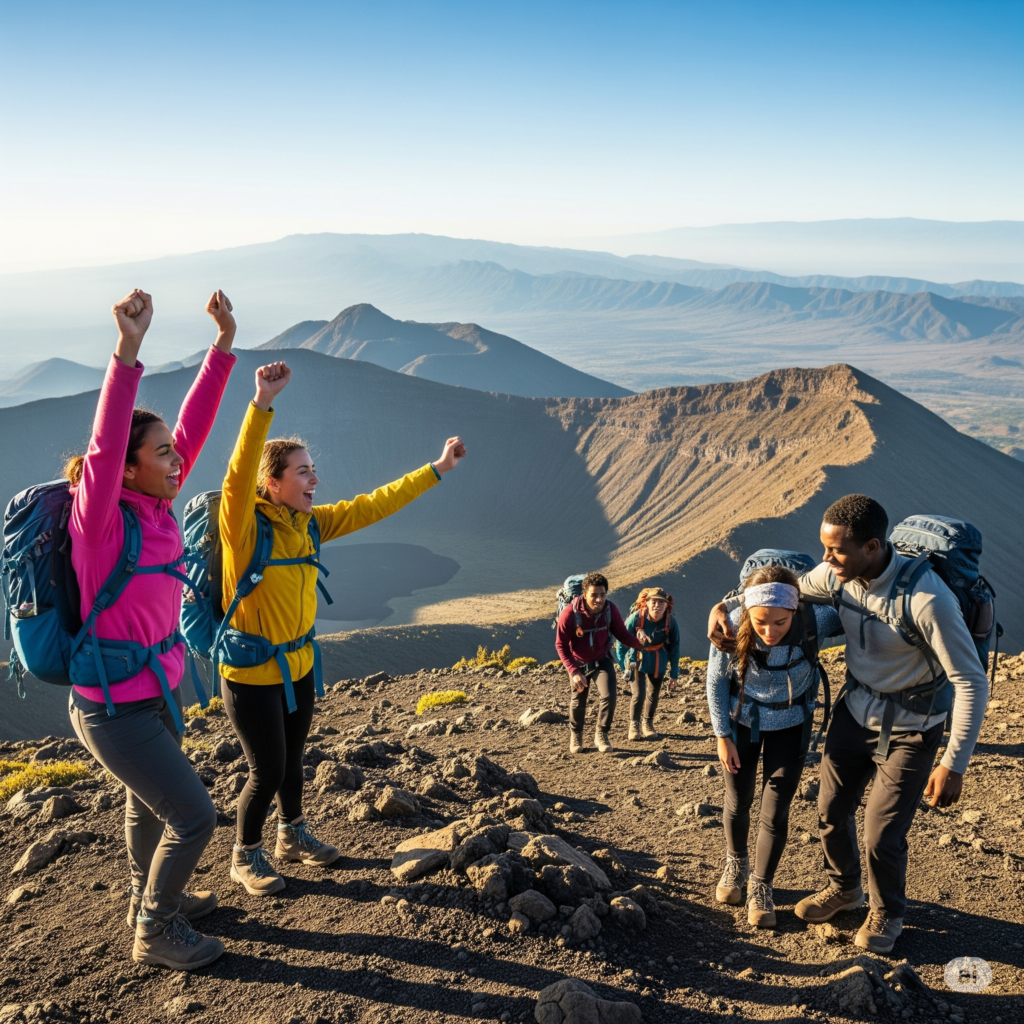
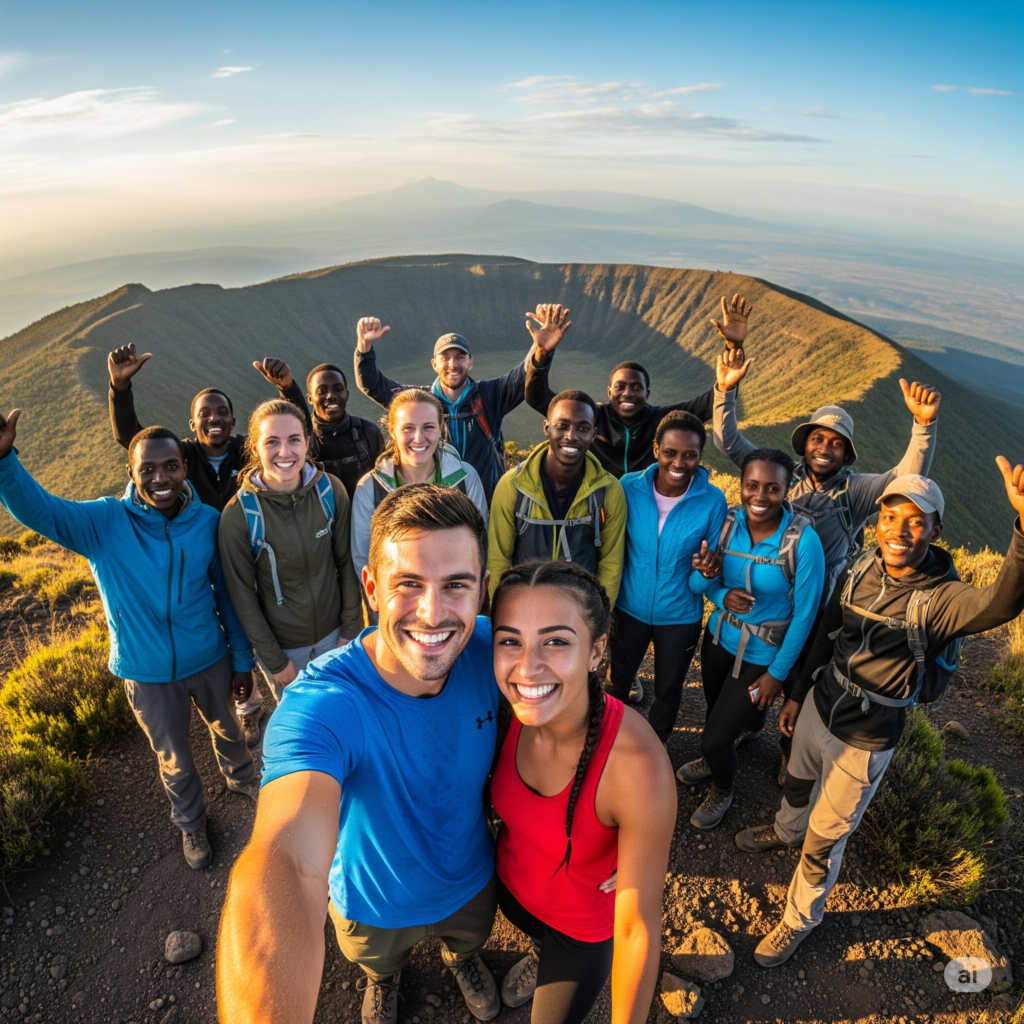
At 5,895 meters, Uhuru Peak on Kilimanjaro’s Kibo crater rim is the highest point in Africa. Standing there, watching the sunrise over a continent spread out 5 kilometers below, is one of the most profound experiences travel can offer. You’ve earned every step of the way, and the view is your reward .

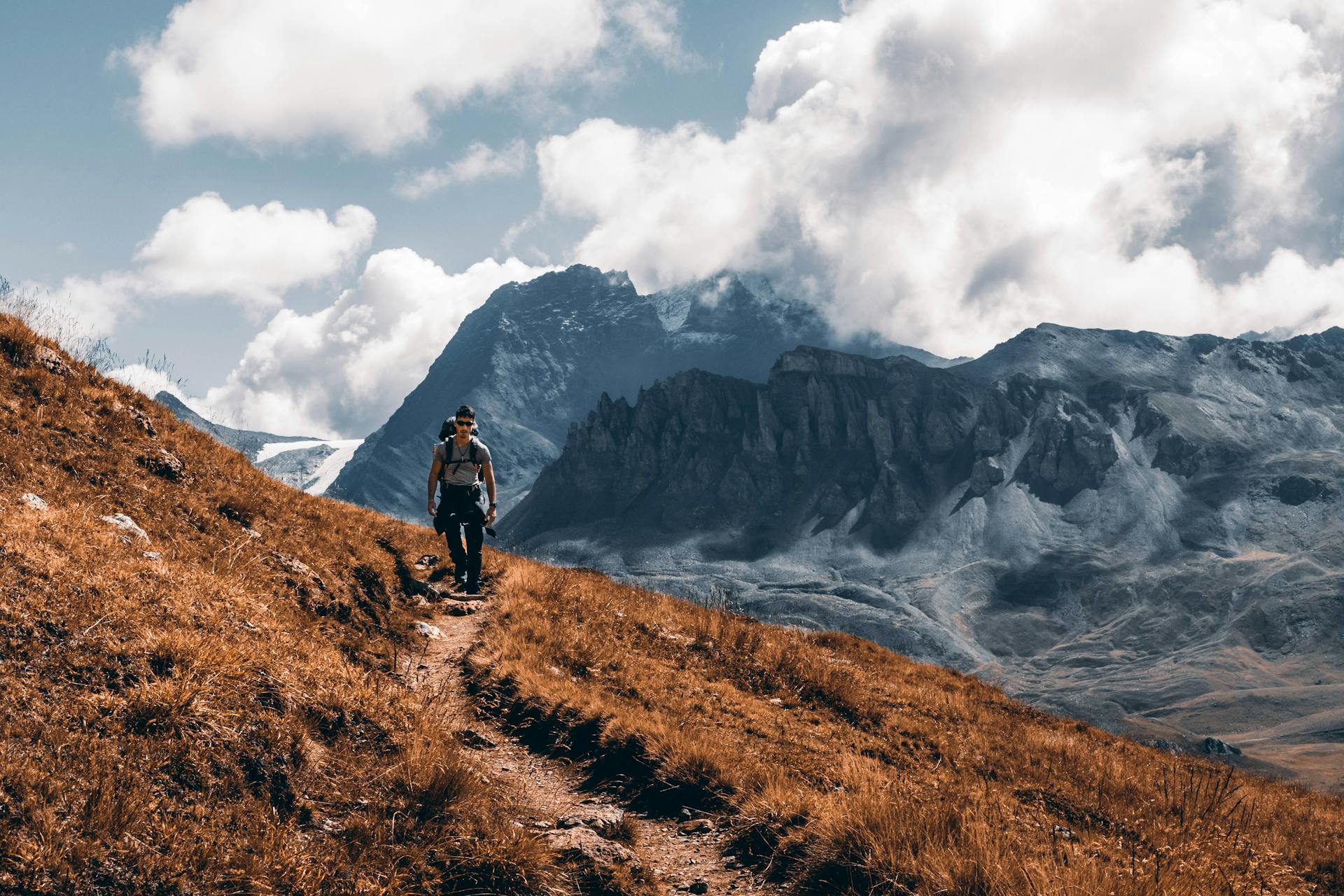
Kilimanjaro is a trekking peak—no technical climbing is required on the main routes. This makes it accessible to thousands of trekkers each year, from seasoned hikers to first-time adventurers. The challenge is not the difficulty of the terrain but the altitude—the thin air, the cold, the exhaustion. Success requires determination, proper acclimatization, and respect for the mountain .

The summit is not the only reward. Along the way, you’ll pass through landscapes that change with every thousand meters—from lush rainforest to heath to moorland to alpine desert. Each day brings new scenery, new challenges, new wonders.

Five Ecological Zones: A Journey Through Worlds
Kilimanjaro vegetation zones

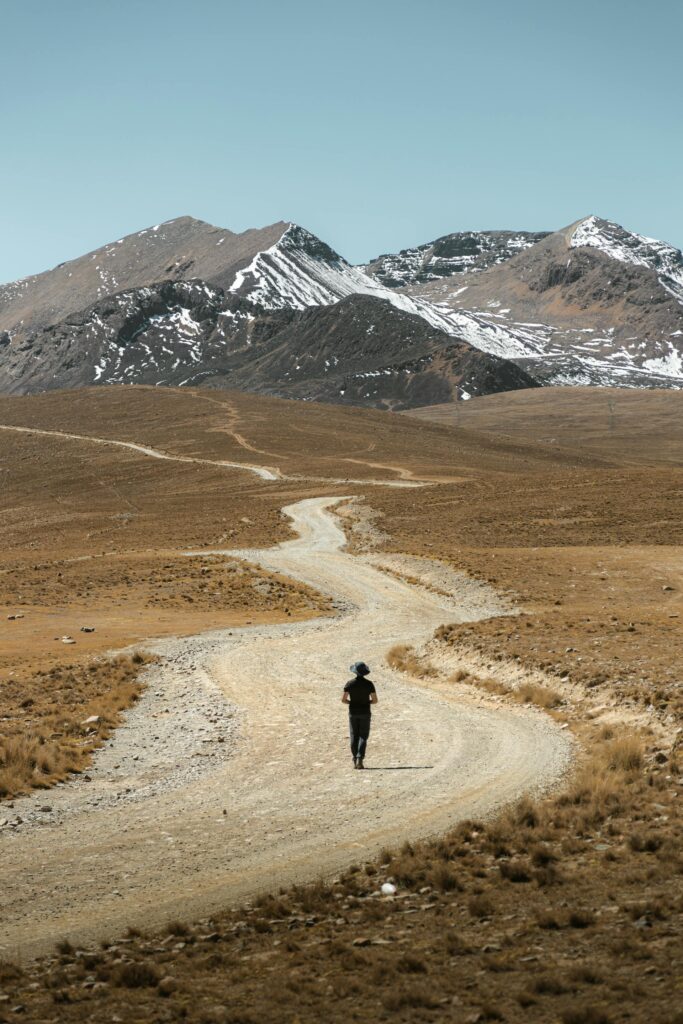
One of Kilimanjaro’s most remarkable features is the way its landscape transforms as you ascend. Starting from the warm, cultivated foothills, you pass through five distinct ecological zones, each with its own climate, vegetation, and character .

The rainforest zone (1,800-2,800m) is lush and green, with towering trees, vines, and colobus monkeys swinging through the canopy. Above this lies the heath zone (2,800-4,000m), a world of giant heather, proteas, and ever-present mist. The moorland zone (4,000-4,500m) is surreal—a landscape of giant groundsels and lobelias that look like they belong on another planet .

The alpine desert zone (4,500-5,000m) is stark and barren, with little but rock and sand. And finally, the arctic zone (above 5,000m) is a world of ice and scree, where the air is thin and the cold is intense. Walking through these zones in a few days is to experience the condensed biodiversity of a continent.

The Glaciers: Africa's Vanishing Ice
Kilimanjaro glaciers

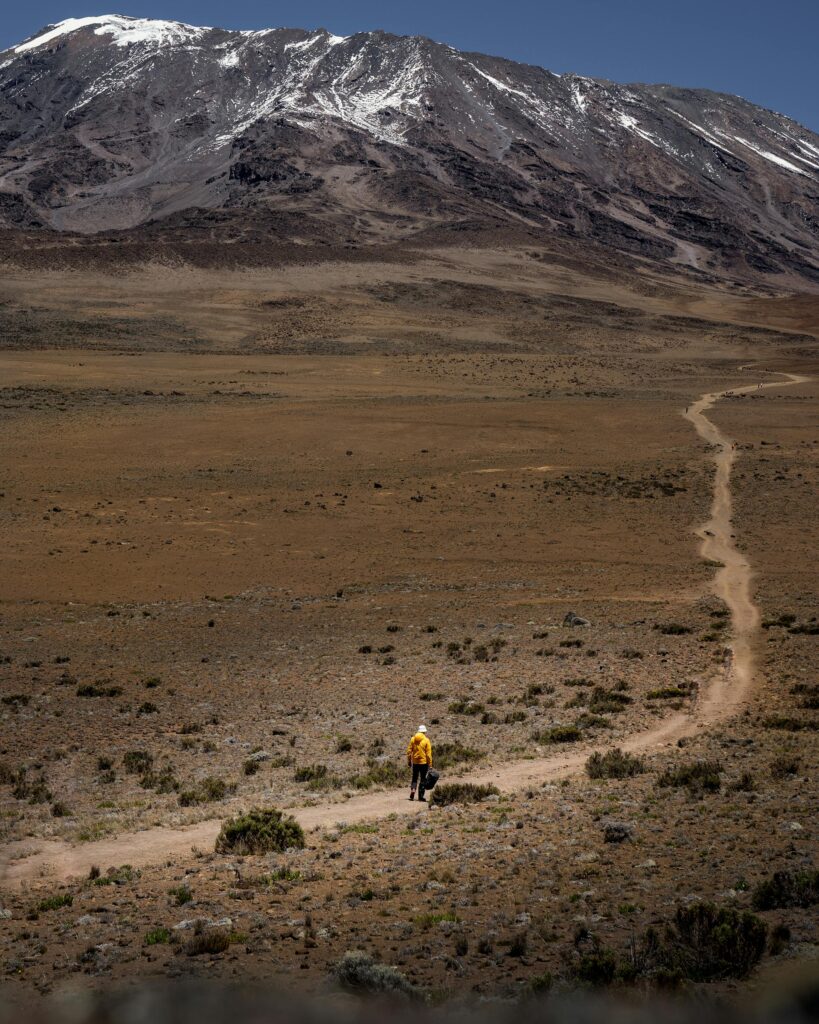
Kilimanjaro’s glaciers are among the most iconic images of Africa—a snow-capped peak rising above the equatorial plains. These glaciers have existed for over 10,000 years, but they are now retreating rapidly due to climate change. Scientists predict they could disappear entirely within the next few decades .

The most famous is the Furtwängler Glacier, near the summit. From above, you can see the crevasses and seracs, the ancient ice glowing blue in the morning light. The retreat is dramatic—marked by moraines and bare rock that was ice-covered just decades ago. Climbing Kilimanjaro now means witnessing a vanishing world .

For climbers, the glaciers add an element of alpine drama to the landscape. For scientists, they are a laboratory for studying climate change. For everyone, they are a reminder of what we stand to lose.

The Routes: Seven Paths to the Summit
Kilimanjaro route map

Kilimanjaro offers seven main routes to the summit, each with its own character, difficulty, and scenery. Choosing the right route is one of the most important decisions you’ll make.

The Marangu Route (‘Coca-Cola Route’) is the oldest and most developed, with hut accommodations. It’s the only route with shared sleeping huts rather than tents. The Machame Route (‘Whiskey Route’) is more scenic and challenging, with stunning views and varied terrain .

The Lemosho Route is the most beautiful, approaching from the west through pristine rainforest. It’s longer, allowing better acclimatization, and has high summit success rates. The Rongai Route approaches from the north, the only route starting near the Kenyan border. It’s drier and less crowded .

The Umbwe Route is the most technical and challenging, for experienced trekkers only. The Shira Route starts high, offering dramatic views but less time to acclimatize. The Northern Circuit is the longest and newest, circling the mountain’s northern slopes .

Summit Night: The Ultimate Challenge
Kilimanjaro summit

The summit attempt is the culmination of your Kilimanjaro trek—and it’s like nothing else you’ve ever experienced. You’ll wake around midnight, after just a few hours of sleep, and begin climbing in the dark. The headlamp beam illuminates just a few feet ahead. The ground is steep and rocky. The air is thin, each breath a conscious effort. The cold is intense, even with all your layers .

You climb for hours, one step at a time, focusing on putting one foot in front of the other. The guides chant encouragement, check on you constantly. Slowly, imperceptibly, the sky begins to lighten. And then, just as you’re reaching your limit, you round a corner and see it: the summit, glowing in the first light of dawn .

Watching the sunrise from the roof of Africa, knowing what you’ve overcome to get there, is an experience that changes you. It’s why people climb mountains.

Shira Plateau & Crater Camp: High-Altitude Wilderness
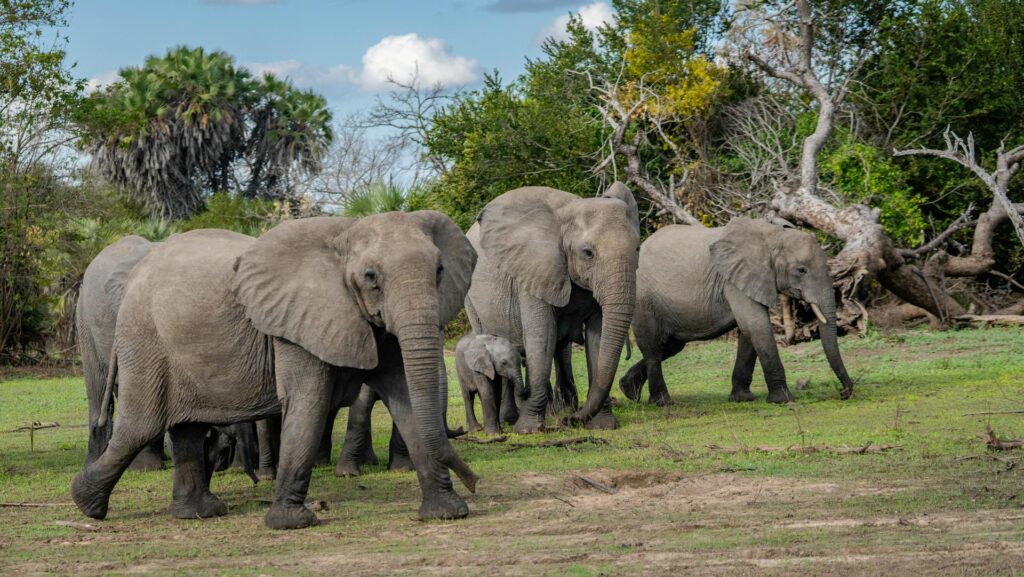
Shira Plateau

For those seeking a more adventurous experience, some routes allow camping on the Shira Plateau or even inside the crater itself. The Shira Plateau is a high-altitude wilderness of moorland and volcanic rock, with stunning views of the Western Breach and the main peaks. Camping here feels like being on another planet .

Crater camp, at 5,700 meters, is the ultimate Kilimanjaro experience. Only a few operators are permitted to camp here, and it requires an extra day of acclimatization. Waking up inside the crater, with the glaciers towering above you, is surreal. From here, the final push to Uhuru Peak is shorter but no less challenging .

These high-altitude camps offer a sense of solitude and wilderness that the standard routes can’t match—for experienced trekkers only.
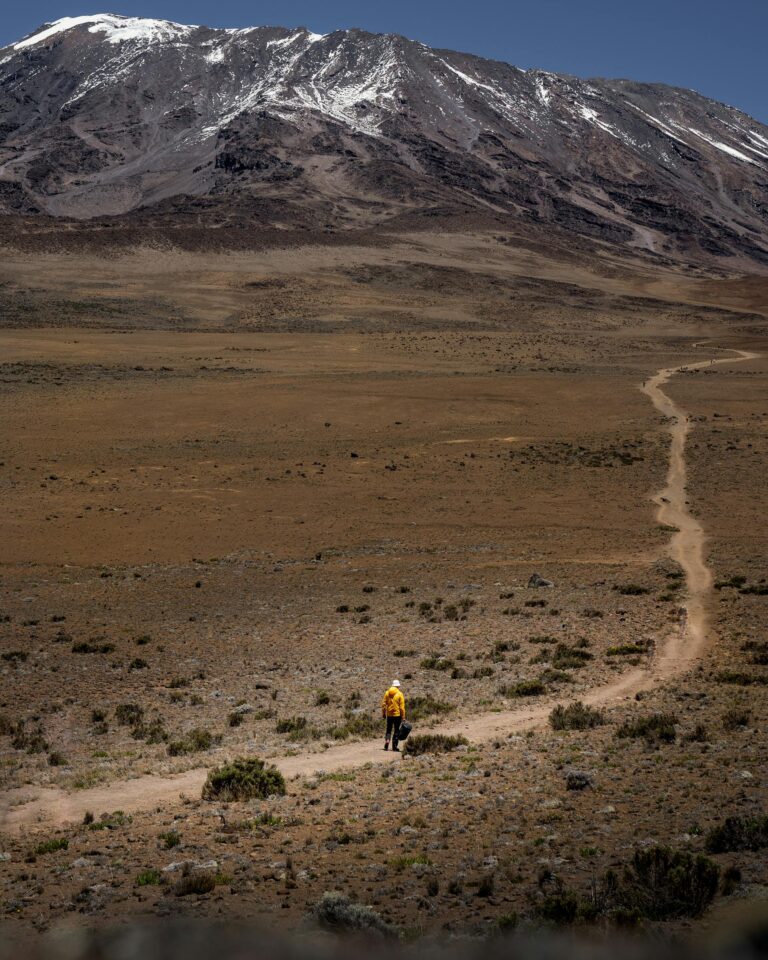
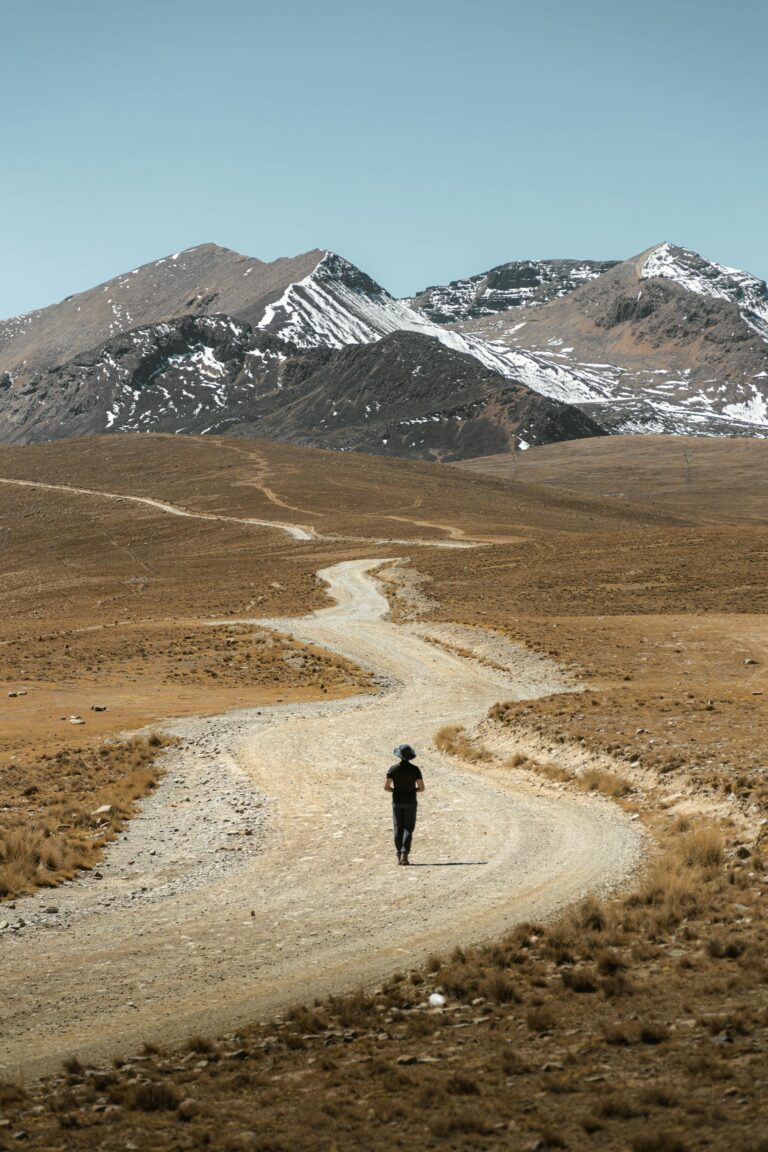
Exploring Kilimanjaro: Routes, Camps & Summit

Marangu Route: The 'Coca-Cola' Route

The Marangu Route is the oldest and most established route on Kilimanjaro. It’s often called the ‘Coca-Cola Route’ because it’s considered the easiest, and it’s the only route that offers hut accommodation instead of tents . The route approaches from the southeast and takes five to six days to complete.

The trail is relatively gentle compared to other routes, with a gradual slope that makes for easier trekking. The huts provide basic but welcome shelter—bunk beds, solar lighting, and common areas. The scenery is beautiful, with rainforest giving way to heath and moorland, but the route is less varied than others .

The main disadvantage is that the shorter itinerary allows less time for acclimatization, which can reduce summit success rates. Many climbers add an extra acclimatization day to improve their chances .

Best for: First-time trekkers, those preferring hut accommodation, those on a tighter schedule.

Machame Route: The 'Whiskey' Route

The Machame Route, often called the ‘Whiskey Route,’ is one of the most popular and scenic routes on Kilimanjaro. Approaching from the southwest, it offers stunning views, varied terrain, and a more challenging trek than Marangu. The route takes six to seven days, allowing better acclimatization .

The trail climbs through rainforest, then crosses the Shira Plateau before tackling the dramatic Barranco Wall—a steep but non-technical scramble that’s one of the route’s highlights. The views from the plateau are spectacular, with the summit visible in the distance. Camping under the stars adds to the adventure .

The longer itinerary and the ‘climb high, sleep low’ profile of the route result in higher summit success rates than Marangu. It’s a good choice for trekkers with some hiking experience .

Best for: Trekkers seeking scenic variety, those wanting better acclimatization, camping experience.

Lemosho Route: The Most Beautiful Approach

The Lemosho Route is widely considered the most beautiful route on Kilimanjaro. Approaching from the west, it traverses pristine rainforest, crosses the Shira Plateau, and joins the Machame Route near the Barranco Valley. The route takes seven to eight days, offering excellent acclimatization and the highest summit success rates .

The route begins in remote, lush forest, with good chances of seeing wildlife—colobus monkeys, birds, and even elephants occasionally. The crossing of the Shira Plateau is spectacular, with views of the mountain’s western slopes. The route is less crowded than Machame, especially in the early stages .
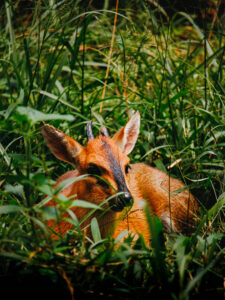
The longer itinerary allows for more rest days and better acclimatization, resulting in summit success rates over 90% with proper preparation. It’s the choice of many experienced trekkers .

Best for: Trekkers seeking the most scenic route, maximum acclimatization, highest success rates.

Rongai Route: The Northern Approach

The Rongai Route is the only route that approaches Kilimanjaro from the north, starting near the Kenyan border. It’s drier than the southern routes, making it a good choice during the rainy seasons. The route takes six to seven days and offers a wilderness experience with fewer crowds .

The terrain is varied—open farmland, then forest, then moorland. The views of the northern slopes are different from the more frequently photographed southern aspects. The descent is usually via the Marangu Route, offering a different perspective on the way down .

The route is less steep than some others, making it accessible to trekkers of moderate fitness. It’s a good choice for those seeking a quieter, more remote experience .

Best for: Trekkers seeking a quieter route, those climbing during rainy seasons, northern approach.

The Barranco Wall: Kilimanjaro's Famous Scramble

The Barranco Wall is not a separate route but a feature on the Machame, Lemosho, and Umbwe routes—and one of Kilimanjaro’s most memorable sections. This 300-meter-high cliff face requires a steep but non-technical scramble, with hands-on-rock sections that are exhilarating without being dangerous .

The wall is often described as the most fun day on the mountain. You’ll climb through narrow passages, over boulders, and up rocky steps, with spectacular views opening behind you. At the top, you’re rewarded with a view of the summit and the surrounding peaks .

Despite its intimidating appearance from below, the Barranco Wall is safe and achievable for all trekkers with a head for heights. Your guides will help you navigate the tricky sections, and the sense of achievement is immense .

Uhuru Peak: The Roof of Africa

Uhuru Peak, at 5,895 meters, is the ultimate destination—the highest point in Africa. Reaching it is the culmination of days of effort, the reward for midnight starts and thin-air struggles. The moment you stand there, watching the sunrise over a continent, is one you’ll never forget .

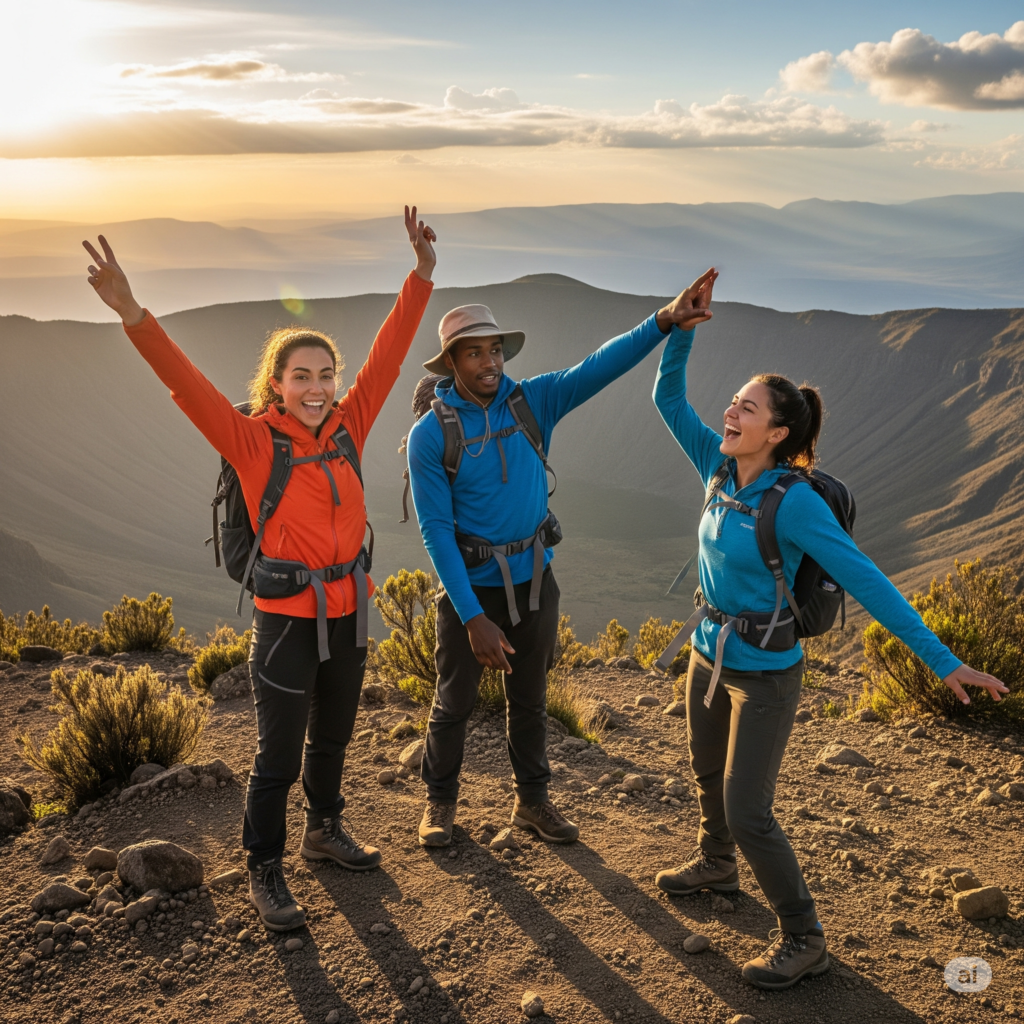
The summit area is otherworldly—glaciers on one side, the vast crater of Kibo on the other, the world spread out 5 kilometers below. You’ll have just 15-20 minutes at the top before the cold and altitude force you to descend, but those minutes are enough. Photos, tears, embraces, and the quiet satisfaction of achievement .

The summit is the goal, but it’s the journey that matters. The people you meet, the challenges you overcome, the landscapes you pass through—all lead to this moment.

Kilimanjaro Month-by-Month: Climbing Seasons, Weather & When to Go

Mount Kilimanjaro is Africa’s highest peak and the world’s tallest free-standing mountain, rising 5,895 meters (19,341 feet) above the Tanzanian plains . Its snow-capped summit, Kibo, is one of the continent’s most iconic sights. Unlike other high-altitude mountains, Kilimanjaro is a trekking peak—no technical climbing is required on the main routes, making it accessible to fit hikers with proper acclimatization .

The mountain has its own climate, with conditions changing dramatically as you ascend through five ecological zones—cultivated foothills, rainforest, heath, moorland, and alpine desert. Summit temperatures can drop to -20°C (-4°F) at night, regardless of the season .

The best climbing conditions are during the dry seasons: January-March and June-October. The long rains (March-May) make trails muddy and reduce summit success rates. The short rains (November-December) bring afternoon showers but can still be rewarding for prepared climbers .

All temperatures are daytime highs and nighttime lows at mid-altitude (∼3,000m). Summit temperatures are significantly colder—often below freezing at night year-round.

Month
Rain
Min
Max
Season

Featured Destinations

Selected Complementary Destinations

Meru National Park

Top Reasons to Visit
Small Intimate Park Big 5 Wildlife Family Friendly

Mount Kilimanjaro National Park

Top Reasons to Visit
Africa's Highest Peak Alpine Climate Bands

Madikwe Game Reserve

Top Reasons to Visit
Big 5 Wildlife Family Friendly

Katavi National Park

Top Reasons to Visit
Bird Watchers' Paradise Big 5 Wildlife

Kgalagadi Transfrontier Park

Top Reasons to Visit
Big 5 Wildlife Family Friendly

Queen Elizabeth National Park

Top Reasons to Visit
Big 5 Wildlife Year-Round Safari

Masai Mara National Reserve

Top Reasons to Visit
Big 5 Wildlife Year-Round Safari

Plan Your Journey to Mount Kilimanjaro National Park

Ready to explore? Our travel specialists are here to help craft your dream itinerary.
Chat on WhatsApp
Created by icon tripfrom the Noun Project Created by Amethyst Studiofrom the Noun Project Created by Amethyst Studiofrom the Noun Project Created by Amethyst Studiofrom the Noun Project