Why Nyerere Is Africa's Last True Wilderness Safari
Nyerere National Park—formerly the northern sector of the legendary Selous Game Reserve—is Africa in its purest form. Spanning over 30,000 square kilometers, it is the largest national park in Africa and one of the continent’s last remaining true wildernesses [citation:8]. This UNESCO World Heritage Site offers something increasingly rare in African safaris: solitude.
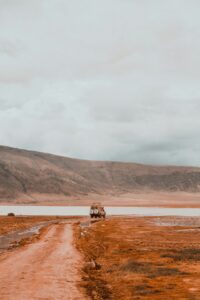
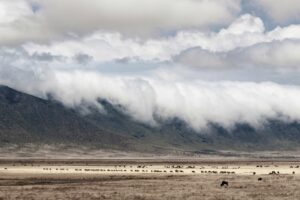
Here, you can drive for hours without seeing another vehicle. The vast miombo woodlands stretch to the horizon. The Rufiji River, Tanzania’s largest, flows through the park, creating wetlands, lakes, and floodplains that teem with wildlife. Nyerere is famous as the last true stronghold of the African wild dog, with healthy populations of these endangered predators [citation:7]. It offers safari activities that northern parks don’t—boat safaris on the Rufiji, walking safaris through untouched bush, and fly-camping under the stars [citation:4].
Here is why Nyerere deserves a place on every serious safari traveler’s bucket list.
The Last Stronghold of African Wild Dogs
Nyerere National Park is globally renowned as the last true stronghold of the African wild dog, one of the continent’s most endangered predators [citation:7]. Unlike the sparse populations elsewhere, Nyerere supports large, viable packs that are regularly seen by visitors. Painted wolves—as they’re also known—hunt cooperatively across the park’s vast plains, their mottled coats and large rounded ears making them unmistakable.
Why are they so successful here? The park’s vast size, low human disturbance, and abundant prey create ideal conditions for these social predators. Packs of 10-30 individuals are not uncommon, and their hunting efficiency—often exceeding 80% success—is a marvel to witness [citation:4]. The dry season (June-October) offers the best sightings as packs concentrate along the Rufiji River.
Seeing wild dogs in Nyerere is more than a wildlife sighting—it’s witnessing a conservation success story. This is the place to see them.
The Rufiji River: Africa's Hidden Waterway

The Rufiji River is the lifeblood of Nyerere National Park. Tanzania’s largest river, it flows for over 600 kilometers through the park, creating a complex network of channels, oxbow lakes, and floodplains that sustain an extraordinary concentration of wildlife [citation:5]. Unlike the famous rivers of the northern circuit, the Rufiji offers a different experience—boat safaris that bring you eye-level with hippos, crocodiles, and elephants.
Drifting silently along the Rufiji at sunset is one of Africa’s great safari experiences. Hippos grunt and jostle in the shallows. Giant crocodiles bask on sandbanks. Elephants wade through the water, their trunks acting as snorkels. African fish eagles call from dead trees. Carmine bee-eaters flash past in clouds of color [citation:7].
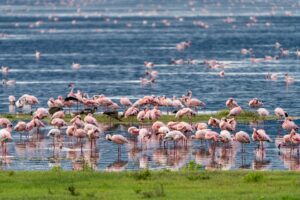
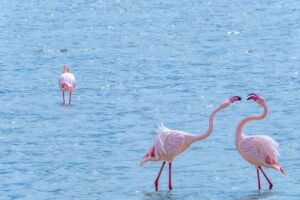
The Rufiji’s wetlands are also a magnet for birds—pelicans, storks, herons, and kingfishers abound. Boat safaris offer perspectives that game drives simply cannot match.
Walking Safaris: Feel the Wild
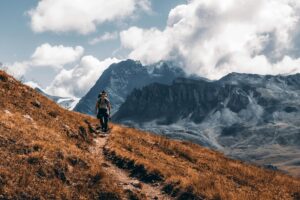
Nyerere is one of the few places in Tanzania where walking safaris are not just permitted—they’re an essential experience [citation:4]. Accompanied by an armed ranger and expert guide, you leave the vehicle behind and step into the bush on foot. The perspective shifts completely. You notice the small things: tracks, scat, insects, the way light filters through miombo leaves.
A walking safari in Nyerere connects you to the landscape in a way that vehicles never can. You learn to read the bush—the alarm call of a bird, the direction of the wind, the freshness of a lion track. The guides share their knowledge of plants, their uses, their stories. The sense of vulnerability is real, but it’s managed with professionalism and respect [citation:5].
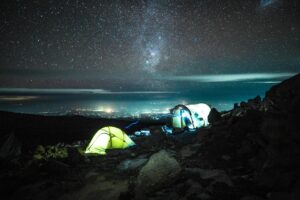
For the truly adventurous, fly-camping takes walking safaris further—overnight stays in mobile camps under the stars, sleeping in basic tents with only the sounds of the bush around you. It’s the ultimate wilderness experience.
Wildlife: Elephants, Predators & More
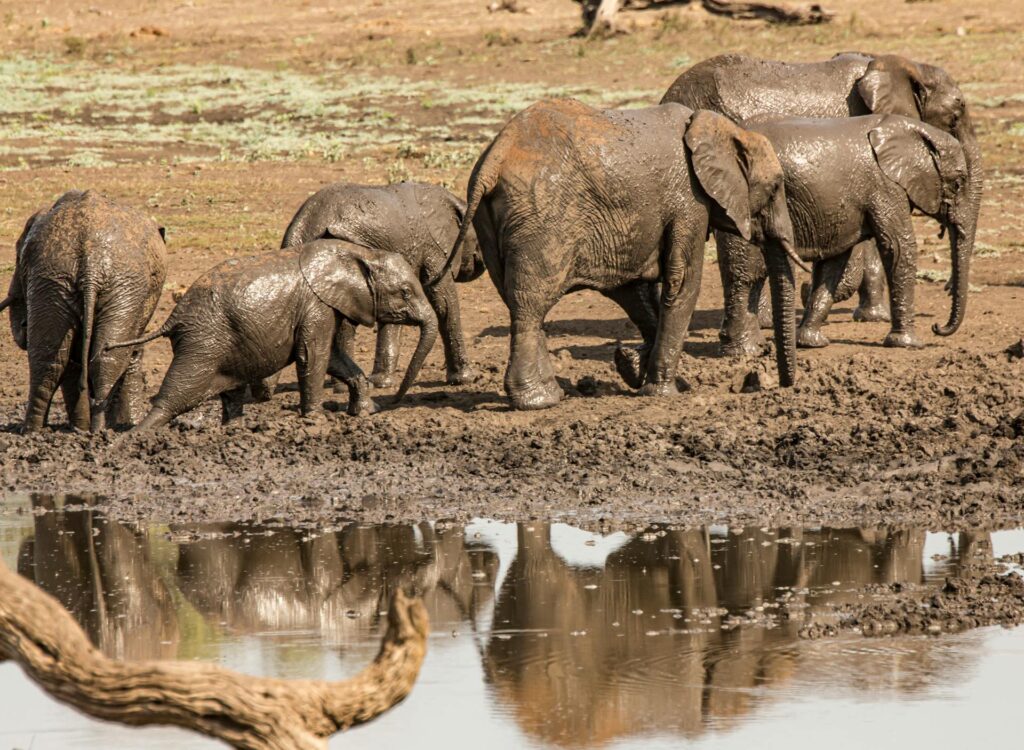
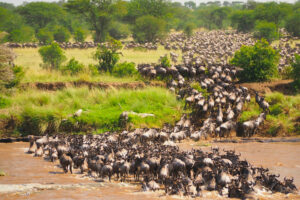
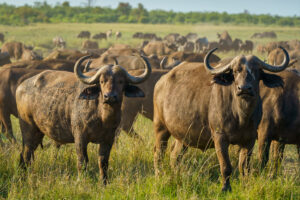
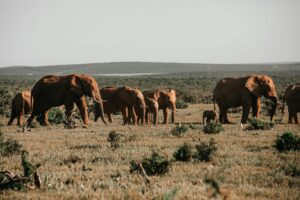
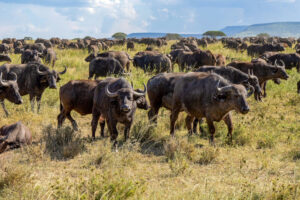
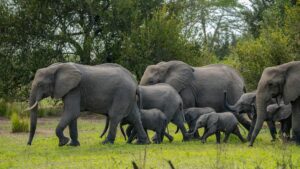
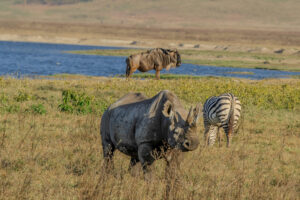
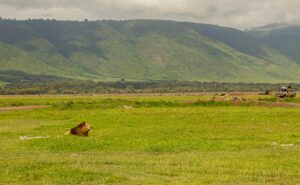
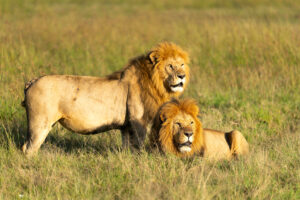
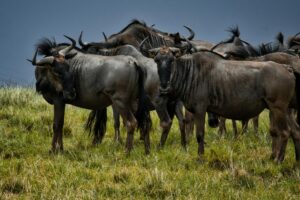
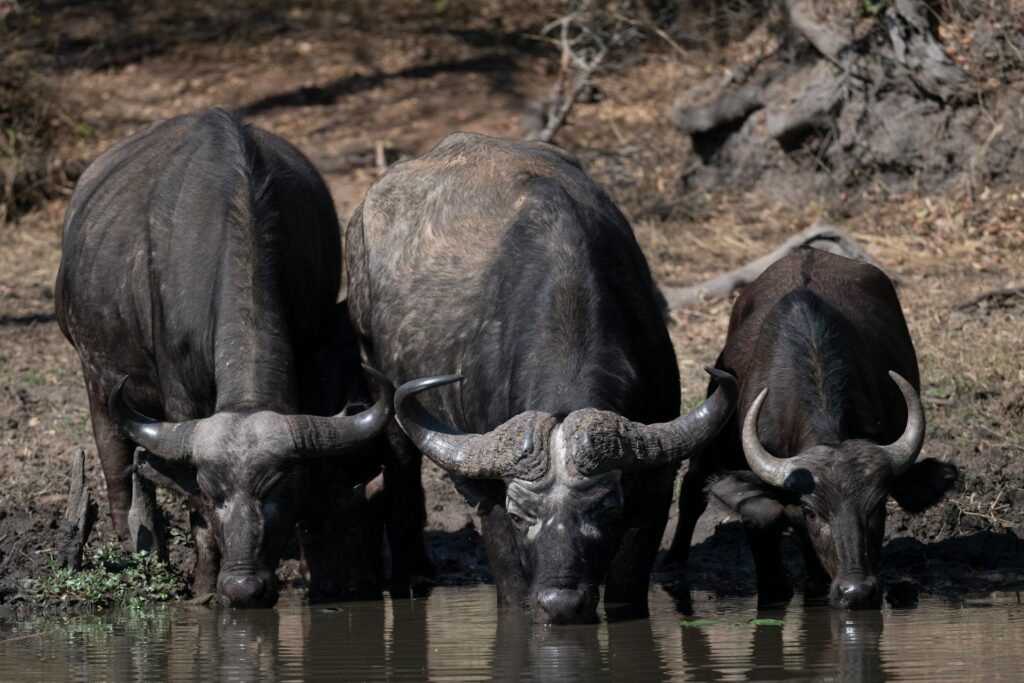
Nyerere’s wildlife is extraordinary both in diversity and numbers. The park hosts one of East Africa’s largest elephant populations, with herds of several hundred still seen [citation:6]. Buffalo gather in massive herds along the Rufiji. Lions are common, their prides thriving on abundant prey. Leopards haunt the riverine forests. Hippos and crocodiles dominate the waterways in astonishing numbers.
Beyond the famous species, Nyerere protects animals rarely seen in northern parks. Sable and roan antelope, with their striking scimitar horns, inhabit the miombo woodlands. Greater and lesser kudu move through the bush. Elusive bushbuck and suni hide in the thickets. The park’s remote location and limited hunting history have preserved this diversity [citation:7].
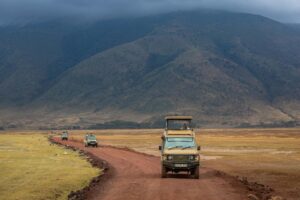
Predator viewing here is different from the Serengeti—fewer vehicles, more intimate encounters, and the ever-present possibility of seeing wild dogs on the hunt.
Birding Paradise: Over 440 Species
Nyerere is a world-class birding destination. Over 440 bird species have been recorded here, drawn by the extraordinary diversity of habitats—the Rufiji River, wetlands, miombo woodlands, and open plains [citation:2]. The park is particularly rich in waterbirds, raptors, and woodland specialists.
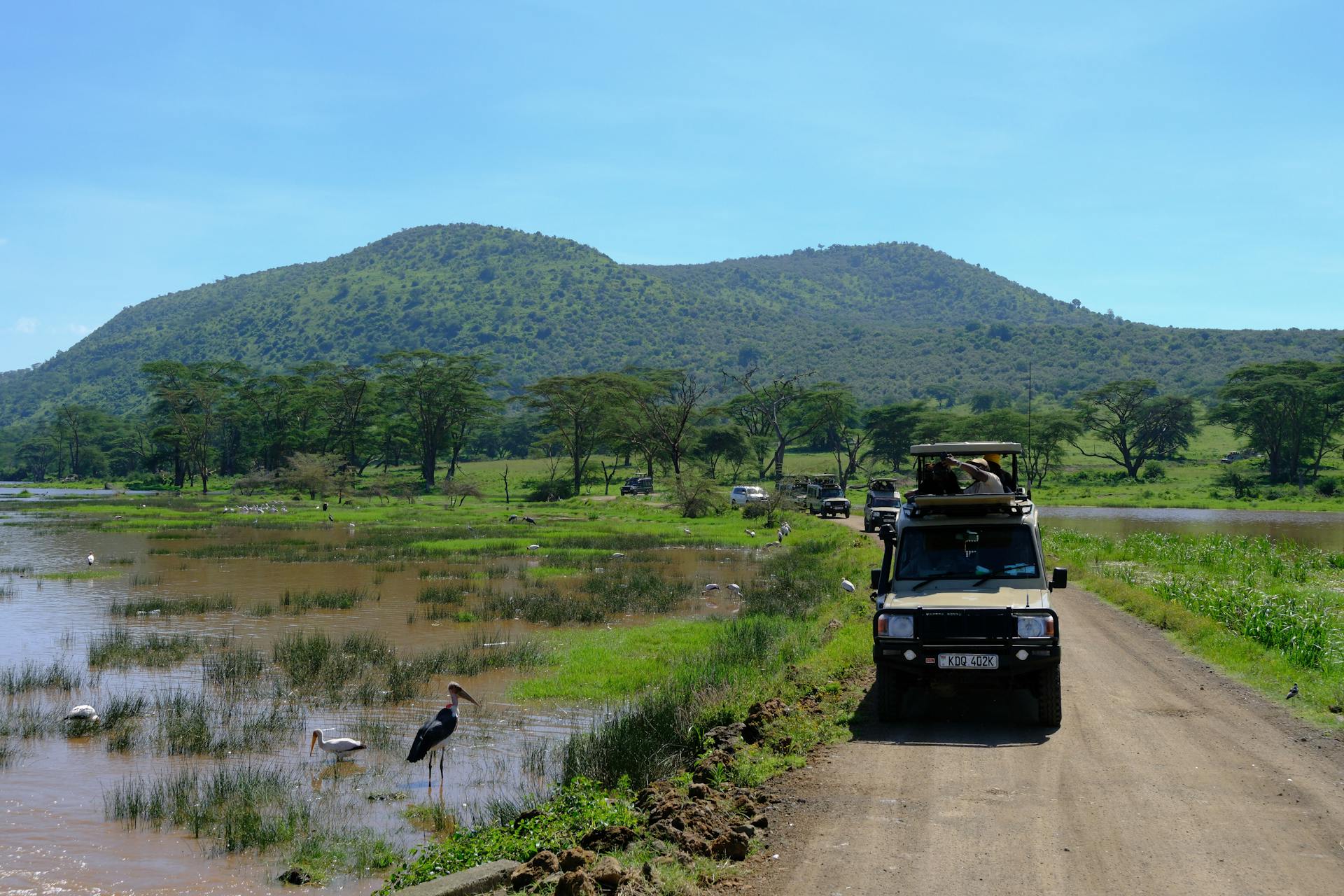
The Rufiji’s wetlands attract vast numbers of waterbirds. Pelicans glide across oxbow lakes. Yellow-billed storks stalk the shallows. Goliath herons stand motionless, waiting for prey. African fish eagles call constantly. Carmine bee-eaters nest in colonies along the riverbanks, their colors electric [citation:4].
The miombo woodlands hold species found nowhere else: miombo pied barbet, rufous-bellied tit, and Böhm’s bee-eater. Raptors are abundant—bateleurs, martial eagles, and bat hawks. The wet season (November-May) brings migratory birds from Europe and Asia, swelling the lists.
Remote Wilderness: Safari Without Crowds
Nyerere’s greatest gift to the modern safari traveler is solitude. While the northern circuit parks can feel crowded during peak season, Nyerere receives a fraction of the visitors—often fewer than 1,000 per year [citation:6]. Its vast size, remote location, and reputation as a ‘difficult’ destination (it’s not—it’s simply different) keep numbers low.
You can spend a full day on the river without seeing another boat. Walking safaris feel truly wild. Game drives are intimate, unhurried, yours alone. The sense of being in a genuine wilderness—a place where human impact is minimal—is palpable [citation:8].
For travelers who have done the classic safari circuit and want something deeper, Nyerere delivers. It’s the Tanzania that used to exist everywhere—wild, quiet, and utterly yours.