Why Ruaha Is Tanzania's Most Wild and Untamed Safari Destination
Ruaha National Park is Tanzania’s largest national park and one of Africa’s most spectacular wilderness areas [citation:10]. Located in south-central Tanzania, this remote and unspoiled park offers a true off-the-beaten-path safari experience with breathtaking landscapes and exceptional wildlife diversity [citation:10]. Unlike the busy northern circuit, Ruaha is a haven for safari lovers seeking tranquility, raw beauty, and fewer crowds [citation:10].
The park’s name comes from the Great Ruaha River, which flows along its southeastern border and serves as the lifeblood of the ecosystem [citation:7]. Hot, wild, and vast, Ruaha offers an ultimate daytime game drive safari, outstanding in showcasing the crossover of Southern and East African flora and fauna species [citation:1].
Here is why Ruaha deserves a place on every serious safari traveler’s bucket list.
Tanzania's Largest National Park: True Wilderness
Ruaha National Park is the largest national park in Tanzania and one of the most remote and unspoiled safari destinations in East Africa [citation:10]. Spanning over 20,000 square kilometers, it’s larger than many countries and offers a sense of scale and wilderness that few parks can match [citation:4]. The park is bordered by the Rungwa and Kizingo Game Reserves, together making up one of the biggest conservancies in all of East Africa [citation:7].
What makes Ruaha truly special is its remoteness. Visitor numbers are deliberately limited—often only a few dozen people per day—preserving the raw, untamed wilderness experience [citation:4]. You can spend hours driving through miombo woodlands, along the Great Ruaha River, and across open plains without seeing another vehicle. This is safari as it used to be.
The park’s isolation also protects its wildlife. Without the pressure of mass tourism, animals behave naturally, offering authentic encounters that are increasingly rare in Africa.
The Greater Kudu: Ruaha's Majestic Symbol
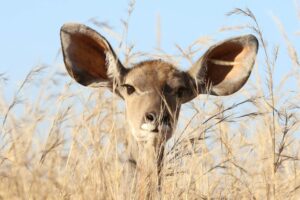
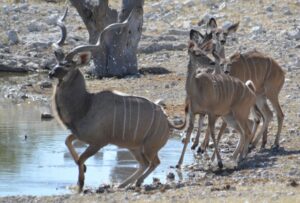
Ruaha National Park is arguably the best place in Africa to see greater kudu, and the male’s magnificent spiral horns serve as the park’s official symbol [citation:4]. These elegant antelope, with their long, corkscrew horns and distinctive white stripes, are one of Ruaha’s signature species. The park is home to the largest population of greater kudu in East Africa [citation:4].
Greater kudu are shy and elusive, but Ruaha’s remote woodlands provide ideal habitat. Males can weigh up to 300 kilograms, with horns that can reach 1.8 meters in length—truly magnificent animals. June is the breeding season, making it the easiest month to spot them as they become more active [citation:4].
The park also supports populations of lesser kudu, along with other antelope species rare in northern Tanzania, including sable and roan antelope with their striking scimitar horns [citation:4]. Ruaha sits at the convergence of East and Southern African ecosystems, allowing you to see species from both regions [citation:10].
Elephants & Predators: Africa's Heavyweights
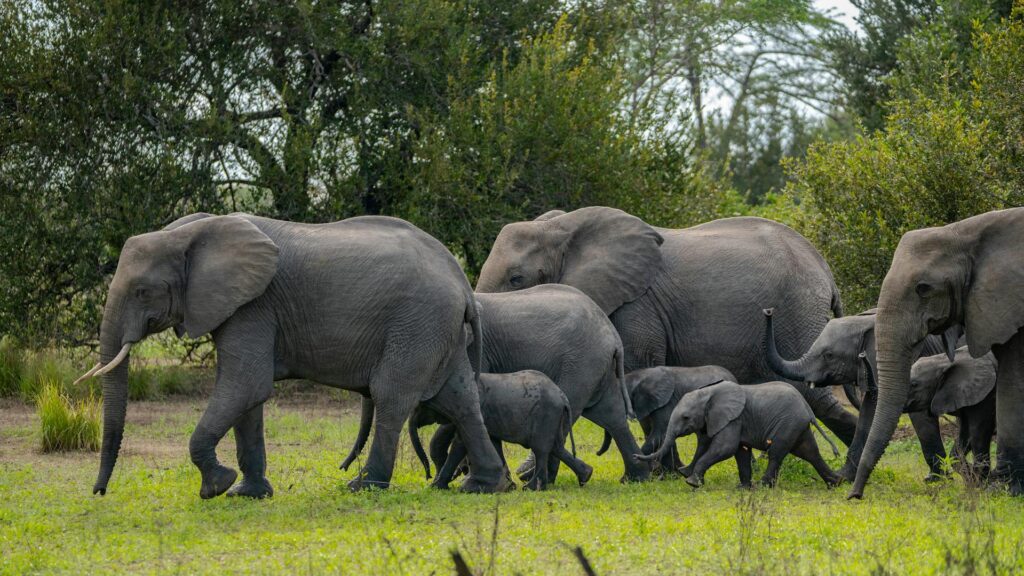
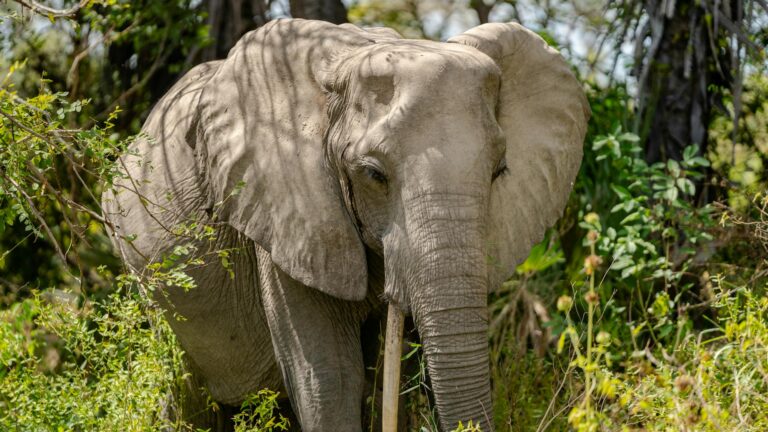
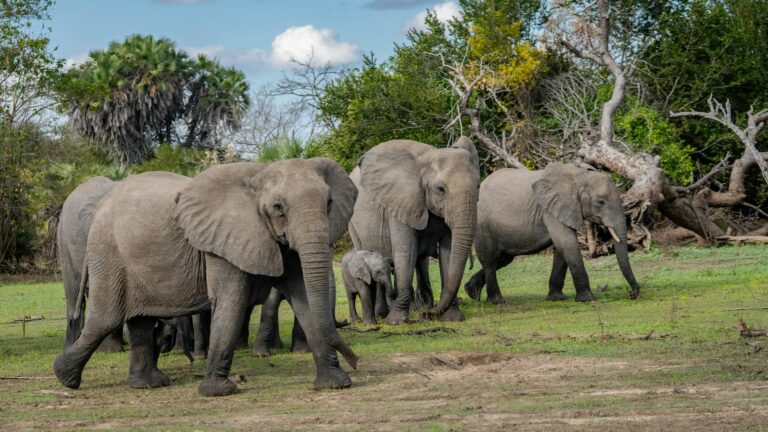
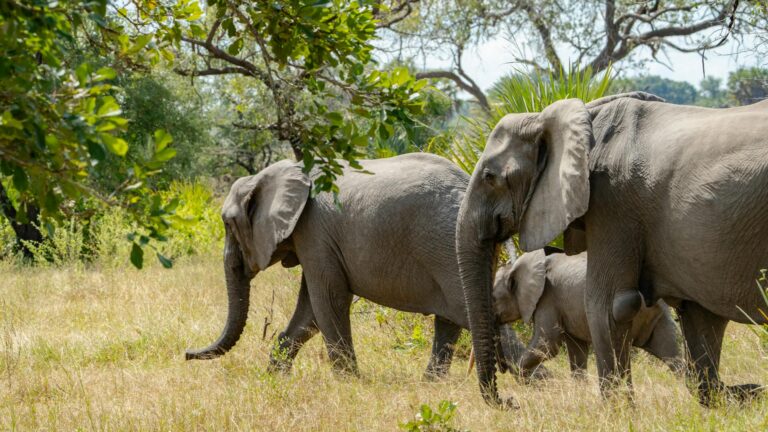
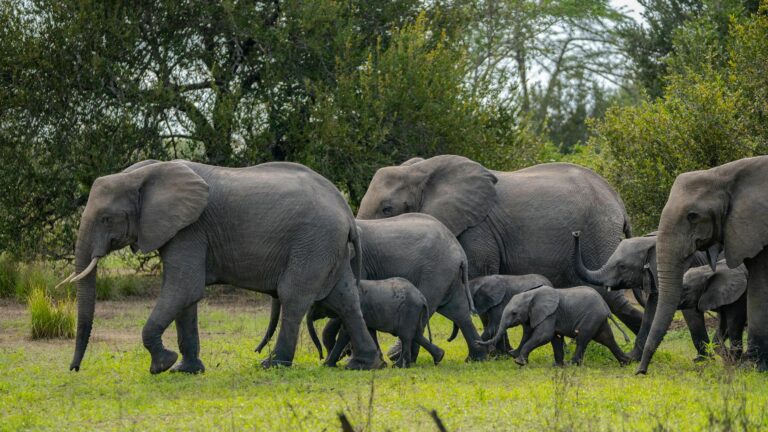
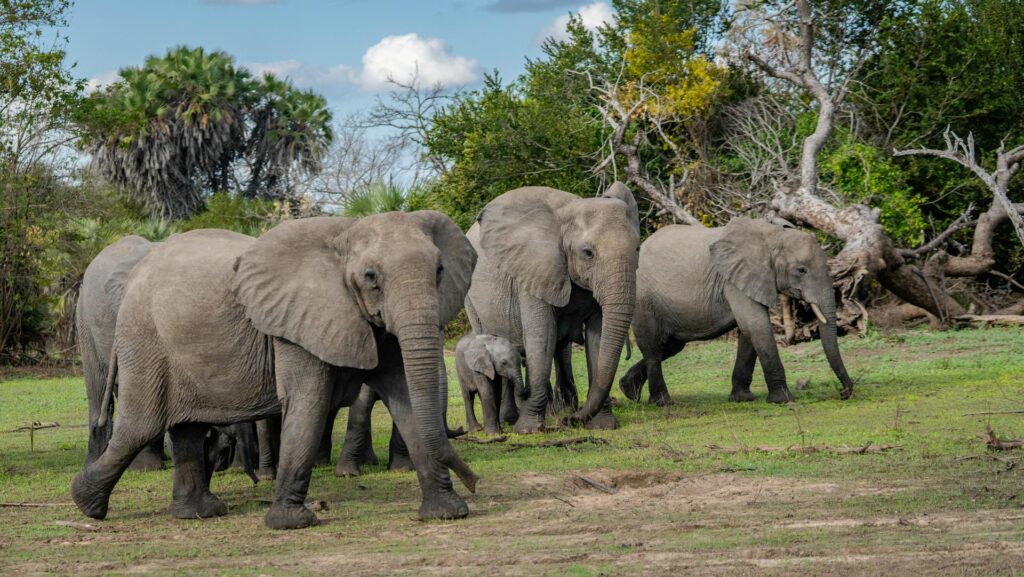
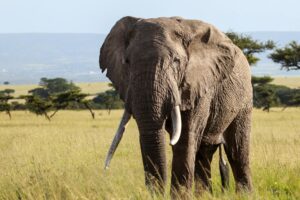
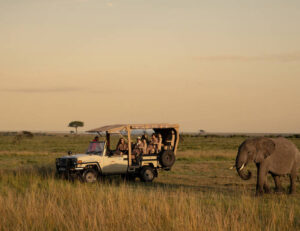
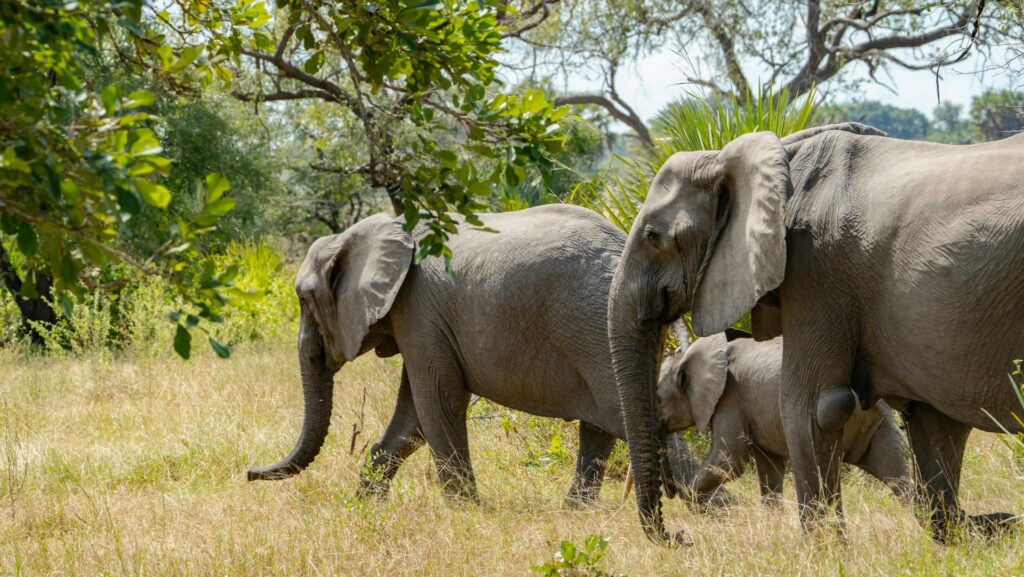
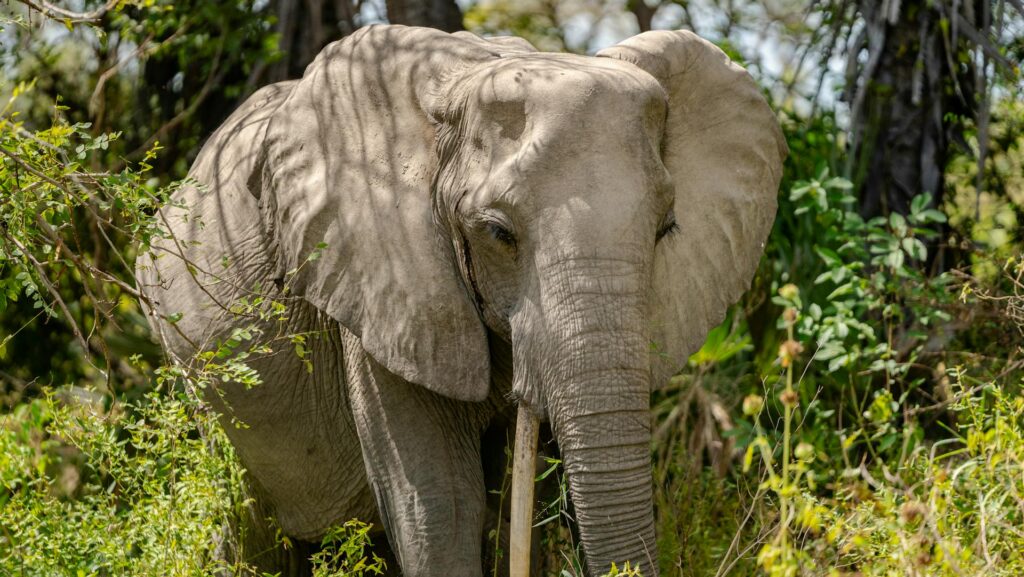
Ruaha is renowned for its concentration of large elephants, with over 10,000 individuals roaming across the park’s vast plains—one of the largest populations in East Africa [citation:1]. These gentle giants are frequently seen along the Great Ruaha River, especially during the dry season when herds gather to drink.
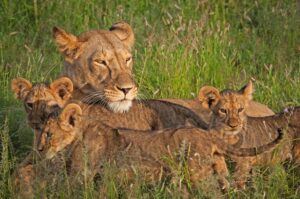
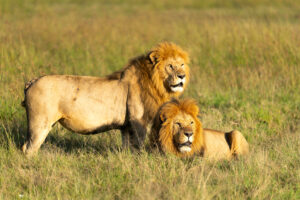
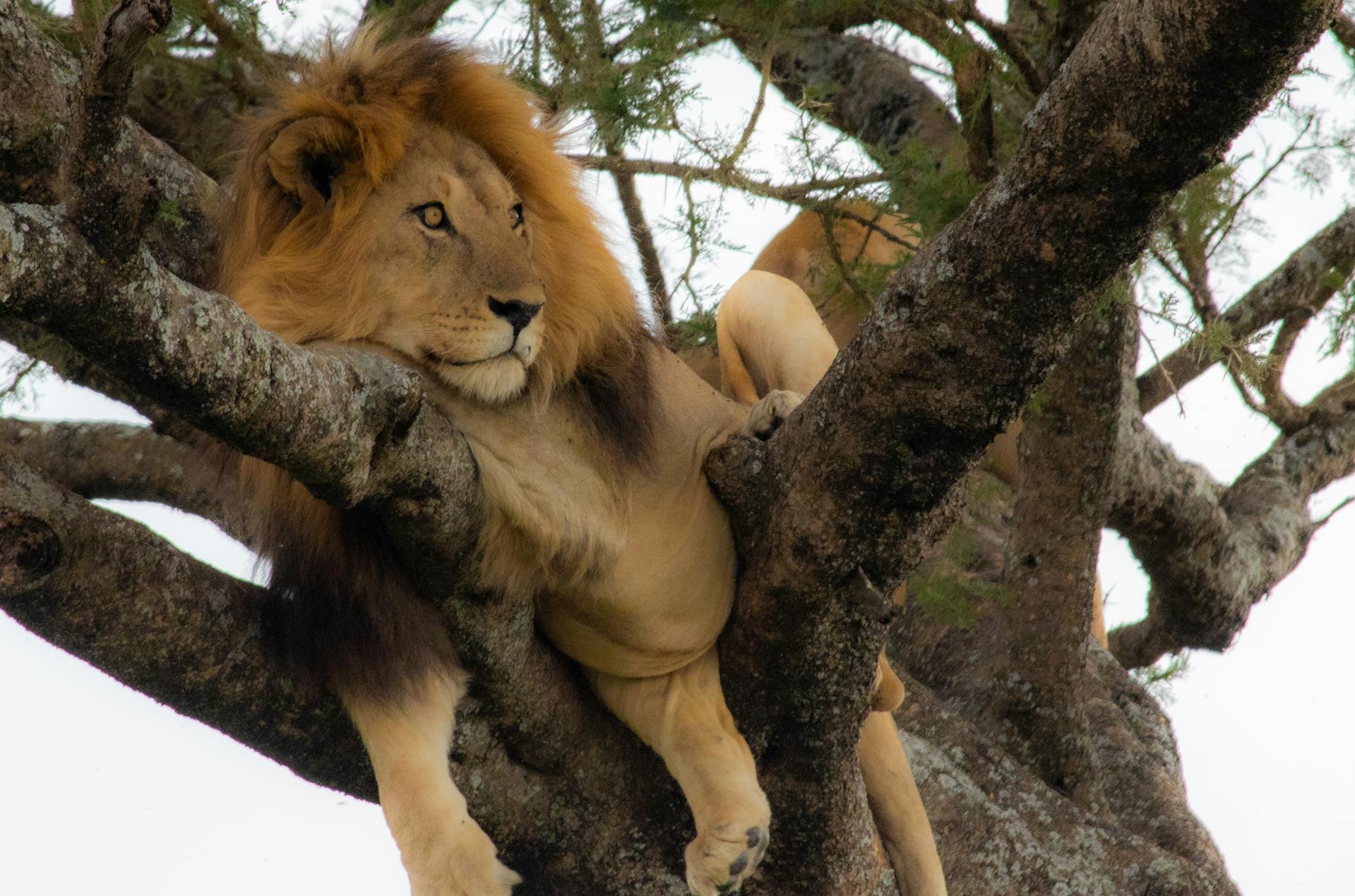
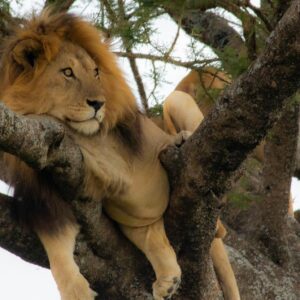
The park also houses enormous numbers of predators. Ruaha is home to around 10% of the entire African population of lions, with prides often numbering 20 or more individuals [citation:1]. Over 200 cheetahs hunt across the open plains [citation:7]. Leopards patrol the riverine woodlands. Striped and spotted hyenas are common [citation:1].
Most significantly, Ruaha has the third-largest population of endangered African wild dogs (painted wolves) on Earth [citation:7]. These social predators, with their mottled coats and cooperative hunting, are one of Africa’s most exciting wildlife sightings—and Ruaha offers some of the continent’s best chances to see them.
The Great Ruaha River: Lifeblood of the Park
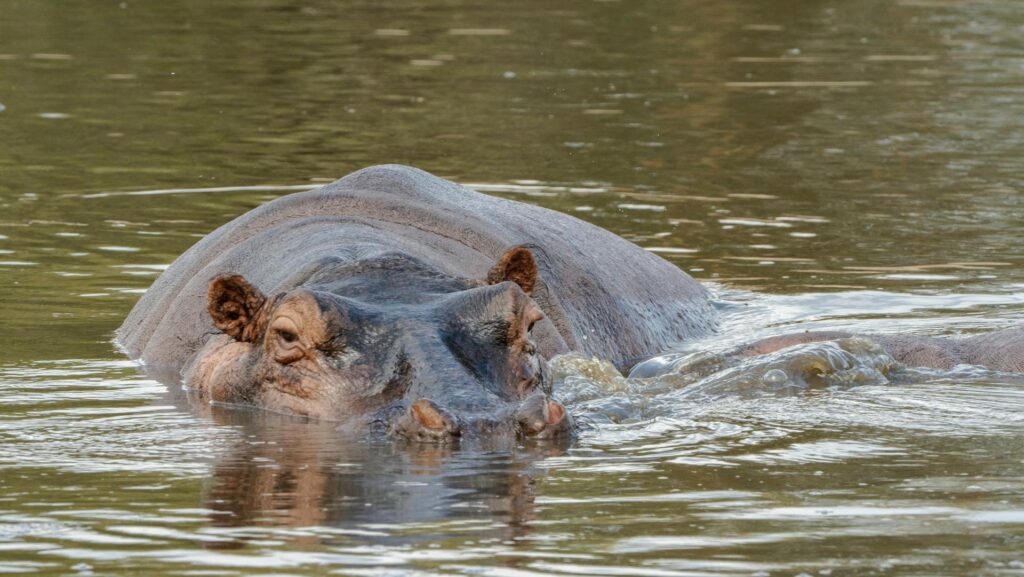
The Great Ruaha River is the lifeblood of the ecosystem, flowing along the park’s southeastern border and tumbling over boulders, flanked by riparian woodland [citation:3]. During the dry season (June-October), the river becomes the park’s only permanent water source, attracting animals from miles around [citation:1].
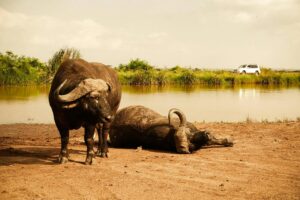
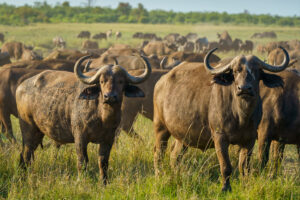
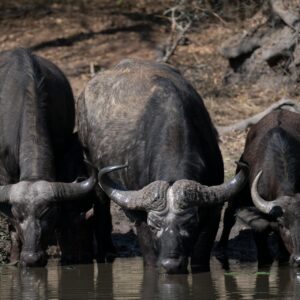
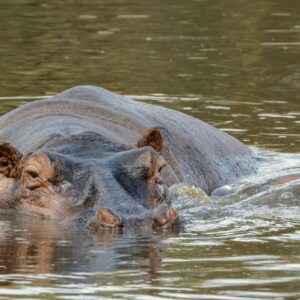
The river is home to healthy populations of Nile crocodiles and hippos [citation:7]. During the dry season, game drives along the riverbanks are spectacular—elephants wading through the shallows, buffalo gathering to drink, predators waiting for prey to approach. The river also creates a lush green corridor through the dry landscape, providing dramatic scenery and photographic opportunities [citation:3].
The Great Ruaha River is also the reason Ruaha’s wildlife viewing is so exceptional. When other water sources dry up, the animals have nowhere else to go, creating concentrations that rival any park in Africa [citation:7].
Birding Paradise: Over 570 Species

Ruaha National Park is a world-class birding destination, with over 570 bird species recorded—one of the highest totals in Tanzania [citation:10]. The park’s location at the transition between East and Southern African ecosystems creates extraordinary diversity, with species from both regions present [citation:4].
The Great Ruaha River attracts waterbirds including Goliath herons, giant kingfishers, and African fish eagles. The miombo woodlands are home to specials like Böhm’s bee-eater, ashy starling, and the Tanzanian red-billed hornbill [citation:7]. Raptors are abundant, with six species of vultures, plus martial eagles, bateleurs, and Augur buzzards.
The wet season (November-April) is best for birding, when migratory birds from Europe and Asia join the residents, and many species are in breeding plumage [citation:4]. Even during the dry season, resident birdlife remains abundant and colorful.
Walking Safaris: Intimate Wilderness Encounters
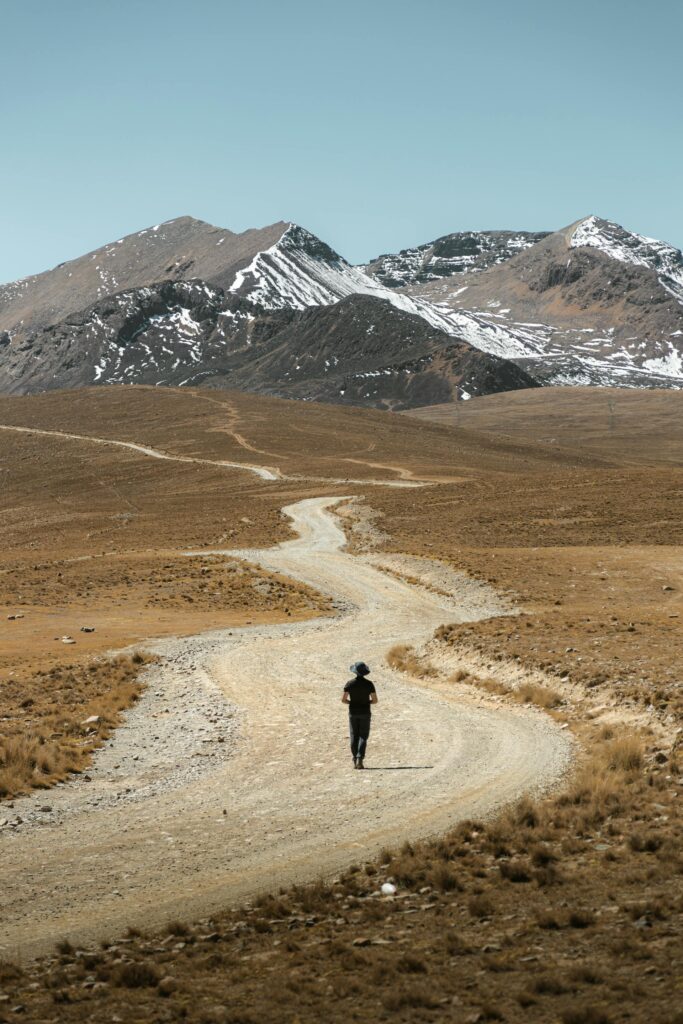
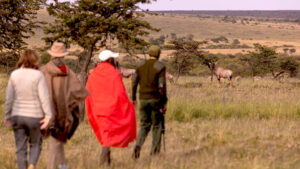
Ruaha is one of the best places in Tanzania for walking safaris. The park’s remote location, low visitor numbers, and expert guides create the perfect conditions for experiencing the bush on foot [citation:5]. Accompanied by an armed ranger and experienced guide, you leave the vehicle behind and step into a world of subtle details.
A walking safari in Ruaha reveals what vehicle-bound safaris miss: tracks, scat, insects, medicinal plants, and the small creatures that hide in the grass. Guides share their deep knowledge of the bush—how to read animal signs, which plants heal which ailments, how to understand bird calls. The walks can last up to five hours and cover 10 kilometers, with a vehicle always nearby if needed [citation:5].
Walking in Ruaha is genuinely thrilling. You might encounter elephant or buffalo, and your guide will instruct you on how to behave safely. The sense of vulnerability, combined with the knowledge and professionalism of your guides, creates an experience that connects you to the wilderness in ways game drives never can [citation:5].