Zanzibar Archipelago – Safari Continents Travel

Zanzibar Archipelago

  • Best Time to Visit: June – October or December – February for the best weather and ocean clarity.
  • Entry Fees: No entry fee; marine park fees apply for diving in protected areas.
  • Country:

Why Zanzibar Is the Swahili Coast's Most Enchanting Island

Zanzibar is the name that conjures exotic dreams—a spice island where the air is thick with cloves, cinnamon, and nutmeg, where Stone Town’s labyrinthine streets whisper stories of sultans and slave traders, where the Indian Ocean lazes against beaches of powdered sugar . The archipelago comprises two main islands—Unguja (usually called Zanzibar) and Pemba—along with numerous smaller islets .

For centuries, Zanzibar was the hub of the East African slave trade and the world’s leading producer of cloves. Its capital, Stone Town, is a UNESCO World Heritage Site, a living museum of Swahili culture where coral-stone buildings with elaborately carved wooden doors line narrow alleys . Today, Zanzibar offers the perfect complement to a Tanzania safari—a place to recover from dusty game drives on white-sand beaches, explore ancient history, dive pristine coral reefs, and immerse yourself in a unique blend of African, Arab, Indian, and European cultures .

Here is why Zanzibar deserves a place on every Tanzania itinerary.

Stone Town: A Living UNESCO Heritage Site
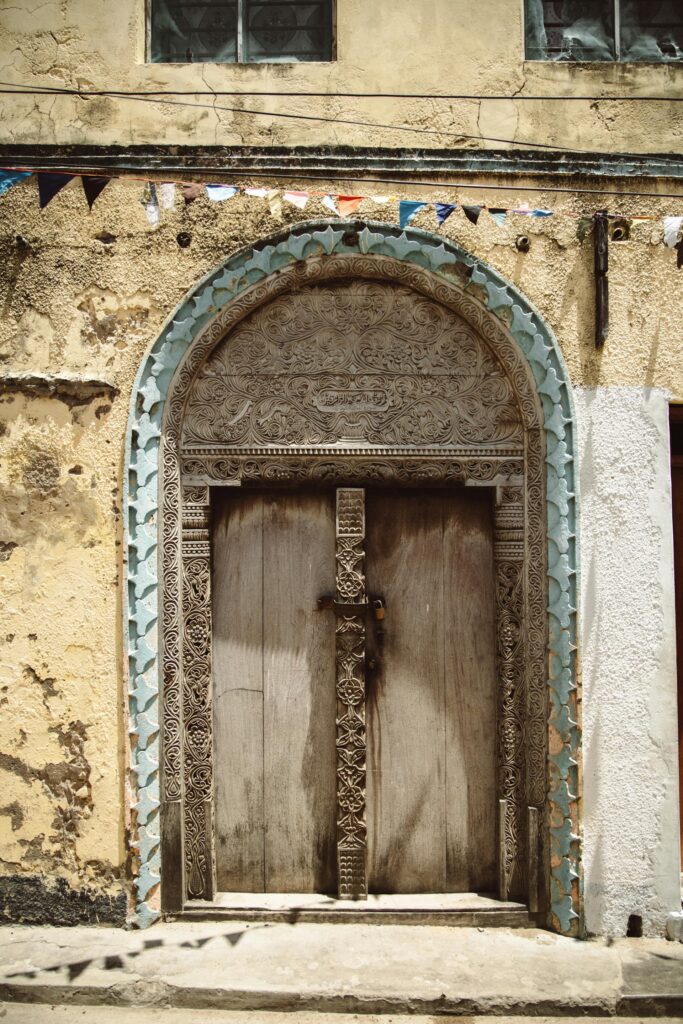
Stone Town street

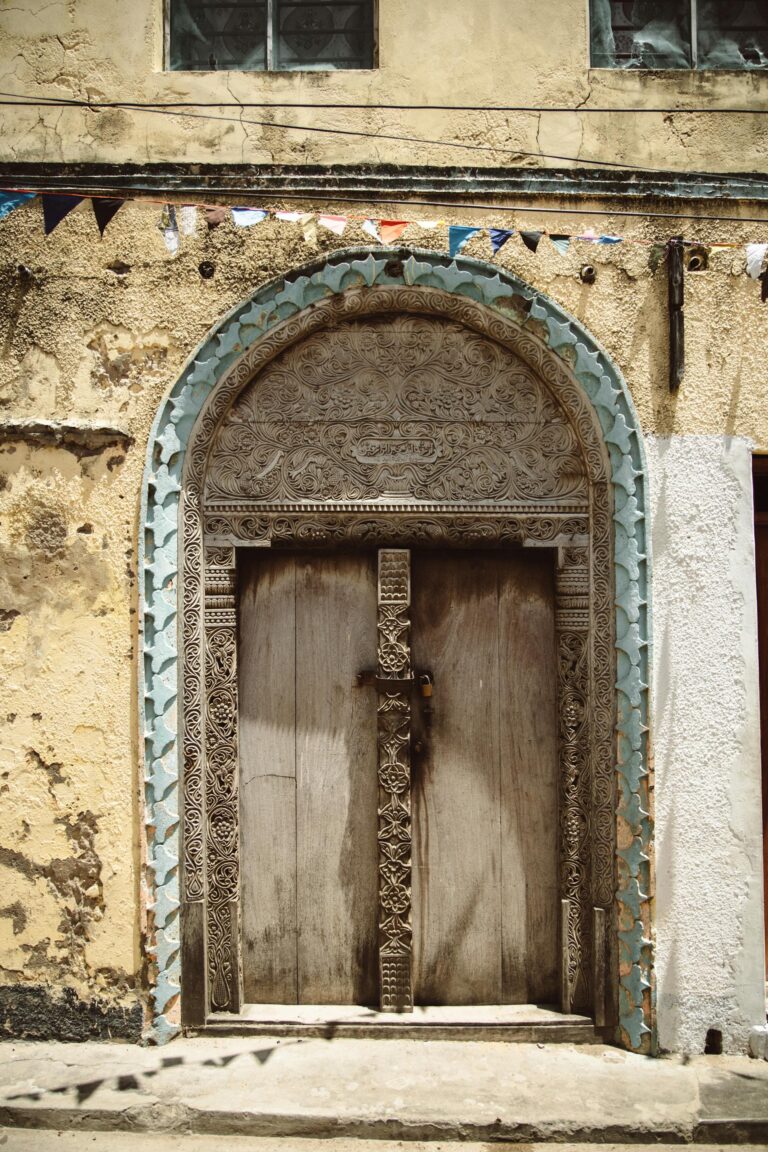
Stone Town is the cultural and historical heart of Zanzibar. This labyrinth of narrow alleys, bustling bazaars, and coral-stone buildings has been a center of trade and cultural exchange for over a millennium. In 2000, it was inscribed as a UNESCO World Heritage Site for its outstanding universal value .

Wandering through Stone Town is like stepping into another world. Elaborately carved wooden doors, some studded with brass spikes, guard the entrances to historic homes. Balconies with intricate railings overhang the streets. The scent of spices, coffee, and street food drifts from every corner. The call to prayer echoes from mosques. The pace is slow, the atmosphere timeless .

Key sites include the House of Wonders (now a museum), the Old Fort, the former slave market (with its memorial and Anglican cathedral), and the Darajani Market. Getting lost is the best way to experience Stone Town—just let the alleys take you where they will .

The Beaches: Powder Sand & Turquoise Seas
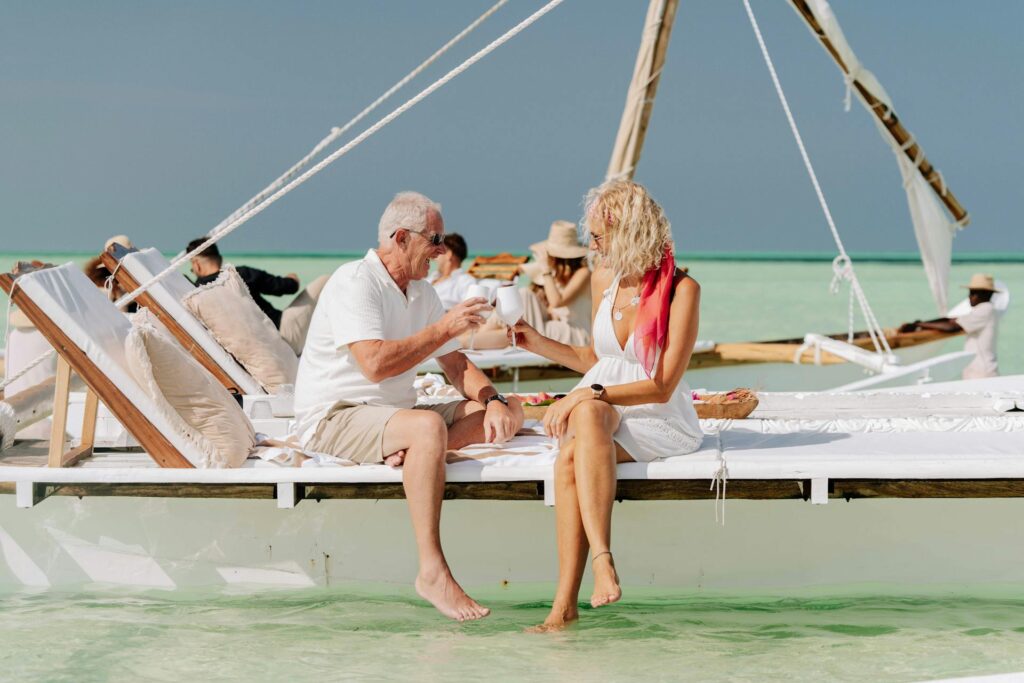
Zanzibar beach

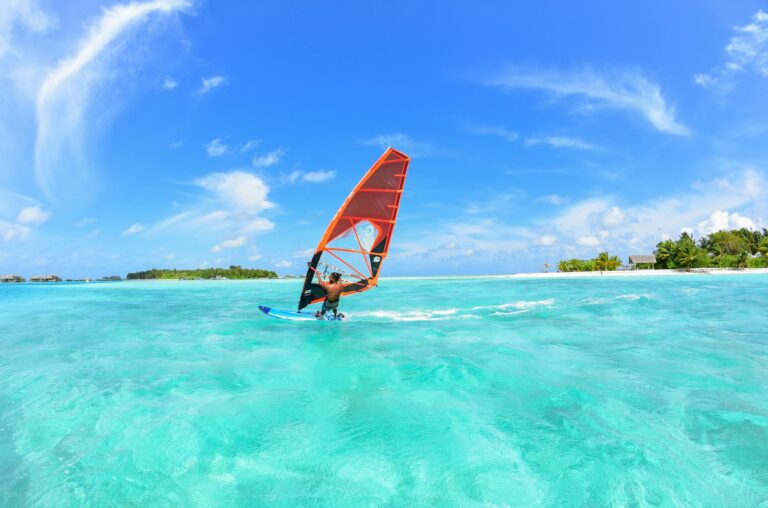
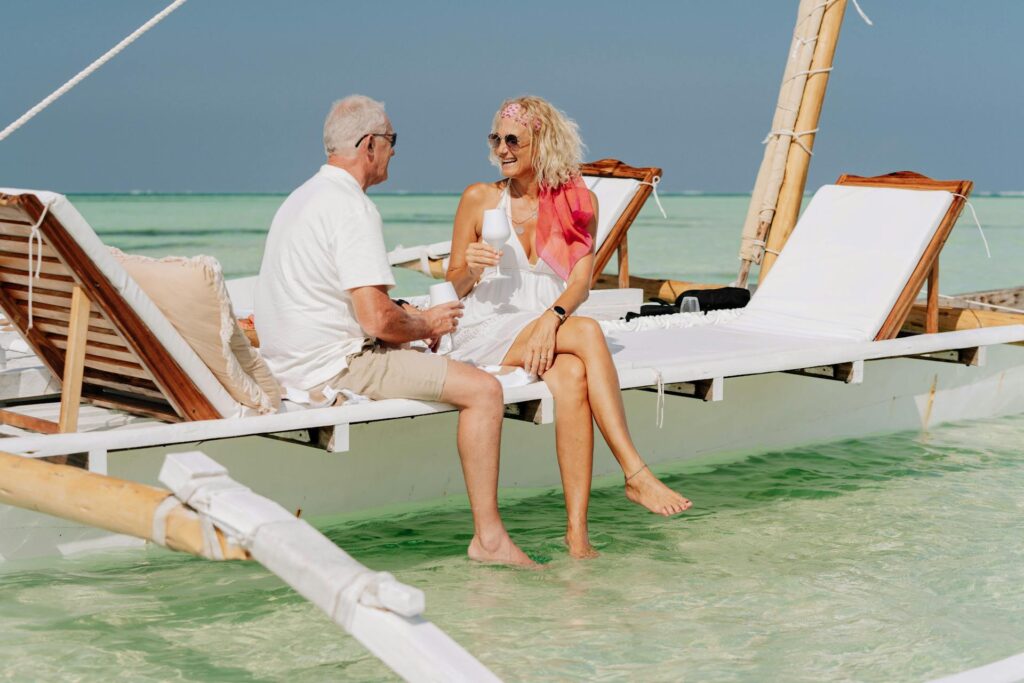
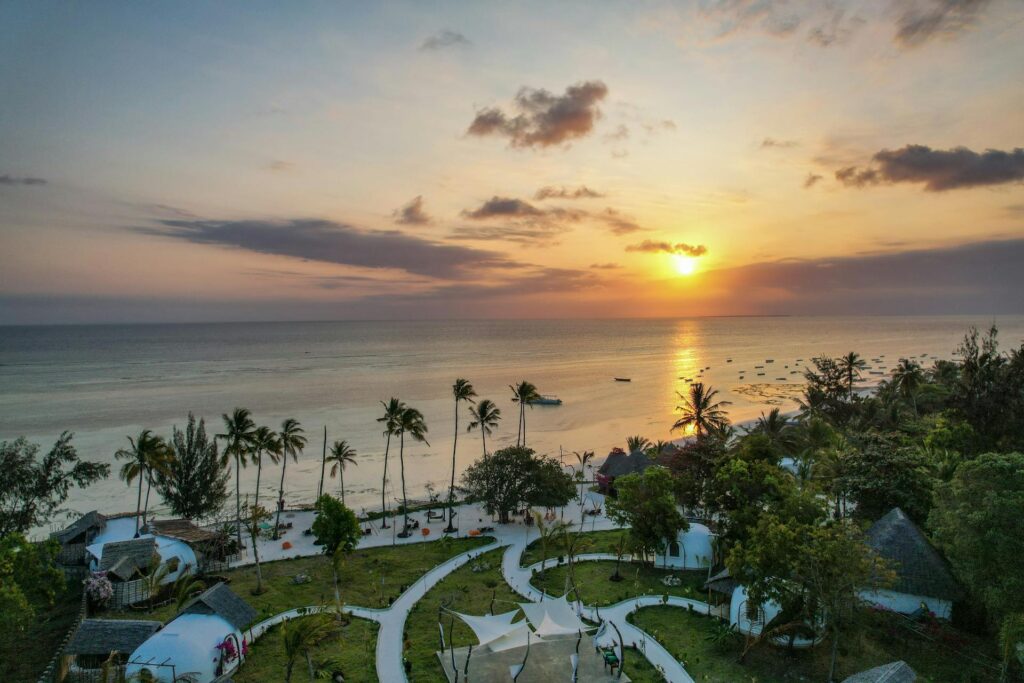
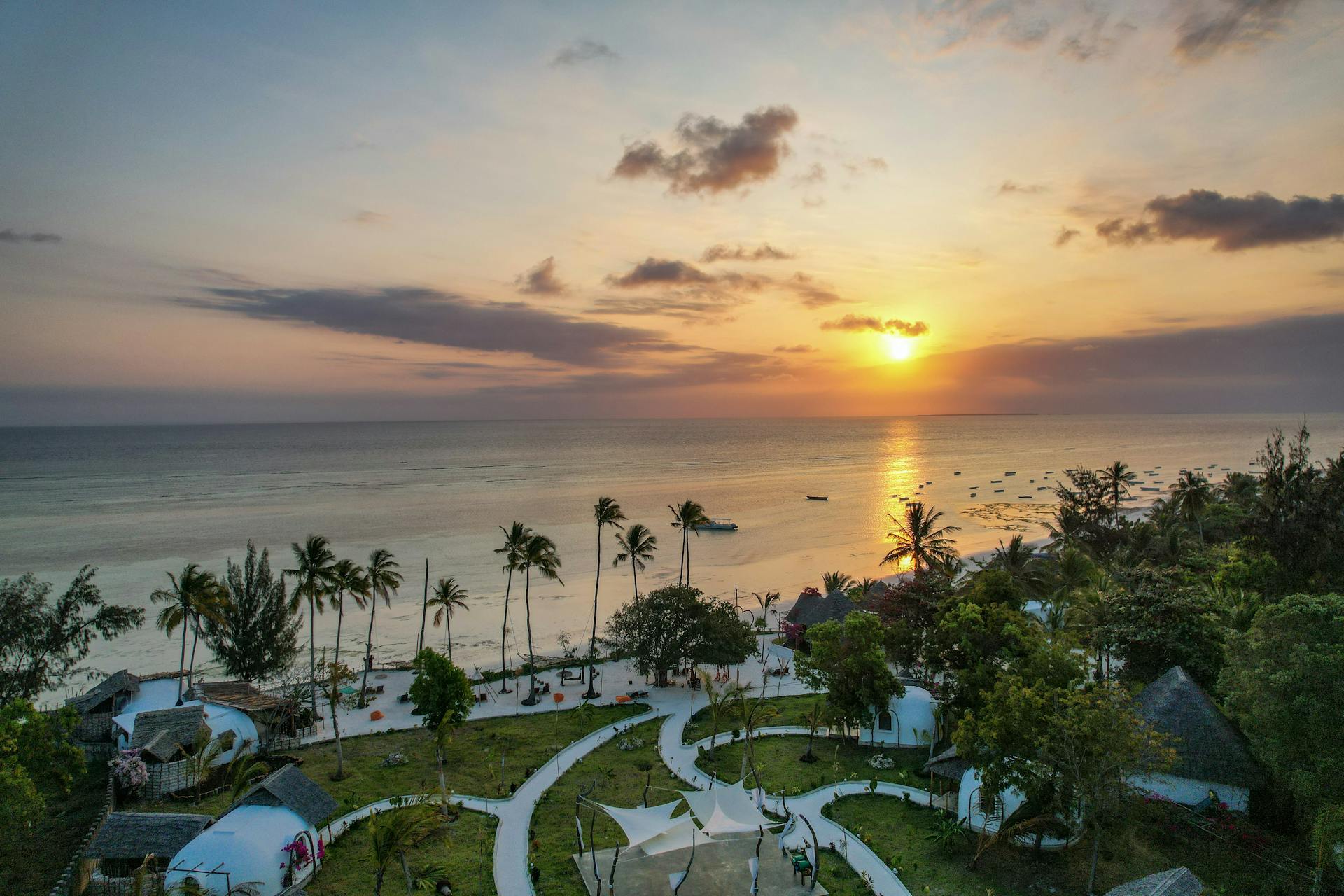
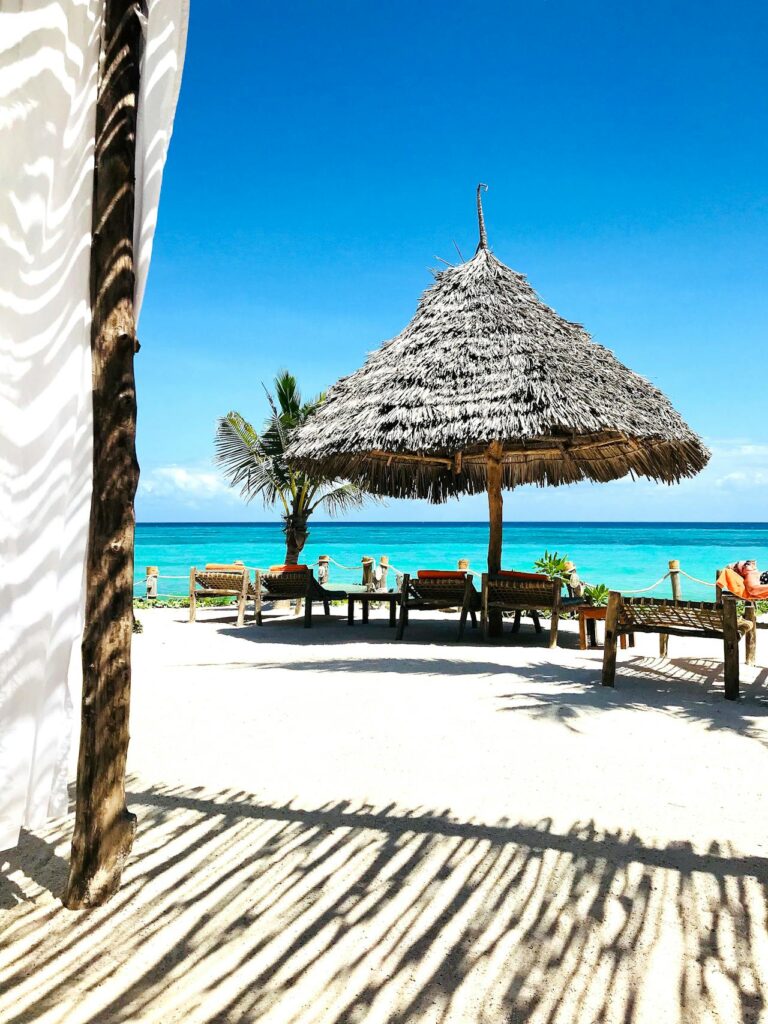
Zanzibar’s beaches are the stuff of dreams—miles of powdery white sand, fringed by palm trees, lapped by the warm turquoise waters of the Indian Ocean. Each coast offers a different experience. The north coast (Nungwi and Kendwa) is the most developed, with lively beach bars, restaurants, and stunning sunsets. The east coast (Paje, Jambiani, Bwejuu) is more relaxed, with endless beaches exposed to the ocean breeze—perfect for kitesurfing and long walks .

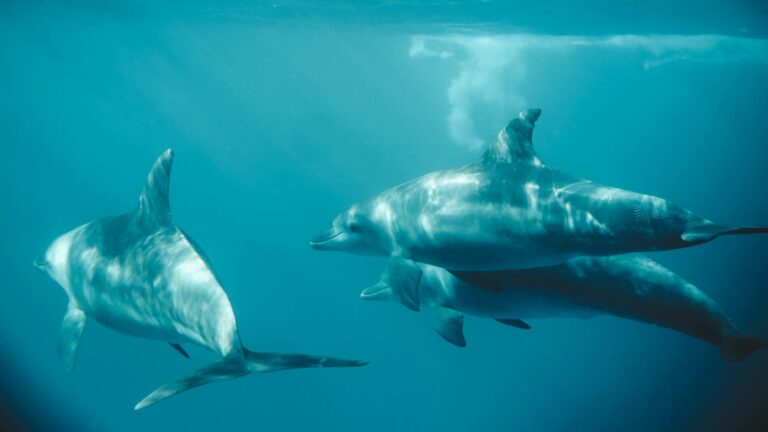
The south coast (Kizimkazi) is famous for dolphin tours and a more laid-back vibe. The west coast is less developed, with mangrove forests and fishing villages. No matter which coast you choose, you’ll find soft sand, clear water, and the rhythm of the ocean .

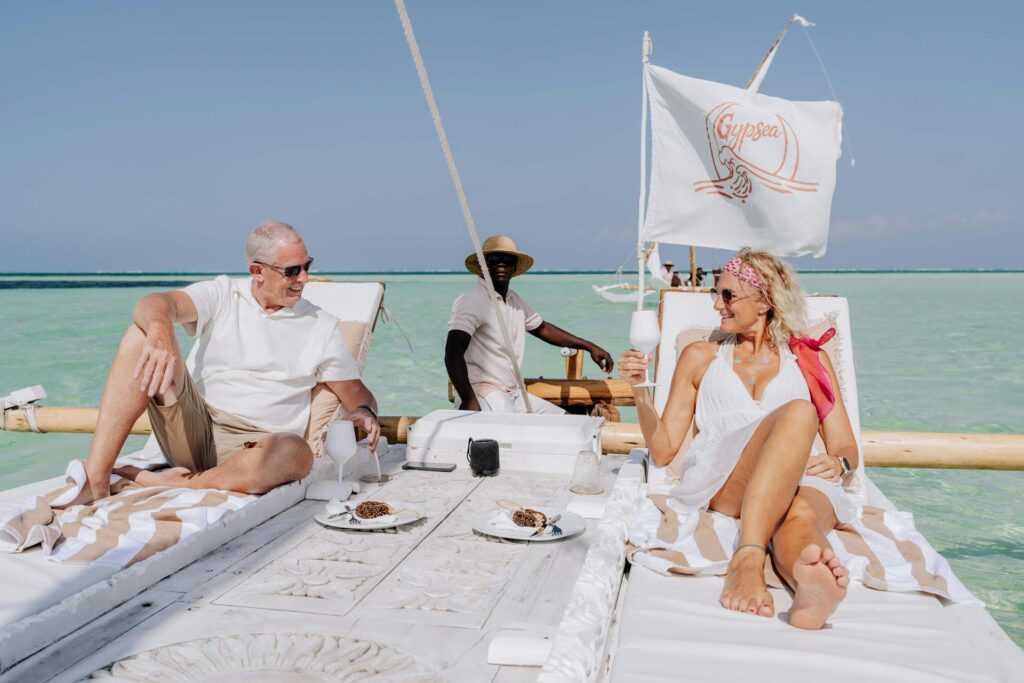
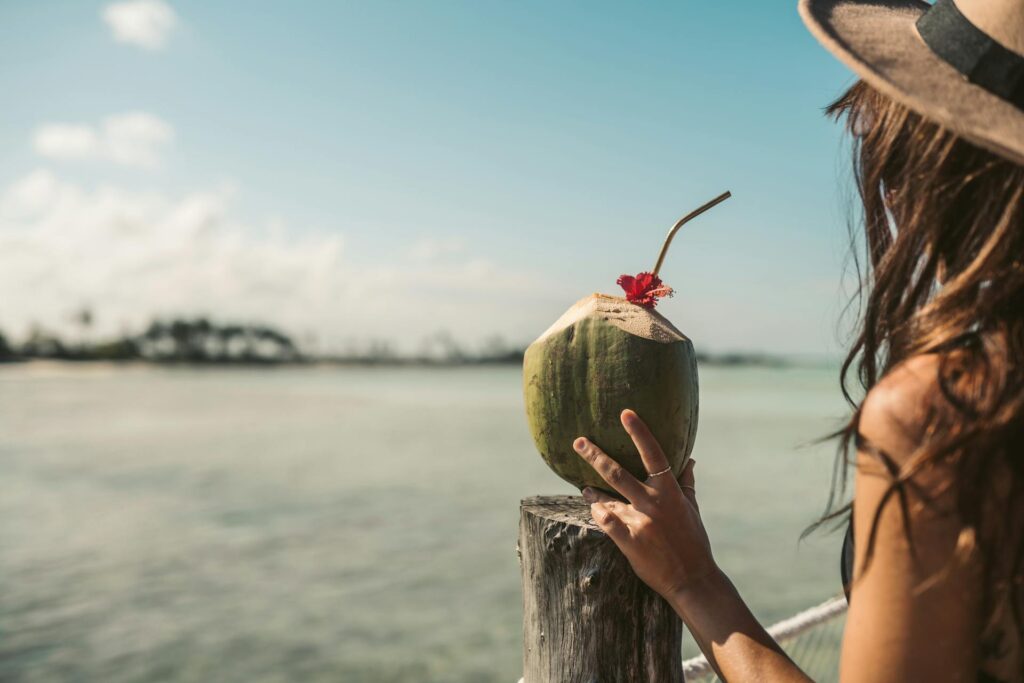
Many beaches offer watersports—snorkeling, diving, kitesurfing, kayaking, and dhow sailing. Others are simply for relaxation, with a book and a cold drink under a palm tree .

Mnemba Atoll: Zanzibar's Premier Dive Site

Mnemba Atoll

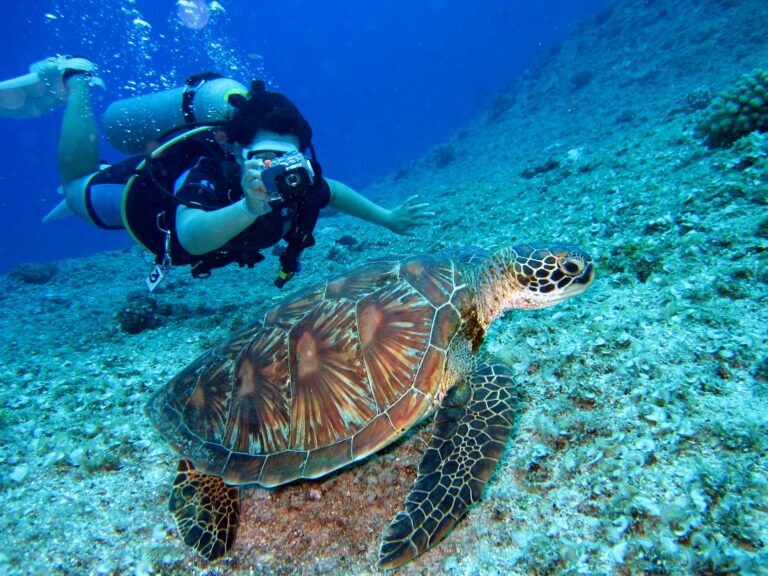
Mnemba Atoll, a small private island off the northeast coast of Zanzibar, is surrounded by one of the best coral reefs in the Indian Ocean. The atoll’s protected waters are a marine reserve, home to an extraordinary diversity of marine life—over 600 species of fish, sea turtles, reef sharks, and vibrant coral gardens .

Snorkeling and diving here are world-class. The clear, warm waters offer visibility often exceeding 30 meters. The reef walls drop steeply, covered in soft and hard corals. Angelfish, parrotfish, butterflyfish, moray eels, and octopus are common. Turtles are frequently seen. From July to October, humpback whales pass through the channel .

Mnemba is accessible by day trips from the northeast coast beaches. For a truly exclusive experience, Mnemba Island Lodge offers the ultimate private island escape .

Spice Tours: The Island of Cloves

Zanzibar has been known as the Spice Island for centuries. The archipelago’s fertile soil and tropical climate are ideal for growing cloves, nutmeg, cinnamon, black pepper, vanilla, and dozens of other spices. In the 19th century, Zanzibar was the world’s leading producer of cloves, and the spice trade shaped its culture, architecture, and politics .

A spice tour is a fascinating sensory experience. You’ll visit a working farm where guides show you the plants, let you smell and taste the spices, and explain their uses in cooking and traditional medicine. You’ll see how cloves are harvested, how nutmeg grows, how vanilla is pollinated. The fresh spices are completely different from the dried versions you’re used to .

Most tours end with a delicious Swahili lunch featuring the spices you’ve just learned about. It’s a wonderful way to understand Zanzibar’s agricultural heritage .

Jozani Forest: The Last Coastal Forest
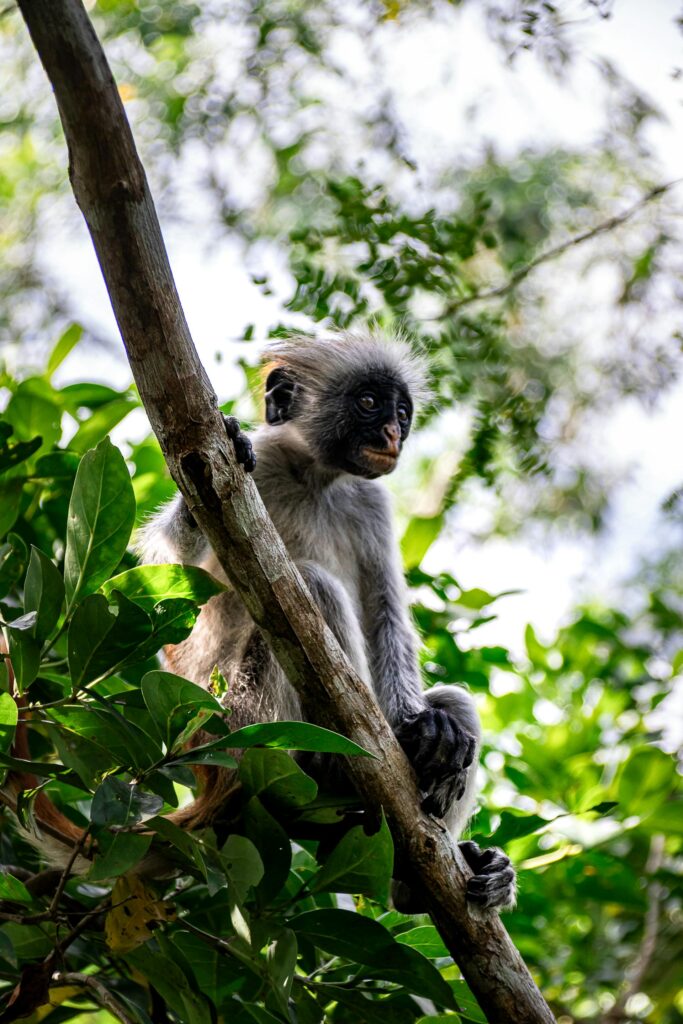
Jozani Forest

Jozani Forest, in the center of Zanzibar Island, protects the last significant remnant of the coastal forest that once covered much of the region. This national park is a sanctuary for the Zanzibar red colobus monkey, a species found nowhere else on earth. These beautiful primates, with their reddish backs and long grey beards, are remarkably habituated and easy to see .

The forest is also home to other primates—Sykes monkeys, bushbabies—and a rich variety of birds and butterflies. A boardwalk trail leads through mangrove forest to a beautiful creek, where you can see crabs, mudskippers, and other mangrove life .

A visit to Jozani adds a different dimension to your Zanzibar experience—a glimpse of the island’s natural heritage beyond the beaches .

Pemba Island: The Untouched Emerald
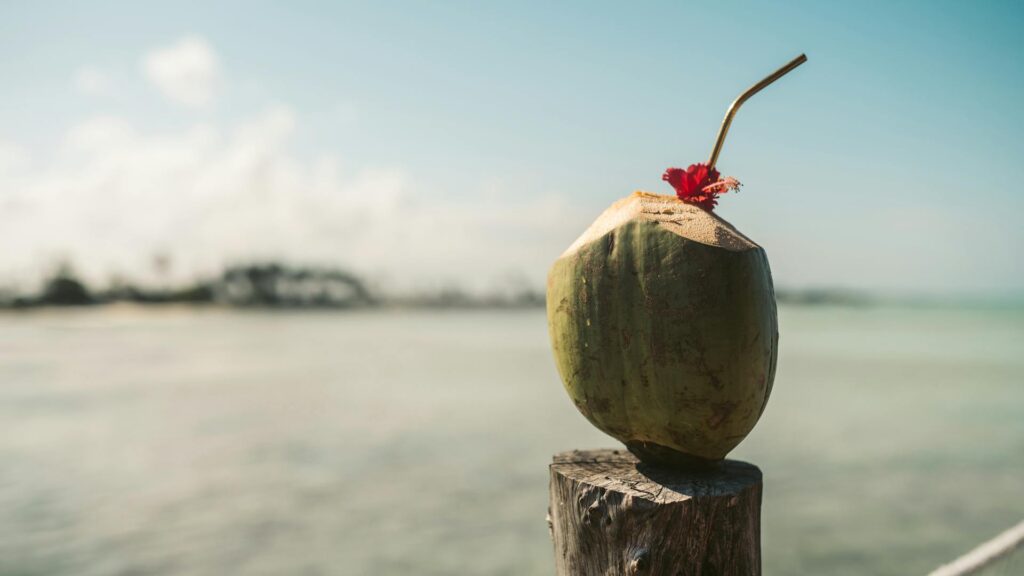
Pemba Island

Pemba Island, Zanzibar’s northern neighbor, is less developed and less visited than Unguja. Known as the ‘Green Island,’ Pemba is a lush, hilly landscape of clove plantations, mangrove forests, and some of the most spectacular diving in the Indian Ocean .

Pemba’s dive sites are legendary. The walls drop steeply into deep water, covered in soft and hard corals. Visibility is often exceptional. Hammerhead sharks, manta rays, and large schools of pelagic fish are possible. The island’s remote vibe—no crowds, no development—makes it a destination for serious divers and those seeking true escape .

Above water, Pemba offers quiet villages, spice farms, and a traditional way of life unchanged for generations. It’s Zanzibar as it used to be .
Exploring Zanzibar: From Stone Town to Remote Beaches

Stone Town: The Historic Heart

Stone Town is Zanzibar’s cultural soul, a UNESCO World Heritage Site that has been a crossroads of trade and culture for over a millennium . Its labyrinthine streets, coral-stone buildings, and elaborately carved wooden doors create an atmosphere unlike anywhere else on earth.

Key sites include the House of Wonders, the largest and tallest building in Stone Town when it was built in 1883, now a museum of Swahili culture. The Old Fort, built by the Omanis in the 17th century, now hosts shops, restaurants, and cultural events. The former slave market, with its memorial and the Anglican cathedral built on the site, is a powerful reminder of a dark history .

The Darajani Market is a sensory overload—spices, fish, meat, produce, and everything in between. Getting lost is the best way to explore Stone Town; you’ll discover hidden cafes, small galleries, and the rhythm of daily life .

Sea-Beach-and-Relaxation-Place-Zanzibar-Mjini-Magharibi-Region-Tanzania

Nungwi & Kendwa: The North Coast Beaches

The north coast beaches of Nungwi and Kendwa are Zanzibar’s most famous and developed. Nungwi, on the northwestern tip, is a lively village with a long beach, numerous resorts, restaurants, and beach bars. It’s also home to traditional dhow-building yards, where you can watch craftsmen constructing these beautiful vessels by hand .
Kendwa, just south of Nungwi, offers a longer, more relaxed beach with stunning sunsets. Unlike the east coast, the north coast beaches are not affected by tides—the water is always accessible for swimming. This makes them particularly popular .

Both offer excellent swimming, snorkeling, diving, and a vibrant social scene. The sunsets here are legendary, celebrated with drinks, music, and bonfires on the beach .

Paje & Jambiani: The East Coast Paradise

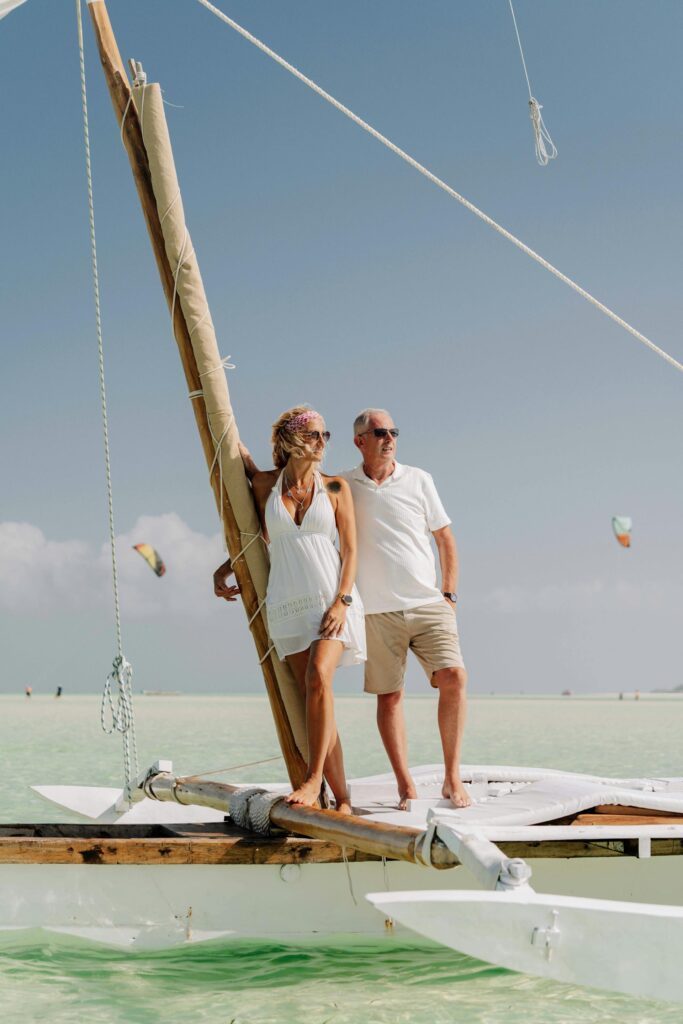
The east coast beaches of Paje and Jambiani offer a completely different vibe from the north. Here, the ocean breeze is constant, the beaches are endless, and the atmosphere is laid-back. Paje is the kitesurfing capital of Zanzibar, with perfect conditions for beginners and experts alike—flat shallow water inside the reef, consistent winds .

Jambiani, a fishing village south of Paje, is even more relaxed. Life here moves with the rhythm of the tides. At low tide, women collect seaweed from the exposed flats; at high tide, the water returns, and the beach comes alive. The village has a number of eco-lodges and locally-run restaurants .

The east coast is also famous for its beautiful sandbanks, exposed at low tide, offering Robinson Crusoe experiences just offshore .

Mnemba Atoll: Diving & Snorkeling Paradise

Mnemba Atoll, a small private island off the northeast coast, is surrounded by one of the best coral reefs in the Indian Ocean. The atoll’s protected waters are a marine reserve, home to an extraordinary diversity of marine life .

Day trips to Mnemba operate from the northeast coast beaches. The snorkeling is exceptional—you can swim with turtles, reef sharks, and countless colorful fish right from the boat. For certified divers, the walls and drop-offs offer even more spectacular experiences .

The atoll itself is private, home to an exclusive eco-lodge, but the surrounding reef is accessible to everyone. It’s a must-visit for anyone interested in marine life .

Kizimkazi: Dolphins & South Coast Charm

Kizimkazi, on Zanzibar’s south coast, is famous for its dolphin tours. The waters off Kizimkazi are home to a resident pod of Indo-Pacific bottlenose dolphins, and morning boat trips offer excellent chances of seeing them .

The village itself is charming, with a laid-back vibe and beautiful beaches. The nearby Dimbani village has an ancient mosque, one of the oldest in East Africa. The south coast is less developed than the north and east, offering a more authentic, quiet experience .

While dolphin tours are the main attraction, the area also offers snorkeling, fishing, and beautiful sunsets over the Indian Ocean .

Pemba Island: The Remote Escape

Pemba Island, Zanzibar’s northern neighbor, is for those seeking the road less traveled. Lush, hilly, and largely undeveloped, Pemba offers a glimpse of Zanzibar as it was decades ago. Its clove plantations, mangrove forests, and remote villages create an atmosphere of timeless tranquility .

Underwater, Pemba is legendary. The dive sites here are among the best in the Indian Ocean—steep walls, pristine coral, and the chance to see hammerhead sharks, manta rays, and large pelagic fish. The Misali Island marine reserve, off Pemba’s west coast, is a protected area with exceptional snorkeling .

Pemba is not for everyone—it requires more effort to reach and has fewer amenities—but for those who make the journey, it offers rewards beyond imagination .

Zanzibar Month-by-Month: Beach Weather, Monsoons & When to Visit

Zanzibar is the name that conjures exotic dreams—a spice island where the air is thick with cloves, cinnamon, and nutmeg, where Stone Town’s labyrinthine streets whisper stories of sultans and slave traders, where the Indian Ocean lazes against beaches of powdered sugar . The archipelago comprises two main islands—Unguja (usually called Zanzibar) and Pemba—along with numerous smaller islets .

Zanzibar’s climate is shaped by the monsoon winds. The dry northeast monsoon (kaskazi) from December to March brings the best beach weather—hot, sunny, and calm seas. The wet southeast monsoon (kusi) from April to July brings rain and stronger winds, followed by a second dry season from August to October. The short rains (November) precede the return of the northeast monsoon .

All temperatures are daytime highs and nighttime lows. Rainfall is average monthly precipitation in millimeters.

Month
Rain
Min
Max
Season

Featured Destinations

Selected Complementary Destinations

Lake Nakuru National Park

Top Reasons to Visit
Rhino Sanctuary Big 5 Wildlife Year-Round Safari Family Friendly

Stellenbosch

Top Reasons to Visit
Jazz City University Town

Serengeti National Park

Top Reasons to Visit
Big 5 Wildlife Year-Round Safari Family Friendly

Tsitsikamma

Top Reasons to Visit
Bird Watchers' Paradise Big 5 Wildlife Year-Round Safari

Tsavo East National Park

Top Reasons to Visit
Bird Watchers' Paradise Big 5 Wildlife Year-Round Safari

Plan Your Journey to Zanzibar Archipelago

Ready to explore? Our travel specialists are here to help craft your dream itinerary.

Chat on WhatsApp
Created by icon tripfrom the Noun Project Created by Amethyst Studiofrom the Noun Project Created by Amethyst Studiofrom the Noun Project Created by Amethyst Studiofrom the Noun Project