Bwindi Impenetrable National Park – Safari Continents Travel

Bwindi Impenetrable National Park

Bwindi Impenetrable National Park

Bwindi Impenetrable National Park

  • Best Time to Visit: June – August and December – February for trekking ease.
  • Entry Fees: Gorilla permit approx USD 800 per person; park entry extra.
  • Country:

Why Bwindi Is the World's Premier Gorilla Trekking Destination

Bwindi Impenetrable National Park is one of Africa’s most extraordinary places—an ancient, 331-square-kilometer rainforest that has existed for over 25,000 years, surviving the last ice age . This UNESCO World Heritage Site is a biodiversity hotspot, home to over 120 mammal species, 350 bird species, and 200 butterfly species—plus half of the world’s remaining mountain gorillas .

The park’s name captures its essence: ”Bwindi” means ”impenetrable” in the local Runyakitara language, and the forest lives up to its name with dense undergrowth, tangled vines, and steep terrain . Gorilla trekking here is a physical challenge, but the reward—watching a gorilla family in their natural habitat—is one of Africa’s greatest wildlife experiences .

Here is why Bwindi deserves a place on every safari traveler’s bucket list.

Half the World's Mountain Gorillas
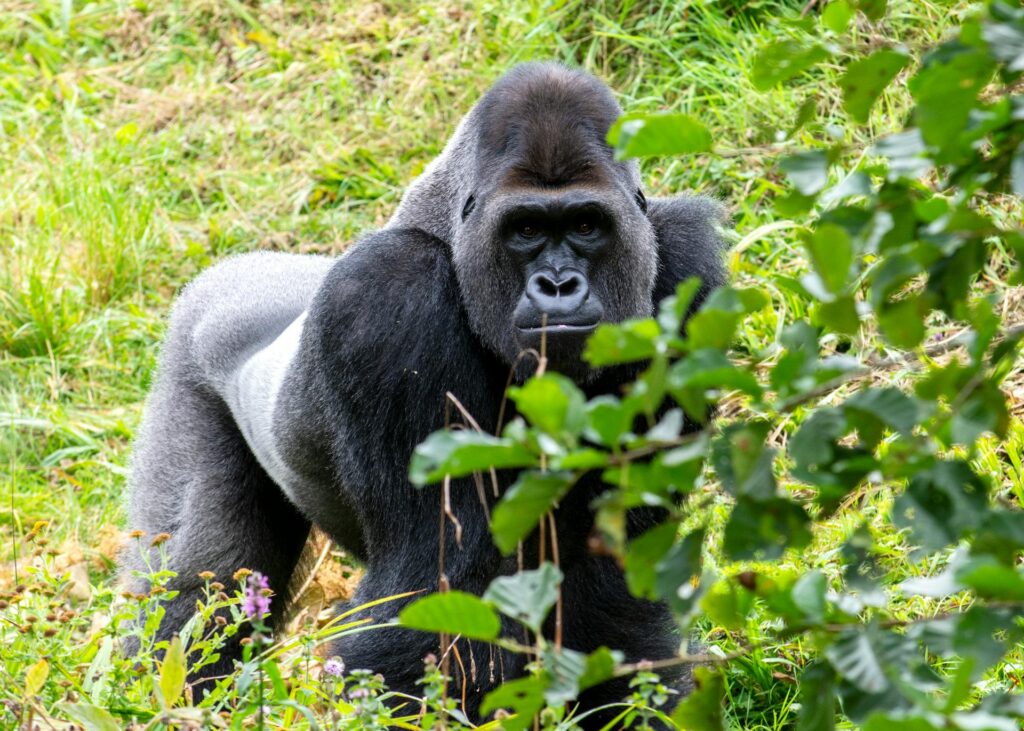
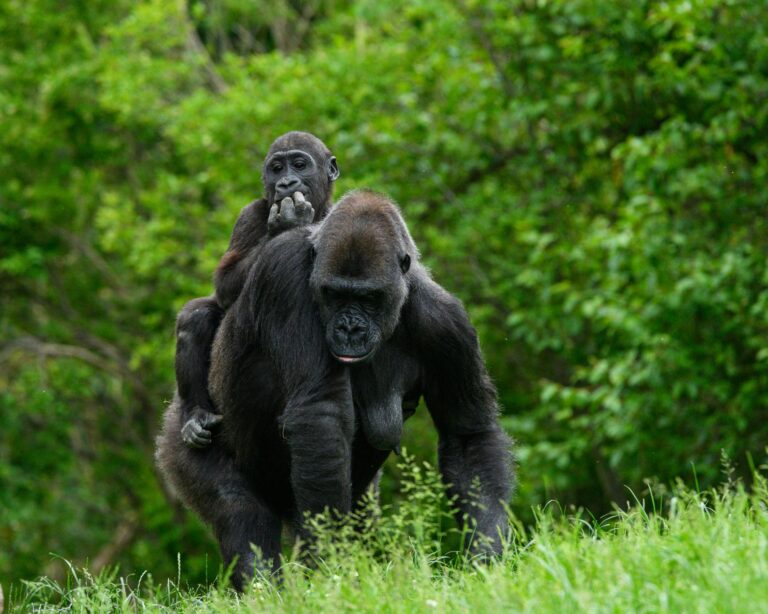
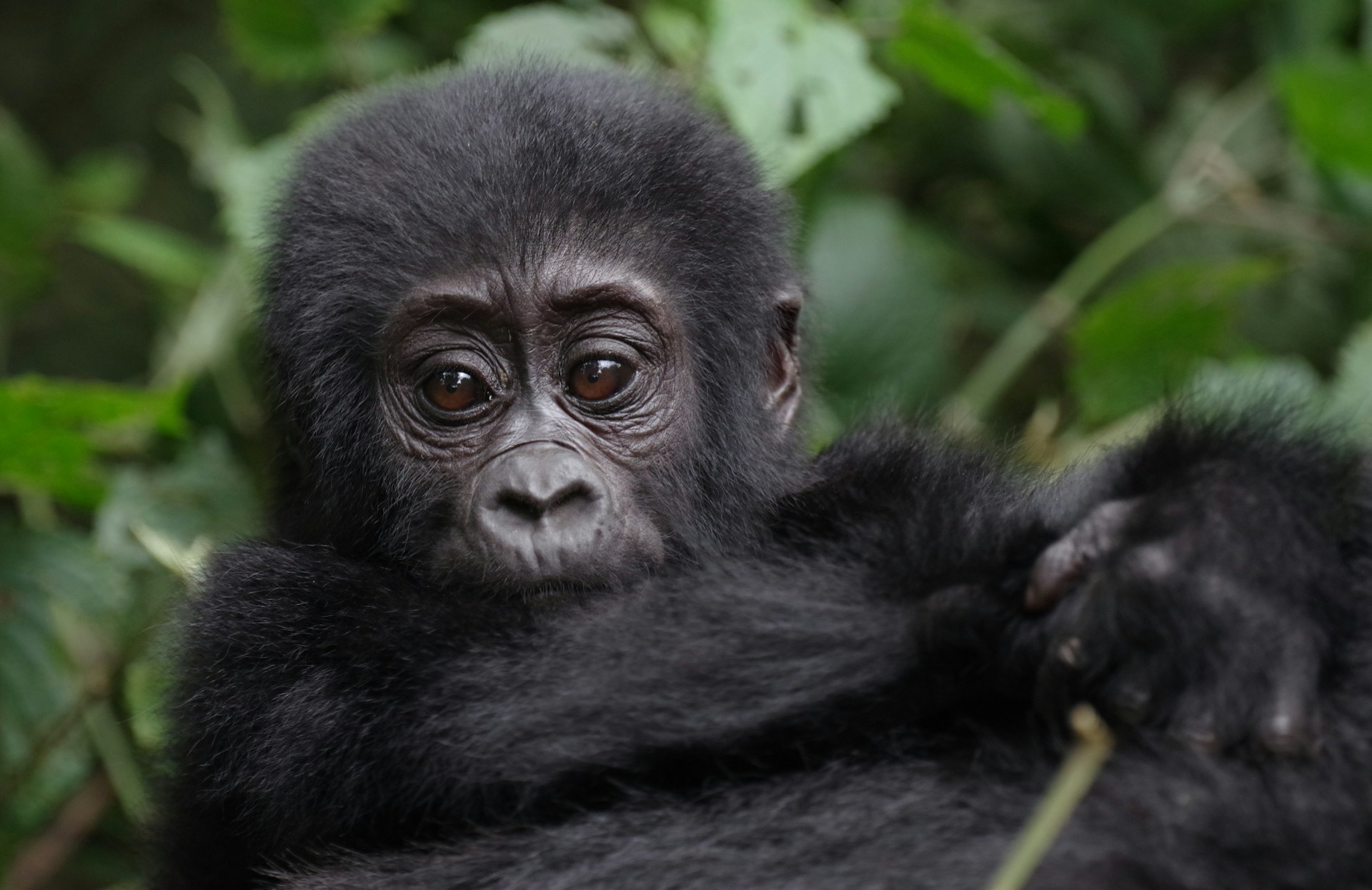
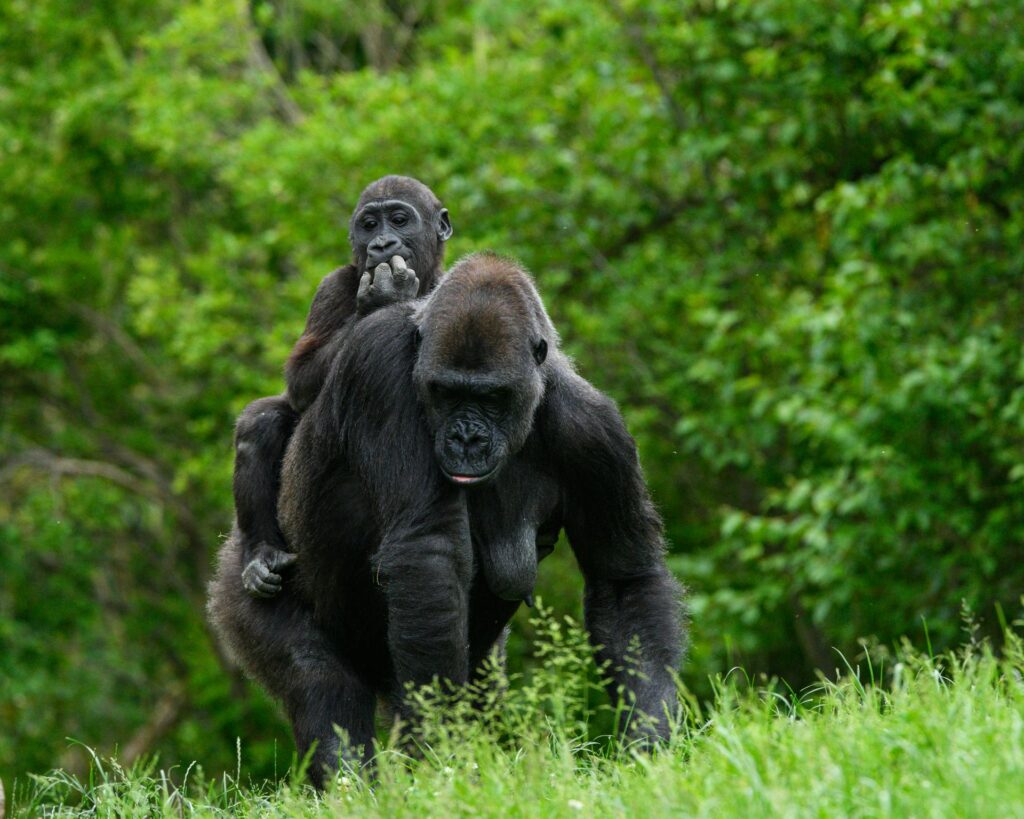
Mountain gorilla family

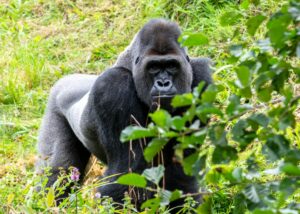
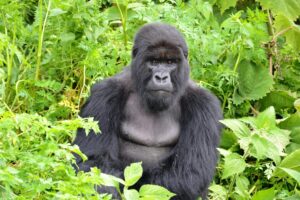
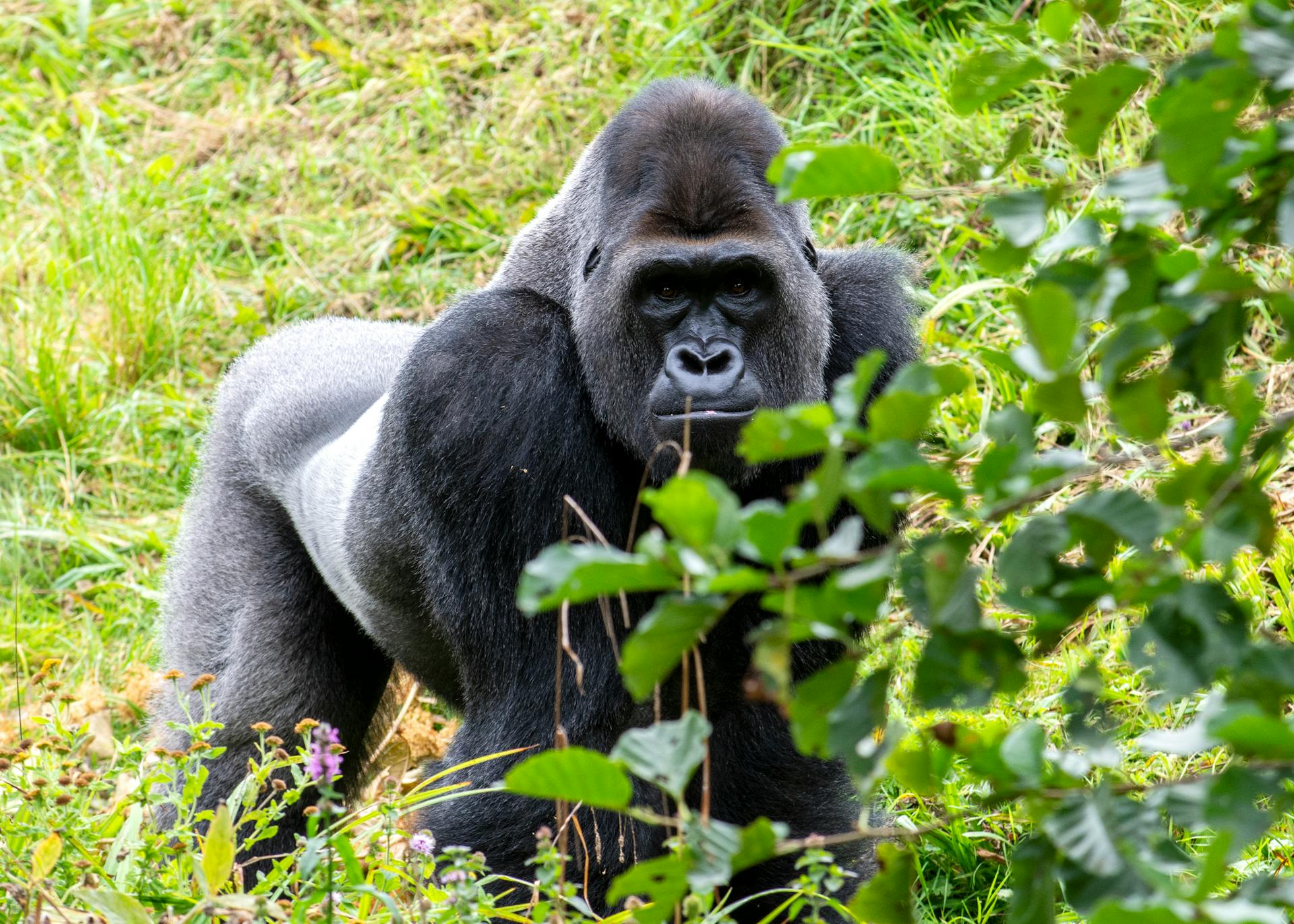
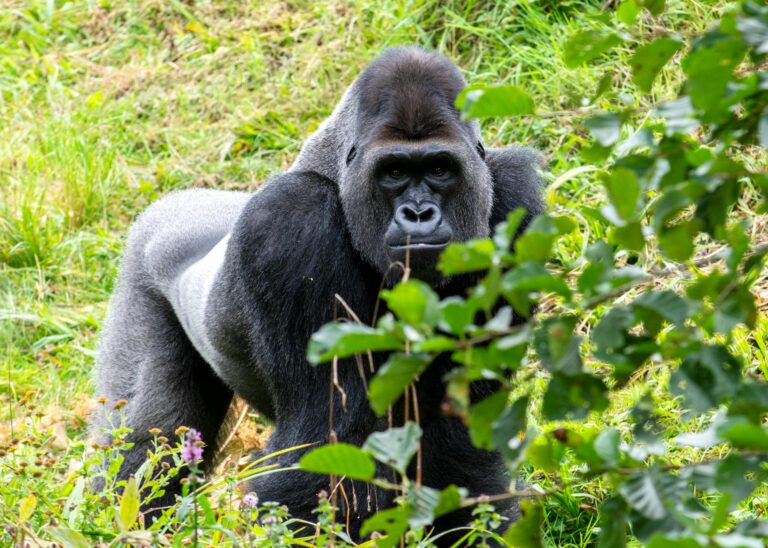
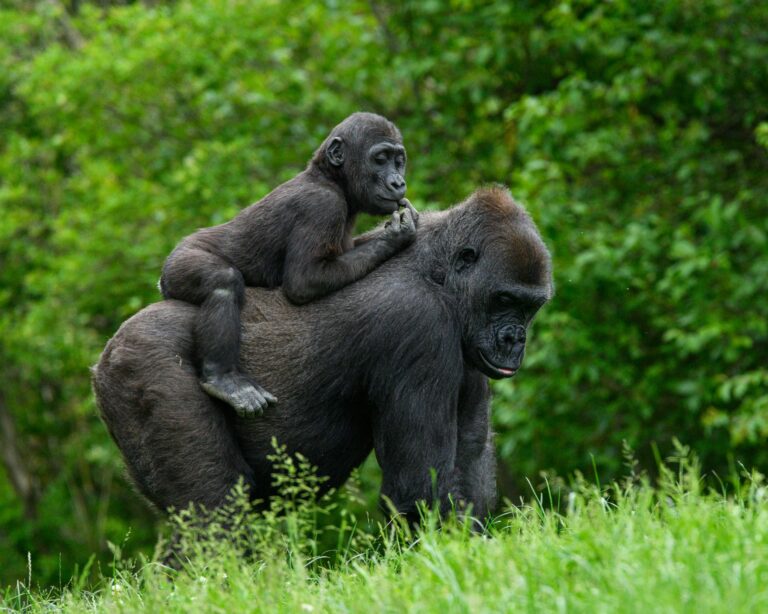
Bwindi Impenetrable National Park is home to approximately half of the world’s remaining mountain gorillas . These magnificent primates—our closest living relatives, sharing 98% of our DNA—live in family groups scattered across the park’s ancient forests .

With 16 habituated gorilla families available for trekking, Bwindi offers more gorilla tracking opportunities than any other destination on earth . Each family has its own personality, its own stories, its own silverback leader. The Mubare group, the first habituated group in Uganda, was opened to tourism in 1993 .

Gorilla trekking in Bwindi is a profoundly moving experience. You’ll hike through dense forest, guided by expert trackers, until you encounter a gorilla family going about its daily life. You’ll watch silverbacks protect their families, mothers nurse their infants, and juveniles play—all from a distance of just a few meters . The hour you spend with them passes in a heartbeat, but stays with you forever .

The Impenetrable Forest: Ancient Rainforest
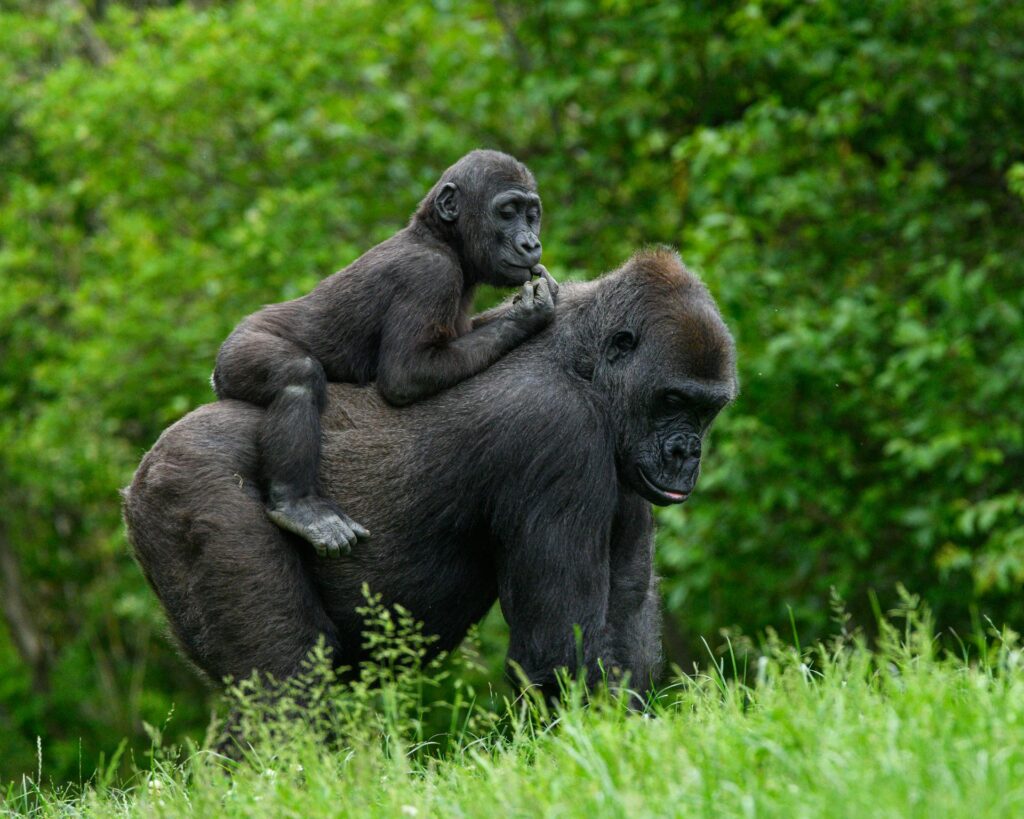
Bwindi forest

Bwindi’s forest is ancient—it has existed for over 25,000 years, surviving the last ice age when much of Africa’s forests disappeared . This long history has created a biodiversity hotspot of extraordinary richness .

The forest truly lives up to its name. Walking through Bwindi is an immersion into a world of giant ferns, tangled vines, and towering trees draped with moss. The sounds of the forest—birds calling, monkeys chattering, insects humming—surround you. The air is cool and damp, filtered through countless leaves .

Beyond gorillas, Bwindi is home to 120 mammal species, including colobus monkeys, L’Hoest’s monkeys, and forest elephants . Over 350 bird species make it one of Africa’s premier birding destinations, with 23 Albertine Rift endemics found here and nowhere else .

Four Trekking Sectors: Choose Your Experience
Bwindi sector map

Bwindi is divided into four trekking sectors—Buhoma, Ruhija, Rushaga, and Nkuringo—each offering a different experience . The sector you choose affects the difficulty of your trek and the gorilla families you’ll visit .

Buhoma, in the north, is the park’s oldest and most developed sector. Treks here tend to be moderate, and the area has the widest range of accommodations . Ruhija, in the east, is higher and cooler, with beautiful montane forest and excellent birding .

Rushaga, in the south, offers the highest number of habituated gorilla groups and the chance to trek from the Ugandan side to gorillas that sometimes range into Rwanda . Nkuringo, also in the south, is the most challenging—the terrain is steep, but the views of the Virunga Volcanoes are spectacular .

Batwa People: The First Forest Dwellers
Batwa people

The Batwa pygmies lived in Bwindi’s forests for millennia, hunting and gathering in harmony with the environment . They were displaced when the park was established in 1991, losing their ancestral home and traditional way of life .

Today, the Batwa offer cultural experiences that allow visitors to learn about their history and traditions. A Batwa experience might include a walk through the forest, demonstrations of traditional hunting techniques, and performances of music and dance . It’s a moving, educational encounter that adds a human dimension to your gorilla trekking experience .

The Batwa Trail in Buhoma and the Nkuringo Batwa Experience offer authentic interactions that directly benefit Batwa communities, providing income and preserving cultural heritage .

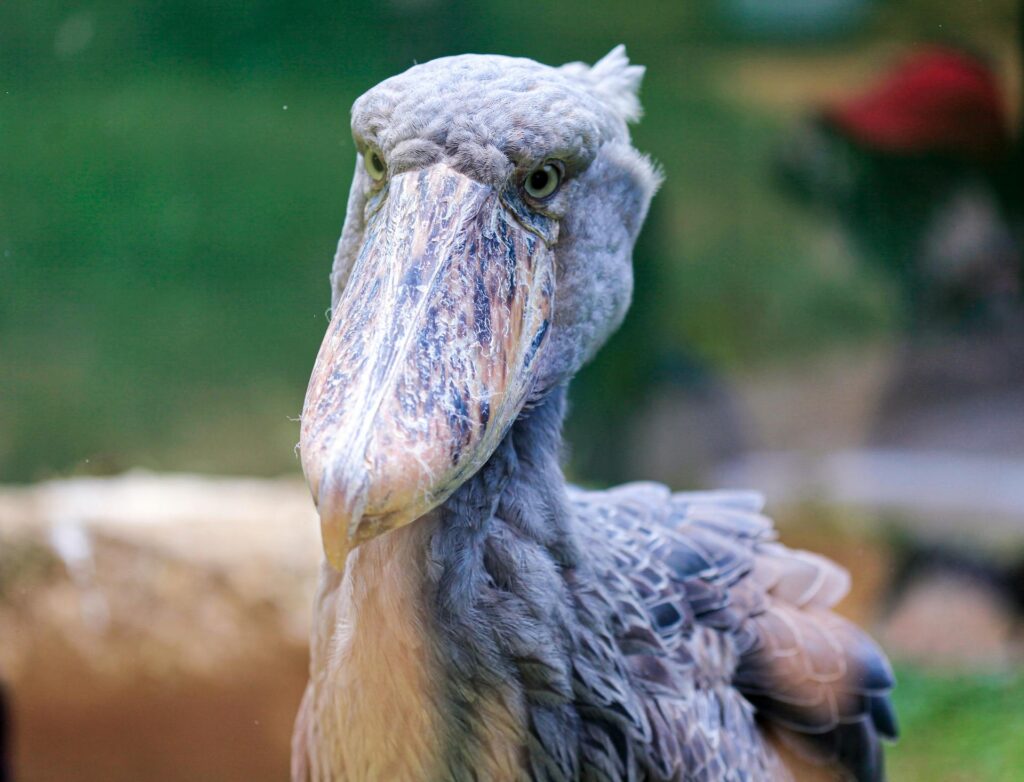
Birding Paradise: Over 350 Species

Bird in Bwindi

Bwindi is one of Africa’s premier birding destinations, with over 350 bird species recorded . The park is particularly rich in Albertine Rift endemics—birds found nowhere else on earth .

Specialties include the African green broadbill, Shelley’s crimsonwing, the handsome francolin, and the elusive dwarf honeyguide. The forest is alive with turacos, hornbills, and sunbirds. Raptors like the crowned eagle soar overhead .

The Ruhija sector is especially good for birding, with trails that wind through montane forest and bamboo zones. Many lodges offer guided birding walks with expert local guides who can help you spot and identify the park’s avian treasures .

Gorilla Habituation Experience: A Full Day with Gorillas
Gorilla habituation

For those seeking a deeper experience, Bwindi offers the Gorilla Habituation Experience—a unique opportunity to spend up to four hours with a gorilla family undergoing habituation . Instead of the standard one-hour visit, you’ll join researchers and trackers as they work to accustom a wild gorilla group to human presence .

This is the ultimate gorilla experience. You’ll witness behaviors rarely seen during standard treks—gorillas going about their daily lives without the constraints of a timed visit. You’ll see how researchers approach the group, how they record data, how they build trust .

The habituation experience is limited to 4 visitors per day, making it even more exclusive than standard trekking. It’s available in the Rushaga sector, and permits are even more limited than standard gorilla permits .
Exploring Bwindi: Four Sectors, One Extraordinary Forest

Buhoma Sector: The Original Trekking Area

Buhoma, in the northern part of Bwindi, is the park’s oldest and most developed sector. This is where gorilla trekking in Uganda began in 1993, with the habituation of the Mubare group . Today, Buhoma is home to four habituated gorilla families: Mubare, Habinyanja, Rushegura, and Katwe .

Treks in Buhoma tend to be moderate, with trails through beautiful montane forest. The terrain is less steep than in the southern sectors, making it a good choice for first-time trekkers or those with moderate fitness .

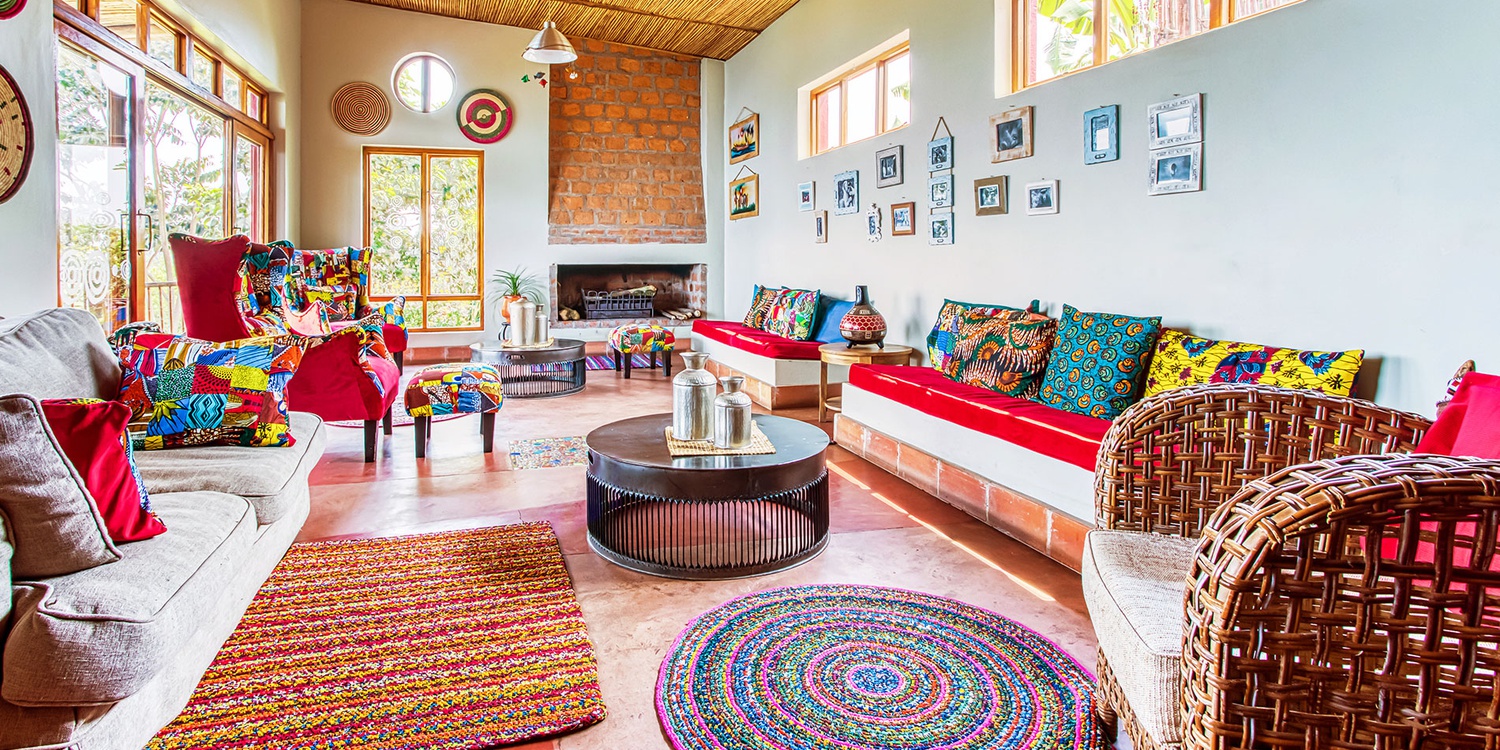
Buhoma has the widest range of accommodations, from budget camps to luxury lodges. The sector also offers excellent birding, forest walks, and the Batwa Trail, where you can learn about the forest’s original inhabitants .

Ruhija Sector: High-Altitude Beauty

Ruhija, in the eastern part of Bwindi, is higher and cooler than the other sectors, sitting at around 2,300 meters . This high-altitude sector offers beautiful montane forest, bamboo zones, and spectacular views across the park .

Ruhija is home to four habituated gorilla families: Bitukura, Oruzogo, Mukiza, and Kyaguliro . The Kyaguliro group is famous for being the subject of ongoing research by the Max Planck Institute .

The sector is a premier birding destination, with excellent trails for spotting Albertine Rift endemics. Ruhija has fewer accommodations than Buhoma but offers a more intimate, remote feel. The drive to Ruhija from Buhoma takes about 2-3 hours, so plan accordingly .

Rushaga Sector: Most Gorilla Families

Rushaga, in the southern part of Bwindi near the border with Rwanda, is home to the highest number of habituated gorilla families—six in total . These include Bweza, Busingye, Nshongi, Kahungye, Mishaya, and Mucunguzi .

Rushaga also offers the unique Gorilla Habituation Experience, where you can spend up to four hours with a gorilla family undergoing habituation . This sector has the most challenging treks, with steep terrain, but the reward is access to more gorilla groups and the exclusive habituation experience.

The sector is close to Kisoro town and offers a range of accommodations. From Rushaga, you can also access Mgahinga Gorilla National Park and the Virunga Volcanoes .

Nkuringo Sector: Spectacular Views

Nkuringo, in the southwestern part of Bwindi, is the most challenging sector for trekking—the terrain is steep, and the trails are demanding . The reward is spectacular views of the Virunga Volcanoes and a true wilderness experience .

Nkuringo is home to two habituated gorilla families: Nkuringo and Bushaho . The Nkuringo group is famous for its large silverback, Rafiki, and for the dramatic terrain of its territory .

The sector has a small number of high-end lodges offering breathtaking views. Nkuringo is also the starting point for the Nkuringo Batwa Experience, a cultural encounter with the forest’s original inhabitants . The drive from Buhoma to Nkuringo takes about 2-3 hours, or you can hike across the park in 4-6 hours .

Mubare Gorilla Group: The First Habituated

The Mubare gorilla group, in Buhoma sector, holds a special place in Uganda’s gorilla tourism history. This was the first gorilla group habituated in Uganda, opened to tourism in 1993 . Led by the silverback Kanyonyi, this group has been visited by thousands of trekkers over three decades .

Tracking the Mubare group offers a sense of history—you’re following in the footsteps of the first gorilla trekkers in Uganda. The group’s territory is in beautiful forest, and the treks are generally moderate .

The Mubare group is one of the most popular in Bwindi, so permits for this group sell out quickly. It’s a wonderful choice for first-time trekkers .

The Batwa Trail: Forest Walk with Pygmies

The Batwa Trail, in Buhoma sector, is a unique cultural experience that takes you into the forest with Batwa guides—descendants of the people who lived in Bwindi for millennia . For 2-3 hours, you’ll walk through the forest as the Batwa show you their traditional way of life .

Your guides will demonstrate hunting techniques, show you medicinal plants, explain how they gathered honey, and teach you about the forest’s resources. They’ll share stories and songs passed down through generations. It’s a moving, educational encounter that offers a different perspective on the forest .

The Batwa Trail directly benefits Batwa communities, providing income and helping preserve their cultural heritage. It’s an essential complement to gorilla trekking for those interested in the human story of Bwindi .

Bwindi Month-by-Month: Gorilla Trekking, Weather & When to Visit

Bwindi Impenetrable National Park is one of Africa’s most extraordinary places—an ancient, 331-square-kilometer rainforest that has existed for over 25,000 years, surviving the last ice age . This UNESCO World Heritage Site is a biodiversity hotspot, home to over 120 mammal species, 350 bird species, and 200 butterfly species—plus half of the world’s remaining mountain gorillas .

The park’s name captures its essence: ”Bwindi” means ”impenetrable” in the local Runyakitara language, and the forest lives up to its name with dense undergrowth, tangled vines, and steep terrain . Gorilla trekking here is a physical challenge, but the reward—watching a gorilla family in their natural habitat—is one of Africa’s greatest wildlife experiences .

The best time for gorilla trekking is during the drier months (June-August and December-February) when trails are less slippery and gorillas are easier to track . The wet season (March-May and September-November) brings lush green landscapes and spectacular birding, but trekking is more challenging .

All temperatures are daytime highs and nighttime lows. Being a highland forest, temperatures drop significantly at higher altitudes and at night.

Month
Rain
Min
Max
Season

Featured Destinations

Selected Complementary Destinations

Mgahinga Gorilla National Park

Top Reasons to Visit
Gorilla Trekking Safaris Year-Round Safari

Murchison Falls National Park

Top Reasons to Visit
Year-Round Safari Family Friendly

Queen Elizabeth National Park

Top Reasons to Visit
Big 5 Wildlife Year-Round Safari

Gombe Stream National Park

Top Reasons to Visit
Bird Watchers' Paradise Guided Chimpanzee Tracking

Plan Your Journey to Bwindi Impenetrable National Park

Ready to explore? Our travel specialists are here to help craft your dream itinerary.

Chat on WhatsApp
Created by icon tripfrom the Noun Project Created by Amethyst Studiofrom the Noun Project Created by Amethyst Studiofrom the Noun Project Created by Amethyst Studiofrom the Noun Project