Why Jinja Is the Adventure Capital of East Africa
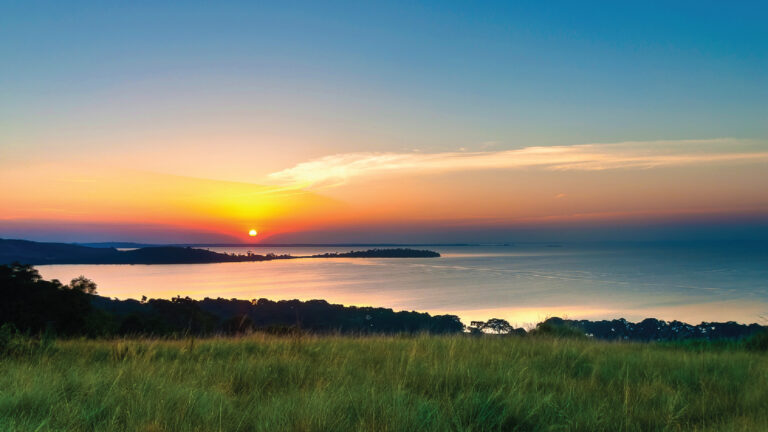
Jinja is the adventure capital of East Africa—a vibrant town where the mighty Nile River begins its epic 6,650-kilometer journey to the Mediterranean Sea . Nestled on the shores of Lake Victoria, Africa’s largest lake, Jinja holds a special place in exploration history. It was here that explorer John Hanning Speke first identified the source of the Nile in 1862, solving one of the greatest geographical mysteries of the Victorian age .
Today, Jinja is renowned for world-class white-water rafting on the Nile’s grade 3-5 rapids, kayaking, stand-up paddleboarding, and the legendary Source of the Nile itself . The town’s tropical climate, rich history, and adrenaline-pumping activities make it a must-visit for adventure seekers and Nile enthusiasts alike .
Here is why Jinja deserves a place on every Uganda itinerary.
The Source of the Nile: Where the World's Longest River Begins
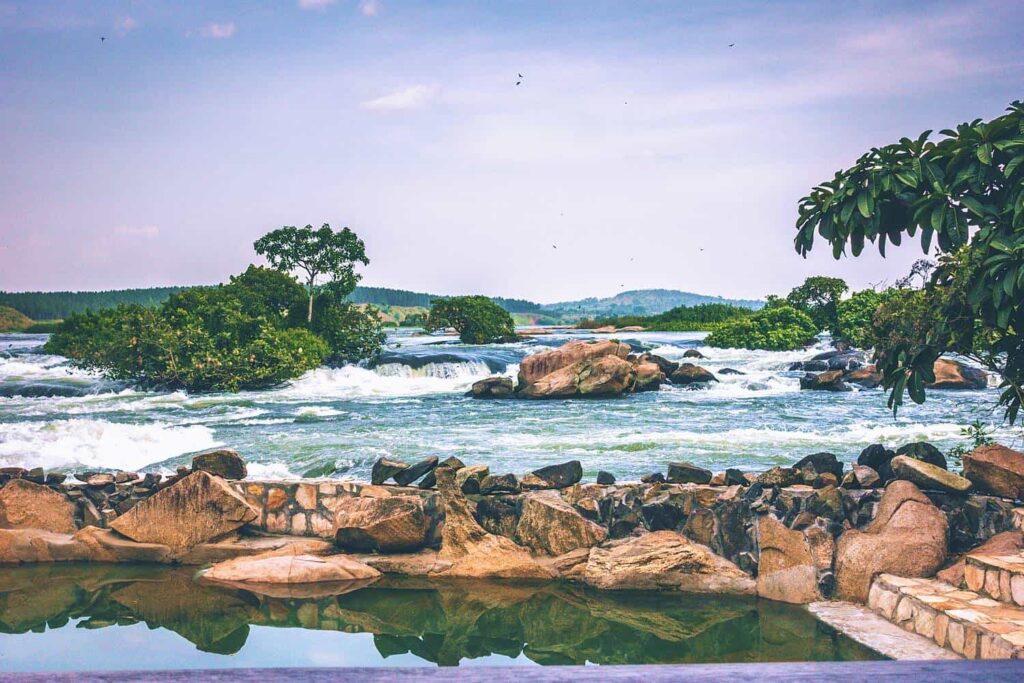
Standing at the Source of the Nile is a moment of profound historical and geographical significance. This is where John Hanning Speke, after years of searching, finally identified the starting point of the world’s longest river in 1862 . The moment is commemorated by the Speke Monument, a simple but moving marker at the exact spot where he stood .
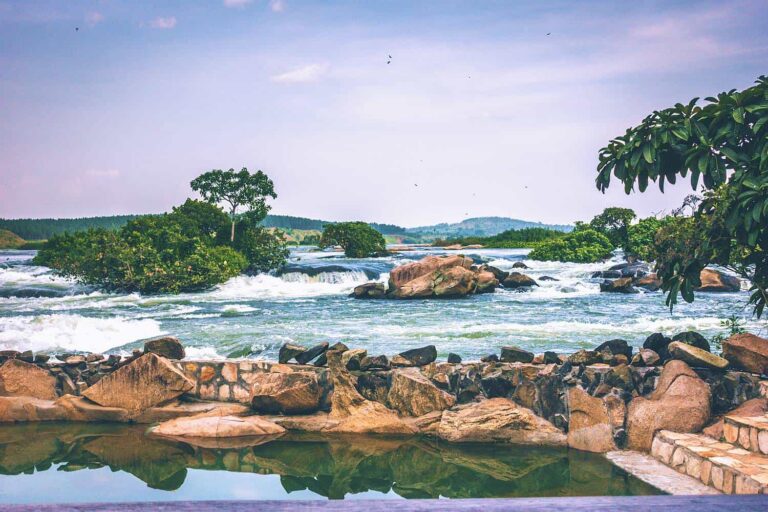
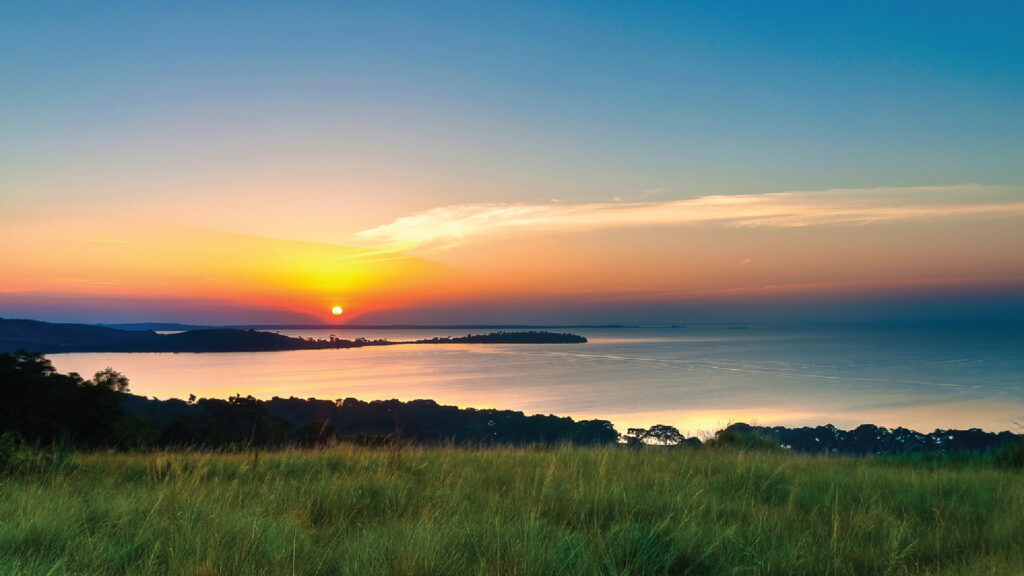
The Source is located approximately 4 kilometers from Jinja town center, where Lake Victoria’s waters begin their slow surge toward the Nile . The site is beautiful—calm waters dotted with traditional fishing boats, local fishermen casting their nets, and the distant roar of the Bujagali Falls (now submerged) .
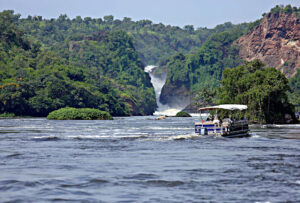
You can experience the Source from several perspectives. A boat cruise takes you right to the exact spot where the river emerges from the lake, with guides explaining the history and significance. For a quieter experience, the Source of the Nile Gardens offer a peaceful setting with the stunning views and the opportunity to watch local life unfold on the water .
White-Water Rafting: World-Class Rapids
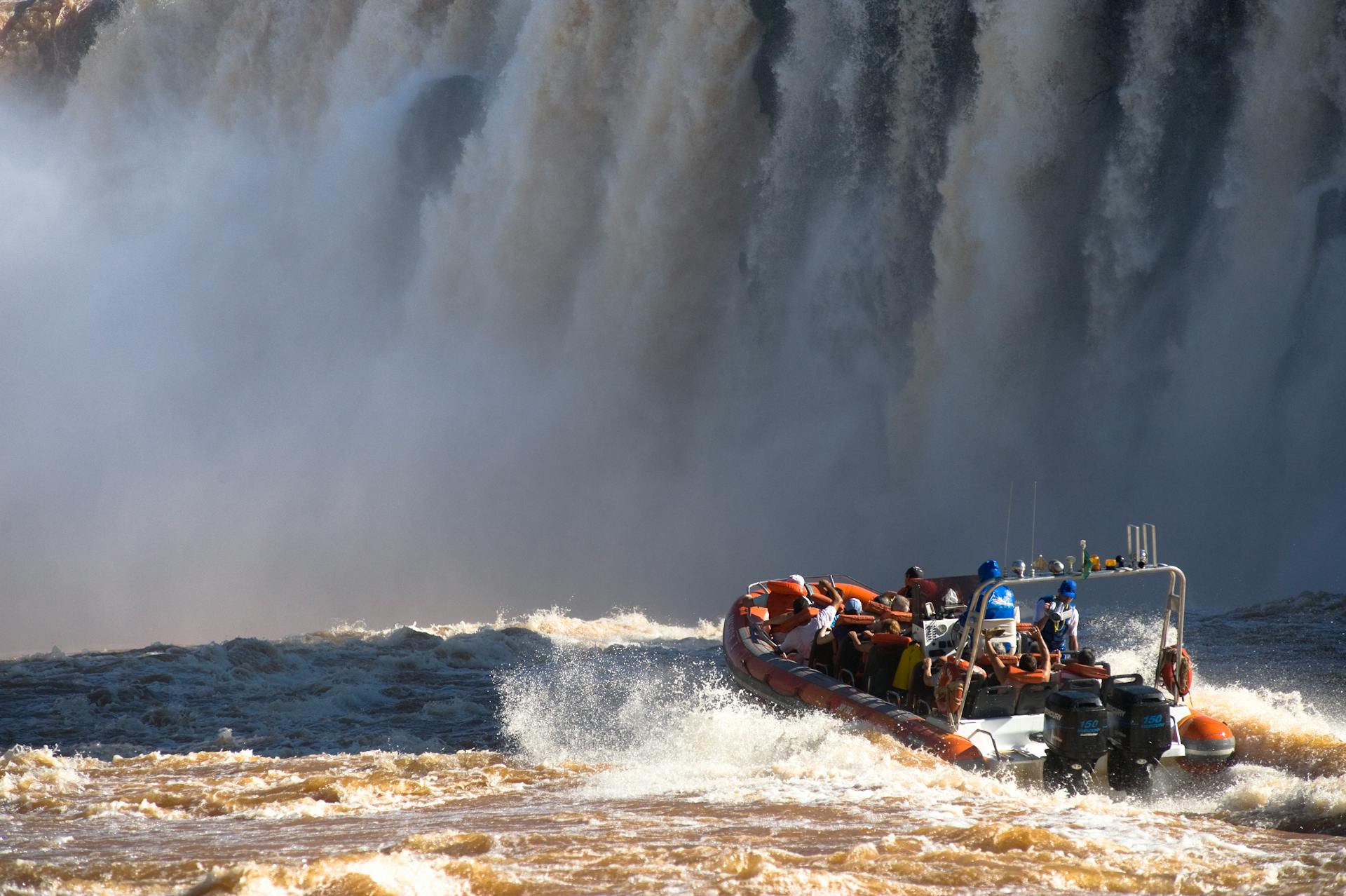
Jinja is globally famous for its white-water rafting on the Nile, consistently ranked among the best river rafting destinations in the world . The stretch of river below the Source offers over a dozen grade 3-5 rapids in a stunning 30-kilometer section, providing an unforgettable adventure for both first-timers and experienced rafters .
The rapids have colorful names that hint at their character—Bujagali, Itanda (‘The Grinder’), Total Immersion, and Overtime . The grade 5 rapids like Itanda are serious, technical challenges that require skill and nerve, while the grade 3-4 sections offer thrilling fun for beginners. Most trips take a full day, including a riverside lunch and the option to continue to grade 5 rapids for those seeking the ultimate adrenaline rush .
Professional operators like Nile River Explorers and Adrift have perfect safety records and employ expert guides who make the experience both thrilling and safe . No experience is necessary—they’ll teach you everything you need to know before you hit the water.
Beyond Rafting: Kayaking, Bungee, Quad Biking & More
Jinja’s adventure scene extends far beyond rafting, offering a complete playground for adrenaline seekers .
Kayaking opportunities range from calm water explorations to tackling the same rapids as rafters. The Source of the Nile is perfect for stand-up paddleboarding, offering a serene way to experience the river .
Bungee jumping at the Nile High Bungee—the only bungee site in East Africa—offers a 44-meter freefall over the Nile . The jump is thrilling, with the option to touch the water on the rebound .
Quad biking takes you through local villages, past sugar cane plantations, and along the river, offering a different perspective on the Jinja area. Horseback riding along the Nile is magical, especially at sunset. Fishing excursions target Nile perch, one of the world’s largest freshwater fish, in Lake Victoria and the Nile .
For a truly unique experience, take a sunset cruise on the Nile—drifting on the world’s longest river as the sun sets over Africa is pure magic .
Jinja Town: History, Culture & Nile Views
Jinja town itself is worth exploring—a lively, friendly place with a fascinating history and a vibrant present. The town grew rapidly in the 1950s with the construction of the Owen Falls Dam (now Nalubaale Dam) and became an industrial center. Today, it’s relaxed, colorful, and full of character .
The Jinja Market is a sensory explosion—stalls piled high with fresh produce, spices, fish, and crafts. Main Street is lined with shops, cafes, and the beautiful Jain Temple, a peaceful oasis in the town center .
The Jinja Sailing Club, on the shores of Lake Victoria, is a wonderful place for a drink with stunning views. The Jinja Nile Resort, perched on the riverbank, offers beautiful grounds, a pool, and excellent Nile views. The town’s relaxed vibe and friendly people make it a pleasure to spend a few days.
Local restaurants serve delicious Ugandan cuisine—try the Nile perch, fresh from the river, or the famous Rolex (chapati rolled with eggs and vegetables), Uganda’s unofficial national dish .
Itanda Falls: 'The Grinder'
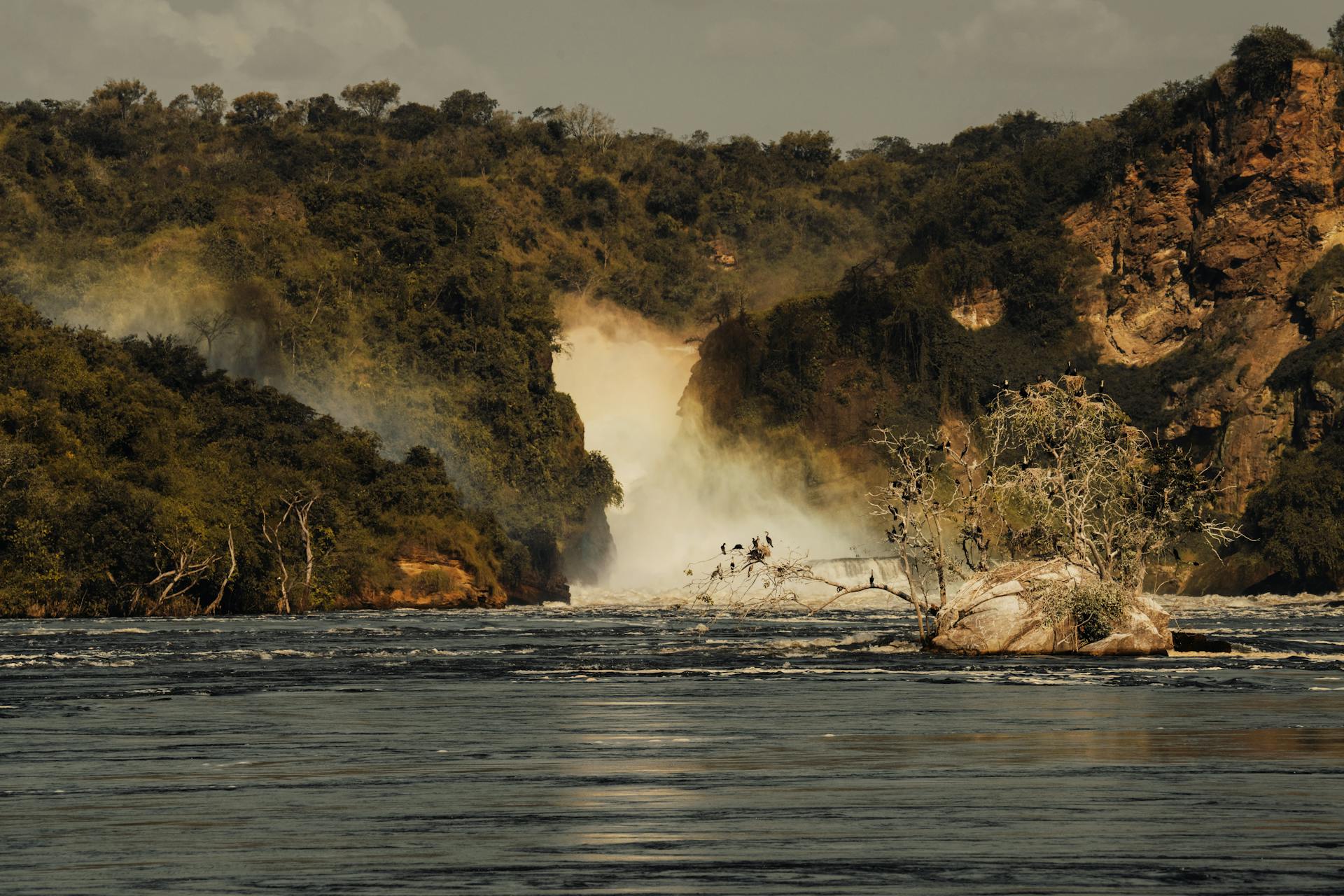
Itanda Falls, about 12 kilometers downstream from the Source of the Nile, is a stretch of river that strikes fear and awe into the hearts of even experienced rafters . Its name, ‘The Grinder,’ perfectly describes its character—a 4-kilometer section of continuous grade 5 rapids that is among the most challenging white water on earth .
For most visitors, the experience of Itanda is optional—rafts can choose to portage around it. But for adrenaline junkies, running Itanda is the ultimate test. The rapids are massive, technical, and relentless. The feeling of surviving them is indescribable .
Even if you don’t run the rapids, Itanda is worth visiting. The power of the river here is overwhelming—you can stand on the rocks and watch millions of liters of water crash through the gorge every second. It’s a humbling reminder of the Nile’s raw power.
Bujagali & Local Community
The Bujagali area, about 8 kilometers downstream from Jinja, was once famous for the Bujagali Falls—a beautiful stretch of rapids that was submerged by the Bujagali Dam in 2011 . While the falls are gone, the area remains beautiful and culturally rich.
The construction of the dam flooded the original rapids, but it created a new lake upstream and left the downstream rapids, including Itanda, unaffected . The dam itself is impressive, generating 250 megawatts of electricity for Uganda .
The local communities around Bujagali are welcoming, and you can visit villages, meet local people, and learn about traditional life. The Bujagali area is also home to several excellent lodges and backpackers, including the famous Nile River Explorers and Adrift camps, where travelers gather around campfires to share stories of their river adventures.