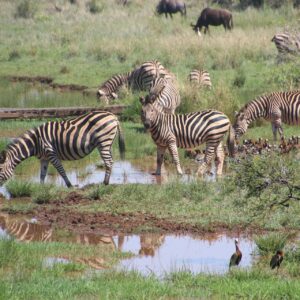
Why Kidepo Is Uganda's Last True Wilderness Frontier
Kidepo Valley National Park is Uganda’s most remote and untouched wilderness, tucked away in the northeastern corner of the country where Uganda meets South Sudan and Kenya [citation:6]. This 1,442-square-kilometer sanctuary offers an authentic African safari experience that’s refreshingly different from the usual tourist tracks [citation:2]. Those who make the long journey north through the wild frontier region of Karamoja agree that it’s the most wonderful and ranks among Africa’s finest wildernesses [citation:1].
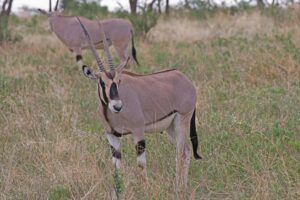
The park boasts over 77 mammal species and nearly 500 bird species, including several found nowhere else in Uganda—cheetahs, ostriches, bat-eared foxes, caracals, and greater kudu [citation:2][citation:4][citation:6]. Its isolation has preserved its authentic character, making it a remarkable destination for those seeking a genuine African wilderness experience with fewer than 10 visitors per day [citation:3][citation:2].
Here is why Kidepo deserves a place on every adventurous safari traveler’s bucket list.
Uganda's Only Population of Cheetahs and Ostriches
Kidepo is the only national park in Uganda where you can find several species that are completely absent elsewhere in the country. The park is home to Uganda’s only population of cheetahs, the world’s fastest land animals, which hunt on the open savannah [citation:2][citation:4]. It’s also the only place in Uganda to see ostriches, the world’s largest bird, striding across the plains [citation:4][citation:6][citation:7].
The park’s remote location and cross-border ecological influence with South Sudan and Kenya create a unique mix of species not found in other Ugandan parks [citation:4]. You’ll also find bat-eared foxes, caracals, aardwolves, greater and lesser kudu, and the black-backed jackal—all species that set Kidepo apart as a destination for rare wildlife sightings [citation:4][citation:6][citation:7].
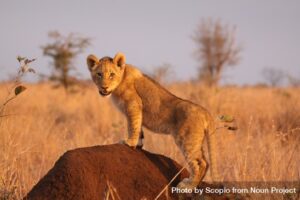
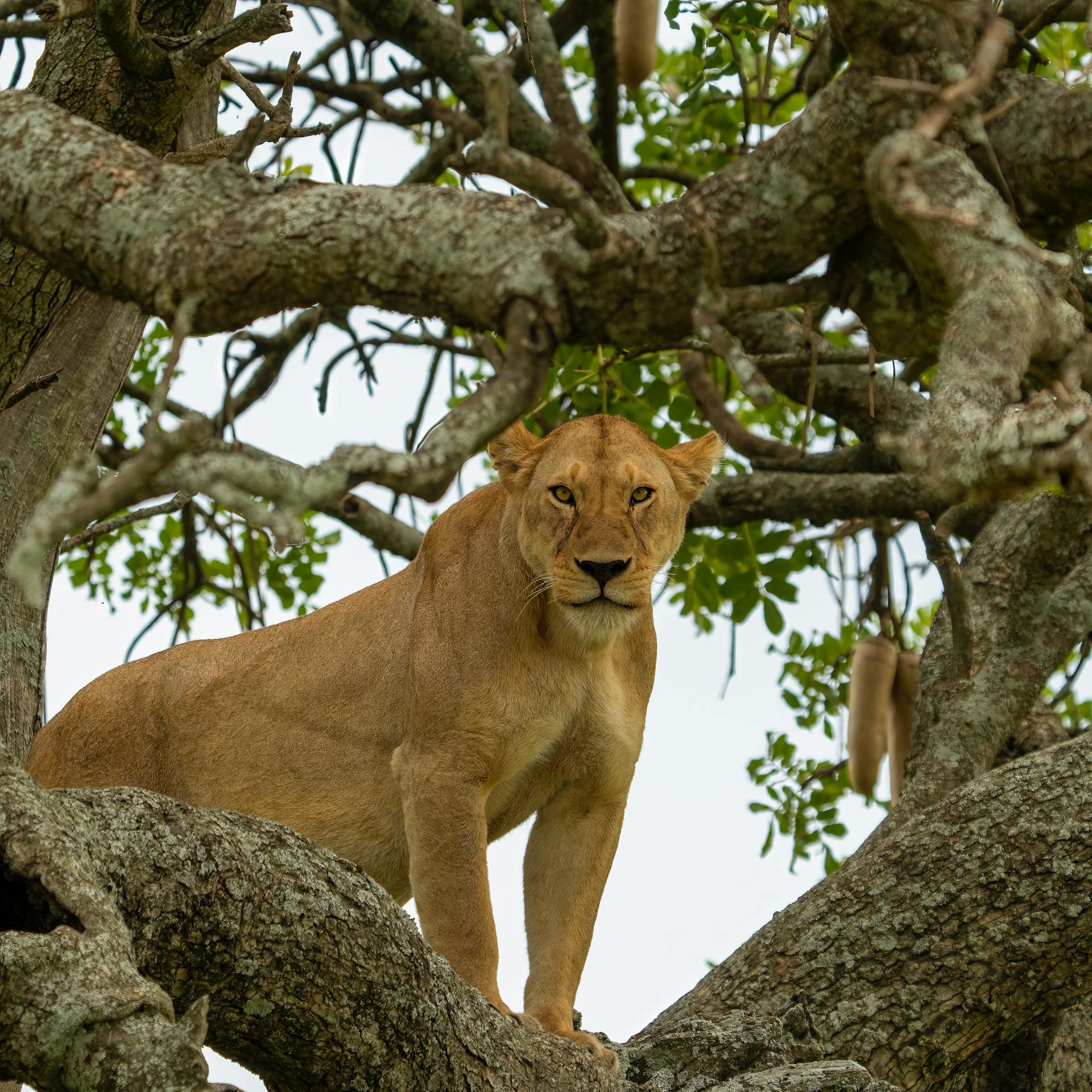
Twenty species of predator have been recorded here, including lions, leopards, cheetahs, and spotted hyenas, making it one of Uganda’s premier predator destinations [citation:4][citation:7].
Narus Valley: Kidepo's Wildlife Heartland
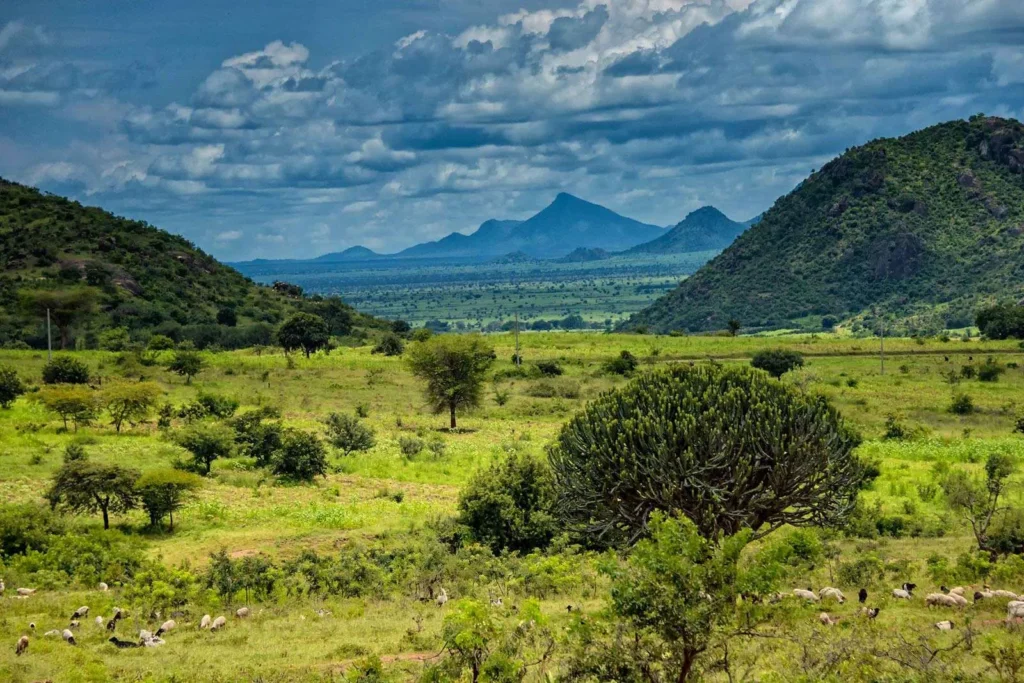
The Narus Valley is the park’s prime wildlife viewing location, and the name ”Narus” means ”marshy ground” in the Karamojong language [citation:5]. Unlike the rest of the park, this valley holds water even during the dry season thanks to the Narus River, which provides a steady water supply all year round [citation:5]. This makes it the lifeblood of the park, attracting animals from miles around.
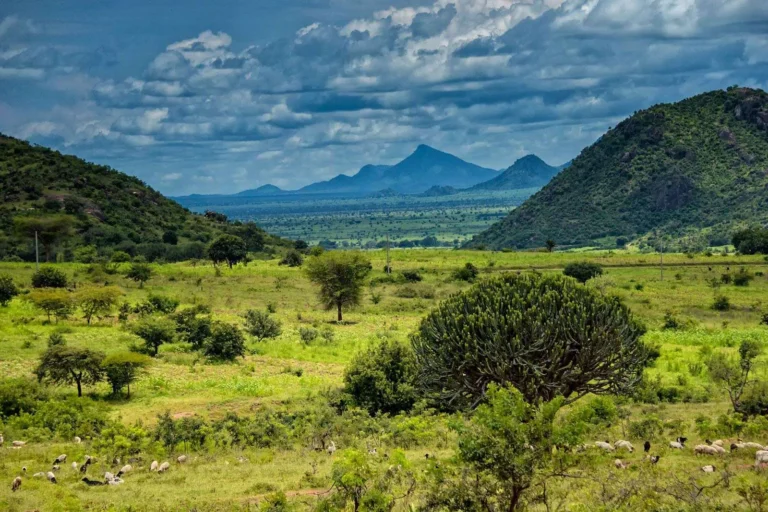
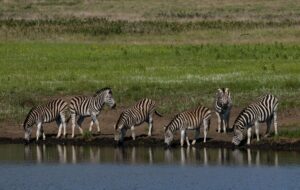
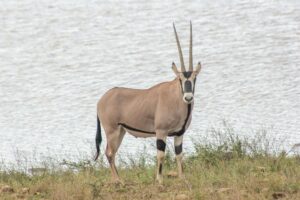
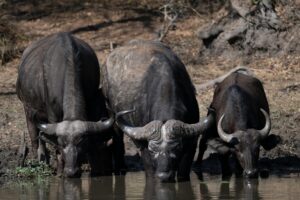
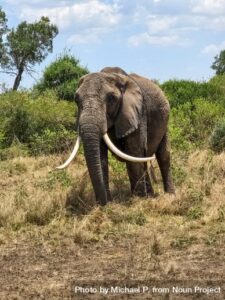
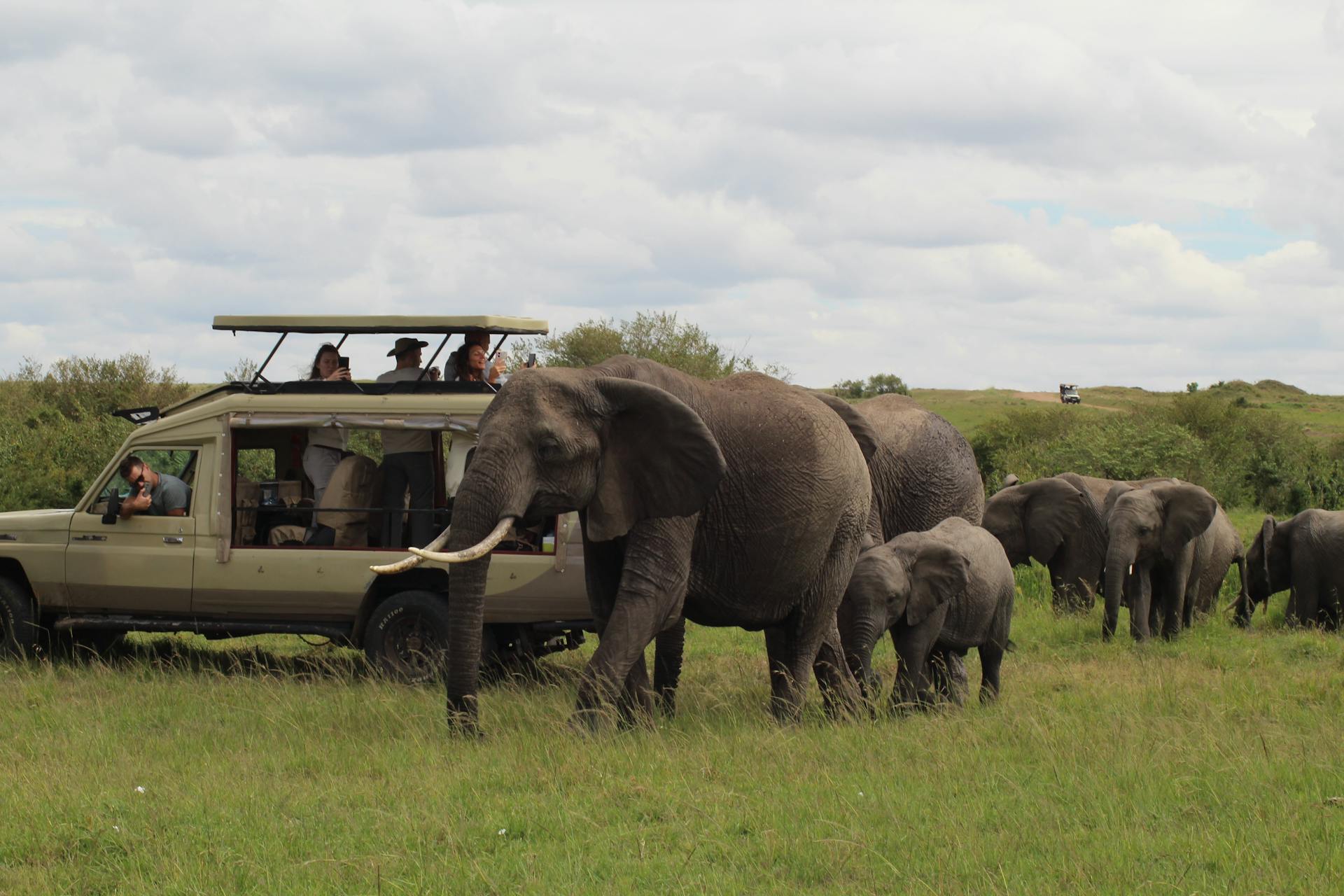
The valley is made up of open savannah grasslands, wetlands, and acacia trees, creating perfect habitat for a stunning array of wildlife [citation:5]. You’ll find large herds of elephants, buffaloes, zebras, giraffes, and antelopes, especially during the dry months when animals gather here to drink [citation:1][citation:5]. The open terrain makes wildlife spotting easy and rewarding.
Early morning and late afternoon are the best times for game drives in the Narus Valley, with 6 am and 4 pm recommended start times [citation:1]. The valley is also excellent for birding, with ostriches, secretary birds, kori bustards, and Abyssinian rollers commonly seen [citation:5].
The Kidepo Valley & Kanangorok Hot Springs
The Kidepo Valley, after which the park is named, offers a completely different experience from the Narus Valley. This area is more arid and dramatic, dominated by sweeping plains and the seasonal Kidepo River, which is dry for much of the year [citation:1][citation:4]. While wildlife is scarcer here, the scenery is magnificent—an hour-long drive to the Kanangorok Hot Springs passes through some wonderful landscapes [citation:1].
The Kanangorok Hot Springs, located about 30 kilometers north of the park’s tourism hub at Apoka, are a must-visit destination [citation:1]. The road crosses the dry, sandy bed of the Kidepo River to an extensive plain lined to the east by the Morungole mountain ranges and to the north by the looming, 2,975-meter-high Jebel Lotuke in South Sudan [citation:1].
This area is the best place in the park to see ostriches and secretary birds, and the dramatic scenery makes for unforgettable photography [citation:1][citation:7]. The springs themselves are a fascinating geological feature in this remote landscape.
Birding Paradise: Over 475 Species
Kidepo is a world-class birding destination, with over 475 bird species recorded [citation:1][citation:4][citation:5]. Its remote location and unique habitats make it one of the few places in Uganda to spot dry-country specialties like the Clapperton’s francolin, the Abyssinian roller, and the Karamoja apalis [citation:4][citation:5].
The Apoka rest camp is a great spot to start your Kidepo birding adventure, with the small permanent waterhole at the camp’s rim attracting many species [citation:1]. You’ll see Abyssinian ground hornbills, superb starlings, little green bee-eaters, white-bellied tits, and eastern yellow-billed hornbills [citation:1]. The Narus and Namamukweny valleys are also excellent birding areas [citation:1].
During the wet season (April to August), migratory birds arrive, making this the finest time for bird watching [citation:5][citation:10]. The park is also rich in birds of prey, with species like the Verreaux’s eagle, Egyptian vulture, pygmy falcon, and lappet-faced vulture commonly seen [citation:3][citation:8].
The Karamojong & IK People: Living Culture
Kidepo’s cultural richness is as compelling as its wildlife. The surrounding communities, including the Karamojong and IK people, maintain traditional pastoral and hunter-gatherer lifestyles [citation:4]. The Karamojong are semi-nomadic pastoralists who have lived in northeastern Uganda for centuries, their lives deeply connected to their cattle [citation:1][citation:6].
Visiting a Karamojong manyatta (homestead) offers insight into their traditional way of life—you’ll see their colorful dress, learn about their customs, and understand the social and cultural importance of cattle [citation:1]. The Lorokul Cultural Group, situated just outside the park, welcomes visitors to experience their traditions, with fees contributing to community projects like clinics and midwife training [citation:1].
The IK people, one of Uganda’s most marginalized tribes, live on Mount Morungole on the park’s edge [citation:5][citation:6]. Pre-arranged hikes to visit their communities offer a rare glimpse into a hunter-gatherer culture that has survived in this remote region for centuries [citation:1][citation:5].
Hiking & Nature Walks: On Foot in the Wilderness
Kidepo offers exceptional opportunities to explore its dramatic landscapes on foot. Guided nature walks through the Narus Valley allow intimate encounters with the environment—you’ll see tracks, plants, and smaller wildlife often missed during game drives [citation:5]. These walks typically cover a 5-kilometer radius from the Apoka Tourism Center and last about two hours [citation:1].
For the more adventurous, a four-hour hike up the Lomej Mountains (starting at 7 am) rewards you with breathtaking views across the park and into South Sudan [citation:1]. The hike to the Morungole Mountains to visit the IK people is a full-day adventure that combines cultural encounter with stunning scenery [citation:1][citation:5].
You can also stroll along the splendid Kidepo River valley between banks of attractive borassus palm forest, or explore the Namamkweny valley, reachable in one hour from Apoka [citation:1]. All walks require an armed ranger guide, which is essential for safety and adds enormous value through their knowledge of the terrain and wildlife [citation:1][citation:8].