Why Mgahinga Is Uganda's Most Scenic and Intimate Gorilla Trekking Destination
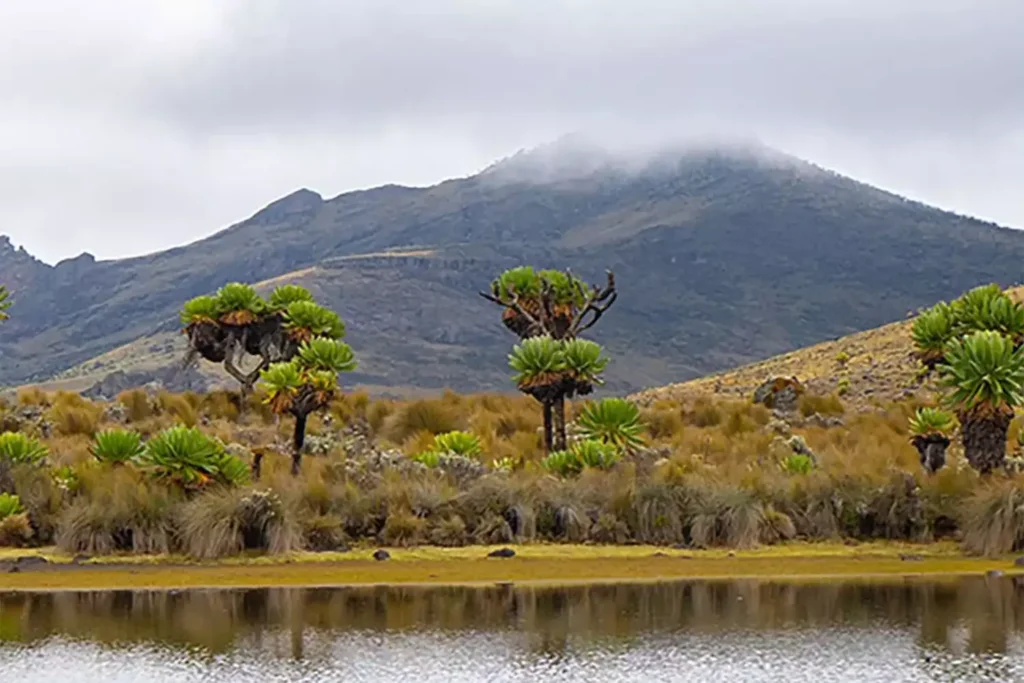
Mgahinga Gorilla National Park is often overlooked, but it’s easily one of the best places to visit if you want a quieter, more scenic gorilla trekking experience [citation:1]. Tucked into the far southwestern corner of Uganda, this small park forms part of the Virunga Conservation Area, where Uganda, Rwanda, and the Democratic Republic of Congo meet [citation:3]. The setting is dramatic: extinct volcanoes rise out of the forest, and clouds drift between the bamboo groves and Afro-alpine moorland [citation:1].
Covering just 33.7 square kilometers, Uganda’s smallest national park is packed with wonders—from the endangered mountain gorillas to the elusive golden monkeys [citation:2]. Beyond its rich biodiversity, the park carries deep cultural significance—it was once home to the Batwa pygmies, the forest’s original inhabitants [citation:2]. Three extinct volcanoes shape the landscape, creating breathtaking scenery and thrilling hikes [citation:2].
Here is why Mgahinga deserves a place on every Uganda itinerary.
The Nyakagezi Gorilla Family: Intimate Encounters
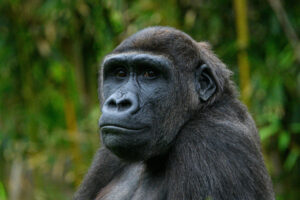
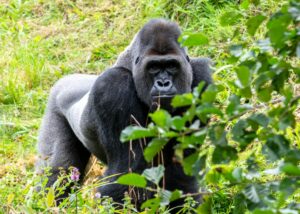
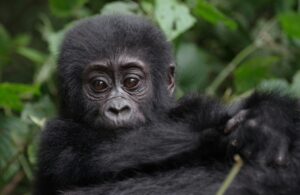
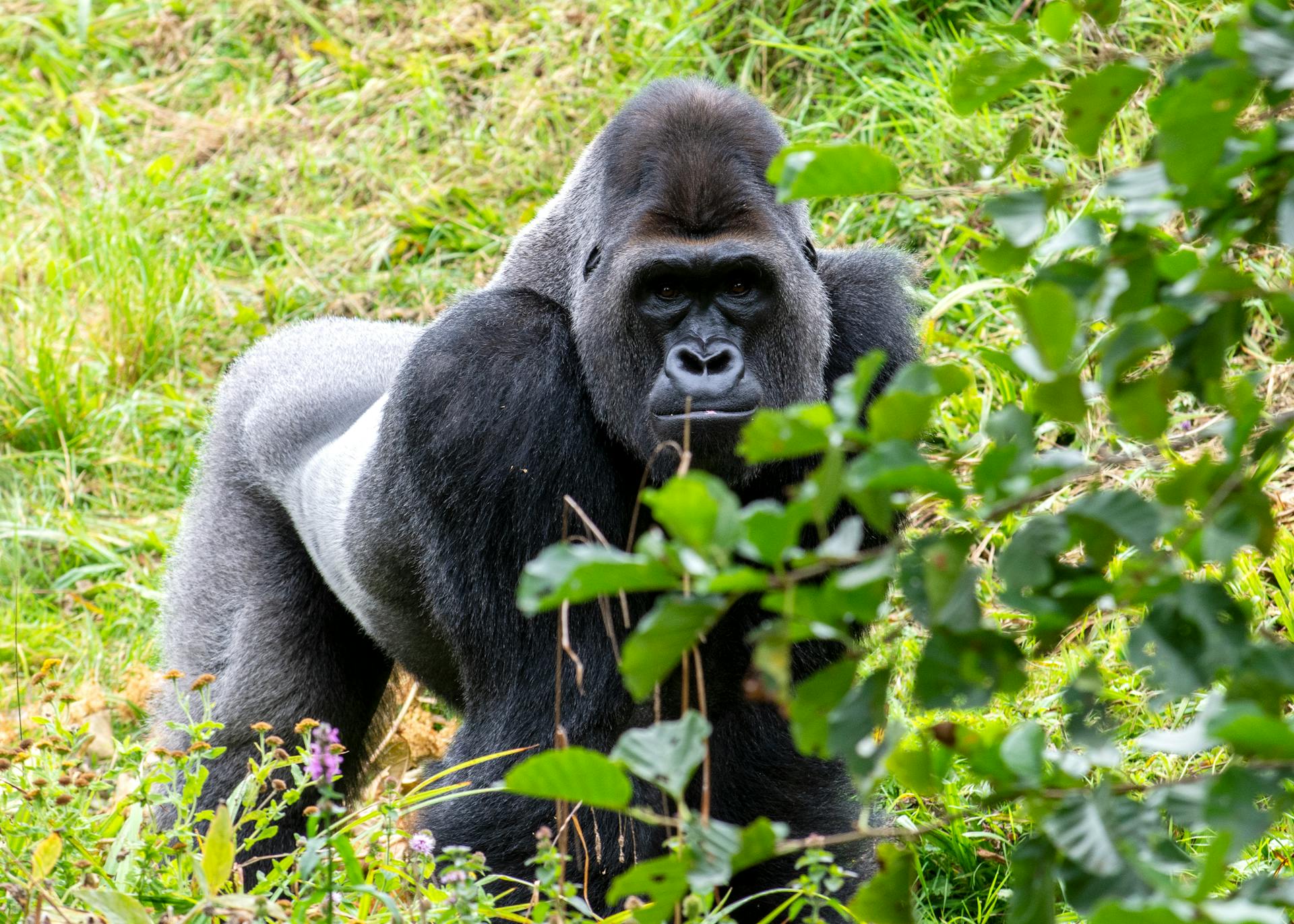
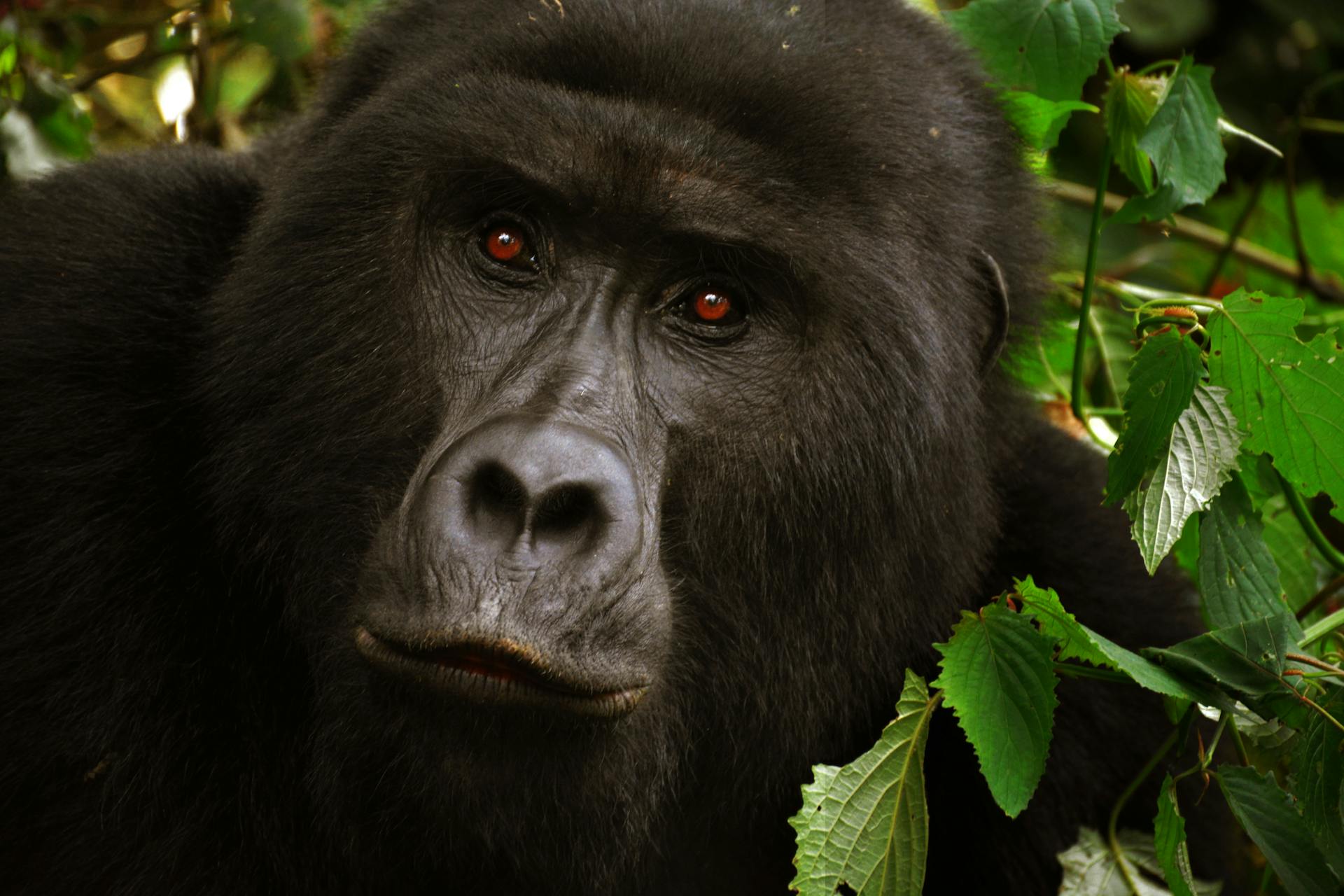
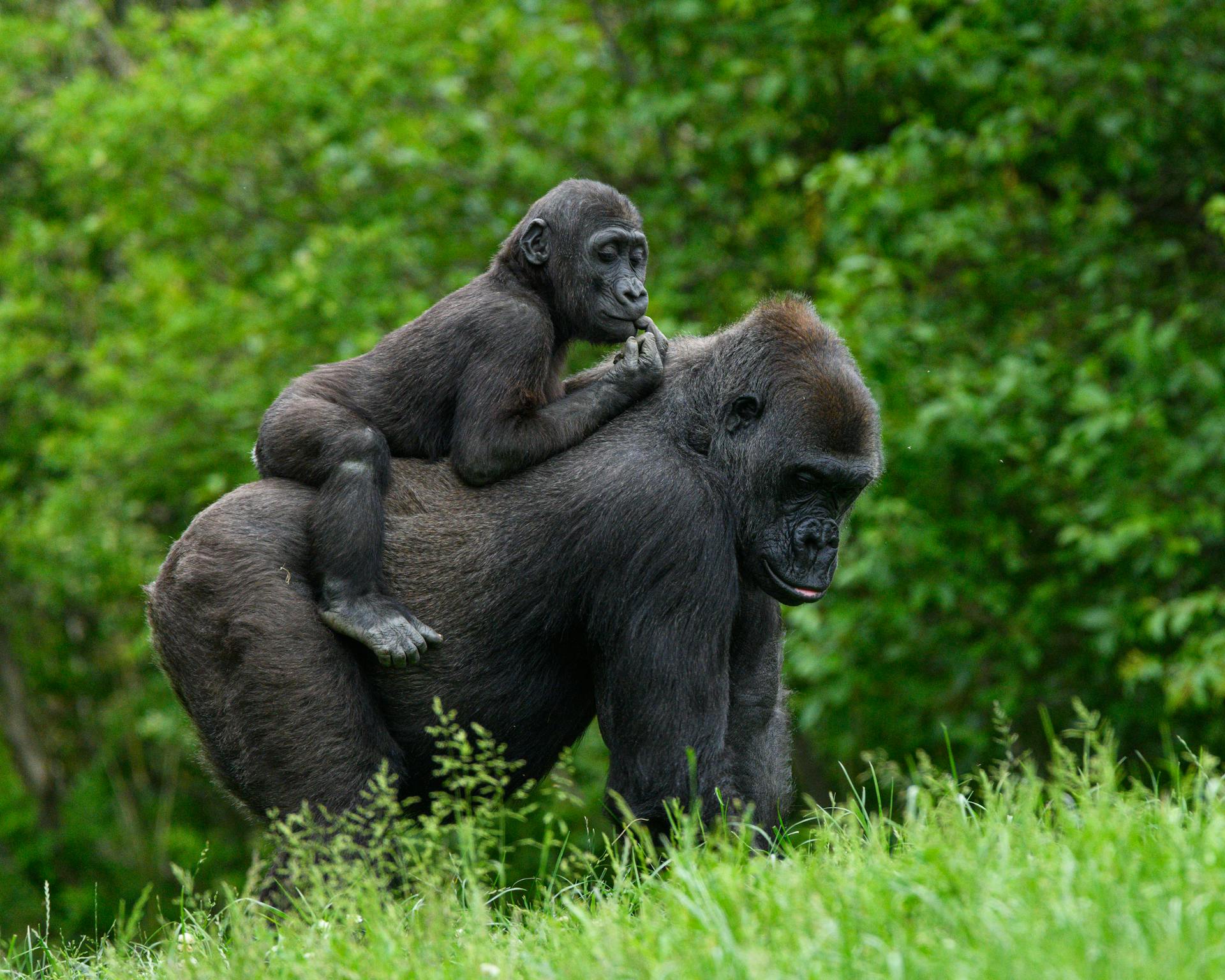
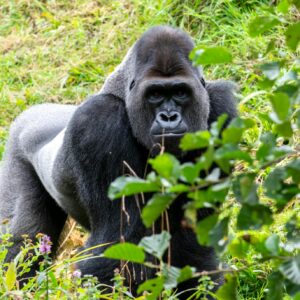
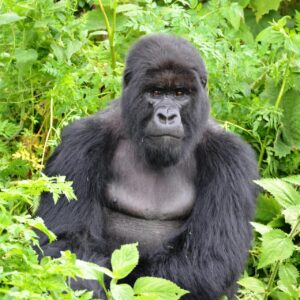
Mgahinga is home to one habituated gorilla group, the Nyakagezi family, making for a uniquely intimate trekking experience [citation:1]. Unlike Bwindi, where groups roam widely and treks can vary wildly in length, the Nyakagezi group tends to stay in a smaller home range, making treks here more predictable and often shorter [citation:1].
The Nyakagezi family is known for their playful behavior and frequent movement across the Uganda-Rwanda border, sometimes surprising trackers with their cross-border adventures [citation:9]. Led by a dominant silverback who protects the group, resolves disputes, and ensures they obtain food, this family offers visitors a window into the complex social world of mountain gorillas [citation:8].
With only eight permits available daily, the experience feels exclusive and personal—you’ll share the forest with just a handful of other visitors, creating a sense of wilderness immersion that’s increasingly rare [citation:6].
Golden Monkey Trekking: A Rare and Joyful Encounter
Mgahinga is the only place in Uganda where you can track the endangered golden monkey, a rare and charismatic species endemic to the Virunga Mountains [citation:2][citation:9]. These energetic monkeys, with their striking golden-orange fur, live in bamboo forests at lower altitudes, making the trek easier than gorilla tracking [citation:2].
Golden monkey trekking is a shorter, more accessible adventure that typically lasts 2-4 hours [citation:8]. Watching them leap through bamboo thickets, playfully chasing each other, and feeding in their natural habitat is pure joy [citation:4]. Their golden fur glimmers against the green forest light, creating spectacular photo opportunities [citation:4].
Only found in the Democratic Republic of Congo, Rwanda, and Uganda, these endangered primates face threats from habitat loss and human encroachment—seeing them in Mgahinga is a privilege [citation:8].
The Virunga Volcanoes: Where Three Countries Meet
Three extinct volcanoes shape Mgahinga’s dramatic skyline—Mount Muhabura (4,127m), Mount Sabyinyo (3,669m), and Mount Gahinga (3,474m) [citation:6]. Each offers a unique hiking experience with breathtaking rewards [citation:2].
Mount Sabyinyo (‘Old Man’s Teeth’) is the most famous—its jagged summit marks the tri-border point where Uganda, Rwanda, and the Democratic Republic of Congo meet [citation:2]. Standing with one foot in three countries is an unforgettable experience [citation:9].
Mount Muhabura, the tallest, rewards hikers with panoramic views across the Virungas and a shimmering crater lake at its summit [citation:4]. Mount Gahinga offers a gentler hike through beautiful bamboo forest, perfect for intermediate trekkers [citation:9]. Each hike is guided and takes 6-10 hours round-trip, passing through bamboo forests, Afro-montane vegetation, and scenic lava flows [citation:9].
The Batwa Cultural Trail: Voices of the Forest
The Batwa pygmies lived in Mgahinga’s forests for millennia, hunting and gathering in harmony with the environment [citation:2]. They were displaced when the park was gazetted, losing their ancestral home [citation:8]. Today, the Batwa Cultural Trail offers visitors a chance to walk with Batwa guides and learn about their traditional way of life [citation:2].
Your Batwa guides will demonstrate hunting techniques, show you medicinal plants, make fire using traditional methods, and share stories passed down through generations [citation:4]. You’ll visit Garama Cave, where they once took shelter during invasions—its chambers still echo with ancient songs [citation:8].
The experience is educational and deeply moving, providing insight into the deep connection between indigenous people and the forest they called home [citation:9]. It’s an essential complement to gorilla trekking for those interested in Uganda’s cultural heritage [citation:2].
Birding Paradise: Albertine Rift Endemics
Mgahinga is a premier birding destination, with over 250 bird species recorded, including 17 Albertine Rift endemics found nowhere else on earth [citation:6][citation:8]. The park’s varied habitats—bamboo forest, montane forest, and alpine moorland—support an impressive diversity of avian life.
Specialties include the Rwenzori turaco with its brilliant green and blue plumage, the handsome francolin, the scarlet-tufted sunbird, and the Kivu ground thrush [citation:8]. The Gorge Trail between Mount Gahinga and Mount Sabinyo is particularly productive for birders [citation:8].
Birding is excellent year-round, but the wet seasons (March-May and October-November) bring migratory species and the most active birdlife [citation:5]. Even during the dry season, resident species are abundant and visible.
Scenic Beauty: Lakes, Volcanoes & Unforgettable Views
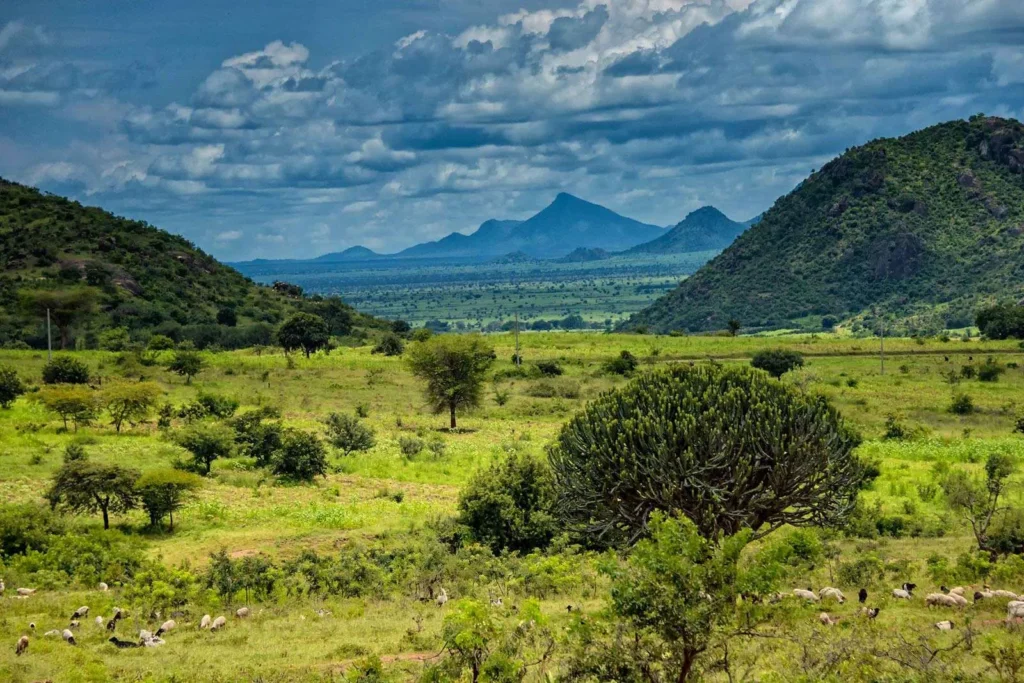
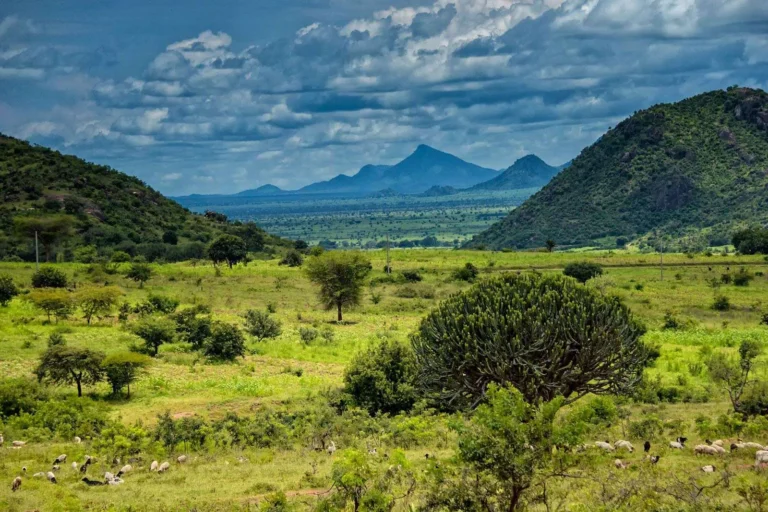
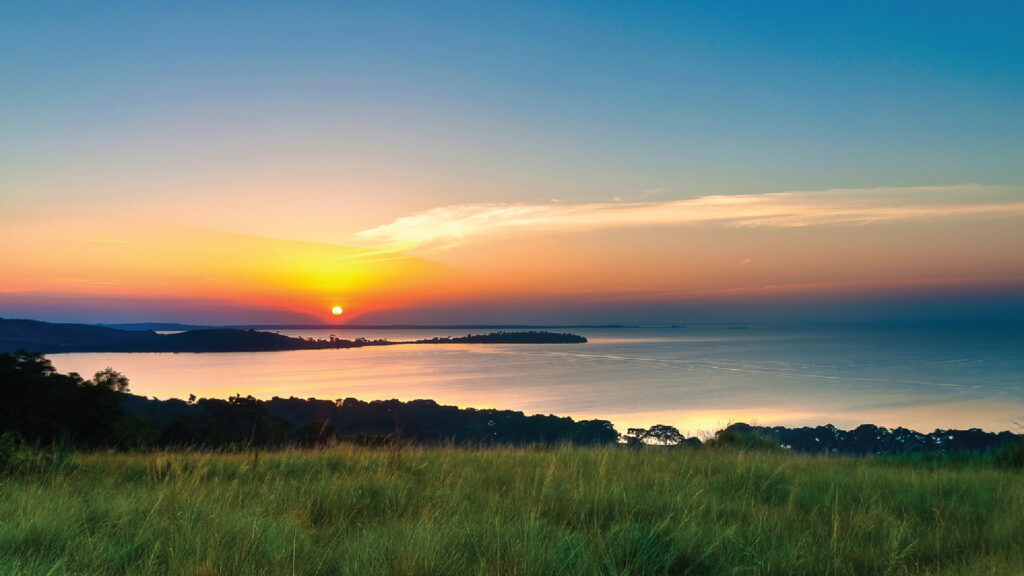
Mgahinga’s setting is nothing short of spectacular. The park stands at high altitude on fertile volcanic soil that supports a dense cover of towering bamboo thickets and lush montane forests [citation:6]. Views are superb: the dormant volcanoes of Muhabura, Gahinga, and Sabyinyo dominate the southern skyline, while Lakes Mutanda and Mulehe sparkle prettily to the north [citation:6].
From the summit of any volcano, you’re rewarded with breathtaking 360-degree views spanning three countries—Uganda’s rolling hills, Rwanda’s terraced landscapes, and Congo’s forested mountains [citation:4]. The play of light on the volcanoes at sunrise and sunset is unforgettable.
The Gorge Trail between Gahinga and Sabinyo offers intimate forest scenery, while the Garama Cave reveals hidden underground wonders [citation:2]. Every trail in Mgahinga reveals a new perspective on this compact but incredibly beautiful park.