Murchison Falls National Park – Safari Continents Travel

Murchison Falls National Park

Murchison Falls National Park

Murchison Falls National Park

  • Best Time to Visit: June – September and December – February for broad safari access.
  • Entry Fees: Park entry approx USD 40-50 per adult; boat cruise extra.
  • Country:

Why Murchison Falls Is Uganda's Most Spectacular Safari Destination

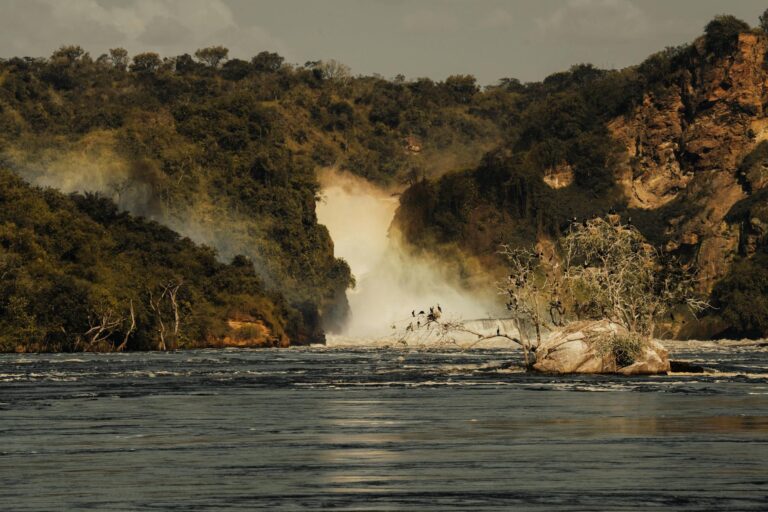
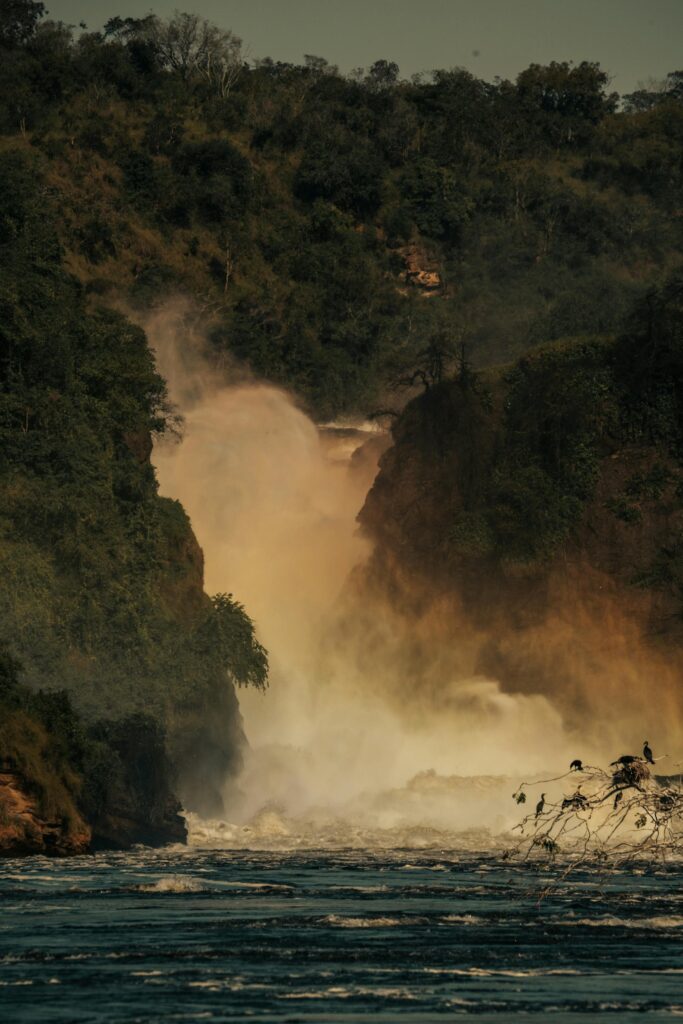
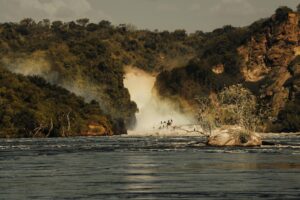
Murchison Falls National Park is Uganda’s largest and oldest national park, spanning 3,893 square kilometers of savannah, woodland, and riverine landscapes [citation:7]. The park is named after the dramatic Murchison Falls, where the mighty Nile River—the world’s longest river—is forced through a narrow 7-meter gorge, plunging 43 meters with thunderous force into the ”Devil’s Cauldron” below [citation:7][citation:8]. This is the most powerful waterfall on earth, with over 300 cubic meters of water crashing through the gorge every second [citation:7].

But Murchison is more than its famous falls. The park is split into two by the Nile, offering diverse wildlife experiences including game drives, boat safaris, and chimpanzee tracking in Budongo Forest [citation:5]. It’s home to 76 mammal species and over 450 bird species, including the iconic shoebill stork [citation:5][citation:8]. The park also protects three-quarters of Uganda’s Rothschild’s giraffe population, a conservation success story [citation:7].

Here is why Murchison Falls deserves a place on every Uganda itinerary.

Murchison Falls: The Nile's Most Powerful Moment
Murchison Falls

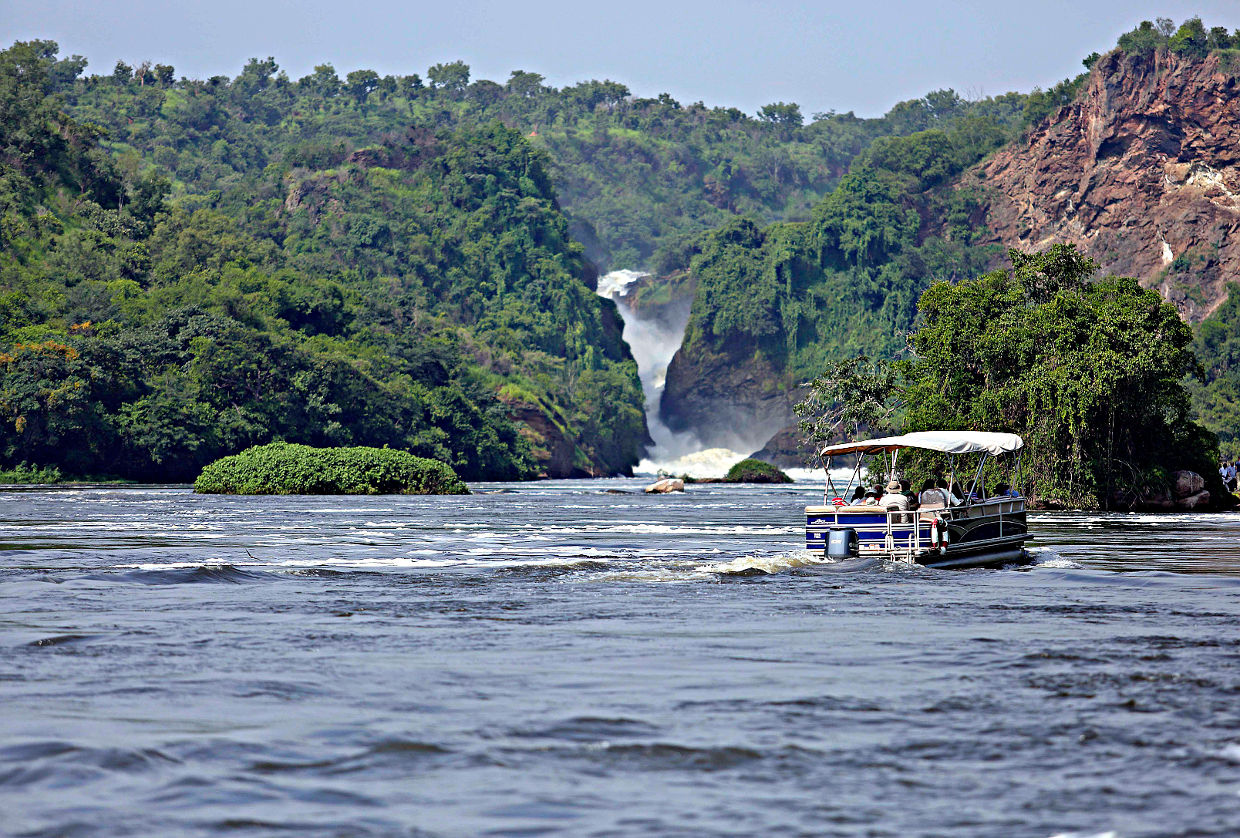
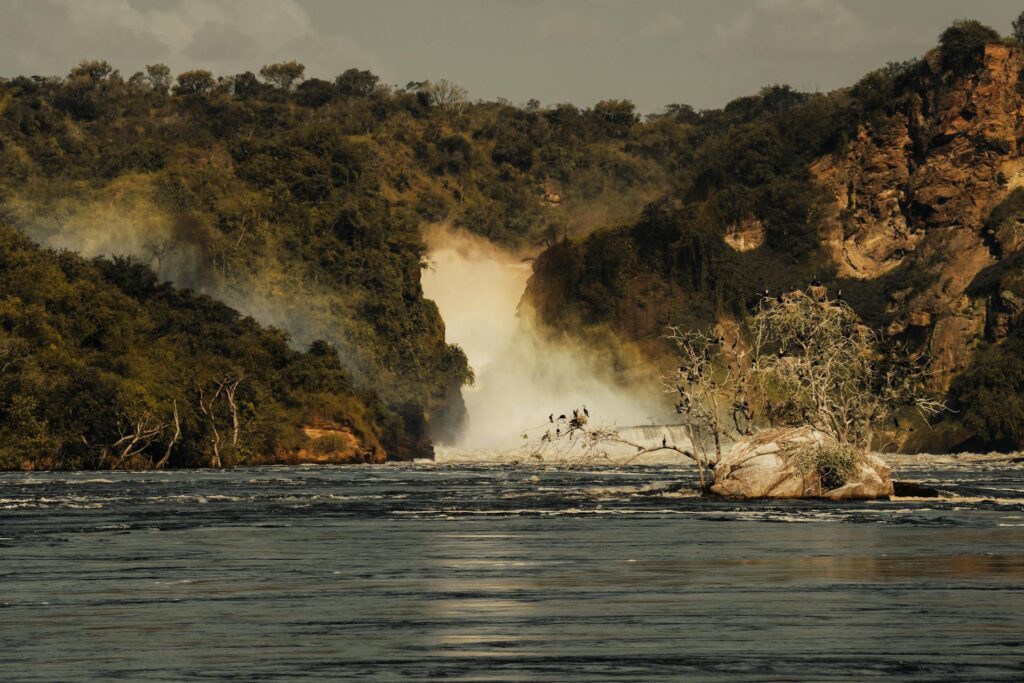
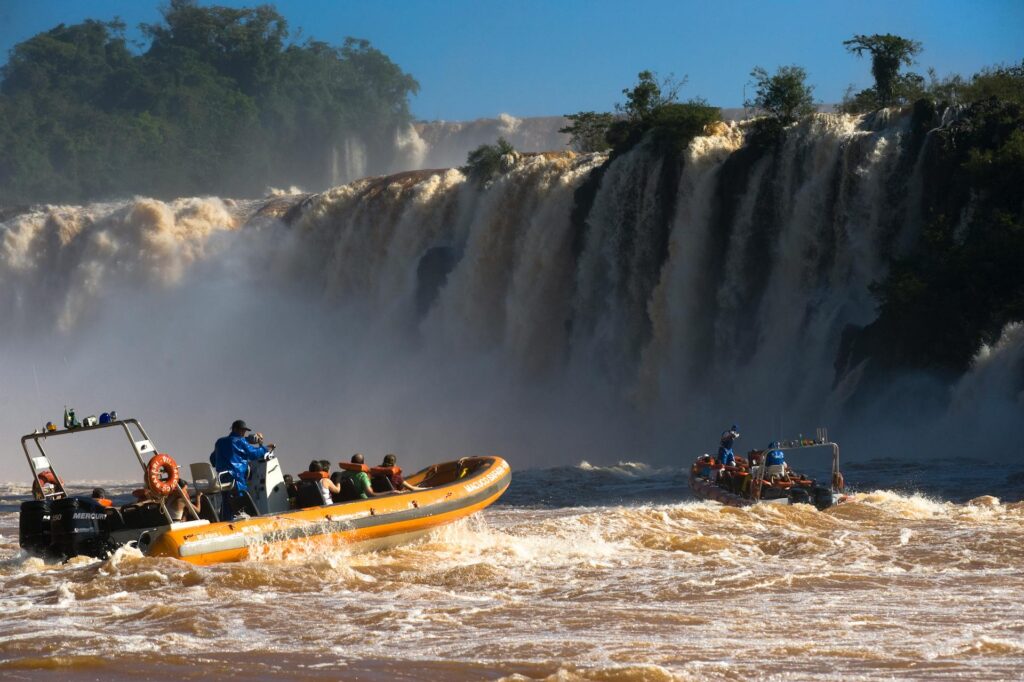
The Murchison Falls are the undisputed highlight of the park—one of Africa’s most dramatic natural spectacles. Here, the Victoria Nile, after flowing calmly for miles, suddenly constricts through a narrow 7-meter gorge in the Rift Valley bedrock, exploding with tremendous force into a 43-meter plunge known as the ”Devil’s Cauldron” [citation:7][citation:8]. The sound is deafening, the mist rises hundreds of meters, and a permanent rainbow arches over the gorge on sunny days.

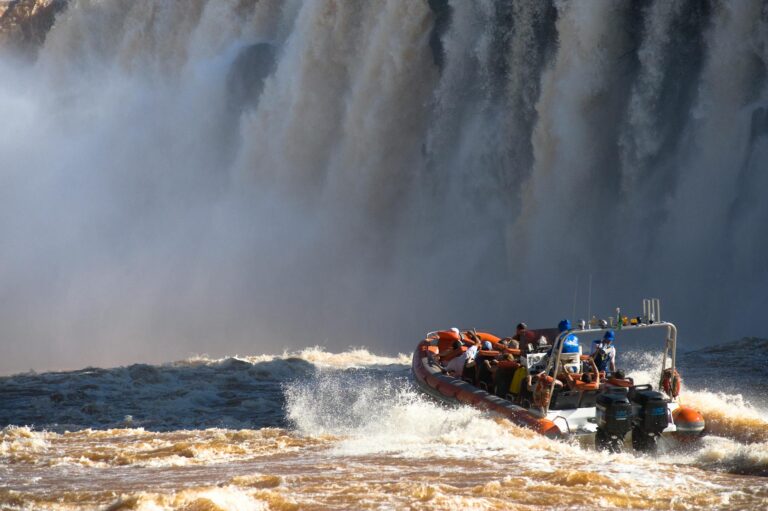
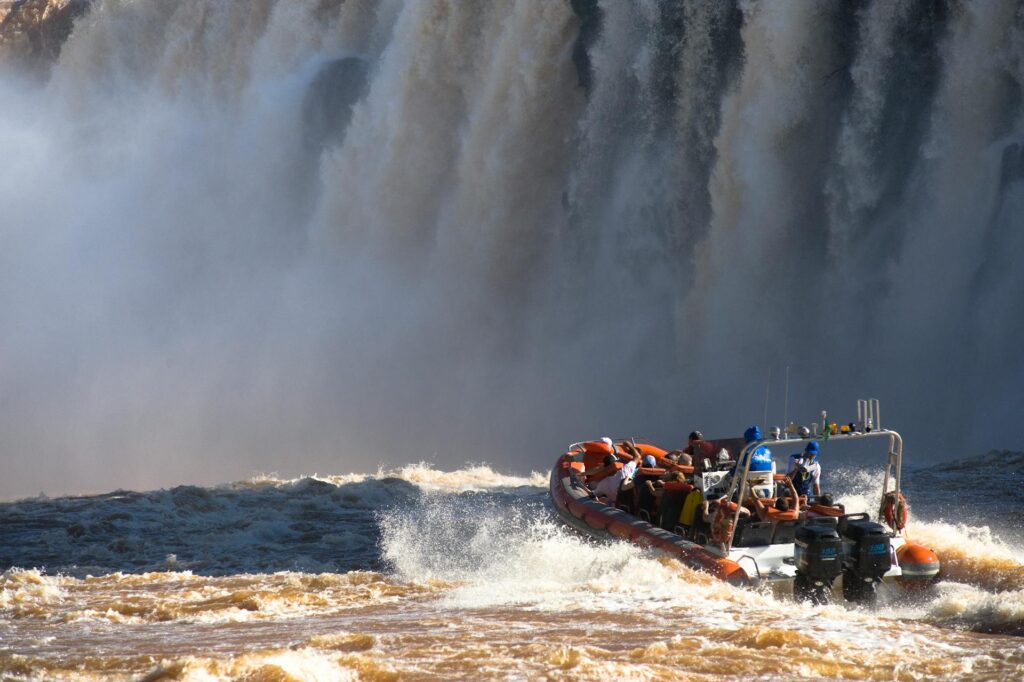
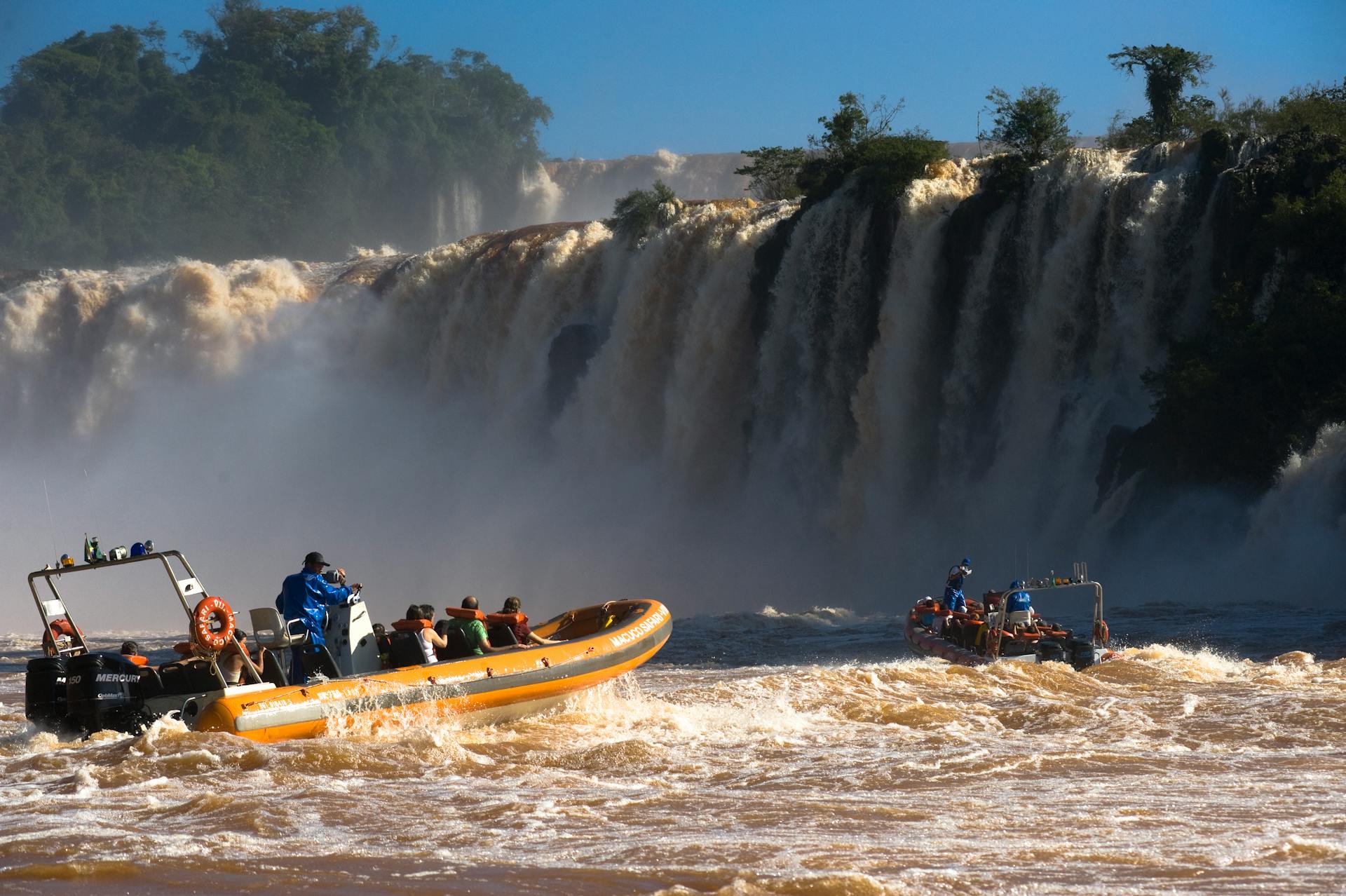
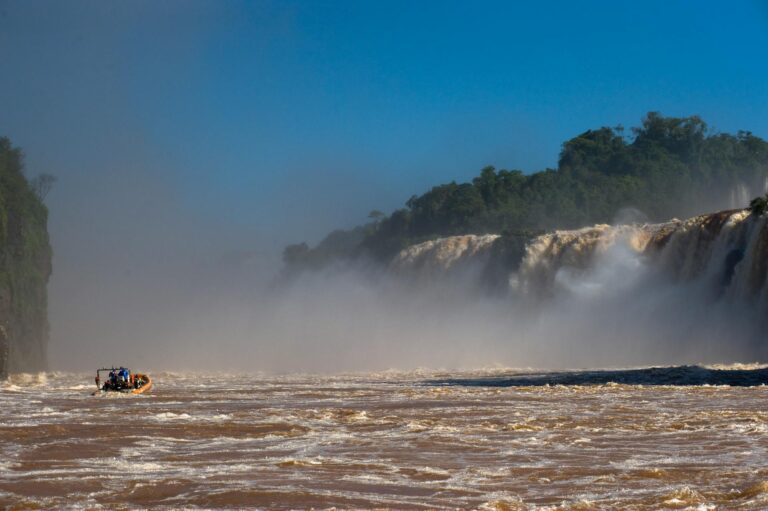
You can experience the falls from two perspectives: by boat to the base, where you feel the spray and thunder from below, or by hiking to the top, where you stand at the edge and watch the entire Nile force itself through a crack in the earth [citation:2][citation:4]. The top-of-the-falls hike takes about 45 minutes from the riverbank and offers breathtaking views that will stay with you forever [citation:4].

The waterfall is not just beautiful—it’s powerful. Over 300 cubic meters of water per second crash through the gorge, making it the most powerful waterfall on earth [citation:7].

Boat Safaris on the Nile: Africa's Best River Experience
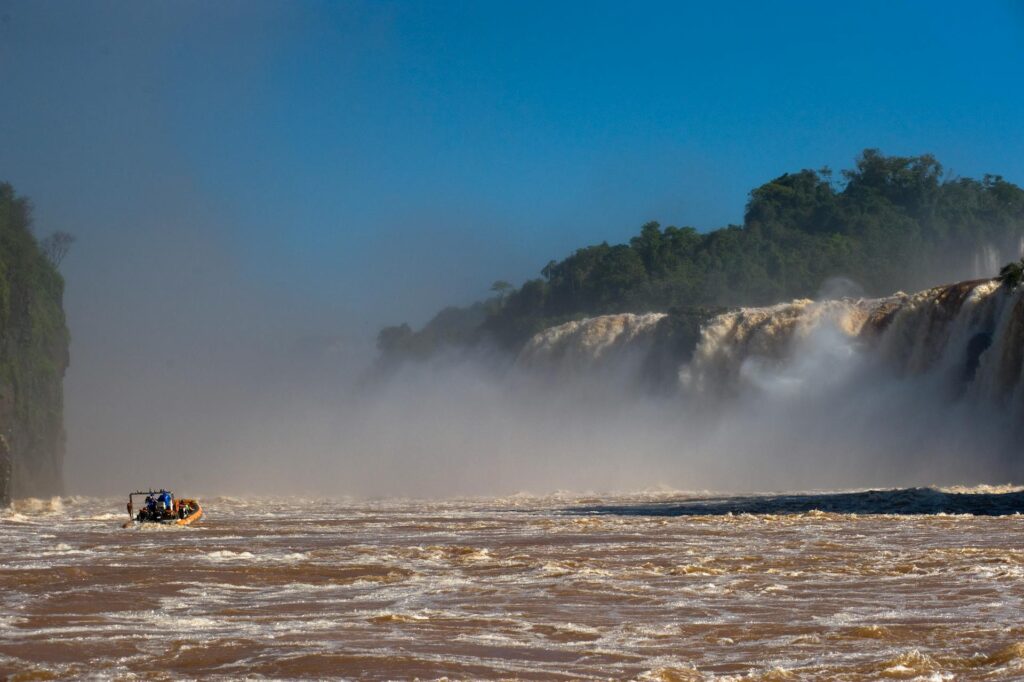
Nile boat cruise

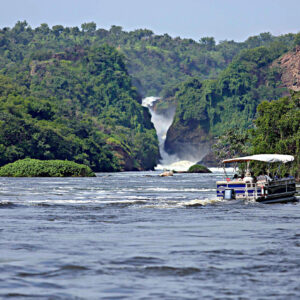
A boat safari on the Nile is an essential Murchison experience, offering a unique perspective on the park’s wildlife [citation:2][citation:3]. The two-hour cruise from Paraa upstream to the base of the falls takes you past one of Africa’s densest concentrations of hippos and crocodiles [citation:6]. The riverbanks teem with life—elephants come to drink, buffalo graze the shoreline, and giraffes appear on the distant savannah.

The birdlife is spectacular. African fish eagles call from dead trees. Giant kingfishers dive for prey. Colonies of carmine bee-eaters flash electric pink against the green banks. And if you’re lucky, you might spot the prehistoric shoebill stork in the swampy Nile Delta [citation:5][citation:6].

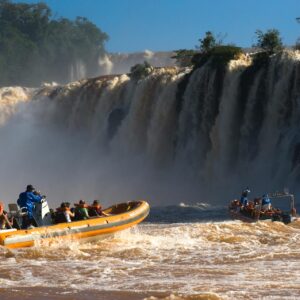
The cruise culminates at the base of the falls, where you feel the full power of the Nile—the spray, the thunder, the rainbow. It’s an experience that combines wildlife viewing with one of Africa’s greatest natural wonders [citation:3].

Wildlife: Rothschild's Giraffes & the Big Four
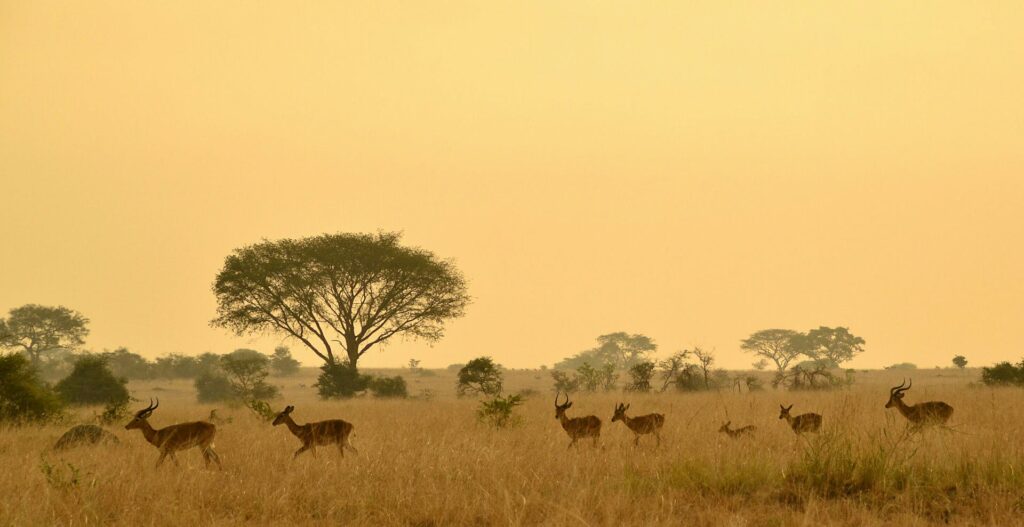
Lion in Murchison

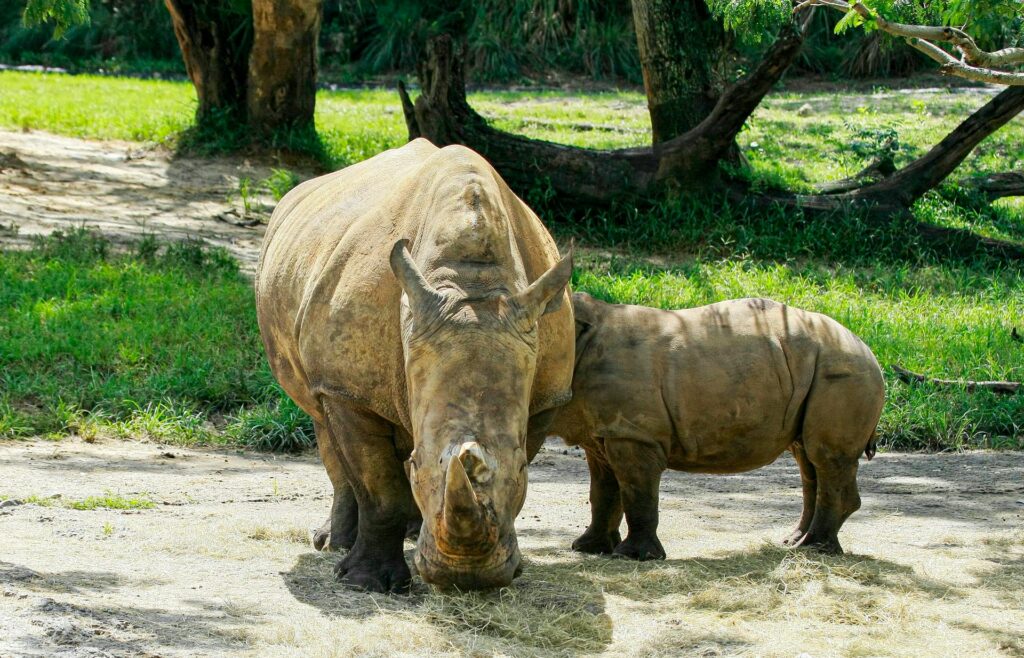
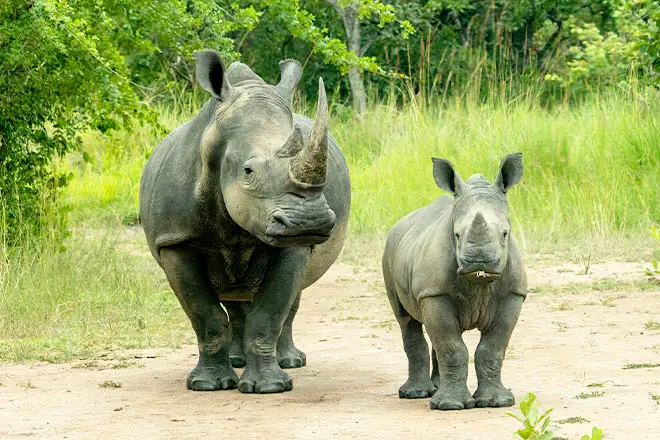
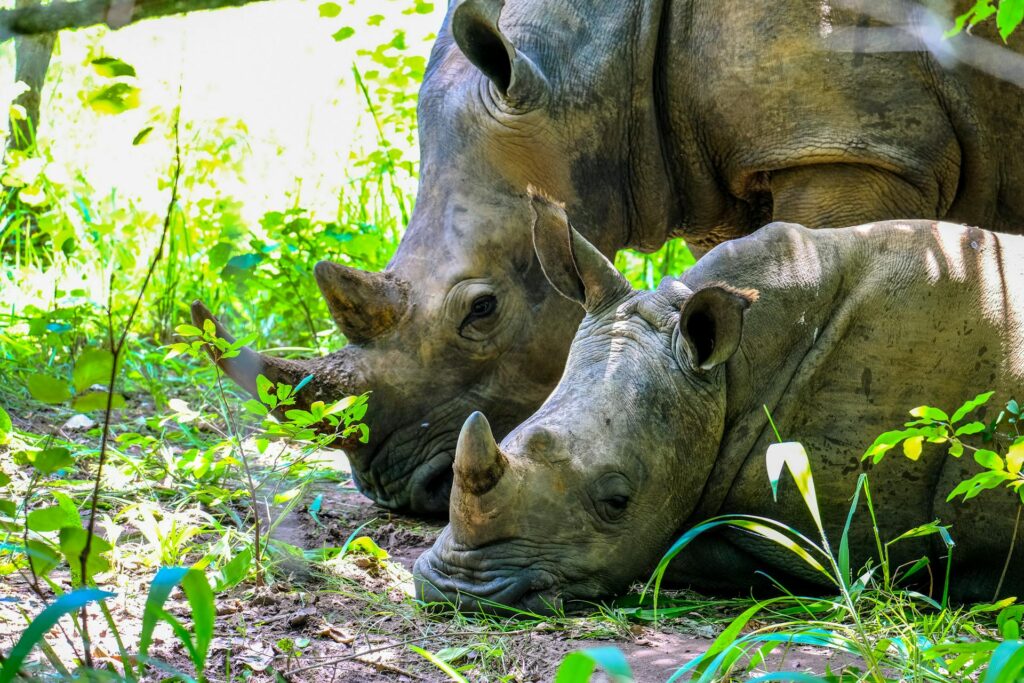
Murchison Falls National Park is home to an impressive array of wildlife, including four of the Big Five—lions, leopards, elephants, and buffalo (rhinos were extirpated but can be seen at Ziwa Rhino Sanctuary en route) [citation:5]. The park protects three-quarters of Uganda’s Rothschild’s giraffe population, a distinctive subspecies with broader white stripes and no markings below the knees [citation:7].

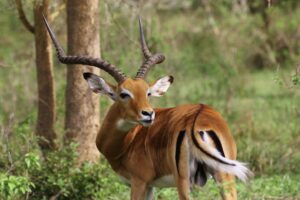
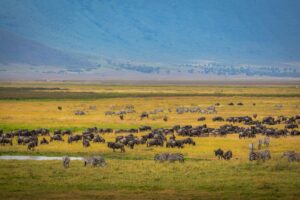
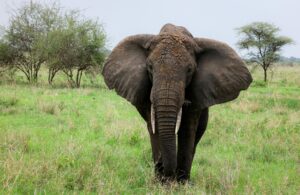
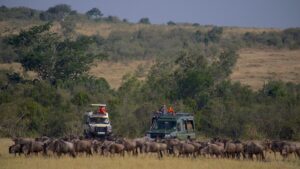
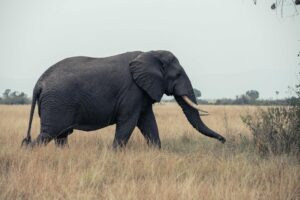
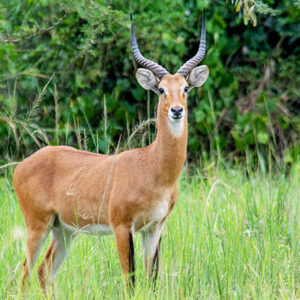
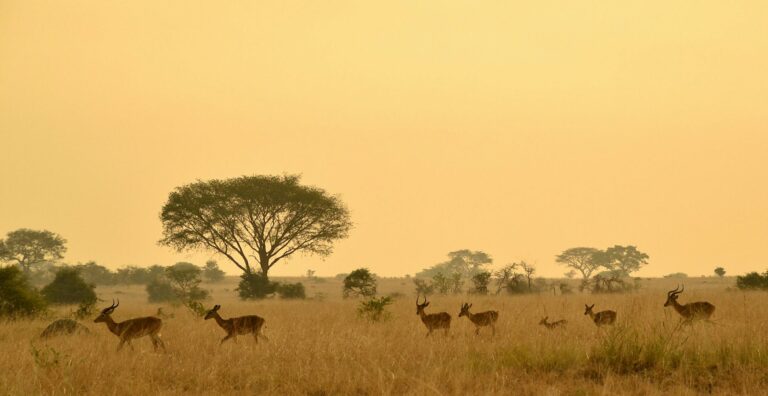
Game drives on the northern bank offer excellent wildlife viewing. Lions are frequently seen hunting Uganda kob, which are found in large numbers. Elephants move in herds across the savannah. Buffalo gather near water sources. You might also spot oribi, Defassa waterbuck, Jackson’s hartebeest, and the elegant patas monkey—Uganda’s fastest primate [citation:5].

The park’s 76 mammal species and over 450 bird species make it one of Uganda’s most biodiverse protected areas [citation:5][citation:8].

Budongo Forest: Chimpanzee Tracking
Budongo Forest

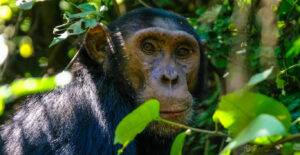
In the southern part of the park, Budongo Forest offers one of Uganda’s premier chimpanzee tracking experiences [citation:5][citation:7]. This mahogany forest is home to over 600 chimpanzees, with several habituated groups available for trekking. The forest itself is beautiful—towering ironwood and mahogany trees, dappled light, and the sounds of primates echoing through the canopy.

Chimpanzee tracking in Budongo is less crowded than Kibale, offering a more intimate experience. Treks typically last 1-3 hours, and once you find the chimpanzees, you spend an unforgettable hour watching their social interactions—grooming, playing, and calling [citation:5]. The forest is also home to other primates, including black-and-white colobus and red-tailed monkeys.

Nature walks in Budongo also reveal forest birds, butterflies, and the chance to see the giant forest hog, Africa’s largest pig species.

The Nile Delta: Shoebill Territory
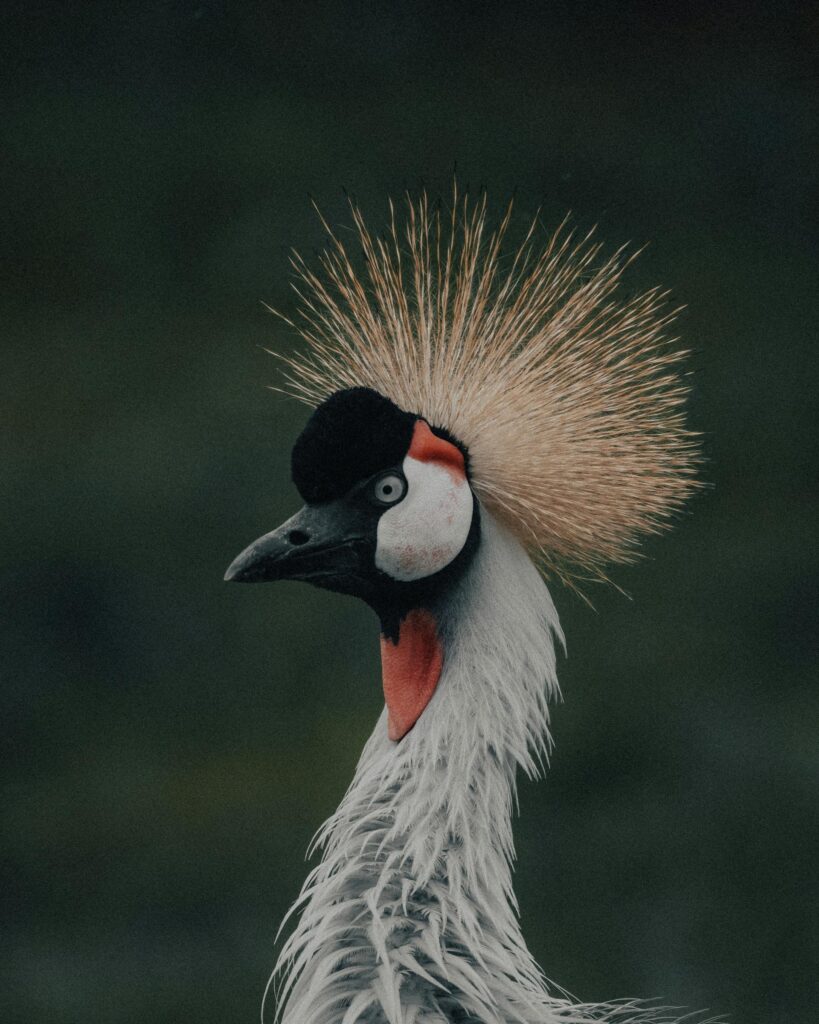
Shoebill stork

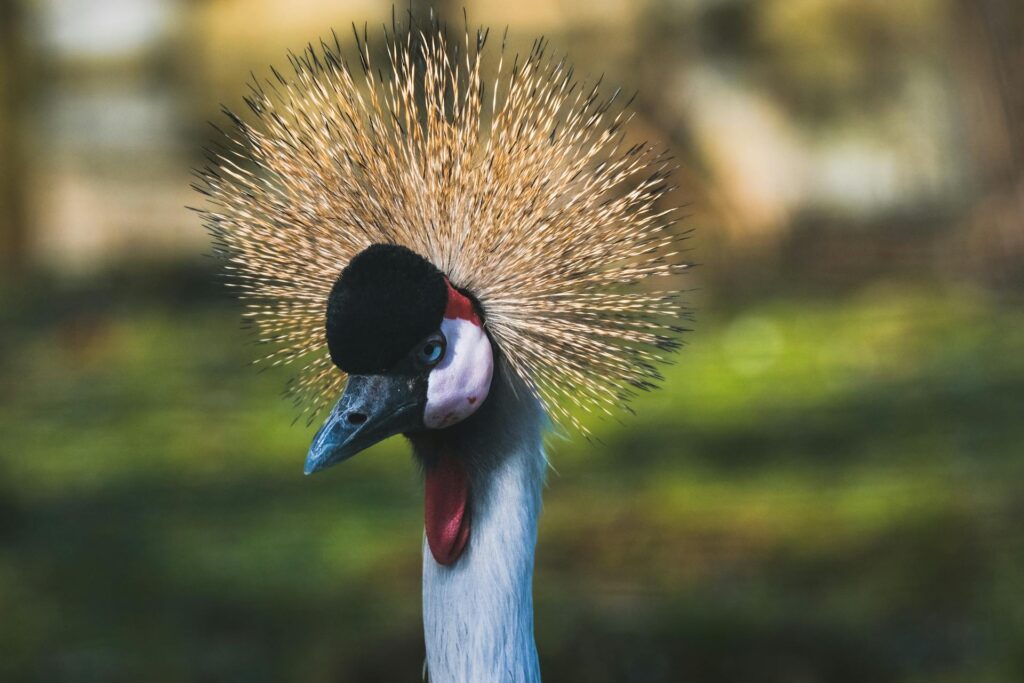
The Nile Delta, where the river enters Lake Albert, is one of the best places in Africa to see the legendary shoebill stork [citation:5][citation:6]. This prehistoric-looking bird, standing up to 1.5 meters tall with a shoe-shaped bill, is a top target for birdwatchers worldwide. The delta’s swampy papyrus vegetation provides perfect habitat for this elusive species.

Shoebill sightings are most reliable during the dry season (January-March and June-September) when the birds concentrate in remaining pools [citation:5]. A boat safari to the delta offers the best chance of spotting them, along with other waterbirds—Goliath herons, saddle-billed storks, and African fish eagles.

The delta is also excellent for viewing the park’s healthy hippo and crocodile populations, which bask on sandbanks and swim alongside your boat.

The Top-of-the-Falls Hike: Walk with the Nile
Top of the falls

The hike to the top of Murchison Falls is a must-do activity that brings you face-to-face with the raw power of the Nile [citation:2][citation:4]. The trail starts from the riverbank where boat safaris drop you, climbing about 45 minutes through riverine vegetation to the gorge’s edge. The path can be slippery from the falls’ constant spray, so good footwear is essential [citation:2].

As you climb, the roar of the falls grows louder. At the top, you’re rewarded with a breathtaking view—the entire Nile River, 43 meters above the river below, forcing itself through a crack just 7 meters wide. The spray drenches you, the thunder fills your ears, and the rainbow arches overhead. It’s an unforgettable experience [citation:4].

The hike costs $15-20 for a guided walk with an armed ranger, which is highly recommended for safety and interpretation [citation:2][citation:4].
Exploring Murchison: From the Nile's Power to Savannah Wildlife

The Northern Bank: Savannah Game Drives

The northern bank of the Nile is where most game drives take place, offering classic savannah wildlife viewing across open grasslands and acacia woodlands [citation:5][citation:7]. This area is home to the park’s highest concentrations of wildlife, including elephants, giraffes, buffalo, lions, and leopards.

Designated game tracks like the Albert, Buligi, and Victoria trails wind through prime wildlife habitat [citation:7]. The Buligi Circuit, between the Nile and Lake Albert, is particularly productive, offering stunning river views alongside excellent game viewing. Lions are frequently seen hunting Uganda kob in these grasslands [citation:5].

The northern bank also offers the best chances to see Rothschild’s giraffes, which are found here in large numbers. Early morning and late afternoon game drives are most rewarding, when animals are active and the light is golden.

Paraa: The Park's Hub

Paraa is the center of visitor activity in Murchison Falls National Park. The name means ”home of the hippo” in the local Alur language, and indeed, hippos are abundant in the river here [citation:7]. Paraa is where the main ferry crosses the Nile, connecting the northern and southern sectors, and where most boat safaris depart.

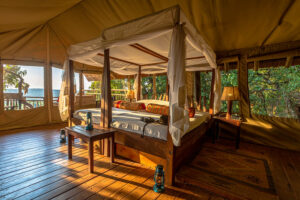
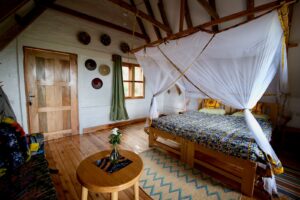
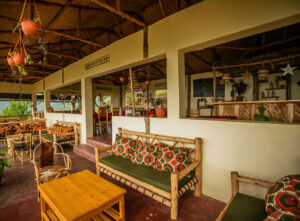
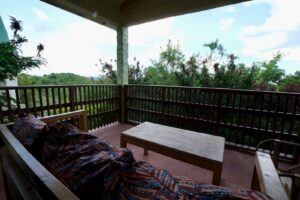
The Paraa region offers excellent accommodation options, from luxury lodges to budget bandas. The area around the ferry is often good for wildlife viewing—elephants frequently cross the river here, and hippos are always present. The boat safaris from Paraa to the base of the falls are the park’s signature experience [citation:3].

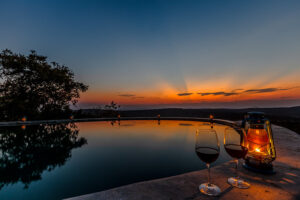
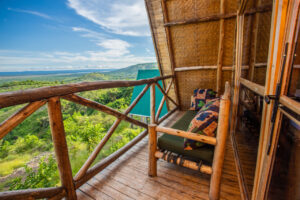
The Paraa viewpoint offers beautiful views across the Nile, especially at sunset when the river glows golden and hippos grunt in the shallows.

The Nile Delta: Shoebill Sanctuary

The Nile Delta, where the Victoria Nile enters Lake Albert, is one of Africa’s premier birding destinations [citation:5][citation:6]. This vast area of swampy papyrus, lagoons, and channels provides perfect habitat for the prehistoric shoebill stork, the park’s most sought-after bird species.

Shoebill sightings are most reliable during the dry season (January-March and June-September), but the delta offers excellent birding year-round. You’ll also see Goliath herons, saddle-billed storks, African fish eagles, and enormous hippo pods [citation:5].

The delta is accessible by boat safari from Paraa, usually combined with a trip to the base of the falls. Early morning departures offer the best light and the most active birdlife.

Budongo Forest: Chimpanzee Territory

Budongo Forest, in the park’s southern sector, is one of Uganda’s largest mahogany forests and a premier chimpanzee tracking destination [citation:5][citation:7]. The forest protects over 600 chimpanzees, with several habituated groups available for trekking.

The Kaniyo Pabidi section of Budongo offers excellent chimpanzee tracking experiences [citation:5]. Treks typically last 1-3 hours through beautiful forest, and once you find the chimpanzees, you spend an hour watching their fascinating social behaviors. The forest is also home to black-and-white colobus, red-tailed monkeys, and over 360 bird species.

Nature walks in Budongo reveal forest giants—mahogany and ironwood trees over 80 meters tall—along with butterflies, forest birds, and the chance to see the giant forest hog.

The Falls Area: Murchison & Uhuru

The falls area is the park’s centerpiece, where the Nile’s power is on full display [citation:2][citation:4]. The main viewpoint at the top of the falls offers breathtaking views of the river forcing itself through the 7-meter gorge. The Uhuru Falls, a secondary cascade near the main falls, can be seen from hiking trails and offers a different perspective [citation:2][citation:4].
The trail to the top of the falls starts from the riverbank where boat safaris drop you, climbing about 45 minutes through riverine vegetation. The path is steep and can be slippery from spray—good footwear is essential [citation:2].

The area around the falls is also excellent for birding, with species like the rock pratincole and African black swift nesting in the cliffs. The constant spray creates a unique microhabitat of lush vegetation.

Karuma Falls & Rabongo Forest

Karuma Falls, in the park’s southeastern corner, offers another beautiful cascade on the Nile [citation:7]. While less dramatic than Murchison, these falls create white-water rapids that are stunning to behold. The area is also good for spotting primates and birds.

Rabongo Forest, near the park’s southern entrance, is a small but beautiful forest patch offering nature walks and excellent birding. The forest is home to monkeys, forest birds, and butterflies. It’s also a good spot for a picnic lunch away from the main tourist areas.

Both Karuma and Rabongo are often visited by travelers entering the park from Kampala, offering a gentle introduction to the park’s beauty before reaching the main wildlife areas.

Murchison Falls Month-by-Month: Nile Adventures, Wildlife & When to Visit

Murchison Falls National Park is Uganda’s largest and oldest national park, spanning 3,893 square kilometers of savannah, woodland, and riverine landscapes . The park is named after the dramatic Murchison Falls, where the mighty Nile River—the world’s longest river—is forced through a narrow 7-meter gorge, plunging 43 meters with thunderous force into the ”Devil’s Cauldron” below . This is the most powerful waterfall on earth, with over 300 cubic meters of water crashing through the gorge every second .

The park is split into two by the Nile, offering diverse wildlife experiences including game drives, boat safaris, and chimpanzee tracking in Budongo Forest. It’s home to 76 mammal species and over 450 bird species, including the iconic shoebill stork . The best wildlife viewing coincides with the dry seasons (December-February and June-September) when animals concentrate along the river .

All temperatures are daytime highs and nighttime lows. Rainfall is average monthly precipitation in millimeters.

Month
Rain
Min
Max
Season

Featured Destinations

Selected Complementary Destinations

Bwindi Impenetrable National Park

Top Reasons to Visit
Gorilla Trekking Safaris Year-Round Safari

Gombe Stream National Park

Top Reasons to Visit
Bird Watchers' Paradise Guided Chimpanzee Tracking

Lake Mburo National Park

Top Reasons to Visit
Small Intimate Park Year-Round Safari Family Friendly

Mahale Mountains National Park

Top Reasons to Visit
Guided Chimpanzee Tracking True Wilderness Experience

Queen Elizabeth National Park

Top Reasons to Visit
Big 5 Wildlife Year-Round Safari

Plan Your Journey to Murchison Falls National Park

Ready to explore? Our travel specialists are here to help craft your dream itinerary.

Chat on WhatsApp
Created by icon tripfrom the Noun Project Created by Amethyst Studiofrom the Noun Project Created by Amethyst Studiofrom the Noun Project Created by Amethyst Studiofrom the Noun Project