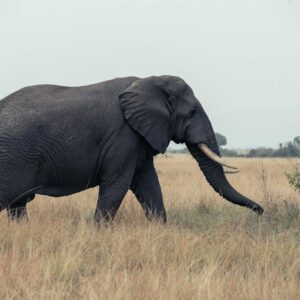
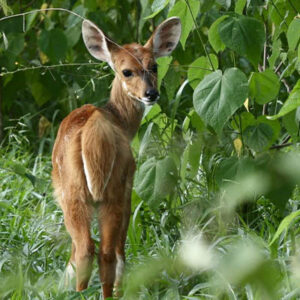
Queen Elizabeth National Park

Queen Elizabeth National Park

Queen Elizabeth National Park

  • Best Time to Visit: June – September for broad safari; November – February for fewer crowds.
  • Entry Fees: Park entry approx USD 35-45 per adult; boat ride extra.
  • Country: Western

Why Queen Elizabeth Is Uganda's Most Biodiverse Safari Destination

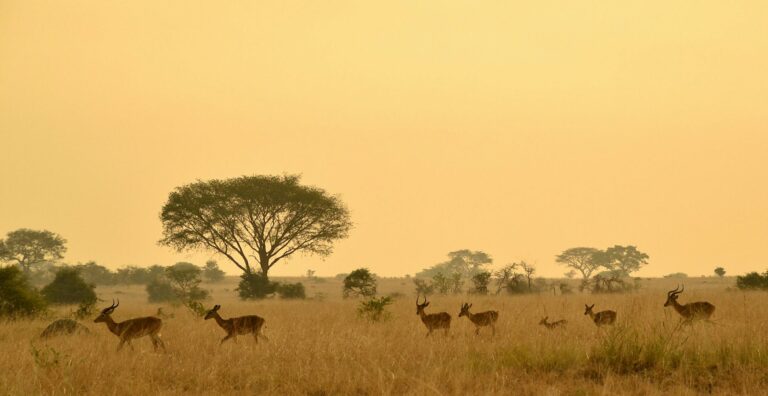
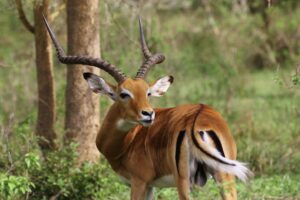
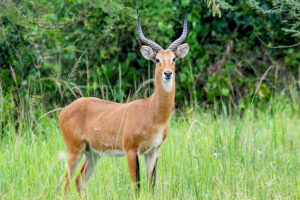
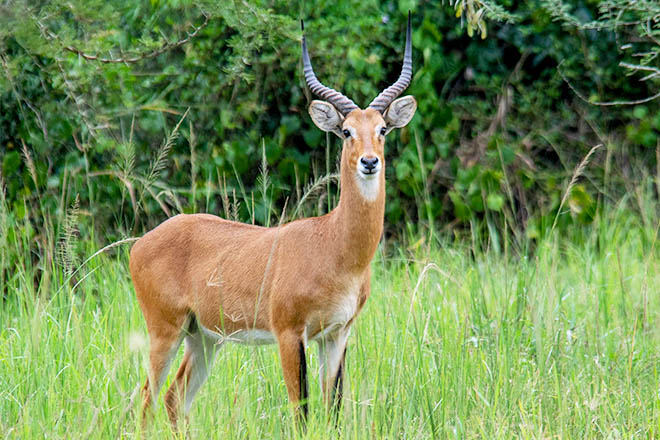
Queen Elizabeth National Park is Uganda’s most biodiverse protected area, a stunning 1,978-square-kilometer expanse of savannah, wetlands, and forests cradled in the western Rift Valley [citation:7][citation:8]. Set against the backdrop of the jagged Rwenzori Mountains, the park’s magnificent vistas include dozens of enormous craters carved dramatically into rolling green hills, panoramic views of the Kazinga Channel with its banks lined with hippos, buffalo, and elephants, and the endless Ishasha plains where fig trees hide lions ready to pounce on herds of unsuspecting Uganda kob [citation:4][citation:8].

The park is home to 95 mammal species and over 600 bird species—the highest of any East African park [citation:1][citation:2][citation:8]. It’s famous for its tree-climbing lions in the Ishasha sector, the world’s highest concentration of hippos along the Kazinga Channel, and chimpanzees in Kyambura Gorge [citation:1][citation:4][citation:8]. This is the only park in Uganda where you can experience classic savannah safaris, boat safaris, and primate trekking all in one destination.

Tree-Climbing Lions of Ishasha: Africa's Rarest Sight
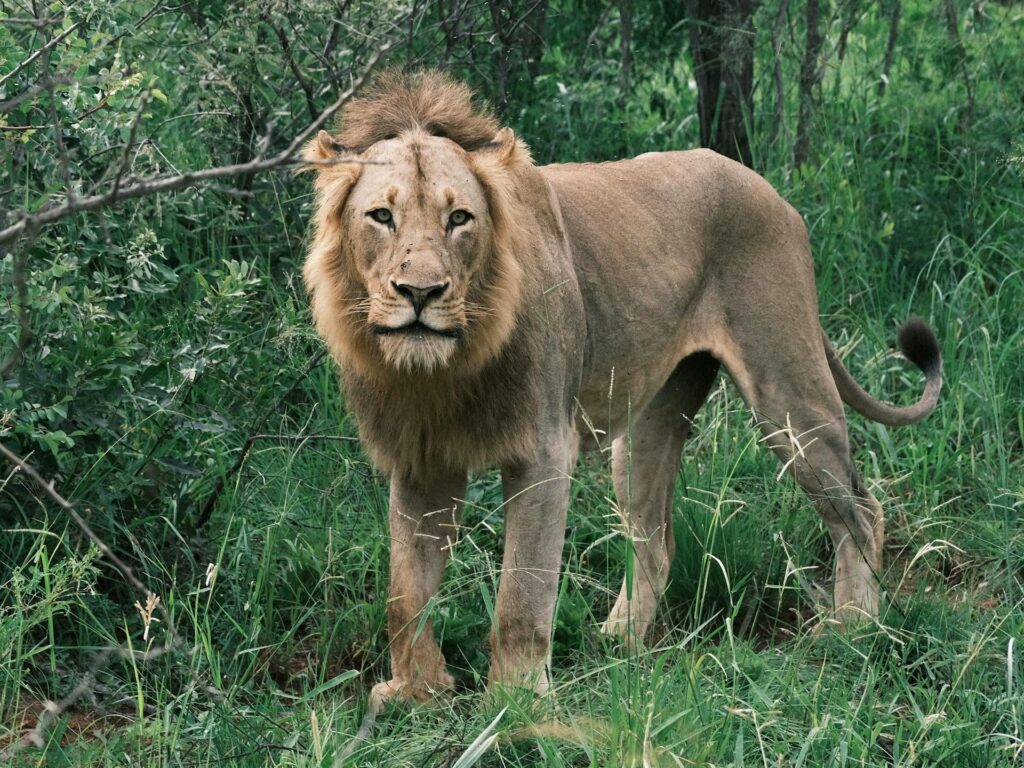
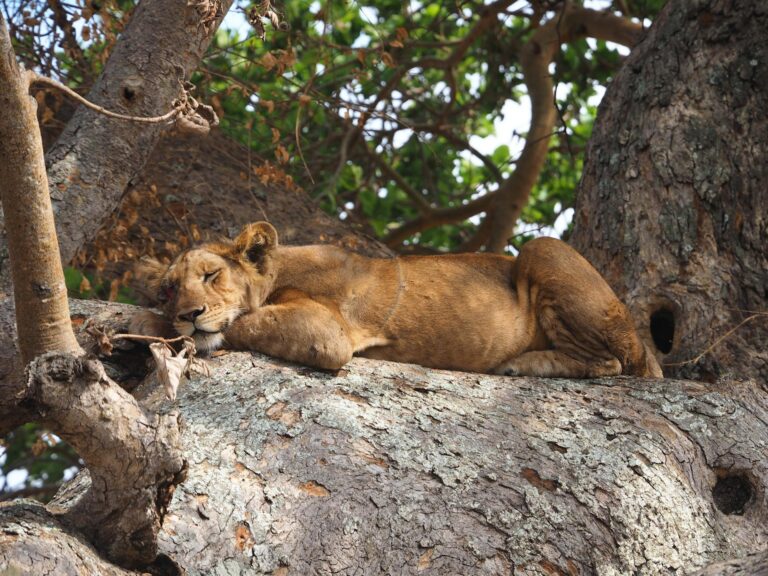
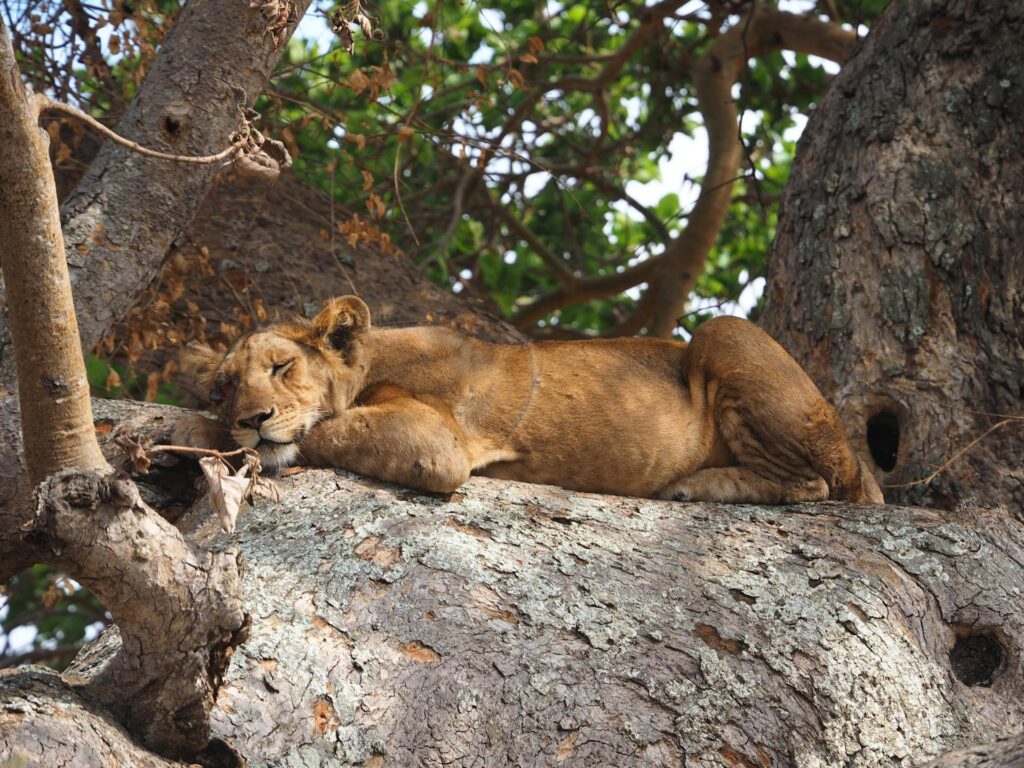
Tree-climbing lion in Ishasha

The Ishasha sector, in the park’s remote southern section, is famous for its tree-climbing lions—a rare behavior seen in only a few places in Africa [citation:2][citation:4][citation:8]. Unlike their ground-dwelling relatives, these lions have developed the habit of lounging in the branches of massive fig trees during the heat of the day.

Why do they climb trees? Theories abound—to escape the bothersome tsetse flies at ground level, to catch cooling breezes, or simply to gain a better vantage point for spotting prey [citation:1][citation:2]. Whatever the reason, seeing a pride of lions draped over fig tree branches, their paws dangling lazily, is one of Africa’s most surreal and sought-after wildlife sightings [citation:4][citation:8].

The best time to spot them is during the heat of the day when they seek refuge in the shaded branches [citation:1][citation:8]. Game drives in the Ishasha sector during the dry season offer the best chances, with the lions often seen from mid-morning onward [citation:1].

Kazinga Channel: The World's Highest Hippo Concentration
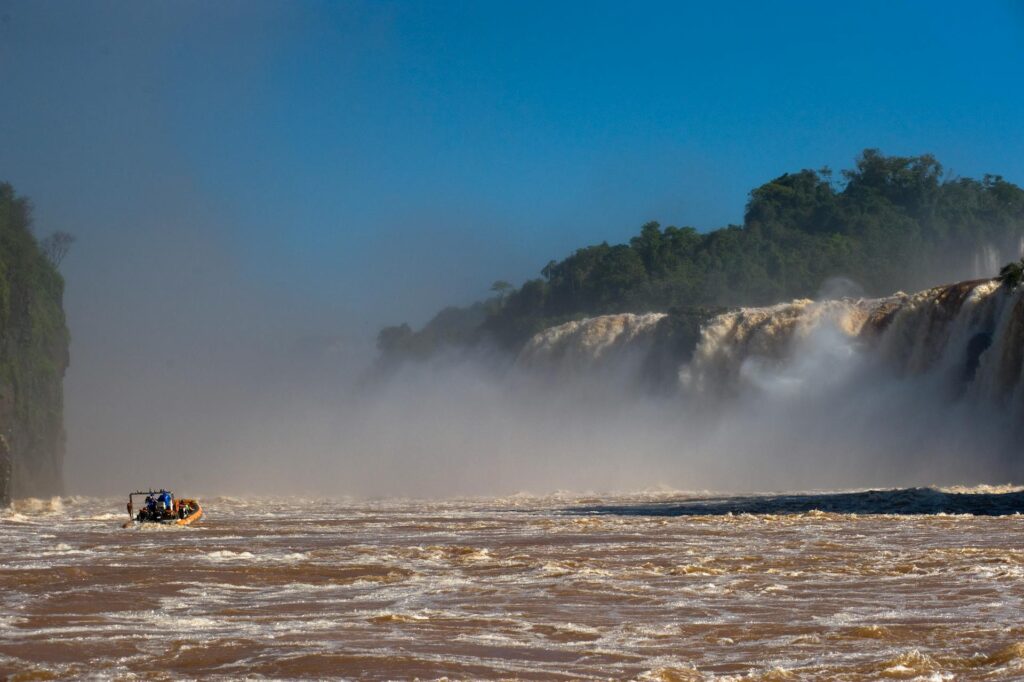
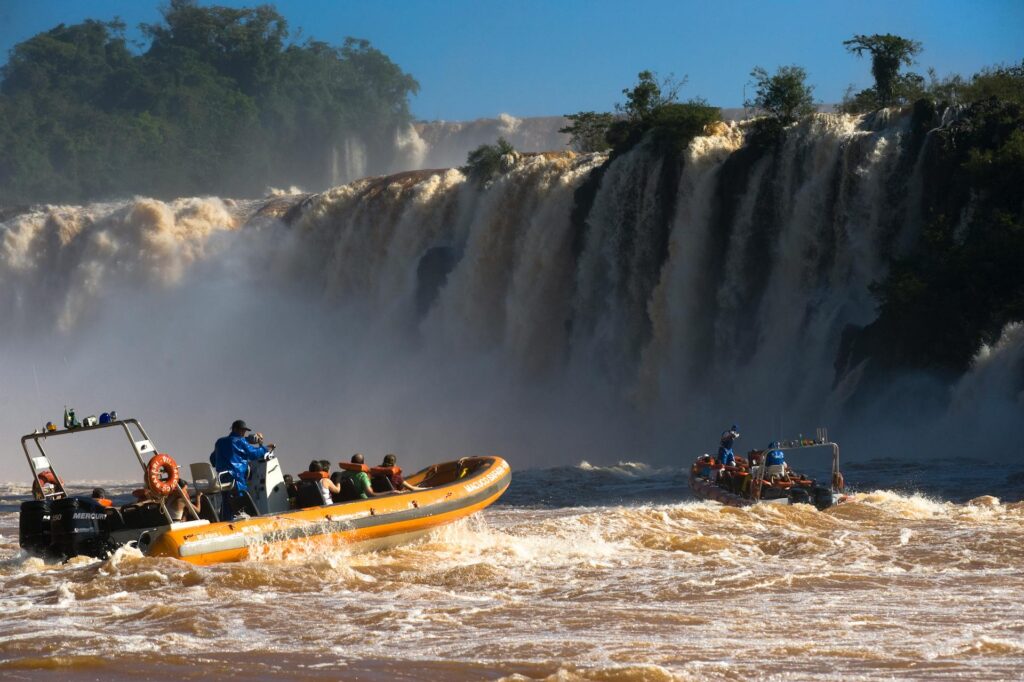
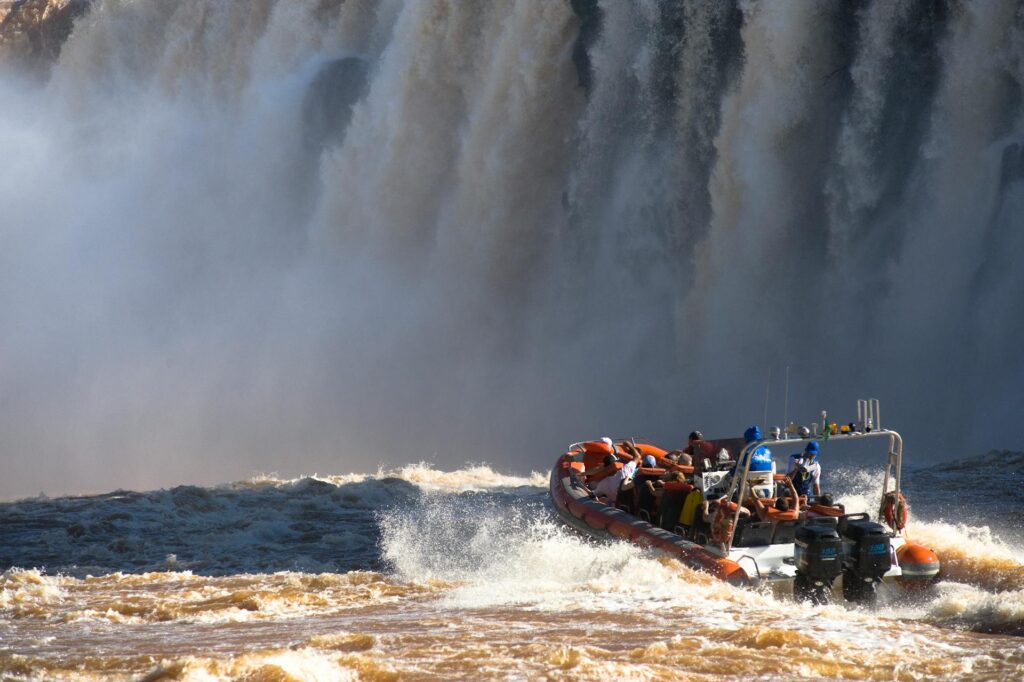
Kazinga Channel boat safari

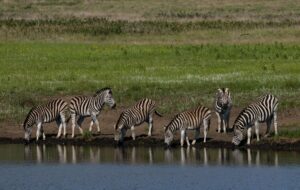
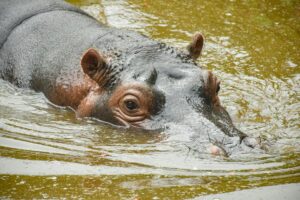
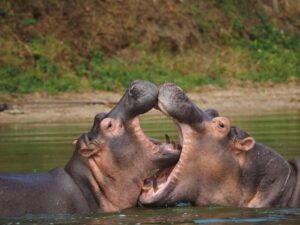
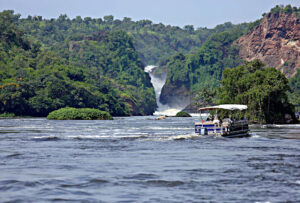
The Kazinga Channel is a 32-kilometer natural channel connecting Lake Edward and Lake George, and it’s the lifeblood of Queen Elizabeth National Park [citation:4][citation:8]. This waterway attracts one of Africa’s highest concentrations of wildlife, including the world’s largest population of hippos—thousands of them crowding the channel’s banks and waters [citation:1][citation:4][citation:8].

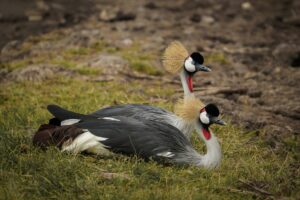
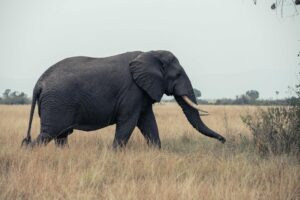
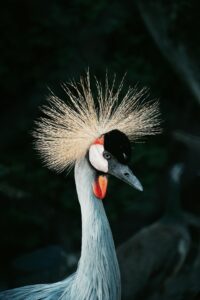
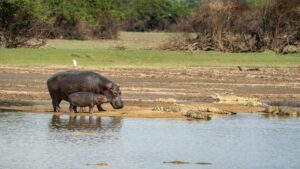
A boat safari on the Kazinga Channel is the park’s signature experience [citation:1][citation:2][citation:8]. Drifting silently along the water, you’ll encounter hippos by the dozen—their eyes, ears, and nostrils just visible above the surface. Crocodiles bask on sandbanks. Elephants, buffalo, and Uganda kob line the banks, coming to drink and cool off. The birdlife is spectacular, with African fish eagles, yellow-billed storks, pelicans, and countless kingfishers [citation:1][citation:2][citation:5].

The two-hour boat safari offers photography opportunities that game drives simply cannot match—animals at eye level, with the dramatic Rwenzori Mountains forming a backdrop [citation:1][citation:4].

Kyambura Gorge: The 'Valley of Apes'
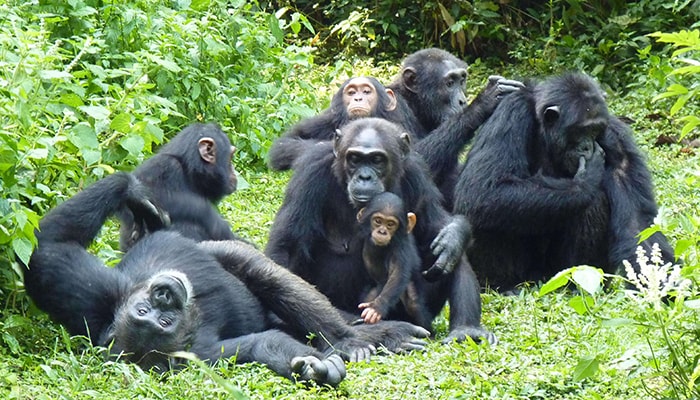
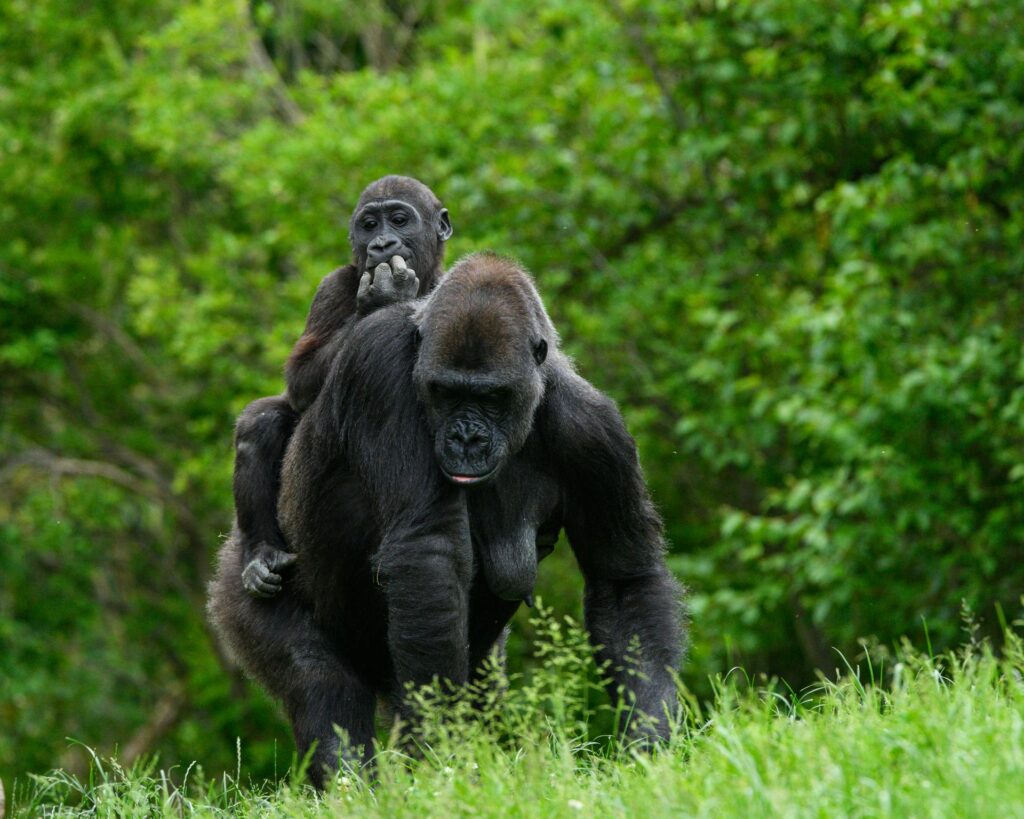
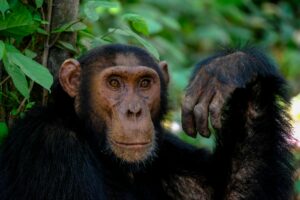
Kyambura Gorge chimpanzees

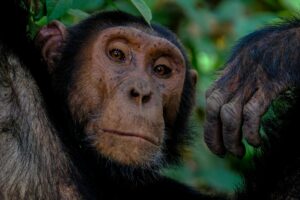
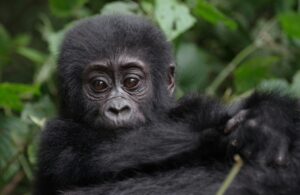
Kyambura Gorge, often called the ”Valley of Apes,” is a stunning 100-meter-deep ravine in the park’s eastern sector [citation:4][citation:8]. This hidden world contains a strip of ancient rainforest, completely different from the surrounding savannah, and is home to a community of habituated chimpanzees [citation:2][citation:4].

Descending into the gorge is like entering another world. The temperature drops, the air fills with moisture, and the calls of primates echo through the trees. Chimpanzee trekking here is less crowded and more affordable than in Kibale, though sightings are less guaranteed (around 60% success rate) [citation:1]. The permit costs just $50, making it one of Africa’s most accessible chimp tracking experiences [citation:1].

The gorge is also home to other primates, including black-and-white colobus monkeys and red-tailed monkeys, and over 300 bird species [citation:4]. The walls of the gorge themselves are stunning—vertical cliffs draped in vegetation, with the Kyambura River flowing through the valley floor.

Kasenyi Plains: Prime Predator Territory
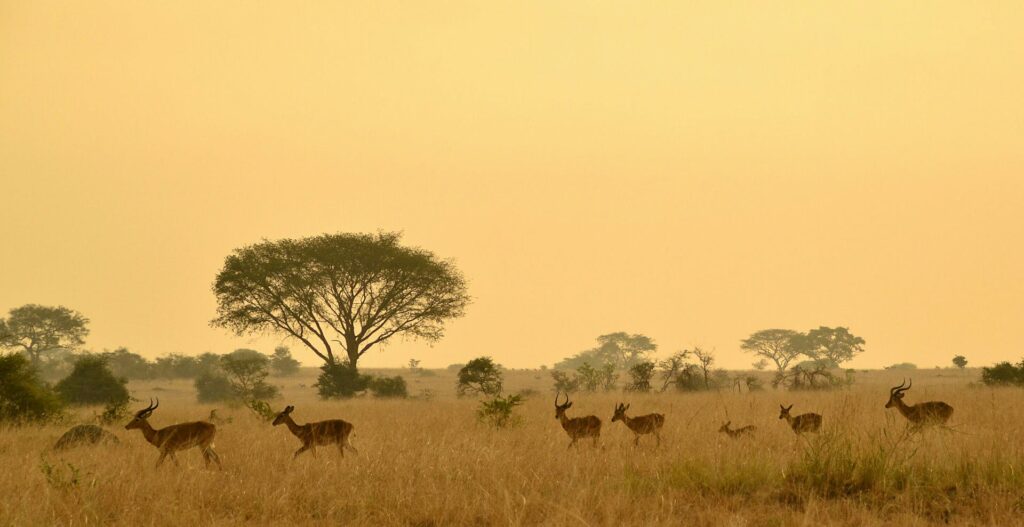
Kasenyi Plains

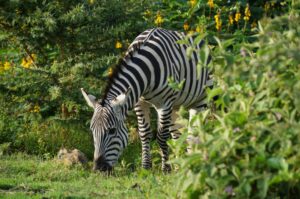
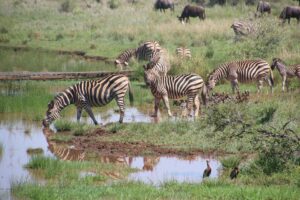
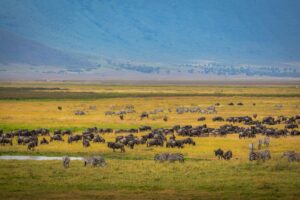
The Kasenyi Plains, in the park’s northern sector near the Mweya Peninsula, are Queen Elizabeth’s premier game viewing area. These open savannah grasslands are prime habitat for Uganda kob, which attract predators in large numbers [citation:1][citation:8].

Early morning game drives in Kasenyi offer the best chances to see lions on the hunt, as they patrol their territories searching for prey [citation:1]. Leopards are also present, though more elusive. The area is also excellent for spotted hyenas, which are often seen returning to their dens at dawn [citation:8].

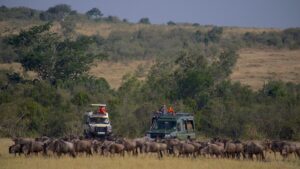
The open terrain makes wildlife viewing spectacular. Herds of buffalo, elephants, and antelope are easily spotted against the backdrop of the Rwenzori Mountains. The Kasenyi area also offers some of the park’s best photographic opportunities, with golden morning light illuminating the savannah [citation:8].

Maramagambo Forest: Nature Walks & Forest Wonders
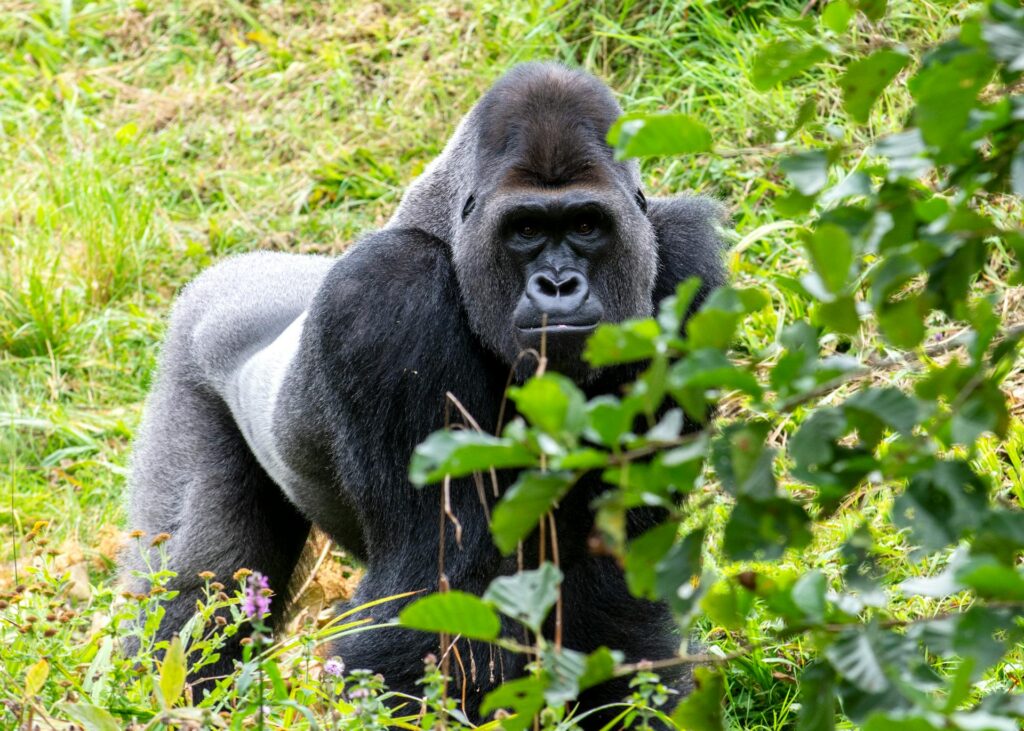
Maramagambo Forest

Maramagambo Forest, in the park’s southern sector, offers a completely different experience from the open savannah. This ancient forest is home to a variety of primates, including black-and-white colobus monkeys, red-tailed monkeys, and blue monkeys, as well as forest birds and butterflies [citation:8].

Guided nature walks through Maramagambo reveal the forest’s secrets. You’ll visit the ”Bat Caves,” home to thousands of bats and pythons that prey on them. The Blue Lake (also known as Lake Nyamusingire) is a stunning crater lake with deep blue waters, perfect for photography [citation:8].

The forest walk is a wonderful complement to savannah game drives, offering a chance to see different species and experience the cool, moist environment of the forest. It’s also excellent for birding, with species like the Rwenzori turaco and African green broadbill [citation:8].

Explosion Craters & Katwe Salt Lakes
Crater lakes

The park’s northern sector is peppered with perfectly formed crater lakes—explosion craters created by ancient volcanic activity [citation:4][citation:8]. These water-filled hollows create a stark contrast to the surrounding savannah, with their deep blue or green waters rimmed by lush vegetation. A walk along the crater rim offers breathtaking views across the park to the Rwenzori Mountains [citation:8].

The Katwe Salt Lakes, near the park’s entrance, have been mined for salt for centuries. Visitors can tour the salt extraction sites and witness the traditional methods still used today—a fascinating cultural experience that reveals how local communities have lived alongside the park for generations [citation:5].

Lake Munyanyange, one of the crater lakes, sometimes attracts flamingos—a surprising sight in this savannah landscape [citation:5]. The combination of volcanic geology, wildlife, and cultural history makes the crater lakes region a must-visit.
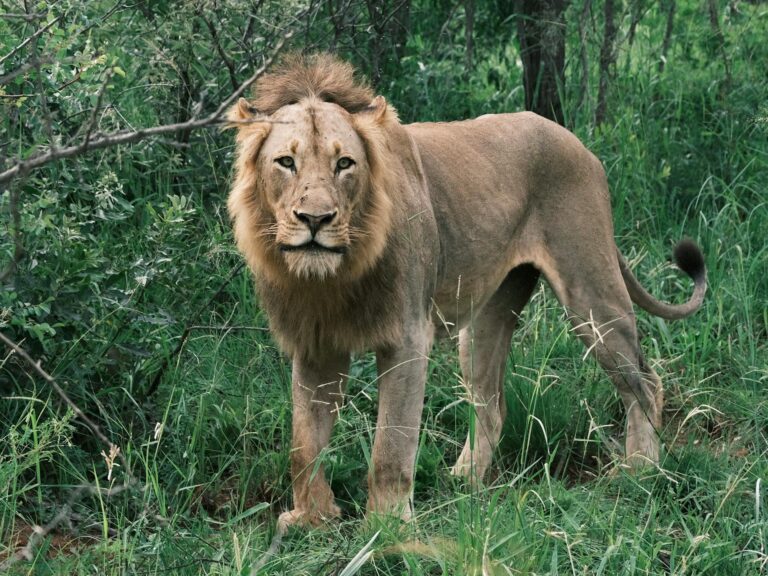
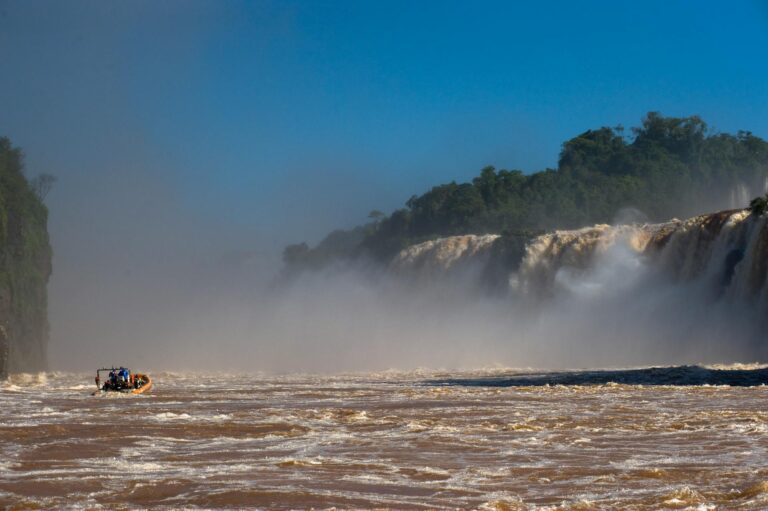
Exploring Queen Elizabeth: From Ishasha Lions to Kazinga Hippos

Ishasha Sector: Tree-Climbing Lion Territory

The Ishasha sector, in the park’s remote southern section, is world-famous for its tree-climbing lions [citation:2][citation:4][citation:8]. This area of open savannah dotted with fig trees provides the perfect habitat for these unique felines. Game drives here focus on scanning the branches of massive fig trees for lions lounging in the shade.

The best time to spot them is during the heat of the day (mid-morning to early afternoon) when they seek refuge from tsetse flies and the hot ground [citation:1][citation:8]. The Ishasha plains are also home to large herds of Uganda kob, topi, and buffalo, which attract predators. The sector is less visited than the northern part of the park, offering a more intimate safari experience.

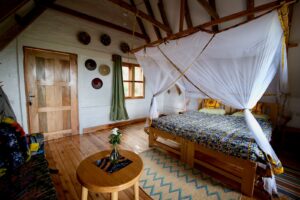
Several lodges in Ishasha offer accommodations, allowing you to spend multiple days searching for the lions. The drive from the northern sector takes about 2-3 hours, so many visitors include Ishasha as part of a multi-day itinerary.

Kazinga Channel: Wildlife Highway

The Kazinga Channel is the park’s centerpiece—a 32-kilometer natural channel connecting Lake Edward and Lake George [citation:4][citation:8]. This is where you’ll find the highest concentration of wildlife in the park, easily viewed from boat safaris that depart from the Mweya Peninsula.

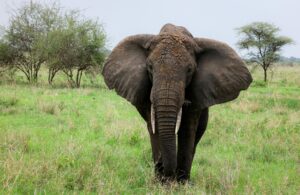
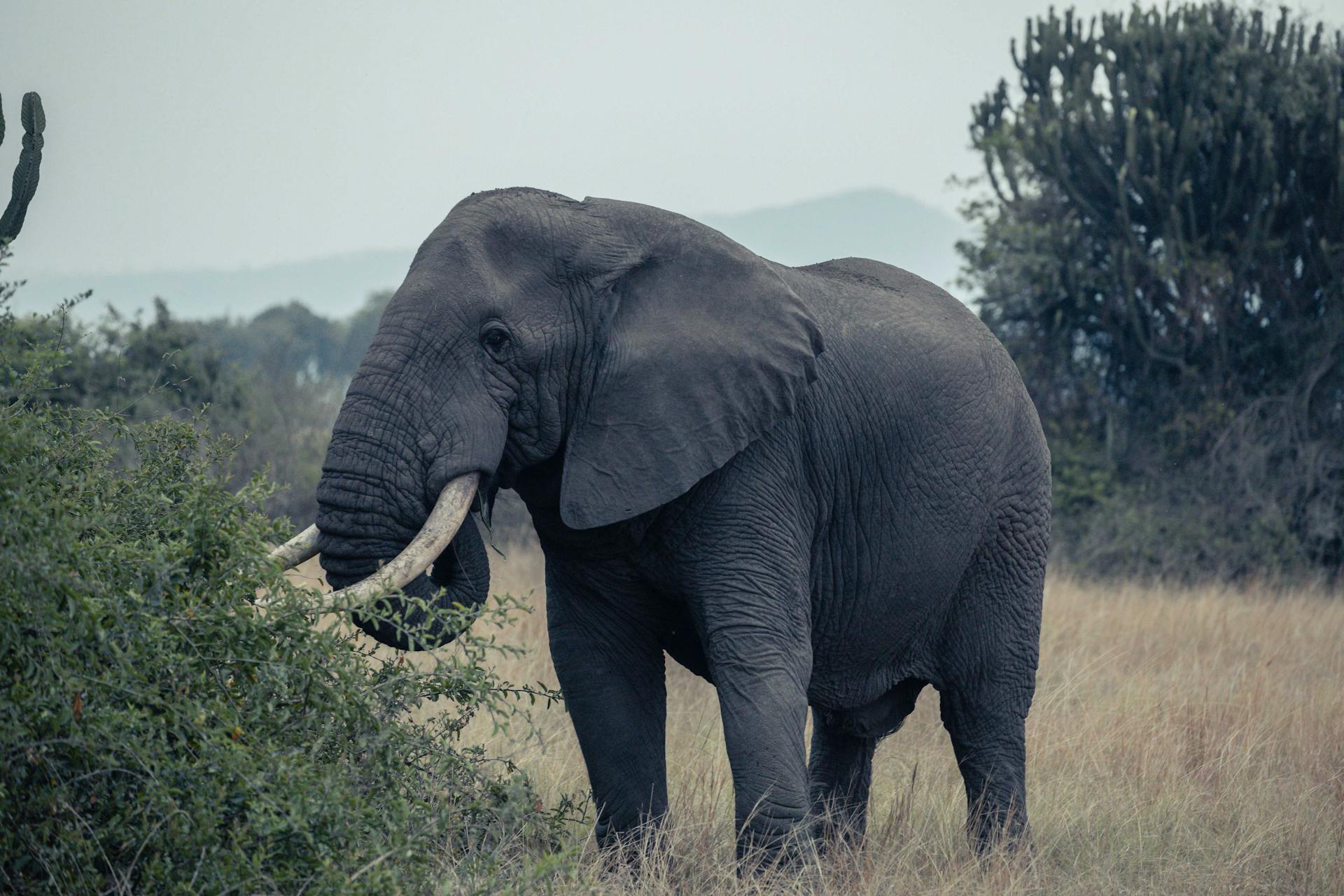
The channel’s banks are lined with animals. Hippos crowd the waters in the world’s highest density [citation:1][citation:4]. Elephants, buffalo, and Uganda kob come to drink. Crocodiles bask on sandbanks. The birdlife is spectacular—African fish eagles, yellow-billed storks, pelicans, kingfishers, and bee-eaters are all common [citation:1][citation:2][citation:5].

The two-hour boat safari is essential—it offers perspectives and wildlife encounters that game drives cannot match. Early morning and late afternoon departures provide the best light for photography and the most active wildlife [citation:1].

Kasenyi Plains: Predator Hunting Grounds

The Kasenyi Plains, in the park’s northern sector near Mweya, are Queen Elizabeth’s premier game viewing area [citation:1][citation:8]. These open savannah grasslands support large herds of Uganda kob, which in turn attract predators. Early morning game drives here offer the best chances to see lions on the hunt.
The area is also excellent for leopards, though they’re more elusive. Spotted hyenas are commonly seen, often returning to their dens at dawn. Elephants, buffalo, and antelope are easily spotted against the backdrop of the Rwenzori Mountains.
The Kasenyi area also offers some of the park’s best photographic opportunities, with golden morning light illuminating the savannah. The tracks are well-maintained, making for comfortable game drives. Many of the park’s best lion sightings occur in this area.

Kyambura Gorge: The Valley of Apes

Kyambura Gorge is a stunning 100-meter-deep ravine in the park’s eastern sector, often called the ”Valley of Apes” [citation:4][citation:8]. This strip of ancient rainforest, completely different from the surrounding savannah, is home to a community of habituated chimpanzees [citation:2][citation:4].

Descending into the gorge is an adventure in itself. The steep walls are draped in vegetation, and the Kyambura River flows through the valley floor. Chimpanzee trekking here is less crowded and more affordable than in Kibale, though sightings are less guaranteed (around 60% success rate) [citation:1].

The gorge is also home to other primates, including black-and-white colobus monkeys and red-tailed monkeys. Birding is excellent, with over 300 species recorded. The walls of the gorge offer stunning viewpoints across the surrounding savannah.

Mweya Peninsula: The Park's Hub

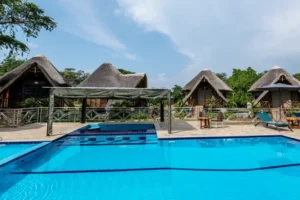
The Mweya Peninsula is the park’s visitor hub, jutting into the Kazinga Channel with stunning views across the water [citation:4][citation:7]. This is where the park headquarters, visitor center, and Mweya Safari Lodge are located, along with the departure point for Kazinga Channel boat safaris.

The peninsula itself offers excellent wildlife viewing. Elephants and buffalo often graze nearby, and hippos are always visible in the channel. The area is also good for birding, with African fish eagles and other waterbirds common. The Mweya viewpoint offers spectacular panoramas of the channel and surrounding landscape.

From Mweya, you can access the Kasenyi Plains game drive area and the crater lakes region. It’s the perfect base for exploring the park’s northern sector.

Crater Lakes & Katwe Salt Mines

The park’s northern sector is dotted with explosion craters—perfectly formed crater lakes created by ancient volcanic activity [citation:4][citation:8]. Lakes Katwe, Munyanyange, and Bagusa offer stunning scenery and excellent birdwatching. A drive along the crater rim provides breathtaking views across the park to the Rwenzori Mountains [citation:8].

The Katwe Salt Lakes have been mined for salt for centuries. Visiting the salt extraction sites offers a fascinating cultural experience—you’ll see the traditional methods still used today and learn how local communities have coexisted with the park [citation:5].

Lake Munyanyange sometimes attracts flamingos, creating a surreal pink spectacle against the savannah [citation:5]. The crater lakes area is a wonderful complement to game drives, offering a different perspective on the park’s diverse landscapes.

Queen Elizabeth Month-by-Month: Tree-Climbing Lions, Kazinga Channel & When to Visit

Queen Elizabeth National Park is Uganda’s most biodiverse protected area, a stunning 1,978-square-kilometer expanse of savannah, wetlands, and forests cradled in the western Rift Valley . Set against the backdrop of the jagged Rwenzori Mountains, the park’s magnificent vistas include dozens of enormous craters carved dramatically into rolling green hills, panoramic views of the Kazinga Channel with its banks lined with hippos, buffalo, and elephants, and the endless Ishasha plains where fig trees hide lions ready to pounce on herds of unsuspecting Uganda kob [citation:4][citation:8].

The park is home to 95 mammal species and over 600 bird species—the highest of any East African park [citation:1][citation:2][citation:8]. It’s famous for its tree-climbing lions in the Ishasha sector, the world’s highest concentration of hippos along the Kazinga Channel, and chimpanzees in Kyambura Gorge [citation:1][citation:4][citation:8].

The best time for wildlife viewing is during the dry seasons (June-September and January-February) when vegetation is sparse and animals concentrate around water sources [citation:1][citation:3][citation:9]. The wet seasons bring lush landscapes and spectacular birding with migratory species from Europe and North Africa [citation:6][citation:9].

All temperatures are daytime highs and nighttime lows. Rainfall is average monthly precipitation in millimeters.

Month
Rain
Min
Max
Season

Featured Destinations

Selected Complementary Destinations

Bwindi Impenetrable National Park

Top Reasons to Visit
Gorilla Trekking Safaris Year-Round Safari

Mgahinga Gorilla National Park

Top Reasons to Visit
Gorilla Trekking Safaris Year-Round Safari

Queen Elizabeth National Park

Top Reasons to Visit
Big 5 Wildlife Year-Round Safari

Kidepo Valley National Park

Top Reasons to Visit
Bird Watchers' Paradise Family Friendly

Lake Mburo National Park

Top Reasons to Visit
Small Intimate Park Year-Round Safari Family Friendly

Mahale Mountains National Park

Top Reasons to Visit
Guided Chimpanzee Tracking True Wilderness Experience

Murchison Falls National Park

Top Reasons to Visit
Year-Round Safari Family Friendly

Plan Your Journey to Queen Elizabeth National Park

Ready to explore? Our travel specialists are here to help craft your dream itinerary.

Chat on WhatsApp
Created by icon tripfrom the Noun Project Created by Amethyst Studiofrom the Noun Project Created by Amethyst Studiofrom the Noun Project Created by Amethyst Studiofrom the Noun Project