Ziwa Rhino Sanctuary

Ziwa Rhino Sanctuary

Ziwa Rhino Sanctuary

Ziwa Rhino Sanctuary

  • Best Time to Visit: January–October; avoid peak December holiday crowds
  • Entry Fees: From $120 for non-resident adults (rhino tracking experience)
  • Country:

Why Ziwa Is Uganda's Remarkable Rhino Conservation Success

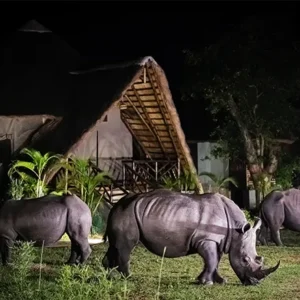
Ziwa Rhino Sanctuary is a remarkable conservation success story—a 70-square-kilometer protected area dedicated to bringing white rhinos back to Uganda after they were poached to extinction in the 1980s . Established in 2005, Ziwa is now home to over 30 southern white rhinos and serves as the only place in Uganda where you can see rhinos in the wild .

Located just 2-3 hours from Kampala on the way to Murchison Falls National Park, Ziwa is the perfect stopover for travelers heading north . Beyond rhinos, the sanctuary protects a stunning diversity of wildlife, including over 300 bird species, monkeys, antelopes, and the elusive shoebill stork in its papyrus swamps .

Here is why Ziwa deserves a place on every Uganda itinerary.

The Only Place to See Rhinos in Uganda
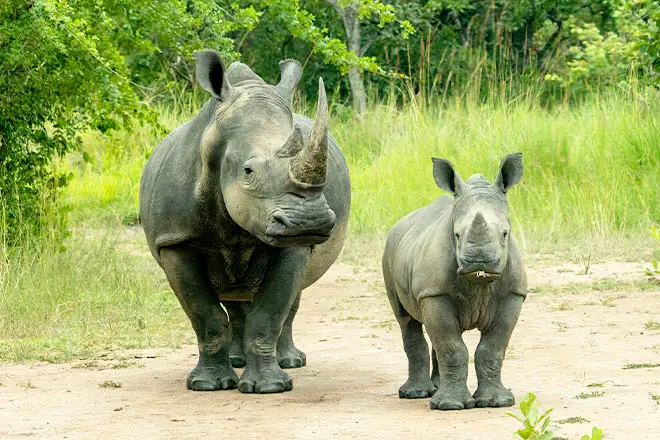
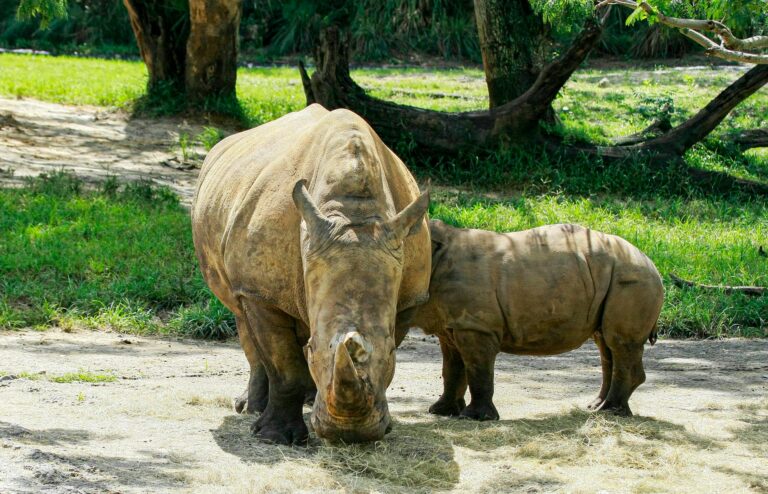
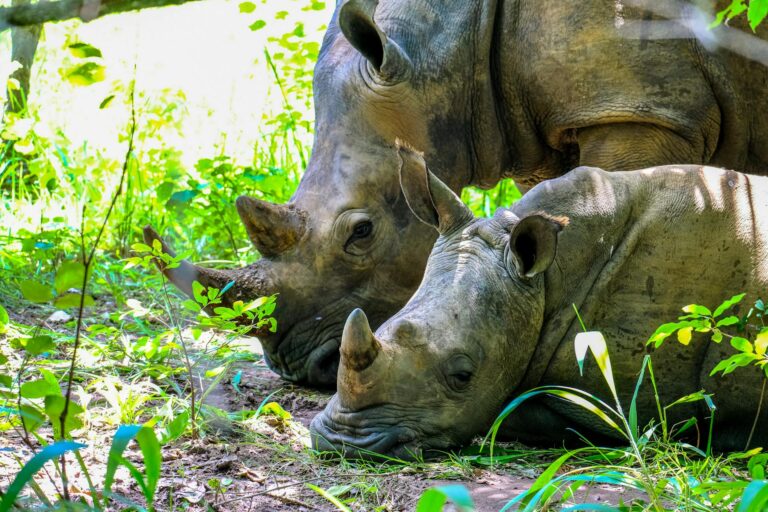
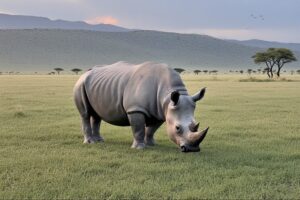
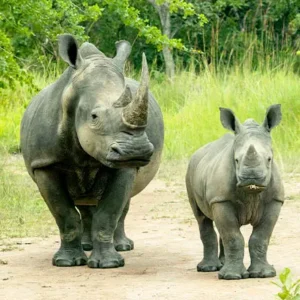
White rhino

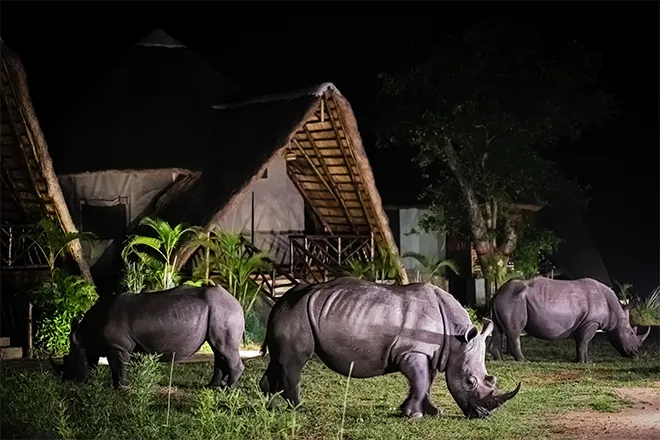
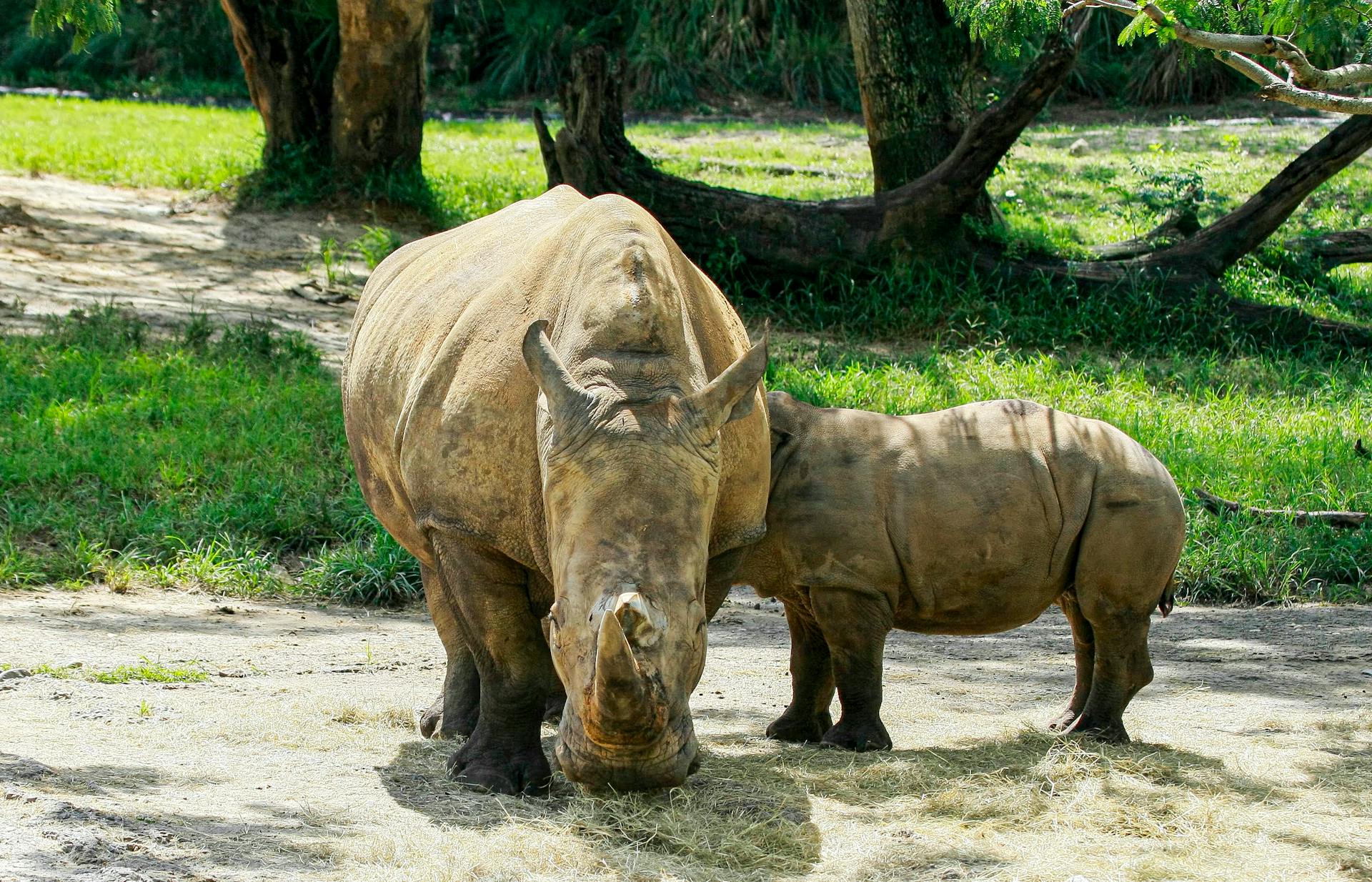
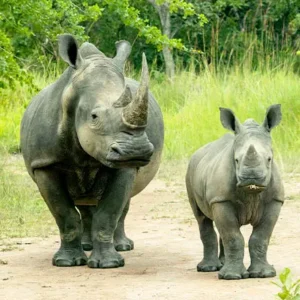
Ziwa Rhino Sanctuary holds a unique distinction: it is the only place in Uganda where you can see rhinos in the wild . By the 1980s, Uganda’s once-thriving rhino populations had been completely wiped out by poaching during decades of civil unrest . The last northern white rhino was seen in Murchison Falls in 1982 .

In 2005, with support from the Rhino Fund Uganda and the Uganda Wildlife Authority, Ziwa was established as a dedicated breeding sanctuary . Six rhinos were introduced from Kenya and the United States, and the population has since grown to over 30 individuals—a true conservation success story .

Rhino tracking at Ziwa offers an intimate, close-up experience. Accompanied by armed rangers, you’ll walk through the sanctuary’s savannah and woodland, approaching the rhinos on foot. Watching these prehistoric creatures grazing peacefully, knowing the effort it took to bring them back, is deeply moving .

Shoebill Stork: Uganda's Most Wanted Bird
Shoebill stork

Ziwa is one of the most reliable places in Uganda to see the legendary shoebill stork—a prehistoric-looking bird that tops every birder’s bucket list . This elusive species, standing up to 1.5 meters tall with a shoe-shaped bill, inhabits the sanctuary’s extensive papyrus swamps .

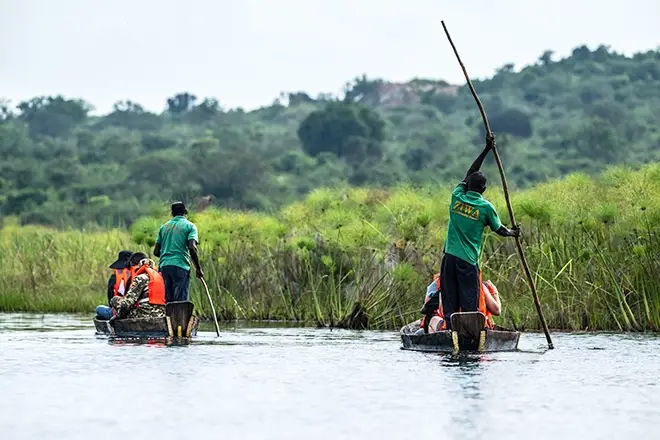
A shoebill tracking excursion at Ziwa involves a canoe trip through the swampy channels, guided by expert trackers who know the bird’s habits and favorite spots . The canoe journey itself is beautiful—gliding through papyrus-lined waterways, watching kingfishers, herons, and other waterbirds .

When you finally spot a shoebill, standing motionless in the reeds, the moment is unforgettable. Its prehistoric appearance, patient hunting style, and sheer rarity make it one of Africa’s most sought-after wildlife encounters .

Walking Safaris: Intimate Encounters
Walking safari

Unlike Uganda’s national parks, where walking is limited, Ziwa offers extensive walking safaris that bring you intimately close to wildlife . Accompanied by armed rangers, you can explore the sanctuary’s diverse habitats—acacia woodlands, savannah grasslands, papyrus swamps, and riverine forests.

Rhino tracking is the main walking activity, but Ziwa offers much more. You can take nature walks to spot Uganda kob, bushbuck, oribi, and the striking Jackson’s hartebeest . The sanctuary is also home to monkeys, crocodiles, and a rich variety of birdlife .

Walking in Ziwa is safe and accessible—the rhinos are habituated to human presence, and the sanctuary has no lions or elephants . The experience of approaching a two-ton rhino on foot, with nothing but a ranger between you, is exhilarating and humbling .

Birding Paradise: Over 300 Species
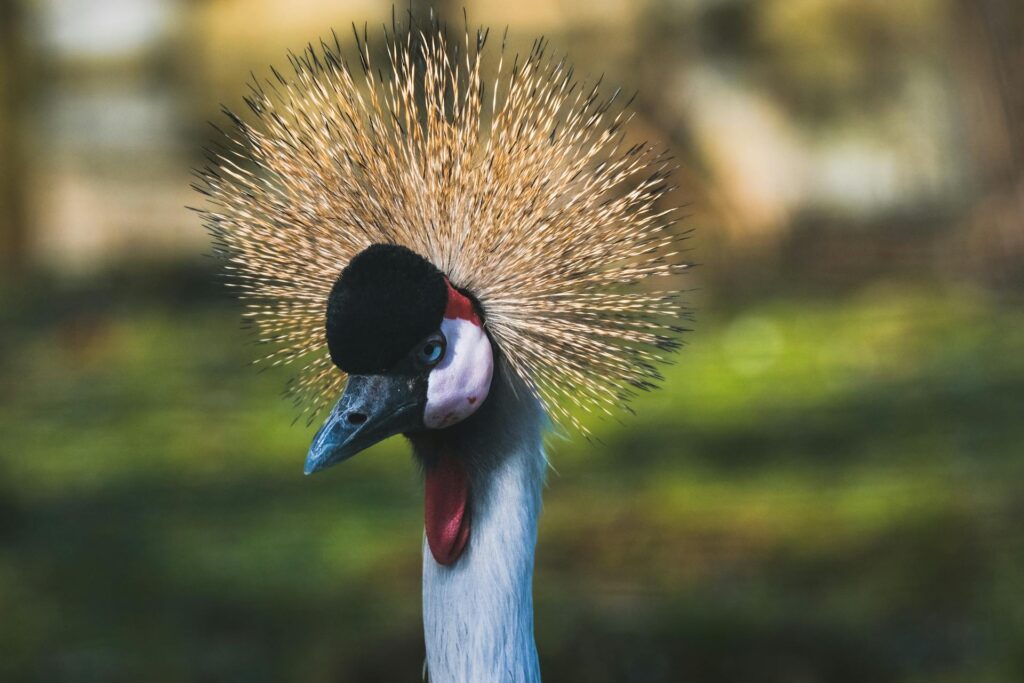
Papyrus gonolek

Ziwa is a premier birding destination, with over 300 bird species recorded across its varied habitats . The sanctuary’s location—transitioning between savannah and swamp—creates an extraordinary diversity of birdlife .

The papyrus swamps are home to the shoebill, along with papyrus gonolek, papyrus canary, and white-winged warbler . The acacia woodlands host species like the Abyssinian ground hornbill, superb starling, and various weavers . The open grasslands are good for secretary birds, kori bustards, and numerous raptors .

Birding is excellent year-round, but the wet seasons (March-May and October-November) bring migratory species from Europe and Asia, swelling the lists . Ziwa’s bird checklist is impressive even by Ugandan standards .

Conservation in Action: The Rhino Story
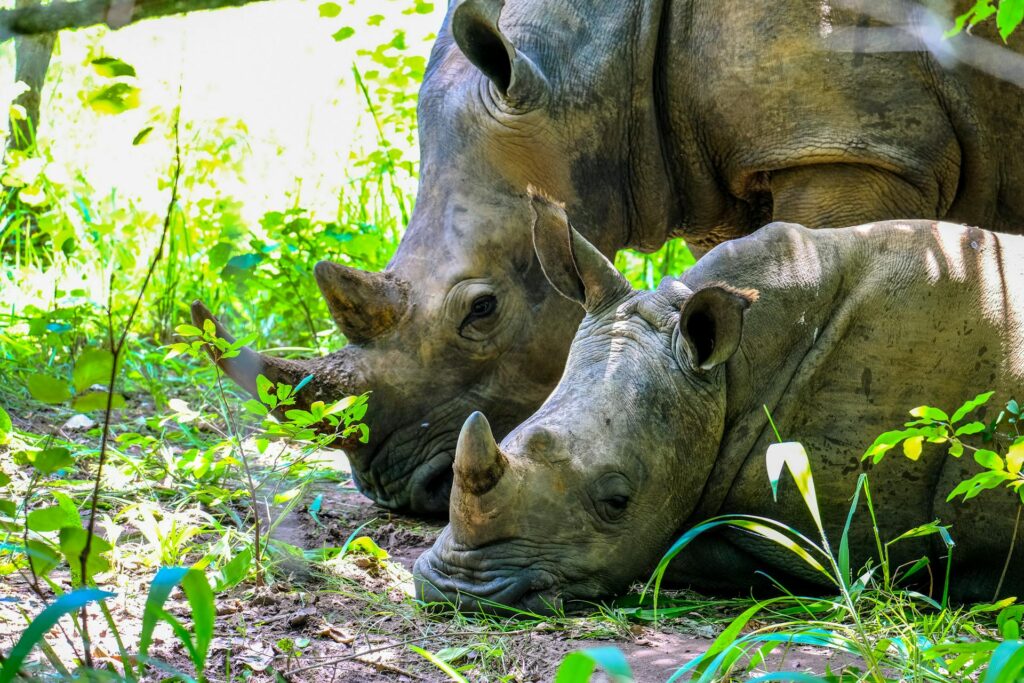
Rhino monitoring

A visit to Ziwa is more than a wildlife experience—it’s a chance to see conservation happening in real time . The sanctuary’s success is the result of dedicated effort by the Rhino Fund Uganda, the Uganda Wildlife Authority, and local communities .

You can learn about the challenges of rhino conservation—the 24-hour armed protection, the tracking and monitoring, the community outreach programs that ensure local people benefit from the sanctuary’s presence . The rhinos are individually known, each with its own history and personality .

The ultimate goal is to reintroduce rhinos back into Uganda’s national parks. Ziwa’s growing population is the source for this future rewilding. By visiting, you’re directly contributing to this vision—sanctuary fees fund the conservation work .

Perfect Stopover: Kampala to Murchison Falls
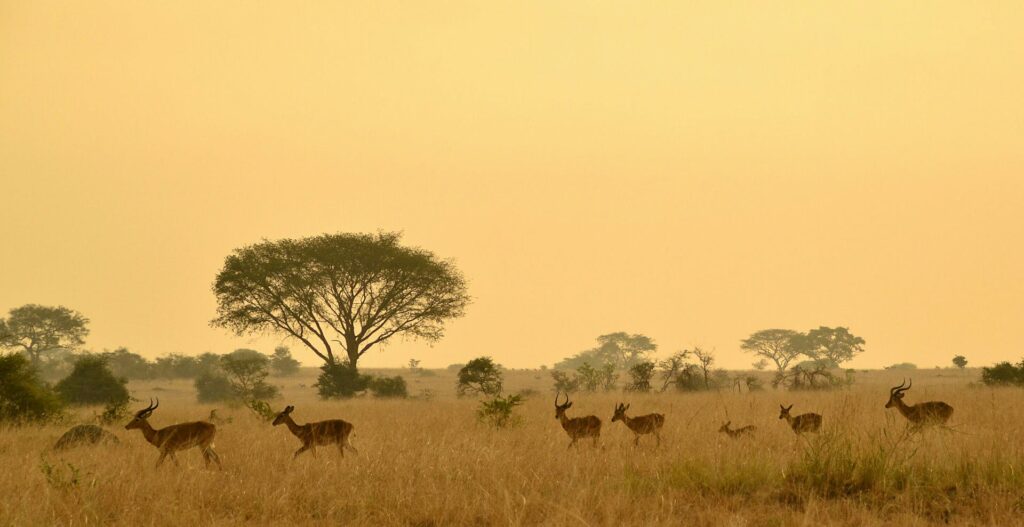
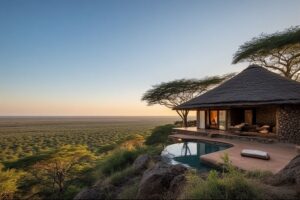
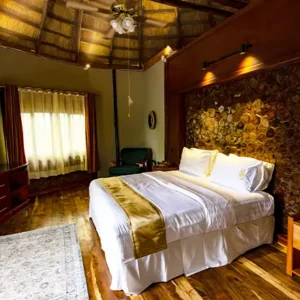
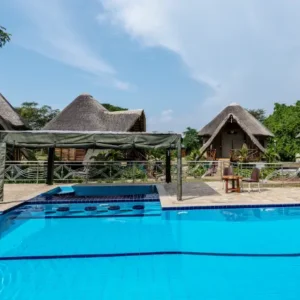
Ziwa Safari Lodge

Ziwa’s location makes it the perfect stopover for travelers heading to Murchison Falls National Park . Located just 2-3 hours from Kampala and 2-3 hours from Murchison, it’s ideally situated to break the journey north .

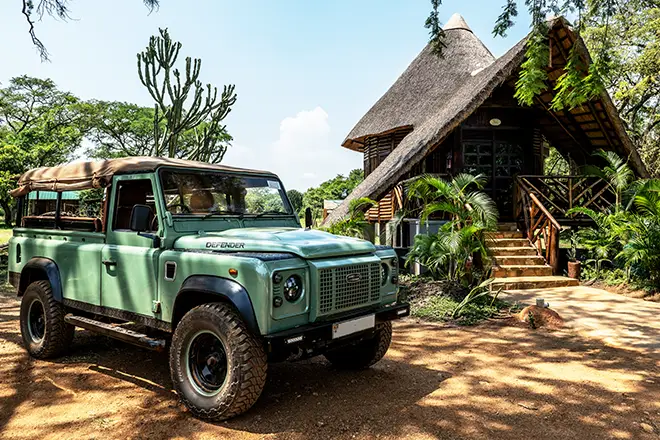
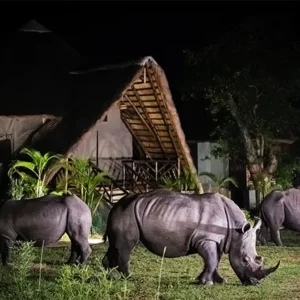
Many travelers spend a night at Ziwa, arriving in the afternoon, doing a rhino tracking walk, and continuing to Murchison the next morning. The sanctuary offers comfortable accommodations at the Ziwa Safari Lodge and Amuka Safari Lodge, as well as basic camping and guesthouse options .

The timing works perfectly—you can leave Kampala after breakfast, arrive at Ziwa by lunch, spend the afternoon with the rhinos, sleep soundly in the bush, and arrive at Murchison by lunch the next day. It transforms a long drive into a mini-adventure .
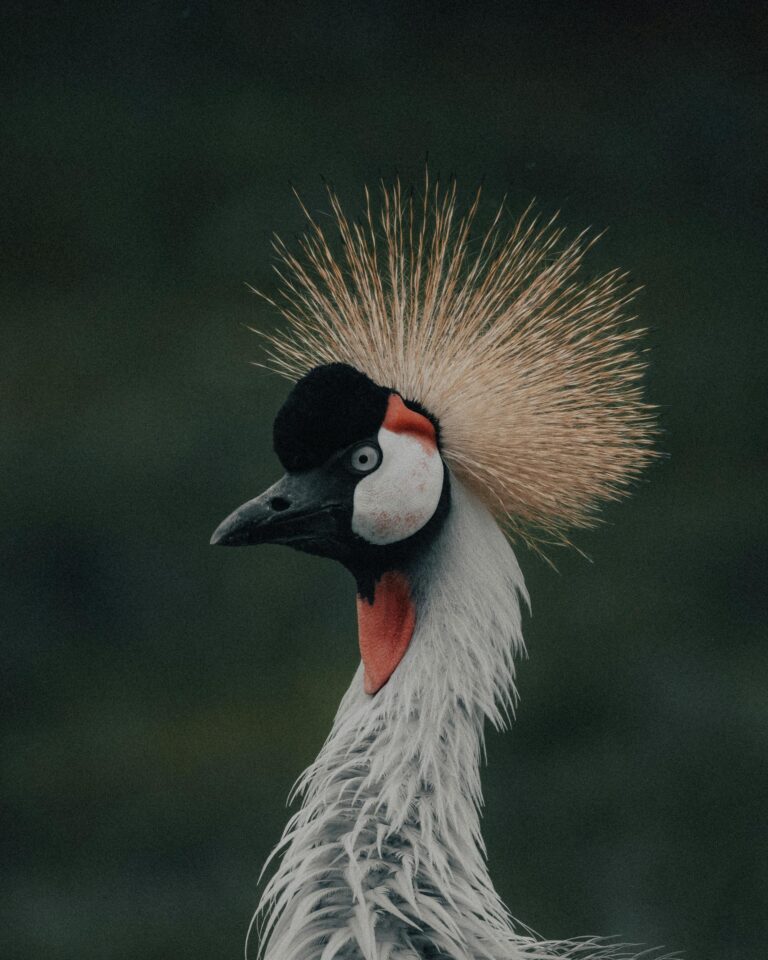
Exploring Ziwa: From Rhino Territory to Shoebill Swamps

Rhino Tracking Area: Walking with Giants

The rhino tracking area is the heart of Ziwa—a 70-square-kilometer expanse of acacia woodlands and open grasslands where the sanctuary’s 30+ white rhinos roam freely . This is where you’ll experience the thrill of approaching a two-ton rhino on foot, accompanied by armed rangers .

Tracking starts from the sanctuary headquarters, where rangers radio the trackers who monitor the rhinos’ locations daily . The walk can last anywhere from 30 minutes to 2 hours, depending on where the rhinos are. The terrain is mostly flat and easy walking, suitable for all ages .

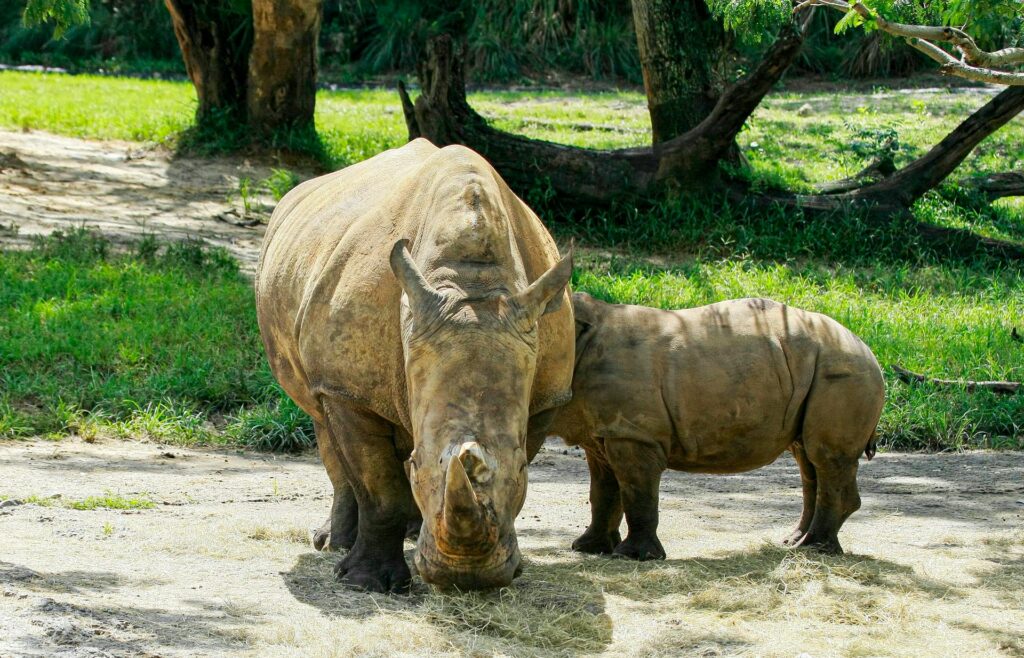
When you find the rhinos, you’ll spend up to an hour observing them. You might see a mother with her calf, a dominant bull marking his territory, or a group of juveniles playfully sparring. The rangers know individual rhinos by name and share their stories .

Shoebill Swamp: Canoeing with the Prehistoric

The shoebill swamp is a large papyrus wetland on the sanctuary’s boundary, one of the most reliable places in Uganda to see the legendary shoebill stork . Accessible by canoe, this area offers a completely different experience from the rhino tracking walks.

The canoe trip takes you through narrow channels lined with papyrus, floating quietly past lily pads, kingfishers, and herons . Your guide will navigate the maze of waterways, listening and watching for signs of the shoebill. The canoeing itself is beautiful—peaceful, intimate, and immersive.

When you spot a shoebill, standing motionless in the reeds, the moment is unforgettable. The swamp is also excellent for other papyrus specialists, including the papyrus gonolek, papyrus canary, and white-winged warbler .

Ziwa Safari Lodge & Accommodations

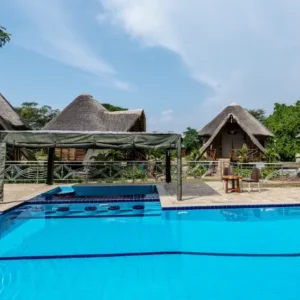
Ziwa Safari Lodge is the sanctuary’s main accommodation, offering comfortable rooms, a restaurant, and beautiful views over the surrounding bush . The lodge is perfect for travelers breaking their journey between Kampala and Murchison Falls, with spacious rooms and a peaceful atmosphere .

Amuka Safari Lodge, also within the sanctuary, offers more upscale accommodations with tented rooms and excellent Nile views from its hilltop location . Both lodges can arrange rhino tracking, shoebill excursions, and nature walks .

For budget travelers, the sanctuary also offers basic guesthouse accommodations and camping facilities. All accommodations support the sanctuary’s conservation work through their fees.

Ziwa Nature Trails: Walking Beyond Rhinos

Beyond the rhino tracking area, Ziwa offers a network of nature trails that explore the sanctuary’s diverse habitats . These walks, always accompanied by a ranger, reveal the smaller wonders of the bush—the plants, insects, birds, and animals often missed on rhino-focused walks.

The trails wind through acacia woodlands, past watering holes, and along the edges of the papyrus swamps. You’ll see Uganda kob, bushbuck, oribi, and Jackson’s hartebeest. The birdlife is abundant, and your ranger will point out species and explain the ecology.

These walks are perfect for those wanting to spend more time in Ziwa beyond the standard rhino tracking experience. They’re also excellent for photographers and birders seeking a deeper immersion .

Uganda Kob Plains & Wildlife Viewing

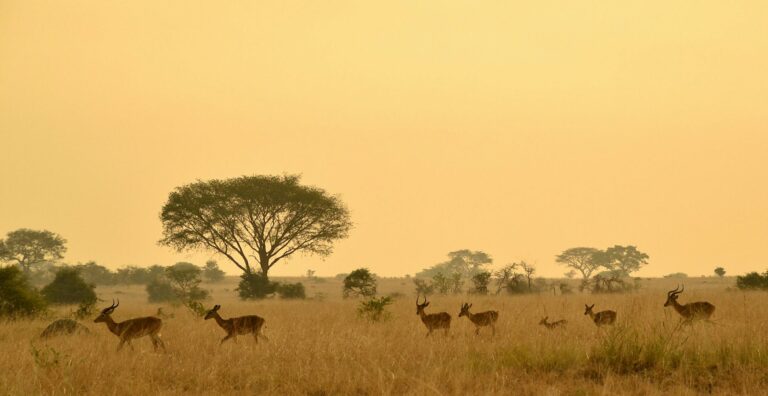
The open grasslands of Ziwa are home to healthy populations of Uganda kob, the elegant antelope from which Kampala derives its name . These beautiful animals are often seen in herds, their spiral horns and reddish-brown coats contrasting against the green grass.

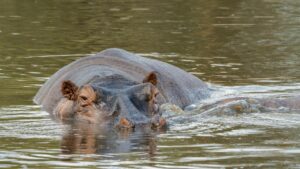
The plains are also good for other antelope—bushbuck, oribi, and the impressive Jackson’s hartebeest with its distinctive ‘heart-shaped’ face . Crocodiles and hippos are present in the sanctuary’s waterways, and monkeys are common in the woodlands.

The open terrain makes wildlife spotting easy, and the light in the late afternoon is beautiful for photography. A game drive or walking safari through these plains adds another dimension to your Ziwa experience.

The Rhino Monument & Conservation Education

Near the sanctuary headquarters, a monument commemorates the return of rhinos to Uganda and the efforts that made it possible . The area includes information displays about the rhino reintroduction program, the challenges of conservation, and the stories of individual rhinos .

You can learn about the 24-hour armed protection that keeps the rhinos safe, the tracking and monitoring that follows each animal’s movements, and the community programs that ensure local people benefit from the sanctuary’s presence .

The education center is a great place to start your visit, offering context that enriches the rhino tracking experience. It’s also a good spot for children to learn about conservation in an engaging way.

Ziwa Month-by-Month: Rhino Tracking, Shoebills & When to Visit

Ziwa Rhino Sanctuary is a remarkable conservation success story—a 70-square-kilometer protected area dedicated to bringing white rhinos back to Uganda after they were poached to extinction in the 1980s . Established in 2005, Ziwa is now home to over 30 southern white rhinos and serves as the only place in Uganda where you can see rhinos in the wild .

Located just 2-3 hours from Kampala on the way to Murchison Falls National Park, Ziwa is the perfect stopover for travelers heading north . Beyond rhinos, the sanctuary protects a stunning diversity of wildlife, including over 300 bird species, monkeys, antelopes, and the elusive shoebill stork in its papyrus swamps .

The best time for rhino tracking is during the drier months (December-February and June-August) when trails are easier to walk and rhinos are more visible . The wet seasons bring lush green landscapes, spectacular birding, and far fewer visitors .

All temperatures are daytime highs and nighttime lows. The sanctuary sits at an elevation of 1,100 meters, creating pleasant year-round temperatures .

Month
Rain
Min
Max
Season

Featured Destinations

Selected Complementary Destinations

Tsitsikamma

Top Reasons to Visit
Bird Watchers' Paradise Big 5 Wildlife Year-Round Safari

Lake Mburo National Park

Top Reasons to Visit
Small Intimate Park Year-Round Safari Family Friendly

Mount Kilimanjaro National Park

Top Reasons to Visit
Africa's Highest Peak Alpine Climate Bands

Amboseli National Park

Top Reasons to Visit
Big 5 Wildlife Year-Round Safari

Tsavo West National Park

Top Reasons to Visit
Bird Watchers' Paradise Big 5 Wildlife Family Friendly

Queen Elizabeth National Park

Top Reasons to Visit
Big 5 Wildlife Year-Round Safari

Plan Your Journey to Ziwa Rhino Sanctuary

Ready to explore? Our travel specialists are here to help craft your dream itinerary.

Chat on WhatsApp
Created by icon tripfrom the Noun Project Created by Amethyst Studiofrom the Noun Project Created by Amethyst Studiofrom the Noun Project Created by Amethyst Studiofrom the Noun Project