South Luangwa National Park – Safari Continents Travel
  • Country:

Why South Luangwa Is the Birthplace of the Walking Safari

South Luangwa National Park is widely regarded as one of the greatest wildlife sanctuaries in Africa, and for good reason. It is the birthplace of the walking safari, a place where you can leave the vehicle behind and experience the African bush on foot, tracking animals with expert guides who bring the wilderness to life. This is not just a safari; it’s an immersion.

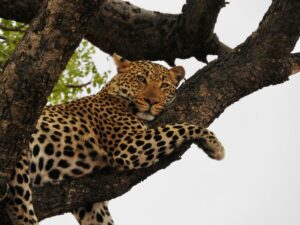
Located in eastern Zambia, the park is centered on the Luangwa River, a permanent water source that attracts an astonishing concentration of wildlife. It is particularly famous for its high density of leopards—often called the ‘Leopard Capital of Africa’—as well as its large herds of elephant and buffalo. With over 60 mammal species and 400 bird species, South Luangwa offers one of the most diverse and intimate safari experiences on the continent.

Birthplace of the Walking Safari

South Luangwa is where the walking safari was pioneered in the 1960s, and it remains the quintessential way to experience this wilderness. Accompanied by an expert guide and an armed ranger, you leave the vehicle behind and step into the bush on foot. The perspective shifts completely—you notice the small things, the tracks, the scat, the insects, the medicinal plants. You learn to read the bush, to understand the alarm calls of birds, to smell the difference between animals.

The walking safari is not about covering distance; it’s about immersion. Your guide might stop to examine a leopard track, to explain how a certain plant is used in traditional medicine, to show you where an elephant passed just hours ago. The sense of vulnerability is real, but it’s managed with professionalism and respect. It’s an experience that connects you to the African bush in a way that game drives never can.

The Leopard Capital of Africa

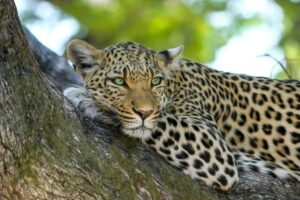
South Luangwa is famous for its high density of leopards, earning it the well-deserved nickname ‘Leopard Capital of Africa.’ These elusive cats are more visible here than almost anywhere else on the continent, with regular sightings along the riverbanks and in the woodlands. The combination of dense riverine vegetation and abundant prey creates ideal leopard habitat.

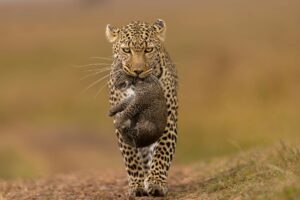
With an expert guide, you’ll learn to spot them—a tail draped over a branch, a shape in the dappled light, a fresh track in the sand. The guides know individual leopards, their territories, their histories. Watching a leopard stalk prey, or a mother with her cubs, is one of the most thrilling experiences in African wildlife.

The Luangwa River: Lifeblood of the Valley

The Luangwa River is the lifeblood of the park, a permanent water source that winds through the valley, attracting wildlife from miles around. Its banks are lined with lush riverine forest, creating a green corridor through the savannah. During the dry season, the river shrinks to a series of pools and channels, concentrating wildlife in spectacular numbers.

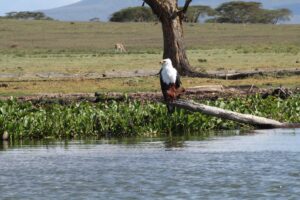
Hippos are everywhere—the Luangwa has one of the highest hippo densities in Africa. They grunt and jostle in the deeper pools, their eyes and nostrils just visible above the water. Crocodiles bask on sandbanks. Elephants cross between islands. The river is also a magnet for birdlife, with kingfishers, herons, and fish eagles lining its banks.

African Wild Dogs: Endangered Predators

South Luangwa is one of the best places in Africa to see the endangered African wild dog, also known as the painted wolf. These highly social predators roam the park in packs, hunting with extraordinary coordination and stamina. Seeing a pack of wild dogs on the hunt, their mottled coats flashing through the bush, is one of Africa’s most thrilling wildlife spectacles.

The park’s wild dog population is healthy and well-studied, with several packs regularly seen. Your guide will know their territories and habits, increasing your chances of an encounter. Watching them interact at the den, or successfully bring down prey, is an unforgettable experience.

Night Drives: Revealing the Nocturnal World

When darkness falls, South Luangwa comes alive with a completely different set of creatures. Night drives, conducted with powerful spotlights, reveal the park’s nocturnal residents. Bush babies leap through the trees, their enormous eyes reflecting the light. Genets stalk through the undergrowth. Porcupines rustle in the leaf litter.

And of course, the predators are active—leopards on the hunt, lions moving through the darkness, hyenas calling to each other. The sounds of the night—the grunt of hippos, the whoop of hyenas, the rustle of unseen creatures—add to the atmosphere. It’s a thrilling way to experience the park’s full biodiversity.

Remote Bush Camps: The Ultimate Immersion

South Luangwa is famous for its remote bush camps, small seasonal camps that offer the ultimate immersion in the wilderness. These camps, often accessible only on foot, consist of a handful of tents set in pristine bush, with no fences and minimal infrastructure. You fall asleep to the sounds of the wild and wake to the dawn chorus.

The bush camps are the perfect base for multi-day walking safaris, where you move between camps, experiencing the park from a different perspective each day. The guiding is exceptional, the food is gourmet, and the experience is unforgettable. It’s a chance to truly disconnect and live in the rhythm of the bush.
Exploring South Luangwa: From Mfuwe to the Remote South

Mfuwe Sector: The Wildlife Heart

The Mfuwe sector is the most accessible and most visited part of South Luangwa, and for good reason. This area, centered around the Mfuwe Gate and the Mfuwe Lodge, offers some of the best wildlife viewing in the park. The permanent lagoons and the Luangwa River attract huge concentrations of animals, especially during the dry season.

This is leopard territory, with regular sightings along the riverbanks and in the ebony groves. Elephant herds are common, and the lagoons are filled with hippos and crocodiles. The area has a good network of roads, making it ideal for game drives, and is home to several excellent lodges. It’s the perfect introduction to South Luangwa.

The Luangwa River: Lifeblood of the Valley

The Luangwa River is the heart of the park, a permanent water source that winds for over 100 kilometers through the valley. Its banks are lined with riverine forest, ebony groves, and grassy floodplains, creating a rich mosaic of habitats. During the dry season, the river shrinks, concentrating wildlife in spectacular numbers.

The river is the best place to see hippos—the Luangwa has one of the highest hippo densities in Africa. It’s also excellent for elephants, which swim between islands, and for crocodiles, which bask on sandbanks. The birdlife along the river is exceptional, with kingfishers, herons, and fish eagles everywhere.

The Oxbow Lagoons

Scattered along the Luangwa River are a series of oxbow lagoons—remnants of old river channels that have been cut off from the main flow. These lagoons are wildlife magnets, attracting animals throughout the year. They are particularly important during the dry season, when they become the only water sources for miles around.

The lagoons are excellent for hippos, crocodiles, and a variety of waterbirds. Herons, storks, and kingfishers are common, and the surrounding woodlands are good for antelope and predators. Many of the park’s best lodges are situated on these lagoons, offering stunning views and easy access to wildlife.

Nsefu Sector: Exclusive Wilderness

The Nsefu sector, in the northern part of the park, was the first game reserve in Zambia and remains one of its most exclusive areas. This remote, wild region offers a more intimate safari experience, with fewer vehicles and a sense of true wilderness. The landscapes are beautiful, with open plains, woodlands, and riverine forest.

Nsefu is excellent for wild dogs, which are regularly seen here, and for predators in general. The birdlife is exceptional, with species like Pel’s fishing owl and Böhm’s bee-eater. The area is home to several excellent bush camps, perfect for those seeking an immersive, off-the-beaten-path experience.

Kapamba and the Remote South

The southern reaches of South Luangwa, around the Kapamba River, are the most remote and least visited part of the park. This is true wilderness, where you can go for days without seeing another vehicle. The landscapes are rugged and beautiful, with hills, woodlands, and seasonal rivers.

The Kapamba area is excellent for walking safaris, offering a sense of discovery and solitude. Wildlife is less concentrated but more wild. The few camps here are small and exclusive, offering the ultimate immersion in the Luangwa wilderness. For experienced safari-goers, the remote south is a dream destination.

The Walking Safari Zones

South Luangwa is the birthplace of the walking safari, and several areas of the park are dedicated to this intimate way of experiencing the bush. Walking safaris typically operate in the remote areas, away from vehicle tracks, offering a completely different perspective. You walk with expert guides, learning to read the bush, track animals, and appreciate the smaller details.
The walking zones include parts of the Nsefu sector, the remote south, and areas around the bush camps. Multi-day walking safaris, moving between camps, are the ultimate immersion. It’s an experience that connects you to the African bush in a way that game drives never can.

South Luangwa Month-by-Month: Walking Safaris, Leopards & When to Go

South Luangwa National Park offers exceptional wildlife viewing year-round, but the experience changes dramatically with the seasons. The dry winter months (May to October) are the classic safari season, when animals concentrate around the Luangwa River and the lack of vegetation makes them easy to spot. This is also the prime time for walking safaris.

The green summer months (November to April) bring dramatic thunderstorms, lush landscapes, spectacular birding, and far fewer visitors. Some camps close during the wet season, but those that remain offer intimate experiences and dramatically lower rates.

All temperatures are daytime highs and nighttime lows. The Luangwa Valley is hot year-round, with the coolest months being June and July.

Month
Rain
Min
Max
Season

Featured Destinations

Selected Complementary Destinations

Tsavo West National Park

Top Reasons to Visit
Bird Watchers' Paradise Big 5 Wildlife Family Friendly

Serengeti National Park

Top Reasons to Visit
Big 5 Wildlife Year-Round Safari Family Friendly

Mgahinga Gorilla National Park

Top Reasons to Visit
Gorilla Trekking Safaris Year-Round Safari

Queen Elizabeth National Park

Top Reasons to Visit
Big 5 Wildlife Year-Round Safari

Mount Kilimanjaro National Park

Top Reasons to Visit
Africa's Highest Peak Alpine Climate Bands

Olare Motorogi Conservancy

Top Reasons to Visit
Escorted Bush Walks Big 5 Wildlife

Plan Your Journey to South Luangwa National Park

Ready to explore? Our travel specialists are here to help craft your dream itinerary.

Chat on WhatsApp
Created by icon tripfrom the Noun Project Created by Amethyst Studiofrom the Noun Project Created by Amethyst Studiofrom the Noun Project Created by Amethyst Studiofrom the Noun Project