Victoria Falls (Zambia side) – Safari Continents Travel
  • Country:

Why Victoria Falls Is the 'Smoke That Thunders'

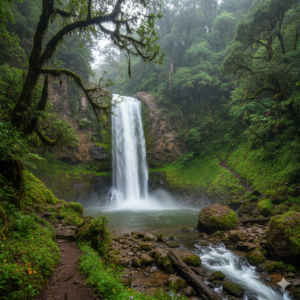
Victoria Falls is one of the Seven Natural Wonders of the World and arguably the most spectacular waterfall on earth. Known locally as ‘Mosi-oa-Tunya’—’the smoke that thunders’—it is a place of immense power and beauty, where the Zambezi River plunges 108 meters into a narrow gorge, creating a curtain of mist that can be seen from miles away.

The Zambian side of the falls offers a unique perspective, with its network of paths leading to viewpoints that bring you face-to-face with the thundering water. It’s also the gateway to some of Africa’s most thrilling adventure activities—bungee jumping, white-water rafting, gorge swinging, and helicopter flights. Here is why the Victoria Falls deserves a place on every traveler’s bucket list.

Mosi-oa-Tunya: The Smoke That Thunders

Victoria Falls is not the highest or widest waterfall in the world, but it is the largest sheet of falling water—over a mile wide and 108 meters high. During the flood season (February to May), the spray rises hundreds of meters into the air, creating a permanent cloud that can be seen from miles away. The name ‘Mosi-oa-Tunya’ captures this perfectly—’the smoke that thunders.’

The Zambian side offers a unique perspective, with paths leading to viewpoints that bring you close to the falls. At the peak of the flood season, you’ll be drenched by the spray—part of the experience. The rainbows that form in the mist are almost constant, and the sound is overwhelming.

Devil's Pool: Swim at the Edge

Devil’s Pool is one of Africa’s most iconic and adrenaline-pumping experiences. During the dry season (August to January), a rock barrier creates a natural pool right at the edge of the falls, allowing daring swimmers to float safely while looking over the precipice. The feeling of being at the edge of the world, with the Zambezi thundering past, is indescribable.

Access is by boat to Livingstone Island, followed by a guided swim to the pool. The experience is carefully managed, with guides ensuring your safety. It’s not for the faint-hearted, but for those who dare, it’s an unforgettable thrill.

White-Water Rafting on the Zambezi

The Zambezi River below Victoria Falls offers some of the best white-water rafting in the world. The Batoka Gorge, with its 23 rapids, including several Grade 5 sections, is a playground for adrenaline seekers. The rafting is challenging, exhilarating, and set against one of the most dramatic landscapes on earth.

Full-day trips take you through the gorge, with breaks for swimming and lunch on the riverbanks. The rapids have names like ‘The Terminator’ and ‘The Ugly Stepsisters’—a hint at what awaits. No experience is necessary; expert guides will teach you everything you need to know. It’s a bucket-list adventure for any thrill-seeker.

Victoria Falls Bridge: Bungee and History

The Victoria Falls Bridge, built in 1905, is a feat of engineering and a historic landmark. It spans the gorge just below the falls, connecting Zambia and Zimbabwe. For visitors, it’s the site of one of the world’s highest commercial bungee jumps—111 meters of freefall into the gorge. The jump is terrifying, exhilarating, and utterly unforgettable.

Even if you don’t jump, walking across the bridge is an experience. The views of the gorge and the falls are spectacular. You can also try the gorge swing, a pendulum swing that plunges you into the gorge, or simply watch others take the leap. The bridge is a place of adrenaline and history in equal measure.

Helicopter and Microlight Flights

For a truly unforgettable perspective on Victoria Falls, take to the air. Helicopter flights offer breathtaking views of the falls, the gorge, and the Zambezi River. From above, you can appreciate the full scale of the waterfall and the surrounding landscape. The flights typically last 15-30 minutes and are a photographer’s dream.

For the truly adventurous, microlight flights offer an even more intimate experience. Open-cockpit flights let you feel the wind and the spray as you soar over the falls. It’s an exhilarating way to experience one of the world’s greatest natural wonders.

Livingstone: The Adventure Capital

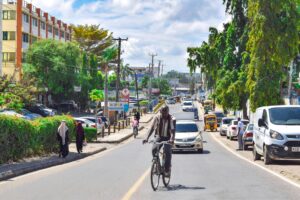
The town of Livingstone, named after the famous explorer David Livingstone, is the gateway to Victoria Falls on the Zambian side. It’s a charming, laid-back town with a rich history and a vibrant atmosphere. The Livingstone Museum, the oldest in Zambia, houses fascinating exhibits on the explorer and the region’s history.

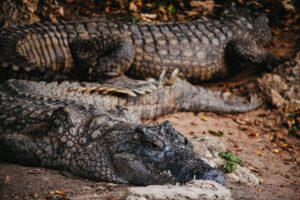
Livingstone is also the hub for adventure activities. In addition to the falls, you can go on sunset cruises along the Zambezi, visit a crocodile farm, or explore the Mosi-oa-Tunya National Park, home to white rhinos and other wildlife. The town has a range of accommodations, from budget-friendly lodges to luxury hotels, making it the perfect base for your Victoria Falls adventure.
Exploring Victoria Falls: From the Falls to the Gorge

The Knife-Edge Bridge

The Knife-Edge Bridge is the most famous viewpoint on the Zambian side, offering spectacular views of the Eastern Cataract and the main falls. A walk along the bridge brings you face-to-face with the thundering water, and the spray is so intense that you’ll be drenched—it’s part of the experience. The rainbows that form in the mist are almost constant.

The bridge is accessed via a series of paths through the rainforest, which is itself a beautiful experience. The vegetation is lush and tropical, kept green by the constant spray. The Knife-Edge Bridge is not for the faint-hearted—it’s narrow and can be slippery—but the views are worth it.

Livingstone Island and Devil's Pool

Livingstone Island is where David Livingstone first viewed the falls in 1855, and it remains one of the most special places on the Zambezi. Accessible only by boat, the island sits right on the edge of the falls, offering a unique perspective. During the dry season, you can swim in Devil’s Pool, a natural rock pool at the very edge of the precipice.

The experience is carefully guided and safe, but it’s not for the faint-hearted. Floating at the edge of the world, with the Zambezi thundering past, is unforgettable. The views from the island are spectacular, and the guides share stories of Livingstone and the falls’ history. It’s a bucket-list experience for adventurous travelers.

The Boiling Pot

At the base of the falls, where the Zambezi crashes into the gorge, lies the Boiling Pot—a churning cauldron of water that marks the beginning of the Batoka Gorge. The viewpoint is accessed via a steep path down into the gorge, and the descent is challenging but rewarding. From the bottom, you can feel the full power of the river.

The Boiling Pot is a popular spot for rafters, who emerge from the rapids into this swirling pool. Watching them from the rocks, or simply sitting and absorbing the power of the water, is a memorable experience. The return climb is tough, but the perspective from the bottom is unique.

Victoria Falls Bridge

The Victoria Falls Bridge, built in 1905, spans the gorge just below the falls. It’s a feat of engineering and a historic landmark, connecting Zambia and Zimbabwe. Walking across the bridge offers spectacular views of the gorge and the falls, and it’s the site of the famous 111-meter bungee jump.

Even if you don’t jump, the bridge is worth visiting. The views are spectacular, and you can watch others take the leap. The history of the bridge is fascinating—it was designed to carry a railway and was part of Cecil Rhodes’ Cape-to-Cairo vision. The bridge is also a great spot for photography, especially in the late afternoon.

The Batoka Gorge

The Batoka Gorge stretches for over 100 kilometers below Victoria Falls, a dramatic canyon carved by the Zambezi over millions of years. This is the site of the world-class white-water rafting, with 23 rapids, including several Grade 5 sections. The gorge is also popular for kayaking, gorge swinging, and scenic hikes.

The scale of the gorge is overwhelming—vertical walls of basalt, with the river far below. The rafting trips take you through the heart of the gorge, with breaks for swimming and lunch on the riverbanks. The gorge swing offers a different kind of thrill—a pendulum plunge into the canyon. It’s an adventure playground for adrenaline seekers.

Mosi-oa-Tunya National Park

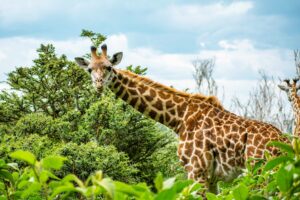
Mosi-oa-Tunya National Park is a small but significant wildlife reserve that borders the falls. It’s one of the few places in Zambia where you can see white rhinos in the wild, as part of a successful conservation program. The park is also home to elephants, giraffes, zebras, and a variety of antelope.

The park offers game drives, walking safaris, and boat trips on the Zambezi. The rhino tracking experience is particularly special—you approach the rhinos on foot with an armed ranger. The park’s location, right on the river, means the scenery is beautiful. It’s a wonderful complement to the falls experience.

Livingstone Town

Livingstone is the charming colonial-era town that serves as the gateway to Victoria Falls. Named after the explorer David Livingstone, it has a relaxed atmosphere and a rich history. The Livingstone Museum, the oldest in Zambia, houses fascinating exhibits on the explorer, the falls, and the region’s history.

The town has a range of accommodations, from budget-friendly lodges to luxury hotels. It’s also a great place for dining, with restaurants serving everything from local Zambian cuisine to international fare. The Livingstone Craft Market offers local crafts, and the Railway Museum is a quirky stop for train enthusiasts. Livingstone is the perfect base for exploring the falls and the surrounding area.

Victoria Falls Month-by-Month: Devil's Pool, Rafting & When to Go

Victoria Falls is a year-round destination, but the experience changes dramatically with the seasons. The water levels of the Zambezi River dictate everything—from the power of the falls to the availability of activities like Devil’s Pool and white-water rafting.

The flood season (February to May) offers the most spectacular views of the falls, with maximum water flow and towering spray. The dry season (August to January) offers lower water levels, clearer views of the rock face, and access to Devil’s Pool. Adventure activities like rafting and bungee jumping are available year-round, but conditions vary.

All temperatures are daytime highs and nighttime lows. Livingstone enjoys a pleasant climate year-round.

Month
Rain
Min
Max
Season

Featured Destinations

Selected Complementary Destinations

Watamu

Top Reasons to Visit
Warm Tropical Beach Year-Round Safari Family Friendly

Nairobi National Park

Top Reasons to Visit
Nairobi Animal Orphanage Big 5 Wildlife Year-Round Safari Family Friendly

Bwindi Impenetrable National Park

Top Reasons to Visit
Gorilla Trekking Safaris Year-Round Safari

Cape Town

Top Reasons to Visit
Jazz City Vibrant African City

Wasini Island

Top Reasons to Visit
Warm Tropical Beach Year-Round Safari

Lake Naivasha

Top Reasons to Visit
Year-Round Safari Family Friendly

Kidepo Valley National Park

Top Reasons to Visit
Bird Watchers' Paradise Family Friendly

Sanbona Wildlife Reserve

Top Reasons to Visit
Malaria-Free Safaris Big 5 Wildlife Year-Round Safari

Tarangire National Park

Top Reasons to Visit
Big 5 Wildlife Year-Round Safari Family Friendly

Plan Your Journey to Victoria Falls (Zambia side)

Ready to explore? Our travel specialists are here to help craft your dream itinerary.

Chat on WhatsApp
Created by icon tripfrom the Noun Project Created by Amethyst Studiofrom the Noun Project Created by Amethyst Studiofrom the Noun Project Created by Amethyst Studiofrom the Noun Project